REVIEW · ROME
Rome: “Chopin & Italian Friends” Piano Concert
Book on GetYourGuide →Operated by Opera da Camera di Roma · Bookable on GetYourGuide
One hour, two great musical worlds. This Rome Chopin piano concert mixes his best-known pieces with Italian composers, performed in a church space where the sound carries beautifully. I like that the atmosphere feels quiet and focused, even though you’re still in the middle of the city.
I also love the way the programme keeps things musical and varied without turning into a lecture. You’ll hear well-known Italian opera themes and intermezzi (Verdi, Mascagni, Puccini) set into arrangements for solo piano, then the evening shifts gears with other famous names like Debussy and Gershwin.
One consideration: because it’s in and around a church location, you may notice street noise at times, and sometimes the performance can run slightly different than the printed set list. If you’re very sensitive to audio distractions, pick your moment and seating with care.
In This Review
- Key things that make this concert worth your time
- A Chopin concert in Rome’s church space: why it feels special
- Which church you’ll hear: Waldensian Church (Mon–Sat) vs Methodist Church (Sun)
- The one-hour programme, piece by piece (and what to listen for)
- Solo piano arrangements of Italian opera: the real deal
- Price and value: is $35 fair for an hour of classical music?
- Finding the meeting point and what the host does for you
- How to choose your seat and manage street noise
- Who this concert suits best in Rome
- Should you book this Chopin & Italian Friends concert?
- FAQ
- How long is the Rome Chopin & Italian Friends piano concert?
- How much does it cost?
- Where does the concert take place in Rome?
- What music is included in the concert?
- What language is the host or greeter?
- Is it wheelchair accessible?
Key things that make this concert worth your time
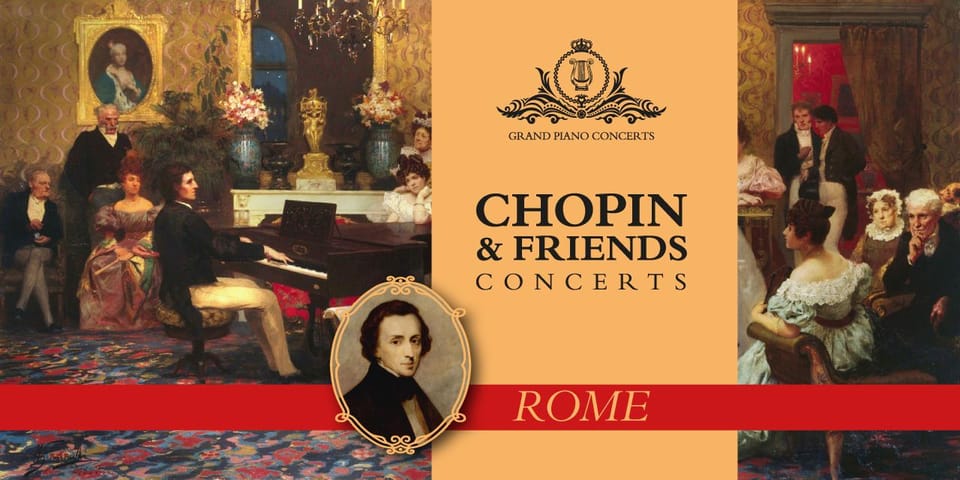
- Chopin-focused, with Italian composers woven in so the whole hour feels like one connected musical story
- Solo piano arrangements mean you hear big emotions without the usual orchestra
- Church acoustics turn a simple concert into something atmospheric
- Waldensian Church (Mon–Sat) and Methodist Church (Sun) so the venue depends on the day you go
- English and Italian host/greeter keeps things simple if you don’t speak Italian
- Wheelchair accessible so it’s easier to attend if you need that setup
A Chopin concert in Rome’s church space: why it feels special
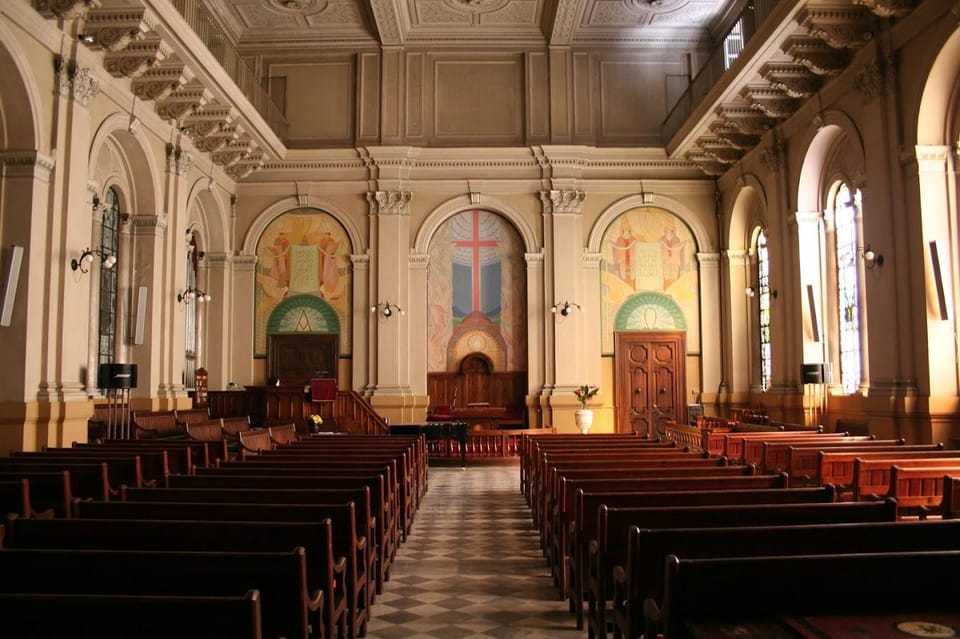
If you want classical music in Rome that’s not “stand in line, sit in a huge hall, hope you can hear,” this format does something smarter. It trades scale for intimacy, using the kind of venue where piano notes don’t just sound loud—they sound clear and close.
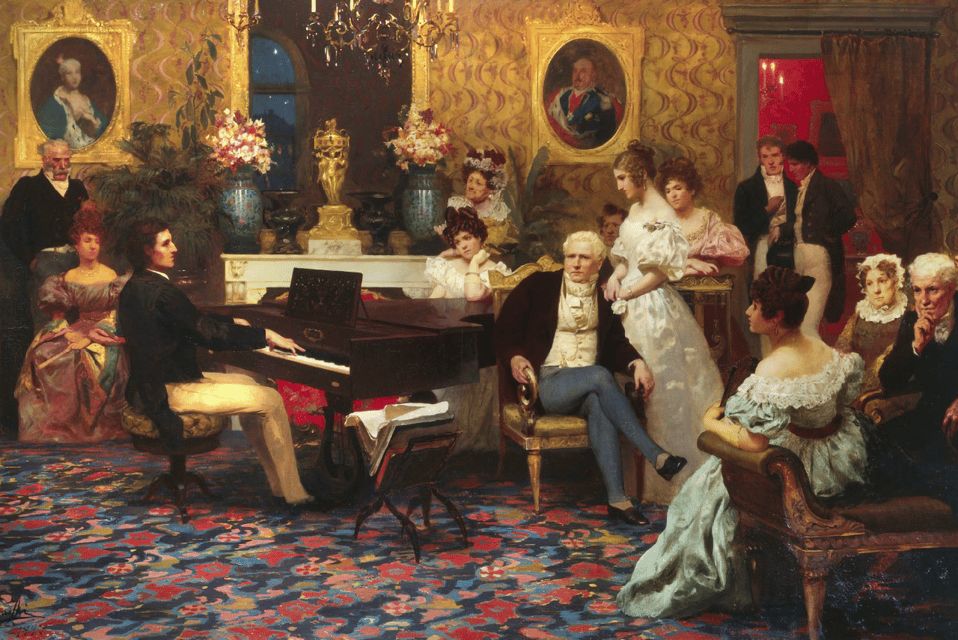
The big draw is the theme: Fryderyk Chopin. His writing is built for nuance, and on a good night the phrasing feels like conversation. Here, Chopin isn’t the only voice, though. You get Italian composers in the mix, which helps the evening feel like more than just one composer’s greatest hits.
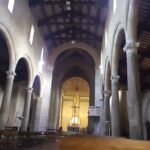
The church setting is also the rare part. You’re not just listening to music in a decorative room; you’re hearing it in a religious space designed for resonance and clarity. That matters for solo piano, where balance between left-hand depth and right-hand sparkle can make or break the performance.
At just one hour, it’s also a good “add-on” plan. You can fit it around sightseeing without burning an entire evening.
You can also read our reviews of more tours and experiences in Rome.
Which church you’ll hear: Waldensian Church (Mon–Sat) vs Methodist Church (Sun)
This is not one fixed address on one single day. From Monday to Saturday, the concert is held at the Waldensian Church. On Sundays, it moves to the Methodist Church.
Why you should care: a church can change the “feel” of sound even if both are church venues. Some spaces make the piano feel brighter; others make it feel warmer and rounder. You can’t always predict which effect you’ll get, but you can control which day you book.
If you’re planning your Rome schedule, I’d choose the day first based on your itinerary, then book the concert. The programme is the programme, but the setting can influence how the notes land in your ears—especially for quieter passages like Chopin’s contemplative preludes.
Also note the practical side: the meeting point can vary depending on which option you booked, but you’ll have an English/Italian host or greeter to guide you. So you’re not left guessing your way into the right church room.
The one-hour programme, piece by piece (and what to listen for)
The concert runs about one hour, with a set list that includes several Chopin highlights and a sequence of Italian-themed pieces and other well-known works. It’s not a random mix. It’s built to give you a strong emotional arc: lyric moments, fiery virtuosity, then a finish that leaves you wide awake.
Here’s the order you’ll see on the posted programme:
- Giuseppe Verdi — Preludio da Traviata
- Fryderyk Chopin — Etude op. 25 n. 1
- Chopin — Fantaisie Impromptu op. 66
- Pietro Mascagni — Intermezzo da Cavalleria
- Giuseppe Puccini — Intermezzo da Manon Lescaut
- Chopin — Prelude op. 28 n. 4
- G. Ponte — Tarantella
- Chopin — Ballade op. 23
- G. Puccini — Foglio d’album
- Claude Debussy — Clair de lune
- George Gershwin — Rhapsody in blue
- Chopin — Scherzo n. 2 op. 31
What I’d listen for, in plain terms:
- Verdi to start: you get opera drama translated into piano language right away. It’s a strong opener for first-timers because the melodies feel recognizable even without lyrics.
- Chopin Etude + Impromptu: these are “control and speed” pieces. The right-hand runs should feel clean, not rushed, and the softer sections should still have tension.
- Mascagni and Puccini intermezzi: this is where the Italian influence makes the evening feel cinematic. Even without an orchestra, you’ll hear the operatic “breath” in the phrasing.
- Debussy and Gershwin: this is the curveball section. Clair de lune rewards careful listening; Rhapsody in blue is rhythmic and colorful, and on solo piano it can sound surprising in a good way.
- Chopin Scherzo to close: you end with energy and edge—perfect if you want the night to stay vivid after the concert.
One more thing: in a rare case, the performance may not match every item on the list exactly. The safest mindset is to treat the set list as the plan, not an absolute guarantee.
Solo piano arrangements of Italian opera: the real deal
The best part of this concept is what happens when opera becomes piano. Verdi, Mascagni, and Puccini pieces are often experienced with orchestras and voices. Here, those roles get reassigned to the hands and the pedal.
That’s why this works for a lot of visitors who want something “classical” but not too formal. You still get big melodies and clear structure. You just hear them through a different lens.
Solo piano also creates a different kind of intimacy. When the pianist leans into dynamics—quiet down to almost nothing, then suddenly widening the sound—you feel it in the room. In a church, that contrast can land especially well.
And because the evening isn’t only Chopin, you avoid the “same composer, same mood” problem that can happen at some classical concerts. You’ll move between lyrical and theatrical styles. Then you’ll jump to Debussy and Gershwin, which makes the hour feel like Rome at night: elegant, a little surprising, and always moving.
If you’re a first-time Chopin listener, the Italian pieces act like a bridge. You get entry points that don’t require deep background knowledge.
Price and value: is $35 fair for an hour of classical music?
At $35 per person for a one-hour concert, you’re paying for three things:
- A live performer and a prepared programme
- A rare venue choice (a church setting)
- A music format that’s more intimate than typical large halls
Is it a bargain? It depends on your expectations. If you’re comparing it to a big-city opera ticket, no. If you’re comparing it to typical paid classical experiences in Rome, it can feel reasonable—especially because it’s specifically focused and not a long evening.
For me, the value is in the combination: Chopin plus Italian opera themes in a quiet church setting. That mix is harder to find than generic “classical music show” options.
The only value question you should ask yourself is this: are you coming for the music, or are you also expecting perfect conditions? One downside reported for a similar night was street noise. That doesn’t mean every performance will be noisy, but if you’re picky about audio, that’s the risk.
If you can handle that possibility, the pricing looks fair for a focused, live musical hour.

Finding the meeting point and what the host does for you
This one is straightforward, and that matters when you’re traveling. The meeting point may vary depending on the option you booked, but there’s a host/greeter on hand in English and Italian.
So instead of worrying about navigating a church alone, you should focus on showing up with time to spare. You don’t want to arrive stressed, especially since the concert is only an hour long. A calm arrival helps you settle into the room and listen from the start.
The concert provider is Opera da Camera di Roma, which signals a classical-music operator rather than a general event promoter. The ticket you’re buying is an entrance ticket to the concert.
If you’re bringing family or traveling with someone who doesn’t do long cultural events, the one-hour timing is a real benefit. You can treat it like a short performance stop—similar to a museum visit, but more emotional.
Also, if you need it, the event is listed as wheelchair accessible, which is a big deal for planning in older cities.
How to choose your seat and manage street noise
Because this is performed in a church setting, you’ll likely get good acoustics. Still, one practical concern that can come up is external sound—particularly street noise.
You can’t control the street, but you can influence your experience. Try to arrive early enough that you’re not forced into the first available spot. If the room has multiple seating zones, choose the one that feels less exposed to sounds coming from outside.
Another smart strategy is to sit with your ears open for the type of music you’ll hear. Quiet pieces like Chopin preludes and Debussy demand attention, so any outside distraction becomes more noticeable. For louder, more rhythmic sections—like Gershwin’s Rhapsody in blue—the same noise may feel less disruptive.
If you know you’re very sensitive to sound, you may want to think twice about this option and pick a venue known for more isolation. If you’re flexible and mostly in it for the music, this setup can be surprisingly satisfying.
Who this concert suits best in Rome
This is a strong match for you if:
- You love Chopin (and want the famous works in a format that sounds intimate)
- You want opera melodies without opera voices or orchestra
- You prefer a one-hour plan over a long evening
It also works well if you’re traveling with someone who’s not sure about classical music. The Italian names on the programme act like friendly signposts, and solo piano makes the experience easier to access.
Who might not love it as much? If you require complete silence, you might find street noise annoying at times. If you’re expecting a full “grand concert hall” production style, the church vibe is different. It’s more like listening to a crafted performance in a sacred space than attending a flashy show.
If your goal is authentic and quietly memorable, this format is a good bet.
Should you book this Chopin & Italian Friends concert?
I’d book it if you want a focused, one-hour piano concert in a church that blends Chopin with Italian opera color. At $35, you’re paying for a rare venue experience and a carefully designed set list that moves between styles rather than repeating one mood all evening.
Skip it if you’re extremely noise-sensitive or you need a performance environment that’s completely shielded from street sounds. Also, treat the posted programme as the plan, not a contract—because a set can vary slightly in real life.
If you book, do two simple things: arrive early so you can settle, and choose the day you can commit to (Waldensian Church Mon–Sat, Methodist Church on Sundays). Those choices alone can make the difference between a “good concert” and a truly memorable Rome night.
FAQ
How long is the Rome Chopin & Italian Friends piano concert?
The concert lasts 1 hour.
How much does it cost?
The ticket price is $35 per person.
Where does the concert take place in Rome?
From Monday to Saturday, it’s held at the Waldensian Church. On Sundays, it’s held at the Methodist Church.
What music is included in the concert?
The programme includes works by Verdi, Chopin, Mascagni, Puccini, Ponte, Debussy, Gershwin, and ends with Chopin (Schero n. 2 op. 31).
What language is the host or greeter?
The host/greeter speaks English and Italian.
Is it wheelchair accessible?
Yes, the experience is listed as wheelchair accessible.