REVIEW · ROME
Rome: City Highlights Walking Tour
Book on GetYourGuide →Operated by Crown Tours · Bookable on GetYourGuide
Moonlight turns Rome into theater. This 2-hour walking tour strings together the city’s biggest icons and a few “how did I miss that?” details, with a professional local guide. You’ll move through Colosseum-area streets toward the Pantheon, then keep going to Trevi and Piazza Navona at night.
What I like most is the way the guide turns landmarks into stories you can picture: guides such as Sandra, Serena, Paolo (Pablo), and Mercia show up with clear structure and lots of on-the-street context. I also love the rhythm—windows of free time for photos and quick breaks, like the espresso tasting some guides add mid-walk and the chance to grab gelato near Trevi.
One thing to consider: it’s information-dense in a short time, and you’re expected to be organized at the start. The meeting point needs early check-in, and late arrivals can’t be guaranteed entry.
In This Review
- Key things that make this tour worth your time
- A moonlit hits tour through Rome’s top landmarks
- Meeting near the Colosseum: how to avoid the first-street panic
- Via del Corso: window-shopping while the city hums around you
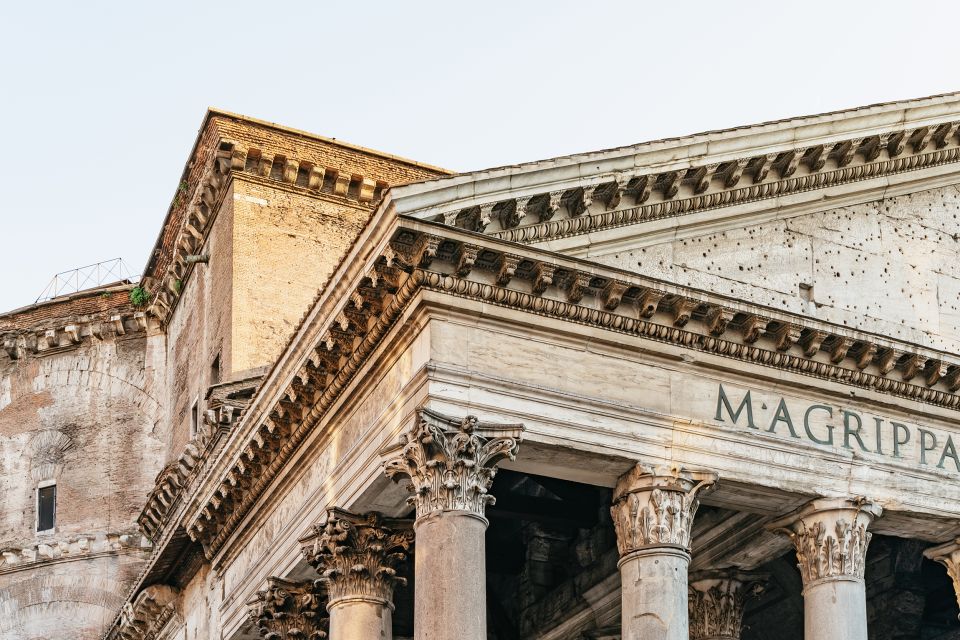
- The Pantheon at night: Piazza della Rotonda’s wow factor
- Trevi Fountain: highest-earning views, but watch your expectations
- Piazza Navona and Bernini’s Four Rivers Fountain
- Campo de’ Fiori: where your tour ends and Rome’s night begins
- Why the guide matters more than the checklist
- Price and value: what $56.94 buys you in real terms
- Pace, group feel, and the reality of a short night walk
- Language options: French, Spanish, and German
- Should you book this Rome night highlights tour?
- FAQ
- Where is the meeting point?
- What time should I arrive for check-in?
- How long is the tour?
- Is hotel pickup included?
- What attractions will we see?
- Where does the tour end?
- What languages are available for the live guide?
- How much does it cost?
- Can I cancel for a refund?
- Can I reserve now and pay later?
Key things that make this tour worth your time
- Night-focused route that keeps the city’s top sights feeling less rushed
- Pantheon + Piazza della Rotonda with the building lit up and framed by piazza life
- Trevi Fountain stop where you can actually take in the view instead of just passing through
- Piazza Navona and Bernini’s Four Rivers fountain front and center
- Via del Corso strolling with real shopping street energy and photo opportunities
- End in Campo de’ Fiori so you can roll straight into bars and dinner plans
A moonlit hits tour through Rome’s top landmarks
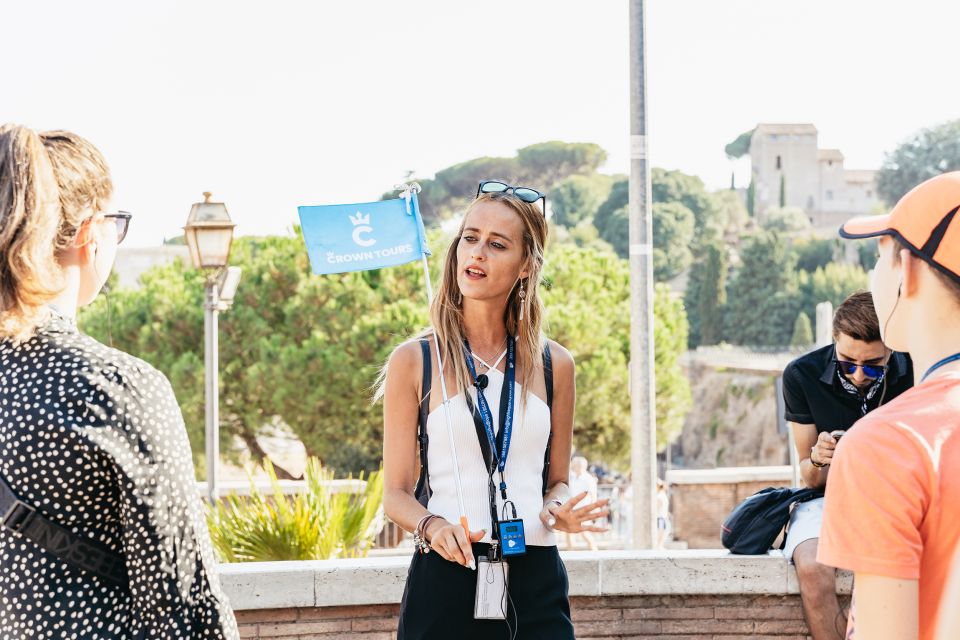
Rome at night has a different volume. The crowds can feel thinner between stops, the lighting makes stone look warmer, and the whole city feels a little more cinematic as you walk from one famous piazza to the next.
This tour is built around that idea: you cover the big-name sites—Pantheon, Trevi Fountain, Piazza Navona—plus the shopping and street-life stretches that connect them. You’re not just ticking boxes. You’re getting the “why it matters” story, in a walking pace that’s meant to keep you engaged.
And yes, it’s designed for a short window. In two hours, you’ll see a lot of Rome’s center in a logical order, moving from monumental buildings to lively squares.
You can also read our reviews of more tours and experiences in Rome.
Meeting near the Colosseum: how to avoid the first-street panic
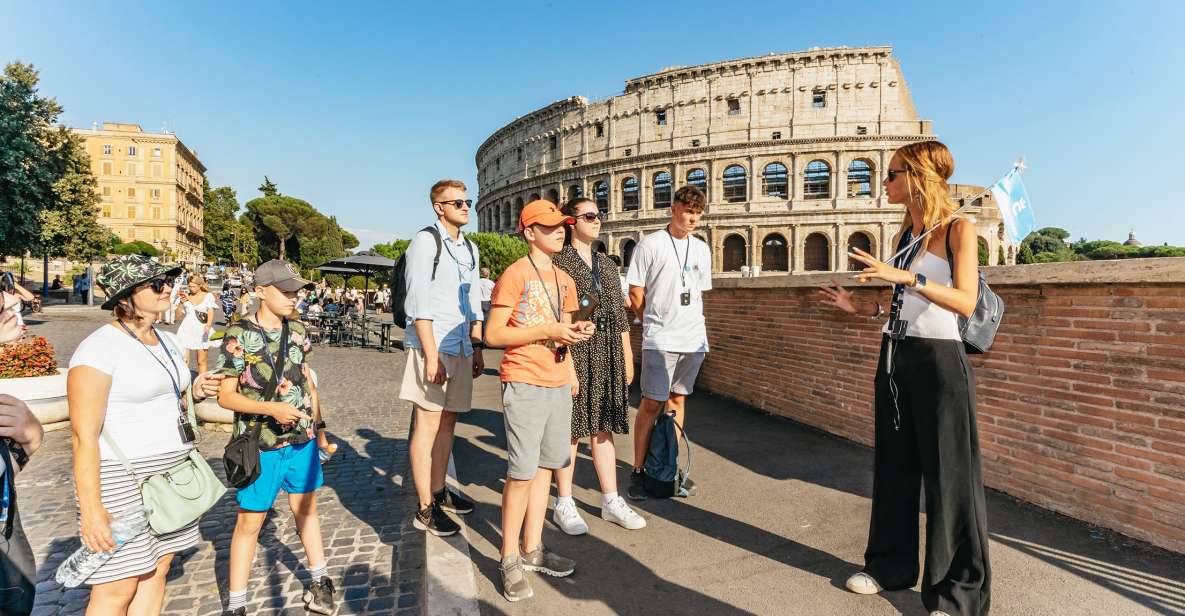
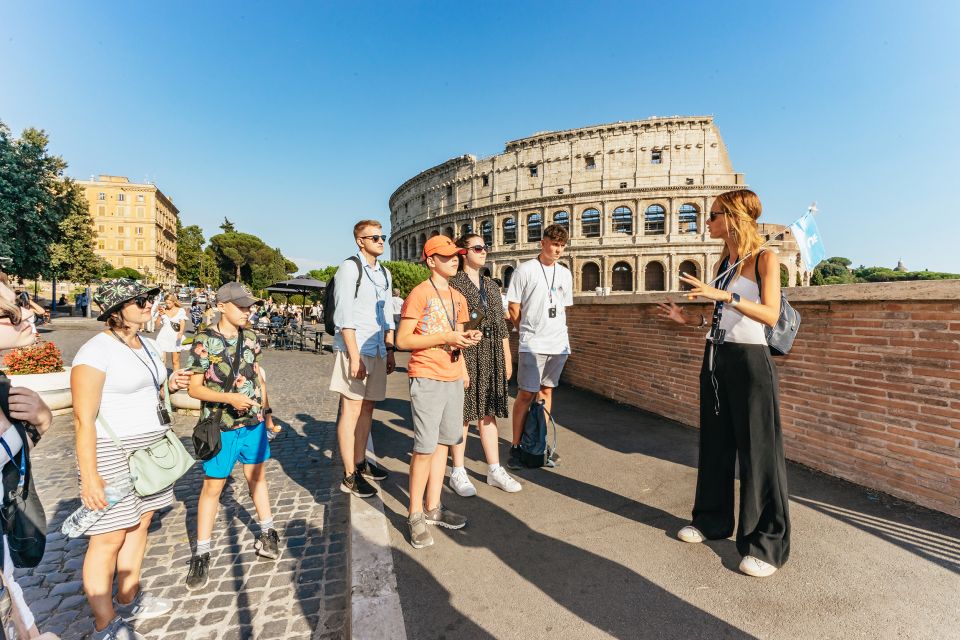
Start location matters in Rome, and this one is specific. You meet about 100 meters from the Colosseum, at the terrace above the Colosseum Metro Station. From street level, there’s a pedestrian bridge to cross above the road, then you’ll find the Crown Tours office about 50 meters up the street.
Look for the purple flag that says Crown Tours. If you’re standing in front of the metro station, go upstairs first, then follow the bridge.
One practical tip that saves stress: arrive early enough to check in. Late arrivals can’t be guaranteed entrance, which matters because the tour is only two hours long. When your whole evening depends on timing, “almost there” isn’t the same as “on time.”
Via del Corso: window-shopping while the city hums around you
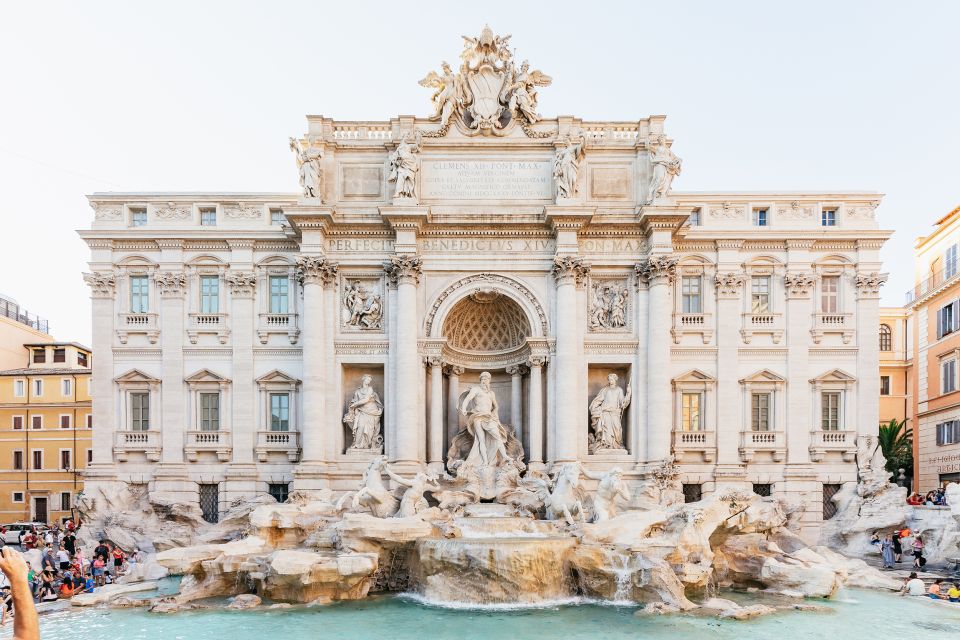
Before you hit the main monuments, you’ll walk along Via del Corso, one of Italy’s best-known shopping streets. The route gives you a natural break between the museum-grade sights: you’re on streets with movement, storefronts, and that unmistakable Rome energy where locals and visitors mix.
This stretch isn’t just about shopping. It’s about orientation. You’ll get your bearings fast in the city center, and you’ll see how the grand streets connect the piazzas you’ll spend the most time in later.
If you like browsing, Via del Corso is a good match. If you don’t, it’s still useful: it’s a lively walking corridor that makes the walk feel varied rather than repetitive.
The Pantheon at night: Piazza della Rotonda’s wow factor
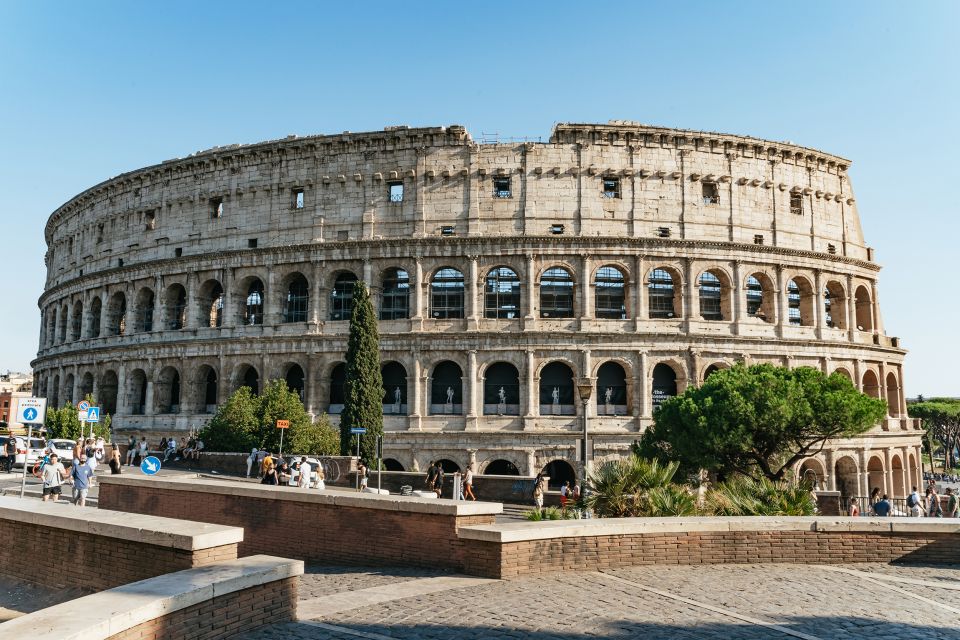
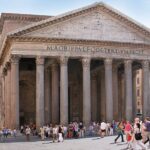
The star moment is the approach to the Pantheon, Rome’s oldest standing pagan temple. At night, it hits different. The stone reads sharper, the dome feels more dramatic, and the whole setting in Piazza della Rotonda turns the stop into a proper experience instead of a quick glance.
Your guide’s job here is to help you look. You’ll learn what makes the Pantheon such a major engineering and cultural landmark, and you’ll get context for why people still treat this place like a living center of Rome—not a relic you just photograph and move on from.
Photo-wise, this is one of the easiest places to frame well. You’re standing in a piazza with space around you, and the Pantheon lights create an instant backdrop.
You’ll also hear history explained in a way that fits walking. Even if you only catch parts of it, you’ll leave with a clearer picture of what you just saw.
Trevi Fountain: highest-earning views, but watch your expectations
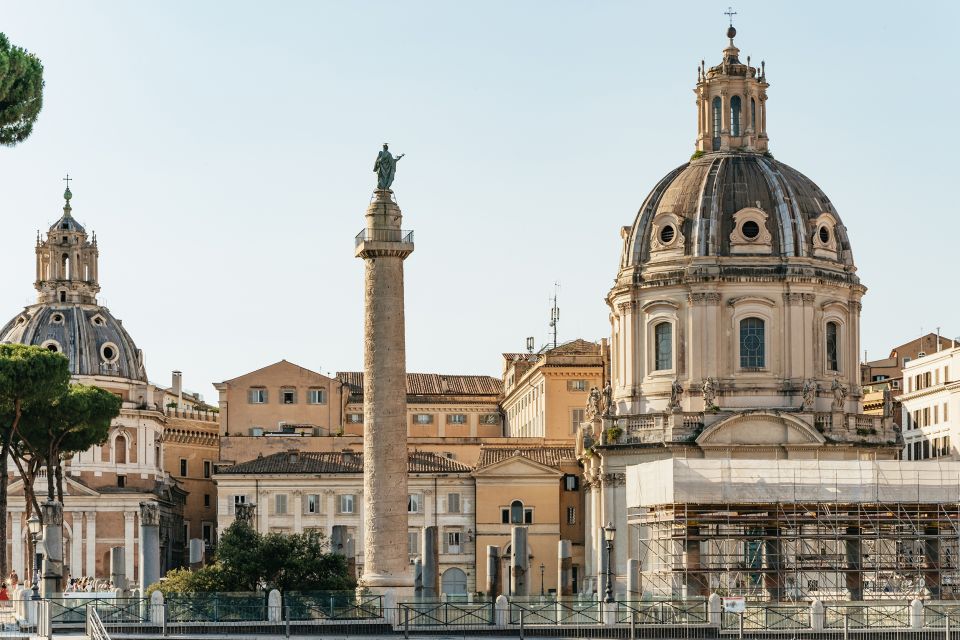
Next up is Trevi Fountain, probably the most famous fountain in the world—and also one of the most photogenic. The tour’s biggest advantage here is timing and pacing. You don’t just arrive, take one shot, and vanish. You’re given time to look and understand what makes it so iconic.
Trevi is often busy, and this is where your mindset helps. Instead of chasing a perfect photo, focus on the details you can see from where you’re standing: the scale, the way the fountain sits in its streetscape, and the emotional draw it has for visitors.
Some guides also add small extras that make the stop feel personal. One guide experience included gelato near Trevi, which is the kind of practical Rome moment that turns a landmark stop into a break you’ll remember.
If you’re the type who enjoys a guided route because it reduces decision fatigue, Trevi on a timed walking tour can be a smart move. You’ll keep moving with purpose and still get time to appreciate it.

Piazza Navona and Bernini’s Four Rivers Fountain
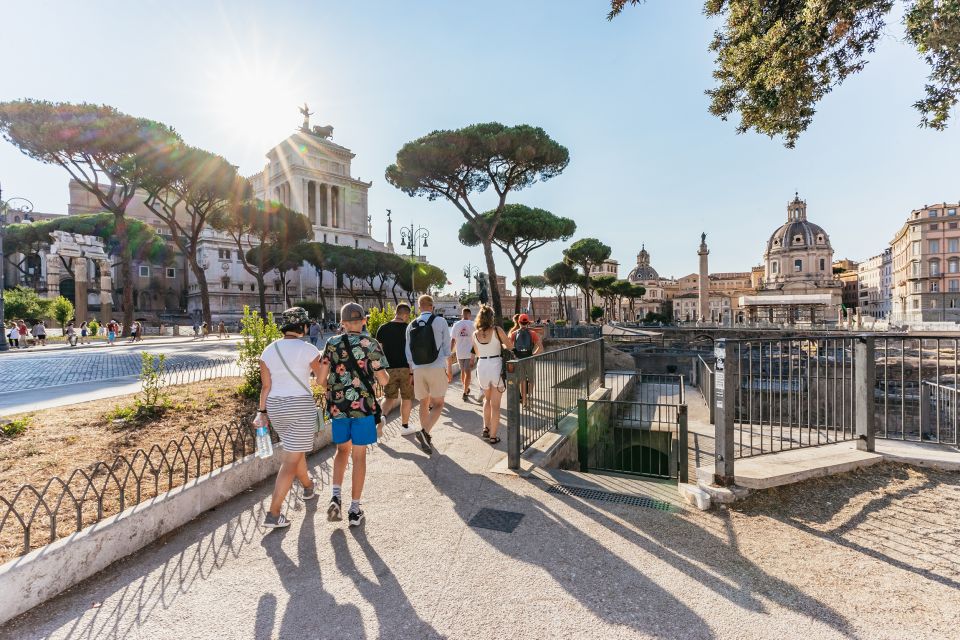
After Trevi, the walking energy shifts. You’ll reach Piazza Navona, one of Rome’s most famous squares, and you’ll see the fountain that people point to again and again: Bernini’s Fountain of the Four Rivers.
What I like about this stop is that it connects art, power, and design. You’re not just seeing water and stone. You’re learning how Bernini’s work fits into the broader Roman story, including the fountain’s relationship to Bernini’s earlier design ideas for St Peter’s.
This is also a place where you naturally feel like you’re part of the scene. The fountains and street activity help you understand why artists and travelers have long gravitated here.
If you’re sensitive to crowds, pick your moment: you’ll have time to position yourself for photos, but you won’t be able to control the square’s overall flow. Still, the tour gives you a guided way to enjoy it without feeling lost.
Campo de’ Fiori: where your tour ends and Rome’s night begins
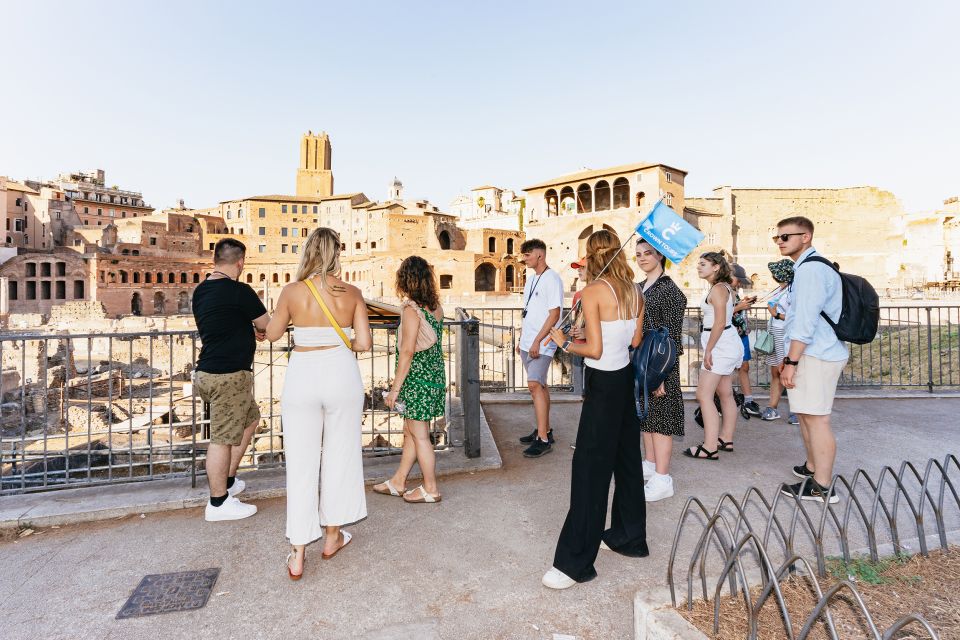
The tour finishes near Campo de’ Fiori, the central hub for bars, nightlife, and food. This is a smart ending, because you’re not trapped with “what now?” questions.
Once you reach the square, you can decide how you want to keep your evening. If you feel like a sit-down dinner, you’ve got options. If you want quick bites, it’s the kind of place where that works. If your feet are done, you’re right where Rome’s night options are concentrated.
Some guides go a step further with practical help, like pointing you toward a less touristy area for food or helping you arrange your next move. That kind of local guidance can be worth more than one extra photo stop.
Why the guide matters more than the checklist
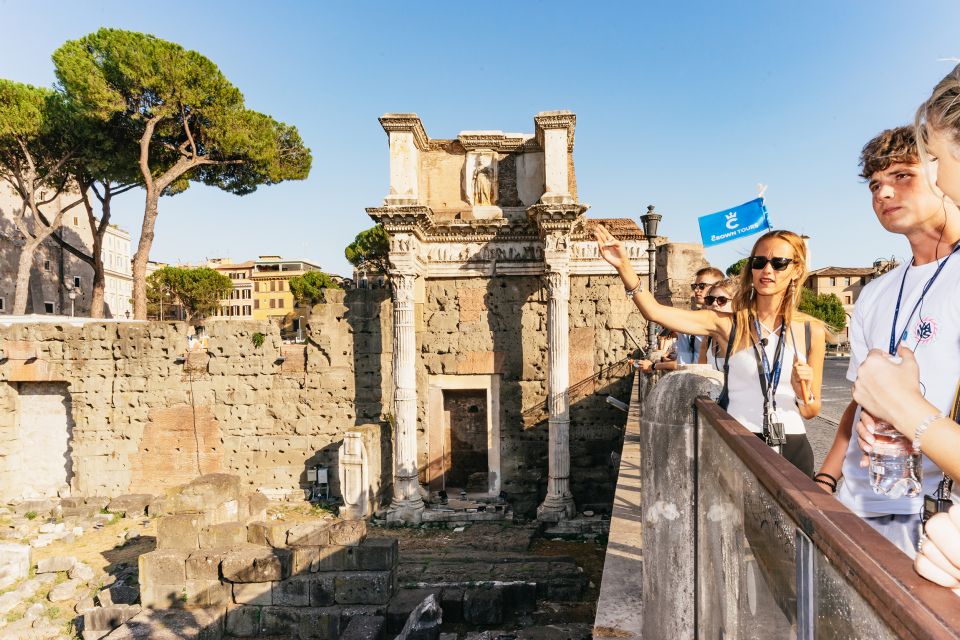
This tour succeeds because it doesn’t treat the landmarks like props. The best part is the way the guide explains what you’re seeing while you’re seeing it, and that’s what changes the whole experience.
In past group experiences, guides like Sandra have been praised for being structured and engaging, even helping children follow along. Serena and Davide have been highlighted for architecture-focused detail and great photo instincts. Paolo (Pablo) and Arian stood out for making the tour feel personal, even when the group was small.
Even the details like being patient with questions show up in the overall value. Some tours have even run a touch longer, based on how much time people took for questions and photo moments. That flexibility matters when you’re trying to understand a city, not just sprint through it.
If you want a Rome walking tour where you leave with a clearer mental map and a few key stories, this is the kind of experience that delivers.
Price and value: what $56.94 buys you in real terms
At $56.94 per person for a 2-hour tour, this sits in the mid-range for Rome walking experiences. What you’re paying for isn’t just access to streets—you’re paying for a professional guide who can connect the dots between sites that visitors often see in isolation.
Here’s the value math that works in Rome:
- Two hours is long enough to matter, short enough to fit your schedule without burning a whole evening.
- You get a focused route through the city center, including multiple marquee sights.
- You get a guide, which is the difference between collecting images and understanding what they represent.
If your plan is to see Rome’s center anyway, the guide is what turns your time into something more useful. If you’re traveling with someone who wants history context but you still want walking-friendly breaks, this price becomes easier to justify.
Pace, group feel, and the reality of a short night walk
This is a walking tour, not a ride. That means you’ll enjoy it most if you’re comfortable moving at a steady pace and standing for photo moments in busy public spaces.
It can also feel surprisingly personal. In some departures, the group size was tiny—one experience described the tour as almost private. That’s not a promise, but it does suggest the experience can vary by day and time.
Pace-wise, you’ll cover several major sights: Pantheon, Trevi, Piazza Navona, plus the connective streets. That’s why a guide’s explanations need to land quickly—and they usually do. Still, one caution: some people found the information a lot for a two-hour window.
If you’re the kind of traveler who likes to take your time per stop, you might want to slow down your own side of the pace—ask fewer questions in the moment and save deeper curiosity for later.
Language options: French, Spanish, and German
The live guide is offered in French, Spanish, or German. If you don’t speak those, you’ll want to double-check you can comfortably follow your chosen language so you get the full benefit of the story.
It’s one of those Rome details that can quietly make or break your experience. If you understand the guide well, the tour feels richer and faster at the same time.
Should you book this Rome night highlights tour?
I’d book it if you want a focused, walkable way to see Rome’s most recognizable landmarks in one evening, especially with a guide who can explain the Pantheon and Bernini-related art in plain terms. It’s also a good fit if you’re trying to build a simple Rome map quickly—Colosseum area to major piazzas is a strong route for orientation.
Skip it if you need long, slow time at just one site, or if you prefer a fully self-guided itinerary where you control every minute. With two hours and multiple stops, you’ll be moving—so your priorities should match the pace.
FAQ
Where is the meeting point?
The meeting point is about 100 meters from the Colosseum, on the terrace above the Colosseum Metro Station. Cross the pedestrian bridge above the road, then walk about 50 meters up the street to the Crown Tours office. Look for the purple flag that says Crown Tours.
What time should I arrive for check-in?
You need to arrive early to check in. Late arrivals cannot be guaranteed entrance.
How long is the tour?
The duration is 2 hours.
Is hotel pickup included?
No. Hotel pickup and drop-off are not included.
What attractions will we see?
You’ll visit the Pantheon and Piazza della Rotonda, Trevi Fountain, Piazza Navona (including Bernini’s Fountain of the Four Rivers), stroll along Via del Corso, and end around Campo de’ Fiori. The tour also includes time to appreciate the major landmarks under moonlight.
Where does the tour end?
The tour ends back at the meeting point.
What languages are available for the live guide?
The live guide is available in French, Spanish, and German.
How much does it cost?
The price is $56.94 per person.
Can I cancel for a refund?
Yes, you can cancel up to 24 hours in advance for a full refund.
Can I reserve now and pay later?
Yes. You can reserve now and pay later.