REVIEW · ROME
Rome: Colosseum, Palatine Hill and Roman Forum Guided Tour
Book on GetYourGuide →Operated by PRIME. TOURS · Bookable on GetYourGuide
Three big Roman sites, just 2.5 hours. What makes this tour work is the flow: you get inside the Colosseum, then you walk the Roman Forum and end on Palatine Hill with a guide who ties the sights together. I like that it’s not just photos from the outside; you’ll be in the arena area and hear what matters as you go. I also like the specific Forum/Palatine stops along the walk—Via Sacra and key ruins the guide points out. One thing to factor in: there’s still metal-detector security at the Colosseum, so a little waiting can happen even with priority access.
This is the kind of tour where the details help you feel oriented fast. With radios, you can keep up even in busier areas, and the experience stays organized through three major locations. A personal favorite from reviews is how animated some guides are, and one guest specifically mentioned Madalina’s high energy and friendly style. If you want a slow, self-guided wander, this guided format may feel a bit scheduled—but for most first-timers, it’s a strong use of time.
In This Review
- Key things I’d circle before you go
- Why this Colosseum–Forum–Palatine combo makes sense
- Priority access and the Colosseum security reality check
- Entering the Colosseum: more than a photo stop
- The Roman Forum: walking the Via Sacra toward power
- Palatine Hill: context, myths, and the hilltop viewpoint
- What the guide actually adds (and why the radios matter)
- Group pace: when a 2.5-hour tour feels right
- Meeting points, shoes, and the small rules that make it smooth
- Who this tour suits best
- Value check: does $58.08 buy enough?
- Should you book this Colosseum, Forum and Palatine guided tour?
- FAQ
- How long is the Rome Colosseum, Roman Forum and Palatine Hill guided tour?
- What is included in the ticket price?
- Does the tour skip the ticket line?
- Where do I meet for the tour?
- What languages are the guides available in?
- Is the tour only available on certain weather days?
- What should I bring for the tour?
- Is this tour suitable for wheelchair users or people with mobility impairments?
Key things I’d circle before you go
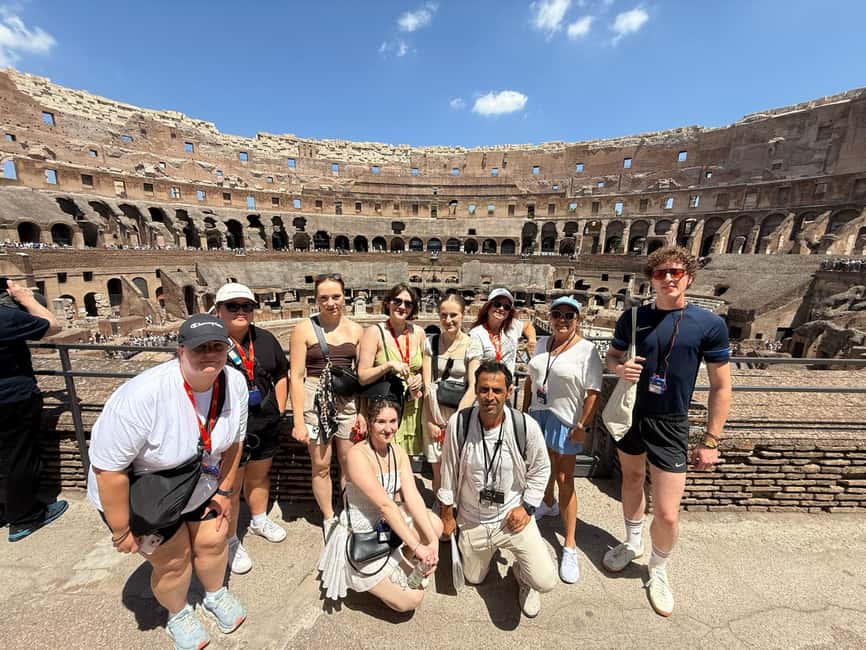
- Go inside the Colosseum and walk the space where games and ceremonies played out for ancient Romans.
- Priority access plus skip-the-line helps you spend more time sightseeing and less time queuing for tickets.
- Roman Forum + Palatine Hill in one tour means you see the “power center” and the hilltop context without piecing together multiple bookings.
- Via Sacra guided route keeps the walk coherent instead of feeling like a pile of ruins.
- Radios for clearer storytelling so you’re not stuck straining to hear over crowds.
- Rain or shine tour planning means you won’t lose the day just because the weather acts up.
Why this Colosseum–Forum–Palatine combo makes sense
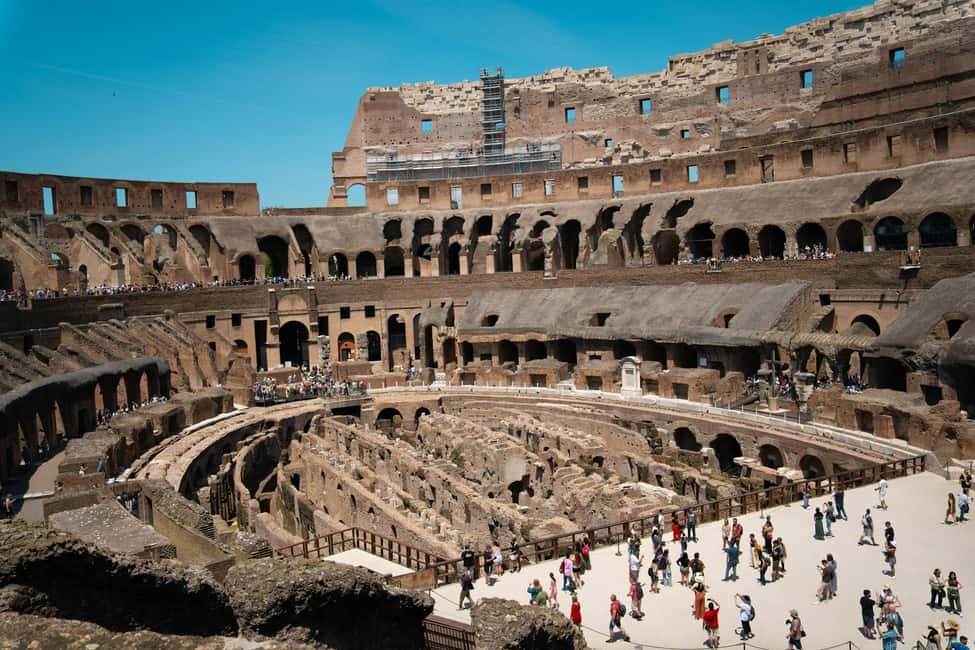
Rome is famous for ruins, but this layout is how you make those ruins click. The Colosseum shows you Roman spectacle on a massive scale. The Roman Forum shows you where political and religious life clustered—the city’s formal core. Palatine Hill adds the perspective of where elite legends and real power sat above the rest of town.
The big value here is the pairing. If you do these three areas separately, you often end up wasting time traveling between ticket lines and entrance times. On this tour, the order is built to keep the story moving, so you’re not left asking, What am I actually looking at?
At 2.5 hours, the tour is short enough to fit into a packed Rome itinerary, but long enough to cover real highlights rather than rushing by everything. The price is $58.08 per person, and the main way that money earns its keep is through priority access, guided interpretation, and the bundled entry to the Colosseum plus Roman Forum and Palatine Hill fees.
You can also read our reviews of more tours and experiences in Rome.
Priority access and the Colosseum security reality check
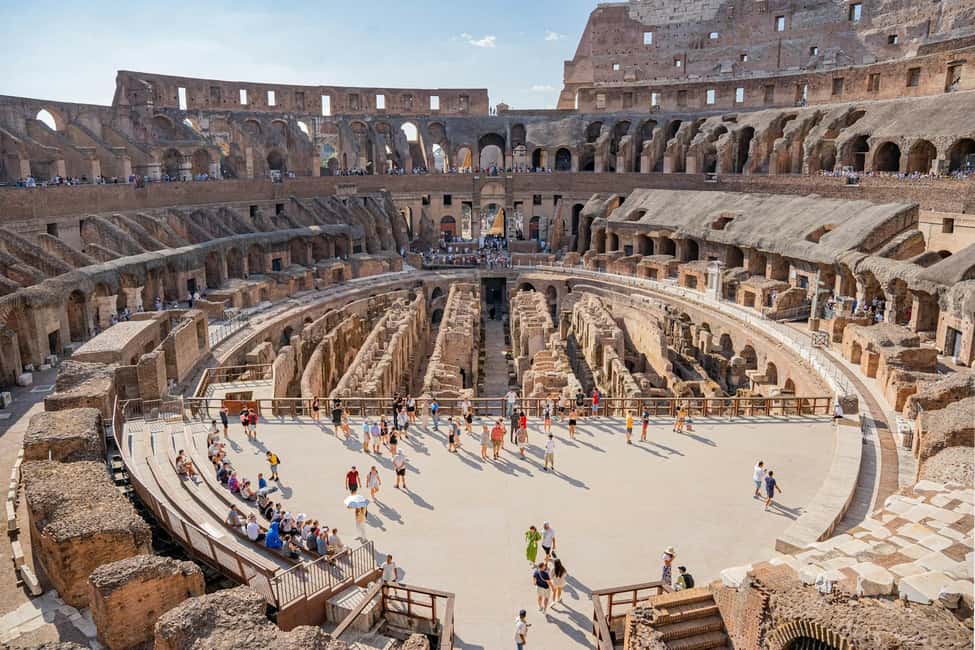
This tour includes skip-the-ticket-line style entry, plus priority access. That matters because the Colosseum can be slow at peak times. Still, you should plan for one bottleneck you can’t fully dodge: the Colosseum requires a metal detector security check.
So here’s how I’d think about it: priority access helps you beat the ticket chaos, not the security process. If you’re the type who gets stressed by lines, arrive ready, keep your bag policy in mind, and wear comfortable shoes. You’ll likely be happier when you assume there will be a short checkpoint step before you’re inside.
Also, this is a rain-or-shine tour. If weather makes you indecisive, pick shoes you can walk in for a while and bring a simple rain layer you don’t mind using.
Entering the Colosseum: more than a photo stop
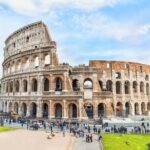
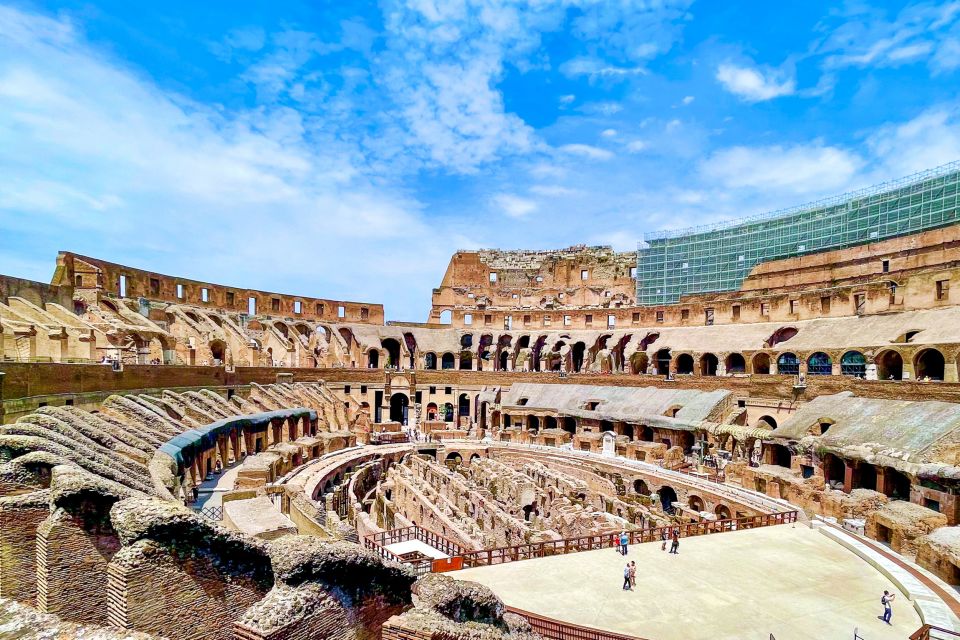
The Colosseum is big in your imagination long before you get there. The magic of a guided visit is that you stop treating it like a single landmark and start understanding it as a designed space. On this tour, you begin with an introduction to Ancient Rome, then head into the Colosseum for about 1.5 hours of guided time.
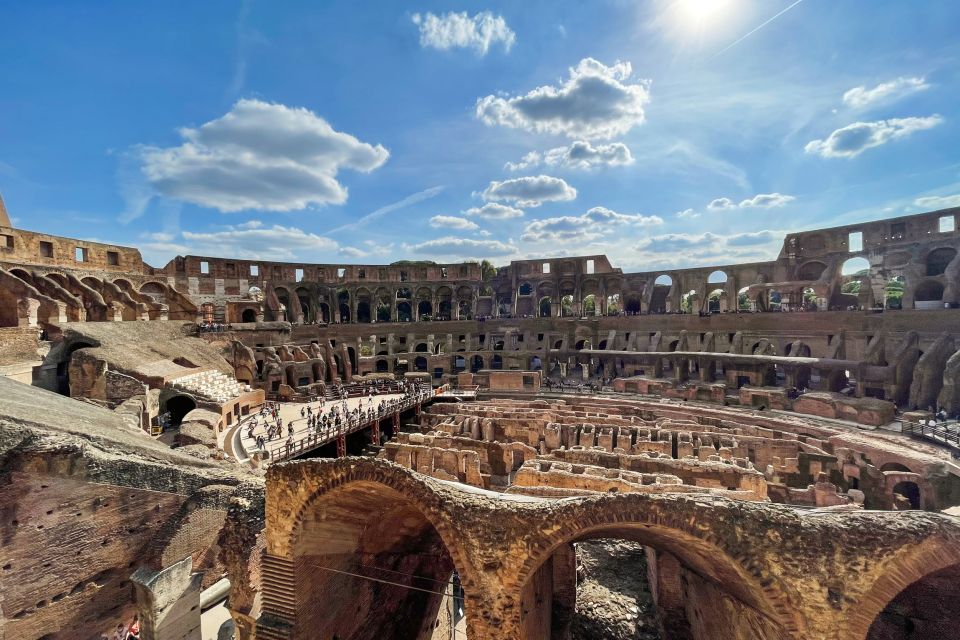
What I like about going in with a guide is that you’ll hear explanations while you can still see the shapes and structure. You walk through the stands—then your guide connects those levels to the kinds of exhibitions or events that took place there.
A practical note: the Colosseum interior is all about movement and viewing angles. If you’re tempted to spend all your time with your phone, you’ll miss the “aha” moments your guide points out as you walk. Instead, pause when your guide calls attention to a specific area, then resume exploring. That rhythm makes the place feel three-dimensional.
The Roman Forum: walking the Via Sacra toward power
After the Colosseum, the tour shifts down into the valley area where the Roman Forum sits. This is where the story turns from entertainment to governance, religion, and public life.
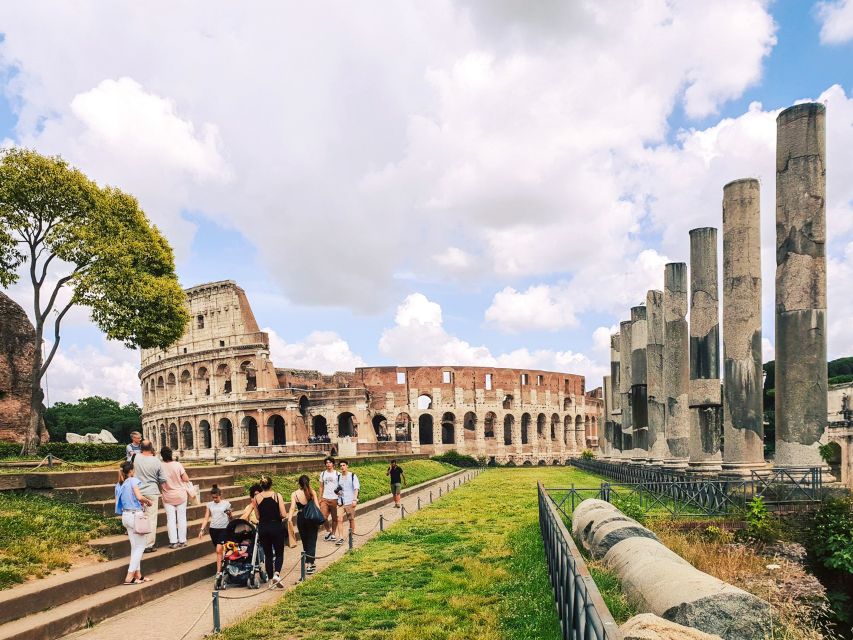
The walk along the Via Sacra is one of the best ways to experience the Forum. Rather than jumping randomly between scattered ruins, you get a guided route that keeps the sequence clear. Your tour includes a stop-by-stop look at several major features, including the Basilica of Maxentius and the bronze door of the temple of Romulus. You’ll also see the temple of Antoninus and Faustina, plus a detail described as a “curious suspended door,” and you’ll encounter the house of the Vestals.
Here’s what that means for you in real terms: these are not just “interesting piles of stone.” Each one gives you a different slice of how the Forum functioned. Your guide also frames the Forum as the ancient city’s political, religious, economic, legal center, and square over the centuries. That headline description helps you interpret what you’re seeing instead of treating every ruin as equal.
The tour then reaches the central Forum area for another guided look at major landmarks, including the Curia, the Arch of Septimius Severus, the Tabularium, and the temple of Saturn, plus more along the way. Even with a short 30-minute Forum segment, the value is in the guidance: you don’t just look, you learn why this exact cluster of buildings mattered.
Palatine Hill: context, myths, and the hilltop viewpoint
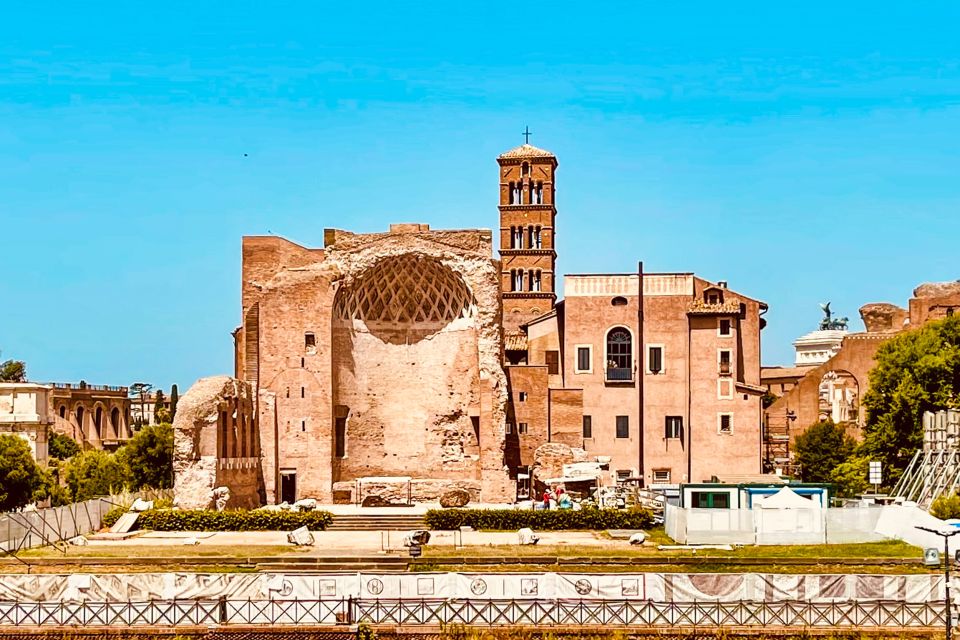
Next comes Palatine Hill for about 30 minutes guided time. Palatine is the kind of place where context changes how you perceive the ruins. From the hill, you understand the idea that this wasn’t just “somewhere central.” It was elevated, prominent, and tied to prestige.
You’ll arrive after the Forum walk, so your brain has already mapped the city’s core. That makes Palatine Hill more useful, because you’re seeing it as a relationship: the hill above the Forum, power associated with the height and proximity, and the way Rome’s story lived across levels.
Because your time here is short, don’t plan to “master” the hill. Instead, think of Palatine as the final perspective stop. Let the guide show you the connections, then take a few minutes to soak in the views and the scale while the story is fresh.

What the guide actually adds (and why the radios matter)
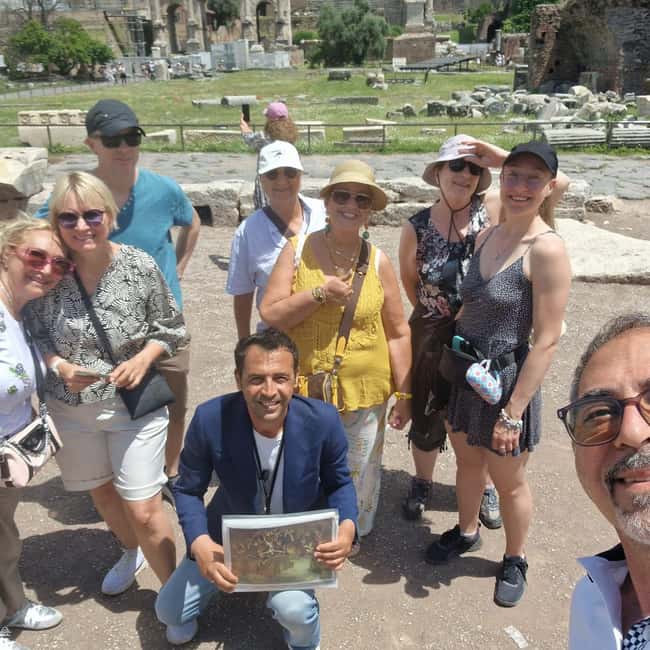
A good Colosseum guide can turn you from confused to confident quickly. Based on the strong reviews, the most praised aspect isn’t only facts—it’s delivery. One guest praised a guide for making the experience feel easy and comfortable, describing it as more than a typical tour. Another specifically called out Madalina’s high energy and friendly approach, noting that seeing the Colosseum this way was more interesting and informative than a previous visit.
That lines up with what you should look for when choosing a guided tour: the guide should help you connect locations, not just recite dates. This tour’s format supports that, especially because you’ll have radios. With radios, you can stay focused on what the guide is saying even when the group gets spread out along paths.
Also, your guide does storytelling while you move through different zones. That matters at the Colosseum and Forum, where crowds can make it hard to hear and hard to stop. Radios are a small feature that can quietly change everything about the experience.
Group pace: when a 2.5-hour tour feels right
This is a tight, efficient itinerary: Colosseum (1.5 hours), Roman Forum (30 minutes), Palatine Hill (30 minutes). If you like structured tours that keep you moving, you’ll probably enjoy this. If you want lots of free time for slow photo sessions, you might feel a bit rushed at the Colosseum, because that’s where most people will want extra minutes.
My practical advice: treat the guided time as the “learning and orientation” block. Save your longer, self-paced time for one location later, if you still want it. Many visitors leave the Colosseum and Forum wanting a second look. Use the tour to set your bearings first.
Meeting points, shoes, and the small rules that make it smooth
You’ll meet at one of two starting locations depending on what you book:
- Casa dell’Acqua ACEA, Piazza del Colosseo
- Piazza del Colosseo
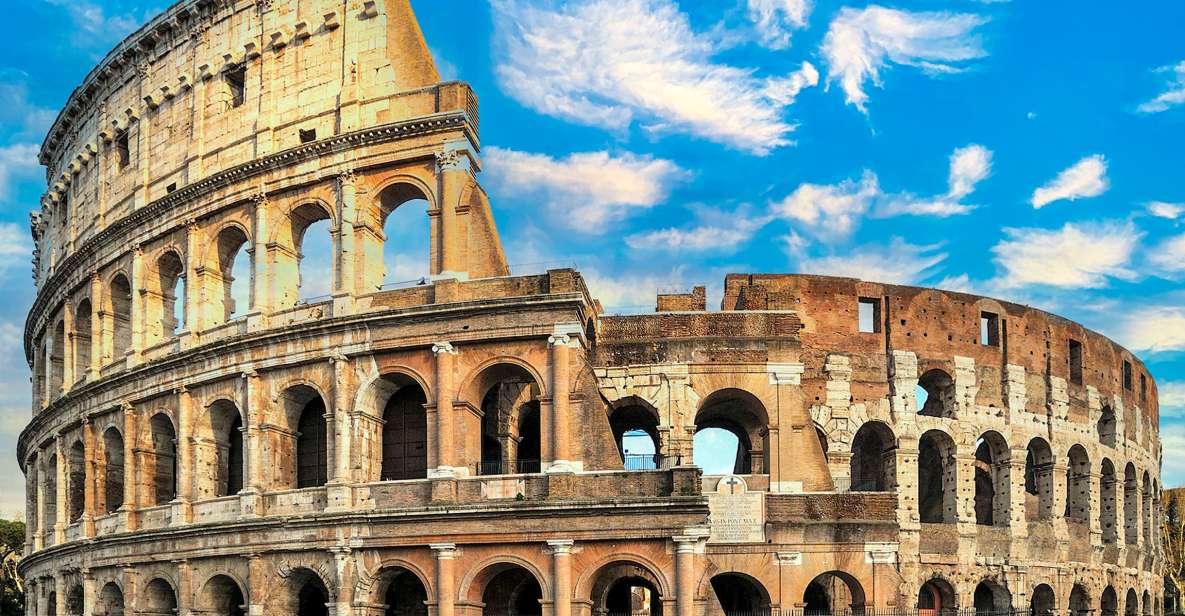
This matters because the Colosseum area is easy to find visually but easy to mis-navigate at street level. One of the most helpful bits from reviews was an app-based GPS point that made it easier to locate the pick-up spot. If you’re using the app, actually use the pin before you’re running late.
What to bring is simple:
- Passport or ID card (a copy is accepted)
- Comfortable shoes
And keep the “no big-bag” thinking in your head. The tour doesn’t allow luggage or large bags, backpacks, and also restricts items like drones, pets, weapons/sharp objects, and glass objects. If you’re traveling light, that’s easy. If you’re carrying a bigger day bag, you may want to plan ahead to avoid scrambling at security.
Who this tour suits best
This is a great fit if:
- You want to see the Colosseum + Roman Forum + Palatine Hill without juggling separate tickets and schedules.
- You prefer a guide to help you understand what you’re looking at while you can still see the layout.
- You like practical storytelling that helps you connect one site to the next.
It may not be the best fit if:
- You need wheelchair access or have mobility impairments. This tour is listed as not suitable for wheelchair users and people with mobility impairments.
- You want a fully independent experience where you can linger at each viewpoint as long as you want.
Value check: does $58.08 buy enough?
For the price, you’re paying for three things that matter on this route: guided time, priority/skip-the-line entry, and multiple site fees bundled together (Colosseum plus Roman Forum and Palatine Hill entrance fees).
The included items are:
- Colosseum entry tickets
- Colosseum guided tour
- Entrance fees to the Roman Forum and Palatine Hill
- Guided tour for Roman Forum and Palatine Hill
- Radios to hear your guide better
Not included:
- Food and drinks
- Pickup and drop-off
So the value question becomes simple. If you would otherwise spend time booking and lining up separately, this tour usually saves effort and reduces stress. If you’re the type who loves wandering on your own and already knows the sites well, you might feel like you could do it cheaper solo. But if you’re looking for a first solid “Rome context” day, this price is often fair for what you get.
Should you book this Colosseum, Forum and Palatine guided tour?
If your goal is to get your footing in ancient Rome quickly, I’d strongly consider booking. The big win is the sequencing: Colosseum spectacle, Forum power center, Palatine perspective. Add priority access, radios, and guided stops at specific landmarks like the Basilica of Maxentius, Temple of Romulus door, house of the Vestals, Curia, and Temple of Saturn, and you end up with a structured route that helps you understand what you see.
Book it if:
- You want guided interpretation more than you want unstructured freedom.
- You’re okay with a short, focused itinerary and some security screening time.
- You wear comfortable shoes and keep your bag situation simple.
Skip it if:
- You need step-free or wheelchair-friendly access.
- You’d rather spend a full day at one site instead of collecting three highlights.
If you want the most value, plan to be calm at the entrance, keep your ID ready, and let the guide do the heavy lifting. That’s how you turn a famous place into a meaningful one.
FAQ
How long is the Rome Colosseum, Roman Forum and Palatine Hill guided tour?
The tour lasts about 2.5 hours.
What is included in the ticket price?
It includes Colosseum entry tickets, the Colosseum guided tour, entrance fees to the Roman Forum and Palatine Hill, guided tours at both sites, and radios to hear the guide better.
Does the tour skip the ticket line?
Yes, it includes skip-the-ticket-line access and priority entry.
Where do I meet for the tour?
You’ll meet at one of these options depending on what you book: Casa dell’Acqua ACEA, Piazza del Colosseo, or Piazza del Colosseo.
What languages are the guides available in?
The tour is offered in English, French, and Spanish.
Is the tour only available on certain weather days?
No. The tour runs rain or shine.
What should I bring for the tour?
Bring a passport or ID card. A copy is accepted, and you should wear comfortable shoes.
Is this tour suitable for wheelchair users or people with mobility impairments?
No. It is not suitable for wheelchair users and not suitable for people with mobility impairments.