REVIEW · ROME
Rome: Colosseum, Roman Forum & Palatine Hill Tour
Book on GetYourGuide →Operated by Tours And Tours · Bookable on GetYourGuide
The Colosseum is only the start. This tour strings together the Forum walk, Palatine Hill views, and gladiator stories into one efficient Rome hit.
I love how you get guided context instead of just staring at stones. You also get the practical add-ons that matter on busy days: entrance tickets, a professional guide, and headsets to hear clearly.
One drawback to plan for: it’s crowded and you do real walking under real conditions. A couple people also noted the schedule can run long or feel slightly rushed, especially when the site is packed and the group stays moving.
In This Review
- Key things I’d focus on
- What You Actually See: Colosseum, Forum, and Palatine Hill in One Stretch
- Entering the Colosseum: Skip-the-line Tickets and Gladiator Details
- The Via Sacra Walk: Where Roman Leaders Walked
- Triumphal Arches You’ll Actually Notice: Septimius Severus, Titus, and Constantine
- Palatine Hill: Emperor Views and the Palace Zone
- How Long Is Enough: The 1-Hour Stops and Where Time Can Slip
- Guides, Headsets, and Group Energy: What Makes the Day Work
- Price and Value: Why $41 Can Make Sense Here
- What to Bring (and What to Expect on Entry)
- Who This Tour Fits Best (and Who Might Prefer a Different Plan)
- Should You Book This Colosseum–Forum–Palatine Tour?
- FAQ
- How long is the Rome Colosseum, Roman Forum & Palatine Hill tour?
- How much does the tour cost?
- Is entrance included and do I get headsets?
- What language options are available for the live guide?
- Where do I meet the group?
- Is this tour wheelchair accessible?
Key things I’d focus on
- Skip-the-line, plus headsets so you spend less time stuck and more time listening
- Colosseum storytelling about gladiators, training, and daily life
- Via Sacra cobblestones in the Imperial Roman Forum area, plus key landmarks along the way
- Palatine Hill viewpoints tied to the emperors’ palace setting
- Triumphal arches route including Septimius Severus, Titus, and Constantine
- Julius Caesar’s cremation spot brought into the route, so the big names feel grounded
What You Actually See: Colosseum, Forum, and Palatine Hill in One Stretch
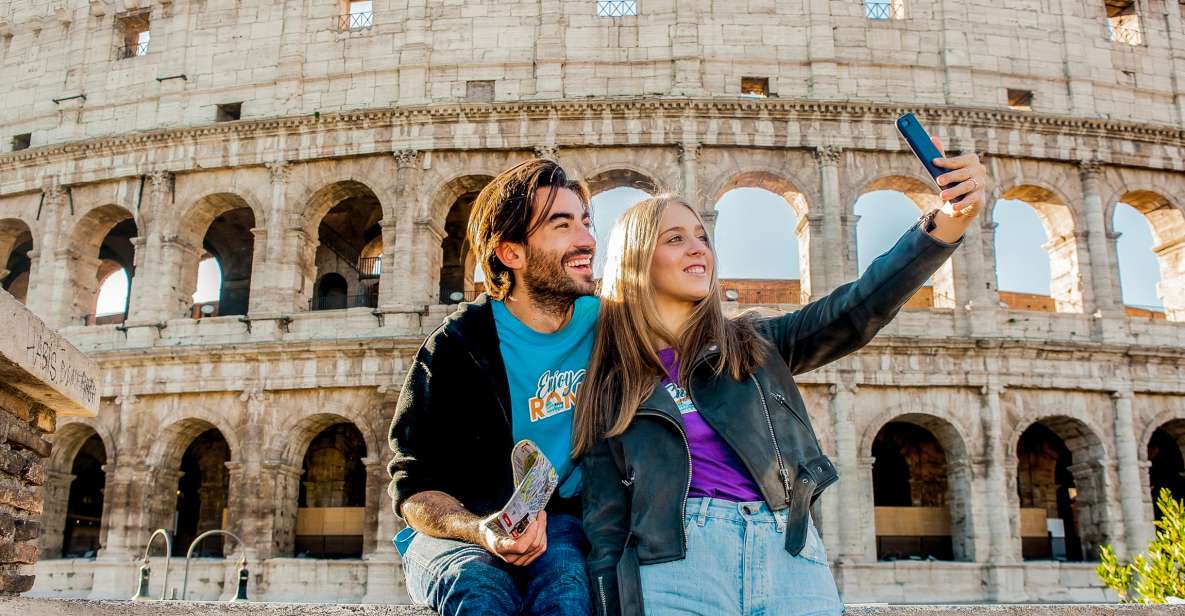
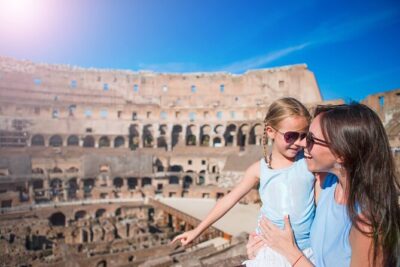
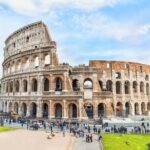
This is the classic Rome combo: the Colosseum, then the downtown heart of ancient Rome, then the hill where the emperors built their power bases. In 2.5 hours, you cover the big “why” behind the stones: where influence lived, where ceremonies happened, and how public spectacle shaped Roman life.
I like tours that don’t treat these sites like three separate museums. Here, the route connects the stories—gladiators in the arena, emperors and triumphal arches in the center, and palace views from Palatine Hill—so the day feels like a single timeline instead of three checkboxes.
It’s also a good value shape. You’re paying for a guide, tickets, and headsets. You can get into these sites on your own, sure, but you’ll miss a lot of the meaning fast.
You can also read our reviews of more tours and experiences in Rome.

Entering the Colosseum: Skip-the-line Tickets and Gladiator Details
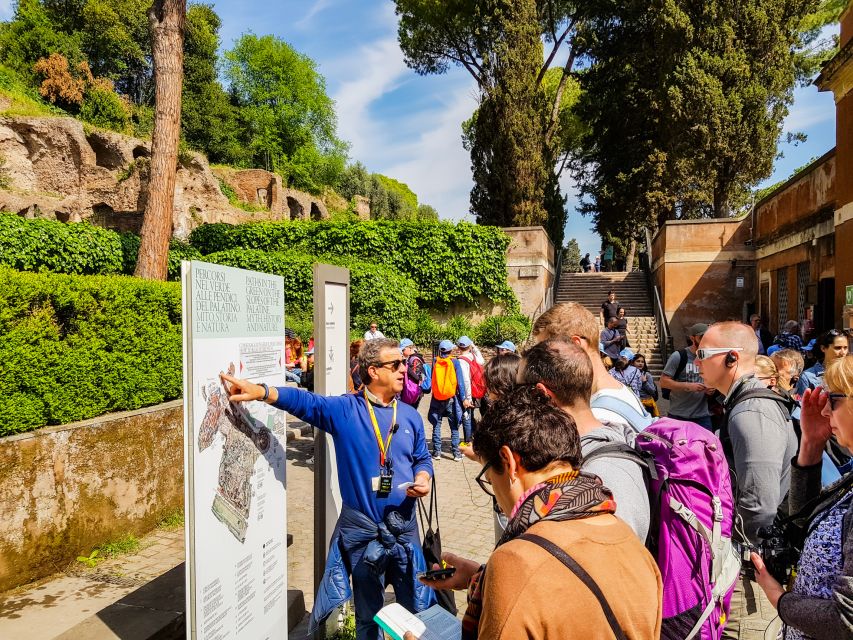
The day begins at Via delle Terme di Tito 93, then you head straight into the Colosseum for about an hour of guided time. The big advantage is that you’re not wasting your morning figuring out where to line up or which entrance works best.
Inside, the guide focuses on gladiators—how they lived, what training looked like, and why those fighters became celebrities in their era. If you’ve ever looked at an arena and wondered how it actually worked day to day, this part gives you the missing layer.
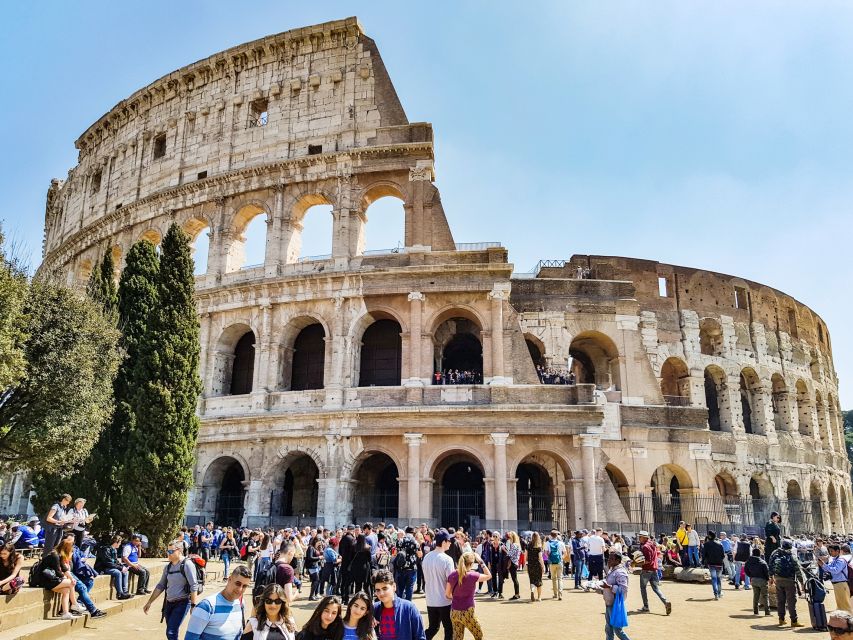
Worth knowing: even with the skip-the-line perk, the Colosseum complex can still be busy. You may still encounter crowd flow once you arrive at the site area. That’s normal here. Your best move is to show up a few minutes early and keep your expectations realistic when it’s peak season.
The Via Sacra Walk: Where Roman Leaders Walked
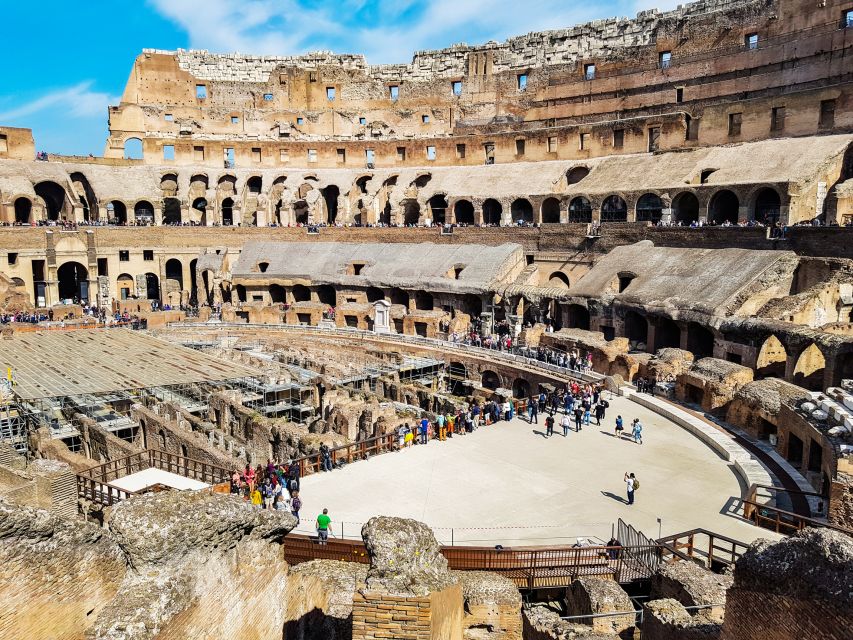
From the Colosseum, the tour shifts into the Imperial Roman Forums zone. The highlight is the walk on the Via Sacra cobblestones—framed as the same route tied to legendary Roman names like Julius Caesar, Mark Antony, and Cleopatra.
This is where the Forum stops being a “ruins field” and starts behaving like a downtown. You’re walking through the power center: the space for politics, ceremonies, and the kind of public attention that could make or break careers.
The guide also points out the stories behind specific landmarks, including the spot where Julius Caesar was cremated. That one detail helps the whole area click: you’re not just seeing remains. You’re moving through remembered locations.
Triumphal Arches You’ll Actually Notice: Septimius Severus, Titus, and Constantine
In the Forum area, the tour includes views of major triumphal arches—three you’re likely to recognize on sight once someone points them out. You’ll pass by the Triumphal Arches of Septimius Severus, and you’ll see the ancient Titus and Constantine Arches as part of the route.
Arches can look similar from a distance, so the value here is having them placed into a story. The guide’s job is to explain what triumphal architecture meant in Roman culture: it turned victory into branding. It’s propaganda made of stone, and it was meant to be read by everyone walking by.
This also helps with photos. Rather than snapping randomly, you get a sense of where to stand for the best angles and why those angles make sense in the ancient layout.
Palatine Hill: Emperor Views and the Palace Zone
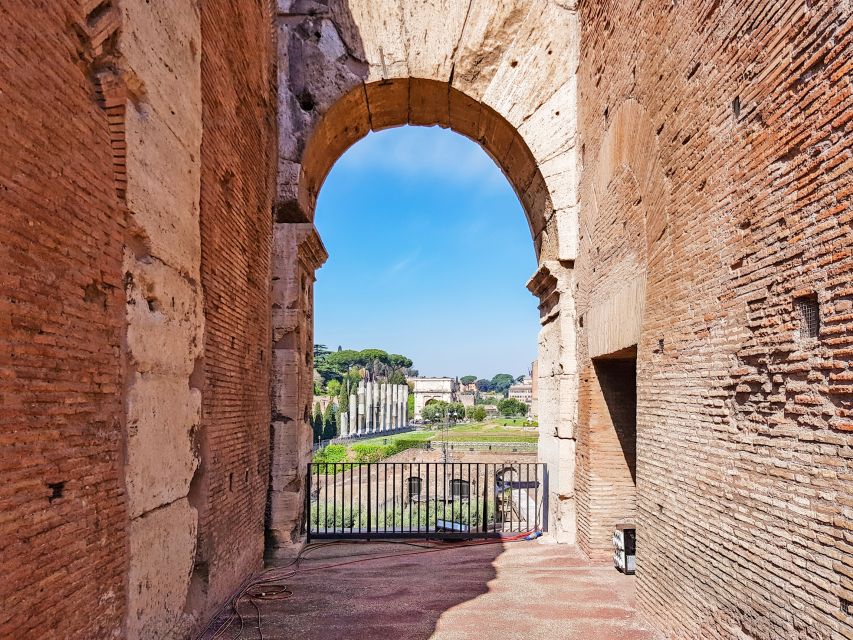
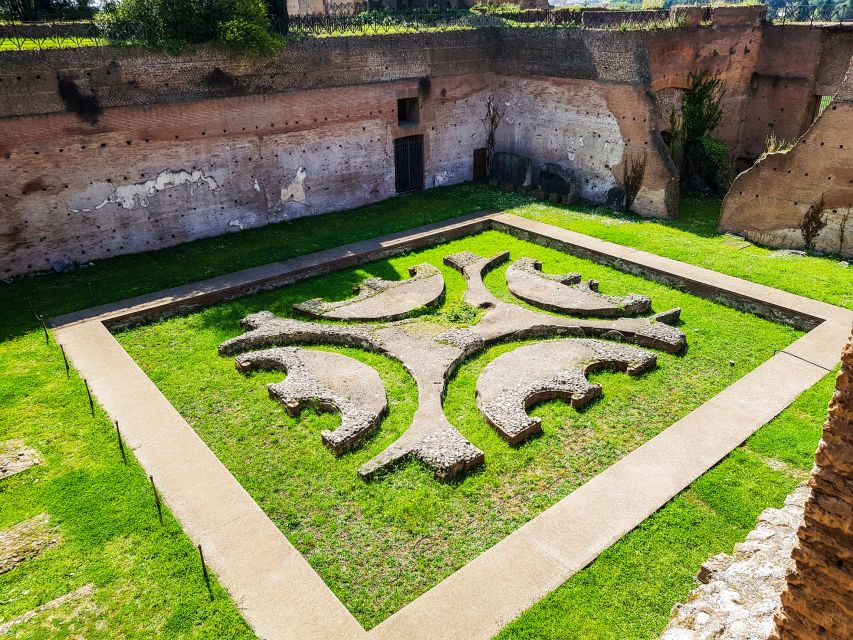
After the Forums, you climb to Palatine Hill for another hour with a guided focus. Palatine is special because it’s not only about ancient remains; it’s about commanding views over the Forum area. That “overlook” perspective is exactly what you’re there for.
The tour explains why Palatine mattered: it was where emperors built opulent palaces. Even if you’ve seen palace ruins in other European cities, this one lands differently because Palatine lets you connect daily rule to geography.
Also, the hill can feel hotter than the Forum floor. A strong guide will keep the group moving without turning it into a heat sprint. Some guides on this route are praised for doing exactly that—keeping people in shade when possible and pacing to match a crowd-heavy environment.

How Long Is Enough: The 1-Hour Stops and Where Time Can Slip
The plan is simple: about 1 hour at the Colosseum, 1 hour in the Roman Forum, and 1 hour on Palatine Hill. In a good flow, that gives you structured time plus enough walking buffer to keep the day from feeling like a race.
In reality, Rome doesn’t always cooperate. A few people noted the tour ran longer than the stated time, while others felt certain segments leaned more heavily on architectural explanation than the ruins they came to see. If you prefer more time roaming independently (or you’re very photo-focused at the Colosseum), you might want to plan extra time on a separate day.
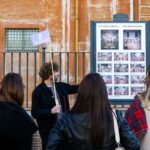
One more practical note: timing confusion can happen when multiple tours operate at the same time. If you’re unsure about where your group is supposed to start first, ask right away at the meeting point. Don’t wait until you’re already in motion.
Guides, Headsets, and Group Energy: What Makes the Day Work
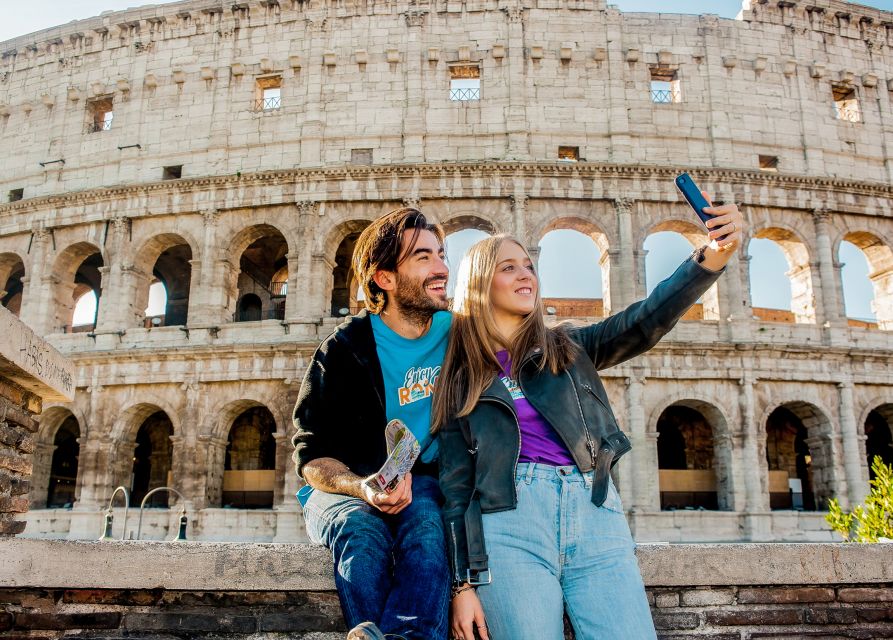
A guided day like this succeeds or fails based on pacing and clarity. This tour includes headsets, which is a big deal at the Colosseum and Forum, where background noise can swallow spoken details. You should be able to hear the guide even when the crowd level spikes.
The guide language range is solid: Spanish, French, German, English, and Italian. Still, accents and group size can affect comprehension. A couple people mentioned moments where the English was harder to follow, but most said the core information came through clearly.
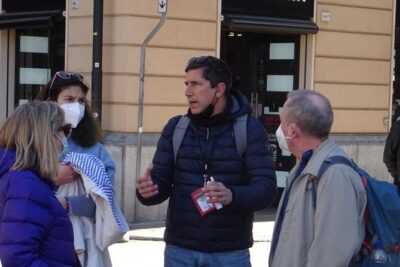
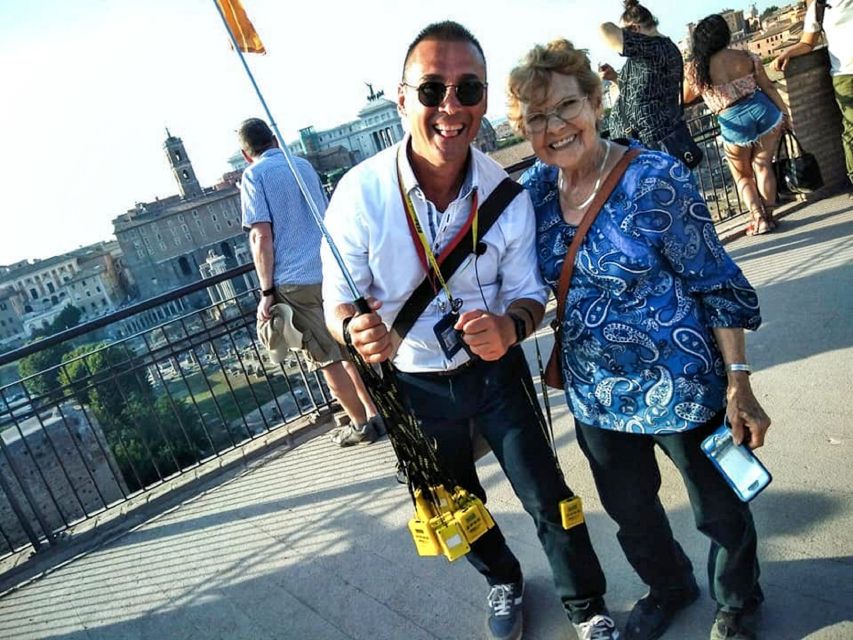
You’ll also notice the human side. Several guide names show up repeatedly in positive feedback, like Andrei, Mahmood, Ricardo, Nancy, and Ian. What gets praised isn’t just facts—it’s how the guide keeps people engaged and manages the hot-weather comfort side, including shade breaks and photo help.
Group feel matters too. Even when the tour is well run, this area is crowded. Expect that. What you’re buying is better direction and better story structure, not a quiet stroll.
Price and Value: Why $41 Can Make Sense Here
At $41 per person, this tour is priced as an efficient “big sites in one go” package. The value comes from what’s included:
- Entrance tickets
- Professional guide
- Headsets
- A skip-the-ticket-line benefit
That combination matters on the ground. Tickets and timed entry can be a hassle to line up, especially when official availability gets tight. The guide also helps you avoid wandering into dead ends or missing key spots, like the arches route and the Caesar cremation reference.
What’s not included is simple: food and drinks. You’ll want to bring water and snacks if you know you get low energy in heat. Not every tour includes long sit-down breaks, and you’re on stone sites where sitting options can be limited.
What to Bring (and What to Expect on Entry)
This tour requires you to pass through airport-style security. That means plan for a checkpoint, not a quick walk-through.
Bring:
- A passport or ID card (and for children, their ID as well)
Not allowed:
- Pets
- Weapons or sharp objects
- Alcohol and drugs
- Glass objects
For comfort, you’ll thank yourself later if you pack the basics: comfortable shoes for uneven surfaces and stairs, plus sun protection. This area is exposed, and the day can run hotter than you expect even if the forecast looks mild.
Who This Tour Fits Best (and Who Might Prefer a Different Plan)
This tour is best if you want a guided “greatest hits” approach with real context. I’d point you here if you:
- Want the Colosseum, Forum, and Palatine in one day without planning each step
- Like gladiator and political-history explanations, not just photos
- Appreciate structure when sites are crowded
It’s not suitable for people with mobility impairments or wheelchair users. You’ll be climbing and walking on ancient terrain, and the tour is built around that.
If you’re the type who loves slow wandering and long independent time, consider adding extra hours nearby on your own schedule. This tour is efficient, not leisurely.
Should You Book This Colosseum–Forum–Palatine Tour?
I’d book it if you’re doing Rome for a first, short, or high-priority itinerary and you want the most famous ancient Rome sites connected by story. At $41, the ticket-and-guide bundle looks like fair value, especially because the included headsets help you actually understand what you’re seeing.
I’d think twice if you hate crowds or you’re extremely sensitive to heat and long walking. The sites are famous for a reason, which also means they’re busy. Also, if you prefer deep time in one place over brief guided segments across three, you may find parts of the tour feel weighted toward explanation rather than wandering.
FAQ
How long is the Rome Colosseum, Roman Forum & Palatine Hill tour?
The tour duration is listed as 2.5 hours, with specific starting times depending on availability.
How much does the tour cost?
The price is $41 per person.
Is entrance included and do I get headsets?
Yes. The tour includes entrance tickets, a professional guide, and headsets.
What language options are available for the live guide?
The live guide is offered in Spanish, French, German, English, and Italian.
Where do I meet the group?
Meet at Via delle Terme di Tito 93. If you arrive by Metro at Colosseo station, reach the terrace above the station, walk on Via Nicola Salvi about 100m, then turn left.
Is this tour wheelchair accessible?
No. It is not suitable for wheelchair users or people with mobility impairments.