REVIEW · ROME
Rome: Colosseum with Roman Forum & Palatine Hill Guided Tour
Book on Viator →Operated by The Tour Guy · Bookable on Viator
The Colosseum already has a wow factor. What makes this tour stand out is the small-group entry plan and a guide who ties the arena to the people who lived around it. I like that you cover the Colosseum first, then move straight into the Roman Forum, and finish on Palatine Hill while the day still feels efficient.
You’ll get admission handled for you, plus the Colosseum reservation fee, so you spend less time figuring out tickets and more time learning what you’re seeing. One thing to consider: this is a real walk-and-step day, with cobblestones and stairs, so you’ll want a moderate fitness level.
In This Review
- Key Points You’ll Care About Before You Go
- A Small-Group, Admission-Included Plan That Makes Rome Feel Doable
- Entering the Colosseum: Priority Flow and Elite-Tier Views
- A reality check: it’s a step-and-crowd environment
- Roman Forum in One Hour: See the Big Names Without Getting Lost
- Potential drawback: crowds can squeeze your time
- Palatine Hill: Elite Residences, Aqueduct Fragments, and the Romulus Origin Story
- Why the Palatine stop is worth it
- Pace and Practical Tips: Plan Like You Mean It
- Price and Value: Why $9.95 Can Be a Smart Bet
- Which Type of Person Should Book This?
- Should You Book This Colosseum, Roman Forum & Palatine Hill Tour?
- FAQ
- How long is the Rome Colosseum, Roman Forum & Palatine Hill guided tour?
- What sites are included on this tour?
- Is the Colosseum ticket included in the price?
- Is the tour offered in English?
- How large is the group for this tour?
- Where do we meet, and does the tour end nearby?
- Do I need a passport or ID to enter?
- Is it a mobile ticket?
- Is food included?
- Can I cancel and get a full refund?
Key Points You’ll Care About Before You Go
Small groups (max 25): Easier movement, more attention, and a calmer feel than big-bus crowds.
Admission handled: Colosseum entry and the reservation fee are included, so you can focus on the sights.
Three-site arc: Arena first, political and daily-life center next, then elite homes and legendary origins on Palatine Hill.
English local guides: Multiple guide names came up in feedback, including Frederick, Federico, Bogdan, Fabby, Marco, and Caterina.
Audio support may help: A few people noted headsets working well for staying on track in the busy sections.
Crowds can affect timing: If lines and security slow the group, you might end up with less time in one area than planned.
A Small-Group, Admission-Included Plan That Makes Rome Feel Doable
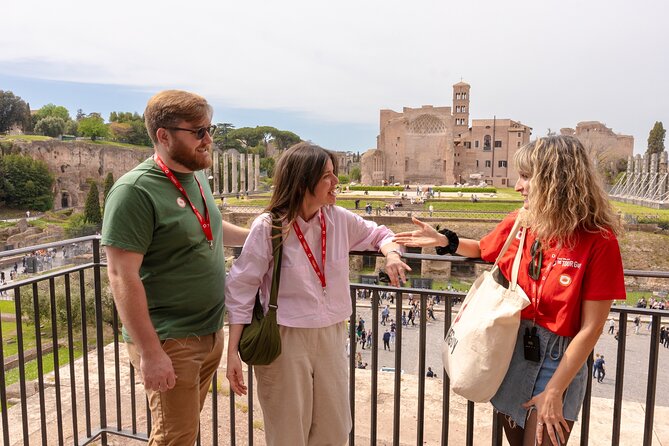
Rome’s top attractions can feel like a homework assignment: tickets, lines, directions, then trying to read ancient stones while sweating through your good intentions. This tour attacks the problem with a simple formula. You start at a clear meeting point (Fontana del Colosseo), you get mobile tickets, and you move through the sites with an English-speaking local guide.
The “small-group” size matters more than it sounds. When you’re capped at 25, you’re less likely to get swallowed by the crowd. You also have a better chance of hearing explanations and catching the key details while there’s still momentum.
The other big reason this works: admission is built in. The Colosseum entrance ticket and the reservation fee are included, with the rest of what you pay covering guide and service work. That means less friction on the day and less stress when you arrive.
You can also read our reviews of more tours and experiences in Rome.


Entering the Colosseum: Priority Flow and Elite-Tier Views
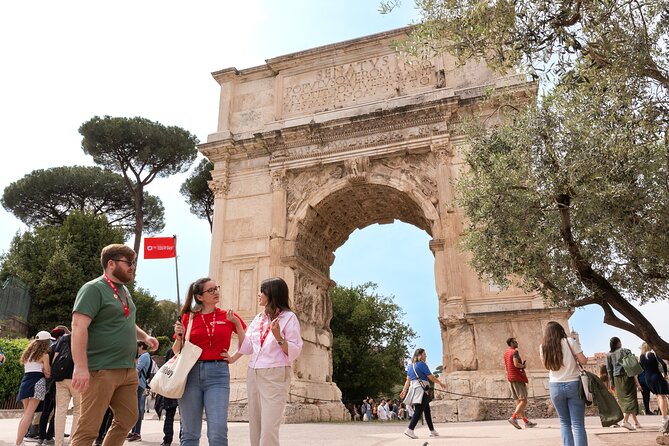
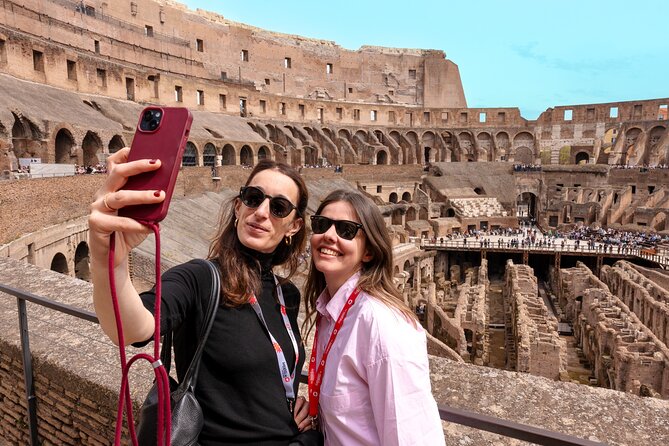
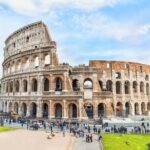
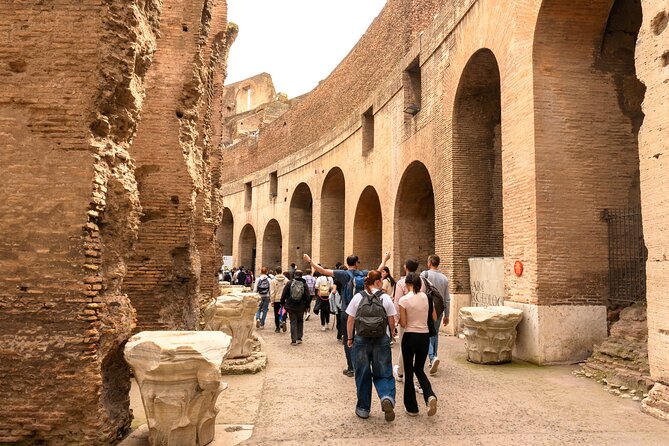
The Colosseum stop is designed to get you in and moving quickly. You enter through a special small-group entrance and head toward the main part of the arena. The plan includes access to the Colosseum’s first and second tiers, described as areas reserved for Rome’s elite classes. That’s a meaningful choice. Lower-access seats are interesting, but the tiers help you grasp how this place functioned as a layered social stage.
What your guide will focus on here is not just “what happened,” but how it all worked. Expect engineering highlights connected to how the building was constructed and used, plus stories about gladiator combat and animal hunts. The best part of this section isn’t the spectacle by itself. It’s the context that helps you understand why the Colosseum mattered to politics, entertainment, and status.
If you like humor in your history, look for it in the guide style. Several guides were praised for staying funny and keeping people engaged, including Frederick and Bogdan in past feedback. The tone tends to be energetic, the pacing tends to be structured, and you’re guided toward the most important visual parts of the arena.
A reality check: it’s a step-and-crowd environment
Even with efficient entry, the Colosseum requires stairs and walking on uneven ground. One review flagged that steep steps and stair climbing can be tough. If you know you struggle with long walking or frequent stairs, plan carefully. This isn’t the kind of outing where you can casually drift.
Roman Forum in One Hour: See the Big Names Without Getting Lost
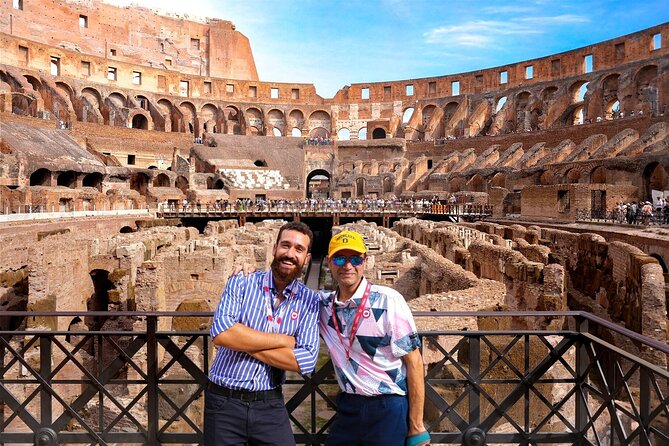
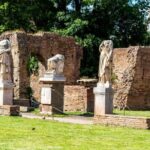
Right after the Colosseum, you move into the Roman Forum, the area people often picture when they imagine ancient Rome’s political and social life. This part of the day is more about orientation than sprinting through every ruin.
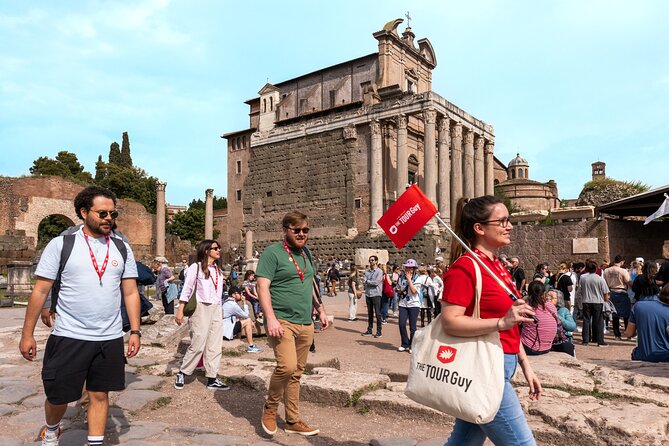
Your guide brings the Forum to life by describing what it was like when it wasn’t quiet and empty. Think senate meetings, public performances, political demonstrations, and the day-to-day bustle you’ve probably seen in historical movies. You stroll past major remains and get help reading what you’re looking at, instead of just guessing.
Two specific landmarks mentioned in the plan are the Arch of Titus and the Temple of Julius Caesar. Those names are famous for a reason. Seeing them on-site—and getting the story attached—turns them from postcard labels into actual reference points for how Romans organized space and power.
Potential drawback: crowds can squeeze your time
The Forum can slow you down. Reviews included examples where the crowd level made movement difficult, and one person said they felt they didn’t get to see as much of the Forum as they wanted because the crowd made it hard to move. So if you’re the type who wants maximum time per stop, go into this with the mindset that the tour is structured for seeing the core highlights in a compact window.

Palatine Hill: Elite Residences, Aqueduct Fragments, and the Romulus Origin Story
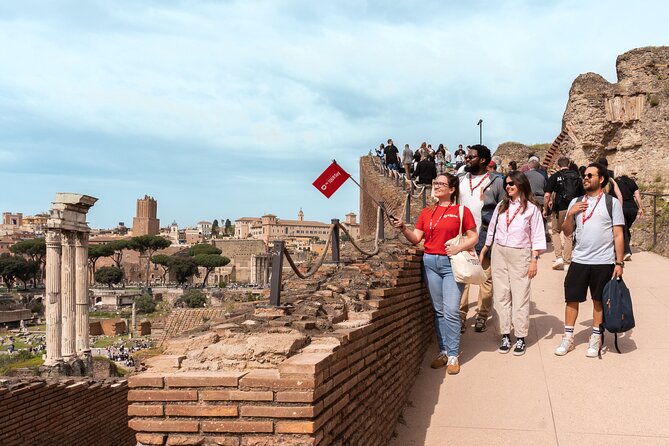
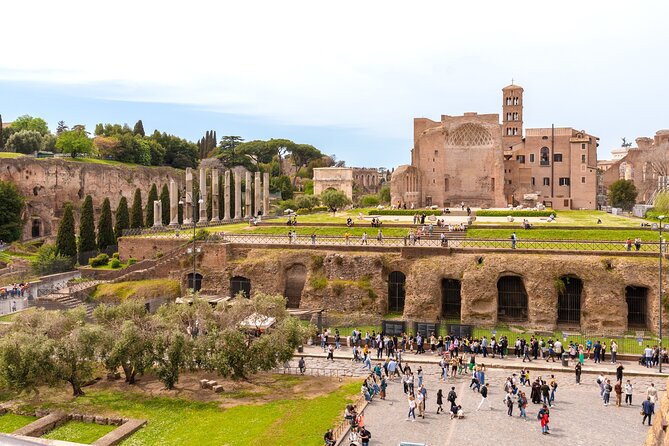
The last stop is Palatine Hill, which is where the tour shifts from public life to power displayed as private comfort. Here, the story moves to the myth-and-history foundation of Rome—Palatine is tied to the area believed to be where Romulus established the city in 753 B.C.
This section emphasizes luxury and early elite living. You’ll hear about lavish palaces and how they were decorated, including references to intricate artifacts and mosaics. The tour also points out that these weren’t just homes. They functioned as repositories of wealth—places where opulence was stored and shown.
There’s also a fascinating detail about the Palace of Domitian, including mention of an amphitheater within the palace complex large enough to accommodate chariot races. Then you’ll get a look at a fragment of an ancient Roman aqueduct.
Why the Palatine stop is worth it
The Colosseum tells you how Romans entertained and organized mass attention. The Forum tells you how they ran civic life. Palatine Hill is where you see how status worked in daily terms—who lived close to power, and how grandeur became part of the city’s physical plan.
The timing here is shorter (about 30 minutes in the plan), so you’ll want to pay attention to your guide’s direction. With the hill’s views and ruins, it’s easy to wander off looking for the perfect photo. The tour’s value is that it keeps you tethered to the key points.
Pace and Practical Tips: Plan Like You Mean It
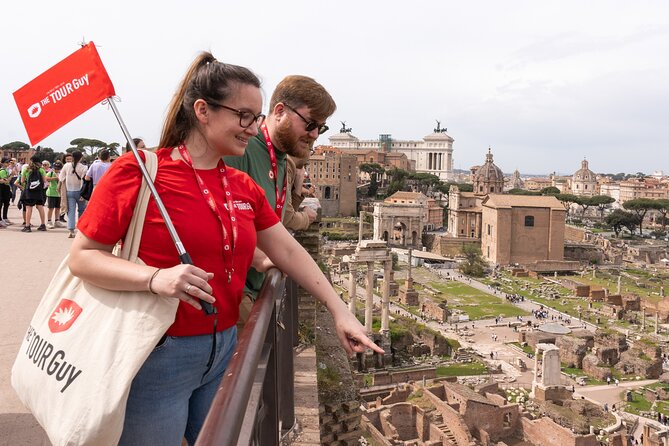
This is a 3-hour guided run through three major sites. That’s a great length if you want a hit of Rome’s highlights without losing an entire day. But it’s also a structured schedule, which means you’ll do plenty of walking and stair climbing.
Here’s what matters most for planning:
- Wear shoes you trust for cobblestones and uneven surfaces.
- Bring water, and in summer consider a fan or shade tool. One review specifically recommended this for heat.
- Arrive early if you can. People noted that arriving early helps the day run better.
Also, keep your energy for the start. The tour is built so you move Colosseum first, then Forum, then Palatine Hill. If you show up rushed or flustered, you’ll feel it more later.
Language is another practical variable. Most of the tour is offered in English, and many people praised clear explanations. Still, there are occasional complaints about guides speaking too fast or English being hard to understand in certain cases. If you’re sensitive to fast-paced narration, sit near the front when possible and don’t be afraid to ask the guide to repeat something when the group pauses.
Price and Value: Why $9.95 Can Be a Smart Bet
On paper, the price can look suspiciously low: $9.95 per person for a 3-hour guided tour. The value improves when you compare it to what’s included. The Colosseum admission is listed as €18, and the Colosseum reservation fee is listed as €2. That means your guided time and service work are the main part of what you’re paying for, because the core ticket costs are already accounted for.
So what are you getting besides entry?
- An English-speaking local guide
- A guided route across all three sites
- Small-group management (max 25)
- A plan that helps you see the most important pieces without DIY navigation
Is it perfect value? It depends on how you like to travel. If you love independent wandering and you don’t care about explanations, a self-guided visit could be cheaper long-term. But if you want someone to connect the building, the politics, and the myths into one storyline, this package can be one of the better ways to spend a half-day.
Which Type of Person Should Book This?
This tour is best for people who:
- Want a guided storyline connecting Colosseum, Forum, and Palatine Hill
- Prefer a smaller group and less time messing around with logistics
- Enjoy humor and storytelling as part of history (several guides were praised for keeping the tone fun)
- Would rather pay for guided entry than manage tickets and reservations on your own
It might not be the best fit if you:
- Have trouble with long walking, steep steps, or stair-heavy routes
- Need a slow, flexible pace where you can stop often and linger for long stretches
- Are easily overwhelmed by crowds and want a quieter experience
Should You Book This Colosseum, Roman Forum & Palatine Hill Tour?
I’d book it if you want a focused, time-efficient Rome highlight that handles admission and keeps the group small. The combination of included Colosseum entry, a guide who turns ruins into a story, and the three-stop arc is a strong recipe for getting real understanding fast.
I’d think twice if mobility is a concern or if you’re hoping for a slow, relaxed stroll. The sites are famous for their steps and crowds, and even with a small group, you’re still moving through major archaeological areas.
If you do book, show up with the right expectations: bring good shoes, plan for stairs, and don’t schedule anything tight right after the tour. Rome rewards good timing, and this one runs on momentum.
FAQ
How long is the Rome Colosseum, Roman Forum & Palatine Hill guided tour?
It runs about 3 hours total.
What sites are included on this tour?
You visit the Colosseum, the Roman Forum, and Palatine Hill.
Is the Colosseum ticket included in the price?
Yes. Colosseum admission and the Colosseum reservation fee are included.
Is the tour offered in English?
Yes, the tour is offered in English.
How large is the group for this tour?
The tour has a maximum group size of 25.
Where do we meet, and does the tour end nearby?
You meet at Fontana del Colosseo, 00184 Roma RM, Italy, and the tour ends back at the meeting point.
Do I need a passport or ID to enter?
Yes. You must present a valid passport or ID document that matches the name provided at booking.
Is it a mobile ticket?
Yes. The tour includes a mobile ticket.
Is food included?
No. Food and beverages are not included.
Can I cancel and get a full refund?
You can cancel up to 3 days in advance for a full refund. Within 3 days, the amount paid is not refunded.