REVIEW · ROME
Rome Cooking Class 2-in-1: Make Fresh Pasta and Tiramisu Together
Book on Viator →Operated by Carpe Diem Tours · Bookable on Viator
Homemade pasta in Rome beats everything. This hands-on 2-in-1 class takes you into a real Roman restaurant kitchen to make fresh fettuccine and a creamy tiramisu, and I love the chef guidance plus the prosecco-and-wine start that turns a lesson into a proper evening. One catch: the menu uses gluten and dairy, so there are no gluten-free, dairy-free, or vegan options.
You’ll spend about 3 hours with a small group (up to 15), rolling and cutting pasta, choosing between carbonara or cacio e pepe, then sitting down to eat what you made. You’ll also get a take-home ebook so you can recreate the dishes back home, not just remember the smells.
In This Review
- Key things to know before you cook in Rome
- A real Roman kitchen pace, not a lecture
- The pasta workshop: fettuccine, two Roman sauce options, and dough reality
- What you’ll do with the dough
- Your sauce choice: carbonara vs cacio e pepe
- Tiramisu from scratch: the creamy part you’ll want to repeat
- Drinks and the dinner-table moment
- How the 3 hours typically feel (and why that timing works)
- Meeting point and getting there without stress
- Price and value: what $83.48 really buys you
- Vegetarian options—and the limits that matter
- Group vs private upgrade: when to go solo-with-a-chef
- Who should book this Rome pasta and tiramisu class
- Should you book this Rome cooking class?
- FAQ
- How long is the Rome pasta and tiramisu cooking class?
- What dishes will I make?
- Is there a vegetarian option?
- Are there gluten-free, vegan, or dairy-free options?
- What drinks are included?
- Where do I meet, and where does it end?
- What if the weather is bad?
Key things to know before you cook in Rome
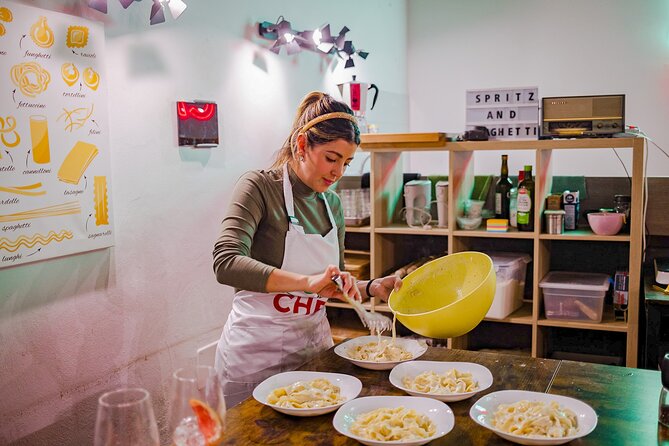
- Small-group size (max 15): more time for questions and corrections while you’re shaping dough.
- Two dishes, one evening: fresh pasta plus traditional tiramisu, both from scratch.
- Chef-led, real kitchen: you’re working in the same kind of setup a Roman restaurant uses, not a staged demo.
- Drinks are part of the workflow: prosecco at the start, plus wine and limoncello included.
- Choose your sauce: cacio e pepe or carbonara for your fettuccine.
- Plan around dietary limits: the class can’t accommodate coeliac disease, gluten intolerance, lactose intolerance, or vegan diets.
A real Roman kitchen pace, not a lecture
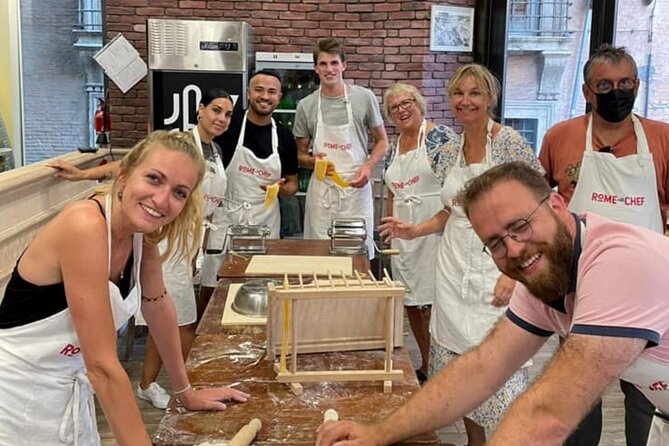
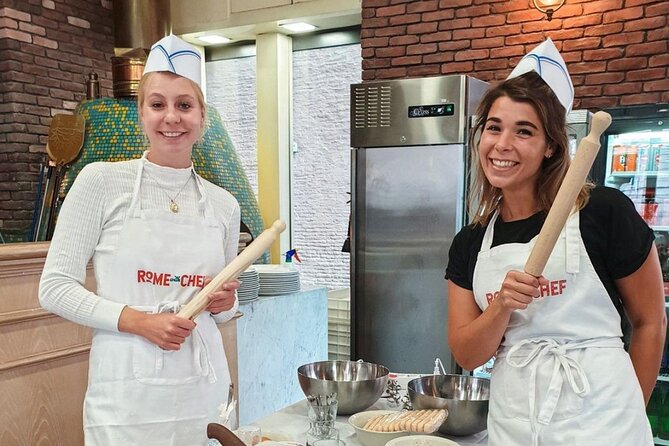
This is the kind of Rome cooking class where you actually do the work. You’re not watching someone else handle the dough while you take notes. You roll, knead, cut, and cook, then you build tiramisu from the ground up. That matters, because fresh pasta doesn’t come from shortcuts. It comes from feel.
I like that the vibe is relaxed but structured. The instructors (you might meet chefs and hosts with names like Gaia, Shivi, Jem, Ida, Angela, Gio, Larissa, and Sherry across different sessions) keep the process moving step-by-step, while staying patient when the dough needs adjustment. And yes—several people noted that the teaching is fun and supportive, not stiff.
Possible drawback: expect some standing and real cooking effort. One review mentioned the pasta can take longer than first-timers expect to get just right. If you’re hoping for a quick, hands-off souvenir meal, you might feel it’s more work than you planned.
You can also read our reviews of more tours and experiences in Rome.


The pasta workshop: fettuccine, two Roman sauce options, and dough reality
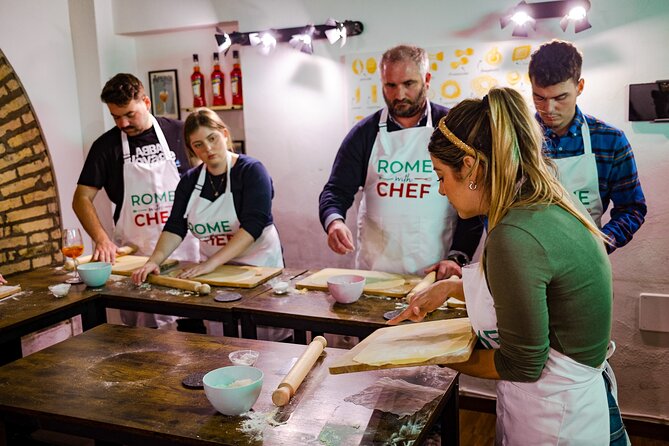
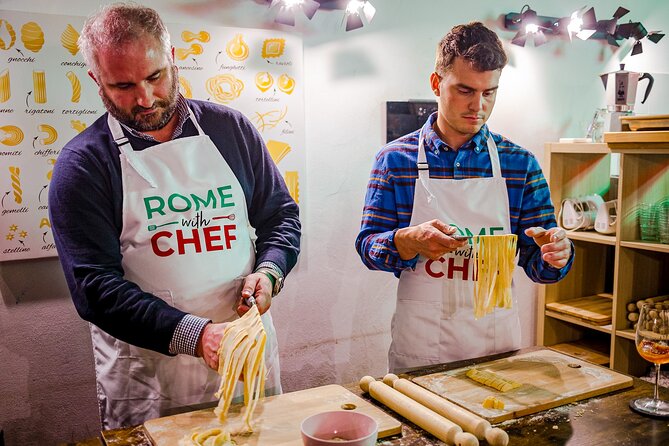
The main event is handmade pasta. You’ll roll and knead the dough, then cut fresh fettuccine. After that, you’ll cook it with your choice of carbonara or cacio e pepe. The best part is that you learn the fundamentals that make the difference between homemade and restaurant-level.
What you’ll do with the dough
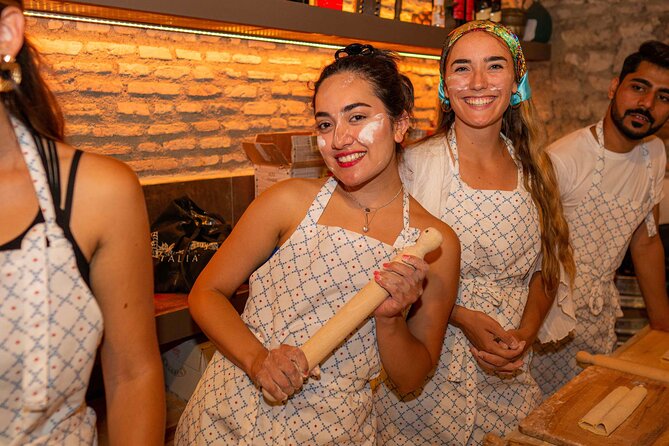
Fresh pasta can look simple until you’re doing it. That’s why this class works: it slows you down just enough to learn the mechanics. You’ll get guidance on dough consistency, how to handle it while rolling, and how to cut it into the right shape. People also pointed out that you spend time getting the dough right—often around the stage where you’re kneading and shaping—so don’t book this right after a long day of sightseeing if you hate getting flour on your hands.
Your sauce choice: carbonara vs cacio e pepe
The class menu gives you two Roman classics, which is a smart setup because both teach different techniques:
- Carbonara: typically a sauce approach with egg and seasoning where timing matters.
- Cacio e pepe: built around cheese and black pepper where you learn how to balance richness and seasoning.
One small consideration from a comment: the two sauce options may feel similar in outcome because of the limited time. Still, choosing carbonara or cacio e pepe is a great way to leave with a clear next recipe you can redo at home.
Tiramisu from scratch: the creamy part you’ll want to repeat
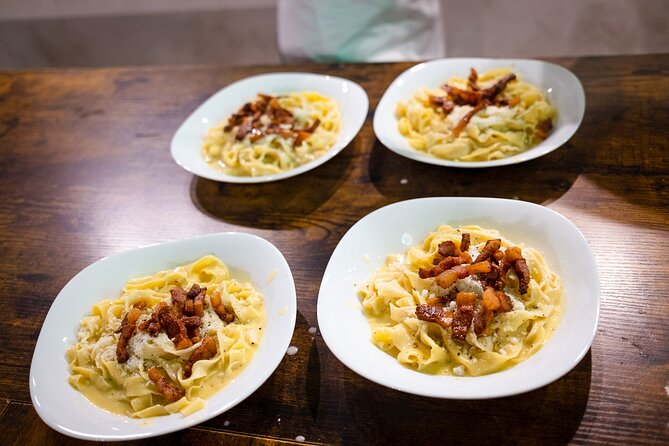
Then you switch from savory to dessert and make traditional tiramisu from scratch. In a city full of tiramisu claims, what you want is the process: how the filling comes together, how you assemble it, and how to keep it creamy rather than soggy.
You’ll work with fresh, local ingredients (that’s part of the promise here). And because you’re doing it, not just tasting it, you’ll understand where people usually go wrong at home—like over-soaking components or rushing the build. Multiple people described the tiramisu as delicious and specifically recommended repeating the recipe after the class, which usually means the instructions are practical enough to follow later.
If you’re not a big tiramisu person, this class can still win you over. One comment said their usual preference didn’t matter once they tasted the version they learned to make.


Drinks and the dinner-table moment
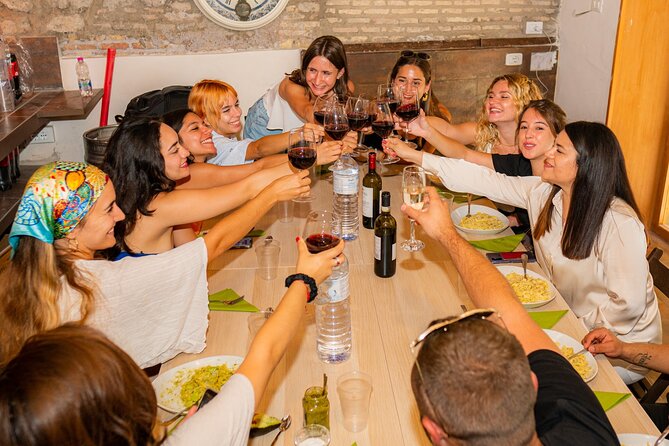
The evening starts with a welcome drink. You get 1 glass of prosecco, then you’ll have Italian wine during the meal, plus limoncello as part of the included drinks. Water and soft drinks are unlimited.
This isn’t just about alcohol. It’s about rhythm. Cooking can feel technical; drinks help the room loosen up, so you ask questions instead of freezing when something goes wrong. Several people noted the instructors kept the energy up and the drinks flowing while they taught.
One tip from the practical side: come hungry. This is a meal experience. At the end, you sit down and eat the pasta you made, along with your tiramisu. One review even emphasized the eye-opening effort behind homemade pasta—so you’ll appreciate the payoff when it hits your plate.
How the 3 hours typically feel (and why that timing works)
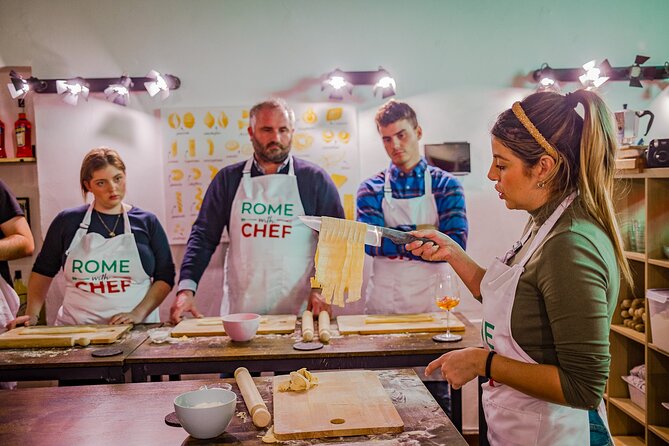
The class runs about 3 hours. That’s a sweet spot: long enough to learn hands-on skills, short enough that you don’t spend your whole evening tied to a workstation.
Here’s the basic arc you can expect:
- Kickoff drinks and introductions
- Fresh pasta making (roll, knead, cut, then cook)
- Tiramisu assembly
- Sit down and eat what you made
The timing matters because it keeps you from getting bored. It also forces you to learn in the real world: you can’t perfect every step like you would at home with a whole afternoon. But you can learn the core moves that let you recreate the dishes later.
One parent-friendly detail: families have done this successfully, including kids in the 8–15 range in at least one case. The instructors tend to keep everyone involved. If you’re bringing kids, expect it to be active—hands-on tasks, plus a bit of patience while dough gets its footing.
Meeting point and getting there without stress
You start at Via Cesare Balbo, 25, 00184 Roma. The activity ends back at the meeting point.
Two practical notes:
- It’s near public transportation, so you’re not stuck hunting for parking.
- The meeting point can change occasionally, but when it does, it’s supposed to be just about a 5-minute walk apart, and you’ll be informed in advance.
You’ll also use a mobile ticket. Confirmation is received at booking time, and the experience is offered in English.
Price and value: what $83.48 really buys you
At $83.48 per person, this isn’t a “just try it once” snack class. But it also isn’t overpriced when you add up the parts you’re actually getting: two full dishes (pasta plus tiramisu) made in a structured way, chef-led instruction, and included drinks (prosecco, wine, and limoncello), plus unlimited water and soft drinks.
Here’s the value equation that made people feel it was worth it:
- You leave with recipes via a take-home ebook, so the money doesn’t vanish at the table.
- Small group size reduces the chance you’ll feel lost.
- You eat the result, meaning you’re paying for an experience, not only a demo.
Is it worth it if you’re a confident home cook already? Maybe you’ll still enjoy the tiramisu process and the Roman sauce focus. But if you want a guided, social, food-first evening in Rome that you can repeat later, the price starts making a lot of sense.
Vegetarian options—and the limits that matter
The class includes vegetarian options, which is good news if you skip meat. But the bigger issue is what it can’t do.
This experience is not able to accommodate:
- coeliac disease
- gluten intolerance
- lactose intolerance
- vegan diets
That’s because the menu includes gluten and dairy products. If you fall into any of those categories, you’ll want to look for a different cooking option where ingredient substitutions are built in—not improvised.
If you just avoid meat and you can eat dairy and gluten normally, you’re in the clear.
Group vs private upgrade: when to go solo-with-a-chef
The standard format is small-group. You can also upgrade to a private tour for a more personalized experience.
Choose private if:
- you want extra attention while you’re learning dough handling
- you’re cooking with dietary or timing needs that are easier to manage in one-on-one settings (within the class’s stated limitations)
- you prefer your group to be just your party
Choose group if:
- you like meeting people from different places
- you enjoy the social rhythm of cooking together
- you’re happy learning alongside others while the chef keeps things moving
Who should book this Rome pasta and tiramisu class
This class is a strong fit if you want:
- a hands-on Rome food experience that teaches repeatable skills
- Roman comfort food you can actually make later: carbonara, cacio e pepe, and tiramisu
- a small-group setting with lots of instruction and encouragement
It’s also a good pick for couples and families with older kids who can handle an active, ingredient-based cooking night. Several people highlighted that the atmosphere is friendly and that instructors keep younger participants engaged.
Skip it if:
- you need gluten-free, lactose-free, dairy-free, or vegan cooking
- you hate standing and active cooking steps
- you’re looking for a quick tasting without real prep work
Should you book this Rome cooking class?
If your idea of a great night in Rome includes flour on your hands, fresh pasta you cut yourself, and tiramisu you assembled with your own method, then yes—book it. This is one of those experiences where the value isn’t only the meal. It’s the technique. You’ll understand the steps well enough to try again at home, and that turns your trip memory into something you can use.
If dietary restrictions are a concern, read the limitations carefully. This one is designed around gluten and dairy. Also be ready for the effort. People liked the class so much because it feels real, not effortless.
If you want a social, chef-led evening that ends with a dinner table full of your own cooking, this is an easy yes.
FAQ
How long is the Rome pasta and tiramisu cooking class?
It’s about 3 hours (approx.).
What dishes will I make?
You’ll make fresh pasta (fettuccine) and traditional tiramisu. For the pasta, you’ll choose between carbonara or cacio e pepe.
Is there a vegetarian option?
Yes. Vegetarian options are included.
Are there gluten-free, vegan, or dairy-free options?
No. The class is unable to accommodate coeliac disease, gluten intolerance, lactose intolerance, or vegan diets, since the menu includes gluten and dairy.
What drinks are included?
You’ll get 1 glass of prosecco, and you’ll also have wine and limoncello. Unlimited water and soft drinks are included.
Where do I meet, and where does it end?
You start at Via Cesare Balbo, 25, 00184 Roma, Italy. The activity ends back at the meeting point. The meeting point may occasionally change to a location about 5 minutes away, and you’ll be informed in advance.
What if the weather is bad?
This experience requires good weather. If it’s canceled due to poor weather, you’ll be offered a different date or a full refund.