REVIEW · ROME
Rome: Dark Past Walking Tour with Capuchin Crypt Ticket
Book on GetYourGuide →Operated by Rome - Tour · Bookable on GetYourGuide
Rome gets under your skin underground. This Capuchin Crypt tour mixes famous Rome with darker stories told by a live guide, so you’re not just sightseeing—you’re reading the city’s darker footnotes as you go. I like the small, intimate group feel (less waiting, more questions), and I also like that the route is built around major landmarks like the Trevi Fountain and the Pantheon. One drawback: it’s not a good pick if you have mobility limits, because the walking and the crypt visit aren’t set up for wheelchair users or people with limited mobility.
Here’s the best part for your schedule: it’s short—about 2 hours—but it packs in multiple iconic stops plus a proper ticketed crypt entry. You start at Piazza Barberini, head underground first, then work your way through some of Rome’s most photographed corners, including Piazza Navona and Campo de’ Fiori.
If you get the right guide, the whole thing clicks. In the feedback I saw, names like Fabienne, Sarah, Célia, Go, Giuseppe, Marinelly, Gabby, and Lauren came up as standouts for storytelling energy and clear explanations (and even practical tips, like how to handle the Trevi crowd).
In This Review
- Key points to know before you go
- Meeting at Piazza Barberini: where the tour truly starts
- Capuchin Crypt: the underground stop that changes the tone
- Trevi Fountain: Baroque beauty with a street-level story
- Pantheon: ancient myths you can still feel in the stones
- Piazza Navona: Baroque square plus the ghost-story angle
- Campo de’ Fiori: a sad chapter behind the lively square
- The final finish: Chiesa Santa Maria dell’Orazione e della Morte
- What makes this tour good value at about $76
- Who should book this Rome dark past tour
- Simple packing checklist that actually matters
- Should you book the Dark Past Walking Tour with Capuchin Crypt?
- FAQ
- Where do I meet for the tour?
- How long is the Rome Dark Past Walking Tour?
- What is included in the price?
- Can I take photos inside the Capuchin Crypt?
- Is this tour suitable for children?
- Is the tour wheelchair accessible or friendly for limited mobility?
- What languages are offered for the guided tour?
- What should I bring and wear?
- What happens if I arrive late?
- Is food included?
Key points to know before you go
- Capuchin Crypt ticket included so you’re not scrambling for entry on the day
- Headsets included, which helps a lot in loud, busy squares
- A compact route (about 2 hours) with big sights and a dark ending church visit
- No photos in the Crypt of the Capuchins, so plan on memory and good shoes instead
- Small or private group options, which makes the pacing feel human
- Guides teach the legends behind the landmarks, not just the usual facts
Meeting at Piazza Barberini: where the tour truly starts
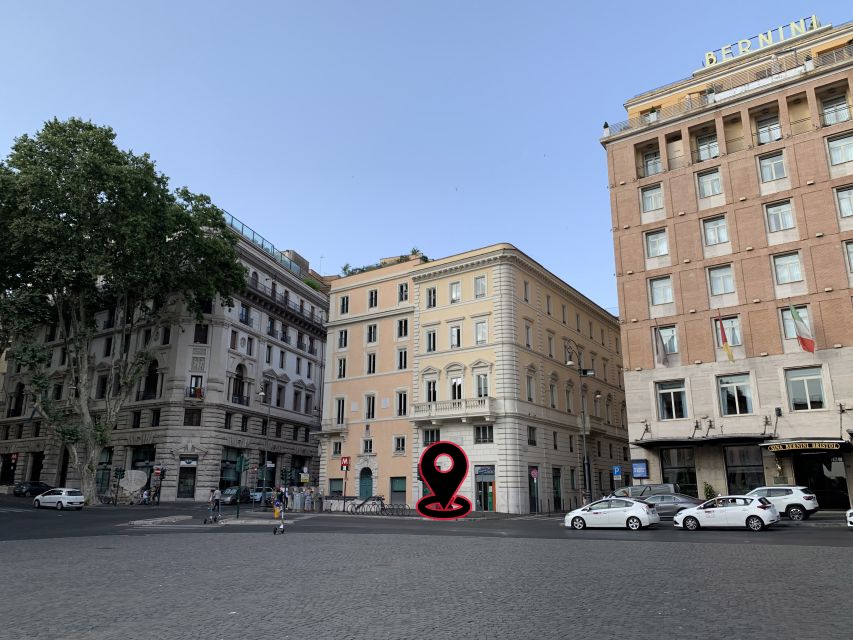
You meet at the corner of P.za Barberini, 21 and Via di S. Nicola da Tolentino, right next to the Hotel Bernini. This matters more than people think. If you arrive late, you won’t be allowed to join once the tour starts, so give yourself a little buffer time.
The good news is that this is a central area. It also means you’ll likely be able to pair this with other things the same day—especially if you like evening plans that don’t require a whole half-day commitment.
You can also read our reviews of more tours and experiences in Rome.


Capuchin Crypt: the underground stop that changes the tone
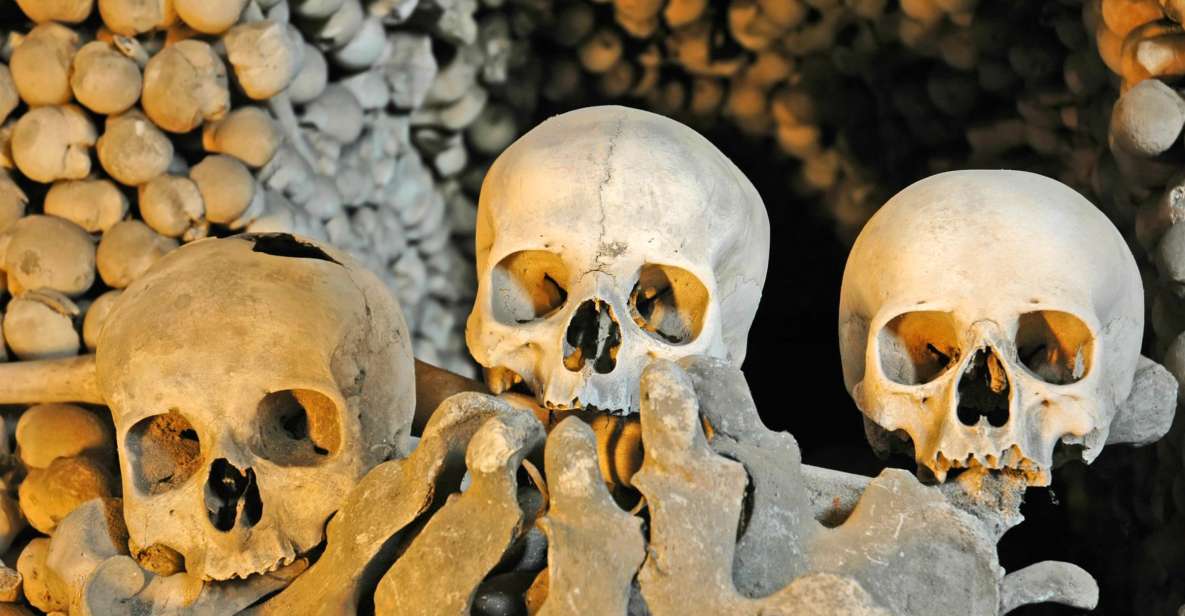
The tour begins with a visit to the Capuchin Crypt, and that’s your first big emotional gear shift. You spend about 30 minutes here with a guided visit, standing in an underground space covered with the skeletal remains of Capuchin Friars.
This isn’t “goth tourism” in a costume sense. It’s a real historical space built to frame death in a very specific way—one part religious practice, one part curiosity, one part reminder that Rome’s stories aren’t all grand monuments. If you’re the type who likes history that feels personal and strange, this is the part that tends to hook people fast.
Two practical notes you’ll want to respect:
- No pictures or videos are allowed inside the Crypt of the Capuchins, so don’t plan on documenting it.
- Dress for close quarters and standing time. Comfortable shoes are a must.
Because this is underground and you’ll be focused on remains and explanations, I’d also skip this tour if you’re prone to getting overwhelmed by intense visual history. If you can handle it, you’ll likely find the rest of the walking route more meaningful afterward, because you’ll start reading the city through that darker lens.
Trevi Fountain: Baroque beauty with a street-level story
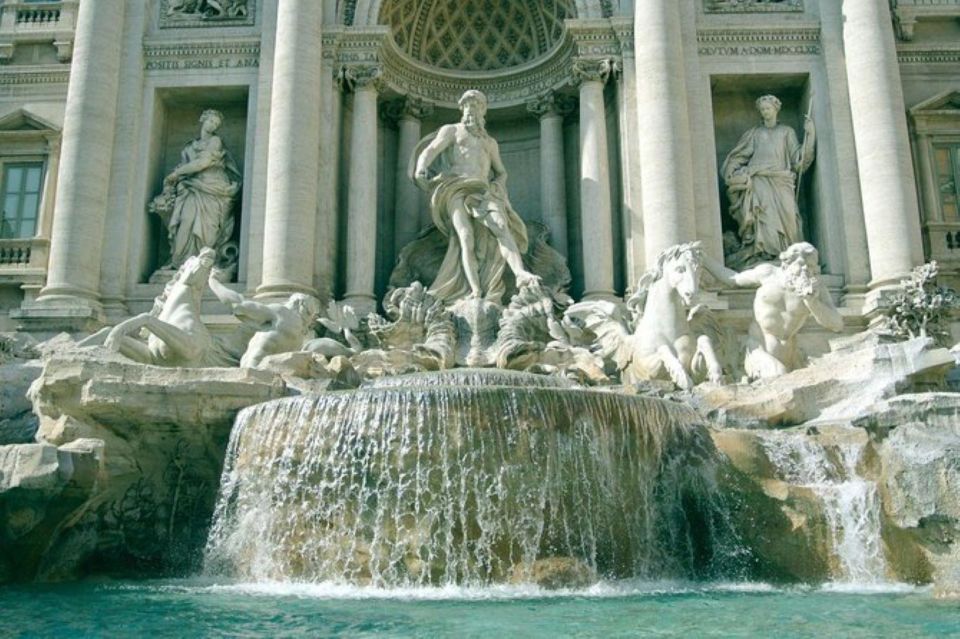
Next comes the Trevi Fountain, with about 20 minutes of guided time. Trevi is famous for a reason—this is one of Rome’s grandest “stop-and-stare” sights. But the guide’s job here is to add the human layer: the stories people tie to wishes and return trips.
What I like about this timing is that it keeps you from doing Trevi like a checklist. You’re not just standing in a photo line; you’re learning what to notice in the fountain’s design and hearing the background lore while you’re there. One common tip from guides in the feedback: they help you navigate the busy area so the experience stays enjoyable rather than stressful.
If you’re going at a popular hour, expect crowds. That’s normal. The headset helps you keep following the guide’s narration even when the square gets loud.
Pantheon: ancient myths you can still feel in the stones
From Trevi, you continue on foot toward the Pantheon. You get about 15 minutes here, which is short but long enough if you come with the right mindset.
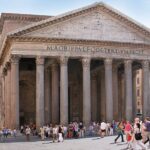
The Pantheon is an architectural hit, no matter how many times you’ve seen pictures. But the value on this tour is that the guide connects the building to stories—especially the way ancient myth and reality seem to sit side by side in Rome. You’re seeing a landmark that survived because it worked, yet it also stayed alive because people kept telling stories around it.
Because your time is limited, I’d treat this stop as a “focus point,” not a deep architectural seminar. Let the guide point out the key details, then take a quick moment to look up and absorb it in silence.
Piazza Navona: Baroque square plus the ghost-story angle
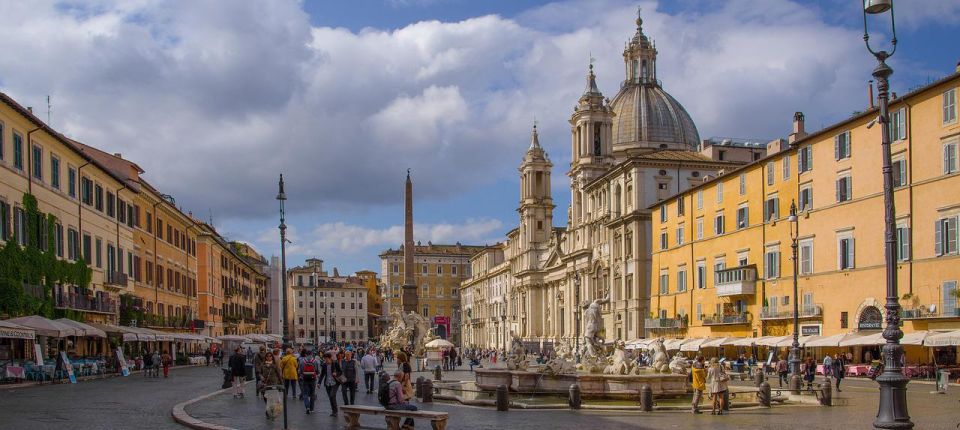
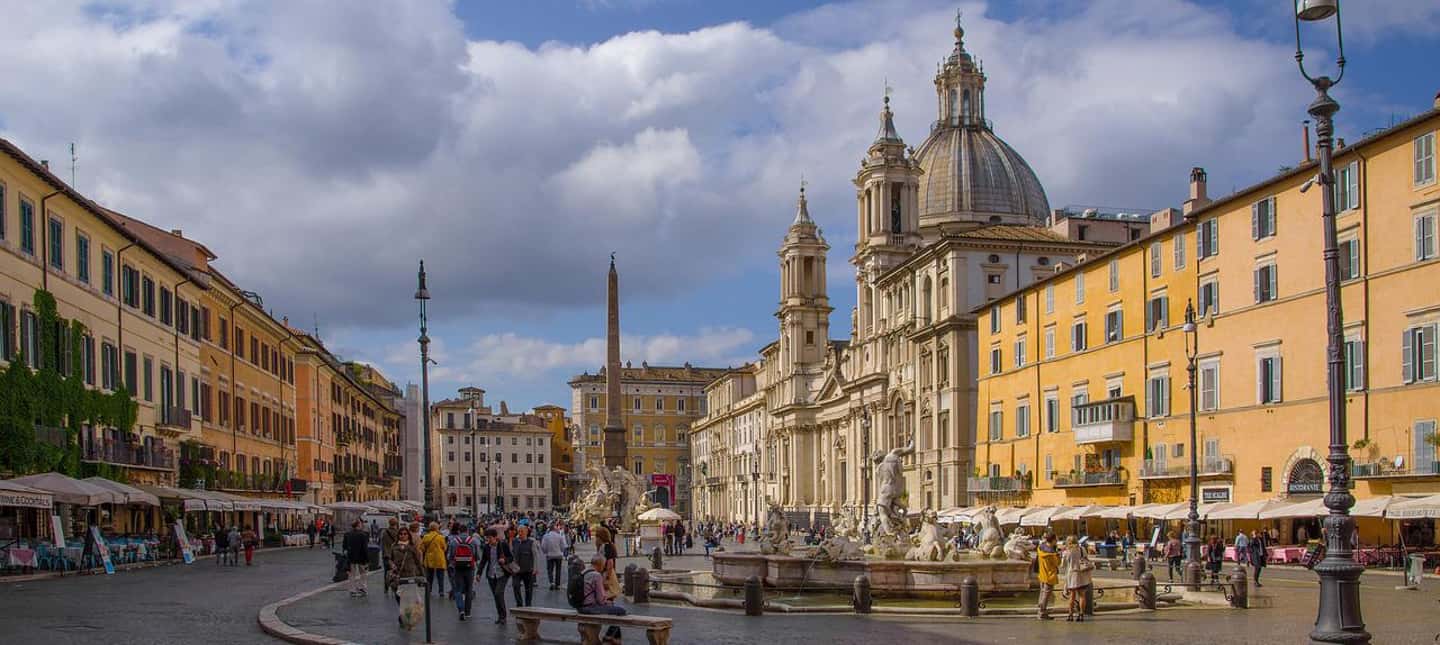
Then you head to Piazza Navona for about 15 minutes. This square is already visually dramatic—Baroque lines, open space for people-watching, and landmark buildings facing the piazza. On this tour, the guide adds a spectral layer: tales about possible presences lingering within the palaces across the square.
This is where the tour theme shows its personality. Some people want a straightforward “here’s what you’re seeing” explanation. Others come specifically for the weird, eerie side of Rome. If you’re in the second group, Piazza Navona is a great match because the setting naturally supports legend.
Practical tip: keep your phone away during the guided talk. You’ll get more out of listening, and you’ll enjoy the square more when you’re not constantly scanning for the next angle.



Campo de’ Fiori: a sad chapter behind the lively square
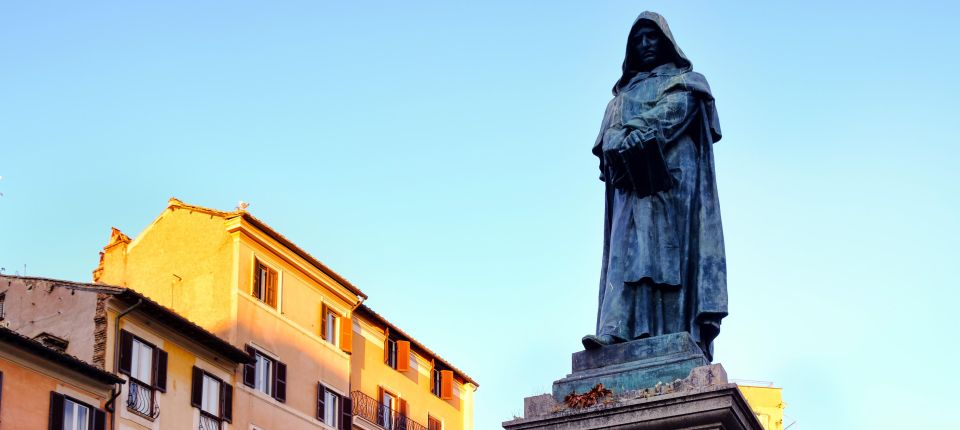
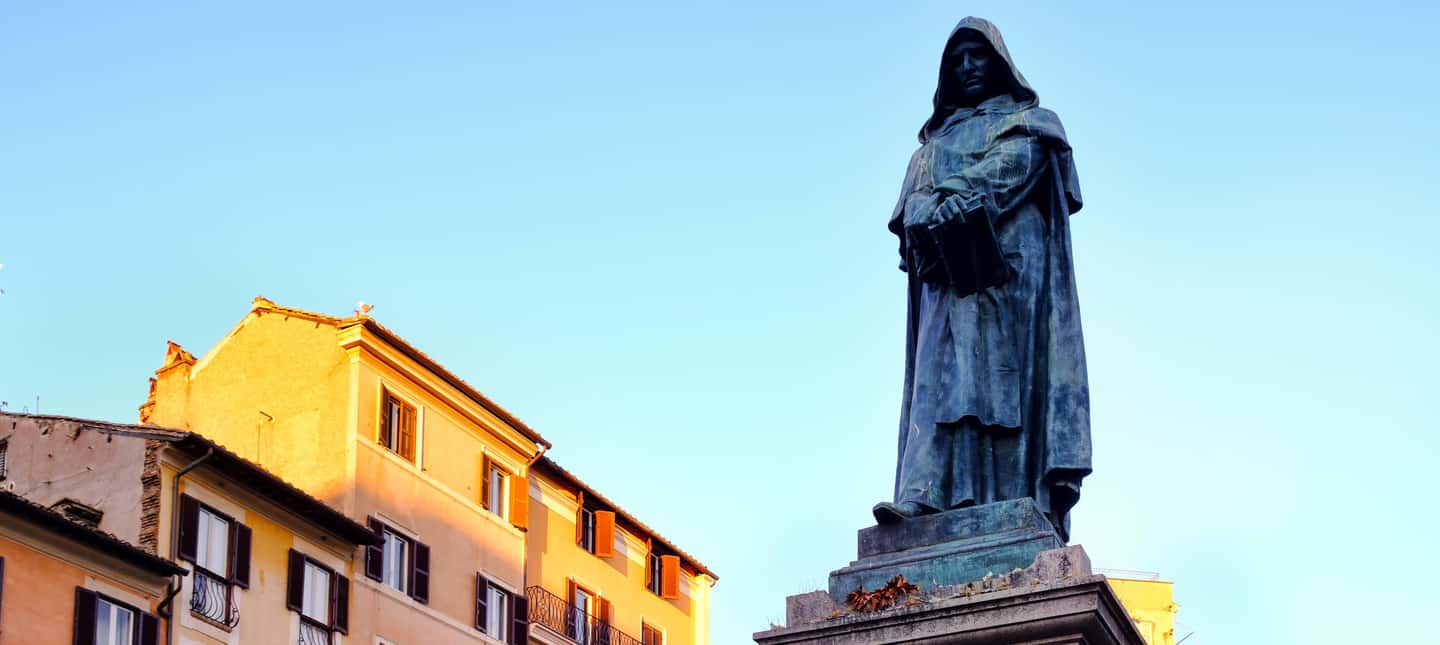
After Navona, you’ll walk to Campo de’ Fiori for about 15 minutes. From a distance, this is one of those classic “Rome squares” that looks lively and photogenic. But the guide brings you to the darker side of what happened here, including the story of Giordano Bruno, whose history is described as impressive but sad.
I appreciate this kind of stop because it anchors the tour’s mood in real events, not just spooky vibes. It helps you understand why Rome’s “dark past” tours resonate: the city’s legends often grow from complicated real history.
If you’re the type who likes context, take mental notes here. Later, when you reach the final church stop, the overall theme will feel less like a gimmick and more like a coherent story arc.
The final finish: Chiesa Santa Maria dell’Orazione e della Morte
Your tour concludes at the Chiesa Santa Maria dell’Orazione e della Morte (the Church of St. Mary of the Oration and Death). This is the last scene, the “closing chapter” after the crypt and the landmark tour through the city.
Even without extra time details, you can expect the guide to bring out the church’s mystery and the idea that something is always hidden in plain sight in Rome. This stop is a strong wrap-up for the tour’s theme because it shifts the story from public monuments and famous squares to a more enclosed sacred space—one where the tone turns reflective.
If you want one simple strategy: after this final stop, let your brain settle for a few minutes before you jump into your next activity. The tour’s subject matter has weight, and a quick pause helps it land.
What makes this tour good value at about $76
At $76 per person for around 2 hours, the biggest value isn’t just the route. It’s what you get for the price: a guide, the Capuchin Crypt entrance ticket, and headsets.
Why those inclusions matter:
- The crypt ticket is central. It’s not a “look from outside” situation.
- Headsets help in crowded areas like Trevi and Navona, where it’s otherwise easy to miss the story.
- The guide’s job is to connect the stops into a single theme, so the time doesn’t feel scattered.
What’s not included is also important for budgeting: there’s no food or drinks, and no hotel pickup/drop-off. That means you should plan to handle a quick snack nearby on your own, and factor in getting to the meeting point (which is already well-located).
If you’re traveling solo or as a couple and you prefer a focused, guided evening over building your own route, this is the kind of tour that can feel efficient and fair.
Who should book this Rome dark past tour
This is a good fit if:
- You want famous Rome stops, but you also want legends and darker history tied to them
- You like walking routes where a guide helps you notice things faster than you could solo
- You prefer a small group experience and you appreciate headsets for clarity
This is not a good fit if:
- You have mobility impairments or need wheelchair-friendly access
- You’re sensitive to macabre imagery (the crypt is the tour’s headline)
- You’re traveling with kids under 12, since the tour isn’t suitable for that age group
Simple packing checklist that actually matters
Bring:
- Passport or ID card
- Comfortable shoes (you’ll be walking between major sites)
- An umbrella (weather in Rome can change fast)
Wear/dress accordingly:
- No shorts
- No short skirts
- No sleeveless shirts
- Avoid bringing luggage or large bags
And remember the strict one: no photos or videos inside the crypt.
Should you book the Dark Past Walking Tour with Capuchin Crypt?
If your Rome wishlist includes the Capuchin Crypt and you also want a guided thread through Trevi, the Pantheon, Piazza Navona, and Campo de’ Fiori, I think this tour is a smart booking. The price feels easier to justify because the crypt entrance and headsets are included, and the walking route is compact enough for an evening plan.
I’d only hesitate if mobility is a concern or if you know you get too uncomfortable with skeletal, underground imagery. Otherwise, this is one of those Rome experiences where the stories make the sights feel more human—and where the guide’s pacing can turn a “dark history” theme into something genuinely memorable.
FAQ
Where do I meet for the tour?
Meet at the corner of P.za Barberini, 21 and Via di S. Nicola da Tolentino, next to the Hotel Bernini.
How long is the Rome Dark Past Walking Tour?
It runs for about 2 hours.
What is included in the price?
The tour includes the guide, the Capuchin Crypt entrance ticket, and headsets.
Can I take photos inside the Capuchin Crypt?
No. Pictures or videos are not allowed inside the Crypt of the Capuchins.
Is this tour suitable for children?
No. It is not suitable for children under 12.
Is the tour wheelchair accessible or friendly for limited mobility?
No. It is not recommended for people with limited mobility, and it is not suitable for wheelchair users.
What languages are offered for the guided tour?
The tour is offered in English, Italian, Portuguese, Russian, Spanish, and French.
What should I bring and wear?
Bring passport or ID, wear comfortable shoes, and bring an umbrella. You should not wear shorts, short skirts, or sleeveless shirts.
What happens if I arrive late?
If you arrive late, you won’t be allowed to join the tour.
Is food included?
No. Food and drinks are not included.