REVIEW · ROME
Rome: Domus Aurea Guided Tour and Virtual Reality Experience
Book on GetYourGuide →Operated by C.I.S. Tours. · Bookable on GetYourGuide
Roman history goes virtual in a Golden Vault. This Domus Aurea tour pairs a guided visit with an Oculus-style VR experience that recreates Emperor Nero’s Golden House as it likely looked in his time, right down to the room feel. You’re not just looking at ruins; you’re walking through a story told with modern visuals inside one of Rome’s most unusual archaeological spaces at a modern price point.
The part I’d pick first is the live guide work—clear explanations that connect the paintings, architecture, and court life into one picture. If you’re lucky enough to get a guide like Claudia, you’ll get patient answers and a sense that the complex details are worth understanding.
One thing to consider: the interiors can be a bit echoey, and it can be harder to catch every word of a guide’s explanation in the moment. If that worries you, keep the included audio guide ready and don’t be shy about asking to repeat.
In This Review
- Key highlights you should know before you go
- Why Nero’s Golden House Still Feels Like Science Fiction
- Meeting at the Colosseum Metro: the fast way to start
- Guided Tour Through Nero’s Main Spaces
- What you’re learning: art, power, and Roman construction
- The VR Golden Vault: what the Oculus experience adds
- Restoration, atmosphere, and why the site feels different
- How the tour flows: a simple itinerary that makes sense
- Languages and who the tour suits best
- When you should think twice
- Price and value: is $67 actually fair here?
- Final Call: should you book the Domus Aurea VR tour?
- FAQ
- Where is the meeting point for the Domus Aurea tour?
- What time do I need to arrive?
- How long is the experience?
- What is included in the ticket price?
- What languages are available?
- What should I bring (or wear)?
- Is the tour suitable for mobility issues or claustrophobia?
Key highlights you should know before you go
- Oculus-style VR inside the Golden Vault helps you visualize Nero’s rooms, not just their fragments
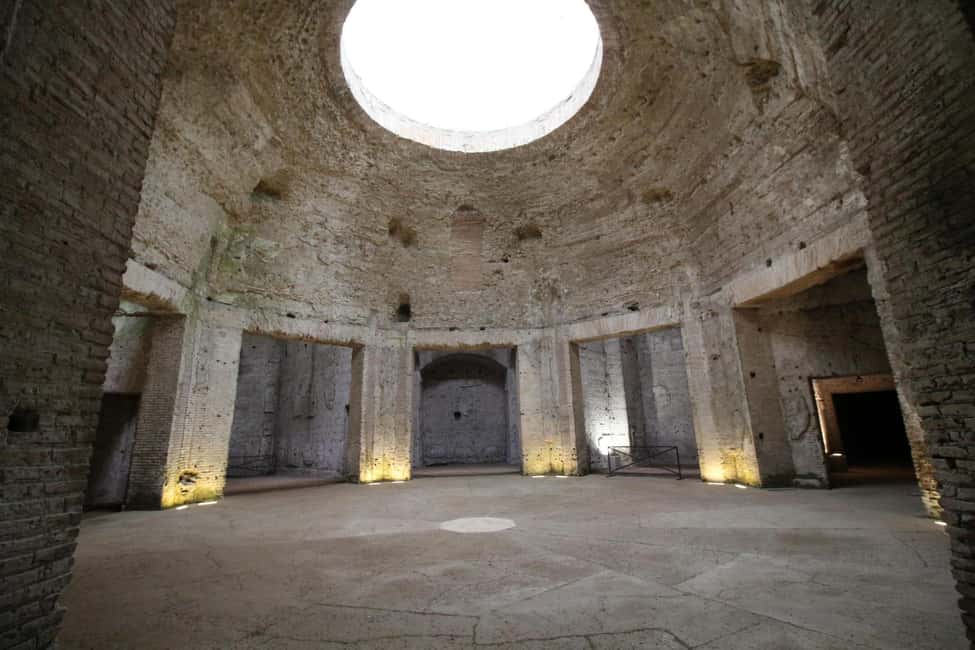
- Octagonal Hall, Cryptoporticus, and the Hall of Birds give you variety in layout and art
- Roman painting and decorative apparatus are a major focus, not an afterthought
- Concrete as a building material comes up in a practical, explain-why way
- A multisensory video storytelling approach links archaeology to what historians think came first
- About 10 degrees inside means a light jacket really matters
Why Nero’s Golden House Still Feels Like Science Fiction
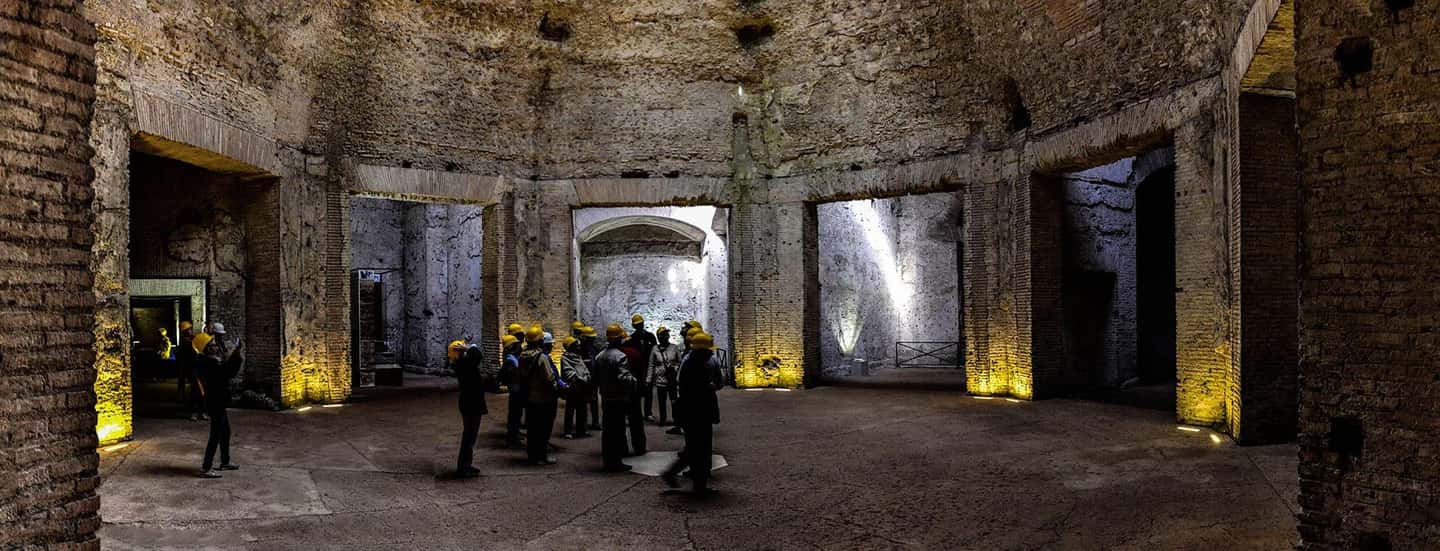
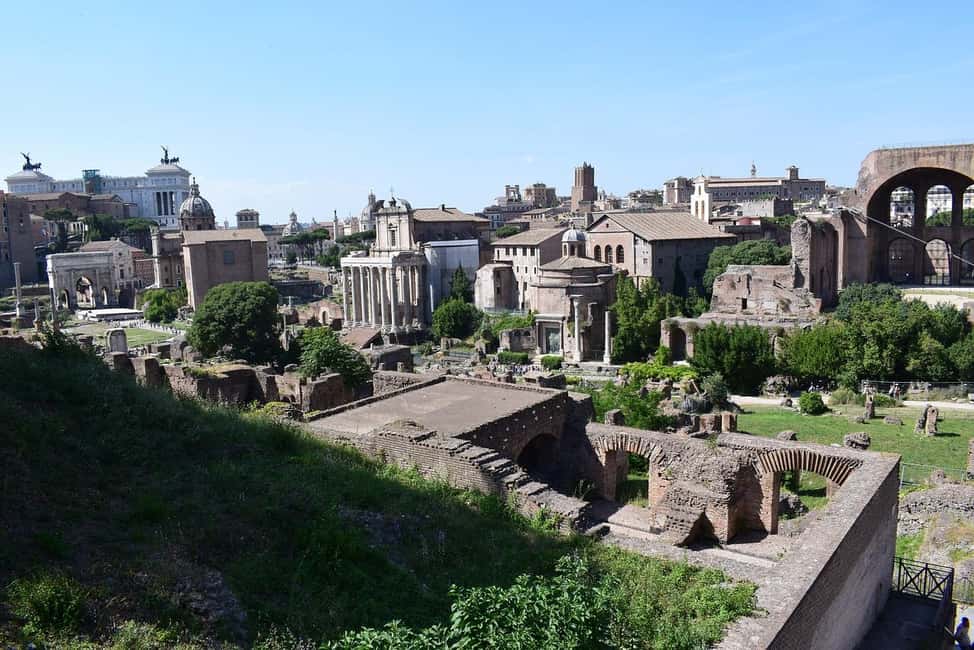
Domus Aurea, Nero’s Golden House, is one of those Rome sites that can feel like a puzzle at first. You see structures and painted surfaces that survived in fragments, plus the atmosphere of a place that was once designed to impress. Then the tour adds something crucial: VR that helps your brain place those ruins back into the version that Nero and his court experienced.
The value here is not only in the site itself, but in the translation. Roman architecture and wall painting can be hard to picture when you’re standing in excavated remains. With the VR portion, you get a guided “what this was likely like” layer that makes the visit easier to understand fast.
You also get a sense of why this palace mattered politically. Nero didn’t build just a showy home; he aimed to unify major areas and create a dynastic residence on a grand scale. That context makes the rooms you walk through feel connected, not random.
You can also read our reviews of more tours and experiences in Rome.



Meeting at the Colosseum Metro: the fast way to start
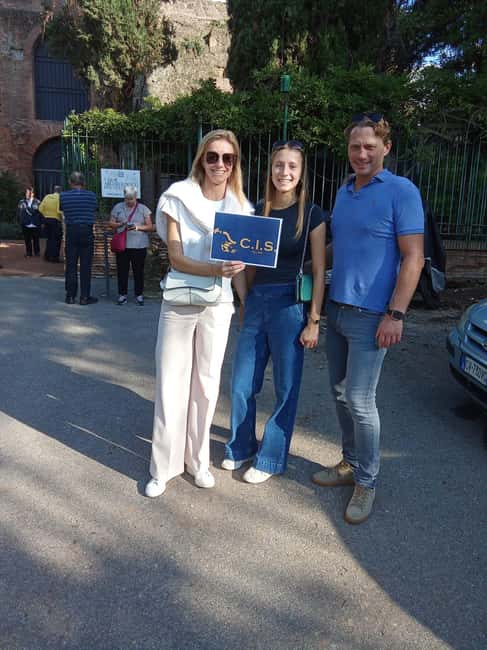
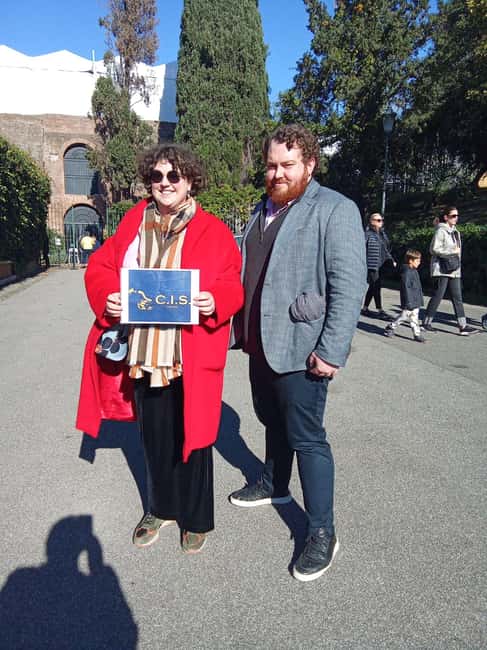
Your tour starts in a practical spot: meet in front of the Colosseo metro station on the lower level at street level, near the green kiosk. Look for the C.I.S Tours sign, and plan to be there early because you need to arrive 20 minutes before your booked time.
This early arrival isn’t busywork. The tickets are nominative, meaning you need the names of all participants since they’re tied to tickets. If you’re traveling with kids, it also helps to have the right ID documents ready.
The tour overall runs about 1.5 hours, with the guided portion set at 70 minutes. That timing is useful in Rome, where you want strong experiences without burning half a day.
Guided Tour Through Nero’s Main Spaces
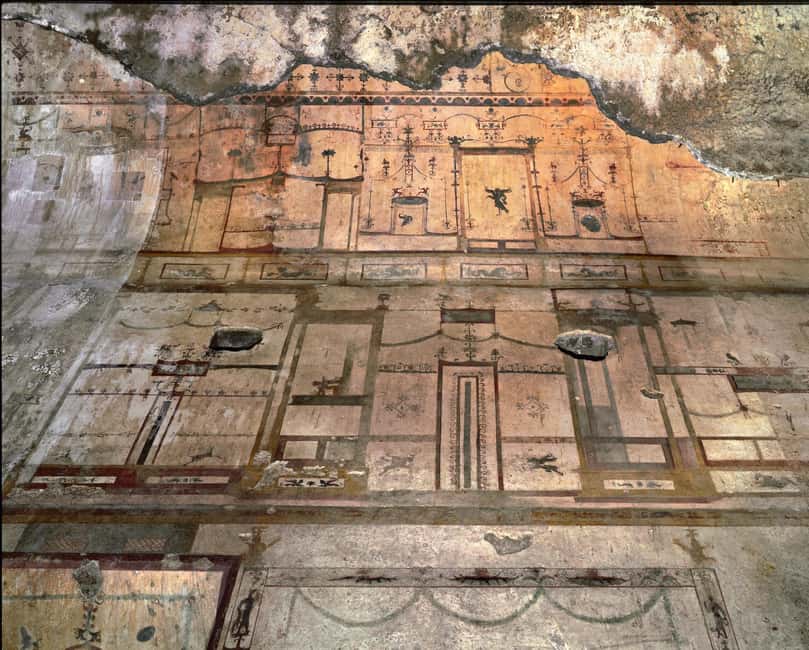
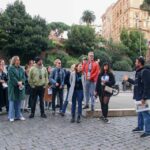
The guided part is where the visit becomes meaningful. You’ll walk through key areas of the complex, and your guide ties together what you can see now with what experts believe was there originally.
One stop is the Octagonal Hall. Even if you only understand part of it on first glance, the shape and structure help you grasp how deliberately the space was designed. It’s a room type that signals ambition—Nero’s palace wasn’t meant to be modest or private-only.
You’ll also see the Cryptoporticus. This is the kind of space that can be overlooked when you’re just chasing the biggest “wow” moments. But it’s exactly the sort of architectural element that tells you how Roman builders solved problems of space and support—and how the palace functioned beyond the most decorated rooms.
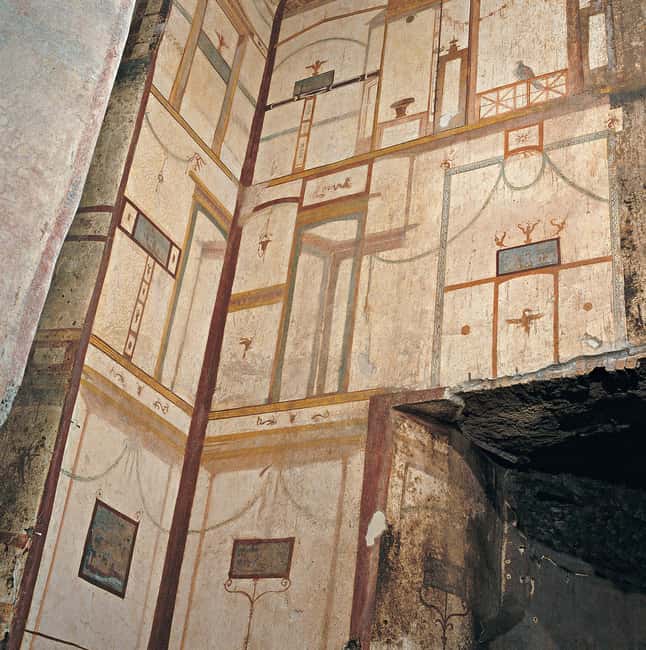
Then comes the Hall of Birds. Painted spaces like this are one of the best reasons to visit Domus Aurea. The decorative themes help you feel the palace as a designed environment, not a rough excavation site.
What you’re learning: art, power, and Roman construction
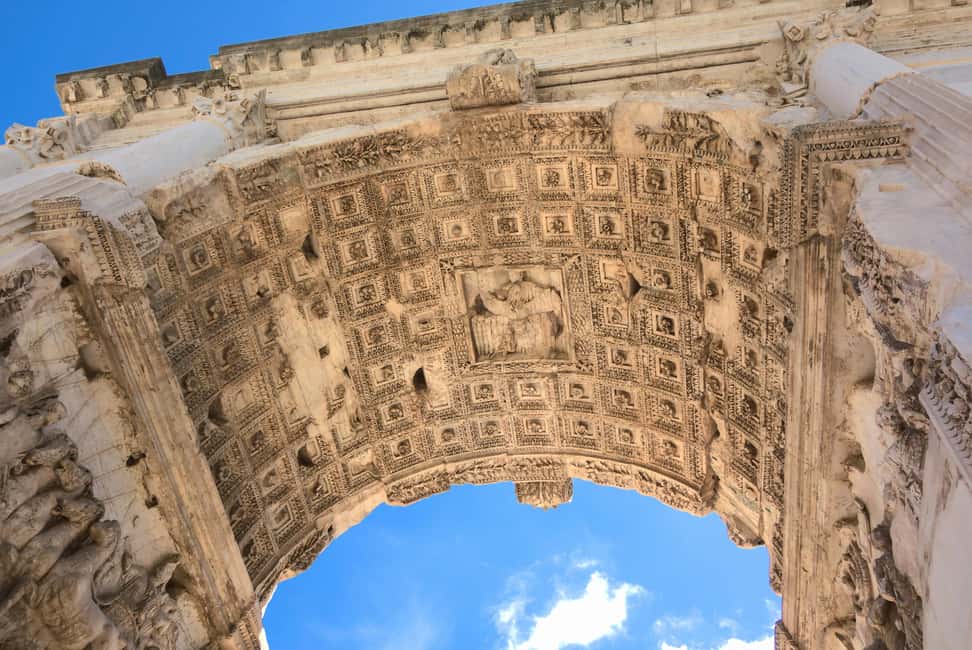
Domus Aurea deserves attention for its decorative apparatus, including some of the most interesting examples of Roman painting. Your guide’s goal isn’t just to say what you’re seeing, but to explain why it mattered in Nero’s world.
A big theme is Nero’s desire to bring together major parts of Rome. The palace concept tied palatine homes to the large Esquiline gardens, shaped into a single dynastic residence. Your tour also connects this to larger Mediterranean influences, including the idea of a residence on the scale of Hellenistic palaces—places that supported a court and also productive activities.
This is where the site starts to click. You’re not only touring a “famous ruins” stop. You’re seeing how imperial power was expressed through architecture and decoration.
You’ll also learn about Domus Aurea’s use of concrete as a building material. That detail matters because concrete is one of the reasons Rome could do ambitious things quickly and at scale. When you understand the building material, you can better imagine the palace’s original grandeur instead of treating the complex like it’s made of mystery stone blocks.
The VR Golden Vault: what the Oculus experience adds
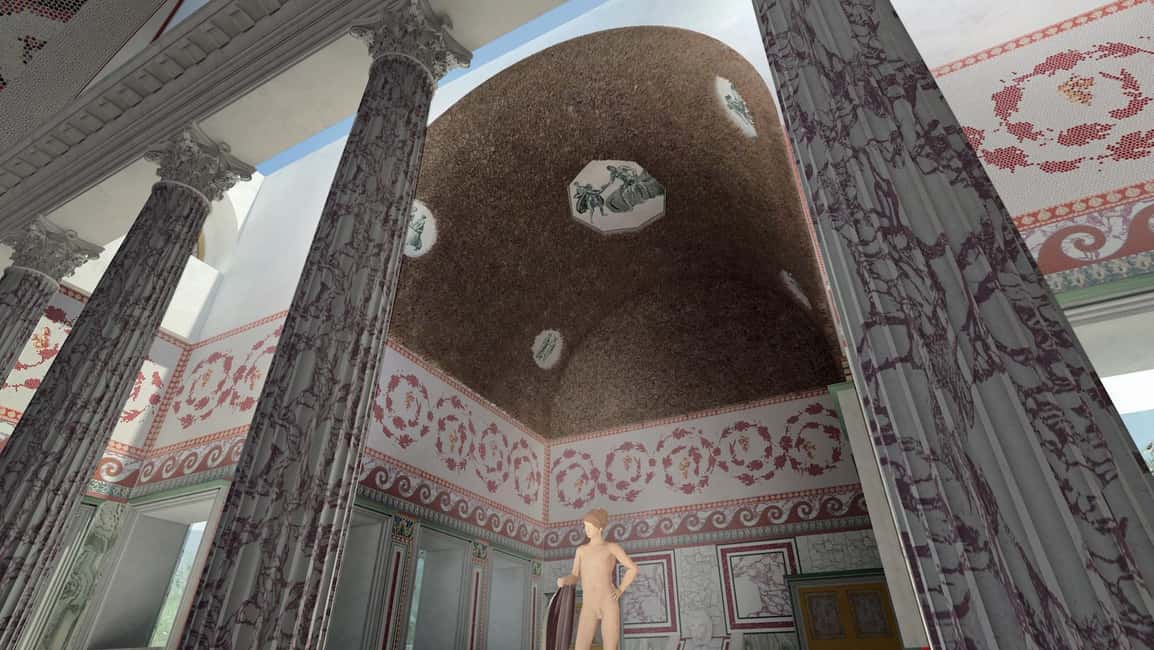
The virtual reality segment is integrated into the visit. It’s designed to show the Golden Vault and the rooms as they likely appeared in Nero’s time. The effect isn’t just visual—it’s part of a multisensory video storytelling project that attempts to bridge archaeology with interpretation.
What I like about this approach is that it doesn’t ask you to “guess.” It gives you a guided model of the original space, so you can compare it directly to what remains. That comparison turns the tour into active learning: you start noticing proportions, layout, and decorative intent instead of only taking photos.
The VR portion is short, but it carries big impact. When you later look at Roman painting or architectural remains, you’re more likely to think in three dimensions. You stop seeing isolated fragments and start seeing the structure as a whole environment.





Restoration, atmosphere, and why the site feels different
Domus Aurea isn’t frozen in time the way some ancient sites feel. Parts of it are under restoration, and the overall condition helps explain why you see both archaeological remnants and modern interpretive tools like VR. That combination can actually be a plus, because you’re experiencing the site as it’s studied now, not just as a static artifact.
One practical reality: temperatures inside can be around 10 degrees. A jacket is strongly worth packing. Even in Rome’s warmer months, you’ll feel the change, especially if you’re standing still during parts of the experience.
Also, the space can affect sound. If you’re sensitive to hearing in echoey interiors, keep the audio guide in mind. Language support is provided, so you’re not forced to rely only on what the live guide says in the room.
How the tour flows: a simple itinerary that makes sense
The overall pacing is built for focus. You start with the meeting point near the Colosseo metro station. Then you transition into the Domus Aurea guided tour for about 70 minutes, where your guide covers the main rooms and the key themes—Nero’s vision, the decorative painting tradition, architectural techniques including concrete, and the palace scale.
After that, the VR experience helps you mentally reconstruct what the Golden House might have looked like. That order works. You get the “real world” context first, then the VR gives you the “likely original” picture. By the time you’re inside the VR portion, you already know what room type you’re looking at.
The tour lasts 1.5 hours total, which keeps it realistic for a busy Rome day.
Languages and who the tour suits best
The tour is offered with a live guide and additional audio support. Live guided languages include Italian, English, French, and Spanish. An audio guide is also included in the same set of languages.
This makes it a good pick if you want reliable narration and flexibility. You can follow what the guide is saying in the room while still having audio backup.
It also fits people who like a mix of art and architecture. You’ll walk through major spaces while learning how painting and design fit into Nero’s palace plan. If you enjoy how technology can clarify ancient spaces, the VR portion is a big part of the appeal.
When you should think twice
This is not a comfortable choice for everyone. The experience is not suitable for people with mobility impairments, wheelchair users, or those with claustrophobia.
Beyond that, you’ll want comfortable shoes. You’re moving through archaeological areas, so sneakers and supportive footwear matter. You also need to skip food and drinks, and you can’t bring luggage or large bags.
These rules aren’t just to be strict; they help keep the visit smooth and safe inside a complex archaeological environment.
Price and value: is $67 actually fair here?
At $67 per person, this tour isn’t a bargain in Rome terms. But it also isn’t just a ticket to a site.
What you’re paying for is a bundle: the Domus Aurea ticket, a guided tour, the VR experience, and all taxes and fees. Since the visit includes both expert interpretation and a modern technology component, it’s a “buy once, get two experiences” style of deal.
If you’re short on time, or if you get more out of learning when the past is visualized instead of left to imagination, this kind of ticket can feel like good value. If you prefer unguided time and dislike tech extras, then the price might feel steep. The best use case is a one-shot Domus Aurea visit where you want maximum understanding per hour.
Final Call: should you book the Domus Aurea VR tour?
If you want one of Rome’s most unusual archaeological experiences, this is an excellent choice. I think it’s especially worth booking if:
- You love Roman painting and palace design, and you want help connecting fragments into a coherent space
- You like tech that supports learning, not tech that distracts
- You’re doing a tight Rome schedule and want a focused 1.5-hour experience
I’d skip it if you have mobility constraints, use a wheelchair, or deal with claustrophobia. Echoey interiors can also make hearing harder for some people, so plan to rely on the audio guide as backup.
For the right traveler, Domus Aurea with VR is a rare mix: archaeology you can walk through plus a modern reconstruction that makes it understandable fast.
FAQ
Where is the meeting point for the Domus Aurea tour?
Meet in front of the Colosseo metro station (lower floor of the station/ground level), near the green kiosk. Look for staff with the C.I.S Tours sign.
What time do I need to arrive?
You must arrive at the meeting point 20 minutes before your booked activity.
How long is the experience?
The total duration is about 1.5 hours, with the guided tour portion listed at 70 minutes.
What is included in the ticket price?
Included are the Domus Aurea ticket, guided tour, the virtual reality experience, and all taxes and fees.
What languages are available?
Live guide and audio guide are available in Italian, English, French, and Spanish.
What should I bring (or wear)?
Bring a passport or ID card, wear comfortable shoes, and consider bringing a jacket. Children also need passport or ID card.
Is the tour suitable for mobility issues or claustrophobia?
No. It is not suitable for people with mobility impairments, wheelchair users, or people with claustrophobia.