REVIEW · ROME
Rome: Domus Aurea, Nero’s Golden House guide tour
Book on GetYourGuide →Operated by Onceuponatimerometours · Bookable on GetYourGuide
Nero’s Golden House feels unreal underground. This Domus Aurea tour pairs a guided walkthrough with VR Oculus and video narration, showing what Nero’s palace may have looked like around 2,000 years ago. I also loved how the restoration work makes the site feel coherent, not just broken stones.
One thing to plan for: it’s cold inside (about 10°C), and that can be a deal-breaker if you show up underdressed.
In This Review
- Key Highlights at a Glance
- Nero’s Underground Palace: What the Domus Aurea Restored Means
- Your 1.5-Hour Flow: Express Entry, VR Timing, and a Calm Pace
- Inside the Rooms: Why Restoration Here Feels Worth the Ticket
- The VR Oculus Time-Travel Layer: The Best Part, With One Catch
- What to Expect Temperature-Wise: Dress for 10°C, Not Rome Weather
- Guide Style Matters: How Claudia and Simone Improve the Story
- Price and Value at $59: What You’re Actually Paying For
- Quick Itinerary Walkthrough: The One Stop That Does the Work
- Who This Tour Suits (and Who Might Want a Different Plan)
- Should You Book This Domus Aurea Nero’s Golden House Tour?
- FAQ
- FAQ
- How long is the Domus Aurea Nero’s Golden House guide tour?
- Is VR included in this experience?
- What is the meeting point like?
- Which languages are available for the live guide?
- What should I bring to Domus Aurea?
- Are food and drinks allowed inside?
- Do I need to bring an ID?
- Is the tour accessible for wheelchair users?
- Is the ticket refundable if my plans change?
Key Highlights at a Glance
- VR Oculus time travel that visually reconstructs the palace atmosphere
- Express security check to help you get inside faster
- Pro guide narration that ties the ruins to how they worked in Nero’s day
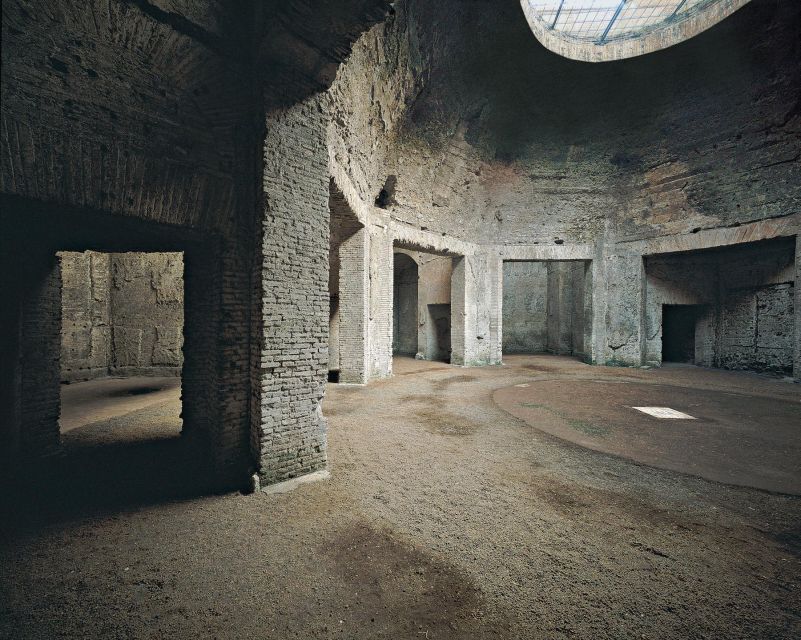
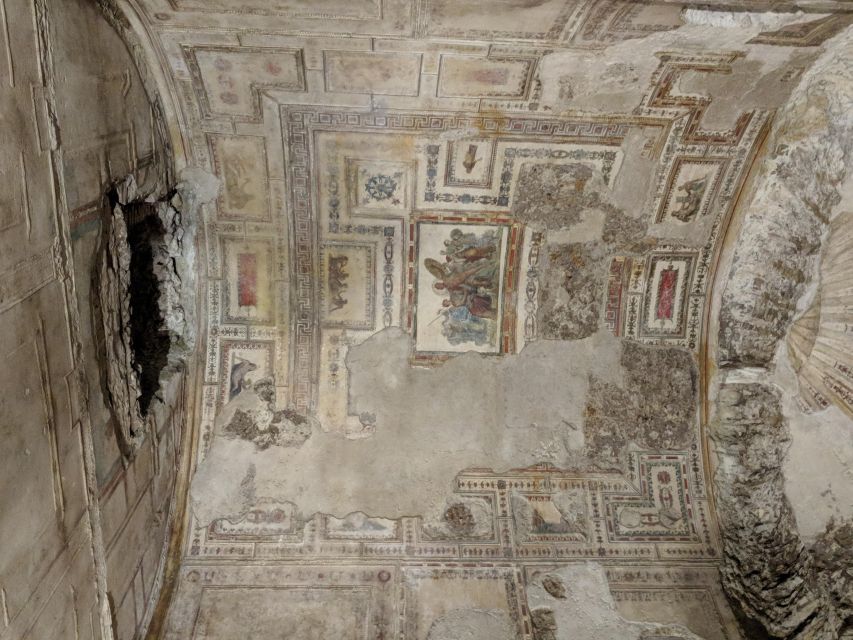
- Restoration details that respect original structure, artwork, and even small finishes
- Multiple language options including Spanish, Italian, English, and French
Nero’s Underground Palace: What the Domus Aurea Restored Means
Rome has plenty of famous ruins, but Domus Aurea (Nero’s Golden House) hits differently. You’re not walking through a “best of” museum hall. You’re moving through a space that was once built to impress power from the inside—then later buried, damaged, and preserved in fragments. The restoration effort here matters because it helps you understand scale and layout, not just individual decorations.
What really makes this experience click is the combo of on-site guiding plus modern reconstruction. The guide connects architecture, decoration, and imperial storytelling into a format you can follow in real time. Then the VR layer—using VR Oculus—tries to close the gap between what’s visible today and what those rooms aimed to do back in Nero’s era. It’s not about pretending everything is perfect; it’s about giving your brain a usable picture of what the palace’s atmosphere and spaces could have been.
If you like Roman history that feels physical—ceilings, rooms, corridors—you’ll appreciate how the restoration lets the site read like a building again. And if you’ve ever stood in front of ruins wondering what they were like when people actually lived, ate, and performed there, the structure of this tour answers that question quickly.
You can also read our reviews of more tours and experiences in Rome.


Your 1.5-Hour Flow: Express Entry, VR Timing, and a Calm Pace
This tour runs about 1.5 hours, which is a smart length for a site like Domus Aurea. Long enough to feel the story, short enough that you’re not frozen solid before the ending.
Here’s the rhythm you can expect:
- You arrive at a meeting point that can vary depending on the option you book. One commonly used reference point is around Via delle Terme di Tito.
- You go through an express security check, so you’re not stuck waiting in a slow line before you even start.
- Then you’re guided into the Domus Aurea area, where the narration and visuals work together rather than competing for your attention.
What I find practical about the pacing is that you get time to look, listen, and then re-look with context. The guide doesn’t just list dates and names. They explain what you’re seeing, why it matters, and how the space would have felt. That matters because Domus Aurea can look strange on first contact—like you’ve entered a set under construction. The tour helps you make sense of it fast.
Also, plan for a slow walking pace at times. The site is not a sprint-through stop, and you’ll likely spend time standing still enough to absorb details and follow the guide’s direction.
Inside the Rooms: Why Restoration Here Feels Worth the Ticket
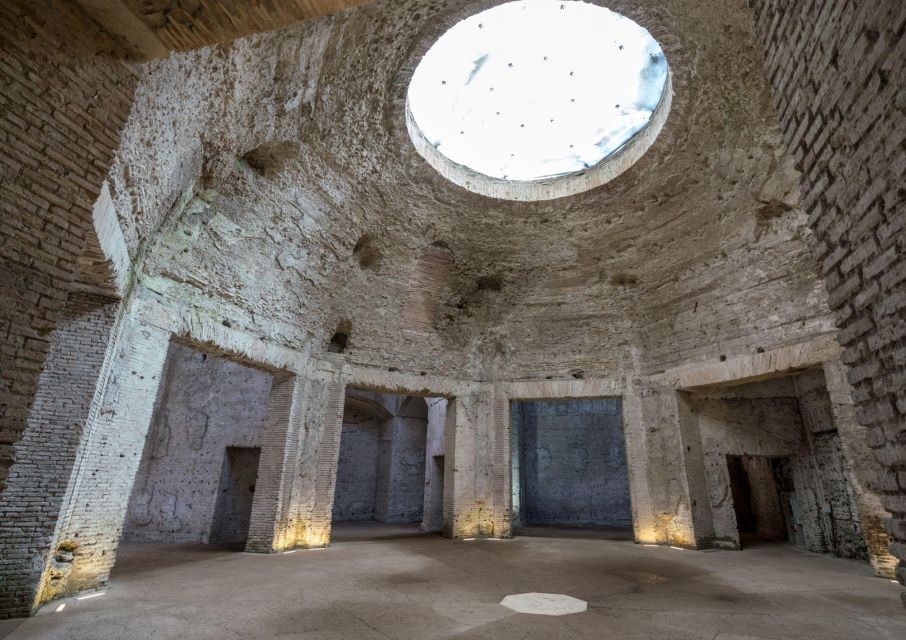
Domus Aurea is famous, but it can still surprise you with how much space there is to explore and understand. The restoration work is one of the most praised parts of this tour, and for good reason: the results aim to respect the original structure and artwork, while also using modern techniques to make the palace readable again.
When the restoration is done well, you stop seeing it as fragments and start seeing relationships:
- how rooms connect,
- how surfaces were meant to be viewed,
- and how decoration supported the emotional effect of imperial power.
One of the nice advantages of touring with a guide is that you’re not guessing what’s original versus what’s been reconstructed for interpretation. The narration ties the restoration choices to what Nero’s palace was trying to achieve. It also makes the modern additions feel intentional—down to small details like door and window finishes, which matter more than you’d think when you’re trying to picture life inside.
And yes: the scale can be striking. Even in a 1.5-hour window, the site can feel larger than expected, because your eyes are given a reason to track architectural cues instead of just moving from one photo stop to another.
The VR Oculus Time-Travel Layer: The Best Part, With One Catch
The VR Oculus portion is the centerpiece for many people booking this tour. The idea is simple: rather than only hearing about Nero’s palace, you get a visual prompt that helps you imagine the spaces in use. That’s where the “time travel” feeling comes from—not from magic, but from your brain finally having a clear picture to attach to the ruins you’re walking through.
The VR segment uses reconstructed imagery plus video narration, and it’s designed to line up with what you’re seeing on-site. When it works well, it gives you that sudden sense of context: suddenly the ceiling and walls aren’t just surfaces, they’re part of a whole experience.
That said, there’s one practical caution: VR is sensitive to audio, timing, and where you’re standing. Some guides’ accents or audio clarity can affect how much you catch during the VR narration. If you’re the type who learns by hearing every word, sit or stand so you can keep the guide within view as much as possible, not just focused on the headset feed. Also, one suggestion that came up is that people would like more VR emphasis in specific rooms (like an octagonal space). You can treat that as a “nice-to-have” note, not a reason to skip—the core payoff is still the reconstruction effect.
If you’re curious about how tech can support cultural heritage (without replacing the site itself), this VR approach is a strong example.
What to Expect Temperature-Wise: Dress for 10°C, Not Rome Weather
Let’s talk clothing, because this tour is down in a space where the temperature runs around 10 degrees Celsius. Even if Rome feels warm above ground, you’ll want to dress like you’re entering a cool chamber.
Bring:
- a jacket (this is the big one),
- warm layers if you tend to get cold,
- comfortable shoes for slow, careful walking.
If you forget the jacket, you’ll likely feel it by the time the tour transitions from basic viewing into the deeper story parts. A few practical notes that help:
- Avoid bulky bags or anything you’ll struggle to carry.
- If you’re sensitive to cold, you may want gloves too, since the walking can be slow enough that you’re not heating up with movement.
The tour isn’t a “stand outside and admire” situation. You’re inside, and the cold is part of the experience. Plan for it and you’ll enjoy the history more.



Guide Style Matters: How Claudia and Simone Improve the Story
The guide is a major reason this tour lands well for people. Guides often walk that line between facts and storytelling, and they adjust the pacing to the group. Names you may hear depending on your departure include Claudia and Simone, and some other guides are mentioned as well.
Here’s what tends to make the difference:
- A guide who keeps the pace steady so you can follow directions without stress
- Clear explanations that connect what you’re seeing to why it was built
- A bit of humor and personality that makes heavy history feel human, not textbook
Language options are broad: Spanish, Italian, English, and French. If you’re booking in English or French and you know you’re sensitive to accents, I’d treat this as another reason to arrive a few minutes early and get into a good position. You’ll hear more, and you’ll also catch the moments when the guide points things out you might otherwise miss.
Price and Value at $59: What You’re Actually Paying For
At $59 per person for about 1.5 hours, this isn’t a budget “quick look” add-on. But the value comes from the package: you get entrance, a professional guide, and VR devices included.
Here’s why that matters for value:
- A guided interpretation helps you understand what you’re seeing instead of treating it as a dark, confusing set.
- VR adds a reconstruction layer that helps most people grasp the concept of Nero’s palace much faster than reading alone.
- The express security check can reduce time lost before the tour even starts.
So the real question isn’t whether it’s cheap. The question is whether you want the site explained in a way that creates a clear mental model. If you enjoy Roman history and want more than photos, this price starts to look fair. If you’re traveling with a group where only one person cares about history and everyone else just wants quick visuals, you might decide it’s not worth it.
Quick Itinerary Walkthrough: The One Stop That Does the Work
Unlike some Rome tours with multiple major stops, this experience centers on a single destination: Domus Aurea. That can be a good thing. It keeps your attention focused, and it allows the guide to build a coherent story as you move through the site.
You’ll spend the tour time:
- exploring the restored spaces while hearing the historical framing,
- seeing how decorative and architectural elements relate to Nero’s intentions,
- and then experiencing the VR/Oculus reconstruction as a visual companion to the guiding narration.
Because there’s only one main site focus, the experience feels more like a guided story than a checklist. If you’re short on time in Rome, that’s a practical advantage.
Who This Tour Suits (and Who Might Want a Different Plan)
This tour is ideal for you if:
- you’re interested in Nero and how Roman power expressed itself in architecture,
- you enjoy hands-on interpretation tools like VR when they match what you’re seeing,
- you want a guide who explains rather than just escorts.
You should think twice if:
- you have mobility challenges, since it is not suitable for people with mobility impairments or wheelchair users,
- you hate cold environments, since the interior temperature is around 10°C,
- you’re traveling with very young kids, because the setting is chilly, and the experience is more suited to adults who can slow down and listen.
If your travel style is “short attention span, lots of movement, minimal explanation,” this may feel long even though it’s only 1.5 hours. If your style is “slow down and learn,” you’ll likely love it.
Should You Book This Domus Aurea Nero’s Golden House Tour?
Book it if you want Domus Aurea to feel understandable fast. The best part of this tour is the way expert guiding and VR Oculus reconstruction work together to make Nero’s palace feel real, not mysterious. The restoration also helps you appreciate what you’re seeing on-site instead of treating the space like an abstract ruin.
Skip it (or switch tours) if cold ruins are your least favorite kind of Rome activity, or if you prefer unguided wandering with no tech layer. Also, if you know you’re very hard of hearing or strongly sensitive to audio clarity, plan to position yourself well and choose the language option you’re most comfortable with.
FAQ
FAQ
How long is the Domus Aurea Nero’s Golden House guide tour?
The tour duration is about 1.5 hours.
Is VR included in this experience?
Yes. VR devices are included, using VR Oculus as part of the experience.
What is the meeting point like?
The meeting point may vary depending on the option you book, so you should check your specific booking details before heading there.
Which languages are available for the live guide?
Live tour guides are available in Spanish, Italian, English, and French.
What should I bring to Domus Aurea?
Bring a jacket. The inside temperature is around 10 degrees Celsius, so warm clothing helps a lot, along with comfortable shoes.
Are food and drinks allowed inside?
No. Food and drinks are not allowed during the visit.
Do I need to bring an ID?
Yes. It is mandatory to bring your ID, and you must provide first and last names for all participants.
Is the tour accessible for wheelchair users?
No. It is not suitable for people with mobility impairments or wheelchair users.
Is the ticket refundable if my plans change?
No. This activity is non-refundable.