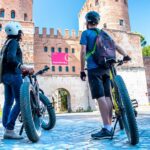
Rome on an e-bike is plain fun. This 3-hour ride threads major sights with local shortcuts, led by Luigi, so you spend less time mapping and more time looking. The group stays small (up to 8), which matters in Rome where crowds and traffic can turn any plan into a shuffle.
Two things I really like: the included bottled water and ponchos make the tour feel prepared even when weather flips, and the E-bike setup (bike, helmet, puncture-proof tires, child seats on request) lowers the effort so you can enjoy the city instead of fighting hills and sore legs. There’s also a clear rhythm to the stops, so you can get oriented fast.
One possible drawback: this is built for seeing a lot in a short window, not for slow, site-by-site deep history. If you want lengthy explanations at every monument, you may feel the pace moves on before your questions run out.
In This Review
- Key highlights you should know before you ride
- Why this Rome e-bike tour feels different than walking
- Meet at JO&JOE: bikes, helmets, and a smooth start
- The 3-hour route: big sights, quick angles, and a relaxed pace
- Colosseum and Circus Maximus: seeing Rome’s scale from the street
- Jewish Quarter to Campidoglio: streets that teach you where to stand
- Teatro di Marcello, Forum viewpoints, and the Pantheon from outside
- Trevi Fountain, Campo de’ Fiori market, and the snack moment
- Column of Marcus Aurelius, Quirinale palace facade, and Piazza Navona’s drama
- Vittoriano from Piazza Venezia: a strong finish with context
- How the e-bike affects the effort (and why that changes your whole day)
- Price and value: why $59.28 feels fair for what you get
- Practical tips so your ride stays fun
- Should you book this Rome e-bike tour?
- FAQ
- How long is the Rome e-bike tour?
- Is the tour offered in English?
- Are helmets and bikes included?
- What about rain during the tour?
- Do I need tickets for the sights?
- Where does the tour start and end?
Key highlights you should know before you ride
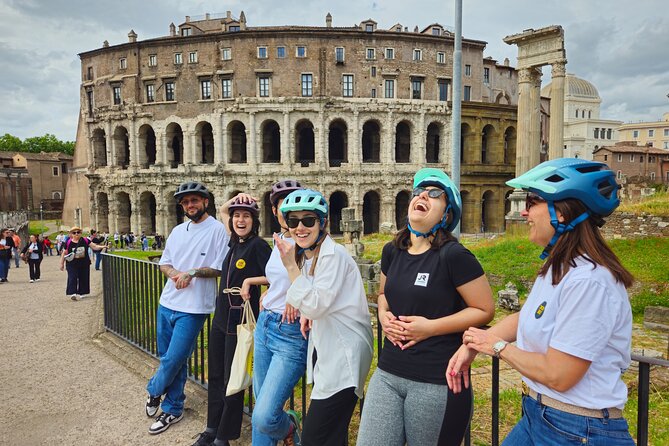
- Small group size (max 8) keeps the pace relaxed and the guide easy to hear.
- Luigi’s route planning uses side streets once you’re past the trickier traffic.
- Bosch motor Trek e-bikes plus comfy seating make hills much less intimidating.
- Bottled water and rain ponchos are included, so you’re not hunting for basics mid-tour.
- A “major sights + quick local streets” mix helps you get your bearings for the rest of your trip.
Why this Rome e-bike tour feels different than walking
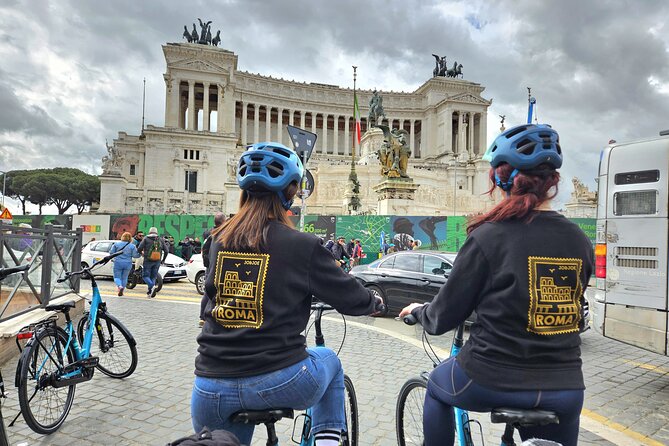
If you’ve spent any time in Rome, you already know the problem: too many icons are too far apart, and sidewalks can’t always handle a tight schedule. This tour tackles that head-on with an electric-assisted ride that keeps you moving without sprinting.
What makes the experience click is the focus on seeing. You bike between landmarks and viewpoints while Luigi gives context along the way, so you’re not stuck staring at a phone map or crisscrossing the city on your own. It’s also a smart option for a first day, when you want to understand where everything sits before you commit to longer visits.
And because the group is capped at eight, it doesn’t feel like you’re trapped in a line. You get moments to look, pause, and reposition without constantly waiting for the slowest bike or the biggest gap to catch up.
You can also read our reviews of more tours and experiences in Rome.

Meet at JO&JOE: bikes, helmets, and a smooth start
The meeting point is JO&JOE Roma, Via delle Quattro Fontane, 113. You’ll start and end back at the same place, which keeps logistics simple. The bikes are set up for you, helmets are provided, and you don’t need to bring any special gear.
In practical terms, this is what you want from a Rome guided bike tour: quick check-in, get moving fast, and don’t waste half the morning figuring out how to work unfamiliar equipment. The ride uses high-quality Trek e-bikes with a Bosch central motor, plus puncture-proof tires and a comfy seat. That combination matters because Rome roads can be rough, and the less you have to worry about flats or balancing, the more energy you can spend on the views.
Rain is handled too. Disposable rain ponchos are included, and you’re not left improvising with paper umbrellas that turn inside out the second the wind changes.
The 3-hour route: big sights, quick angles, and a relaxed pace
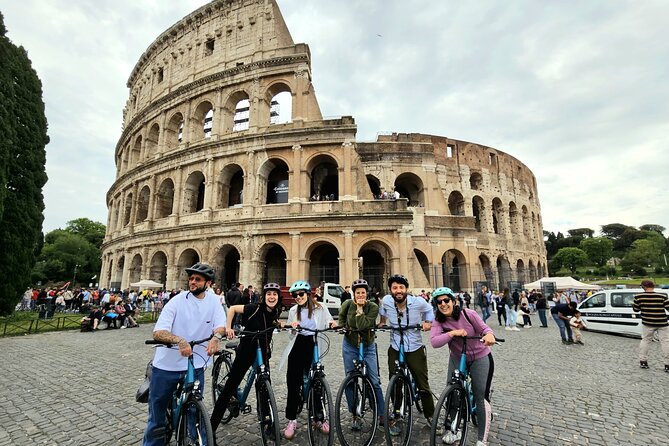
This tour is designed around short stops—usually around 5 to 10 minutes—stacked into one efficient loop. You’re seeing the main hits (Colosseum, Pantheon, Trevi Fountain, Piazza Navona), but you’re also getting useful “orientation” moments like Forum viewpoints and panoramic angles from key neighborhoods.
The e-bike changes the feel of these stops. Instead of approaching monuments as a distant photo target, you’re often arriving from a different direction and perspective. That’s why the tour is so good for first-timers: you don’t just memorize where the landmark is; you learn what the surrounding streets and squares feel like.
One detail I appreciate is that the tour is labeled for moderate physical fitness. You’ll still pedal, but the motor helps you keep momentum and avoid the slow grind that can happen on traditional bikes—especially if your route includes bridges, uneven pavement, or that Roman mix of hill bumps and long sightlines.
Colosseum and Circus Maximus: seeing Rome’s scale from the street
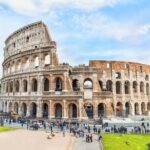
The ride opens with the Colosseum. Instead of a single frontal stare, you get a chance to see it from multiple angles as you bike around it. That matters because the Colosseum isn’t just one postcard view—it’s a structure that reads differently depending on where you stand and how the streets frame it.
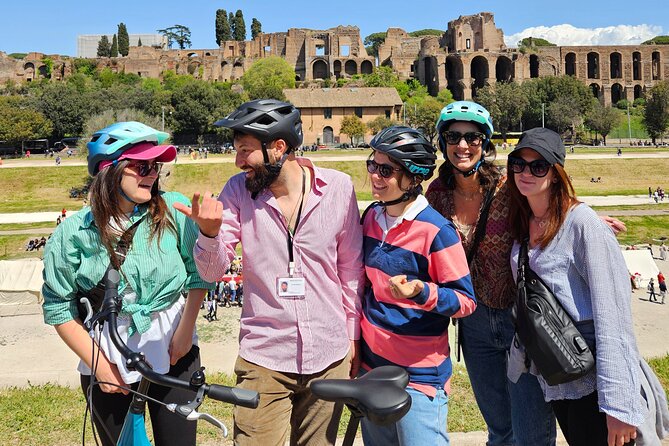
Right after, you head to Circo Massimo. You’ll ride around the area and then look toward the view from Aventine Hill. This is the kind of stop that’s hard to replicate on your own in a short time because it’s not just about “being near” a landmark. It’s about understanding where the vantage points are.
A small-group e-bike approach also helps when you’re nervous about traffic. The route is paced so you can get out of the busy congestion and then settle into quieter riding, which makes the first minutes feel less intimidating.
Jewish Quarter to Campidoglio: streets that teach you where to stand
Next up is the Antico Quartiere Ebraico, where you’ll ride through the Jewish Quarter streets for a short stretch of neighborhood context. Even with brief stops, this segment is useful because it shows you that Rome isn’t only squares and monuments. The tight streets are part of the story, and once you’ve rolled through them, your later walking routes make more sense.
Then comes Piazza del Campidoglio, with breathtaking views of the Eternal City. This is one of the best kinds of bike-tour moments: you get elevated perspective without spending a whole day climbing and waiting in lines. You’re not just passing through; you’re being positioned for the kind of photos and mental “map” that help later.
If you’re the type who likes to understand how neighborhoods stack together, these stops help a lot. You start to see the city’s layers instead of treating it as one giant monument.

Teatro di Marcello, Forum viewpoints, and the Pantheon from outside
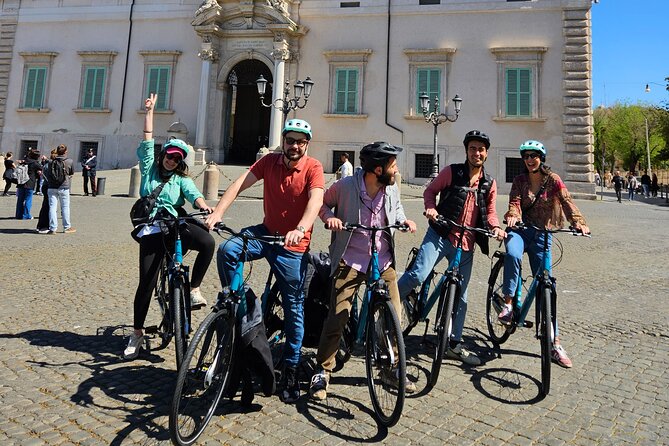
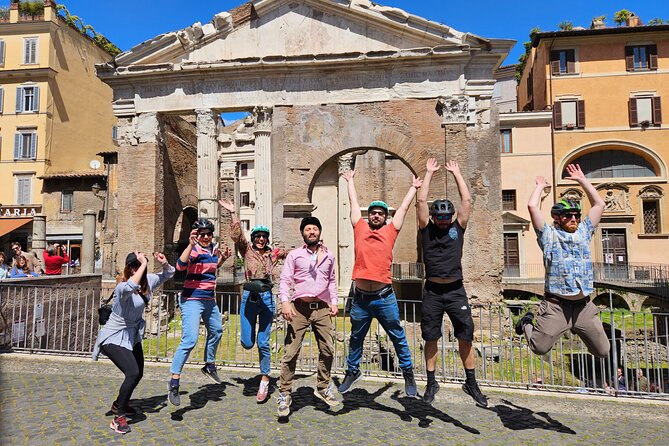
You’ll also pass Teatro di Marcello, an ancient Roman theatre. The stop is short, but it’s timed for a quick look at scale and material—ruins that still give you a real sense of Roman engineering and architectural reuse.
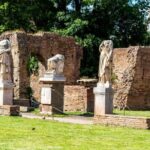
After that, you get a Roman Forum view from above. This is where an e-bike shines: you can access viewpoint angles that you might not think to seek on foot during a tight schedule. You don’t need to commit to a full interior visit to benefit from the orientation this gives you.
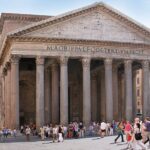
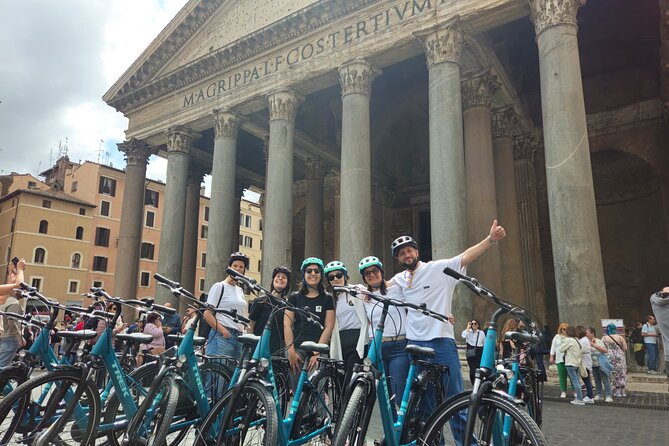
Then you reach the Pantheon. You stop in front to admire one of the best-preserved pieces of ancient Roman architecture. The tour is set up for outside viewing, so you get the iconic moment without turning the day into a ticket-and-line marathon.
This “outside-first” approach is a big value point. It keeps the tour moving and gives you confidence to return later if you want to spend more time inside or go deeper.
Trevi Fountain, Campo de’ Fiori market, and the snack moment
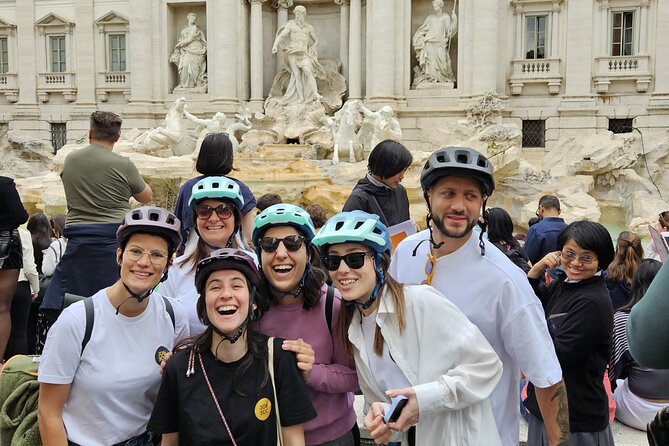
At Trevi Fountain, you’re given time to slow down. You’ll stop at the fountain itself, and yes, you’ll see the tradition of tossing a coin. This is the part of the tour where photos are unavoidable, but the timing lets you enjoy the spectacle rather than rushing through it like a checkpoint.
After Trevi, the route goes to Campo de’ Fiori, Rome’s well-known market area. Even though the stop is brief, this is a great place for a reality-check moment: you see how living Rome looks outside the biggest tourist corridors.
Many people love the pace here because it feels like a break from monument-mode. Some riders even point out a snack stop linked to this area. If food is part of what you travel for, keep an eye out for that tasting-style pause during the market segment.
Column of Marcus Aurelius, Quirinale palace facade, and Piazza Navona’s drama
Next you’ll learn about the Column of Marcus Aurelius, a monument that commemorates an emperor—an easy stop if you like your Roman learning to come with a visible landmark.
Then the tour pauses at the Palazzo del Quirinale facade, the Italian Presidential Palace. You’re not going inside here, but the architecture and scale are impressive from the outside. It’s also a helpful reminder that modern power sits right alongside ancient streets and ruins.
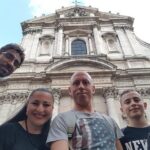
From there, you head to Piazza Navona, where you’ll ride through the area’s Baroque highlights, including Bernini’s Fountain of the Four Rivers and the Church of Saint Agnes by Borromini. The square is famous for a reason: even when you’re just stopping for a few minutes, it feels like an outdoor art museum.
Vittoriano from Piazza Venezia: a strong finish with context
To close, you’ll see Monumento a Vittorio Emanuele II, the Vittoriano, from Piazza Venezia. This stop works well at the end because it ties your ride together with a sense of Rome’s larger timeline—beyond ancient ruins and classic fountains.
If you’re wondering how you’ll remember all these places later, this final viewpoint is useful. You leave with a landmark that’s both visually distinctive and easy to circle back to, which helps you keep exploring after the tour ends.
How the e-bike affects the effort (and why that changes your whole day)
Rome hills can bully your plans. With these e-bikes, you still ride, but the motor support makes it realistic to cover a lot of ground without arriving wiped out.
That’s exactly why this tour is great for mixed groups. It can work for kids too: child seats are available on request for ages 1 to 4, and the bikes are comfortable enough for longer sitting time than a standard rental. One family-style highlight from real experiences is that the tour can be a stress-reducer even for teens who worry about traffic.
And while you will ride through some main-road segments, the overall route is designed to keep the experience manageable, shifting toward quieter streets once you’re past the densest congestion.
Price and value: why $59.28 feels fair for what you get
At about $59.28 per person for roughly 3 hours, the value comes from what’s included. You’re not just paying for movement; you’re paying for convenience that usually costs extra in Rome:
- E-bike and helmet included
- Bottled water included
- Rain ponchos included
- A local expert guide included
- Child seat available on request
- Most stops are set up as viewing points rather than paid-entry events
For many first-timers, the money isn’t about “seeing less” or “more.” It’s about saving time and energy so you can get oriented and then enjoy your remaining days. If you’re trying to balance must-sees with a little breathing room, this tour is a smart use of a short window.
One note: luggage storage isn’t included. If you’re rolling with bags, you’ll want a plan before you arrive, since you’ll likely carry what you need during the ride.
Practical tips so your ride stays fun
Here’s how to make the day smoother, based on what really matters when you’re biking around Rome.
- Wear comfortable shoes. You’ll be getting on and off the bike while stopping at monuments.
- Expect some traffic moments, especially early. That’s normal; it’s also why the route matters.
- Bring your own water if you tend to sip often, even though bottled water is included. (On hotter days, extra is just peace of mind.)
- Use the ponchos if the sky turns. Rome weather can change fast, and you’ll already be covered.
- Arrive a few minutes early. It keeps the tour start calm instead of rushed.
Also, the tour is in English, and it uses a mobile ticket. If your phone battery runs low, consider a quick power check before you head out.
Should you book this Rome e-bike tour?
I think you should book it if you want a fast, friendly way to get your bearings and see the classic Rome landmarks without turning your vacation into a workout plan or a map-reading contest. The small group (max 8) and the included water, helmet, and ponchos make it feel built for real visitors, not just cycling diehards.
Skip it (or be cautious) if you’re the type who needs long, detailed history at every stop. This is a highlights-and-angles tour. It’s designed for coverage and orientation, not for extended museum-style storytelling.
If you can fit it into your first or second day, it can pay off quickly. You’ll know where things are, how they connect, and which areas you’ll want to revisit on foot later.
FAQ
How long is the Rome e-bike tour?
It runs for about 3 hours.
Is the tour offered in English?
Yes, the tour is offered in English.
Are helmets and bikes included?
Yes. You get an e-bike (Trek with Bosch motor) and a helmet included.
What about rain during the tour?
Disposable rain ponchos are provided, and the experience requires good weather, but if it’s canceled due to poor weather, you’ll be offered another date or a full refund.
Do I need tickets for the sights?
The stops are listed with admission marked as free, and the tour focuses on viewing landmarks rather than adding paid ticket entries for each stop.
Where does the tour start and end?
It starts at JO&JOE Roma, Via delle Quattro Fontane, 113, 00184 Roma RM, Italy and ends back at the same meeting point.