REVIEW · ROME
Rome: Enjoy Spritz and Pasta Making in Piazza Navona
Book on GetYourGuide →Operated by Eat and Walk Italy · Bookable on GetYourGuide
Fresh pasta and an orange spritz in Rome sounds too good. The fun part is that you don’t just watch—you make your own cocktail and cut fresh pasta by hand, then sit down to eat it. I like this experience because it’s hands-on from start to finish, and because the chefs (for example Maria, Tiziana, and Jess) bring that upbeat, step-by-step energy that helps even first-timers get results. One thing to consider: the class involves some physical work with dough, and fresh pasta can be a little messy, so wear something you don’t mind getting flour on.
You’re also in a great location. The meeting point is Restaurant Gusto – Eat and Walk Italy, just steps from Piazza Navona, so you can tack this onto a day of walking without losing momentum. The session runs about 2.5 hours, and it’s designed for people who want an authentic food-and-cocktail experience, not a lecture.
In This Review
- Quick Hits You’ll Care About
- Spritz and Pasta Within a Short Walk of Piazza Navona
- What You Make in 2.5 Hours: Spritz, Bruschetta, Two Pastas, Tiramisu
- The Spritz Class: Mixing the Cocktail Before You Cook
- Fresh Pasta From Scratch: Fettuccine and Maltagliati
- Sauces That Pair With Your Work: Sugo al Pomodoro and Basil Pesto
- Eating Your Pasta in Rome: Wine, Limoncello, and Tiramisu
- Price and Value: Is $88 Worth It?
- Who Should Book This Cooking Class (and Who Might Skip It)
- Tips So Your Pasta Turns Out (Even If You’re Not a Natural)
- Should You Book This Spritz and Pasta Class in Rome?
- FAQ
- FAQ
- How long is the Rome Spritz and Pasta making experience?
- Where is the meeting point?
- What do I make during the class?
- What sauces are included with the pasta?
- What food and drinks are included in the price?
- Can I drink alcohol during the experience?
- What language is the instruction?
- Is the class wheelchair accessible?
- Are pets allowed?
- Is it okay for young children?
Quick Hits You’ll Care About
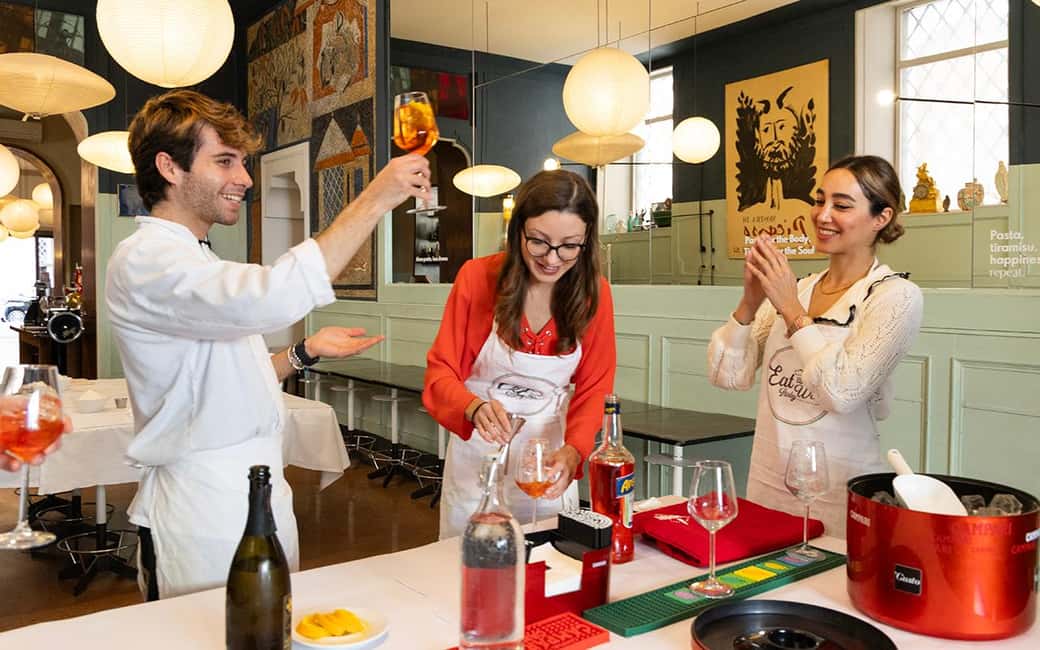
- Hands-on Spritz: you mix your cocktail skills before the cooking gets serious.
- Two fresh pastas: fettuccine plus maltagliati, both made from scratch.
- Classic sauces: sugo al Pomodoro and basil pesto pair with what you make.
- A full meal, not a snack: bruschetta starter and tiramisu dessert are part of the included food.
- Chefs with personality: instructors you might meet include Maria, Tiziana, Jess, Leo, Lori, Agnes, or Tiziana, depending on the day.
Spritz and Pasta Within a Short Walk of Piazza Navona
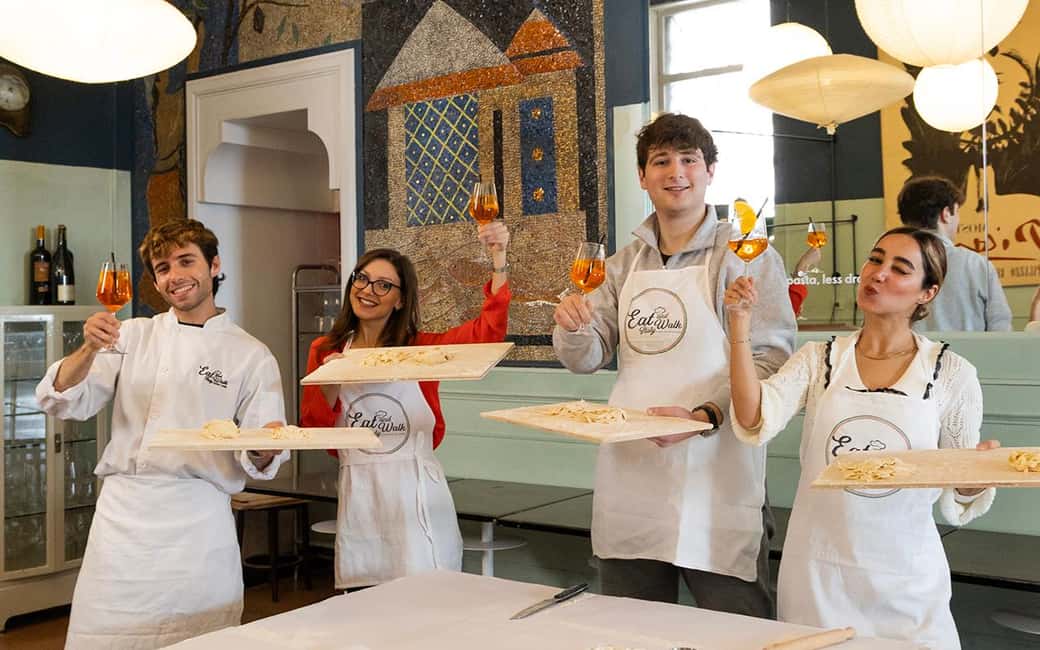
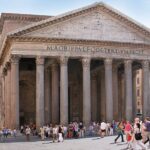
I love booking food experiences in Rome that don’t feel like a detour. This one is close to Piazza Navona, which matters more than people think. You get an easy “grab-and-go” connection to the rest of your day—especially if you’re walking anyway, bouncing between streets and piazzas, and you want dinner plans that don’t require another transit headache.
You meet at Restaurant Gusto – Eat and Walk Italy. That location keeps the energy tight and simple: arrive, get oriented, then start working right away. And because the class is in English, you won’t be stuck guessing what the chef wants you to do with the dough.
One more practical point: this isn’t a silent “cook on your own” thing. The feel is social and friendly, and the small-group vibe is real on many days (some groups have even reported just four people). That personal attention is a big deal when you’re learning pasta shapes and you want feedback before you commit to the cuts.
You can also read our reviews of more tours and experiences in Rome.

What You Make in 2.5 Hours: Spritz, Bruschetta, Two Pastas, Tiramisu
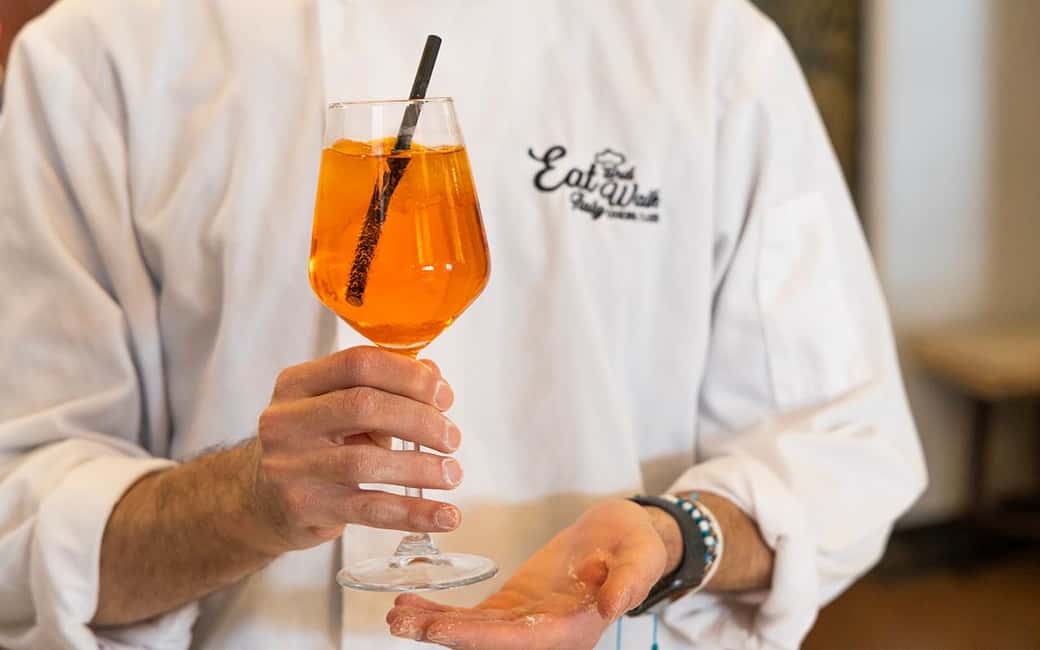
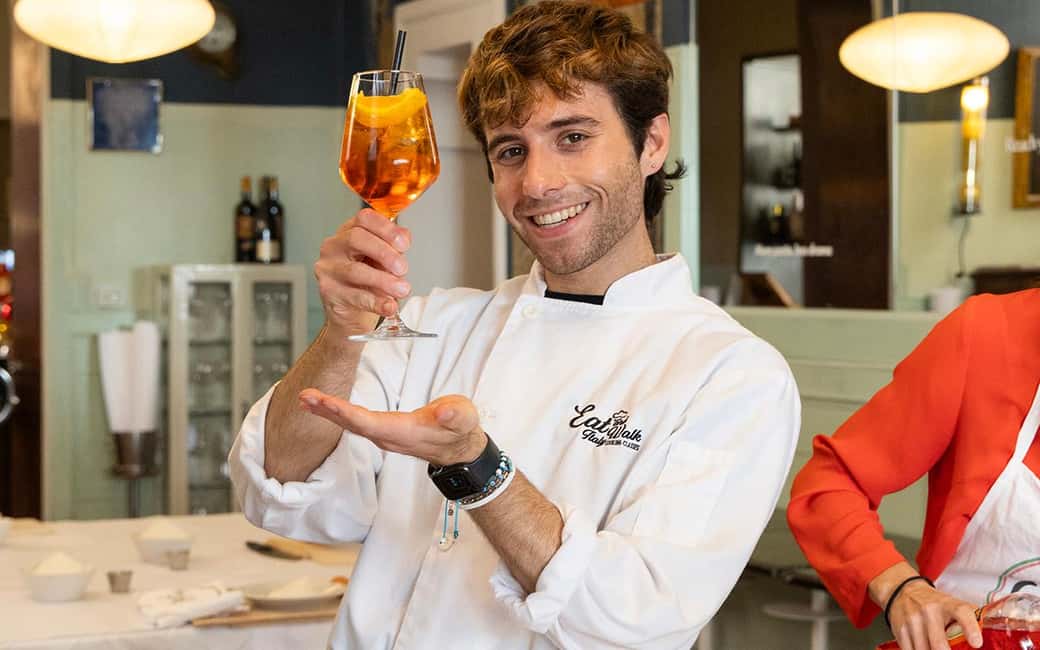
At the start, you get a welcome drink: Spritz. It’s not just a nice perk—it’s a taste of the theme and a good mental shift from sightseeing mode into “eat-and-cook mode.”
Then the food plan looks like this:
- Bruschetta as a starter (toasted bread with tomatoes, basil, and oregano)
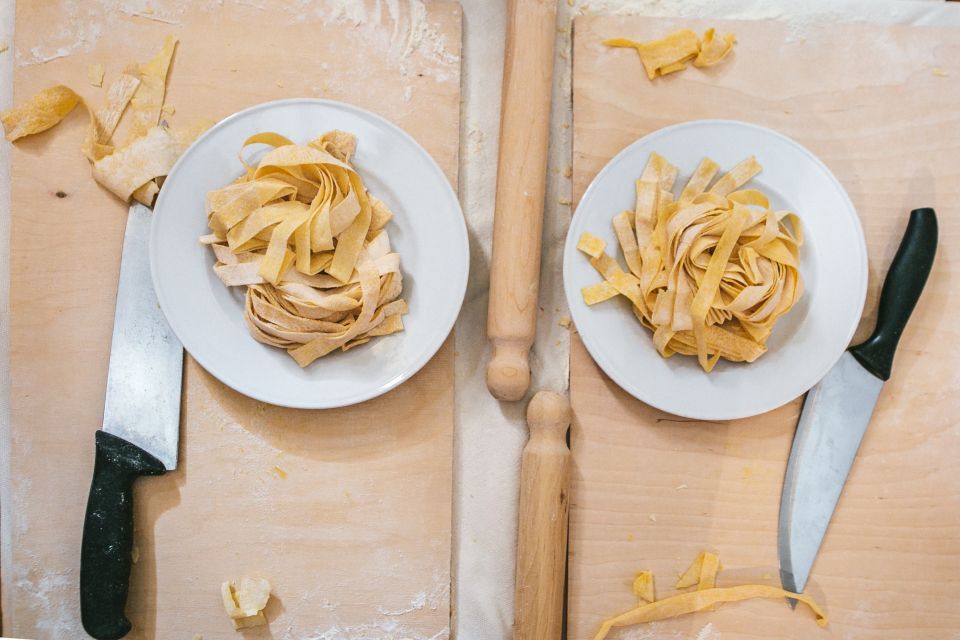
- You make maltagliati (a rustic pasta shape) from scratch
- You make fettuccine from scratch
- You eat your pasta with two classic sauces:
- sugo al Pomodoro
- basil pesto
- Tiramisu for dessert
- A glass of wine or a non-alcoholic beverage with the meal
- Finish options: a glass of Limoncello or coffee
- Water throughout
So yes, it’s a cooking class—but it’s also a real dinner outcome. You’re not leaving hungry, and you’re not spending money on a “tiny tasting” that disappears in five minutes.
The Spritz Class: Mixing the Cocktail Before You Cook
Rome spritz culture is built on habit and balance. Here’s what I like about starting with the cocktail: it sets the tone. You’re learning something Italy-famous, but it’s approachable—measurable, repeatable, and fun.
You’ll learn how to prepare the perfect Spritz cocktail with guidance from the chef. You’re also given the Spritz right at the beginning as a welcome drink, so you get a quick reference point for what you’re aiming for.
A practical tip: if alcohol isn’t your thing, plan around it. Alcoholic drinks are only for participants over 18, so if you’re under that age you’ll need to stick to the non-alcoholic drink options that are included (like the non-alcoholic beverage offered with your meal).
And if you’re a mixology beginner, don’t overthink it. The best mindset is to treat it like any other recipe: do what your instructor shows, measure what you can, and focus on consistency rather than perfection.
Fresh Pasta From Scratch: Fettuccine and Maltagliati
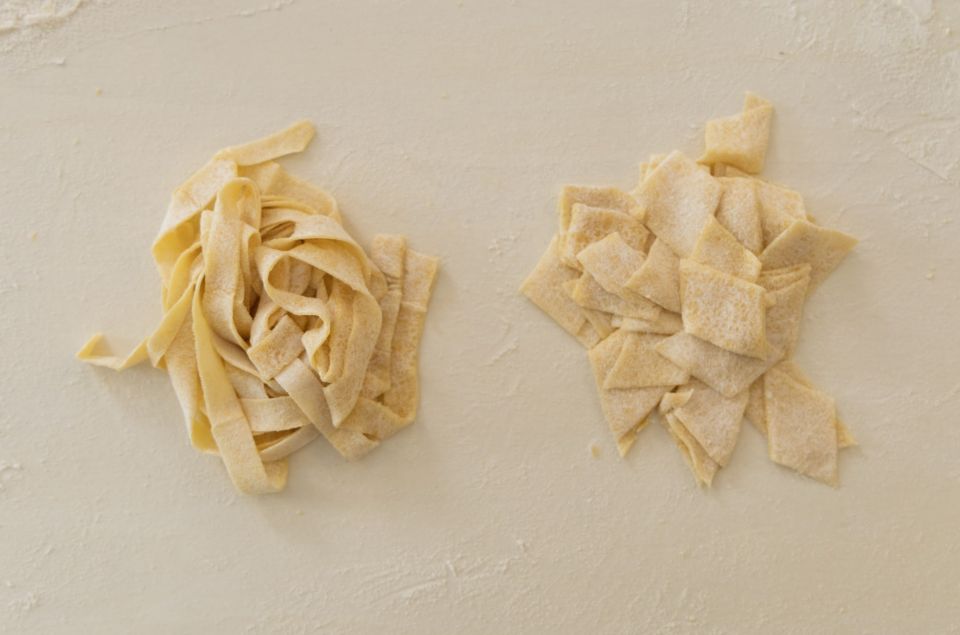
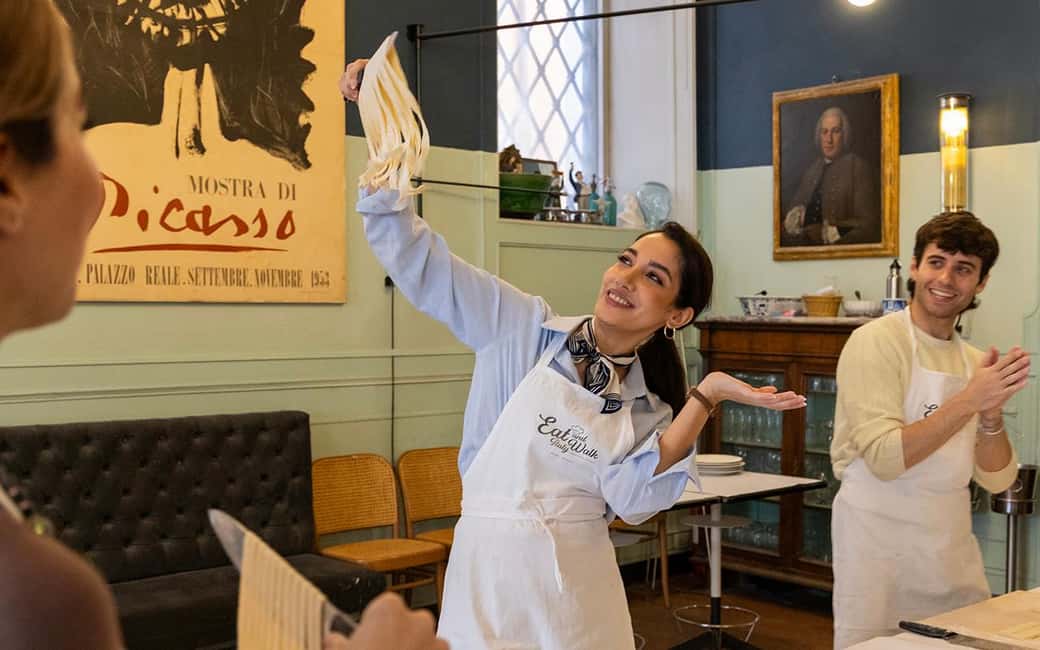
This is the main event. You’ll work dough and learn how to shape it into two different pastas: fettuccine and maltagliati. That combination is smart for beginners, because you get practice with the basics (rolling, cutting) and then you see how shape changes how the pasta behaves.
Expect it to be a little physical. Reviews describe people getting a bit of a workout while making pasta. That’s normal. Flour sticks. Dough can be stubborn. Hands get tired. But the payoff is huge: when you roll and cut something yourself, you start noticing how fresh pasta feels different than dried pasta—not just in taste, but in texture.
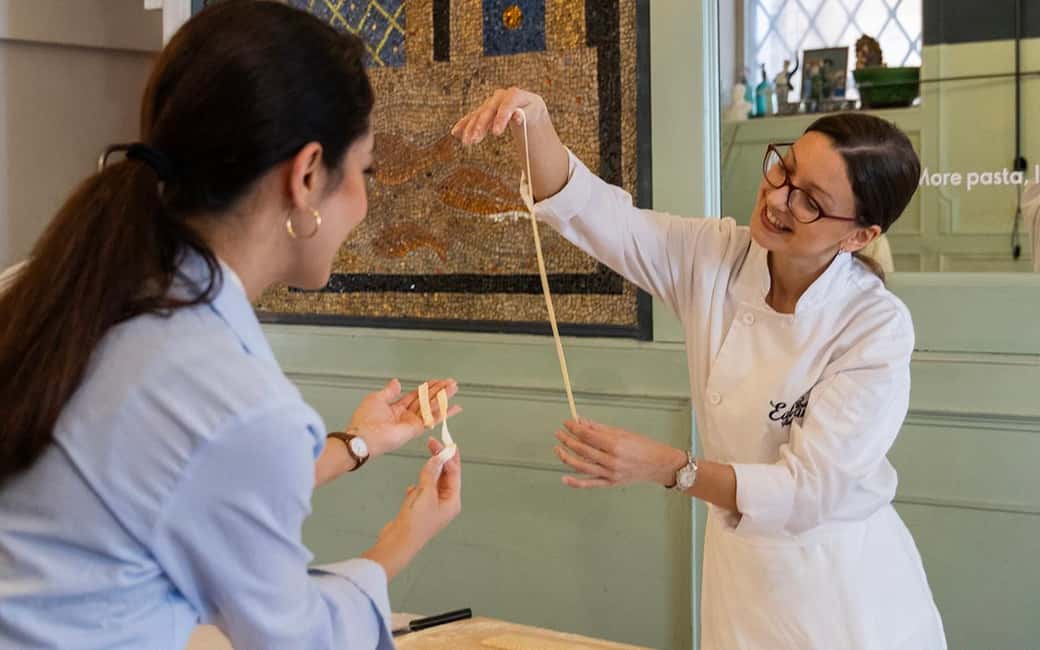
Also, chefs are usually quick to jump in. Many past participants have praised the way instructors correct small mistakes step-by-step, so the dough actually turns out rather than becoming a sad flour project. And if you’re traveling with family, you’ll likely appreciate that the teaching style is built for mixed skill levels—kids and adults can usually keep up.
Sauces That Pair With Your Work: Sugo al Pomodoro and Basil Pesto
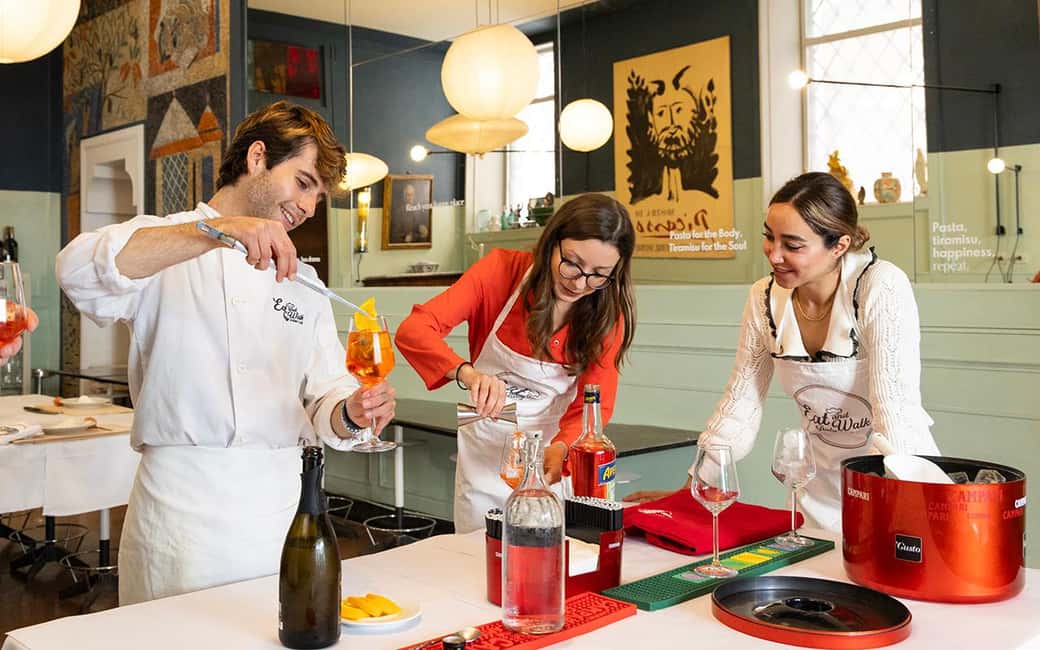
Fresh pasta is only half the story in Italy. The sauces are where the flavors lock in.
You’ll taste and eat your handmade pasta with:
- Sugo al Pomodoro (tomato-based)
- Basil pesto (herby, garlicky, classic)
What I like is that you don’t just make dough and then hope for the best. You learn the pairing logic. Tomato sauce feels comforting and straightforward, and it’s a great match for fettuccine. Pesto, with basil and the olive-oil richness, clings to those pasta shapes and makes each bite feel fuller.
And since the sauces are standard Italian staples, you can recreate them at home without needing rare ingredients. That’s the kind of “skill transfer” you want from a cooking class. You should leave with more than memories—you should leave with a plan.


Eating Your Pasta in Rome: Wine, Limoncello, and Tiramisu
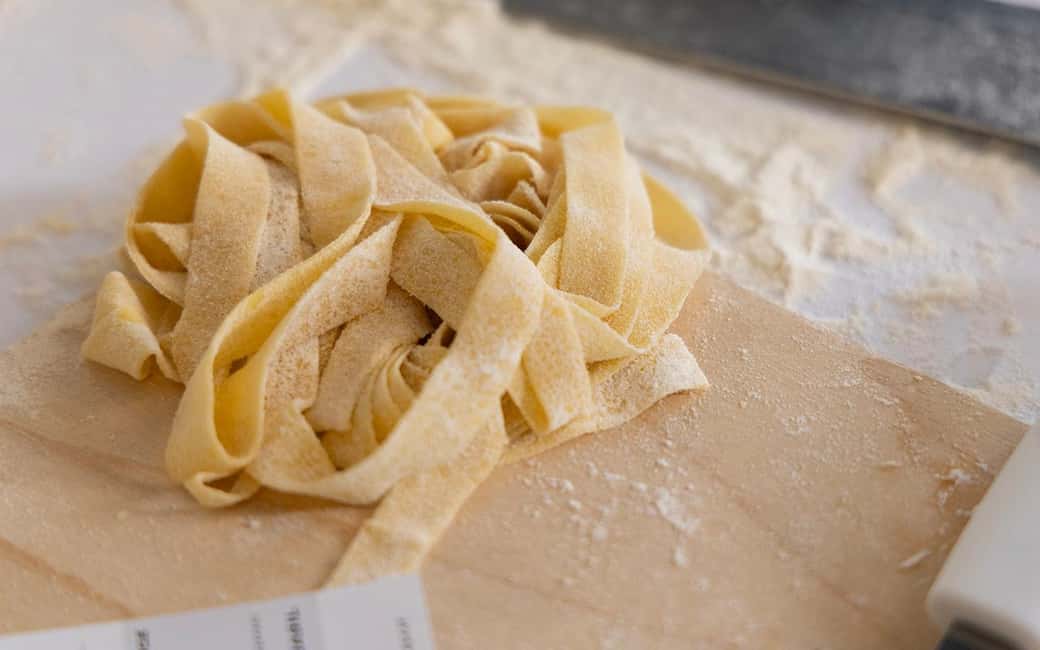
One of the most satisfying parts of this experience is how naturally it flows into eating. You finish the work, sit down, and you eat what you made. That sounds basic, but it’s often what separates a good class from a money-siphoning activity that feels like theater.
You get:
- a glass of wine or non-alcoholic beverage
- tiramisu dessert
- and then the choice to finish with limoncello or coffee
Limoncello tends to be the fun finish in Rome—bright, lemony, and sweet enough to feel like a reward after hands-on cooking. Coffee works too, especially if you’re mixing this into an evening after a lot of walking.
If you’re traveling with a group, this is also a social sweet spot. Cooking makes it easy to talk—people share flour disasters and small wins—then you all sit together like it’s dinner, not class.
Price and Value: Is $88 Worth It?
Let’s talk money honestly. $88 per person is not cheap, especially in a city where you can eat well for less. But value here comes from what’s included and how you use it.
You’re getting:
- a welcome Spritz
- bruschetta
- two kinds of fresh pasta made by you
- two sauces
- wine or a non-alcoholic beverage
- tiramisu
- limoncello or coffee
- water
That’s a lot of food and drink for one booking. And you’re not just sampling—you’re producing. Making pasta is time-consuming, and it costs effort. When you factor in the meal outcome plus the chef-led instruction, the price becomes more reasonable.
Is it still a “treat” purchase? Yes. But it’s the kind of treat that ends with a full dinner and a skill you can practice again later.
Who Should Book This Cooking Class (and Who Might Skip It)
This works best for:
- food lovers who want a hands-on Rome activity
- people who like cocktails and want the spritz process explained, not just tasted
- beginners who want clear steps and lots of guidance
- couples, solo travelers, and families with kids old enough to handle the setting (it’s not suitable for children under 4)
I’d also say it’s great if you want an activity that helps you meet people. Many participants describe a friendly group atmosphere, and since you’re working at stations, conversation comes naturally.
Who might skip it? If you hate any messy food work, or if you’re looking for something purely passive and quiet, this isn’t that. Pasta-making is hands-on by definition.
Tips So Your Pasta Turns Out (Even If You’re Not a Natural)
Here’s how to set yourself up for success without overworking:
- Wear clothes you can get flour on. You’ll handle dough, and flour is part of the process.
- Pay attention to the first steps. Once you understand dough feel and rolling/cutting basics, everything gets easier fast.
- Ask for quick feedback. If something looks off, get the chef to correct it early rather than hoping it fixes itself.
- Keep your sauce mindset simple. Focus on the pairings you’re making—tomato sauce for classic comfort, pesto for herb-forward flavor.
- Bring your curiosity. The best part isn’t only the final pasta. It’s learning why the steps matter so you can repeat it later.
Some groups have also reported getting the recipe by email after class (often with photos). If that’s important to you, it’s worth choosing this kind of class since it tends to leave you with a takeaway plan.
Should You Book This Spritz and Pasta Class in Rome?
If you want one memorable Rome activity that mixes skill, food, and a proper sit-down meal, I think this is a strong pick. The biggest wins are the hands-on spritz and pasta-making, the classic sauces you eat right away, and the consistently high praise for enthusiastic chefs who help you through each step.
Book it if:
- you’re staying in central Rome and want something near Piazza Navona
- you enjoy learning by doing
- you want a full meal plus drinks, not just a short tasting
Skip it if:
- you’re looking for a purely sightseeing day
- you can’t handle any mess or hands-on tasks
- you want a very quiet, low-energy activity
FAQ
FAQ
How long is the Rome Spritz and Pasta making experience?
It lasts about 2.5 hours.
Where is the meeting point?
You meet at Restaurant Gusto – Eat and Walk Italy.
What do I make during the class?
You make fresh fettuccine and maltagliati from scratch, and you prepare a Spritz cocktail.
What sauces are included with the pasta?
Your pasta is served with sugo al Pomodoro and basil pesto.
What food and drinks are included in the price?
Included items are a Spritz welcome drink, bruschetta, your pasta with the sauces, wine or a non-alcoholic beverage, tiramisu, and either limoncello or coffee, plus water.
Can I drink alcohol during the experience?
Alcoholic beverages are only for participants over 18.
What language is the instruction?
The class is taught in English.
Is the class wheelchair accessible?
Yes, it is wheelchair accessible.
Are pets allowed?
No, pets are not allowed.
Is it okay for young children?
It is not suitable for children under 4 years old.