REVIEW · ROME
Rome: Five Shapes of Pasta Cooking Class in Ancient Tavern
Book on GetYourGuide →Operated by Professional Lab Pasta Experience · Bookable on GetYourGuide
Five pasta shapes. One short class. A whole lot of joy. In an Antica Osteria founded in the late 1800s and now run as a cooking school, I love how you learn five pasta shapes step by step, and I also love the old-school wooden pin rolling technique that makes the dough feel real, not theoretical. You end up eating what you make in a setting that feels like Rome in the best possible way: part tavern, part workshop.
One consideration: this experience is not suitable for people with mobility impairments, so if you need extra support or limited standing time, you should think carefully before booking.
In This Review
- Key Highlights You Can Count On
- An 1800s Roman Osteria Where Pasta Actually Happens
- Finding the Place: The Cucina Sign and a Real Local Setting
- The Warm-Up: Prosecco, Italian Cheese, and the Chef Hat Moment
- Rolling Fresh Pasta Sheets with a Wooden Pin (The Skill You’ll Remember)
- Making Five Pasta Shapes: Ravioli, Agnolotti del Plin, Tortellini, Cappelletti, Fettuccine
- Two Sauces and Chef Explanations That Actually Stick
- Wine, Lunch or Dinner, and the Part Where You Eat What You Built
- Express Tiramisu: Dessert You Make, Not Just Receive
- Chef Personalities Matter: Emanuele and Angelo’s Teaching Style
- Value Check: Is $67.19 Worth It for 3 Hours?
- Who Should Book This Pasta Class (and Who Might Skip It)
- Should You Book Five Shapes of Pasta in Rome?
- FAQ
- How long is the Rome pasta cooking class?
- How many pasta types will I make?
- How big is the group?
- What food and drinks are included?
- What languages are used during the class?
- Is it allergy-friendly?
- Are there any restrictions?
Key Highlights You Can Count On
- Five fresh pasta types made from scratch in one session
- Rolling and shaping with hands-on guidance, including wooden pin dough work
- Two sauces paired with your handmade pasta for a proper Italian-style meal
- Appetizer plus prosecco and cheese, then a full lunch or dinner
- Express tiramisu you prepare at the end, not just a store-bought finish
- A small group (up to 10 participants) so the chefs can actually help
An 1800s Roman Osteria Where Pasta Actually Happens
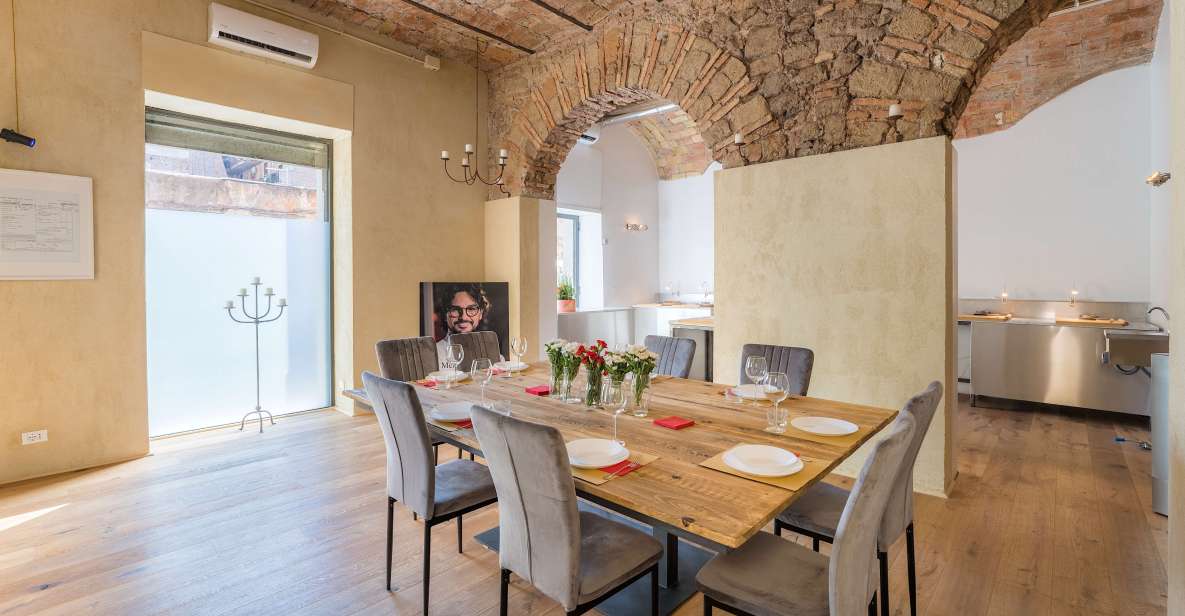
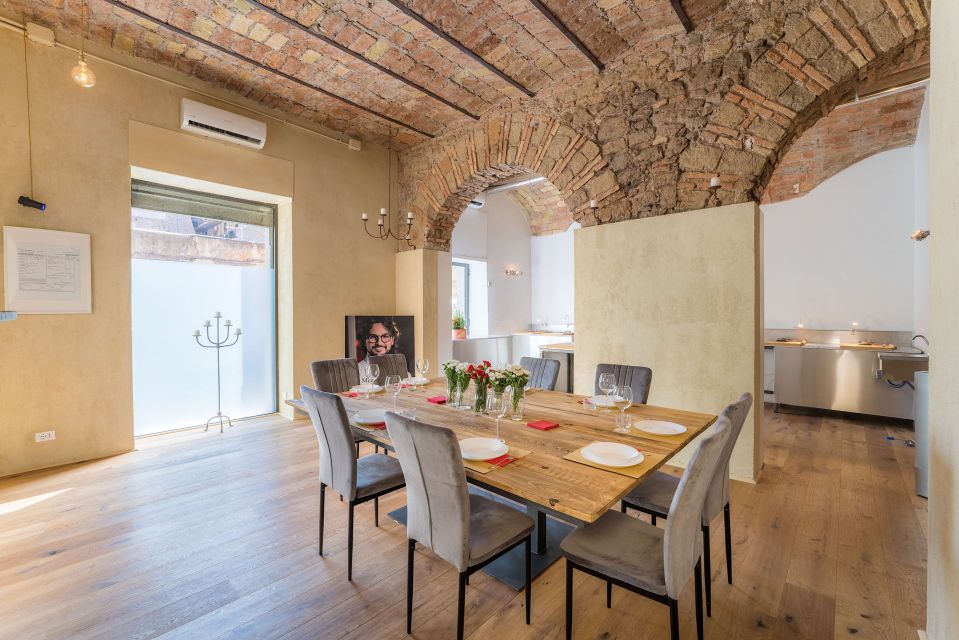
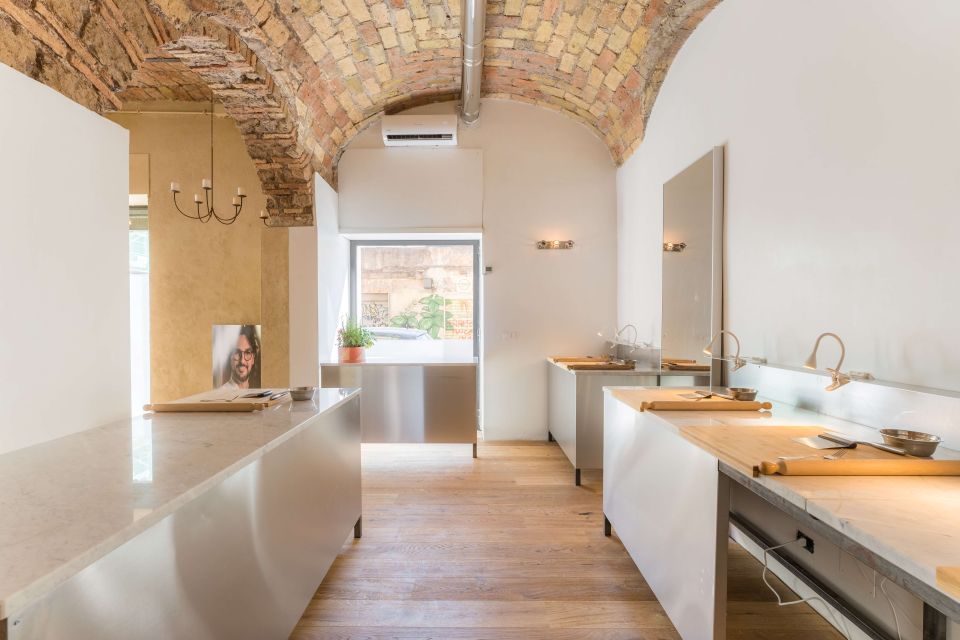
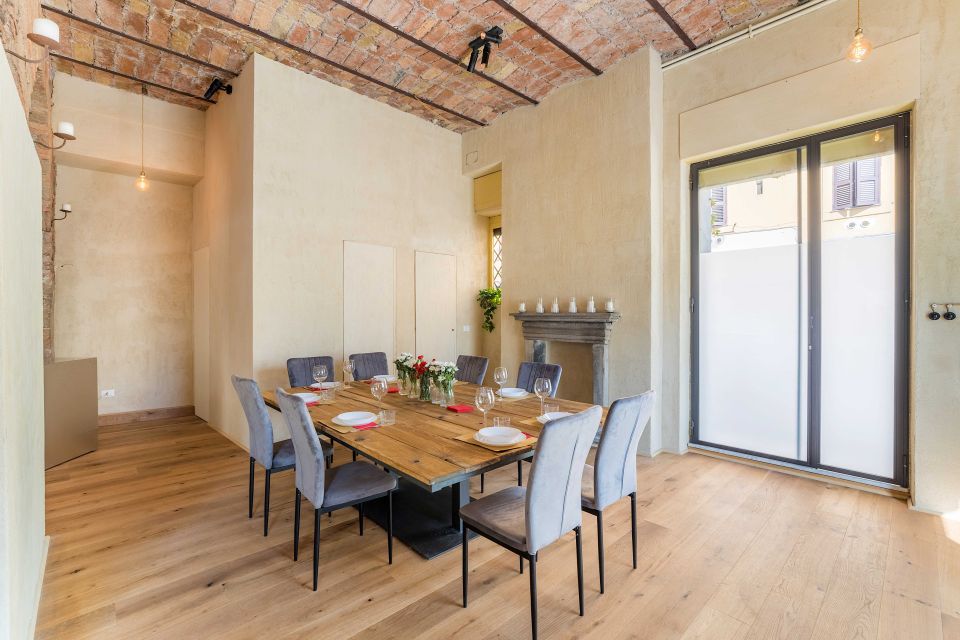
This is the kind of Rome experience you can feel in your shoulders and smile. You’re not just watching pasta get assembled. You’re making fresh dough, learning classic shaping, and then eating it while you’re still in the cooking rhythm. The venue matters here: it’s an Antica Osteria founded in the late 1800s and converted into a cooking school. That blend of past and present keeps the class from feeling like a generic tourist workshop.
What makes it work for me is the balance. You get real technique (dough sheets, cutting safely, shaping correctly), but the vibe stays light. A lot of people rave about Chef Emanuele’s energy and humor, and you’ll feel it right from the start. Expect a lively atmosphere where people actually laugh while learning.
You can also read our reviews of more tours and experiences in Rome.

Finding the Place: The Cucina Sign and a Real Local Setting
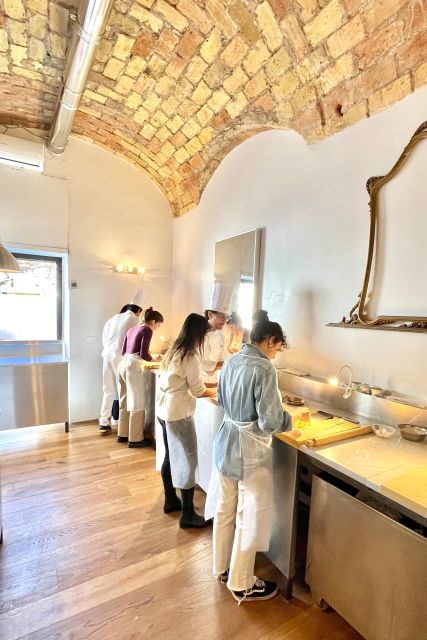
You’ll meet at an Old Osteria called Cucina. The good clue is that you’ll see an original osteria sign set in marble on top of the entrance. That detail helps. Once you’re inside, the class doesn’t waste time with confusing logistics. You get seated, you get set up for cooking, and you start working.
Because you end back at the meeting point, you don’t need a complicated plan for the rest of your evening. This is a useful Rome move: do one memorable activity in one compact area, then keep your free time for gelato, a wander, or a second dinner.
The Warm-Up: Prosecco, Italian Cheese, and the Chef Hat Moment
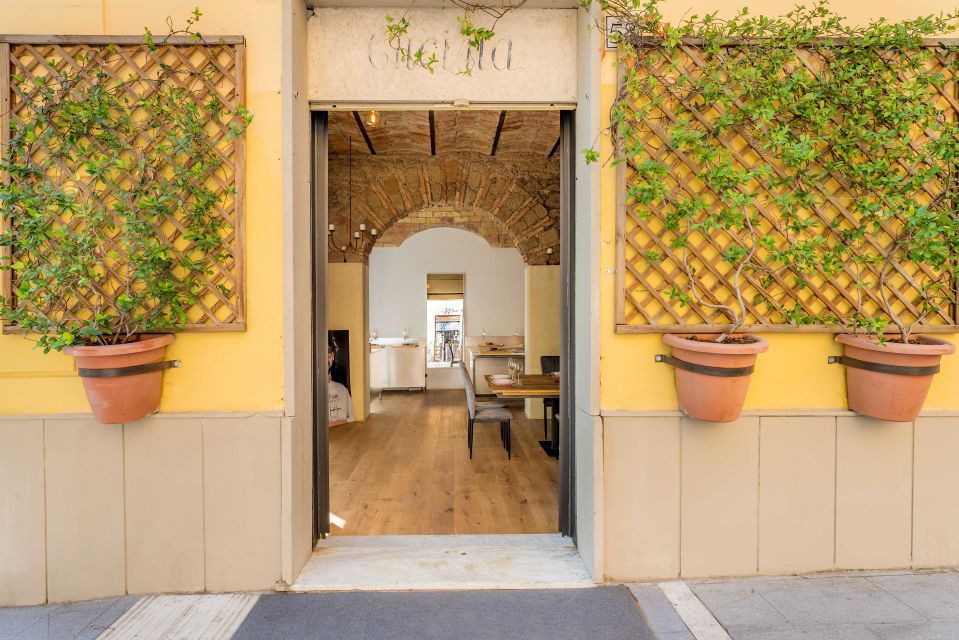
Before you start rolling dough, you’ll get an appetizer with prosecco and Italian cheese. It’s not a gimmick. It’s a pace-setter. You relax into the group, you meet the instructors, and you start thinking about the meal you’re building.
Then there’s the chef hat. Everyone gets a complimentary Professional Chef Hat with the logo of Pastificio Faini. It’s a small thing, but it lowers the stress. You’re not trying to impress anyone; you’re learning. And in cooking classes, that mindset turns your hands from stiff to capable.
If you’re wondering about safety and hygiene, this lab is HACCP certified for food hygiene and safety in 2020. That’s the behind-the-scenes stuff you want to feel comfortable with when you’re handling dough and cutting ingredients.
Rolling Fresh Pasta Sheets with a Wooden Pin (The Skill You’ll Remember)
Here’s where this class earns its keep: you learn to make the thin dough sheet using a rolling pin technique with wood. That sounds basic until you do it. Thin pasta dough wants attention. Rolling it evenly affects everything that comes next—how it behaves when shaped, how it cooks, and how it eats.
You’ll also learn safe food cutting procedures. That matters more than you’d think, especially if you’re not used to kitchen rhythm. The class doesn’t assume you’re already a pasta maker at home. It guides you through the process in a way that feels doable.
Small-group format helps a lot. With a limit of 10 participants, the chefs can check in and correct you before you turn the dough into a sad pancake.
Making Five Pasta Shapes: Ravioli, Agnolotti del Plin, Tortellini, Cappelletti, Fettuccine
The headline is five pasta types, but the real magic is that you make them in one sitting and you get feedback as you go. The class focuses on classic Italian shapes, including:
- Ravioli
- Agnolotti del plin
- Tortellini
- Cappelletti
- Fettuccine
Each shape has a different personality. Ravioli and tortellini are about folding and sealing. Agnolotti del plin adds its own specific pinched look. Cappelletti is delicate and fussy in a way that makes you appreciate the pros. Fettuccine is a more straightforward sheet-and-cut moment, which gives your hands a breather between more intricate forms.
If you’ve ever tried making one pasta shape at home, you know how easy it is to feel “off” after the first attempt. Here, you build momentum. You learn the underlying dough behavior and then apply it across different shaping styles.
Also, you’re not stuck with one sauce and one texture. The meal includes two different Italian sauces, so each pasta type lands with the right flavor match.


Two Sauces and Chef Explanations That Actually Stick
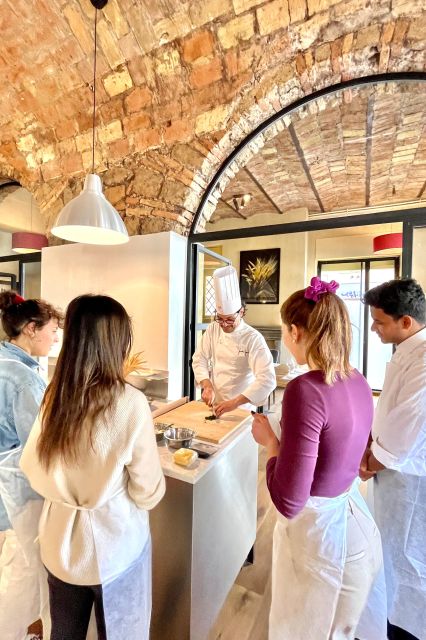
Pasta is math: dough texture plus sauce behavior. This class does the sauce part correctly. You’ll make your pasta and then taste it with two different kind of Italian fresh sauce, with the chef explaining what you’re tasting and why.
That chef talk matters. It helps you go beyond eating and actually understand. You start to notice how sauce clings, how richness changes when you pair it with filled pasta, and how a simpler pasta like fettuccine responds to different flavors.
In the reviews, people highlight how clearly the steps are explained and how helpful the chefs are if you’re doing something wrong. That’s not just kindness. It’s practical teaching—fixing small technique issues before they ruin a whole batch.
Wine, Lunch or Dinner, and the Part Where You Eat What You Built
This isn’t a tasting room where you sample and leave. It’s a full meal built around your work. You’ll have a delicious tasting at the start and then a full Italian meal afterward (lunch or dinner depending on the session).
The experience includes:
- A first appetizer with prosecco and Italian cheese
- Tasting of local cheese with fresh prosecco
- A dinner component where you enjoy your pasta, paired with wine (noted as part of the experience’s flow)
That pairing logic is valuable. Filled pasta tends to handle more robust flavors; shapes like fettuccine can benefit from sauces that cling and coat. When you taste during the class, you learn these patterns faster than any cookbook explanation.
And the environment helps you stay in it. Reviews mention music and a high-energy vibe where kneading and rolling feels easier because the mood stays upbeat. Even if you’re not into hype, that energy reduces the usual awkwardness of “I’m doing this wrong.”
Express Tiramisu: Dessert You Make, Not Just Receive
Most pasta classes end with a plate and a shrug. This one ends with you making dessert—an express tiramisu preparation. It’s quick, so it’s not hours of cream whisking. But it’s still hands-on, which is the point.
You’ll follow the steps during the class and then enjoy the tiramisu as part of the final meal arc. People often remember dessert more than expected because it’s a satisfying finish and it gives you something to do even after you’ve spent the time forming pasta.
If you like the idea of leaving with a complete Rome story—history of the room, technique of the dough, and then a sweet ending—this is that.
Chef Personalities Matter: Emanuele and Angelo’s Teaching Style
Chef Emanuele is repeatedly praised for being funny, engaging, and easy to follow. The class reportedly feels relaxed even when you’re learning tricky folds and pinches. You also hear that the sous chef team—often named Angelo—stays attentive and helps when you stall.
What I like about that kind of instruction is that it reduces the intimidation factor. You don’t need natural dexterity to enjoy this. You need good guidance and a chef who notices when your dough is sticking or your folds look rushed.
One more practical win: the chef can adjust for at least some allergies. A garlic allergy was mentioned in a way that suggests ingredients can be altered and sauces can be handled separately so you don’t feel sidelined. If you have specific dietary needs, bring them up with the operator so you can confirm what’s possible for your situation.
Value Check: Is $67.19 Worth It for 3 Hours?
At $67.19 per person for about 3 hours, you’re paying for several things that don’t show up in cheaper classes: a small group size (limited to 10), real hands-on instruction for multiple pasta shapes, the use of a proper teaching space, and a full meal experience.
Here’s the value math that matters:
- You’re getting five pasta types made by you, not just one
- You’re eating a meal that includes prosecco and cheese, plus a dessert you prepare
- You’re learning technique you can repeat later (rolling with a wooden pin, shaping methods, sauce pairing ideas)
If you only want a quick bite of Rome food, this might feel like too much. If you want an active skill plus a satisfying dinner, it’s a strong deal for the time and the teaching attention you’re likely to receive.
Who Should Book This Pasta Class (and Who Might Skip It)
This is ideal if you:
- Want a hands-on food experience instead of a sit-and-watch tour
- Enjoy learning real technique you can practice at home
- Like an energetic, social setting with a small group
- Want a single activity that ends with a full meal and dessert
You might think twice if:
- You have mobility limitations, since it’s not suitable for people with mobility impairments
- You don’t like being in a working kitchen environment (this is flour-and-fingers cooking, even if it stays organized)
It also suits couples, friends, and even solo travelers who don’t mind chatting around the table. The room is built for interaction, and the chef team tends to learn names and check in while you cook.
Should You Book Five Shapes of Pasta in Rome?
Yes, if you want to leave Rome with more than photos. Book it if your idea of a great day includes rolling dough, shaping classic pasta, eating what you made, and ending with express tiramisu in a real 1800s osteria turned into a cooking school.
If you’re on the fence, ask yourself one question: do you want to learn a skill or just consume an experience? This one leans hard toward skill, with a meal that feels like a reward instead of an afterthought. And with a small group limit of 10, it’s the kind of class where you’re more likely to get help when you need it.
FAQ
How long is the Rome pasta cooking class?
It lasts about 3 hours.
How many pasta types will I make?
You will make 5 pasta types from scratch: ravioli, agnolotti del plin, tortellini, cappelletti, and fettuccine.
How big is the group?
The class is limited to a small group of up to 10 participants.
What food and drinks are included?
You get an appetizer with prosecco and Italian cheese, then a full Italian meal. The experience includes tasting your handmade pasta with two different Italian sauces, and an express tiramisu prepared at the end.
What languages are used during the class?
The instructor teaches in English and Italian.
Is it allergy-friendly?
The chef has been described as accommodating at least some allergies, with ingredient adjustments and separate sauce preparation when needed. You should share your allergy details in advance so the team can confirm what they can do.
Are there any restrictions?
Pets are not allowed, and the experience is not suitable for people with mobility impairments.