REVIEW · ROME
Rome: Food & Wine Tour of Campo de Fiori, Ghetto, Trastevere
Book on GetYourGuide →Operated by Gourmetaly - for food lovers only · Bookable on GetYourGuide
Rome tastes better when you walk with a local. This small-group route turns three of the most characterful neighborhoods in Rome into a food and wine lesson you can actually eat your way through, starting at Campo de’ Fiori. I especially like the way the tour pairs market sights with proper bites, including pizza bianca with mortadella, so you get context, not just samples.
My second favorite part is the sequence of signature Roman foods: cool, old-school gelato in Trastevere, plus the famous mozzarella-stuffed fried rice ball known as supplì. You also get real neighborhood texture by moving from the Jewish Ghetto’s pantry-style food stops to Trastevere’s pasta-and-cheese pacing, with a guide who keeps the story moving.
One thing to consider: the afternoon option skips the Campo de’ Fiori market (it’s replaced with a typical grocery store stop and an aperitif). If you’re hoping to browse the market first thing and soak up the produce theatrics, go morning.
In This Review
- Key moments that make this tour worth your time
- Rome’s Food Walk Route: Campo de’ Fiori to Trastevere via the Jewish Ghetto
- Small group size (15 max) keeps the tastings fun, not chaotic
- Campo de’ Fiori Market (and the pizza bianca moment)
- Jewish Ghetto stops: fried artichoke, supplì, and codfish
- Trastevere pasta tasting: learning what makes pasta worth ordering twice
- Gelato in Trastevere: your palate’s reset button
- Where the value shows up in the $81 price
- Practical tips: what to wear and how to pace yourself
- Who should book this tour (and who should skip it)
- Should you book this Rome Food & Wine Tour?
- FAQ
- How long is the Rome Food & Wine Tour?
- How many people are in the group?
- What food tastings are included?
- Is there wine involved?
- Does the afternoon tour include the Campo de’ Fiori Market visit?
- Is the tour wheelchair accessible?
- Are vegans or people with food allergies able to join?
- What should I bring?
- What if the weather is bad?
- Can I get a refund if I cancel?
Key moments that make this tour worth your time
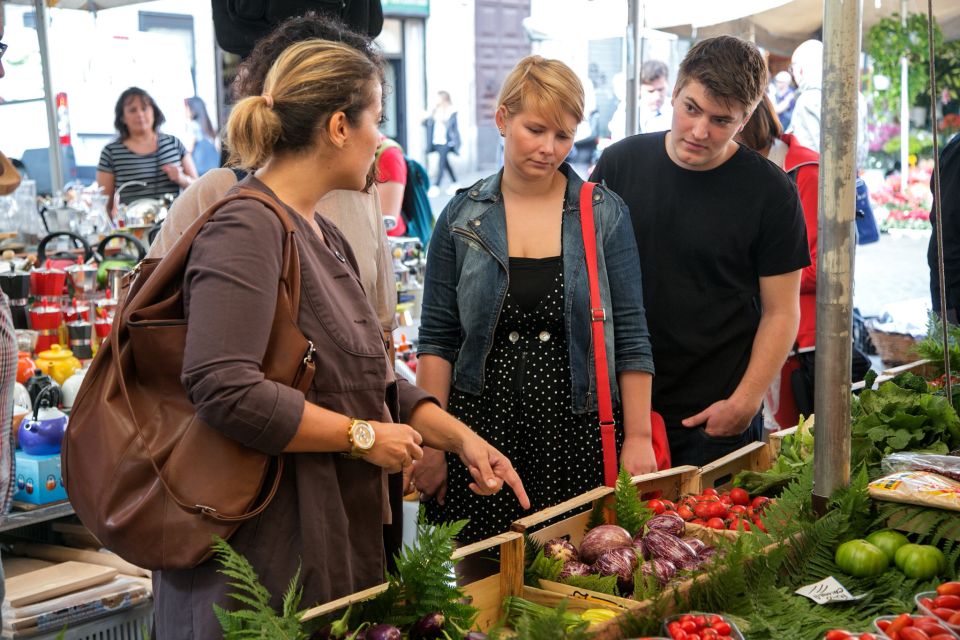
- Campo de’ Fiori Market (morning option): see the produce and shopfront energy before your first tastings
- Pizza bianca with mortadella: the mid-morning Rome snack, done the classic way
- Supplì tastings: tomatoey fried rice balls with creamy mozzarella inside
- Jewish Ghetto specialties: fried artichoke, supplì, and codfish-style bites
- Trastevere gelato + pasta stop: learn what separates good pasta from the rest
- Max group size of 15: easier conversation, shorter lines, less standing around
Rome’s Food Walk Route: Campo de’ Fiori to Trastevere via the Jewish Ghetto
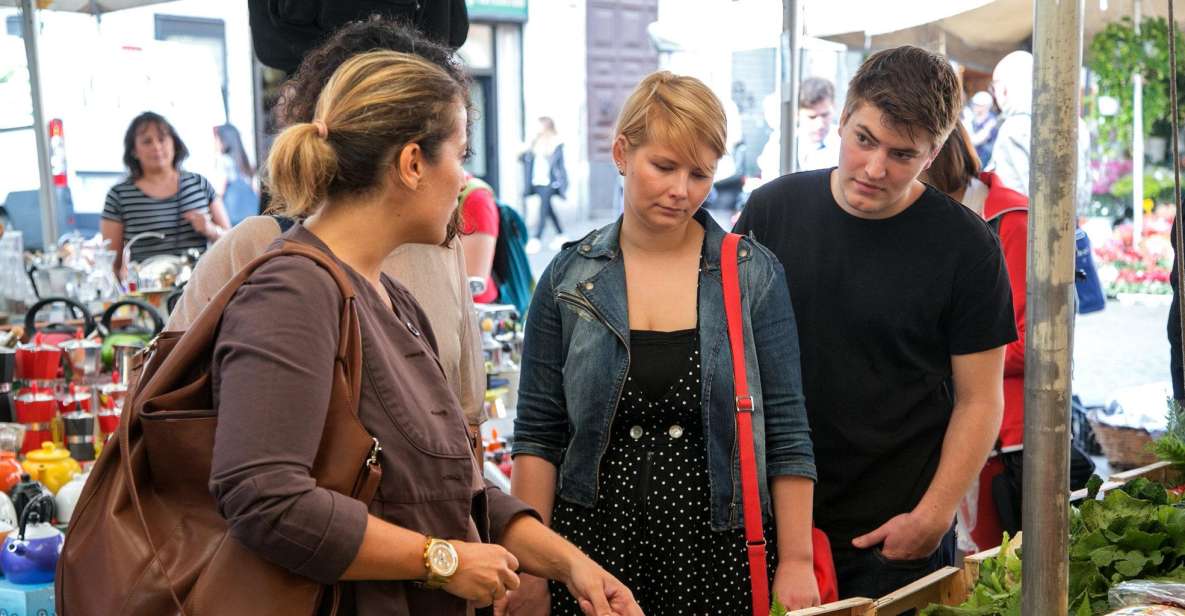
This is a walking tour built around how Romans actually eat in neighborhoods, not a checklist of tourist sights. You’ll move through Campo de’ Fiori, the Jewish Ghetto, and Trastevere, with tastings that match the vibe of each area. The point is simple: you start tasting your way into Rome’s food culture, and by the end you know what to order without guessing.
Campo de’ Fiori gives you the market start—colors, smells, and the quick rhythm of people buying lunch ingredients. Then the tour shifts tone in the Jewish Ghetto, where the food stops feel more pantry-like and traditional. Finally, Trastevere brings you to the “slow down and enjoy” side, where gelato and pasta tastings land right when your day needs a sweet reset and a savory anchor.
A guide keeps the route organized and the explanations practical. In recent tours, people have noted guides like Lisa, Natasha, Luca, and Gloria for combining neighborhood history with food cues you can remember. You’ll also get tips for what’s worth revisiting after the tour, which is great if you’re trying to plan your next meal the smart way.
You can also read our reviews of more tours and experiences in Rome.


Small group size (15 max) keeps the tastings fun, not chaotic
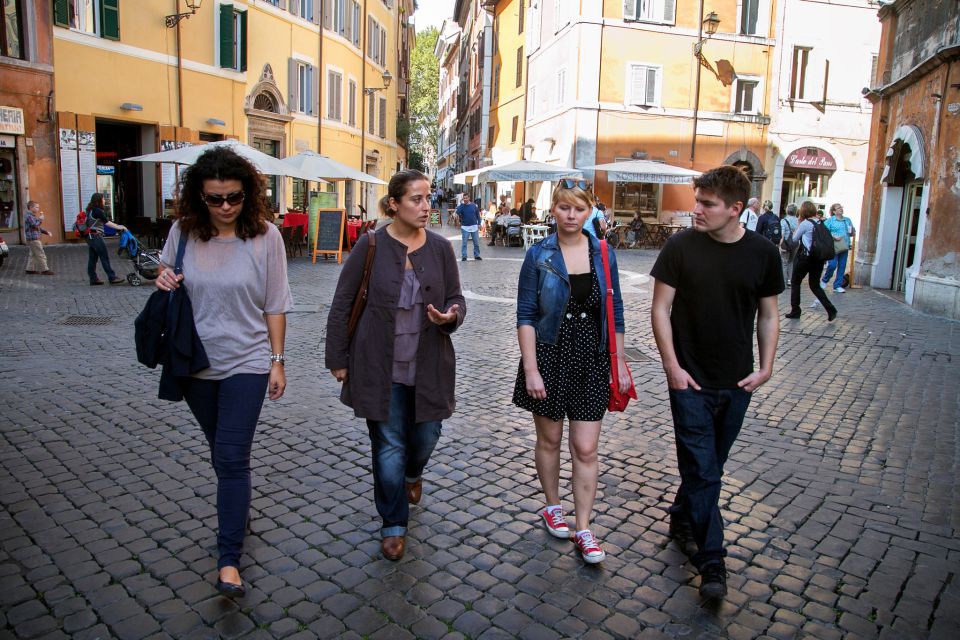
You’re capped at 15 people, which matters more than it sounds. In Rome, food tours live or die on timing: you want to actually taste, ask questions, and move before the group stretches out.
With a smaller group:
- Tastings tend to feel paced instead of rushed.
- You’re more likely to hear the guide’s explanation (and not just the person next to you).
- Stops feel like short hangs with a local, not a line-waiting exercise.
I like that the tour is designed for conversation. Multiple guides have been praised for staying personable while moving at a pace that works in real streets. One review even pointed out bathroom breaks during the walking portions—small detail, huge quality-of-life win on a Rome afternoon.
Campo de’ Fiori Market (and the pizza bianca moment)
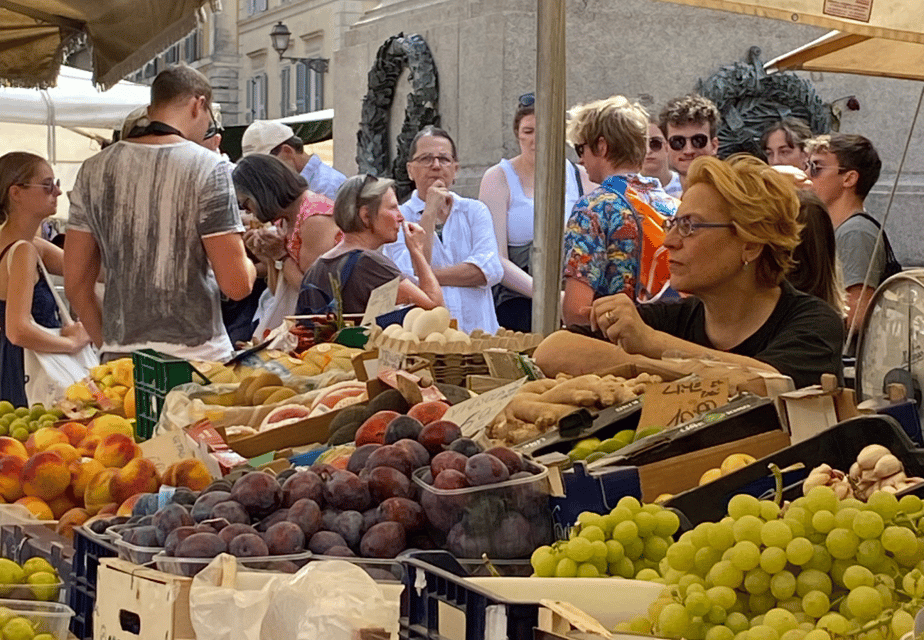
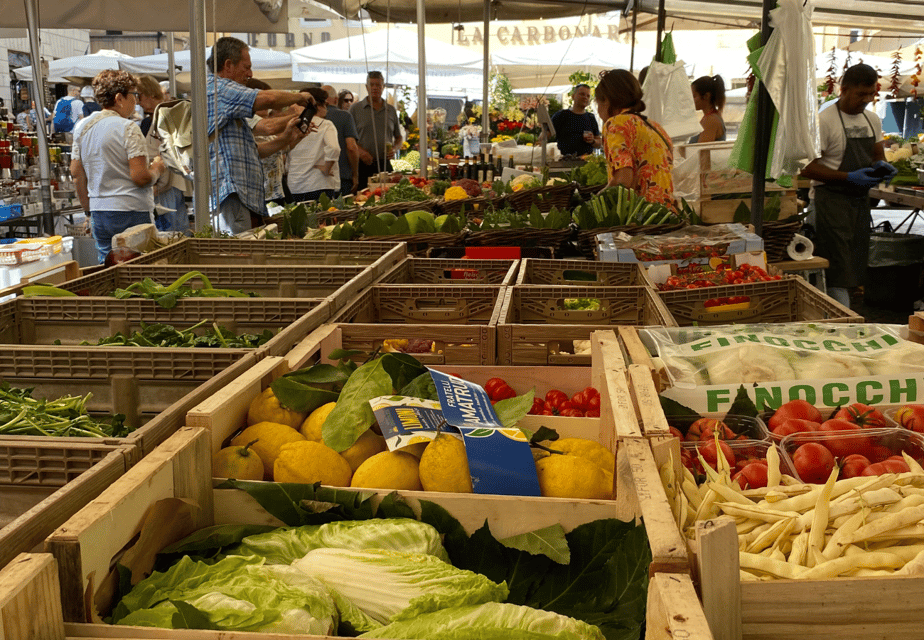
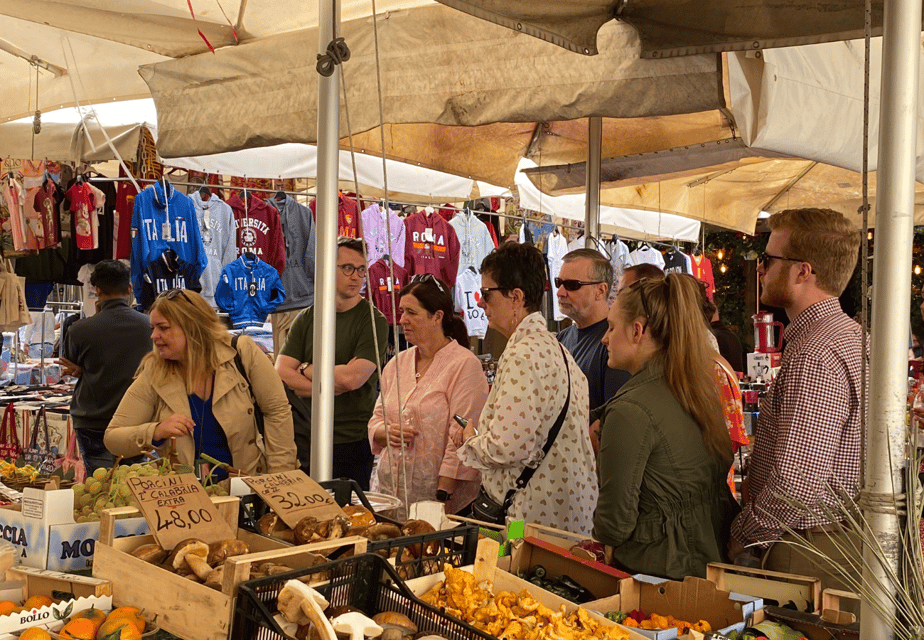
The morning version starts at Campo de’ Fiori Market, and this is where the tour earns its first big payoff. This is not just scenery. You’ll get your bearings in the neighborhood and then transition straight into eating.
The tour’s tastings include pizza bianca with mortadella—a classic mid-morning Rome snack. Think of it as a soft, lighter pizza base (not heavy like many oven-baked styles), topped with thin slices of savory mortadella. This isn’t the kind of dish that needs a fancy description. The value is in learning the pairing and recognizing it later when you see it on menus.
You may also spot more market-style cues while walking: how vendors display fruit and vegetables, how locals move through the stalls, and how food ingredients connect to the everyday meals you’ll later taste in Trastevere. Even if you’re not a market person, this stop helps you understand Rome’s food logic: start with what’s fresh and seasonal, then build from there.
Afternoon travelers should know the trade-off. The afternoon option doesn’t include the market visit. Instead, you’ll swap in a typical grocery store stop plus an aperitif. It can still be enjoyable, but you’re giving up the market browsing and that first jolt of street-level food energy.
Jewish Ghetto stops: fried artichoke, supplì, and codfish
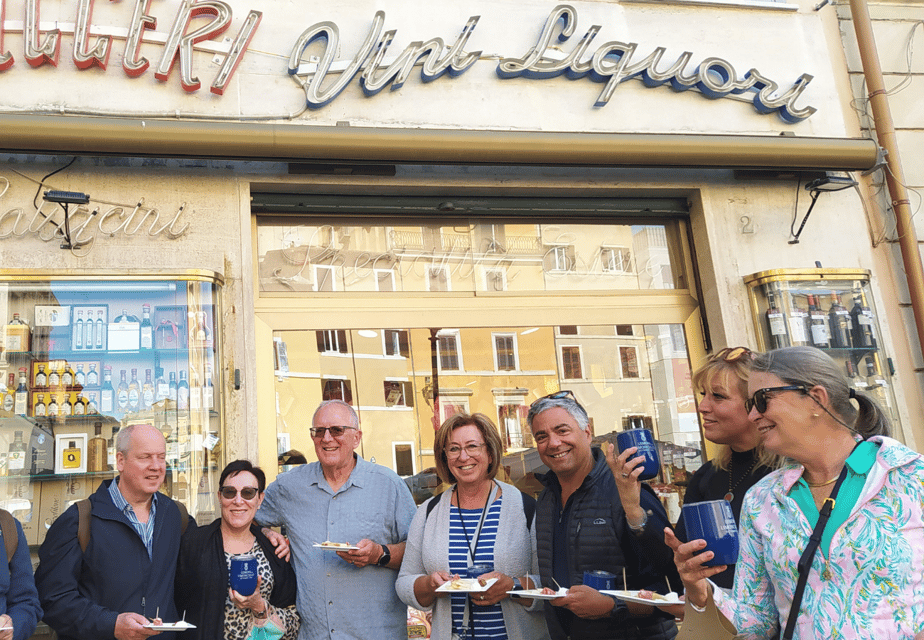
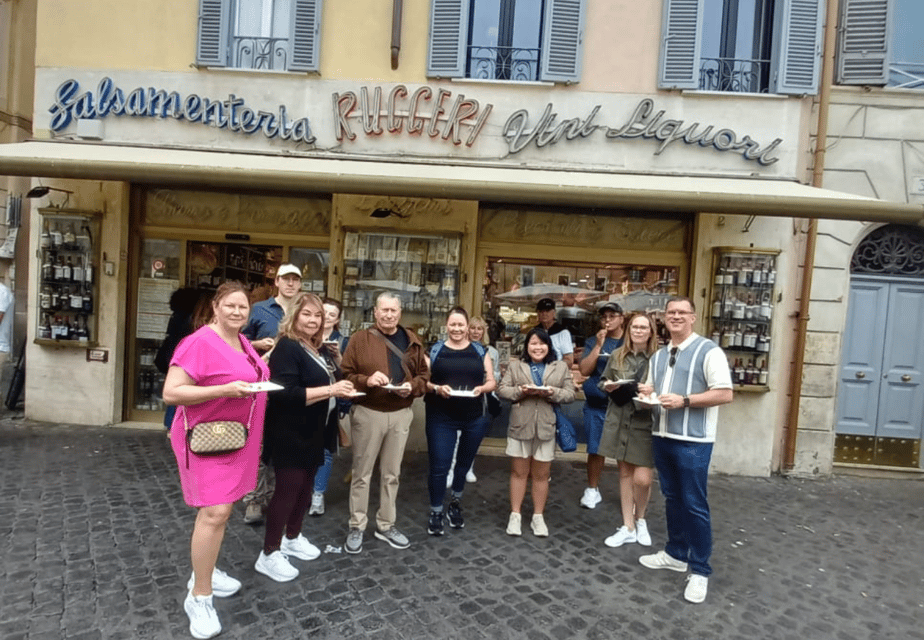
This is the part of the tour where the flavors feel more intimate and deeply rooted. You’ll visit grocery-style stops in the Jewish Ghetto and sample typical Roman foods. The standout is supplì: mozzarella-stuffed fried rice balls, browned and crisp on the outside with a tomatoey rice flavor that’s distinctly Roman.
If you’ve had rice balls before, this tasting sets the standard. The texture is the point—crispy edges, creamy center, and that unmistakable comfort food vibe that Rome does extremely well. It’s also the kind of dish you can order again later once you know what to ask for.
The tour also includes tastings connected to Jewish Ghetto food culture, including fried artichoke and codfish. Codfish can show up in a few Roman ways, but in this context, it’s part of the local tradition you can’t really copy from a supermarket. The value of the tour is that you don’t just eat; you learn what makes these items Roman and how they sit in the neighborhood’s food story.
One more practical note: this segment keeps you full without being heavy to the point where gelato feels like punishment later. That balance is a big reason food tours work, and it’s one reason guides keep their pacing strict.
Trastevere pasta tasting: learning what makes pasta worth ordering twice
Once the tour reaches Trastevere, the tasting focus shifts toward dishes that instantly change how you order in restaurants. You’ll get a pasta tasting in Trastevere, plus additional dairy and savory bites that teach you what to look for.
Here’s what I think you’ll get out of the pasta portion: not just a sample, but a mental checklist. People often taste pasta in Rome and assume all bowls are basically the same. This stop nudges you to pay attention to what separates good pasta from average—how it’s cooked, how it holds sauce, and what the sauce tastes like when it’s actually meant to be paired with that shape.
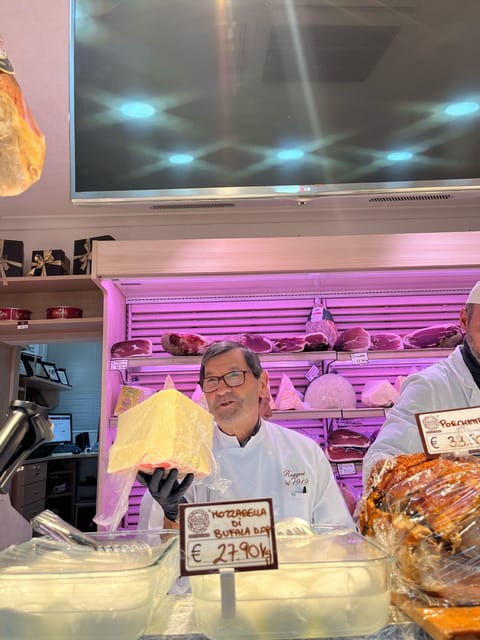
The tour also includes a mozzarella cheese tasting with Roman salami. This is more than a snack. It helps you understand how Romans treat cheese: as part of a meal rhythm, not a stand-alone fancy plate. Pairing cheese with salami also gives you a real-world flavor baseline, so later when you see cheese boards or sandwich-style combinations, you can judge them faster.




Gelato in Trastevere: your palate’s reset button
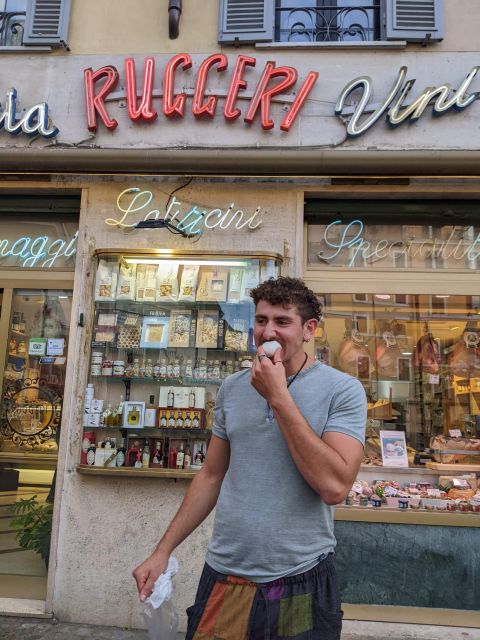
Gelato is included, and it lands in Trastevere for a reason: after savory tastings, you want something cold and clean that makes the next bite easier to enjoy. The tour offers gourmet gelato at the end stretch, and it’s one of those moments where you feel the difference between good gelato and average.
What’s nice here is that gelato isn’t treated like a casual add-on. It’s tied to the neighborhood’s food culture, so you’re not just eating sugar—you’re learning how to recognize quality when you see it. If you’ve ever bought gelato and thought, okay, that was fine, this stop gives you the comparisons that make you smarter in line next time.
Also, keep it real: multiple people note they leave pretty stuffed. That’s normal. Don’t plan to eat a full restaurant dinner immediately afterward. Treat gelato as the final course that confirms you did it right.
Where the value shows up in the $81 price
At $81 per person for a 2 to 3.5 hour walking tour, the value is less about the headline cost and more about what’s wrapped into the experience.
You’re paying for:
- A curated set of food stops across three neighborhoods
- Multiple Roman “signature” tastings (pizza bianca, supplì, pasta, gelato)
- Guided interpretation so you know what you’re eating and why it matters
- A small group size that improves the experience per minute
You’re also not guessing where to go. The guide handles the logistics of meeting points and pacing and brings you into places you might not find on your own—exactly the kind of value that matters in Rome, where the best meals often hide behind ordinary storefronts.
If you’re traveling solo, the value can feel even better. One review singled out solo travelers as a great fit, and I agree: you get an efficient taste map for future meals without needing to coordinate anyone else’s appetite.
Practical tips: what to wear and how to pace yourself
This tour is all about walking, so wear comfortable shoes. You’ll want to bring sunglasses, sun hat, sunscreen, and ideally an umbrella, because the tour runs in all weather conditions.
Also pay attention to what you bring. Luggage or large bags aren’t allowed, so pack light. Rome streets and market-area sidewalks don’t care about your suitcase wheel.
Timing tip: if you choose the morning version, you’ll still feel like you’re eating your way through the day by the time you finish. Plan meals accordingly, and don’t go in starving with the attitude of you’ll just keep it going afterward. The tour includes enough food that you’ll likely want something lighter the rest of the day.
Finally, the guides have been praised for pace and personality. Names that show up in recent bookings include Mariel, Valeria, Federica, Chiara, Anastasia, and Alessandra. Across those names, the pattern is consistent: the food is good, and the explanations make the neighborhood feel legible as you walk.
Who should book this tour (and who should skip it)
This is a strong fit for you if:
- You want a food-first introduction to Rome that also teaches neighborhood context
- You like eating multiple small tastings rather than one big sit-down meal
- You want concrete ordering tips for later (the tour aims to help you order like a local)
It’s not a fit for:
- Wheelchair users (the tour is not suitable)
- People with food allergies (not suitable)
- Vegans (not suitable)
- Anyone needing special dietary accommodations beyond what’s stated, since the provider says it cannot guarantee accommodations for special food restrictions
So if you’re flexible with standard Roman ingredients, this tour is a great use of a few hours early in your trip—or any time you want a high-impact food course without planning for five separate restaurant reservations.
Should you book this Rome Food & Wine Tour?
Yes, if you want to learn Rome through food and you like the idea of walking three neighborhoods in one efficient loop. The core tastings—pizza bianca, supplì, pasta, and Trastevere gelato—give you real Roman anchors, not generic snacks. And the max 15-person group helps you get the story and the samples without feeling herded.
I’d skip (or switch plans) if you’re doing the afternoon and you care most about market browsing, since the market isn’t included then. Also be realistic about food volume: you’ll likely finish comfortably stuffed, not hungry.
If you’re the type who wants to eat well and then understand what you ate, this is a smart bet.
FAQ
How long is the Rome Food & Wine Tour?
It runs for 2 to 3.5 hours, depending on the option booked.
How many people are in the group?
The tour keeps group size to a maximum of 15 people.
What food tastings are included?
Included items feature pizza bianca with mortadella; a mozzarella cheese tasting with Roman salami; Jewish Ghetto groceries and typical Roman food tastings (fried artichoke, supplì, codfish); a pasta tasting in Trastevere; and gourmet gelato in Trastevere.
Is there wine involved?
The tour description says you share the food and wines of the region during the experience.
Does the afternoon tour include the Campo de’ Fiori Market visit?
No. The afternoon tour does not include a visit to the market, due to opening hours. It’s substituted with a typical grocery store visit and an aperitif.
Is the tour wheelchair accessible?
No. The tour is not suitable for wheelchair users.
Are vegans or people with food allergies able to join?
No for vegans, and no for people with food allergies. The provider also cannot guarantee accommodations for special food restrictions.
What should I bring?
Bring comfortable shoes, sunglasses, a sun hat, sunscreen, and an umbrella.
What if the weather is bad?
The tour operates in all weather conditions, so dress appropriately.
Can I get a refund if I cancel?
Yes. Free cancellation is available up to 24 hours in advance for a full refund.