REVIEW · ROME
Rome: Fountains and Squares Small-Group Walking Tour
Book on GetYourGuide →Operated by romanholiday.travel & tours · Bookable on GetYourGuide
Rome feels different with a well-planned route. This small-group walking tour strings together Baroque fountains and piazzas with monuments tied to the Roman Empire, Renaissance, and beyond, moving from the Spanish Steps area to the Trevi Fountain. You also get the kind of street-level guidance that helps you notice details you’d usually miss.
I especially like two stops: going inside the Pantheon and seeing the Sant’Ignazio Church’s famous trompe l’oeil effect. You get architecture and art context, not just a photo stop, and it makes the walk feel like a story instead of a checklist.
One consideration: this is mostly outdoor walking, plus church-entry dress rules (shoulders and knees covered). If you’re coming in with shorts or short skirts, plan to adjust before you start.
In This Review
- Key Highlights to Know Before You Go
- A Walk That Connects Centuries Without Feeling Like a Lecture
- Meet at the Spanish Steps, Not the Chaos
- Up the Spanish Steps to Trinità dei Monti
- Bernini’s Half-Sunken Ship at Piazza di Spagna
- Piazza Navona: Domitian’s Stadium Becomes Baroque Theater
- The Pantheon Interior: One of Rome’s Best “Wait, We’re Going In?” Moments
- Marcus Aurelius Column: Movie Scenes on Real Stone
- Sant’Ignazio Church: Trompe L’oeil at Dome Level
- Trevi Fountain Finale: Coin, Wish, and a Good Mental Snapshot
- Group Size, Pace, and Why the Guide Often Steals the Show
- Price and Value: What $45.55 Gets You in Rome
- Practical Tips That Make the Tour Easier
- Who This Tour Fits Best (And Who Might Want Something Else)
- Should You Book This Rome Fountains and Squares Tour?
- FAQ
- How long is the Rome Fountains and Squares Small-Group Walking Tour?
- Where do I meet the guide, and where does the tour end?
- What sights are included on the tour?
- Is the guide available in English?
- Is this tour suitable for kids, wheelchairs, or strollers?
- What should I wear or bring for the tour?
Key Highlights to Know Before You Go
- Spanish Steps kickoff at the Keats and Shelley Museum: meet at the bottom of the staircase, near the Acqua di Parma store.
- Piazza di Spagna and Bernini’s half-sunken ship: a dramatic fountain scene tied to the Spanish Steps area.
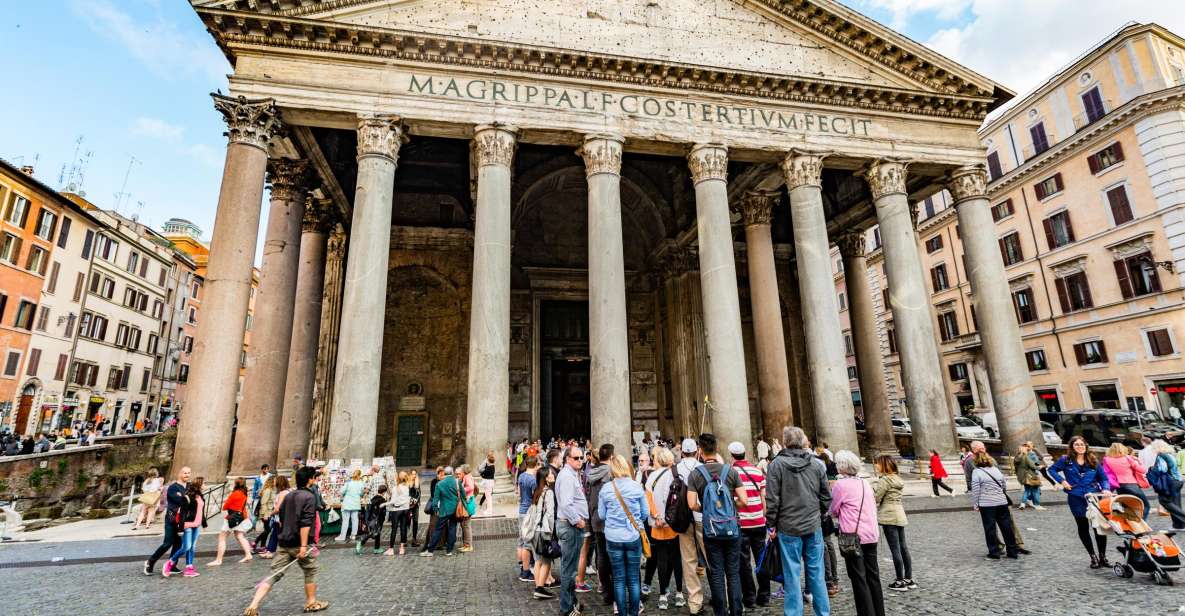
- Pantheon interior time: you’ll actually go inside a remarkably intact Greek-Roman temple.
- Piazza Navona’s Baroque set piece: including Bernini’s Fountain of the Four Rivers and context about Domitian’s stadium.
- Sant’Ignazio’s trompe l’oeil dome: an illusion effect that’s easier to appreciate in person.
- Trevi Fountain finale: you end with the classic coin-throw moment and a wish.
A Walk That Connects Centuries Without Feeling Like a Lecture
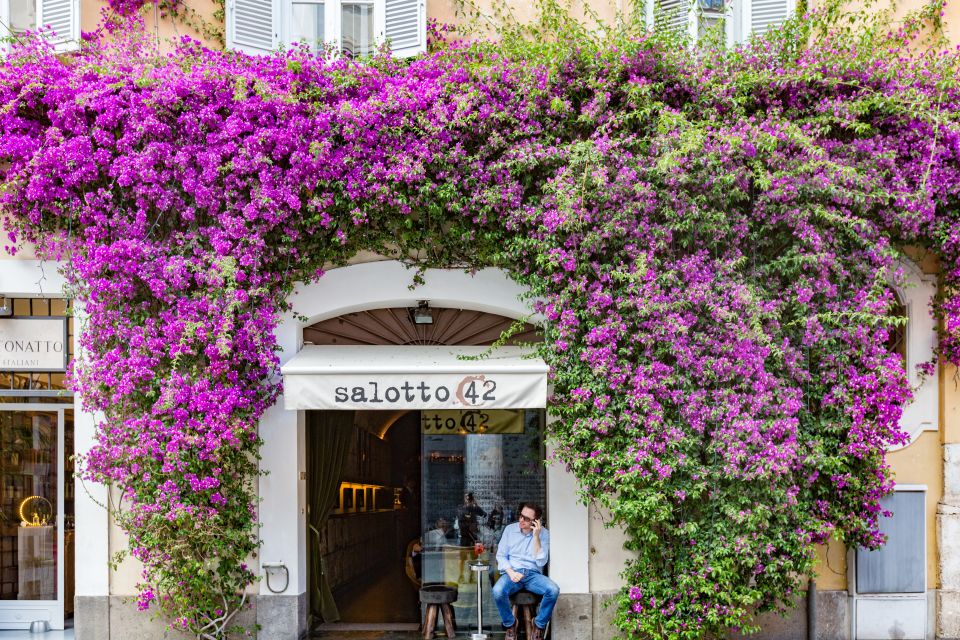
This is the kind of Rome tour that helps you get your bearings fast. You start in the Spanish Steps neighborhood, then work your way through Rome’s most famous public spaces—places where centuries of building overlap in plain sight. The timing is short enough to keep your energy, but the stops are big enough that it feels like you really saw something.
You’ll also notice the approach: the guide’s job isn’t only to name monuments. It’s to explain why these locations matter—how Roman, Renaissance, and Baroque Rome all share the same street corners. That’s where the small-group format helps. You can ask questions and stay close, rather than being swallowed by a crowd.
Finally, the guide element is repeatedly the difference-maker. Names like Stefano and Bruno come up in feedback for a reason: the pacing feels human, and the delivery has personality. One guide even shared a small treat like tiaramisu, even though food isn’t part of the tour. That kind of extra warmth can make a 2.5-hour walk feel lighter.
You can also read our reviews of more tours and experiences in Rome.
Meet at the Spanish Steps, Not the Chaos
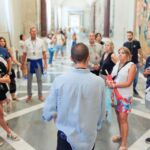
You meet your guide at the entrance of the Keats and Shelley Museum at the bottom of the Spanish Steps, in front of an Acqua di Parma store. The guide will be wearing a “GETYOURGUIDE” badge or holding a sign with the same logo, and you’re asked to arrive about 10 minutes early so the group can start together.
This matters more than you might think. Around the Spanish Steps area, it’s easy to lose time circling the same sidewalks. Showing up early keeps the first segment calm and lets you settle into the day’s rhythm.
What I like here is that the meeting point is specific and visual, not vague. If you’ve ever tried to find a tour sign in Rome, you know how rare that is.
Up the Spanish Steps to Trinità dei Monti
Right away, the tour follows the flow of the staircase up to the late Renaissance church of Trinità dei Monti. Even if you’ve seen the Spanish Steps in photos, walking near the buildings changes how you understand the space. It’s not just scenery—it’s a viewpoint and a stage.
Trinità dei Monti acts like a transition. You’re leaving the busy streets below and moving into the kind of Rome where architecture and public life collide. The guide’s narration here helps you notice how the church and piazza language differs from what you’ll see later at Baroque fountains and grand squares.
If you’re sensitive to stairs, take it slow at the start. This tour is walk-first, and the early climb sets the tone for what comes next.
Bernini’s Half-Sunken Ship at Piazza di Spagna
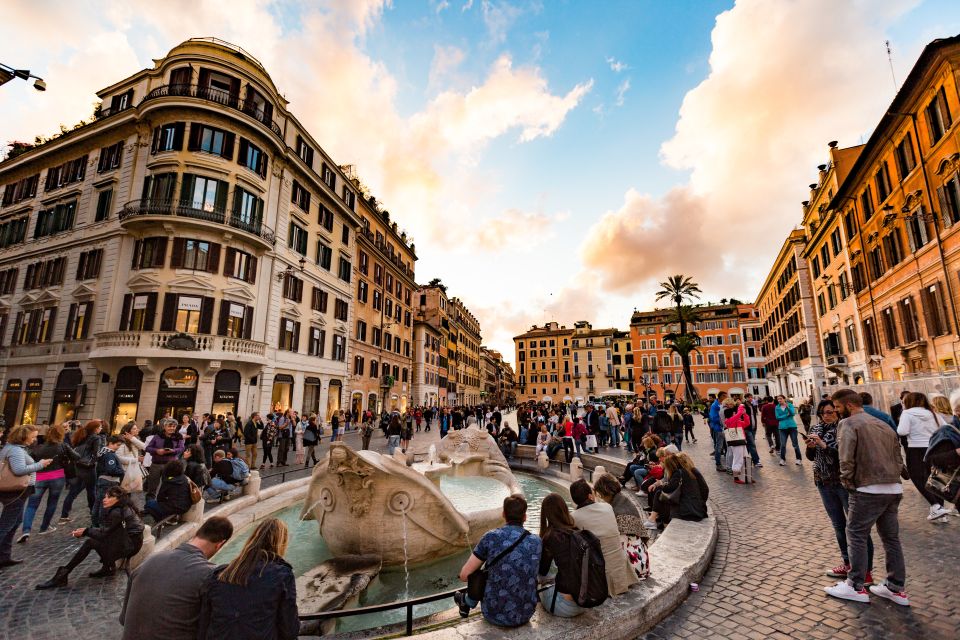
From the Spanish Steps zone, you’ll get to one of the tour’s headline moments: Bernini’s fountain of a half-sunken ship at Piazza di Spagna. This is exactly the sort of Rome detail that feels playful until you look closer and realize it’s carefully designed drama.
What makes this stop valuable on a guided walk is the framing. Without explanation, it can read as just another ornate fountain. With a good guide, it becomes part of the Baroque storytelling style—Rome showing off imagination and engineering in the same breath.
Also, positioning matters. Being there with the group at the right time can mean you’re not stuck behind the biggest crowds of the square.
Piazza Navona: Domitian’s Stadium Becomes Baroque Theater
Then you hit Piazza Navona, and it’s hard not to see why the tour spotlights it. The square is tied to the old “Stadium of Domitian,” built in 85 A.D. for athletic games, which gives you a fascinating layer of continuity. The shape of the place carries older purposes, even as Baroque Rome took over with sculpture, fountains, and theatrical composition.
The big visual anchor is Bernini’s Fountain of the Four Rivers, which the guide connects to the wider Baroque mood of the city. You’re not just staring up at marble. You’re understanding how public squares become statements: about power, taste, and how Rome wanted to be seen.
If you like architecture that feels like it has a point of view, this is one of the stops that clicks. Piazza Navona is one of those places where the guide’s job is to help you “read” the square, not just appreciate it.

The Pantheon Interior: One of Rome’s Best “Wait, We’re Going In?” Moments
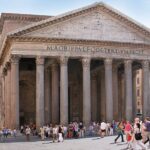
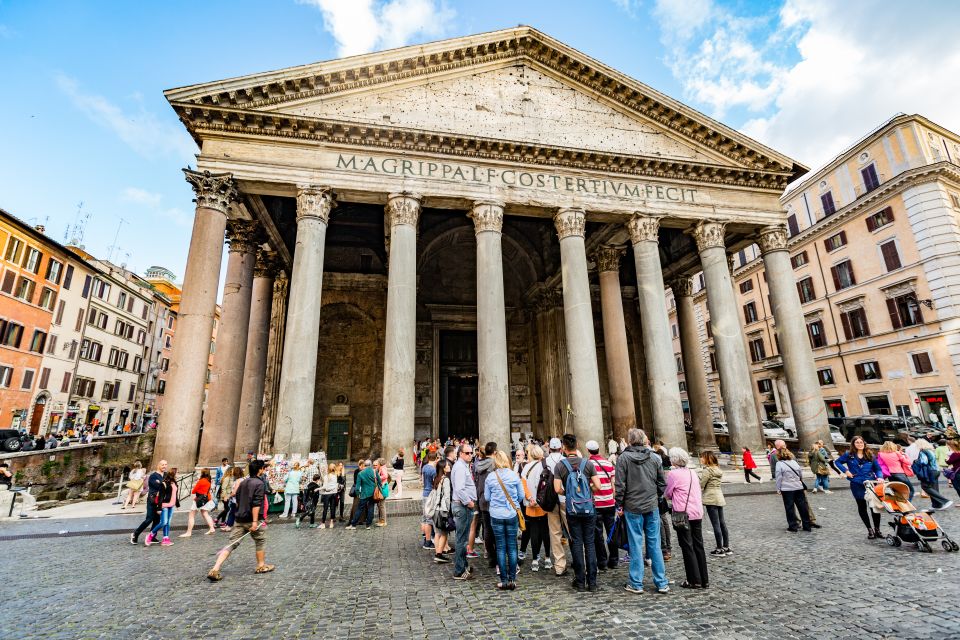
Next up: the Pantheon. You’ll walk over with the kind of context that makes it more than a famous building you’ve seen from the outside. The tour includes time to go inside the Pantheon, described as a remarkably intact Greek-Roman temple in the style of what ancient Romans did.
That word—inside—matters. Rome has plenty of exterior monuments, but access changes how you experience them. Inside, you feel the scale in a different way, and the structure starts to make architectural sense. The guide helps you connect the Pantheon to the broader story of Rome’s long building tradition.
From practical experience, this stop is also a good anchor for the whole tour. Even if you’re tired from walking, the Pantheon interior tends to reset your attention. It’s the kind of place where you stand still without realizing it.
Marcus Aurelius Column: Movie Scenes on Real Stone
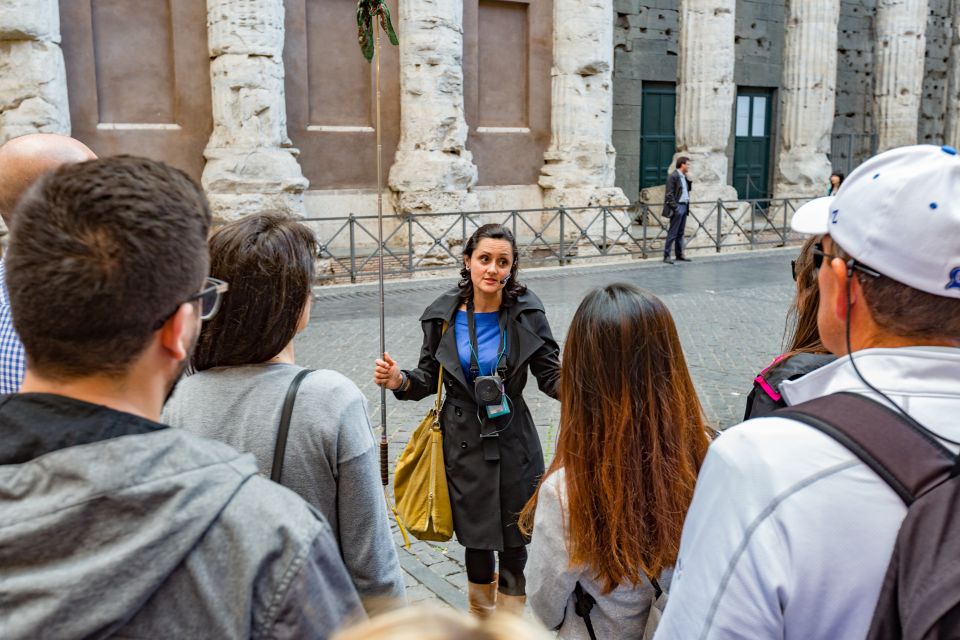
After the Pantheon, the itinerary includes the carved Column of Marcus Aurelius. The best part of this stop is the connection the guide draws to familiar pop culture: it includes original scenes from the movie Gladiator.
This is a smart trick for travel memory. It gives you an entry point if you aren’t a specialist in Roman sculpture. You look, you recognize the narrative energy, and then you understand what you’re seeing as a piece of historic imagery rather than just set dressing.
It’s also a great reminder that Rome wasn’t only a “background” for later art. It actively inspired later storytelling, including movies that borrowed Rome’s visual language.
Sant’Ignazio Church: Trompe L’oeil at Dome Level
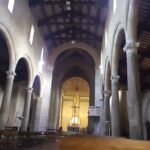
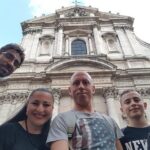
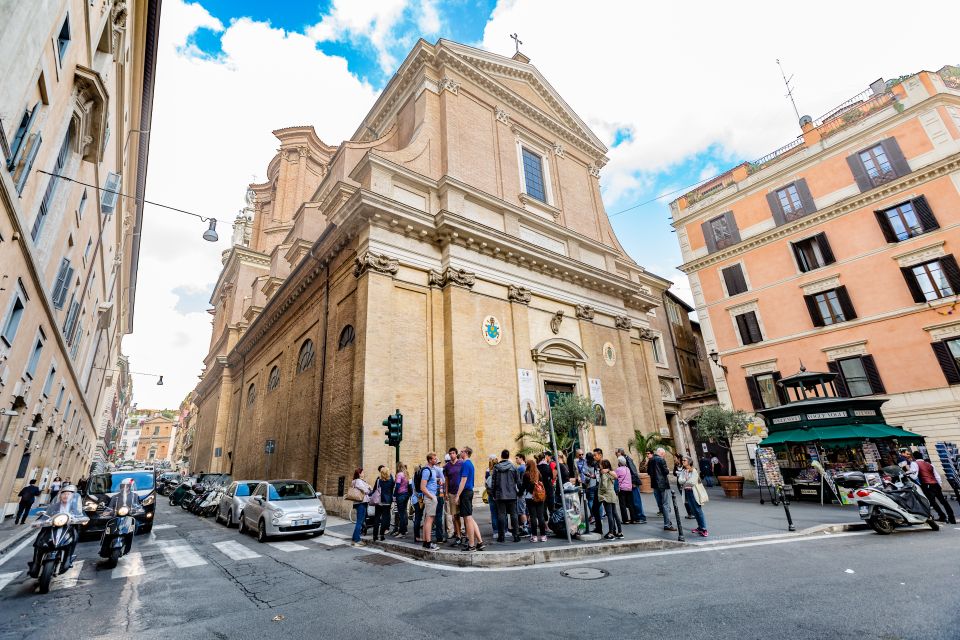
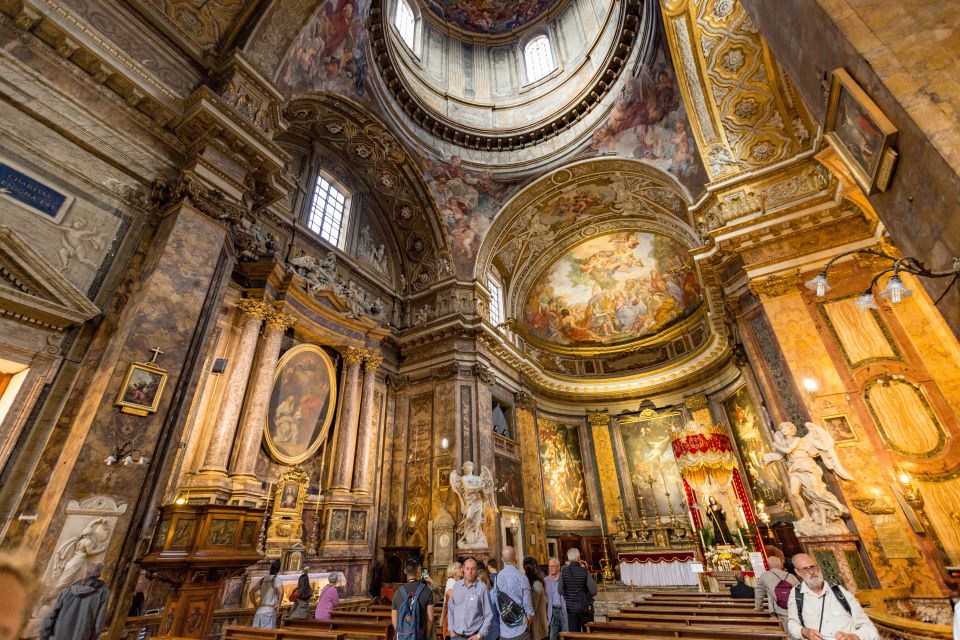
One of the tour highlights is Sant’Ignazio Church, specifically its finest example of trompe l’oeil in the dome. Trompe l’oeil is the kind of thing you can fail to “get” from a postcard. But in person, it clicks faster because you’re seeing perspective from the correct angle.
This stop is a change in pace from fountains and squares. It moves you from open-air space into stillness, where the illusion effect can be appreciated in the context the church designers intended.
Two practical notes here:
- Be ready for church-entry rules. The tour asks you to cover shoulders and knees.
- Dress matters most when you’re trying to enter smoothly without delays at the entrance.
If you follow that, you’ll enjoy the stop more, because you spend less time adjusting and more time watching.
Trevi Fountain Finale: Coin, Wish, and a Good Mental Snapshot
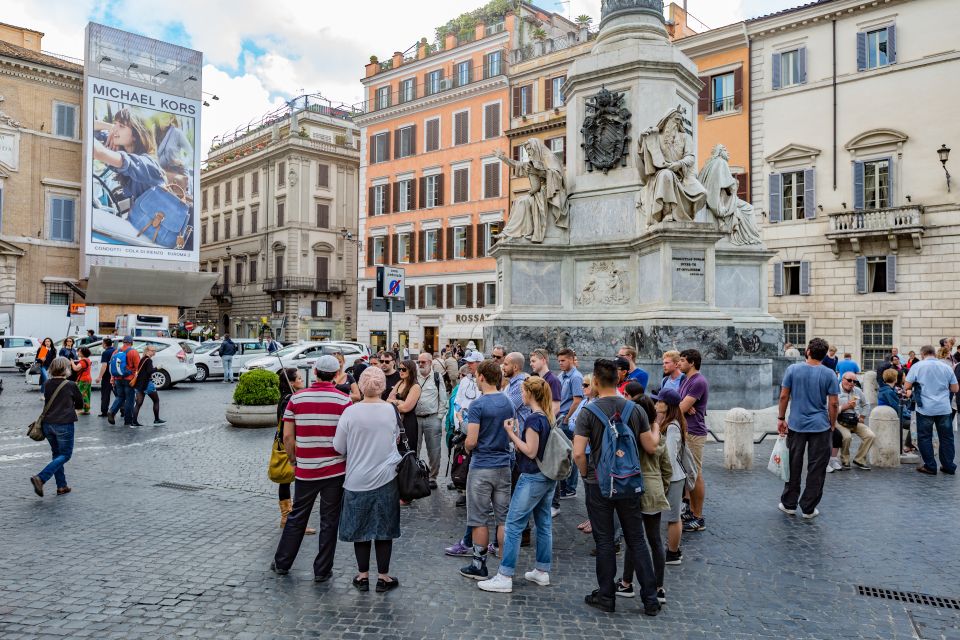
At the end, you reach the Trevi Fountain, one of Rome’s most iconic encounters. The tour includes the classic tradition: throw a coin and make a wish to one day return to Rome.
This is a fun finish, but it’s also a smart way to cap the tour’s theme. You’ve walked from the Spanish Steps and older Roman traces through Renaissance and Baroque moments, and then you land at a fountain that sums up Rome’s flair for spectacle.
What I suggest after you throw the coin: take a quick moment to let it all connect in your head. The Trevi is a great photo moment, but the real win is seeing how it relates to the fountains you saw earlier—especially the Baroque attitude toward drama and detail.
The tour ends back at the meeting-point area, but practically, plan for the finale to feel like a natural stop near Trevi. If you want gelato or a quick espresso afterward, this is when you’ll be most ready for it. (Your guide will also point you toward a gelato spot during the walk.)
Group Size, Pace, and Why the Guide Often Steals the Show
This is a small-group tour with a maximum of 20 participants. In Rome, smaller is not just a comfort thing. It changes how you experience the stops. You stay together better, and you can hear the guide without playing detective in the crowd.
Pace is another factor. Several accounts point to guides keeping things moving without turning it into a sprint. Even in cold, rainy weather, guides like Stefano kept the group engaged and helped people stick with the plan. That’s important because this is a walk you should expect to do outdoors for much of the time.
Also, there’s a practical rule: no translating is allowed during the tour for group comfort. So if you’re looking for a guide who can switch languages on the fly, this isn’t that format. The tour is English-speaking, and the delivery stays consistent.
Price and Value: What $45.55 Gets You in Rome
At about $45.55 per person, this tour is priced like a “smart shortcut.” You’re paying for:
- A fully licensed English-speaking guide
- Access/entry to the Pantheon interior
- Time in multiple major public spaces that would otherwise take you hours to string together on your own
You could pay less and wander solo, of course. But wandering won’t give you the connections: why Piazza Navona sits on older stadium ground, why the Sant’Ignazio dome illusion is worth pausing for, or why the Column of Marcus Aurelius links to Gladiator.
And the guide energy matters here. Feedback repeatedly mentions enthusiasm and humor, plus guides like Bruno and Stefano who feel personable and flexible. One highlight: a tour even ran with just two people, turning it into a more personal experience. You shouldn’t assume that every day, but small-group operations do make it possible on lighter schedules.
For many first-timers, this is the kind of tour that improves the rest of your trip. You come away with mental landmarks, so when you later plan the Colosseum, Vatican area, or Trastevere, your Rome map makes more sense.
Practical Tips That Make the Tour Easier
This tour runs on foot and includes church time. Here’s how to set yourself up:
- Wear comfortable shoes. You’ll be on your feet and moving between squares.
- Plan comfortable clothes that can handle church entry.
- Bring a layer for weather. Reviews mention December rain and cold, and it’s an outdoor-heavy itinerary.
- Follow the no-shortcuts dress rule: shoulders and knees covered for church and private areas.
- Skip props: no strollers and no wheelchairs, and shorts and short skirts aren’t allowed.
One more note: the tour prohibits things like food/drink and smoking during the walk. That’s normal for group flow. If you want gelato, do it before or after, and let the guide point you to a good spot.
Who This Tour Fits Best (And Who Might Want Something Else)
This tour is a strong match if you:
- Want a fast way to see major Rome landmarks connected by a single story
- Enjoy architecture, fountains, and public squares
- Like tours where the guide makes the walk fun, not stiff
- Appreciate when guides like Stefano or Matteo bring humor and energy to keep attention
It’s not the right fit if you:
- Need wheelchair access or are traveling with a stroller (this itinerary isn’t possible with those)
- Are traveling with children under 10
- Prefer very flexible sightseeing with lots of stops you control yourself
If your ideal Rome day is mostly indoor museum time, you might find this too outdoors. But if your ideal day is “streets first,” this is a solid choice.
Should You Book This Rome Fountains and Squares Tour?
Yes—if you want an efficient, friendly intro to some of Rome’s most famous spaces, this tour earns its place. You get a guided path from the Spanish Steps up through the kind of squares and monuments that define Baroque Rome, plus the big payoff of going inside the Pantheon and seeing Sant’Ignazio’s trompe l’oeil dome.
I’d book it sooner in your trip, not later. It helps you understand where things sit in relation to each other, so the rest of your Rome days feel easier. Just show up prepared for walking and dress rules, and you’ll get the best version of this experience: a guided route that feels like Rome’s architecture has a voice.
FAQ
How long is the Rome Fountains and Squares Small-Group Walking Tour?
The tour lasts about 2.5 hours.
Where do I meet the guide, and where does the tour end?
Meet by the entrance of the Keats Shelley Museum at the bottom of the Spanish Steps (in front of the Acqua di Parma store). The activity ends back at the meeting point.
What sights are included on the tour?
You’ll see major sights including the Pantheon (inside), Trevi Fountain, Piazza Navona, and the tomb of Raphael, plus stops connected to Bernini’s fountains and Sant’Ignazio Church’s trompe l’oeil dome.
Is the guide available in English?
Yes. The tour includes a licensed English-speaking guide.
Is this tour suitable for kids, wheelchairs, or strollers?
It isn’t suitable for children under 10, and it’s not possible to join with strollers or wheelchairs due to the itinerary.
What should I wear or bring for the tour?
Wear comfortable shoes and comfortable clothes. You should also be prepared to cover your shoulders and knees for entering churches and some monuments.