REVIEW · ROME
Rome: Guided Walking Tour in English or Spanish
Book on GetYourGuide →Operated by Global Experiences · Bookable on GetYourGuide
Rome at night turns monuments into drama. On this guided walk, you get a local guide’s take on the big hits like the Pantheon and Trevi Fountain, plus the lesser-known stories that make the city feel personal. I also like the tight 2-hour format: you hit a serious chunk of central Rome without spending your evening in transit. The main catch is practical—your meeting point can be tricky to spot at first, so plan to arrive early and follow the guide’s instructions carefully.
You’ll choose an English or Spanish guide, and the tour is designed for evening or nighttime light when the sights look softer and less rushed. Starting points can vary by option, with meet locations around Trajan’s Column or Piazza Navona, and other departures near Piazza d’Aracoeli or Piazza di Pasquino. If you like to ask questions and keep moving at a comfortable walking pace, this kind of tour can be a great fit.
You may also meet guides praised for clarity and humor—names like Dan, Theo, Alina, and Sila pop up in people’s notes. Their shared strength is simple: they explain what you’re looking at and why it matters, not just what the monument is called.
In This Review
- Key things to know before you go
- A Two-Hour Rome Night Walk That Actually Stays Central
- How much walking are you signing up for?
- Where You Meet the Guide (and How Not to Get Stuck Circling)
- Stop 1: Piazza d’Aracoeli or Piazza di Pasquino (Your Central Rome Kickoff)
- Stop 2: Monumento a Vittorio Emanuele II (Quick Context, Big Views)
- Stop 3: Trevi Fountain (15 Minutes of Why-It-Works Energy)
- Stop 4: Pantheon (20 Minutes to Understand a Legendary Building)
- Stop 5: Piazza Navona (20 Minutes of Squares-with-a-Backstory)
- Stop 6: Trajan’s Column (15 Minutes of Power and Politics)
- The Smaller Stops: Church Illusions and Political Whiplash
- What Makes This Tour Good Value at $28
- Pacing, Listening, and the Reality of Night Squares
- Who Should Book This Rome Walking Tour
- Should You Book This Tour?
- FAQ
- How long is the Rome guided walking tour?
- What major sights are included on the route?
- Where do we meet the guide?
- What languages are available for the live guide?
- Is a private group available?
- What’s included in the price?
- Is food and drink included?
- Can I cancel and get a refund?
Key things to know before you go
- Night lighting makes the classics look different: Trevi and the Pantheon can feel more cinematic after dark.
- Multiple meeting-point options: Trajan’s Column, Piazza Navona, or other central starts depending on your booking.
- A packed-but-doable route: Vittorio Emanuele II, Trevi Fountain, Pantheon, Piazza Navona, and Trajan’s Column.
- Stories that connect eras: you’ll hear how different periods of Rome—and even politics—show up in what you see.
- The guide quality is the whole point: expect engaging anecdotes and explanations at each stop.
- Wear good shoes: you’re walking through cobblestones and busy squares for about 2 hours.
A Two-Hour Rome Night Walk That Actually Stays Central
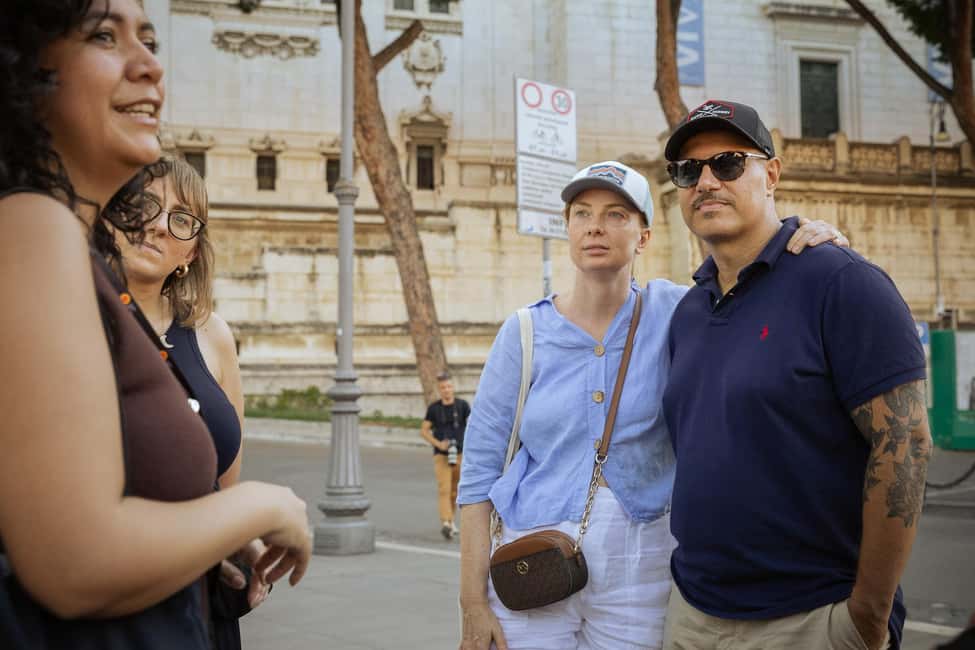
This is a classic Rome move: walk the historical core with a local guide, then let the city do what buses can’t. In a compact 2 hours, you cover major landmarks in the center of town, with stops that give you time to look up, slow down, and understand what you’re seeing.
I like the way the route is built around landmarks you’ve already heard of, but the guide work changes your experience. You’re not just ticking off photos. You’re getting the context behind the spaces—how squares and monuments link to Rome’s past and even to more recent political stories.
Best part for practical travelers: it’s designed for evening light. Even if you’ve seen a few sights earlier, doing them again at night often brings a different mood—streets feel calmer, buildings cast stronger silhouettes, and the whole center looks more dramatic.
You can also read our reviews of more tours and experiences in Rome.


How much walking are you signing up for?
The tour duration is 2 hours, so treat it like a brisk city stroll. You’ll be on foot between central squares, with short guided segments at each stop. Bring comfortable shoes and comfortable clothes, because Rome’s pavements and evening temperatures can surprise you.
Where You Meet the Guide (and How Not to Get Stuck Circling)
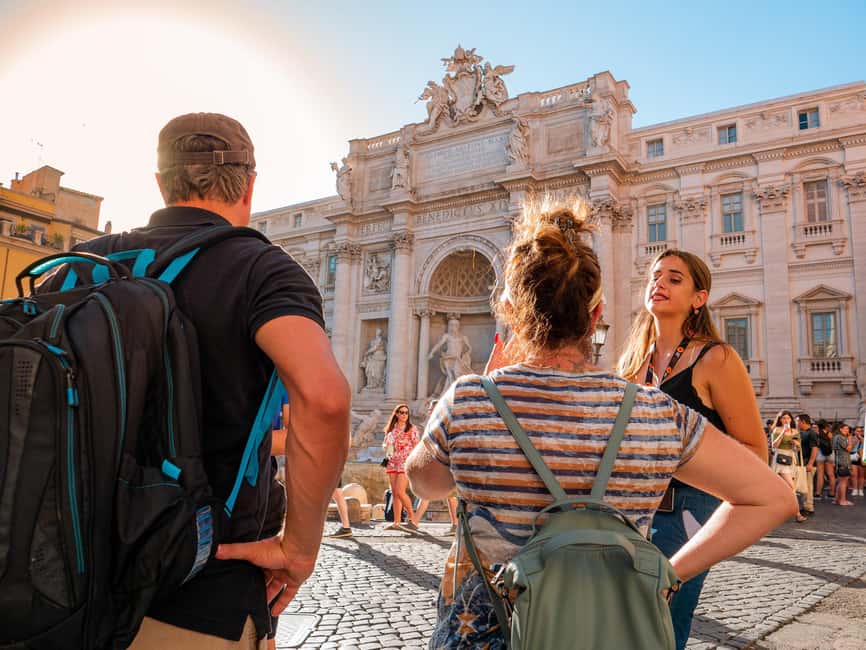
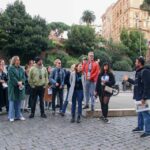
This tour has multiple meeting-point options, which is convenient when you’re flexible—but annoying when you’re not paying attention. Depending on the tour you choose, you meet your guide at Trajan’s Column or Piazza Navona. Other departures list starts near Piazza d’Aracoeli or Piazza di Pasquino.
Your best bet is simple: arrive early and give yourself enough buffer time to find the right spot. In reviews, people repeatedly mention difficulty locating the guide at the start, so I’d rather you be early than late. If you’re meeting by a landmark square, stand where the directions tell you, not where it looks easiest to park your feet.
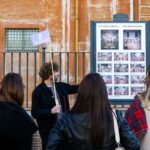
One small trick that helps in Rome: once you’re near the meeting area, pause and scan for the guide’s visual cue. A guide is usually easy to spot when you’re close; the challenge is when you’re a block away and guessing.
Stop 1: Piazza d’Aracoeli or Piazza di Pasquino (Your Central Rome Kickoff)
The tour starts at one of two main beginning points: Piazza d’Aracoeli or Piazza di Pasquino. This matters because these areas help you ease into the center rather than starting right at the busiest tourist magnets.
Think of this early segment as your orientation phase. You’ll get historical framing that makes later stops land better. Instead of absorbing random facts, you start with the logic of where you are and why the next squares feel connected.
If you’re the type who likes understanding the layout of a city while you walk, this is where the tour begins doing its job.
Stop 2: Monumento a Vittorio Emanuele II (Quick Context, Big Views)
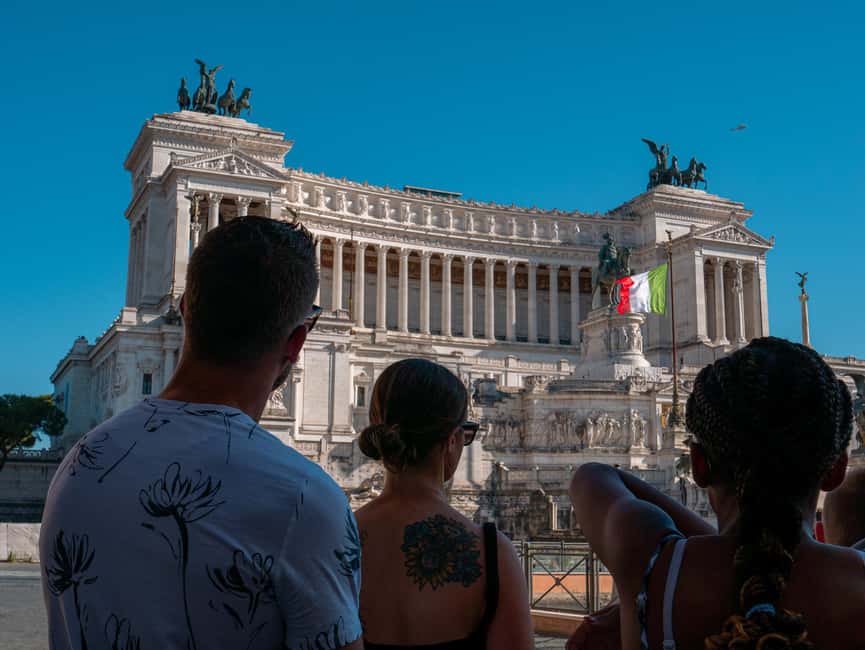
Next up is the Monumento a Vittorio Emanuele II, a major visual anchor in central Rome. The guided time here is about 10 minutes, so you’ll get a focused explanation without lingering too long.
This stop is valuable because it ties location to meaning. The monument sits in an area closely associated with Piazza Venezia, and the guide’s job is to connect what you see now with why it was built and what it represents. It’s one of those places where it helps to have someone tell you what to look for—especially when the scale is what first hits you.
Drawback to note: because it’s a short stop, you won’t get a deep architectural tour of every detail. If you love monuments, plan to enjoy this as the “setup” stop before the more story-heavy segments.



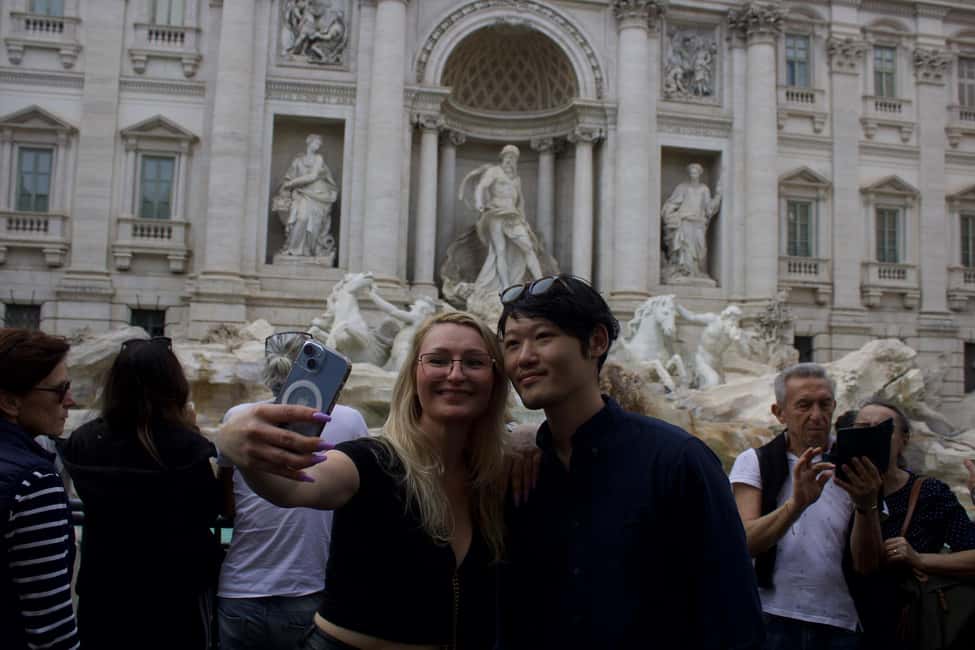
Stop 3: Trevi Fountain (15 Minutes of Why-It-Works Energy)
Then you move to Trevi Fountain for about 15 minutes. This is the tour’s classic moment, and it usually plays well even if you’ve seen Trevi before.
What makes Trevi on a guided walk worth it is the guide’s explanations. You’re not just looking at a beautiful fountain—you’re learning why it’s framed the way it is, how it fits into the surrounding city story, and what the space is doing culturally.
This stop is also a good time to practice your Rome behavior: look, then step aside, then look again. In busy squares, crowd flow can turn sightseeing into a photo slideshow. A guide’s pacing helps you slow down and absorb more than just one angle.
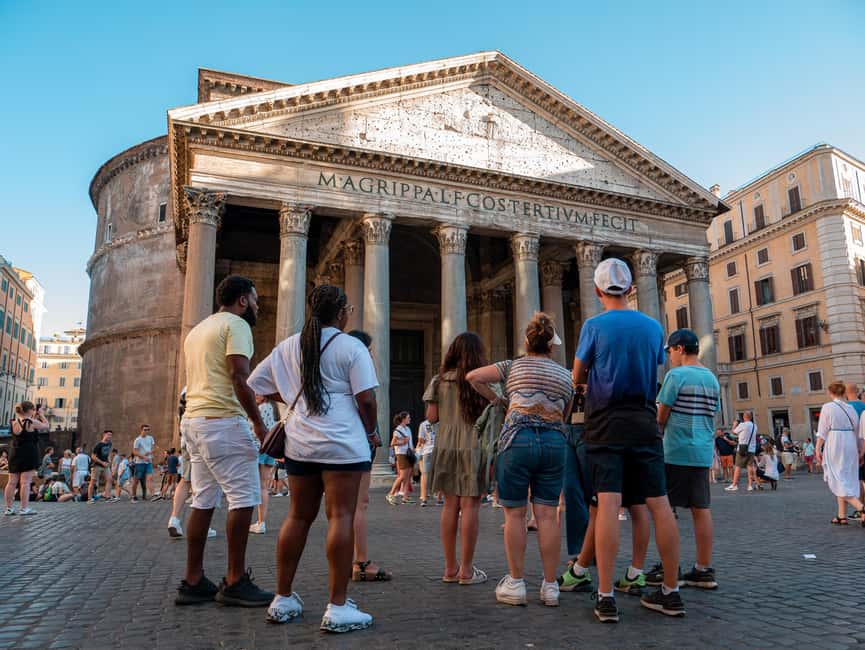
Stop 4: Pantheon (20 Minutes to Understand a Legendary Building)
The Pantheon gets about 20 minutes on this route. That timing is great, because it gives you enough minutes to understand the monument without turning the walk into a long museum visit.
Here’s why this stop tends to matter: guides can explain the structure and the symbolism in a way that clicks fast. Instead of treating it like a landmark you walk past, you get the “why” behind what you notice—shape, design choices, and how the Pantheon fits into Rome’s story of religion, power, and art.
A practical note: the Pantheon area can be busy, especially at night. If you’re at the back, you’ll hear less clearly. I’d aim to position yourself where you can both look and listen.
Stop 5: Piazza Navona (20 Minutes of Squares-with-a-Backstory)
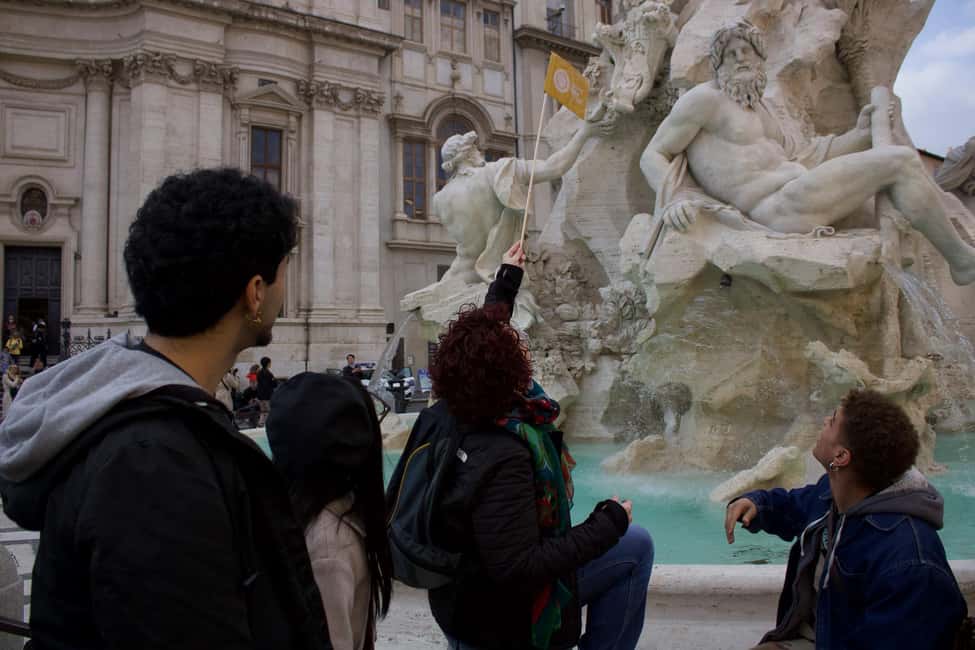
Next comes Piazza Navona for about 20 minutes. This is one of those Rome squares where the architecture and the atmosphere work together. Even without going inside anything, you can feel the layers of time around you.
What I like about this stop on a guided walk is the way it connects the physical layout to historical change. Your guide will talk about the historical significance of famous squares—how some relate to major moments in Italy’s unification story, and others connect to more recent eras as well. It gives the square a plot, not just a view.
If you’re trying to understand Rome quickly, Piazza Navona is a strong chapter. It’s central, memorable, and easy to frame in your mind after the tour.
Stop 6: Trajan’s Column (15 Minutes of Power and Politics)
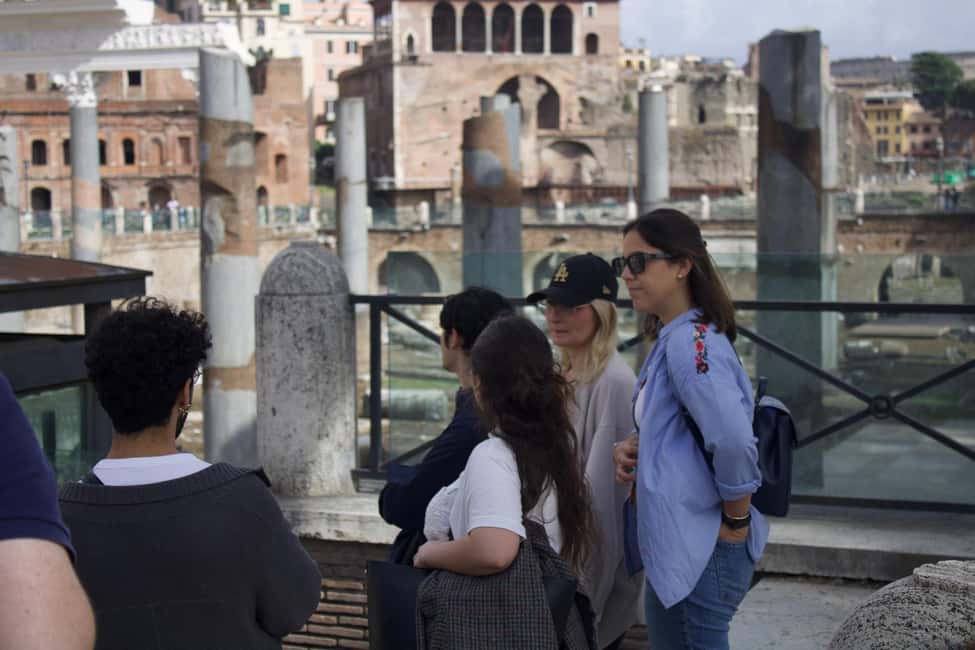
You finish with Trajan’s Column for about 15 minutes. Trajan’s Column is a standout because it’s not only an object to photograph—it’s a message carved in stone. A good guide helps you connect the monument to the broader Roman world it represents.
This stop also helps the tour feel complete. You’ve already seen the monumental center and major fountains; now you land in a piece of Rome that screams imperial messaging. When the guide connects it to the surrounding area and explains what you’re looking at, the tour stops feeling like a checklist.
In the background, there’s a theme running through the walk: Rome’s public spaces are never just decoration. They’re statements—about leadership, faith, and later political stories too.
The Smaller Stops: Church Illusions and Political Whiplash
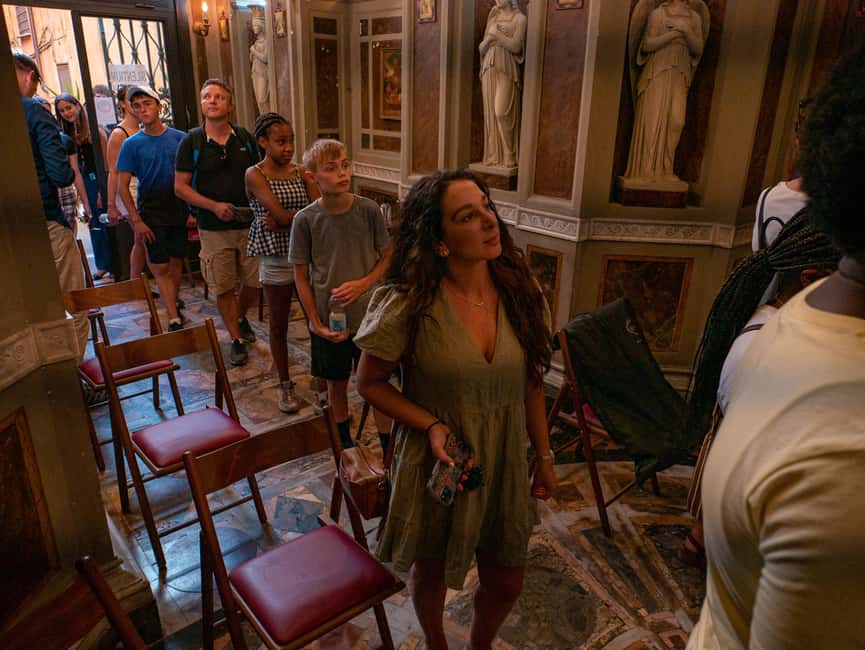
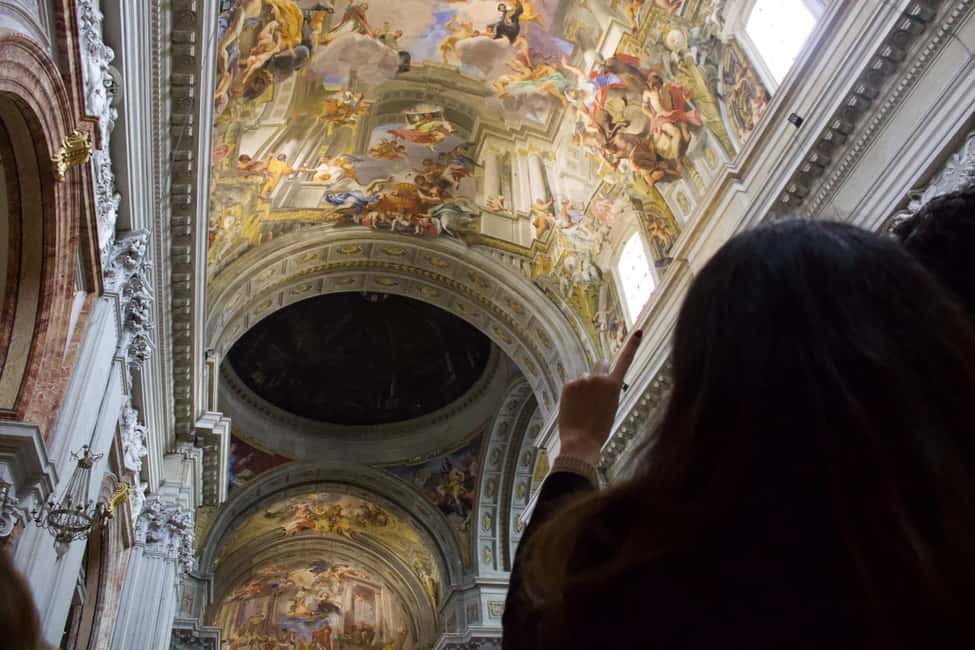
The itinerary highlights big-name monuments, but the walk includes the kind of side moments that often make the whole tour memorable. You’ll pass a small church with a hidden painted illusion, and you’ll hear about stories and scandals tied to some of Rome’s more recent politicians.
I love when a guide includes these turns, because they add texture. Rome can feel like one big timeline, but these micro-stories remind you the city is a living place. You’re walking through spaces that still carry meaning, even when they’re wrapped in centuries-old stone.
One consideration: these asides depend on the pace of your group and where you are along the route. Don’t count on every side detail being equally long. But if your guide is strong, you’ll still leave with those moments in your head.
What Makes This Tour Good Value at $28
At $28 per person for a 2-hour walking tour, you’re paying for three things: a guided route, a local explanation at each stop, and time-efficient coverage of the center. The alternative is doing it solo with a map and a vague audio guide, which can work—but you lose the “why” that makes monuments start talking back.
This tour includes a local guide, the walking tour, and a list of recommendations. That last part matters more than you’d think. A good guide route in Rome is one thing; a few smart suggestions for what to do next is how you turn one evening into a longer, smoother stay.
What’s not included is also clear: food & drink. So treat the tour as the pre-dinner or post-dinner plan, and plan your snack break separately.
If you’re budgeting, this is a solid choice for first-time Rome visitors who want major sights without committing to tickets, lines, or a half-day of planning.
Pacing, Listening, and the Reality of Night Squares
Most of the guided segments are around 10–20 minutes each, which keeps the tour moving. That’s good if you get impatient standing still. It can be less ideal if you want long breaks to wander on your own.
Also, sound can be a factor at night. Some sections of central Rome are open and windy, and others are crowded. If you find it hard to hear, step closer. Don’t fight the crowd from the edge.
The overall vibe is meant to be engaging. People have praised guides for keeping groups involved, using humor, and answering questions at the right moments. That’s where the tour becomes more than “walk and look.”
Who Should Book This Rome Walking Tour
This is a strong fit if you:
- want a night-focused way to see central Rome
- like learning fast, stop-by-stop, with a guide leading the route
- feel better with structure when visiting big sights like the Pantheon and Trevi Fountain
- want value: a lot of famous sights in 2 hours
It might be less ideal if you:
- hate walking on uneven pavement
- need lots of free time to wander between stops
- expect a ticketed, inside-the-building tour at every stop (the available info doesn’t promise specific entry times)
Should You Book This Tour?
I’d book it if you’re aiming to get oriented and impressed in one go. For $28, the tour gives you a guided path through the center and helps you see iconic sights with context, especially under nighttime light.
Do this if you’re traveling solo, as a couple, or with friends who want a plan. It’s also a smart move for travelers who’ve seen Rome in daylight and want a second pass with stories and mood.
Just do one thing: arrive early at your exact meeting point option. Then you can relax and enjoy the walk.
FAQ
How long is the Rome guided walking tour?
The tour duration is 2 hours.
What major sights are included on the route?
You’ll pass key central landmarks including the Monumento a Vittorio Emanuele II, Trevi Fountain, the Pantheon, Piazza Navona, and Trajan’s Column.
Where do we meet the guide?
Meeting points vary by option. You may meet near Trajan’s Column or Piazza Navona, and there are also starting location options near Piazza d’Aracoeli or Piazza di Pasquino.
What languages are available for the live guide?
The live tour guide is available in English and Spanish.
Is a private group available?
Yes, a private group option is available.
What’s included in the price?
Included: a local guide, the walking tour, and a list of recommendations.
Is food and drink included?
No, food and drink are not included.
Can I cancel and get a refund?
Yes. Free cancellation is available up to 24 hours in advance for a full refund.