REVIEW · ROME
Rome: Jewish Ghetto & Campo de Fiori by Night Food Wine Tour
Book on GetYourGuide →Operated by Food Raphael Tours and Events · Bookable on GetYourGuide
Seven bites, one memorable night. This Rome evening food-and-wine walk pairs the Jewish Ghetto with medieval Campo de’ Fiori and the baroque drama of Piazza Navona, all at a comfortable nighttime pace. You’ll move through real neighborhoods where food markets, small shops, and old streets still shape daily life.
What I like most is the way the tour blends eating with place-based storytelling. Seeing the Jewish Ghetto with a guide like Fabrizia (or Marco, in other groups) makes the history feel practical, not just dates on a wall. I also love the food volume and variety: up to 15 samples across 7 tasting stops, plus wine, beer, and soft drinks.
One thing to consider: it’s not a dietary-all-eras tour. You’ll find vegetarian options, but it does not accommodate vegans or gluten- or dairy-free diets, and it’s not a kosher food tour. Also, it’s not set up for wheelchair users, since it’s a walking itinerary.
In This Review
- Key highlights to know before you go
- Starting at Piazza Mattei, then walking into the Jewish Ghetto after dark
- The “progressive dinner” format: how 7 tastings actually works
- What you’ll taste: pasta, pastries, and recipes passed down
- Campo de’ Fiori by night: medieval market energy and an easy food buzz
- Piazza Navona and the Four Rivers Fountain: baroque drama in one stop
- Ancient Rome footnotes on the route: Pompey Theatre and key ruins
- Meeting local producers, innkeepers, and food artisans
- Group size, walking pace, and what to wear
- Price and value: what $105 buys in real Rome terms
- Who this Rome Jewish Ghetto & Campo de’ Fiori tour suits best
- Should you book this tour?
- FAQ
- Where do I meet the guide for the tour?
- How long is the Rome Jewish Ghetto & Campo de’ Fiori by Night Food Wine Tour?
- What food and drinks are included?
- How many tasting stops should I expect?
- Is the tour vegetarian-friendly?
- Is this tour kosher?
- Is the tour wheelchair accessible?
Key highlights to know before you go
- Piazza Mattei meeting point: start at the Turtle’s Fountain in the Jewish Ghetto area.
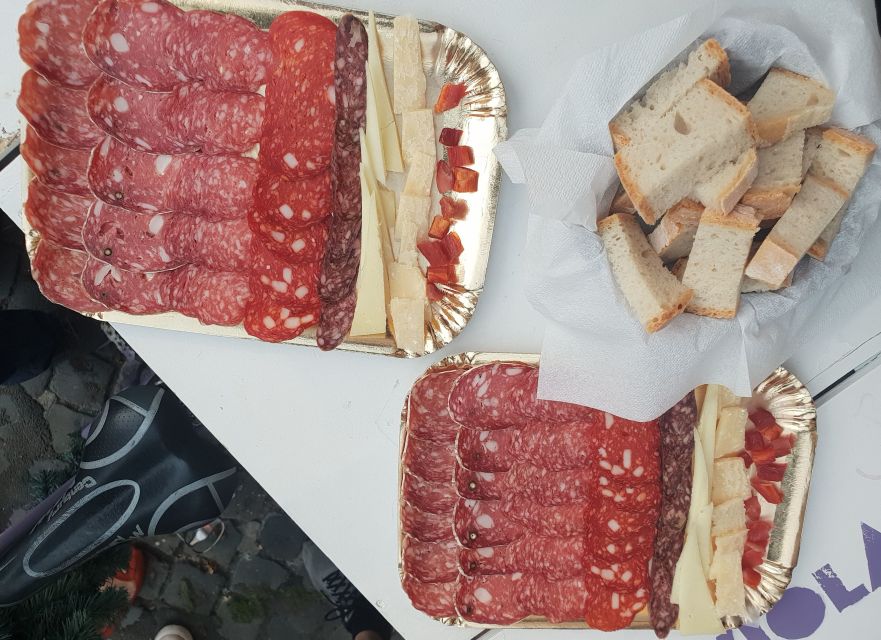
- 7 tasting venues, up to 15 samples: plan to eat more than you expect.
- Wine, beer, and soft drinks included: your evening includes drinks without the extra stops.
- Campo de’ Fiori + Piazza Navona at night: medieval market atmosphere and classic baroque sights.
- Expert guides with city lore: you’ll hear stories that connect recipes to neighborhoods.
- Small group size (max 14): easy conversation and a pace that doesn’t feel rushed.
Starting at Piazza Mattei, then walking into the Jewish Ghetto after dark
The night starts near Piazza Mattei, right by the Turtle’s Fountain, in the Jewish Ghetto area. That location matters because it sets a tone: you’re not just sightseeing buildings, you’re entering a lived-in part of Rome. The evening light also makes the streets feel calmer and easier to read, especially after daytime crowds move on.
From there, the walk focuses on ancient and medieval layers of the city. You’ll stroll past squares where restaurant life and market habits still show up the way they always have. It’s a good setup if you want to get your bearings fast and understand how Rome’s food culture formed where it did.
You can also read our reviews of more tours and experiences in Rome.
The “progressive dinner” format: how 7 tastings actually works
This tour is built like a progressive dinner—not a single sit-down meal where you get one big plate and that’s it. Instead, you’ll hit 7 tasting stops that include restaurants, delicatessens, and other notable food spots, with up to 15 samples overall. So you end up with a variety of bites rather than just one repeated “Roman hits” menu.
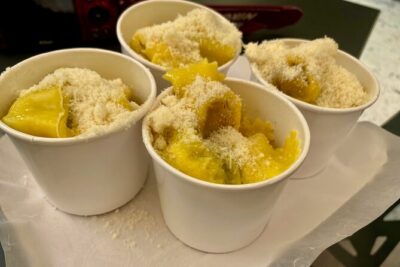
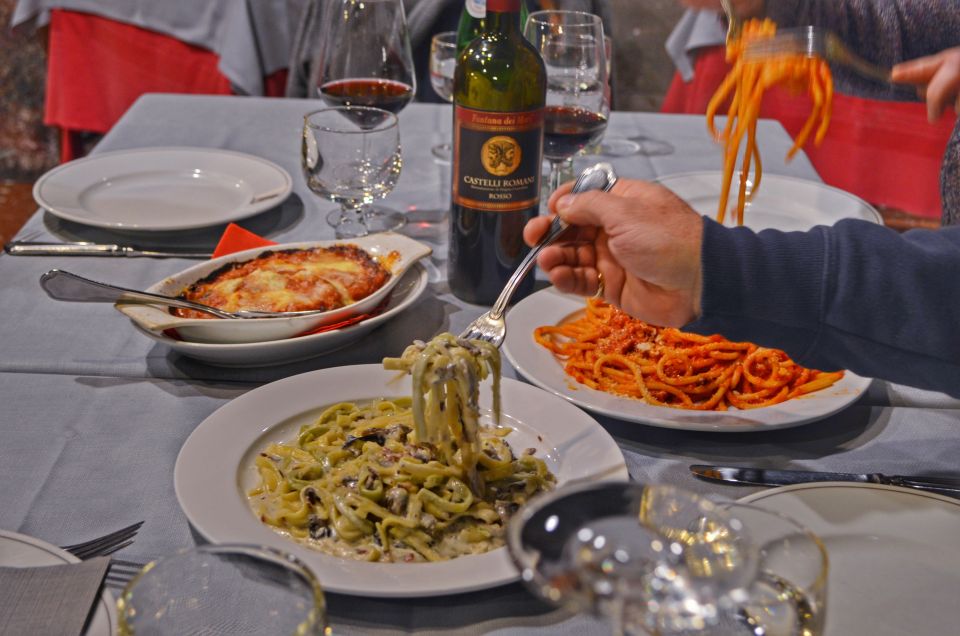
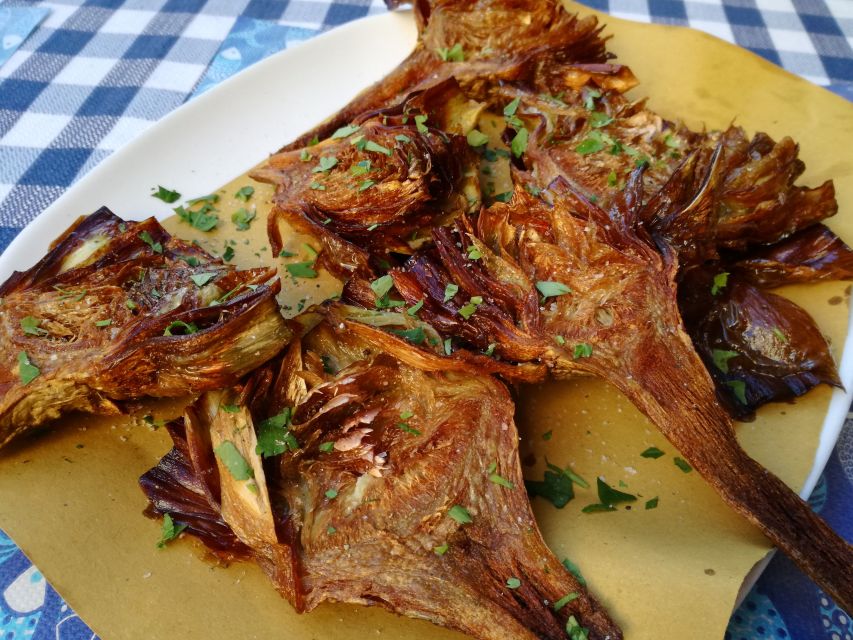
You can expect familiar Roman favorites mixed with Jewish-influenced options along the way. The tour description points to homemade pasta and pastries, and the vibe in the reviews supports that you’ll get both savory and sweet. One review even notes fried artichokes and Jewish appetizers as part of the spread, which tells you this isn’t only about pasta with a side of history.
The drink side is also part of the value. Wine, beer, and soft drinks are included, so you’re not doing mental math every time you want a sip. And because it’s guided, you don’t have to guess what’s worth ordering at each stop.
Practical drawback: you still need to treat this as food-first, not museum-first. You’ll be standing, walking, sampling, and moving on, so if you’re the type who needs long bathroom breaks or slow photo marathons, you might find the pace a touch brisk. The payoff is that you won’t leave hungry, and you’ll sample more than you could reliably find on your own in one evening.
What you’ll taste: pasta, pastries, and recipes passed down
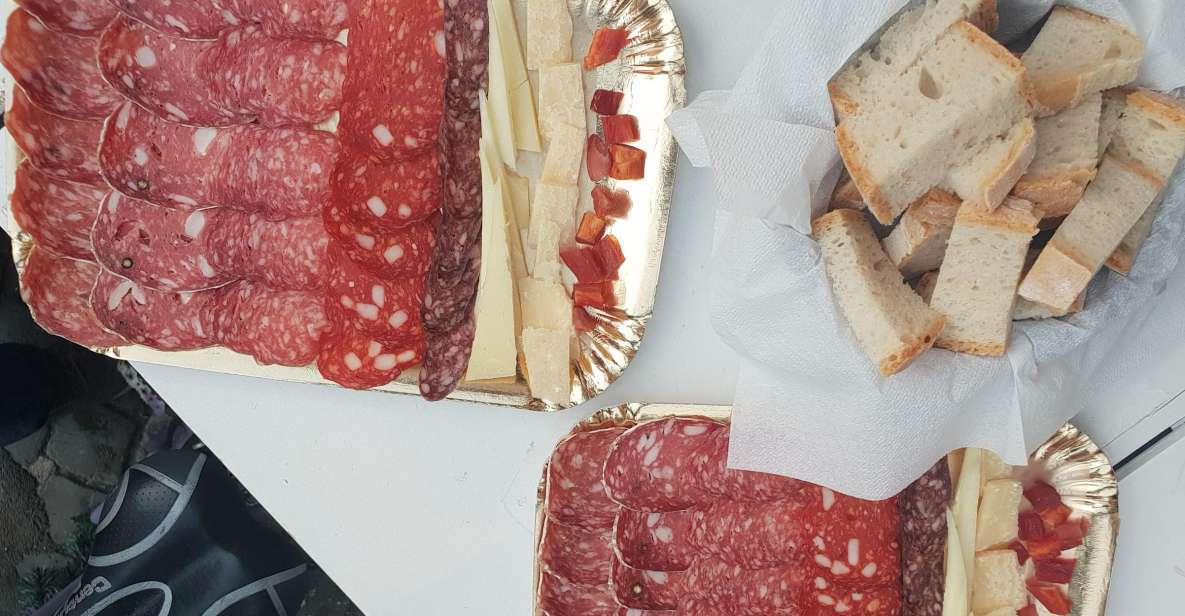
A big part of the appeal here is the emphasis on recipes and tradition. The tour includes stories about learning local recipes that have been passed down through generations, and it also highlights the pride producers have in their products. In other words, the food isn’t random. There’s context behind why something is served, how it’s made, and why it belongs in this neighborhood.
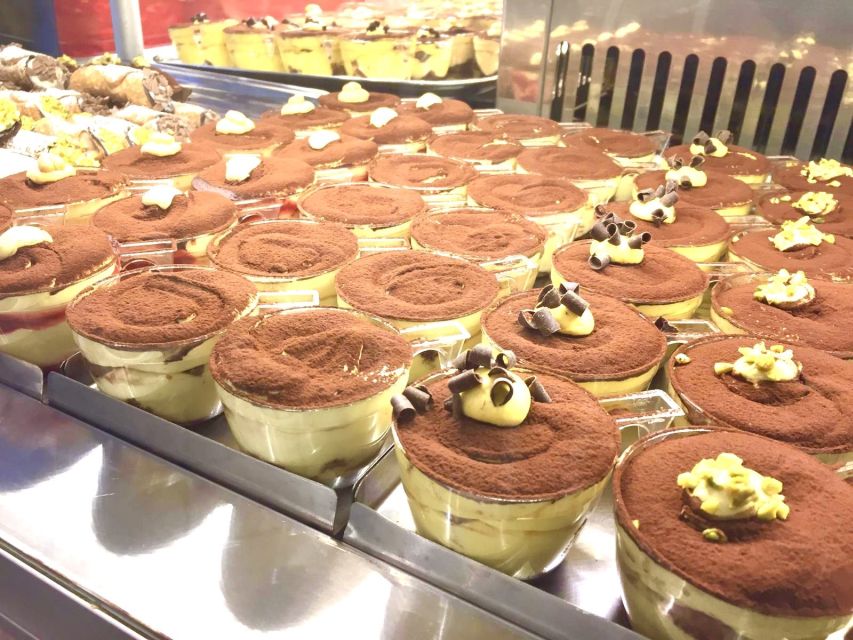
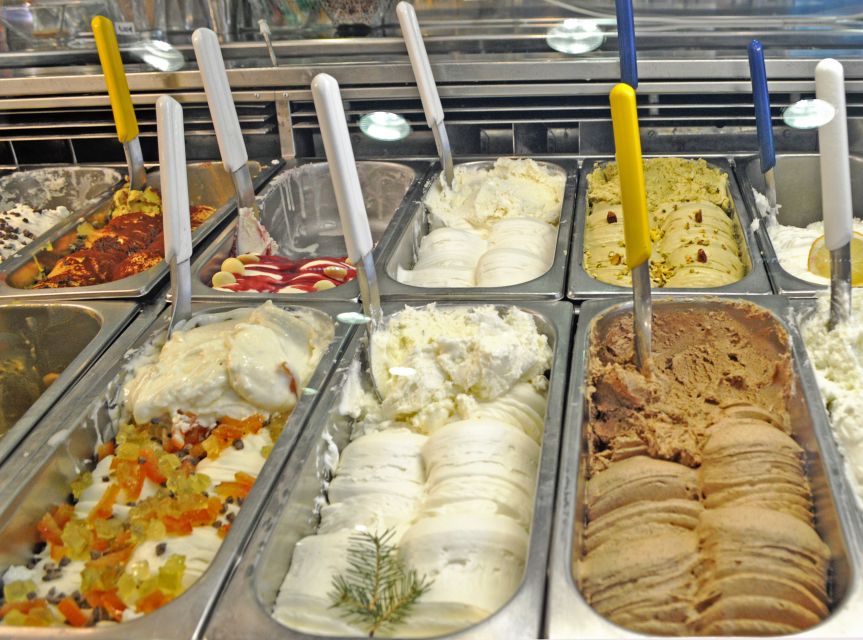
Expect tasting stops to include a mix of classics and regional specialties. You might try pasta dishes alongside pastries, plus local bites like pizza, fresh vegetables prepared in traditional ways, and other seasonal offerings. One standout detail from reviews is that groups often finish feeling full enough to skip lunch the next day, which matches the format of 7 stops with multiple samples each.
If you’re a “one dish at a time” eater, the sequence may feel like a friendly problem. You’ll likely start with lighter bites while you walk, then by the end you’re in full-on eating territory. Think of it as training wheels for the Roman food scene: you sample widely, then later you can return to your favorites with sharper instincts.
Campo de’ Fiori by night: medieval market energy and an easy food buzz
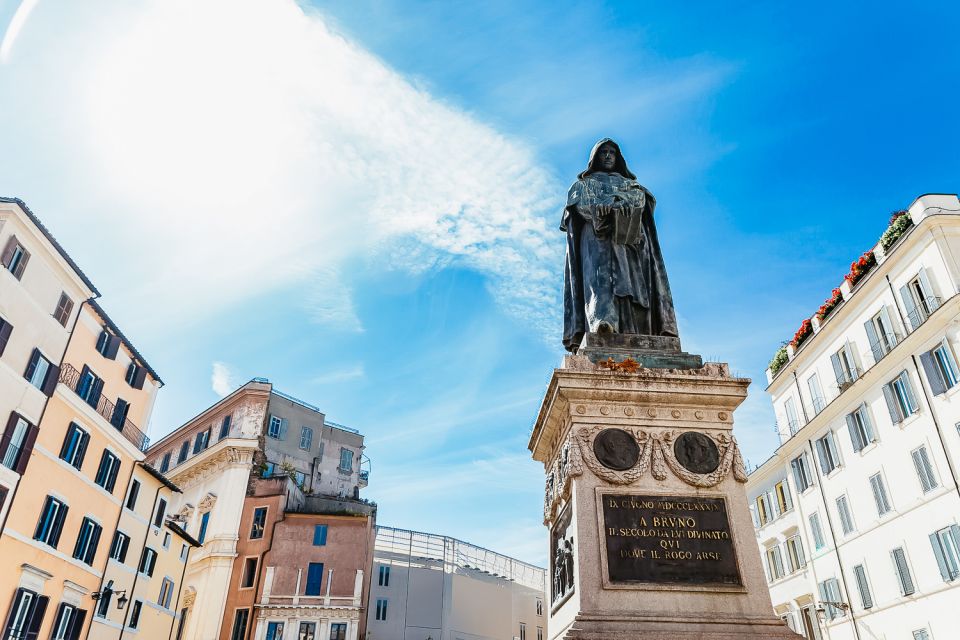
Campo de’ Fiori is one of the tour’s anchor points, and for a reason. Built around the site of a medieval market, the square has a character that feels different from Rome’s major monuments. At night, it keeps that market-world hum but with less pressure and fewer daytime lines.
Here, you’ll get the medieval atmosphere plus a clear sense of how people still use this space. You’re not just looking at a photo-worthy square—you’re learning what the square was for, and what it still is for in practice. That makes it a great middle point in the tour, because you’ll already be warm from the earlier walking and tasting.
One consideration: Campo de’ Fiori can still be lively even at night. If you’re traveling with someone who hates noise, plan to keep expectations flexible during the stop. But for most people, the sounds and energy are part of why this area is fun at night.
Piazza Navona and the Four Rivers Fountain: baroque drama in one stop
Next you’ll reach Piazza Navona, a place with layered history. The square sits on the footprint of the Stadium of Domitian, and it later became a city market in the late 15th century. That means you’re standing in a spot that has served multiple public roles for centuries, which is a neat match for a food tour.
You’ll also see some of Rome’s best baroque architecture, including Bernini’s Fontana dei Quattro Fiumi (Fountain of the Four Rivers). In the tour description, it’s described as striking poses before imposing architecture, which is exactly what you experience when you look at the fountain up close: it’s theatrical, crowded with symbolism, and impossible to ignore.
Why this matters for a food tour: it gives your taste experience a “why.” Roman food culture isn’t separate from the city’s visual culture. When you connect baroque public space with market history, you understand how food, commerce, and power all shared the same streets.

Ancient Rome footnotes on the route: Pompey Theatre and key ruins
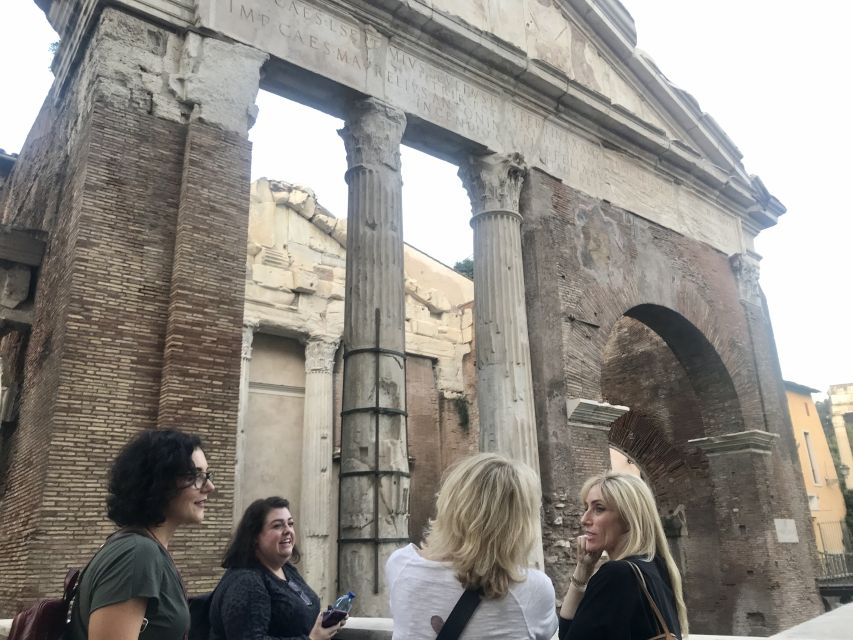
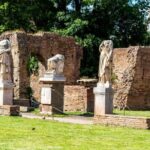
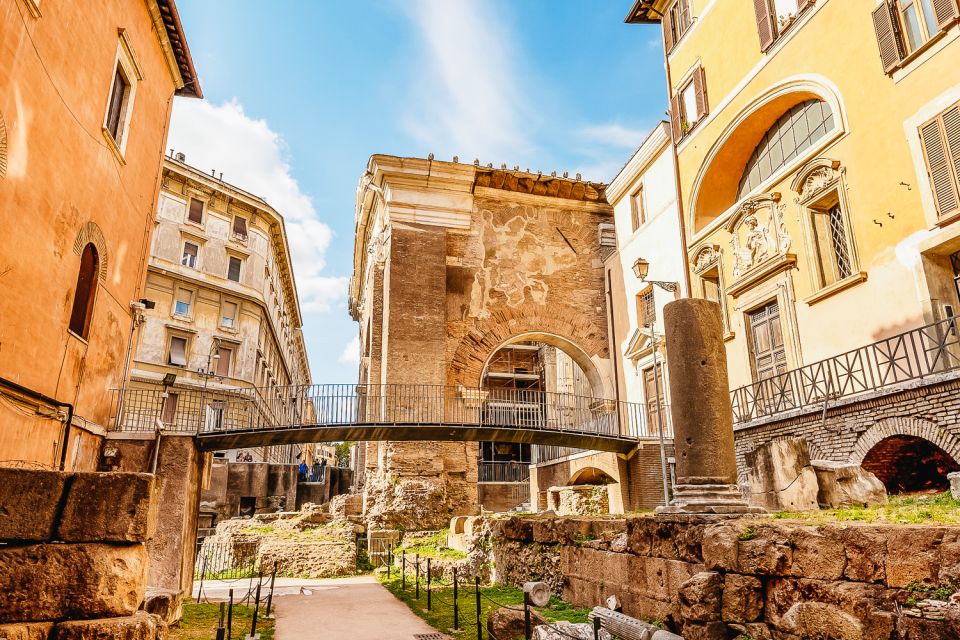
A separate highlight is how the tour threads in ancient sites without turning into a full ruins day. You’ll learn about the death of Julius Caesar at Pompey Theatre, and you’ll pass significant remains of Ancient Rome including the Theatre of Marcellus, the Temple of Apollo, and the Portico of Octavia.
This isn’t about memorizing architecture for an exam. It’s about getting your bearings and realizing that Rome’s food neighborhoods grew right next to political and monumental space. Even when you’re just walking, you’re absorbing a mental map of where influence sat in the city.
What I like here is the pacing. The tour doesn’t slam you with long stops at every ruin, but it gives enough context to make the sights feel connected to real life. You’ll finish the evening with a stronger sense of where things are, which makes the next day’s wandering much easier.
Meeting local producers, innkeepers, and food artisans
One of the most practical parts of this tour is how it turns you from customer into student. The tour description says you’ll meet local producers, innkeepers, and food artisans, and that’s where the stories become believable. People who make or serve food day after day understand what locals want, what’s seasonal, and what the city’s palate actually is.
This also affects what you’ll do later. After hearing how something is prepared and what tradition it comes from, you’ll order with more confidence. You’ll start to recognize flavors and textures that are “Roman” in a meaningful way, not just what someone says is popular.
Reviews repeatedly highlight this human side, especially with guides like Fabrizio, Marco, Andrea, and Maria. The common thread is warmth and clear explanations—guides who keep the group engaged and make room for questions without turning it into a lecture. That kind of guide is a real differentiator on a food tour, because the food only stays interesting if the stories keep moving.
Group size, walking pace, and what to wear
This tour keeps the group small, with a maximum of 14 people. That matters more than it sounds. With fewer people, you get better interaction with the guide and less standing around while someone tries to find the group in the dark.
It’s also rain or shine, so you should dress like Rome might change its mind about the weather. Comfortable shoes are a must, since it’s a walking experience that lasts about 4 hours.
Dietary reality check: vegetarian options exist, but vegans and anyone needing gluten-free or dairy-free options won’t be accommodated. And it’s not a kosher food tour, even though the itinerary includes the Jewish Ghetto area. If you have strict dietary needs, you’ll need to think carefully before booking.
Accessibility note: it isn’t suitable for wheelchair users. That’s worth respecting early, since Rome’s sidewalks and the tour’s walking rhythm won’t work the way it would on a fully accessible shuttle-based route.
Price and value: what $105 buys in real Rome terms
At $105 per person for about 4 hours, this is a mid-range price that works if you value both food and guidance. The math looks simple: 7 tasting venues with up to 15 samples, plus wine, beer, and soft drinks. You’re not just paying for food; you’re paying for a guided route, introductions to multiple places, and the “why” behind each stop.
Is it worth it? For me, it’s worth it if you want an evening that does three things at once:
- helps you understand Roman neighborhoods quickly
- feeds you enough that you skip the next meal
- gives you a guide who can answer questions and connect food to place
If you’re the type who prefers to browse on your own, this might feel like organized eating. But if you’d rather let someone else handle the routing and ordering while you enjoy the sites, it’s strong value. And at night, when it’s harder to build a perfect route without wasting time, the guided component becomes even more valuable.
Who this Rome Jewish Ghetto & Campo de’ Fiori tour suits best
This tour is a great fit if you:
- want a first-night Rome plan that doesn’t require museum tickets
- like food tours that include context, not just tasting lists
- enjoy history tied to neighborhoods and everyday life
- want to meet a guide who keeps the group moving and the conversation alive
It’s especially good for couples and small groups, since the size supports real interaction. It also suits people who like a walking itinerary but still want breaks built into the food stops.
If you’re traveling with someone who needs strict dietary accommodations, this may not be the best match because vegans and gluten/dairy-free requirements aren’t supported. And if mobility is a concern, the lack of wheelchair accessibility is a dealbreaker.
Should you book this tour?
I think you should book this if you want one evening that mixes Jewish Ghetto context, medieval and baroque Rome, and enough food to actually feel like you got your money’s worth. The best part is the combination: you’re tasting, then immediately understanding why those tastes belong in these streets.
Skip it if your top priority is quiet sightseeing without eating, or if you need vegan/gluten-free/dairy-free options. Also, if you’re not comfortable walking for about 4 hours, look for a different format.
If you’re ready for a guided night that ends with you full and a little more “Roman-savvy” than you started, this is an easy yes.
FAQ
Where do I meet the guide for the tour?
You meet your guide at Piazza Mattei by the Turtle’s Fountain.
How long is the Rome Jewish Ghetto & Campo de’ Fiori by Night Food Wine Tour?
The tour lasts about 4 hours.
What food and drinks are included?
The tour includes several food tastings (up to 15 samples), plus wine, beer, and soft drinks.
How many tasting stops should I expect?
The tour includes tastings at 7 different eateries along the route.
Is the tour vegetarian-friendly?
Vegetarian options are available, but the tour does not accommodate vegans or gluten-free or dairy-free diets.
Is this tour kosher?
No, this is not a kosher food tour.
Is the tour wheelchair accessible?
No, it is not suitable for wheelchair users.