REVIEW · ROME
Rome: La Traviata at St. Paul’s Within the Walls
Book on GetYourGuide →Operated by Musica&Musica srl · Bookable on GetYourGuide
A famous opera, in a real church. You get La Traviata by Verdi with full costumes and scenes, performed by the Orchestra I Virtuosi dell’opera di Roma, and you sit in the historic St. Paul’s Within the Walls where the acoustics make the voices feel close. The tradeoff: church seating isn’t theatre-style, so back rows can mean tougher sightlines and wooden benches may feel rough for two hours.
Before the show, you swap your voucher at the St. Paul’s ticket counter and choose from different seating categories for a 130-minute performance in Italian.
In This Review
- Key things to know before you go
- La Traviata’s big moment—inside St. Paul’s Within the Walls
- Getting in smoothly: where your voucher turns into a seat
- The church acoustics: why the sound can be stunning (and why it can be tricky)
- Choosing seats in a church: what to prioritize (and what to avoid)
- What happens during the 130 minutes (and how to pace your expectations)
- The story, in plain terms: Violetta and Alfredo’s slow-burn tragedy
- The performers and the orchestra: what to listen for
- Comfort, rules, and real-world behavior tips
- Price and value: is $47 worth it?
- Should you book this La Traviata at St. Paul’s Within the Walls?
- FAQ
- Where do I exchange my voucher?
- How long is the experience?
- What language is the opera performed in?
- What is included in the ticket price?
- Are food and drinks included?
- Is the venue wheelchair accessible?
- Are pets allowed?
- Can I cancel for a refund?
Key things to know before you go
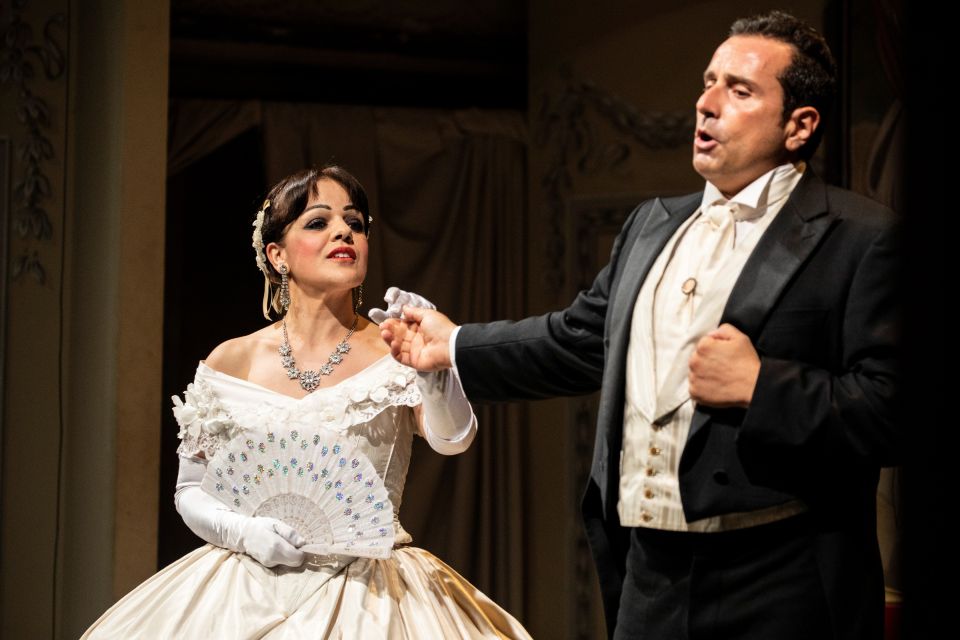
- A complete, staged La Traviata in three acts, not a short concert version
- Professional musicians from the Orchestra I Virtuosi dell’opera di Roma
- A church setting that changes the sound (often gorgeous, sometimes a little overpowering)
- Seat choice matters for visibility because the space isn’t built like a modern opera house
- Comfort is personal: some seating is reported as uncomfortable for the full run
La Traviata’s big moment—inside St. Paul’s Within the Walls
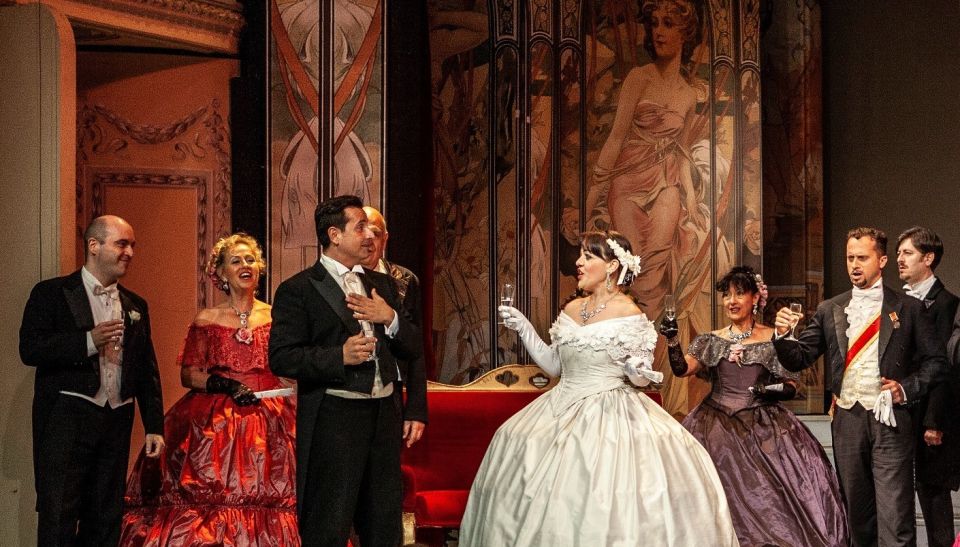
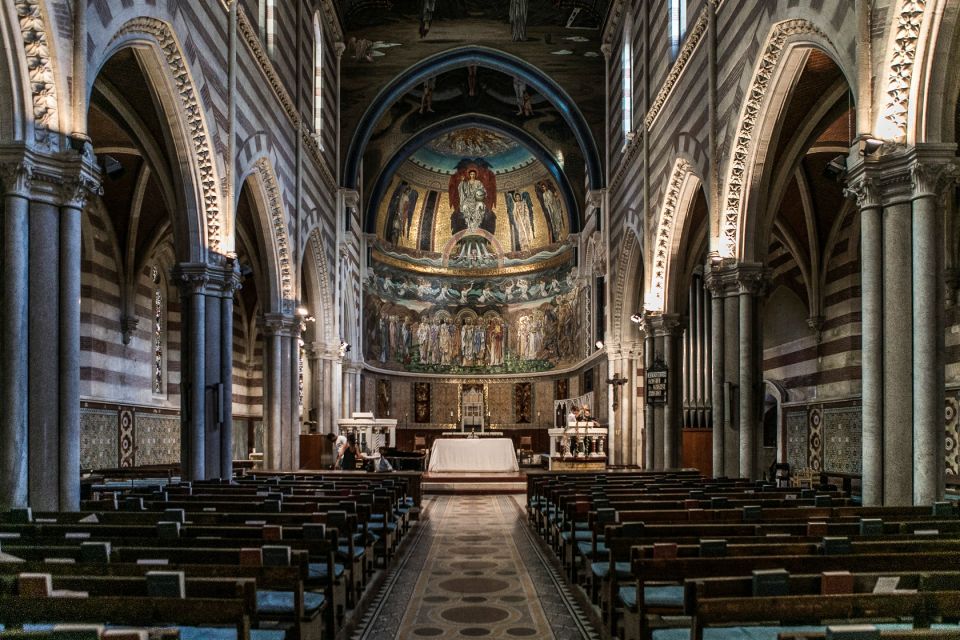
This is one of those Rome experiences that plays tricks on your expectations. Instead of an opera house with velvet and footlights, you’re hearing Verdi’s most famous opera in a major church. That switch matters. The building’s shape and stone surfaces don’t just decorate the night—they affect how voices carry, how the orchestra blends, and how intimate the drama feels.
What I like here is the mix of ambition and authenticity. You’re not just watching a few arias; you’re seeing a full performance with costumes and scenes, set in Paris in the mid-1800s. The story centers on Violetta, a well-known courtesan, and Alfredo, a young nobleman—an impossible love that’s already “doomed” from the first moments.
The second thing I love is the musical pedigree. The orchestra is I Virtuosi dell’opera di Roma, formed by professors from prominent Italian conservatories. That usually translates into tight ensemble playing and confident musicianship, even when a church acoustics system is doing its own thing.
You can also read our reviews of more tours and experiences in Rome.
Getting in smoothly: where your voucher turns into a seat
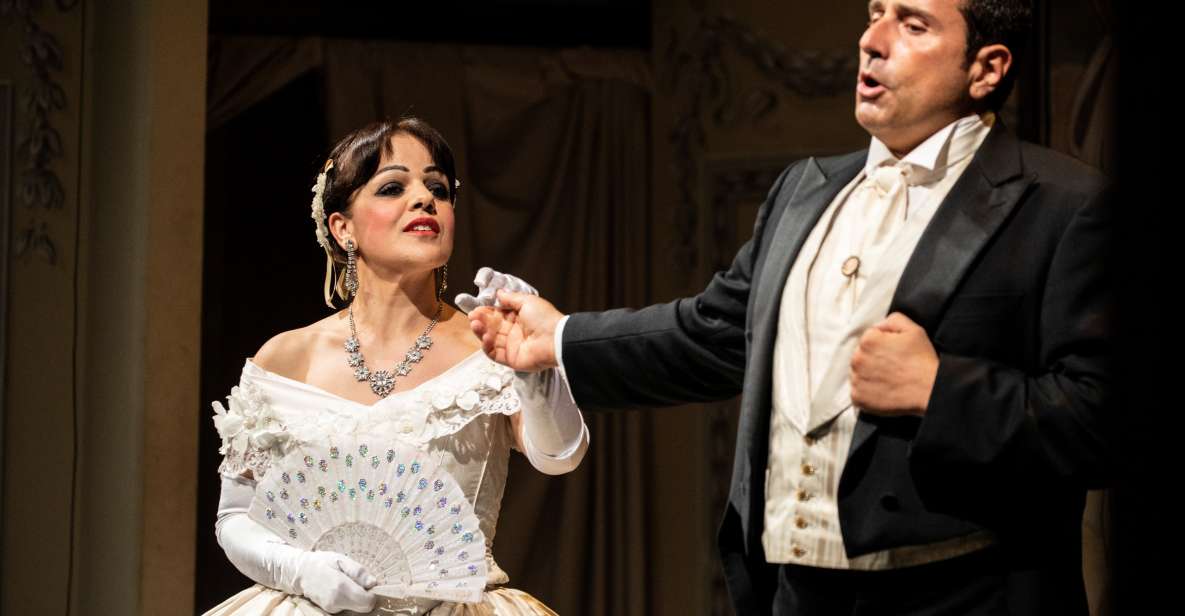
Your first job is simple: exchange your voucher at the St. Paul’s Within the Walls ticket counter before the performance begins. Arrive with enough buffer so you’re not rushing in with bags and questions.
Also note the show language is Italian. If you don’t speak it, you can still follow the emotions and key plot points—this is La Traviata, after all—but you’ll enjoy it more if you spend a few minutes reading a quick synopsis beforehand. Verdi’s music does a lot of the storytelling even when you’re not catching every word.
This is also one of those events where staff can be helpful but you should plan on moving at the venue’s pace, not yours. Think: quick check-in, then settling in.
The church acoustics: why the sound can be stunning (and why it can be tricky)
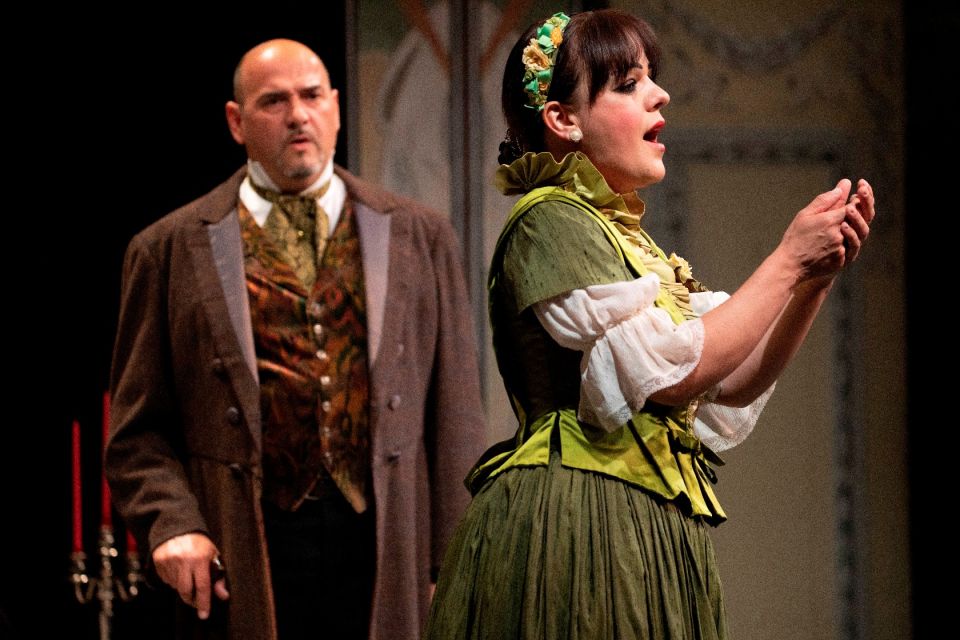
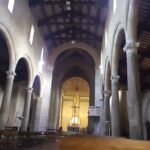
St. Paul’s Within the Walls has a kind of “natural amplification.” You’ll often hear people rave about the acoustics and the lighting working effectively inside the church. In the best moments, the space turns the performance into something close and vivid—especially when singers project clearly.
But the same features that make it beautiful can create problems for clarity. Several people note the orchestra can overpower the singers in some sections, and the reverberation can blur crispness in other moments. If you’re someone who cares about ultra-clean sound like you’d get in a modern theatre, you might notice the difference.
Here’s the practical takeaway: you’re choosing a venue experience, not just a concert. You’re trading some audio precision for atmosphere and historical drama.
Choosing seats in a church: what to prioritize (and what to avoid)
If you only remember one practical tip, make it this: pick your seat like you’re buying stage visibility, not just comfort.
Multiple reviews point out that the church seating isn’t theatre-style and there’s no slanted floor. That matters. From some positions, you may spend the opera tilting your head, craning around other audience members, or losing sightlines when performers are off to the side. Even front seats don’t guarantee a perfect view, since blocking elements (like where instruments sit) can affect what you see.
So what should you do?
- If your budget allows, go for front-row or very near-front categories. People say the musicians are easier to see and the faces of performers are clearer.
- Avoid the idea that any seat is “basically the same.” In this venue, angles matter.
- If you’re short (or travel with mobility issues around head position), treat seating choice as essential.
On comfort: some benches are described as wooden and uncomfortable for the duration. That’s not a guarantee, but it’s a common enough note that I’d plan for it. Bring a layer you can tolerate and consider arriving early so you can settle before the show starts.
What happens during the 130 minutes (and how to pace your expectations)
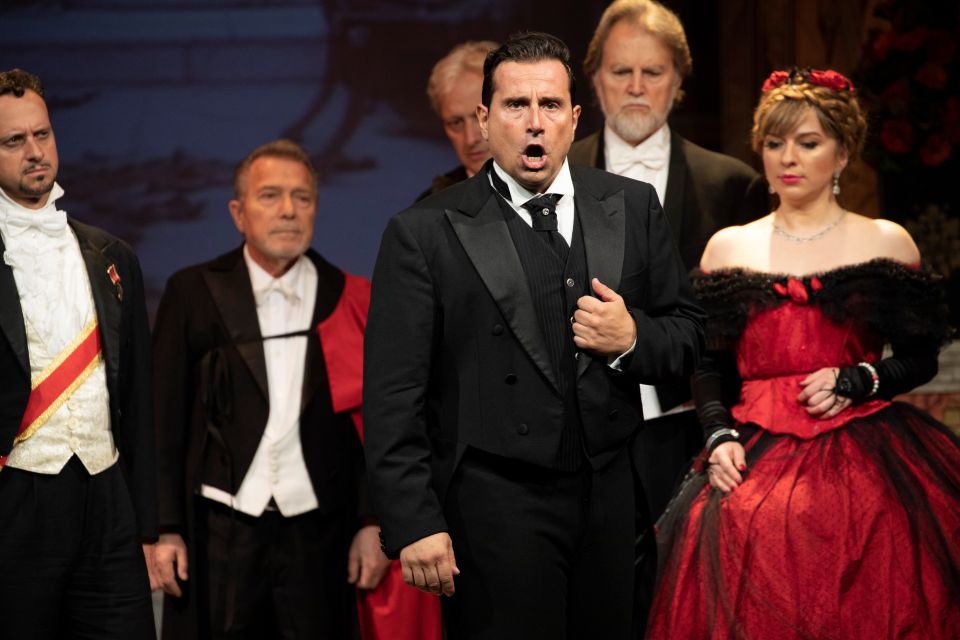
This outing is one continuous performance, lasting about 130 minutes. You won’t be hopping between multiple stops. Instead, the “itinerary” is really about how the night unfolds inside the church: seating, then opera, then the final moments.
La Traviata is performed in three acts, with a plot set in mid-1800s Paris. The production includes costumes and scenes, so you’re watching a staged story rather than a concert version. That helps a lot if you’re not fluent in Italian—visual changes and character actions give you a strong backbone.
One thing to consider is pacing. Some people say the performance felt long or that there were too many breaks, plus the church can run warm. If you’re sensitive to heat or sitting still for a long time, wear breathable clothing and plan for the fact that this isn’t a cool air-conditioned theatre.
Also: there’s a sense of audience closeness here. The encore of Brindisi is mentioned as a standout moment, with performers inviting audience participation. If you like being part of the room, this can be a fun highlight.

The story, in plain terms: Violetta and Alfredo’s slow-burn tragedy
La Traviata is famous for a reason, but you don’t need operatic homework to appreciate it. In the mid-1800s Paris setting, Violetta—known as a courtesan—falls into a romantic ideal with Alfredo, a handsome young nobleman. Their love becomes the center of the plot, and the drama tightens as it collides with reputation, society, and the expectations hanging over both of them.
What I like about the way this story works in a church setting is how it underlines the opera’s emotional weight. The material is already dramatic; the venue makes it feel more immediate. You’re not watching from far away, so when the music hits the emotional turns, it lands with extra force.
Even if you don’t understand every line of Italian, you’ll likely recognize the arc: attraction, conviction, conflict, and tragedy. If you want one smart prep move, read a short synopsis once, then let the music carry the rest.
The performers and the orchestra: what to listen for
La Traviata can be a vocal workout, and reviews frequently point to strong singing and technique. People mention impressive projection and vocal control, with the cast acting as well as singing—so it doesn’t feel like a concert of arias stitched together.
The orchestra matters here because it’s not a casual backing band. I Virtuosi dell’opera di Roma is made up of professors from leading Italian conservatories, and that shows in how they handle the Italian lyrical tradition. You’ll likely notice good balance in many sections, strong phrasing, and a stable rhythmic engine.
Still, the biggest sound-related complaint is that in some places the orchestra can drown the singers. That doesn’t mean the performance is bad—it means the balance is affected by the space. If you’re hoping for a very crisp “voice forward” sound at all times, you might want to choose seats closer to the singers and musicians for the best blend.
Comfort, rules, and real-world behavior tips
This is a church, which means it has its own vibe and etiquette rules. I’d treat it like a performance space first, not a sightseeing stop. Staff can ask people to stop activities that distract from the show, especially recording or flashy phone use. Even when rules are clear, a few people can ignore them—so don’t be surprised if you’re occasionally competing with someone’s screen.
For your own comfort:
- Go early. You’ll need time to get seated properly and get settled.
- If benches are an issue for you, plan for it. The “wooden bench” complaint comes up enough that I’d rather you be prepared than annoyed.
- Bring something simple for a long wait in warm weather. Water strategy matters even if drinks aren’t part of the included ticket.
Food and drinks aren’t included. One practical note from experience reports: there are no drinks for sale, and you may be able to bring your own. I’d still treat that as a “bring and follow venue guidance” situation, not a guaranteed free-for-all.
Price and value: is $47 worth it?
At around $47 per person, this can be excellent value—especially compared to the high costs of traditional opera tickets in major opera houses. The big reason is what you actually get: a complete staged La Traviata experience in a prestigious church, performed by a professional orchestra and singers.
You’re paying for three things:
- A world-famous opera (Verdi’s La Traviata is the headline draw)
- A high-quality performing group (the orchestra is assembled from conservatory professors)
- A venue experience you don’t get in a typical theatre (church architecture + distinctive acoustics)
Where the value can shift is your seat comfort and sightline. If you end up far back or in a position where you can’t see performers well, you might feel like you paid for sound more than drama. That’s why the extra for better seating categories can be money well spent.
Should you book this La Traviata at St. Paul’s Within the Walls?
I’d book it if you want a classic opera night with a Roman twist: church architecture, close acoustics, professional musicians, and a full staged production of La Traviata. It’s a great choice for first-time opera goers too, because the story is gripping and the staging and music carry you even if Italian isn’t your strength.
I’d think twice if you’re very sensitive to discomfort (wooden benches for 130 minutes) or if you need perfect sightlines like you’re sitting in a modern theatre. In this church, where you sit changes the experience a lot.
If you’re choosing between value and comfort, I’d lean toward paying for the better seating category. Then show up early, settle in, and let Verdi do what Verdi does.
FAQ
Where do I exchange my voucher?
You must exchange your voucher at the St. Paul’s Within the Walls ticket counter before the performance begins.
How long is the experience?
The performance lasts about 130 minutes.
What language is the opera performed in?
The opera is performed in Italian.
What is included in the ticket price?
Your ticket includes the entrance ticket for the performance.
Are food and drinks included?
No. Food and drinks are not included.
Is the venue wheelchair accessible?
Yes, the venue is wheelchair accessible.
Are pets allowed?
No, pets are not allowed.
Can I cancel for a refund?
Yes. You can cancel up to 24 hours in advance for a full refund.