REVIEW · ROME
Rome: Navona Square Underground Ticket with Audio Guide
Book on GetYourGuide →Operated by TOURISTATION · Bookable on GetYourGuide
If you’ve stared at Piazza Navona and wondered what’s hiding under your feet, this is your answer. You’ll step into the Stadium of Domitian underground, use an audio guide in multiple languages, and piece together how Roman sports shaped the city we walk through today. I love that you get a mix of physical ruins plus visuals like panels and 3D-style reconstructions, and I also like that the site explains the arena on a real, human scale (think 30,000 spectators). The main drawback to consider is that the underground space is smaller than many people expect, so don’t plan on an all-day adventure down there.
For timing, I’d treat this as a focused stop—about an hour is a fair target if you actually listen and look around. If you choose the aperitif or wine option, it adds a relaxed pause with drinks and snacks near one of the best viewpoints in the area, which makes the whole experience feel less like a quick ticket and more like a complete pocket of Rome.
In This Review
- Key highlights worth knowing before you go
- Piazza Navona Looks Different When You Know What’s Under It
- Ticket Redemption at the Piazza Navona Fountain (and the One Common Hiccup)
- The Self-Guided Audio Guide: Simple Format, Real Impact
- Descending 5 Meters: What You Actually See in the Stadium of Domitian
- How Long It Takes, How Crowded It Feels, and Where to Take Photos
- Optional Aperitif or Wine Tasting: A Nice Finish to a Short Visit
- Who Should Book This Underground Stop (and Who Should Skip It)
- Should You Book the Rome: Navona Square Underground Ticket?
- FAQ
- How far below Piazza Navona is the Stadium of Domitian site?
- What’s the typical visit length for this underground audio tour?
- Which languages are available for the audio guide?
- Where do I redeem my voucher?
- Is the tour guided by a live person?
- Is the underground site wheelchair accessible?
- What’s included with the aperitif or wine tasting option?
Key highlights worth knowing before you go
- 5 meters below street level: you’ll descend into the stadium remains under Piazza Navona.
- Audio guide in 7 languages: Spanish, English, French, German, Italian, Russian, Portuguese.
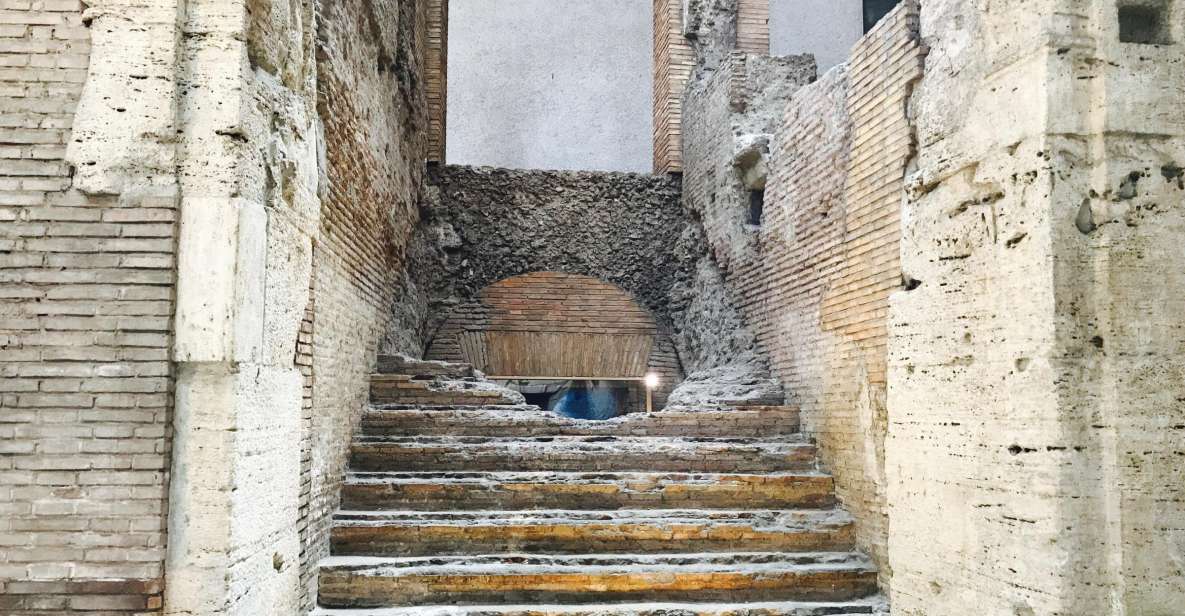
- Real architectural details: travertine blocks, brickwork, and marble columns at main entrances.
- Roman sports at crowd scale: learn how up to 30,000 spectators were divided.
- Visual aids help a lot: unpublished photographs plus panels and visual reconstructions.
- Optional aperitif or wine: 1 cocktail plus snacks, or two wines with a traditional appetizer board.
Piazza Navona Looks Different When You Know What’s Under It

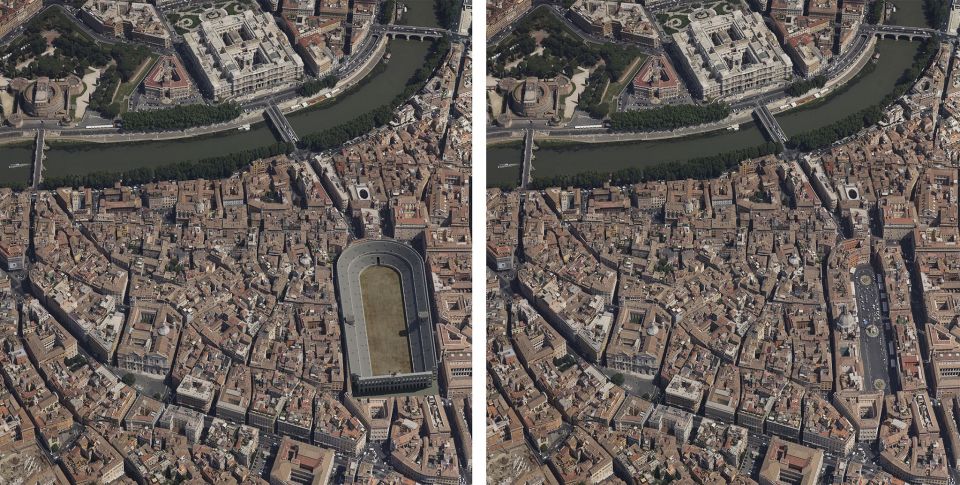
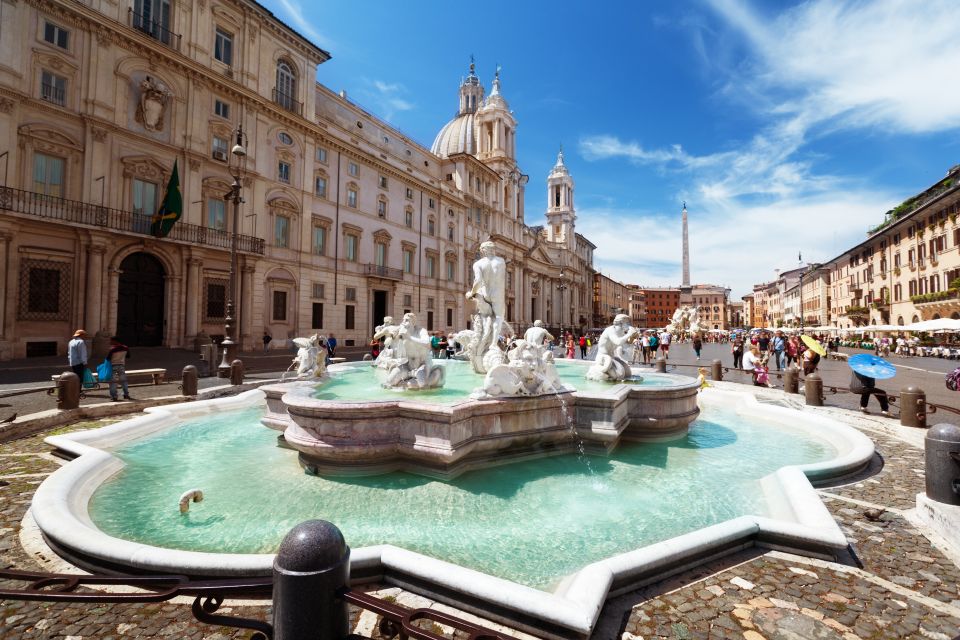
Piazza Navona is famous for fountains, baroque façades, and evening wandering. What makes this visit special is that it treats the square as a historical layer cake. You’ll learn how the current Piazza Navona developed into what you see now, built on older Roman space—specifically, the stadium area known as the Stadium of Domitian.
The big idea you take away: Roman sports weren’t just entertainment. They shaped movement, architecture, and how crowds were managed in an urban center. That context makes the ruins feel less random. Instead of seeing fragments, you start picturing the building as it worked—entry points, spectator seating, and the overall arena layout.
If you already visited Rome’s top headline monuments, this is a great way to switch gears. It’s smaller, yes, but the storytelling is very direct about how sports and rulers connected to the city.
You can also read our reviews of more tours and experiences in Rome.


Ticket Redemption at the Piazza Navona Fountain (and the One Common Hiccup)
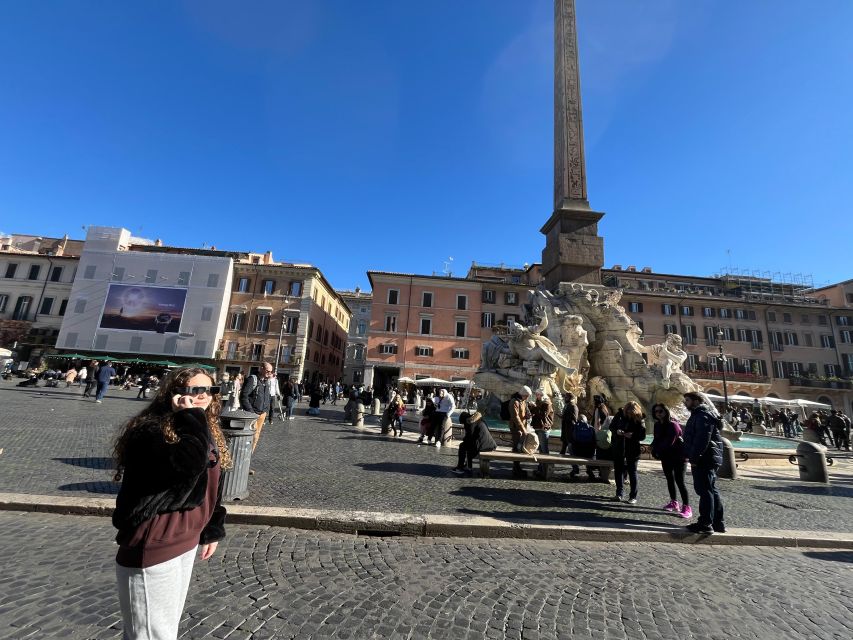
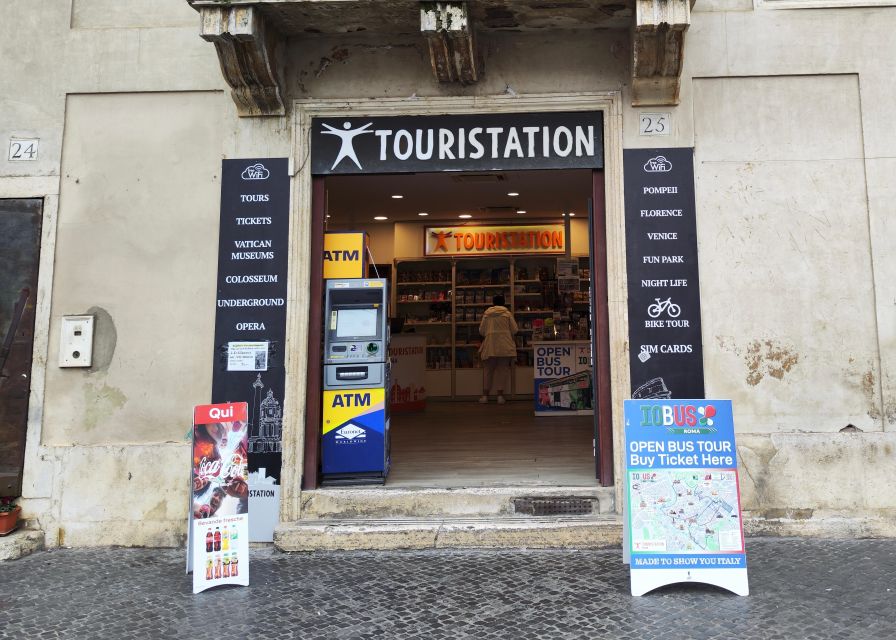
You redeem your voucher at the tourist point in front of the main fountain at Piazza Navona, 25. In theory, that’s straightforward. In practice, I’d plan a few extra minutes just to get yourself lined up with the correct entrance flow.
A common point of confusion is that some visitors are directed to a ticket office step before getting the printed ticket needed to enter the underground area. Everyone involved tends to be patient, but it can throw you off if you expected to scan and go instantly. My advice: arrive with a small buffer, and be ready for the possibility that you’ll be asked to stop at a nearby office before returning to the entrance.
Also note: this is not a guided tour by a live person. You’re self-guided with the audio device.
The Self-Guided Audio Guide: Simple Format, Real Impact
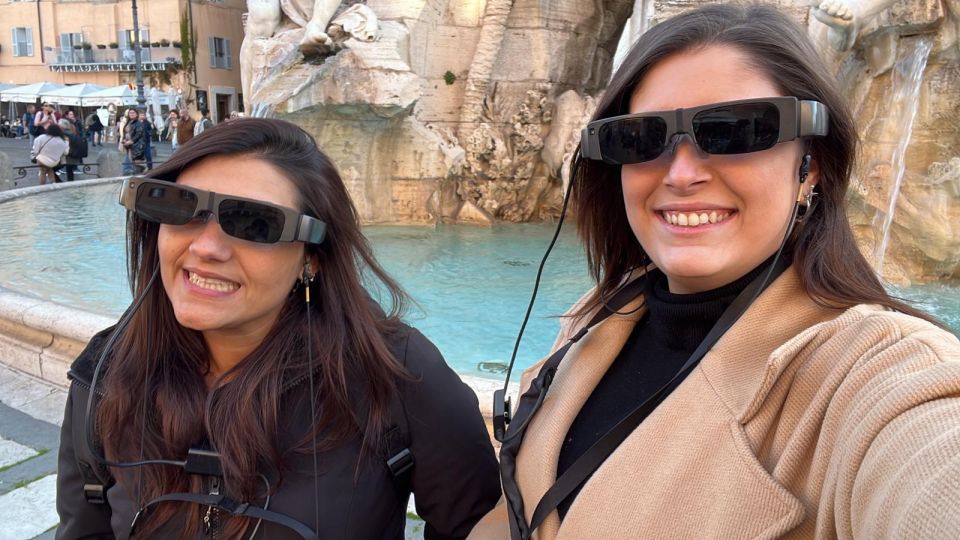
The audio guide is the heart of this experience. You don’t just hear facts—you follow along with numbered stations throughout the underground rooms. The good news is that the audio is easy to use and clear enough to make the space understandable even if you’re not a Rome scholar.
What I like most is the variety of languages available: Spanish, English, French, German, Italian, Russian, and Portuguese. That matters here because the visuals are doing the heavy lifting. If you’re watching panels and renderings while listening in your own language, your brain can connect the dots faster.
There is one possible snag: the numbering/station references can feel a bit confusing in tight spaces. If you find yourself unsure which stop you’re at, slow down. Look for the station numbers and re-check the audio. It’s worth the extra minute to keep the story lined up with what you’re seeing.
Sound also mixes with the real world. Because you’re in an urban center, the street can be audible at times. That doesn’t ruin the visit, but it does mean you shouldn’t expect total silence and museum-level theater acoustics.
Descending 5 Meters: What You Actually See in the Stadium of Domitian
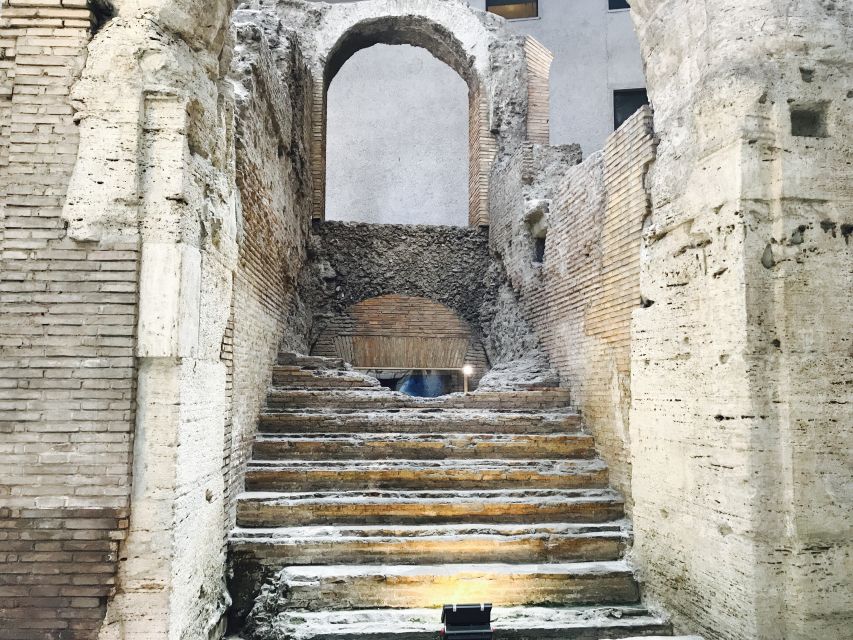
This is the main event: you descend about 5 meters below street level to explore the ruins of the former circus/stadium arena. And yes, you’ll notice the “underground” feeling is more like a tucked-away archaeological space than a deep subway tunnel.
Once you’re in, focus on the physical building materials. The site highlights:
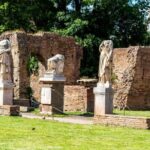
- Travertine blocks
- Brickwork
- Marble columns at key entrances
Those details do more than decorate the story. They help you understand how Romans built for durability and big crowds. When you see how the entrance structure was made, the arena stops feeling hypothetical.
Then there’s the crowd story. The audio explains how spectators—up to 30,000 people—were divided within the arena. That’s an important detail because it changes how you interpret the remains. You start thinking about circulation: where people likely entered, how they moved, and how the design helped manage thousands of bodies in one place.
The visual portion is also a big deal here. You’ll encounter informative panels and a selection of unpublished photographs, plus video-style presentations and reconstructions/3D renderings that show how the stadium may have looked. I found this combination useful because the ruins alone can be hard to “read” at first glance. The visuals give you a translation layer.
How Long It Takes, How Crowded It Feels, and Where to Take Photos
This isn’t a half-day epic. A realistic plan is around 45 to 60 minutes if you listen to the audio and actually stop at the main areas. The underground route is relatively compact, and you can feel that from the layout.
Crowd levels can vary. Some people experience it as quiet enough to move around easily, which makes the whole thing more comfortable. If you go when the square is busy, expect a bit more bustle in the surroundings—but inside the site, the experience tends to stay manageable.
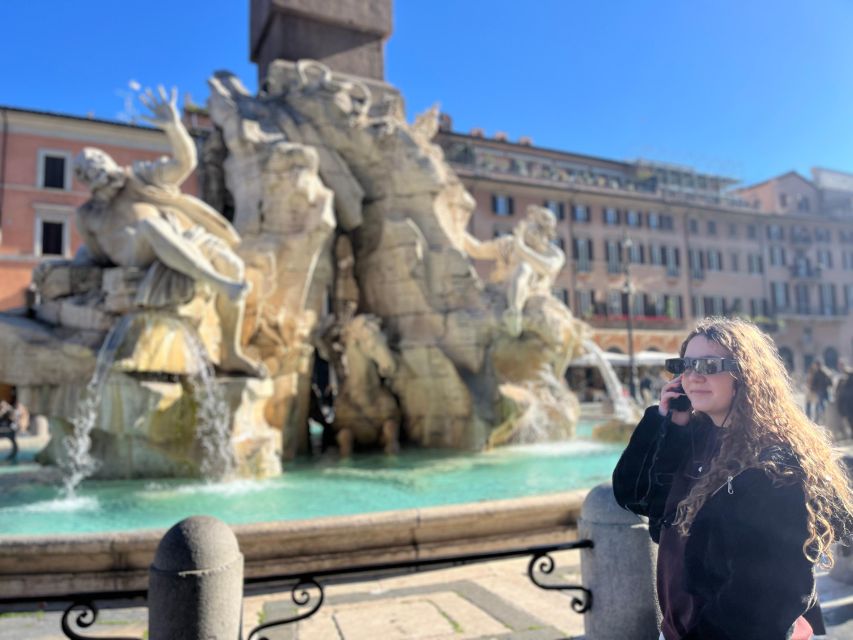
Photo-wise, this is a fun stop. Piazza Navona’s surface is ideal for selfies, and the underground space gives you a different angle—showing Roman architecture layered below the fountains above. If you like taking pictures that show context (then and now), this works well because you have visuals and physical remains in the same visit.
Two practical notes for your expectations:
- The space is smaller than many first-time visitors assume, so plan a focused visit, not a long wandering session.
- It’s not especially pram-friendly. If you’re traveling with a stroller, you might find it less comfortable than larger archaeological sites.



Optional Aperitif or Wine Tasting: A Nice Finish to a Short Visit
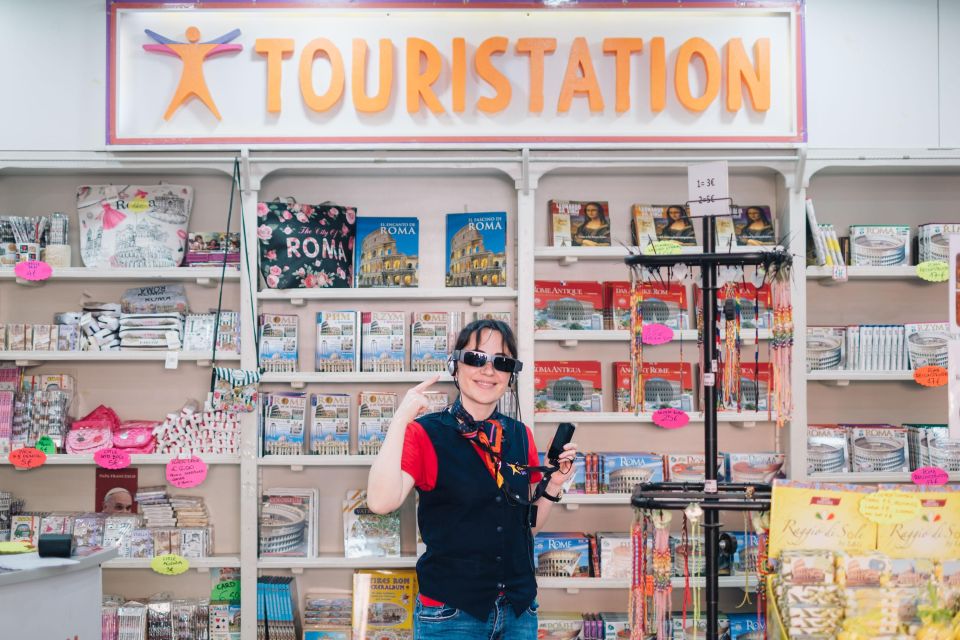
The ticket can be upgraded with an aperitif, and it’s one of the smartest ways to stretch a short museum visit into a complete Roman moment. With the aperitif option, you get 1 cocktail and snacks, served at a “fascinating viewpoint” in the heart of Rome. The staff reserves your table ahead of time at the meeting point area, so you’re not stuck hunting for seats after your underground walk.
If you choose the wine tasting option, you’ll also get two wines paired with a traditional appetizer board. That turns the experience into a simple, satisfying pairing: Roman crowds below, Italian flavors above.
I like this add-on because it solves the timing question many people have with short sites. Instead of rushing away, you get a built-in break while the square is still in your itinerary.
Who Should Book This Underground Stop (and Who Should Skip It)
This ticket fits best if you want:
- A unique, low-cost archaeological stop that isn’t one of the giant headline monuments
- A place where the audio guide helps you interpret what you’re seeing
- A different angle on Rome’s urban history, focused specifically on sports and rulers
It’s also a strong choice if you’ve already checked off the Colosseum-area classics and want something that changes the mental picture—Roman life with a more intimate scale.
Families can do well here too. There’s mention of a children’s audio guide option that uses a pen and map, which sounds like the kind of setup kids can handle on their own pace as long as the small space feels manageable for your crew.
That said, if you’re visiting Rome for the first time and only have energy for the biggest landmarks, this may feel like a “nice add-on” rather than a must. And if you strongly prefer huge, expansive ruins, the underground route’s size may not wow you as much as other sites.
Should You Book the Rome: Navona Square Underground Ticket?
Yes—if you like Rome when it’s personal and layered. For about $18, you’re getting a rare underground Roman stadium experience with an audio guide in many languages, plus visual reconstructions and context for how Piazza Navona became what it is today.
I’d book this if:
- You enjoy archaeological storytelling more than big-sight checklists
- You want a short visit that still feels specific and educational
- You’ll add the aperitif or wine option to make the timing feel complete
I’d think twice if:
- You expect a large underground complex
- You hate situations where numbering and audio prompts might feel a little mismatched in small spaces
- You’re traveling with a stroller and need maximum comfort and wide access everywhere
If you’re planning a walk through Piazza Navona anyway, this is one of the most practical ways to turn that famous square into something you can actually picture in Roman terms.
FAQ
How far below Piazza Navona is the Stadium of Domitian site?
The tour takes you about 5 meters below street level to explore the underground ruins of the Stadium of Domitian.
What’s the typical visit length for this underground audio tour?
Plan around an hour. Some people complete it faster, but it’s also designed so you can stop, listen, and look at the stations and visuals.
Which languages are available for the audio guide?
The audio guide is available in Spanish, English, French, German, Italian, Russian, and Portuguese.
Where do I redeem my voucher?
Redeem your voucher at the tourist point in front of the main fountain at Piazza Navona, 25.
Is the tour guided by a live person?
No. This is an audio-guided, self-paced experience. A guided tour is not included.
Is the underground site wheelchair accessible?
Yes, the activity is listed as wheelchair accessible.
What’s included with the aperitif or wine tasting option?
If you select the aperitif option, you get 1 cocktail and snacks. If you select the wine tasting option, you get two wines paired with a traditional appetizer board.