REVIEW · ROME
Rome: Neapolitan Pizza Cooking Class in Front of the Vatican
Book on GetYourGuide →Operated by ELISA'S TOUR · Bookable on GetYourGuide
Pizza lessons hit the Vatican doorstep. In Rome, you learn Neapolitan pizza basics from expert pizzaiolos at Pizzeria Dieci Dodici e 50, and you bake in a wood-fired oven with a Vatican-side setting. The one thing to consider: you’re right by the Vatican, but the amount of actual skyline view can vary by where you’re seated.
I also like that it’s genuinely hands-on, not a show-and-tell, and the team (including host Elisa) works in English and French so you’re not stuck guessing. The pace is easy to fit into a busy day, though the class length is listed as 1 hour, and the active lesson time may feel shorter depending on the group.
In This Review
- Key things I’d prioritize before you book
- Where Neapolitan pizza meets the Vatican doorstep
- Finding Pizzeria Dieci Dodici e 50: the walk from the Vatican is the whole point
- The real work: dough shaping, rolling, and toss practice
- Toppings and baking: tomato, mozzarella, and a wood-fired oven
- Eating outside with wine: the part you’ll remember
- Price and logistics: does $63 feel fair in Rome?
- Language support: English, French, and Italian instruction
- Who this class is best for (and who might want something else)
- Practical tips to get the most out of your session near the Vatican
- Should you book this Neapolitan Pizza Class in front of the Vatican?
Key things I’d prioritize before you book
- Vatican-close location: You’re meeting right near Ottaviano and walking distance to major sights.
- Real dough work: Rolling, shaping, and even tossing your pizza dough.
- Wood-fired oven results: You bake, then you eat your own pizza.
- Fresh ingredients, not shortcuts: Flour, tomatoes, and mozzarella are part of the point.
- Elisa-style hospitality: Plenty of photo moments throughout, plus photo sharing after in at least some cases.
Where Neapolitan pizza meets the Vatican doorstep
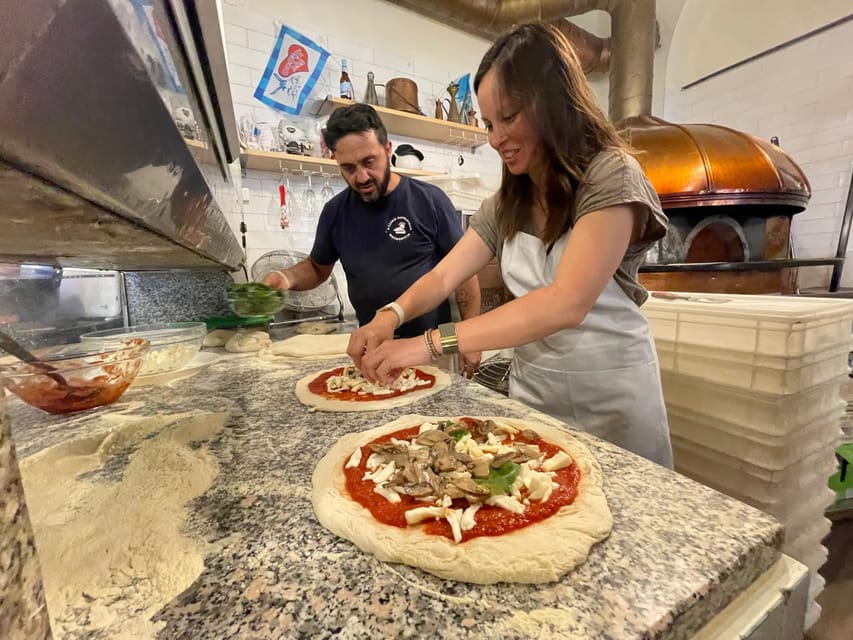
This is the kind of Rome experience that combines two things people actually want on a trip: good food and a memorable setting. The pitch here is straightforward. You’re in the Lazio area, at a pizzeria address that’s right in front of the Vatican area, and you’ll spend about an hour learning how Neapolitan pizza is built from scratch.
What makes it more than a gimmick is the focus on technique. You don’t just assemble toppings and hope for the best. You get guided dough shaping and practical instruction that pizza nerds and beginners can both use. If you’re the type to ask what’s happening during fermentation, the team will meet you there and talk specifics. If you’re nervous, they also have a knack for putting you at ease and walking you through each step.
The setting is special, but I’d calibrate expectations. One person noted that it’s not a guaranteed direct view of the Vatican skyline, while others emphasized a Vatican-facing backdrop. So think of it as Vatican-near energy first, view second. Either way, you’ll be in a prime part of Rome for a food break after sightseeing.
You can also read our reviews of more tours and experiences in Rome.


Finding Pizzeria Dieci Dodici e 50: the walk from the Vatican is the whole point
The meeting point matters for classes like this, because you’re on a clock and you don’t want to waste it threading through streets. You meet at Pizzeria Dieci Dodici e 50, positioned centrally by the Vatican area. The Ottaviano metro station is nearby, which helps if your day already includes museum or guided-tour time.
Here’s why I think this location is such good value: it reduces friction. After a Vatican visit, you can walk over rather than fight transport, luggage, or timing. One family timed it this way and found it convenient right after their Vatican stop.
Even if you don’t catch a dramatic view from your seat, you’ll still have the benefit of being in a real Rome neighborhood, not a far-flung cooking studio. That’s the sweet spot when you only have a short window for an activity.
The real work: dough shaping, rolling, and toss practice
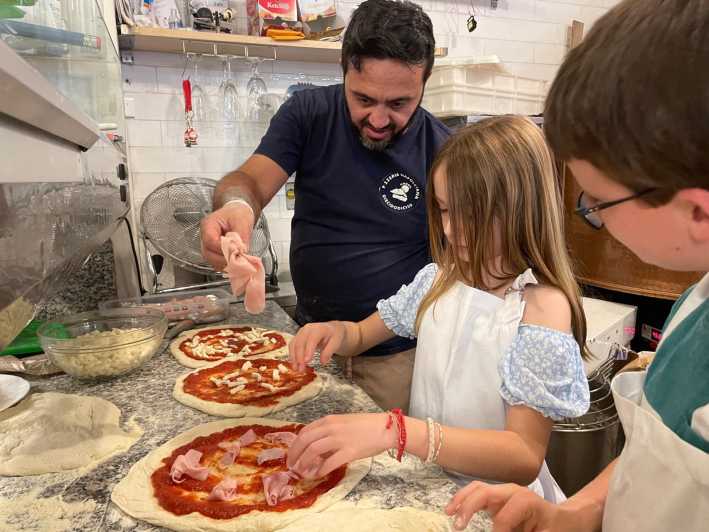
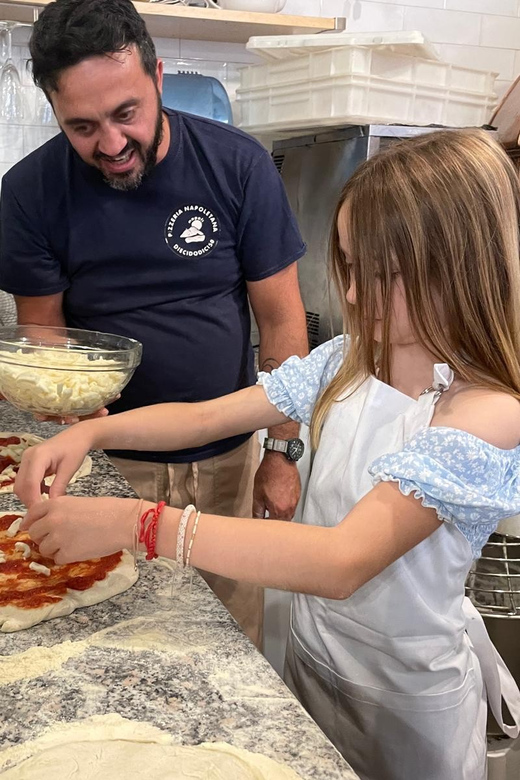
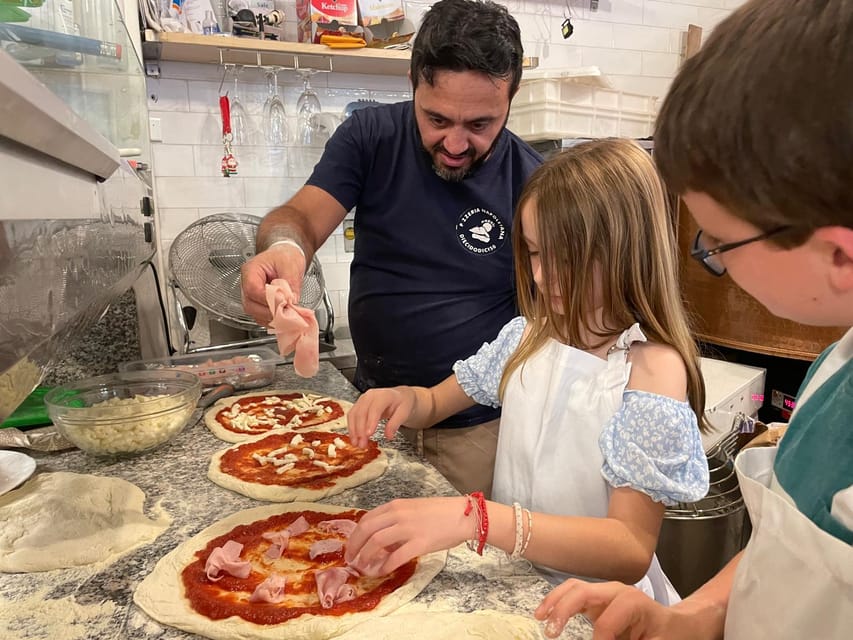
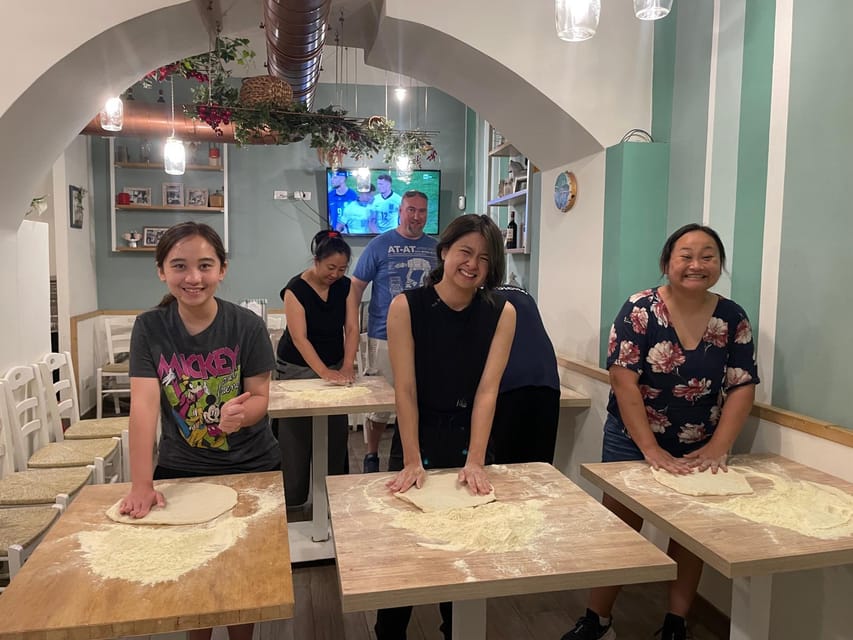
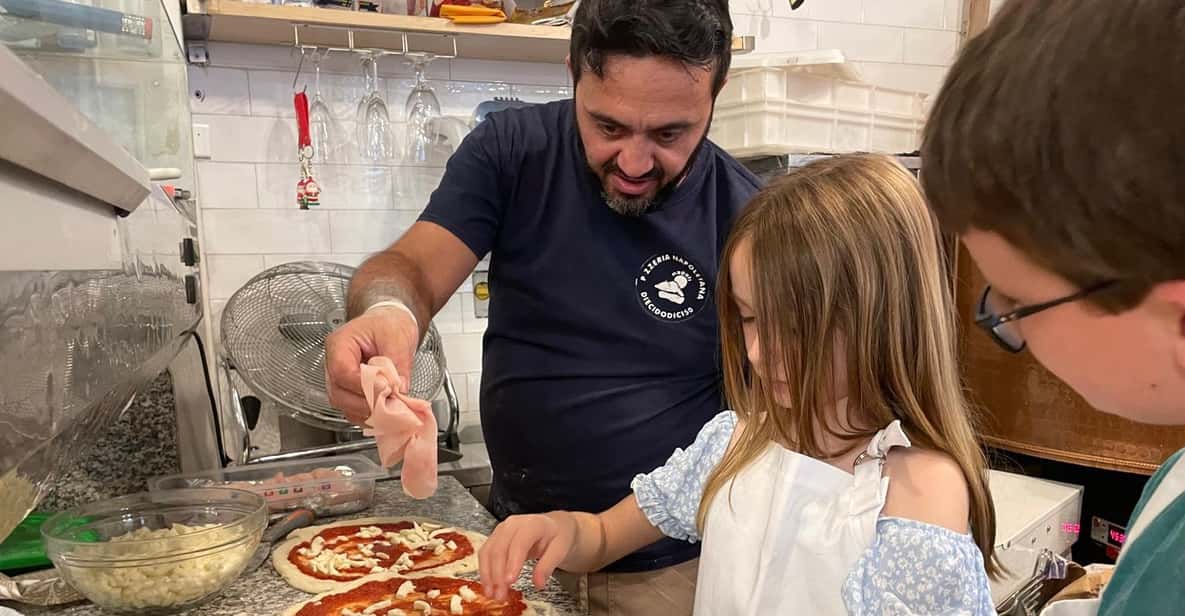
The heart of the class is the hands-on session with the pizzaiolos. The instruction is guided step-by-step, and you’re not watching from the sidelines. You’ll learn how to work the dough the Neapolitan way—rolling it out and shaping it so it holds up once it meets toppings and heat.
From what you can expect, the dough training is a major highlight:
- You may practice rolling out and shaping (and even tossing).
- In at least some sessions, you do it more than once, so you get feedback and improve between tries.
- Kids often get extra attention here, since mastering the dough is both the fun part and the challenge part.
One review specifically mentioned learning to roll out and shape/toss the dough twice. That repeat practice is a big deal because it turns the class from a one-shot attempt into a skill-building moment. Even if you’ve never made pizza at home, you walk away knowing what good dough feels like and how to handle it without tearing everything.
You’ll also hear about fermentation and ingredients in a way that suits your curiosity. Pizza pros will appreciate the technical answers. Beginners will appreciate the calm explanations. Either way, the staff isn’t just reciting steps; they’re explaining why things matter, like how the dough behaves after resting.
Toppings and baking: tomato, mozzarella, and a wood-fired oven
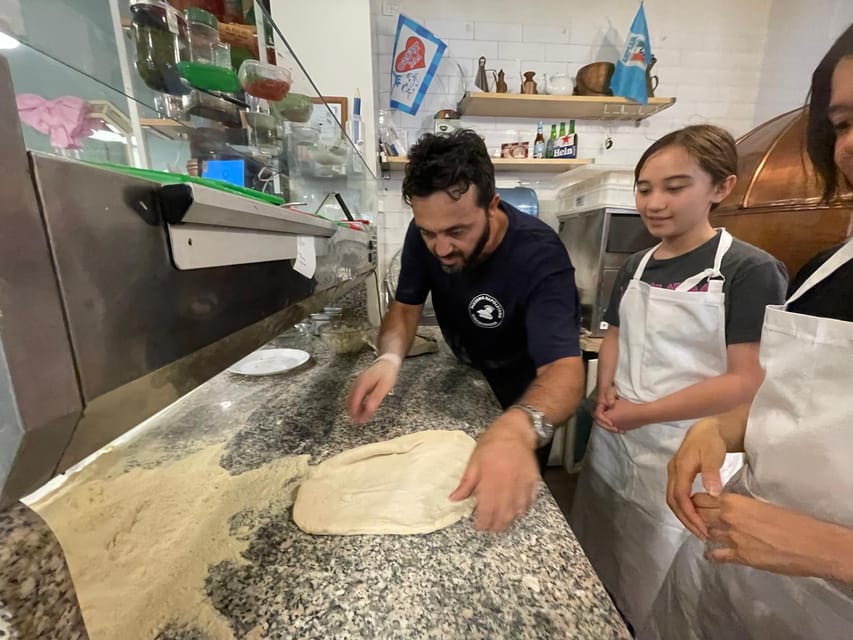
Once your dough is shaped, the class moves into assembly and baking. This is where “Neapolitan” stops being a label and becomes a set of choices: the toppings are fresh, and the order and technique matter.
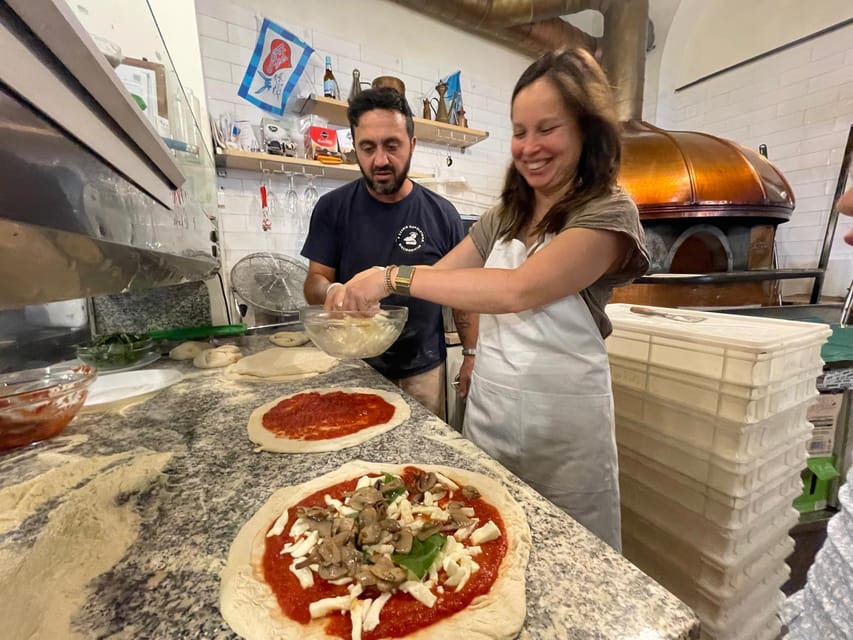
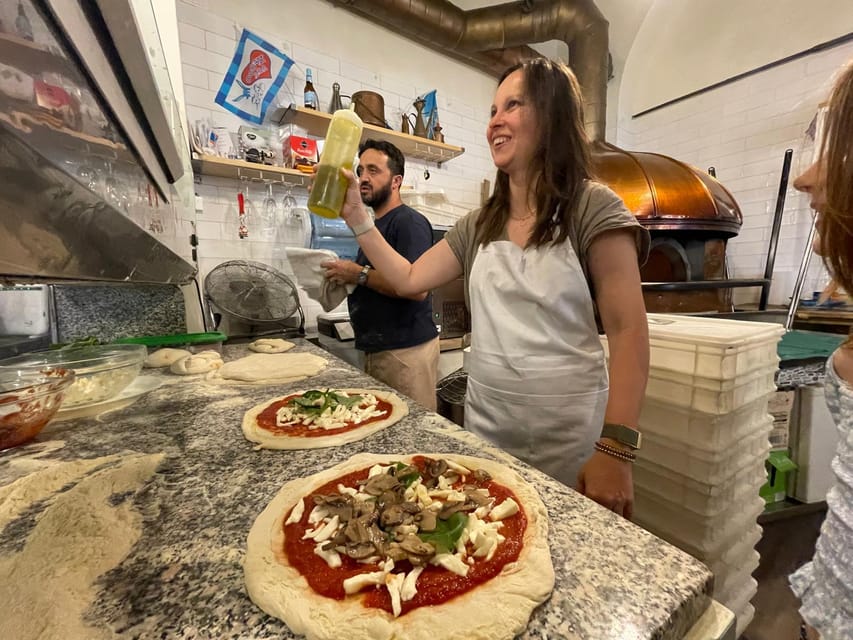
You’ll add tomato and mozzarella before cooking, guided by the team. The ingredients are described as high-quality and fresh, including flour, tomatoes, and mozzarella—exactly the components you want if your goal is to taste the difference that good raw materials make.
Then comes the wood-fired oven. This is not a kitchen with a slow indoor bake. The point is fast, intense heat and that characteristic Neapolitan-style bake. You’ll bake your pizza, and you’ll eat it afterward.
A couple of useful expectations to calibrate:
- You can often take part in actions around the oven. One person said they were allowed to take their pizza out, which is a cool “I did that” moment.
- The exact oven workflow can vary depending on group size and timing, but the overall experience is hands-on baking.
This is also where the class earns its spot in your day. Pizza is one of those foods where the difference between average and great is huge. In a short time, you’ll go from dough handling to a finished pizza that tastes like it belongs in Italy.
Eating outside with wine: the part you’ll remember
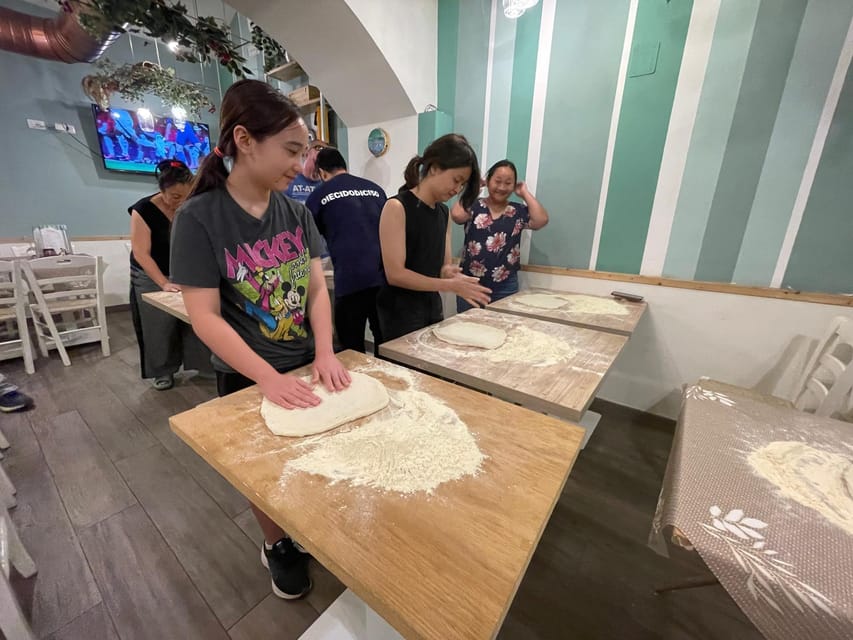
After the bake, you sit down and enjoy what you made. Dining is included, and a glass of Italian wine is part of the experience. If that’s your thing, it turns the activity from a lesson into a proper meal moment.
The setting includes time to eat outside. One family noted they ate outside afterward with soft drinks, and kids loved the format. Even if you’re traveling solo, it’s not awkward or overly formal. It feels like you finished a fun project and then got to enjoy it on the spot.
Also, don’t underestimate the photo factor. Several guests praised the host and guides for taking pictures throughout the class. In at least some cases, photos were shared shortly after. That’s practical in Rome because you’ll be busy sightseeing, and having real photos from a hands-on activity saves you from relying only on street-snaps.



Price and logistics: does $63 feel fair in Rome?
$63 per person is a mid-range price for a Rome food activity, but it can be good value depending on what you compare it to.
If you’re comparing it to buying pizza slices: you’ll spend less on food alone, but you won’t learn the method. This class includes guided instruction, fresh ingredients, wood-fired baking, and a meal with wine. You’re paying for skill plus the full pizza-making process.
If you’re comparing it to cooking classes elsewhere: the location near the Vatican area adds real convenience, and Rome prices often reflect location. Here, the value is that you’re not traveling far to do it. You get a short, focused class (listed at 1 hour) and you can build it into a sightseeing day without a huge detour.
One note on time: a participant said the class felt like about 15 minutes long rather than a full hour. I can’t confirm what you’ll experience, but it’s smart to plan as if the whole experience will take about the listed time, while also accepting the possibility that the active instruction is shorter and the rest is baking, eating, and getting photos.
For most people, that’s still worth it. Pizza-making is quick by nature, and the real payoff is what you learn and taste.
Language support: English, French, and Italian instruction
A big quality-of-life detail: the class runs with instruction available in Italian, English, and French. If you don’t speak Italian, you’re not stuck. If you do, you’ll likely pick up more during the hands-on steps and any ingredient or fermentation explanations.
This matters because pizza-making has technique. Small instructions like how to handle dough at a certain stage or how to time toppings can make or break your result. Guests also mentioned staff taking time to explain details, including fermentation questions from an experienced participant. That’s a good sign if you want real clarity rather than a rushed process.
Who this class is best for (and who might want something else)
This works especially well for:
- Families: Kids can be involved, and the staff seems used to keeping them engaged during dough shaping and baking.
- Couples or solo travelers: The experience is friendly and personal. Reviews mention even solo participation being handled well.
- People who care about technique: If you ask about fermentation and dough produce choices, you’ll get answers.
It may be less ideal if you’re looking for a long, slow culinary workshop. The overall format is short and focused. You’re making pizza, baking pizza, and eating it, not spending hours on multiple courses.
And if your top goal is a dramatic Vatican viewpoint from a single spot: set expectations that your view may vary, depending on seating and setup. You’re doing the class in the Vatican area, not at a curated “look-at-the-dome” viewpoint.
Practical tips to get the most out of your session near the Vatican
Here’s how to make this class go smoothly and turn it into a highlight.
Arrive hungry (but not frantic). You’ll be baking and eating right after, and the meal is part of the value.
Bring camera energy. The team takes photos during the class, which is great, but you’ll probably still want a few of your own shots. Follow their timing so you’re not juggling hands and a phone during dough work.
Ask one technique question. If you want the class to feel deeper, ask about fermentation, dough behavior, or ingredient choices. The staff has shown they’ll answer detailed questions when people ask.
Plan this after your Vatican time. The meeting point is close enough that you can stack it after sightseeing without over-planning.
Expect hands-on mess. Even when it’s controlled, dough is dough. Wear something you can live with if you get flour on it.
Should you book this Neapolitan Pizza Class in front of the Vatican?
If you want an authentic food activity that fits into a Rome sightseeing day, I’d say this is a strong choice. You’re paying for real pizza-making skills, a wood-fired oven, quality ingredients, and a meal right after. The location near the Vatican and Ottaviano metro is also a big practical win, especially if you’re trying to avoid long transport days.
Book it if you’re traveling with family, you want something interactive, or you like learning how a classic dish actually works. Consider an alternative if you’re only looking for a passive scenic experience, or if you’re expecting a guaranteed direct Vatican view from your seat.
Bottom line: this is the kind of experience that gives you a tasty result and a useful skill, and it happens right where you already want to be.