REVIEW · ROME
Rome: Pantheon Guided Tour with Entry Ticket and Headsets
Book on GetYourGuide →Operated by Flavio's Journeys · Bookable on GetYourGuide
The Pantheon hits different with a guide. You skip the bottleneck, step inside with clear headsets, and leave with the place explained in plain, human terms.
What I like most is how the tour turns big architecture into a story you can picture, from the 43-meter dome to the famous oculus. I also like the practical pacing: at about 50–55 minutes, you get the big ideas without getting dragged through endless stops. One thing to consider: it’s short, so if you want to linger for photos and quiet staring after the tour ends, you’ll need to budget a little extra time.
In This Review
- Key points to know
- Skip the line at Piazza della Rotonda (and why it matters)
- Meeting point and what to wear (so you don’t waste time)
- The 50–55 minute flow: what happens from start to finish
- Agrippa and the Roman engineering story you’ll actually remember
- Inside the dome: the 43-meter geometry and the oculus effect
- Christian Rome layers: Pope Boniface IV and 608 relics
- Small group energy plus headsets (why you’ll hear every sentence)
- Price value: is $39 a smart use of a Rome hour?
- Who this Pantheon tour suits best (and who should skip it)
- Should you book this Rome Pantheon guided tour?
- FAQ
- Where is the meeting point for the Pantheon guided tour?
- How long is the Pantheon tour?
- What’s included in the tour price?
- Does the tour run in bad weather?
- What should I wear or bring?
- Can I cancel if my plans change?
Key points to know
- Skip-the-line tickets help you get in faster through express security
- Live guide + headsets make the history easy to follow, especially in a crowd
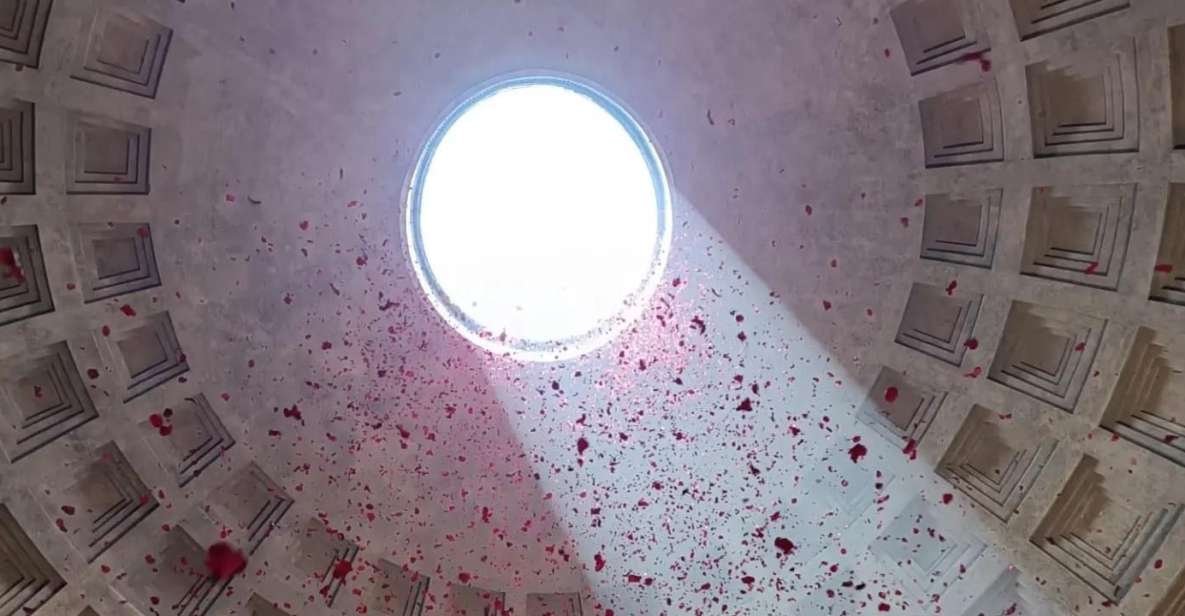
- Dome math you can visualize: the 43 m diameter and the oculus
- Relics explained: martyrs’ remains linked to Pope Boniface IV in 608
- Small-group feel tends to keep questions and attention on point
Skip the line at Piazza della Rotonda (and why it matters)
Rome’s Pantheon is one of those places where the queue can steal your energy. This tour is built around time savings: you get skip-the-line tickets and move through an express security check. That matters because you’re not just paying for entry—you’re paying for arriving inside ready to look, not stuck waiting while the day gets away from you.
You’ll also feel the advantage of doing it earlier in the day than a casual wander. When you walk into the Pantheon with a guide’s voice in your ears, you don’t just see a famous dome—you start noticing how the space works. The marble floor becomes more than decoration. The geometry stops being trivia and becomes a reason the Pantheon survived so well compared to other large Roman structures.
Is it perfect? No tourist plan ever is. Even with faster entry, there can still be a bustle around Piazza della Rotonda because it’s right by the monument. The best way to get the payoff is to show up on time, keep expectations realistic, and treat the tour as your “first look + story,” then plan a second pass with your own pace.
You can also read our reviews of more tours and experiences in Rome.


Meeting point and what to wear (so you don’t waste time)
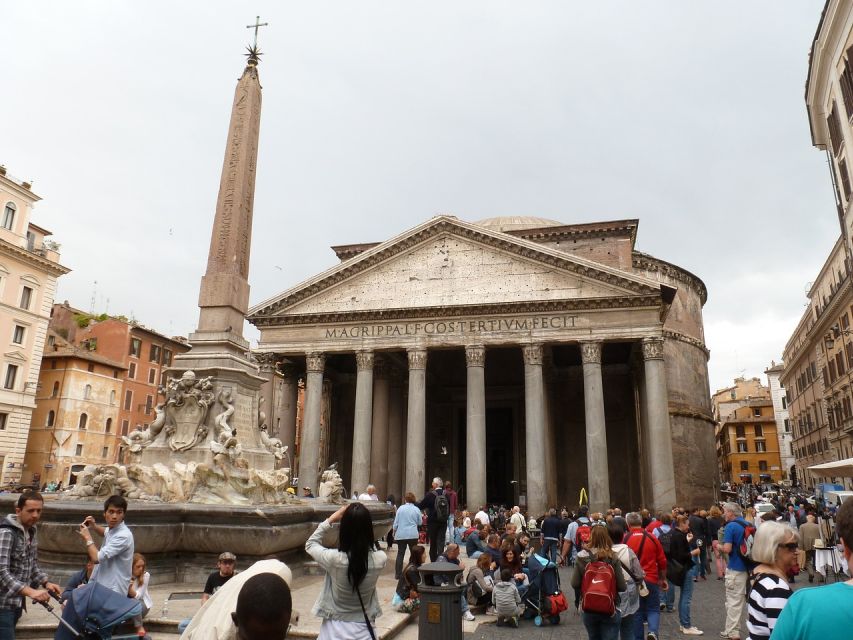
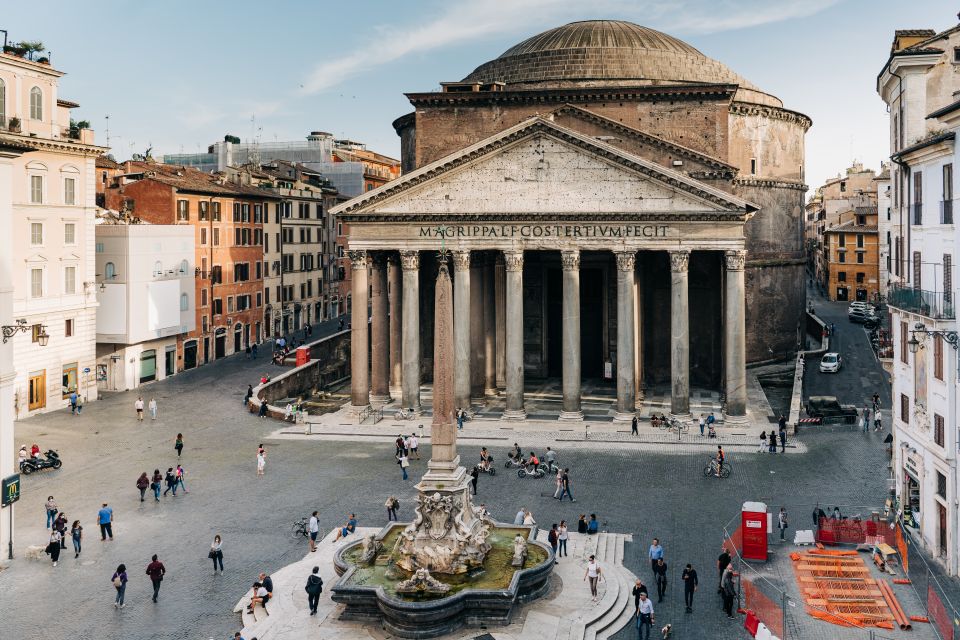
This tour meets at Piazza della Rotonda, 4, in front of Antica Salumeria, opposite the Pantheon. It’s a simple meeting spot, but it’s also a busy square. I’d rather you arrive a few minutes early than spend your precious tour time trying to match faces to faces.
Dress rules are part of the experience here. You must cover shoulders and knees, and the tour runs rain or shine. So yes, you’ll want practical clothes. Bring a sun hat, comfortable shoes, and rain gear because you’ll be moving and standing outdoors in the square before you go in.
Also note the no-luggage rule: no luggage or large bags. If you travel with a big backpack, consider leaving it at your hotel and packing lighter for this outing. It’s the kind of detail that makes or breaks the calm start of your tour.
Finally, the tour languages are Italian and English. If you’re booking for English, plan to arrive ready to listen—those headsets are for a reason.
The 50–55 minute flow: what happens from start to finish
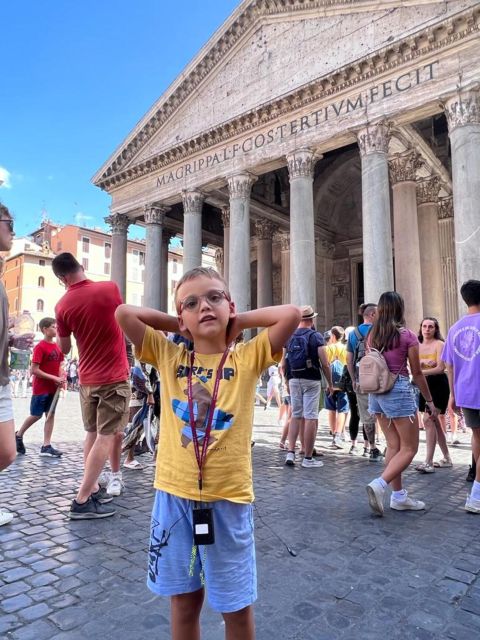
The tour is designed to be focused, not sprawling. You begin at the meeting point, step into the Pantheon for the guided portion, and then return to where you started: Piazza della Rotonda, 4. That loop is useful because you don’t lose time hunting for a new drop-off.
Inside, the guide’s job is to connect the dots for you. You’ll hear the story behind what you’re seeing, including engineering decisions that helped a building this old still feel intact. You’ll also get a sense of how the Pantheon moved through time—Roman worship, then later Christian use—without the tour turning into a lecture that forgets you’re standing in the space.
In terms of pace, the duration is 50–55 minutes. That’s long enough for real explanations and short enough that you’ll likely still want to take more time afterward on your own. In recent experiences, guides like Jessica, Leonardo (often with Barbara mentioned alongside), Jobe, Claudia, and Nina come up as examples of the kind of storytelling that keeps things lively—often with humor, patient answering, and a calm rhythm instead of rushing.
A good expectation to set: you’ll come out understanding the building, not just seeing it.
Agrippa and the Roman engineering story you’ll actually remember
One reason the Pantheon feels timeless is that it’s built to impress without needing motion. The guide helps you read that impression.
The tour frames the monument’s story through the Roman world you’re walking through. You’ll hear about how the Pantheon connects back to Agrippa and the broader Roman ambition behind the structure. Then the explanations pivot into practical engineering: what the building’s size and materials were doing, and why a monument of this scale could survive when so much else didn’t.
You’ll also learn the kind of detail that changes how you look. Instead of treating the interior like a single wow moment, you start understanding it as a system—how the dome’s shape influences the feel of the space, how light behaves through the oculus, and why the Pantheon’s proportions work so well for both visitors and worshippers.
I like this approach because it gives you something to “carry” through your photos. You’re not just snapping a dome. You’re documenting a structure built with intention—then realizing that intention has meaning.
Inside the dome: the 43-meter geometry and the oculus effect
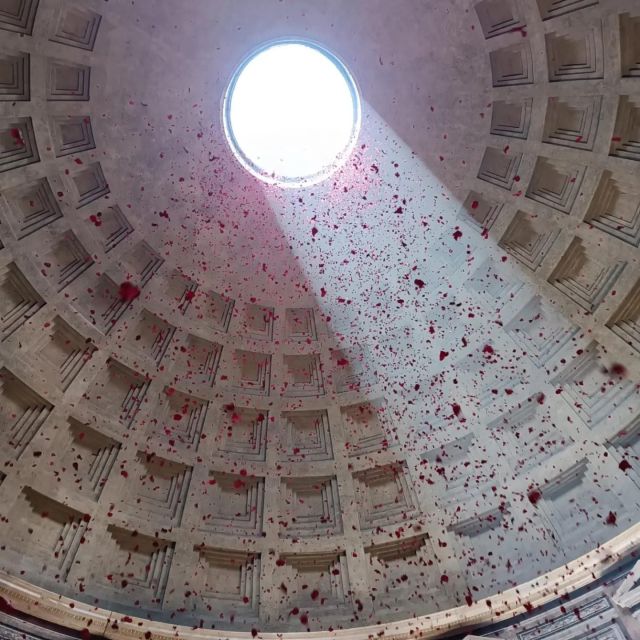
The headline feature is the dome, and the tour puts real numbers behind the awe. You’ll hear that the dome is 43 meters in diameter and learn how the design supports the building’s survival over centuries.
Then there’s the oculus. Even if you’ve seen pictures, the moment you’re inside and the light is landing where it’s supposed to is a different feeling. The guide explains how that opening allows natural light to illuminate the interior. Once you know what to look for, you stop treating the light as random atmosphere and start seeing it as part of the architecture’s design.
This is also where headsets matter. Inside the Pantheon, it’s easy to get swallowed by noise and echo. When you can hear the guide clearly, you can follow explanations without craning your neck or walking behind other people trying to see what your guide is pointing at.
Also, you’ll usually get more time to look once the guide has oriented you. One of the best bits of value here is that you’ll know what to focus on during your own free moments after the talk—dome lines, the oculus, and the way the marble floor frames your view.





Christian Rome layers: Pope Boniface IV and 608 relics
Rome doesn’t do one story at a time. The Pantheon is a great example because it carries Roman identity and later Christian significance.
In this tour, you’ll learn about how remains were moved into the Pantheon—specifically, that remains of martyrs were removed from the Christian catacombs and placed in the Pantheon on the orders of Pope Boniface IV in 608. It’s a specific, high-impact detail. And it matters, because it helps you understand why this building isn’t only about architecture. It’s also about memory and reuse.
You’ll also hear explanations that connect to the religious life of the building afterward. The goal isn’t to turn the Pantheon into a mystery box. It’s to help you leave with a clearer answer to the question many people silently wonder: what changed, what stayed, and what those changes meant in the daily life of Rome.
One practical note: because the tour includes both interior and exterior explanation, you’ll want to keep your expectations steady. The Pantheon is always photogenic, but this isn’t just a photo walk. The guide helps you see the layers, so you get more out of your 50–55 minutes than a quick look would provide.
Small group energy plus headsets (why you’ll hear every sentence)
This is a guided tour with a built-in listening advantage: headsets are included, especially when groups run over 8 people. In plain terms, it means you don’t have to “fight for audio” in the middle of a crowd. You can stand in a good viewing spot and still catch what the guide is saying.
In the reviews people tend to praise the guides for three things: clarity, enthusiasm, and a sense of humor that doesn’t derail the story. Names that come up often—Jessica, Leonardo, Jobe/Jobe, Claudia, Nina, Giuseppe, Mya—are tied to guides who explain both outside structure and inside architecture with a steady pace. Some mention interactive moments, with guides asking questions or working with kids, which usually leads to better engagement for adults too.
There’s also a practical comfort angle. The tour is short and organized. You’re not stuck for hours while someone covers everything you could read on a plaque. Instead, you get the “why it matters” pieces: engineering choices, symbolism of light, and the historical layers tied to Christian use.
Is there a downside to this setup? Sometimes people want to stay inside longer after the tour ends. The tour itself is timed, so if you want extra lingering, plan to add a bit of solo time after you finish.
Price value: is $39 a smart use of a Rome hour?
$39 per person isn’t cheap by Rome standards, but it’s also not priced like a museum gala. For me, the value comes from three bundled things you’d otherwise piece together: a live guide, skip-the-line entry, and headsets.
If you’ve ever tried to enter with a self-guided approach on a busy day, you know the cost of time is real. Paying for faster access can be worth it by itself. Then add the guide’s job: translating monumental Roman engineering and later religious history into something you can actually track while standing in the space.
This tour also avoids a common money trap: spending your hour just standing in a group while someone rushes through. The experiences tied to this tour are consistently about guides making the explanation engaging and leaving enough time to look. The “short but comprehensive” feel shows up in the feedback again and again: you get a high-impact overview without it turning into a marathon.
So who should consider this price? If you want your Pantheon visit to function like a guided class you can feel standing in the building, $39 is a fair ask. If you’d rather wander slowly and read plaques, you may not need a guide. But if you want the Pantheon to make sense fast, this price buys that clarity.
Who this Pantheon tour suits best (and who should skip it)
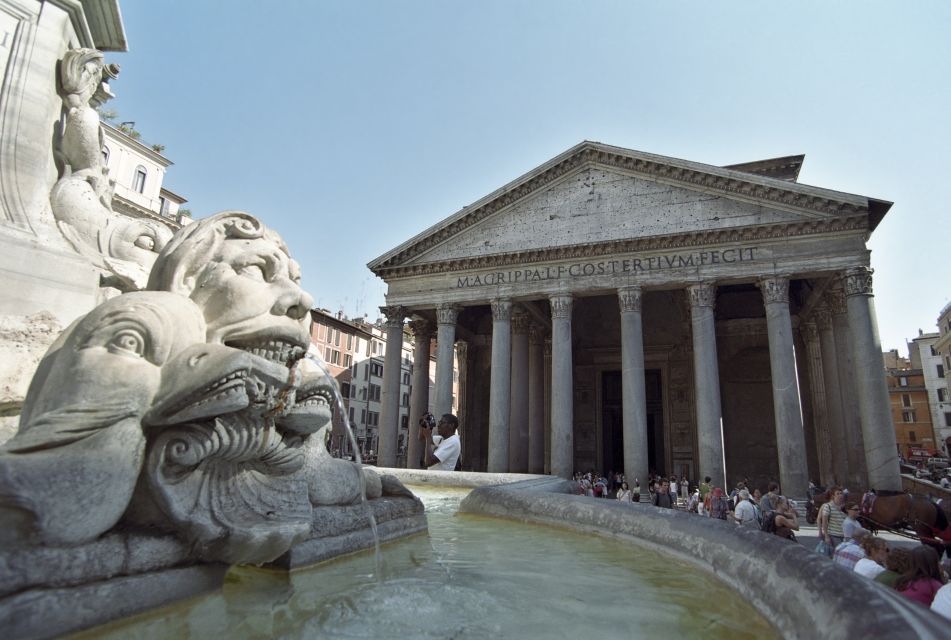
I think this tour is a strong fit if you:
- want a guided experience that stays around 50–55 minutes
- care about architecture explanations, not just sightseeing photos
- prefer hearing a guide clearly via headsets
- are visiting on a busy day and want to reduce waiting
It can also help if you’re traveling with mixed experience levels. The guides mentioned in recent bookings—some with humor, some very interactive—suggest the tour can keep attention without requiring a deep background in Roman history.
You might consider another approach if you:
- want to spend a long time inside at an unhurried, silent pace
- don’t want to follow dress rules around shoulders and knees
- travel with large bags you’d rather not rearrange or store
For most people, though, this is the kind of practical Rome experience that pays off quickly. You get oriented fast, then you can decide how much more time you want to spend.
Should you book this Rome Pantheon guided tour?
If your goal is to understand what you’re looking at, yes, book it. The combination of skip-the-line entry, headsets, and a live guide who explains both Roman engineering and later Christian layers makes it feel like good use of a short day window.
If you’re on the fence, use this simple test: do you want the Pantheon to be more than a famous building in your photos? If the answer is yes, this tour is built for you. If the answer is no, you may save money by doing self-guided entry and spending your hour reading at your own rhythm.
Either way, plan for the dress code and the fact that it runs rain or shine—because the Pantheon experience is always inside, but the waiting and approach are outdoors.
FAQ
Where is the meeting point for the Pantheon guided tour?
You meet in front of Antica Salumeria at Piazza della Rotonda, 4, opposite the Pantheon.
How long is the Pantheon tour?
The duration is about 50 to 55 minutes.
What’s included in the tour price?
You get a live guide, a guided tour, headsets (especially for groups over 8 people), and skip-the-line tickets.
Does the tour run in bad weather?
Yes. The tour takes place rain or shine.
What should I wear or bring?
You’ll want comfortable shoes, a sun hat, and rain gear. All guests must cover their shoulders and knees.
Can I cancel if my plans change?
Free cancellation is available up to 24 hours in advance for a full refund.