REVIEW · ROME
Rome: Pasta Cooking Class with Market Visit and Wine
Book on GetYourGuide →Operated by Yellowsquare Rome · Bookable on GetYourGuide
Homemade pasta starts with a market stroll. I really like the Nomentano Market walk, because it turns ingredients into something you can actually picture in your finished pasta, and I also like how Chef Marco runs the class with clear, friendly guidance.
You’ll finish the day with a sit-down lunch built around what you make, plus a glass of Italian wine. The experience wraps with coffee and limoncello, and you get a participation certificate and pasta recipes to take home.
One consideration: this class is not suitable for people with gluten intolerance, so double-check dietary needs before you book.
In This Review
- Key highlights worth planning around
- Via Palestro to the Nomentano Market: how this day gets started
- The Nomentano Market walk: turning shopping into cooking skills
- Kitchen of Mamma: the pasta-making basics you actually need
- Rolling, cutting, stuffing: ravioli and more than one pasta format
- The sauces and the meal rhythm: wine, pacing, and not rushing
- Coffee and limoncello: the classic finish that makes the day feel complete
- What you take home: recipes, certificate, and the confidence to repeat
- Price and value: what $141.61 buys you in Rome
- How long it really takes: planning your afternoon
- Who should book this class (and who should skip it)
- Should you book this Rome pasta cooking class?
Key highlights worth planning around
- Nomentano Market ingredient hunt: see fresh, seasonal items up close before you cook.
- Chef Marco’s hands-on stations: you work at your own setup, with checks and tips as you go.
- A real pasta variety, not just one shape: you’ll make multiple kinds, with fillings and sauces involved.
- Lunch plus wine, then coffee and limoncello: the meal is part of the learning rhythm.
- Recipes and a participation certificate: you leave with a plan for recreating the pasta later.
Via Palestro to the Nomentano Market: how this day gets started
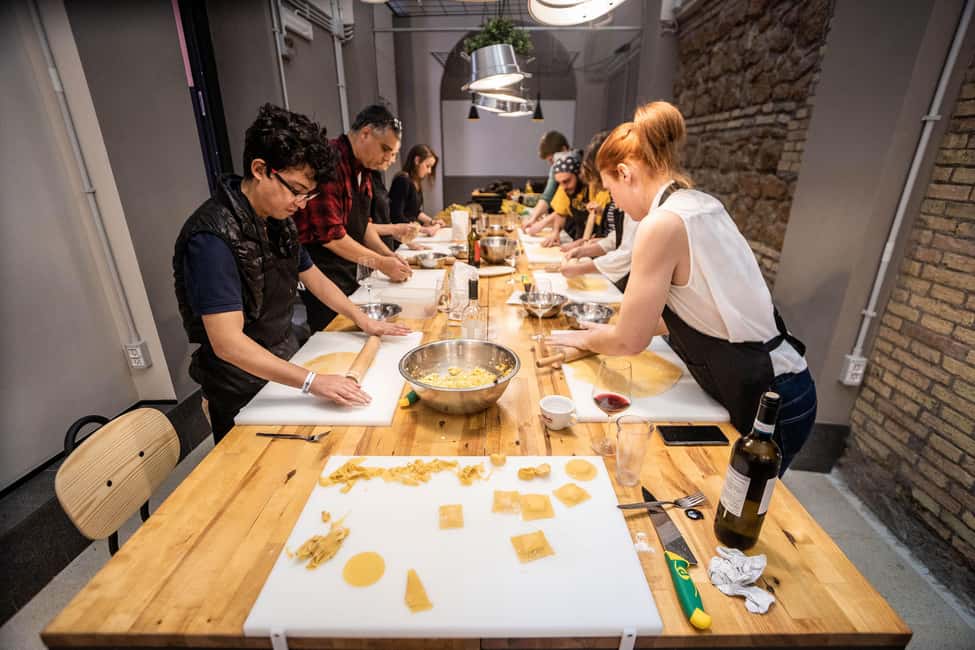
The meeting point is Via Palestro 51 in Rome (00185). Plan to arrive at least 10 minutes early so you’re not rushing when everyone regroups. From there, the day has a simple flow: a walk to the local market, then back to the kitchen to cook.
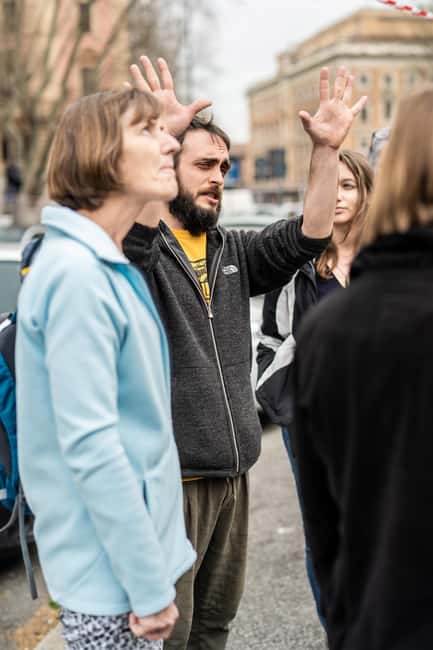
This format matters because it doesn’t treat pasta as a trick you memorize. Instead, you start with ingredients and learn why certain choices make sense in Italian cooking. You’ll also get background while walking, including Roman history moments woven into the stroll.
You can also read our reviews of more tours and experiences in Rome.
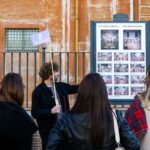
The Nomentano Market walk: turning shopping into cooking skills
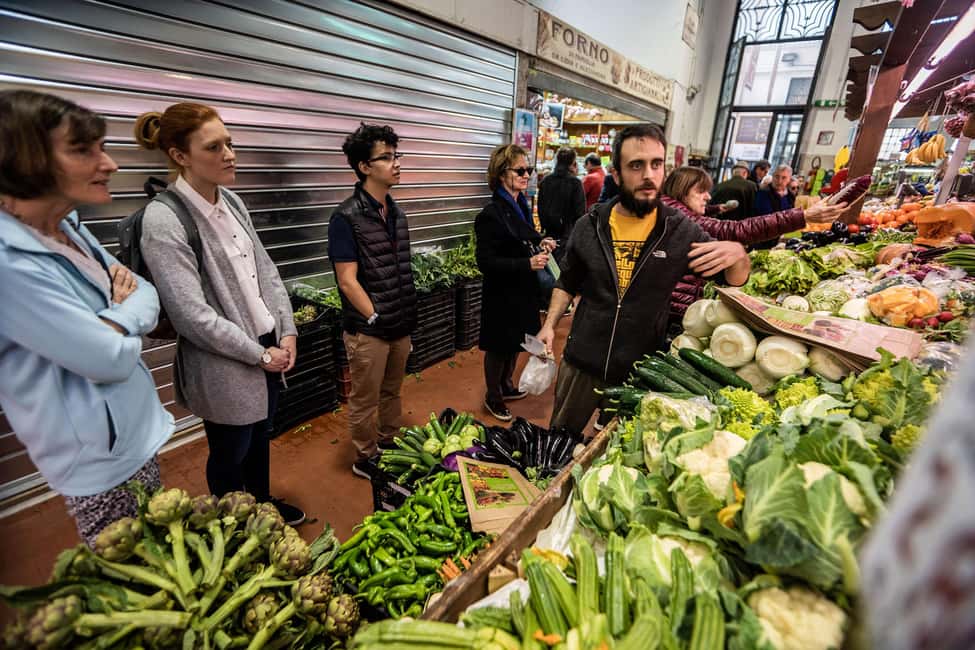
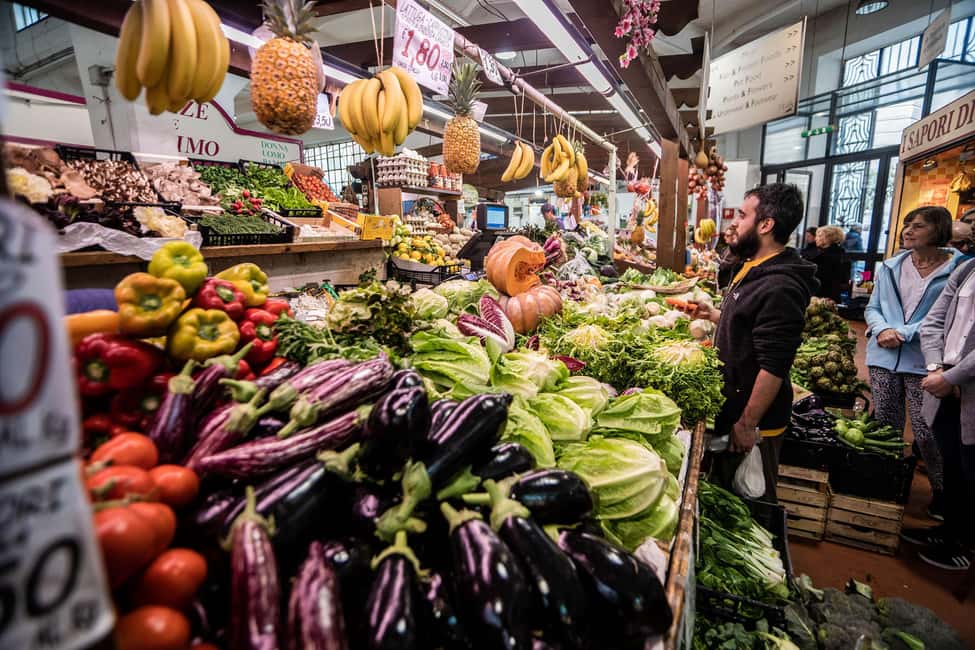
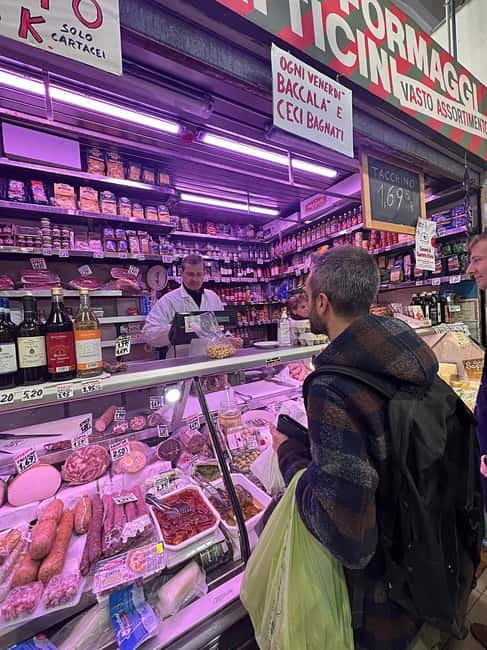
A market visit in Rome can be a nice photo break. Here, it’s used like a mini lesson. You’ll see local shops and fresh produce, meat, and fish options, then connect those items to what the class is building toward.
The practical value: you learn what to look for. For pasta, that usually comes down to things like ingredient freshness and pairing logic—what works with ricotta-type fillings, what makes sense for sauces, and how seasonal ingredients influence flavor. Even if you’ve cooked before, this shopping-to-kitchen link is the part that helps you cook more confidently at home.
One more thing I appreciate: you’re not just wandering. The chef/guide points out attributes of what you’re buying and explains why certain ingredient combinations work. In at least one group setup, you could see how the chef connects market items (like ricotta, pumpkin, sage, mushrooms) to the ravioli plan before anyone rolls a single sheet of dough.
Kitchen of Mamma: the pasta-making basics you actually need
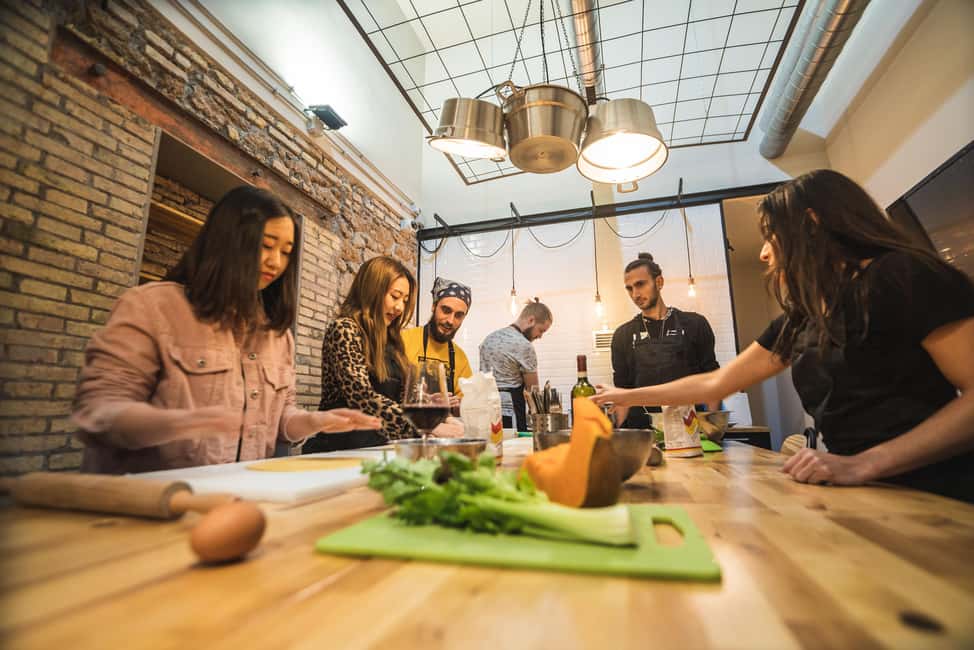
Back at the kitchen, the setting is called Kitchen of Mamma. It’s where the day shifts from sightseeing to hands-on cooking.
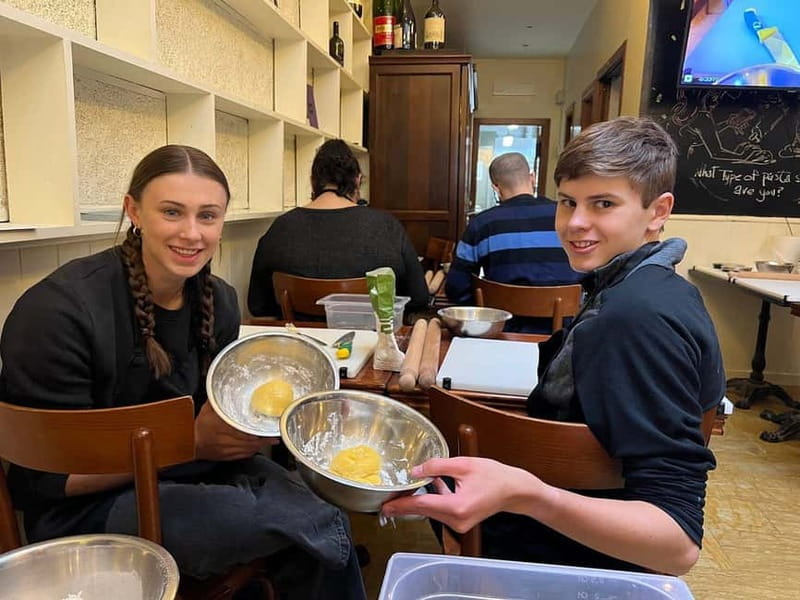
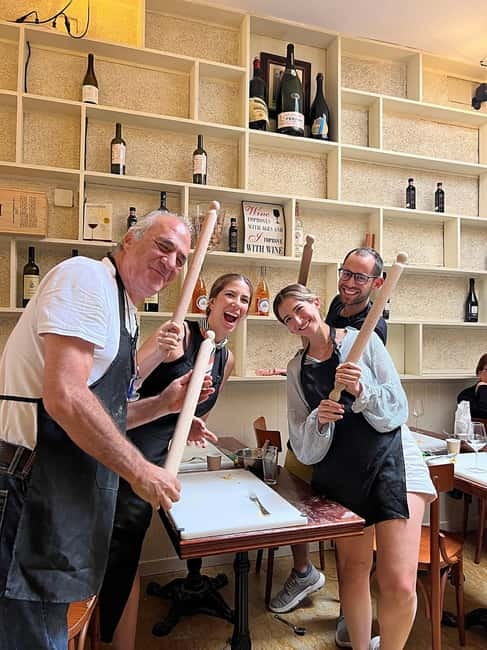
The focus starts with dough. You’ll learn how to create a proper pasta dough, and you’ll get help while you work at your station. This is the difference between watching someone else cook and truly learning the process. Multiple reviews highlight how the chef checks on people’s dough and corrects mistakes without making it stressful.
If you worry about skill level, good news: no previous skills are required. You’re taught from scratch, with guidance that stays practical. The chef’s teaching style also helps—people repeatedly mention his humor and relaxed energy, which keeps the class from feeling like a strict food lab.
Rolling, cutting, stuffing: ravioli and more than one pasta format
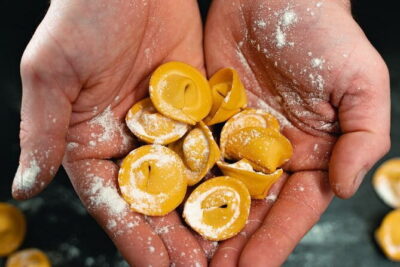
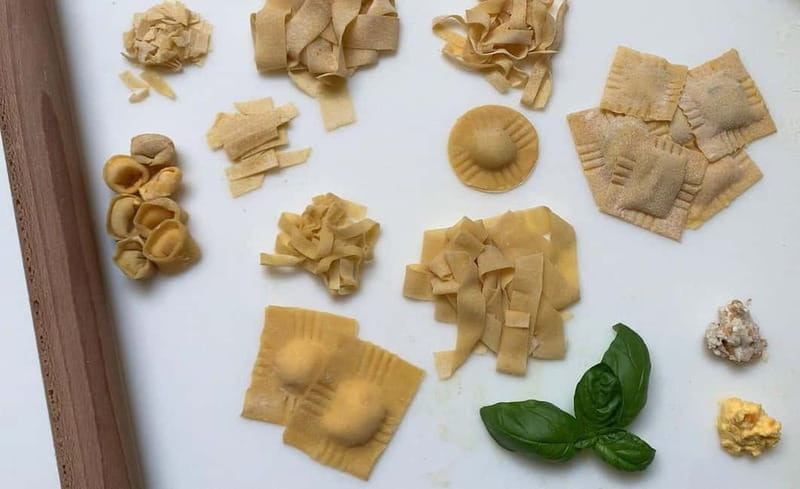
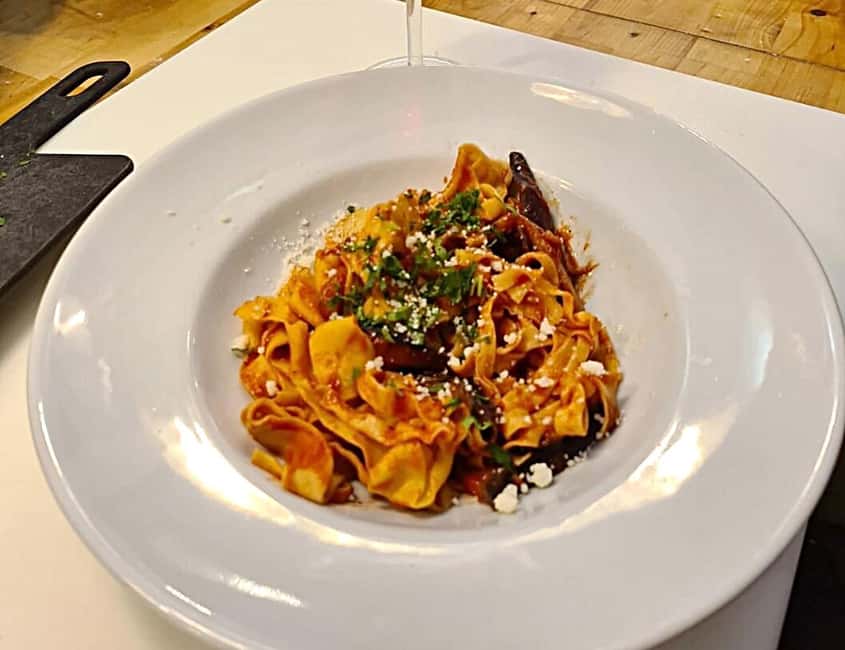
This isn’t a one-shape class. The experience is built around making a variety of pasta, with reviewers mentioning everything from ravioli and tortellini to linguine-style results. In some versions, you may also cut or shape pastas in different sizes (one review mentions cutting multiple different sizes).
Then come the fillings and sauces. You’ll prep and work with stuffing ideas (reviews specifically call out ravioli like pumpkin ricotta) and learn how sauces fit the pasta shape and filling. That pairing is a big deal: a sauce that works on flat ribbons doesn’t always work on stuffed pasta, and the class shows the logic.
A key realism point: you might not do every single step with your hands. At least one review notes that not all ingredients are cooked/prepared entirely by participants. Still, you’re active enough that you learn the core moves—dough, shaping, stuffing, and then tasting the results.
The sauces and the meal rhythm: wine, pacing, and not rushing
After you’ve worked through dough and shaping, the class moves into cooking and then eating. The meal is served with a glass of Italian wine, and the pacing is designed to keep you from spending the whole day waiting.
What’s useful here is the rhythm. You get guided timing so you don’t end up with overworked dough or pasta that’s ready before the sauces are. Reviews also mention sampling both red and white wine during the experience, which suggests a more relaxed, conversational flow rather than a single strict pour-and-go moment.
You’ll also hear Italian stories while you cook and wait. This matters because it turns the kitchen time into a cultural exchange, not just a recipe download. And when you’re learning pasta technique, that mental downtime helps you focus when it’s time to shape again.

Coffee and limoncello: the classic finish that makes the day feel complete
The experience ends with coffee and limoncello. That final note is more than a sweet add-on. It’s a Roman/Italian-style way to close the loop: you cook, you eat, you taste wine and then finish with a digestif.
If you’ve got a sweet tooth, limoncello is the obvious draw. If you prefer balance, coffee helps reset you before you head back into Rome. Either way, it makes the day feel like a full experience rather than a half-class that ends at the pass.
What you take home: recipes, certificate, and the confidence to repeat
You get pasta recipes and a participation certificate at the end. That sounds simple, but it’s genuinely useful because making fresh pasta at home is easier when you have the exact method steps in front of you.
Recipes matter because home kitchens differ from cooking-school kitchens. Flour brands, room temperature, and kitchen equipment all affect dough. Having the class recipes helps you troubleshoot rather than guessing.
Also, people mention taking extras home. The details aren’t fully specified in the info you provided, but it’s clear the experience can include some take-home food at the end. If that matters to you, it’s worth asking on booking what’s typically included for your specific session.
Price and value: what $141.61 buys you in Rome
At $141.61 per person, this class sits in the mid-range for Rome cooking experiences. Here’s what you’re really paying for:
- A market visit with a guided walk and ingredient explanation
- Hands-on pasta instruction led by an Italian chef (English and Italian are available)
- A lunch that includes what you cook, served with Italian wine
- Coffee and limoncello
- Recipes and a certificate to help you repeat the meal later
The best value angle is the combination of market-to-kitchen teaching. Many classes focus on cooking only. Here, your shopping walk turns into a reasoned recipe, not just a shopping list.
Timing also affects perceived value. The duration is listed as 6 hours, and reviews mention that for some people it can feel closer to 4 hours. Either way, you’re getting a structured afternoon that includes both cooking and eating—so you’re not paying for a short demo followed by an overpriced lunch.
How long it really takes: planning your afternoon
The official duration is 6 hours. For planning purposes, I’d still treat it like a full afternoon block. Rome days get crowded fast, and you’ll want buffer time for the market walk, prep, cooking, and the sit-down meal.
A practical tip: schedule this earlier in your day or on a day when you don’t have a packed evening plan. You’ll be fed, you’ll drink wine, and you’ll likely leave feeling like you just did something memorable—not like you barely squeezed in another activity.
Who should book this class (and who should skip it)
This experience is a great fit if you want a hands-on food day with an Italian chef and an actual meal at the end. It’s also a strong choice if you enjoy learning through doing—especially if you’re curious beyond the usual spaghetti carbonara story.
It also suits groups that like social activities. One review mentions a group of nine and describes individual stations at a long table, suggesting the setup supports multiple people working together without everyone crowding around a single counter.
Skip it if you need gluten-free options. The class is not suitable for people with gluten intolerance, and the menu includes wheat-based pasta by default.
If you’re pregnant or have additional needs around drinking, the class seems flexible in how it supports participants. At least one review highlights the chef being attentive about safe hydration and making sure there’s plenty to drink. Still, I’d message ahead about your situation so expectations are clear.
Should you book this Rome pasta cooking class?
Book it if you want a structured, fun afternoon that combines a local market walk, real pasta technique, and a proper meal with wine—plus recipes you can use later. The biggest selling point is the teaching style: Chef Marco’s guidance is repeatedly described as funny, relaxed, and focused on making sure your pasta dough turns out well.
Skip it if gluten intolerance affects your diet, or if you prefer a strictly hands-only experience where you do every prep step yourself. Some steps may be prepared in advance, but you’re still actively involved in shaping and learning the process.
If your goal is to leave Rome with more than photos—and to bring home the ability to make fresh pasta—this is one of those experiences that actually turns into a skill.