REVIEW · ROME
Rome: Pizza and Gelato Cooking Class with Wine
Book on GetYourGuide →Operated by Crown Tours · Bookable on GetYourGuide
Rome tastes different when you cook it yourself. This hands-on Rome class turns you into a temporary pizzaiolo, then keeps going with Rome’s cheesy rice croquettes (supplì), creamy gelato, and free-flowing Italian wine in an intimate setting.
I really love two things here. First, you make the pizza from scratch, including kneading the dough, not just assembling toppings. Second, the cooking rhythm is friendly and paced, so you actually learn techniques for supplì and gelato instead of rushing through steps. One consideration: this is a gluten-heavy experience and it is not recommended for people with celiac disease, with traces of gluten and nuts mentioned.
In This Review
- Key things I’d plan around
- A 3-hour Roman cooking class that feels like dinner with your new friends
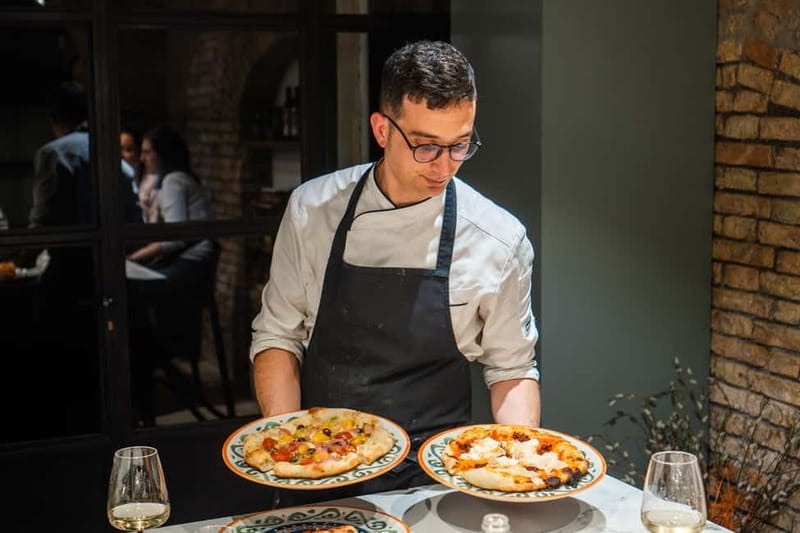
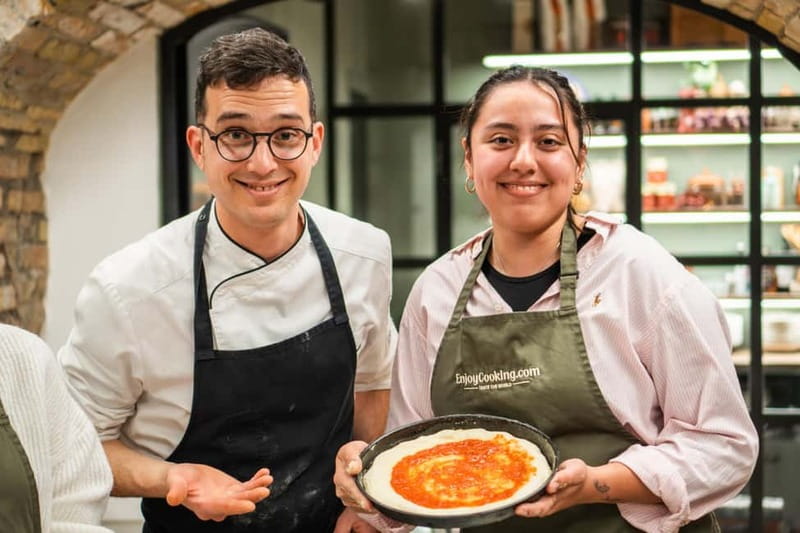
- Pizza masterclass: knead, shape, and bake like a Roman
- Supplì: the crunchy Roman rice croquette with a gooey center
- Gelato technique: making Italian-style cream feel different than ice cream
- Wine, coffee, snacks, and the moment you sit down together
- Where to meet and how to fit this near your Rome plans
- What you’re actually paying for (and why it can be good value)
- Dietary reality check: gluten limits and celiac needs
- Who this cooking class is best for
- Should you book this Rome pizza, supplì, and gelato class?
Key things I’d plan around
- From-scratch pizza dough: you learn kneading, sauce, and toppings, not just final assembly.
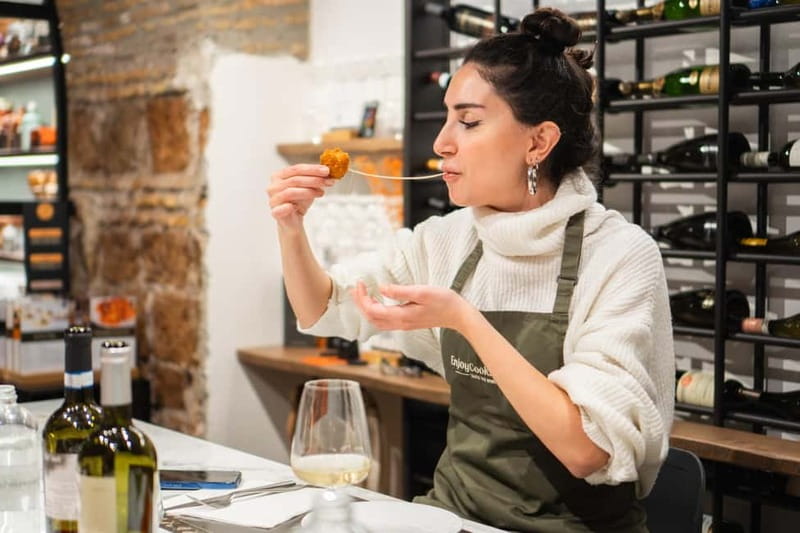
- Supplì with a melting center: focus is on the crunchy outside and the gooey mozzarella inside.
- Gelato technique, not store-bought scoop: you learn how the ingredients and process create the real Italian texture.
- Small group focus (max 12): you get personal guidance without getting lost in a crowd.
- Free-flowing Italian wine plus snacks: the drinks are part of the evening, but the food-first pace stays comfortable.
- Chef-led teaching in English: instructors like Chef Max, Marco, Chef Alessandro, Jacopo, and Jacob/Jacobo have led sessions, and the common thread is hands-on clarity.
A 3-hour Roman cooking class that feels like dinner with your new friends
This is the kind of activity that makes Rome click fast. You’re not just looking at food culture from a distance—you’re doing the work: mixing, shaping, frying, baking, and then sitting down to eat what you made. The experience runs about 3 hours, and it ends right back where you started, so it fits cleanly between a daytime sight and an evening meal.
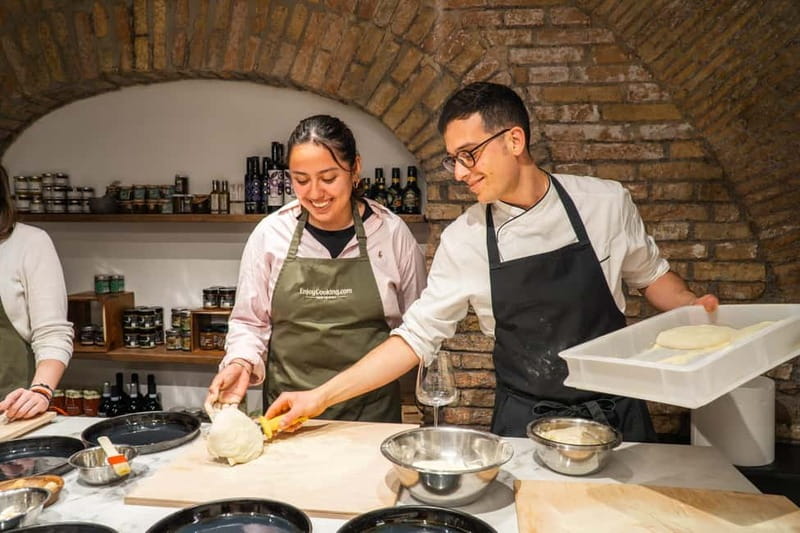
The group size is capped at 12, which is a huge deal in Rome where some food tours cram people into spaces that feel like a cafeteria line. Here, the kitchen stays manageable and the chef can see what you’re doing—especially helpful if you’ve never cooked from scratch.
You’ll be working with an English-speaking instructor. Based on past class leaders (Chef Max, Marco, Chef Alessandro, Jacopo, and Jacob/Jacobo), you can expect the same general style: friendly, patient, and focused on helping you succeed at each station.
You can also read our reviews of more tours and experiences in Rome.


Pizza masterclass: knead, shape, and bake like a Roman
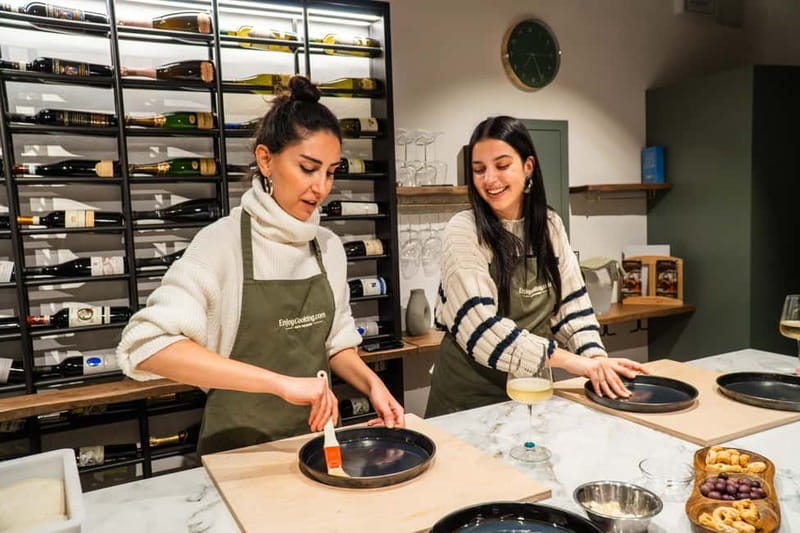
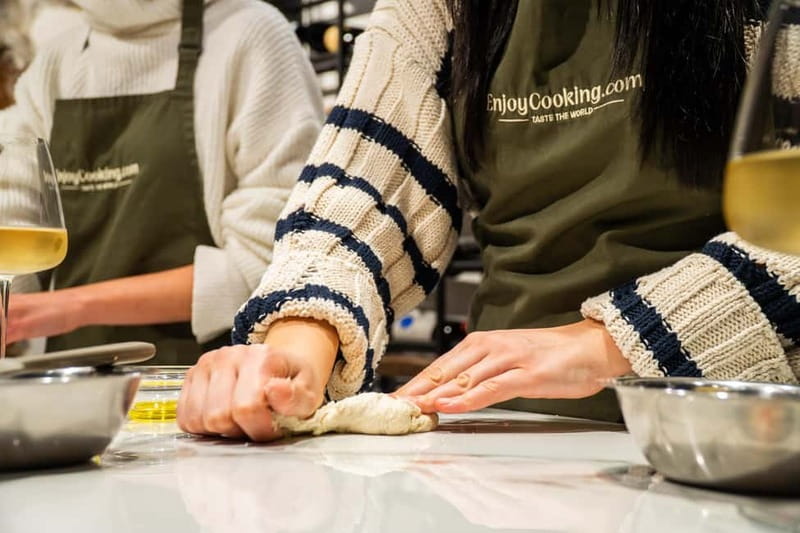
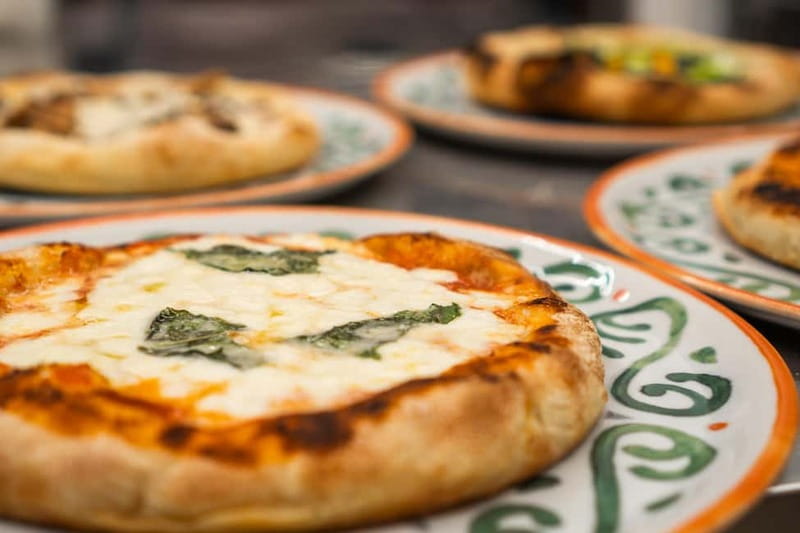
The pizza part is the star attraction—and it matters that it’s truly a masterclass from scratch. You’re taught how to handle the dough, including kneading, which is where most home cooks either stop short or do it incorrectly. Kneading is not just busywork; it’s how the dough develops the right texture so it bakes with a good chew and structure.
Then you move through the key pizza components:
- Sauce and toppings: you get guidance on balance, portioning, and how toppings affect the final bake.
- Shaping the crust: you learn what the dough should look and feel like as you form your pizza.
- Watching it bake: the class includes the payoff moment—seeing your pizza go from raw dough to something that smells like a Roman street snack and a pizzeria at the same time.
One thing I appreciate is the way the class treats pizza as a set of choices and techniques, not a single recipe. Even if you don’t become a future pizzaiolo, you’ll leave with better instincts about dough handling, sauce thickness, and topping placement.
If you’re hoping to relax with a glass of wine while someone else does the work, this is not that class. You’ll get your hands in the dough. Plan to wear something you don’t mind getting a little messy, and don’t expect everything to be perfectly clean and quiet.
Supplì: the crunchy Roman rice croquette with a gooey center
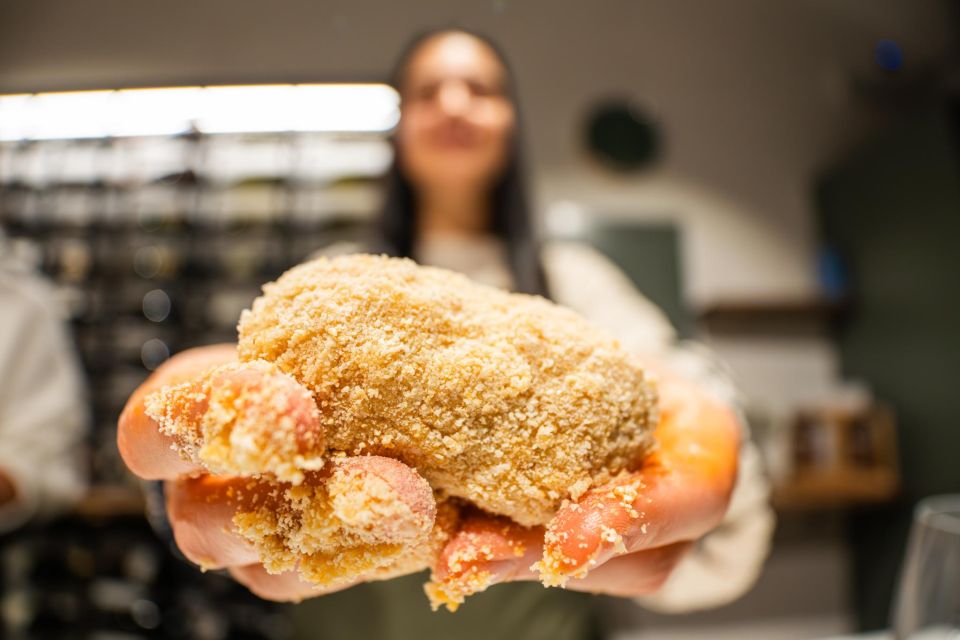
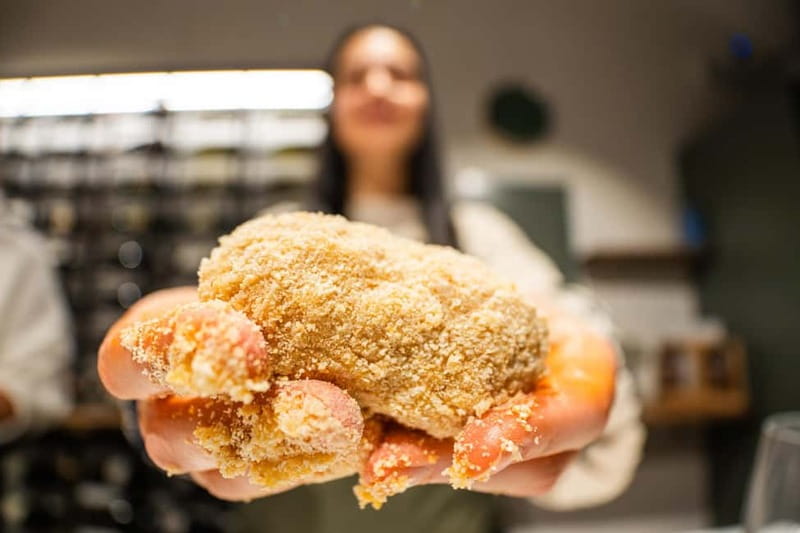
Next comes supplì, Rome’s famous cheesy rice croquettes. The focus is on the contrast that makes supplì addictive: a golden crunch outside and a mozzarella center that should feel gooey when you cut into it.
This is the kind of food that’s hard to get right at home because frying depends on technique and timing. In class, you get step-by-step guidance so you’re not left guessing:
- how to shape them
- how to handle the filling so you get that molten result
- and how the “outside” and “inside” need to work together
You’ll also understand why supplì shows up in Rome’s food life the way it does. It’s portable, snackable, and made for sharing. After you cook them, eating them feels different—because you know exactly what you did to create the texture.
Gelato technique: making Italian-style cream feel different than ice cream
Then you get to gelato, and this class approaches it as technique. The chef explains how you create the “delicate balance” of ingredients and the method that produces real gelato texture—something many people only realize after comparing it to regular ice cream.
You’ll use fresh, seasonal ingredients as part of the process. That may sound like a marketing line, but in practical terms it means the flavors you taste are the kind you’ll actually want to recreate when you get home.
One useful detail: in at least one class run, people made multiple gelato flavors (three flavors were specifically mentioned in a past session). You don’t have to be a hardcore dessert person to enjoy this portion, either. Even if gelato is new to you, the payoff is immediate: you’re eating something you helped make, and you can taste the difference in texture and flavor.
Wine, coffee, snacks, and the moment you sit down together
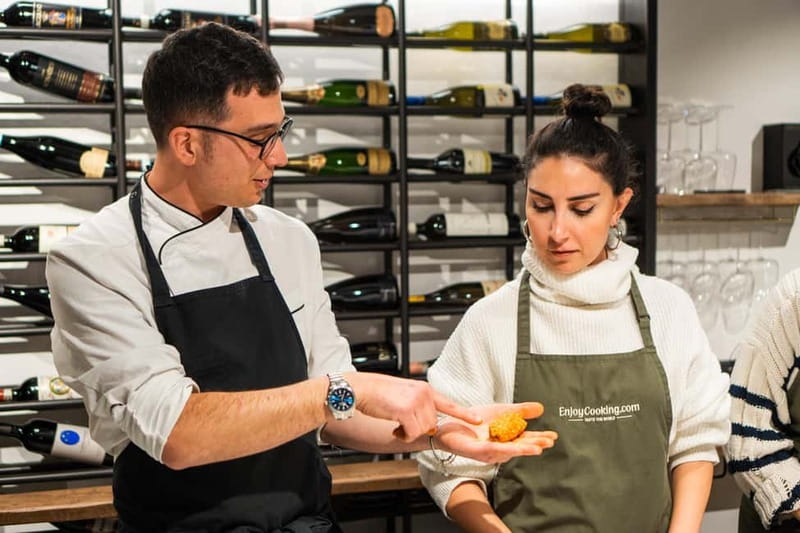
The social part here is real, and it’s built into the pacing. While you cook, you’re offered coffee and nonalcoholic drinks, plus snacks to accompany you while cooking. Then the evening shifts into the meal-and-conversation phase, where you enjoy what you made.
Wine is included and described as bottomless/free-flowing Italian wine. This is the fun part of the class—but keep it practical: since you’re handling dough and frying/cooking steps, you’ll probably want to sip steadily rather than rush the wine early. You’ll enjoy the whole session more if you stay steady enough to focus when the chef demonstrates the next step.
People have mentioned classes led by different chefs, but the general vibe stays consistent: relaxed, friendly, and the kind of atmosphere where questions don’t feel awkward. If you prefer a totally private, silent cooking experience, you may find the shared, small-group format takes a few minutes to adjust to. That said, most people adapt quickly once they get into the rhythm.
Also worth noting: many people love that the class ends with you eating together at the table. You don’t just leave with recipes—you leave with a finished plate and the satisfaction of doing it yourself.



Where to meet and how to fit this near your Rome plans
The meeting point can vary depending on the option booked, and the activity ends back at that same meeting point. What I’d take from this: plan to be in the area already, not somewhere far off.
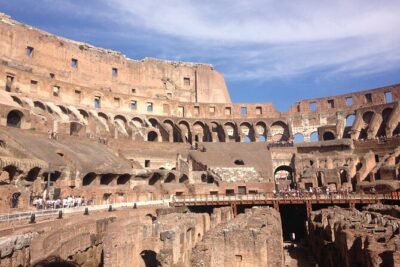
In past sessions, people noted it’s close to the Colosseum, and that’s a great planning advantage. If you’re touring the Colosseum or nearby sights earlier in the day, you can often treat this like a delicious “anchor event” that bridges into dinner.
Because the class is about 3 hours, it’s also easy to time around:
- a morning museum/sight
- a lunch break
- and then this class as your afternoon or early evening activity
Just remember it’s hands-on. If you’re coming straight from a long walking day, give yourself a bit of breathing room beforehand so you can concentrate during pizza and supplì steps.
What you’re actually paying for (and why it can be good value)
At $112.15 per person for a 3-hour, chef-led, small-group class, you’re paying for more than instruction. You’re paying for:
- ingredients used during pizza, supplì, and gelato
- the “learning the technique” part (from dough handling to frying/crunch to gelato texture)
- included wine
- coffee and nonalcoholic drinks
- snack support during prep
- and a recipe booklet so you can recreate the experience later
In Rome, many food tastings are mostly about sampling—fine, but you don’t get to bring skills home. Here, the value is that you leave with a repeatable method: you can make pizza dough decisions, shape and fry supplì properly, and understand how gelato differs.
Is it the cheapest thing on your list? No. But for many people, it becomes a highlight because it turns Rome’s food reputation into something you can practice later.
Dietary reality check: gluten limits and celiac needs
This class is not built for gluten-free diets. The information is explicit:
- It’s not recommended for people with celiac disease.
- There are no gluten-free options stated.
- There may be traces of gluten and nuts, so it’s unsuitable for those with severe gluten or nut allergies.
- If you have special dietary needs, you should notify the provider when booking, but people with celiac are specifically called out as not recommended.
So here’s the practical advice: if gluten is a serious issue for you, don’t hope. Instead, plan to choose a different type of Rome food experience that’s designed for gluten-free safety.
If you have mild preferences (not celiac-level), you’ll still want to confirm what can be accommodated. The experience says special dietary requirements can be arranged when you notify them in advance, but the gluten/trace warnings are clear.
Who this cooking class is best for
I think this class works especially well if you want a hands-on Rome activity that’s also social. It’s been enjoyed by adults and also families with kids and teens—one review mentioned a daughter enjoying it too, and another described it as great for adults and teen/preteen.
It also fits well if:
- you want a short (3-hour) activity with a clear payoff
- you enjoy cooking and want skills, not just photos
- you’d like a small-group setting where the chef can correct your technique
- you want included wine without it turning into a rowdy drinking event
If you hate messy hands, strong frying smells, or tight shared kitchen stations, then this might feel like more work than you want. But if you can handle an apron and a little chaos, it’s a very rewarding evening.
Should you book this Rome pizza, supplì, and gelato class?
Yes—if you want a practical, memorable food experience that teaches real technique and gives you recipes to take home. The from-scratch pizza, the Rome-specific supplì, and the gelato focus on method are exactly the mix that makes this more than a standard “taste and learn” tour.
Book with extra caution only if gluten is a problem for you. With celiac disease not recommended and gluten traces mentioned, it’s a tough fit for anyone who needs strict gluten avoidance.
If you’re on the fence, here’s my quick decision rule: if you’d rather learn how to make the food than just eat it, this is a strong choice. You’ll leave Rome with dough skills, frying confidence, and a dessert you can actually reproduce.