REVIEW · ROME
Rome: Pizza and Tiramisu Cooking Class in Piazza Navona
Book on GetYourGuide →Operated by IPM COETUS SRL · Bookable on GetYourGuide
Pizza dough in the heart of Rome. I love the hands-on kitchen time, from rolling and topping to getting your tiramisu layers just right. And I love that it’s set by Piazza Navona, so you can turn one of your sightseeing hours into something you actually take home: skills and a full stomach.
The only real heads-up is comfort. One common note is that the back teaching area can be warm, since there’s no air conditioning there. If you’re heat-sensitive, plan your day with a little flexibility.
The format is friendly and simple: a small group (up to 10) with an English-speaking instructor, about 2.5 hours, and a final sit-down meal with a glass of wine or beer. You’ll also make pizza dough yourself, but you won’t use your dough for the pizza since it needs long rest time—so you still get the learning without the wait.
In This Review
- Key things to know before you go
- Why This Pizza and Tiramisu Class Fits Rome So Well
- Getting Set Up at Antica Trattoria Agonale (and How the Class Starts)
- Pizza in Rome: What You Learn vs. What You Cook
- Tiramisu From Scratch: The Dessert Part You’ll Remember
- The Instructor Factor: Luca, Bea, Simone, and More
- Drinks and Eating: Your Class Ends at the Table
- Price and Value: Is $68.33 a Good Deal?
- Who Should Book This (and Who Might Want to Skip It)
- Practical Tips for Planning Your Day Near Piazza Navona
- Should You Book This Rome Pizza and Tiramisu Class?
- FAQ
- How long is the pizza and tiramisu cooking class?
- Where do I meet for the class?
- Is the class taught in English?
- How big is the group?
- What drinks are included?
- Are gluten-free or lactose-free options available?
- Is it refundable if I change my plans?
Key things to know before you go
- Piazza Navona location: The class happens at Antica Trattoria Agonale, close enough to make it an easy add-on to your walk.
- Hands-on pizza steps: You’ll roll dough (prepared by the restaurant), pick toppings, and slide your pizza into the oven.
- Tiramisu from scratch: You make it yourself, then you eat it at the table.
- Small group size: Limited to 10 participants, so you get more personal attention than a big class.
- Wine or beer included: You’ll sit down with your creations and a drink.
- Diet limits are strict: No gluten-free or lactose-free options, and it’s not vegan-friendly.
Why This Pizza and Tiramisu Class Fits Rome So Well
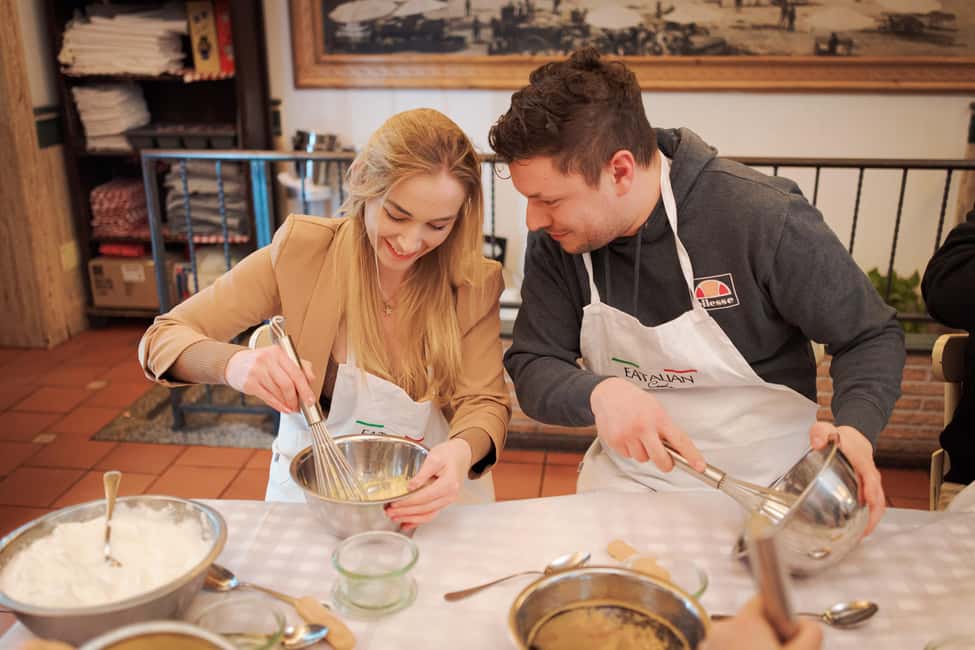
Rome is great at feeding you, but sightseeing can crowd out the fun. This class gives you a break from the usual loop of churches and squares without feeling like a tourist trap.
I like that the setting is practical. You’re not traveling across town to find a “cooking experience.” You’re already in the historic center, with Piazza Navona nearby, and the activity is built into your day instead of stealing a big block of time from it.
The best part, for me, is the combo: pizza and tiramisu. Two iconic Italian dishes, both made by you. Most food classes in Rome focus on one thing. Here, you leave with two wins—one savory, one sweet—and the confidence to recreate them later.
You can also read our reviews of more tours and experiences in Rome.


Getting Set Up at Antica Trattoria Agonale (and How the Class Starts)
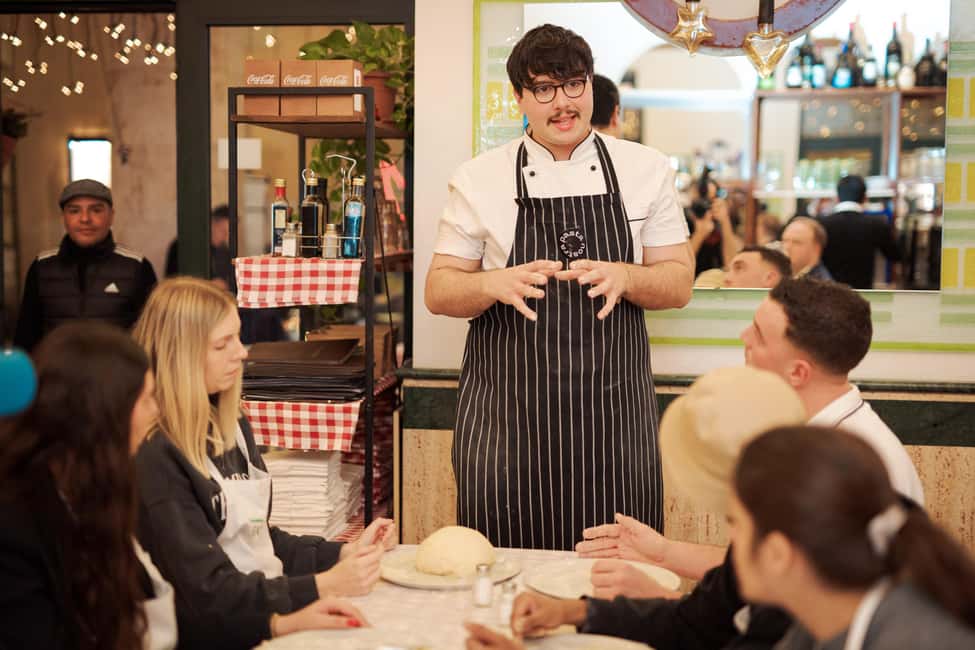
The meeting point is clear and central: Antica Trattoria Agonale. When you arrive, you’ll ask the staff to guide you, and you should aim to be there about 10 minutes before the start time.
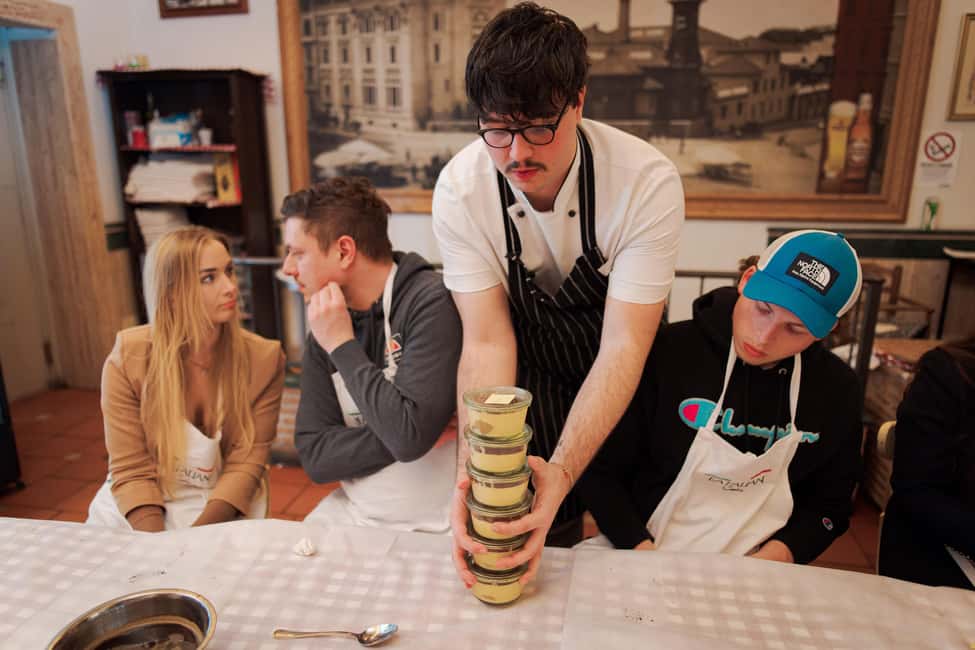
Once you’re inside, the vibe tends to be warm and social. Because the group is limited to 10 participants, the instructor can explain things without talking over people. That matters, especially if you’re not used to kitchen work.
You’ll also get the main flow of the lesson: pizza first (with rolling and toppings), then tiramisu while the pizza is handled through the oven process. Finally, you eat what you made, in the restaurant dining area, with the included drink.
One small “feel” detail to expect: one past participant noted that the teaching space in the back area can be warm because there’s no air conditioning, while the dining front area can feel cooler. If that matters for you, choose the right time of day and keep a light layer in your bag.
Pizza in Rome: What You Learn vs. What You Cook
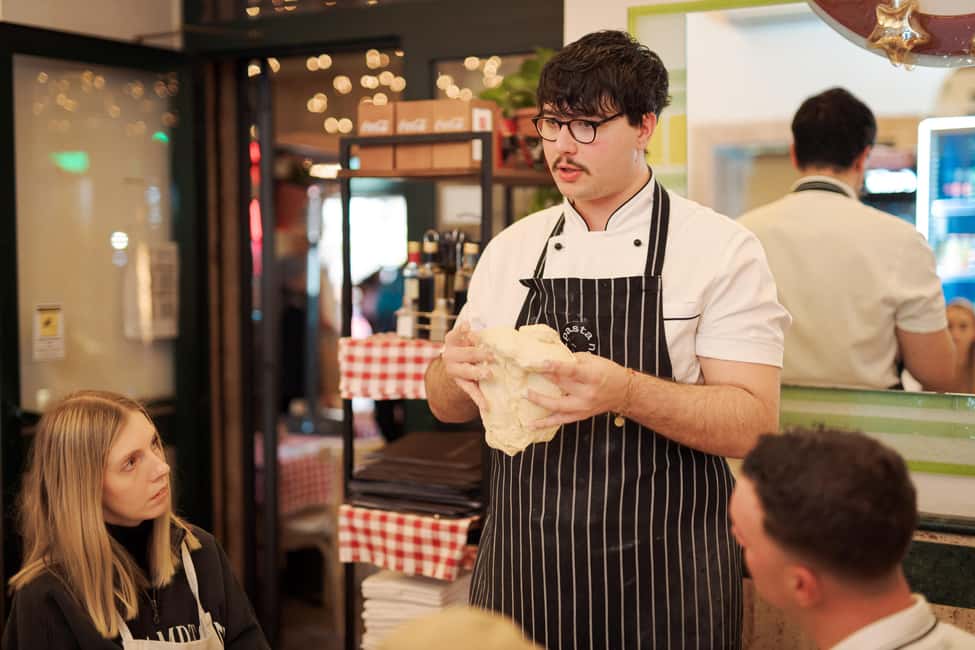
Here’s the smart twist in this class: you do make the pizza dough yourself, but you won’t bake your exact dough for your pizza.
Why? Because real pizza dough needs long resting time to develop flavor and texture. The restaurant uses dough that’s already been given that rest period, so your pizza can move forward through rolling, topping, and baking during the class window.
So what do you actually do at the kitchen station?
- You work the dough during the lesson so you understand how it should feel.
- You learn rolling technique—how to stretch without tearing and how to get a pizza base that bakes evenly.
- You choose toppings and build your pie.
- Then you cook it in the oven, and you eat it after.
The value here is that you’re not just watching. You’re hands-on with the key skills: dough handling, forming, and topping decisions. And because you’re doing it with guidance, you’re less likely to end up with a tough crust or weirdly uneven thickness.
Also, you get the practical “Rome pizza reality.” The class isn’t about fancy plating. It’s about flavor, dough behavior, and getting something delicious you can actually make again.
Tiramisu From Scratch: The Dessert Part You’ll Remember
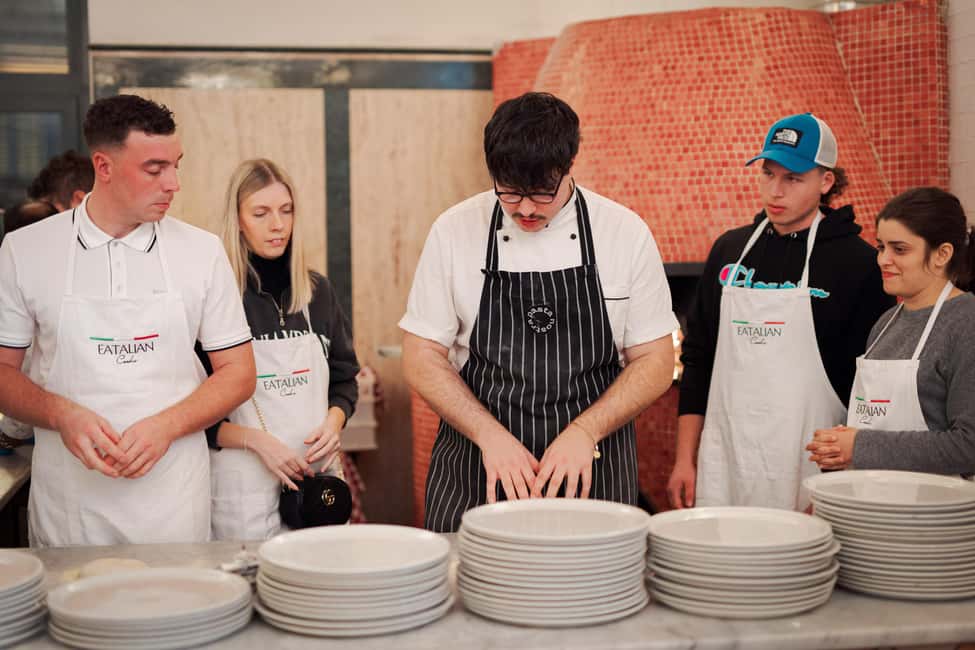
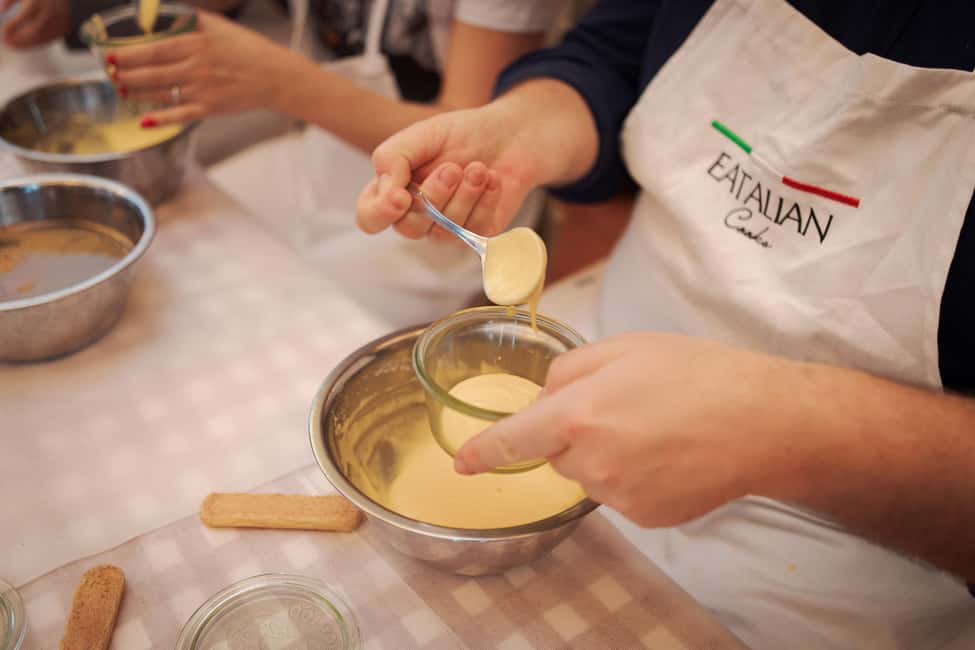
After pizza, you shift to tiramisu—and this is where the class often feels like it turns the corner into pure fun. Tiramisu sounds simple until you try it. Texture and timing matter.
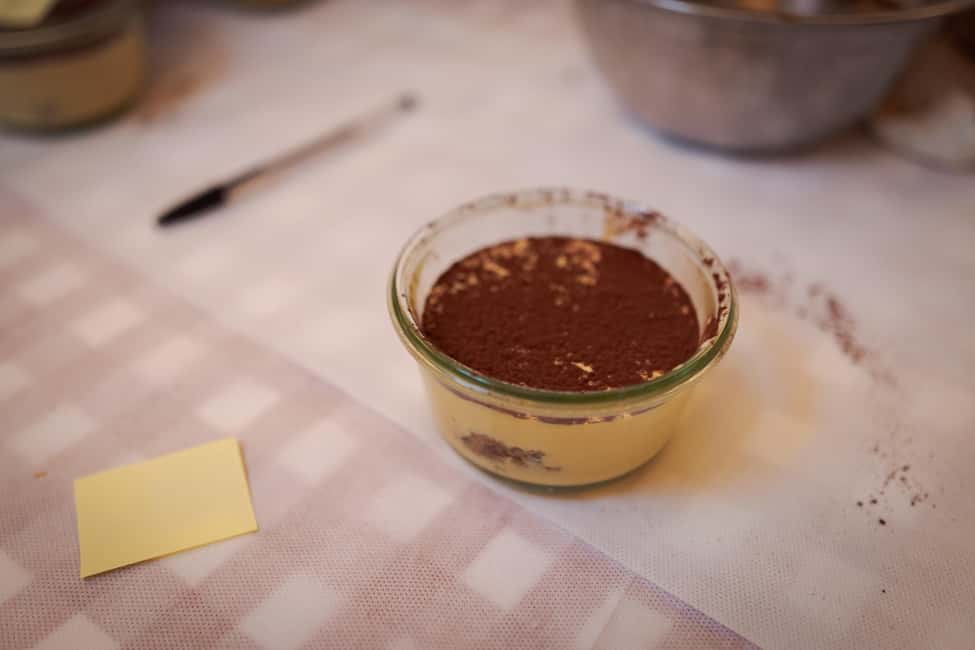
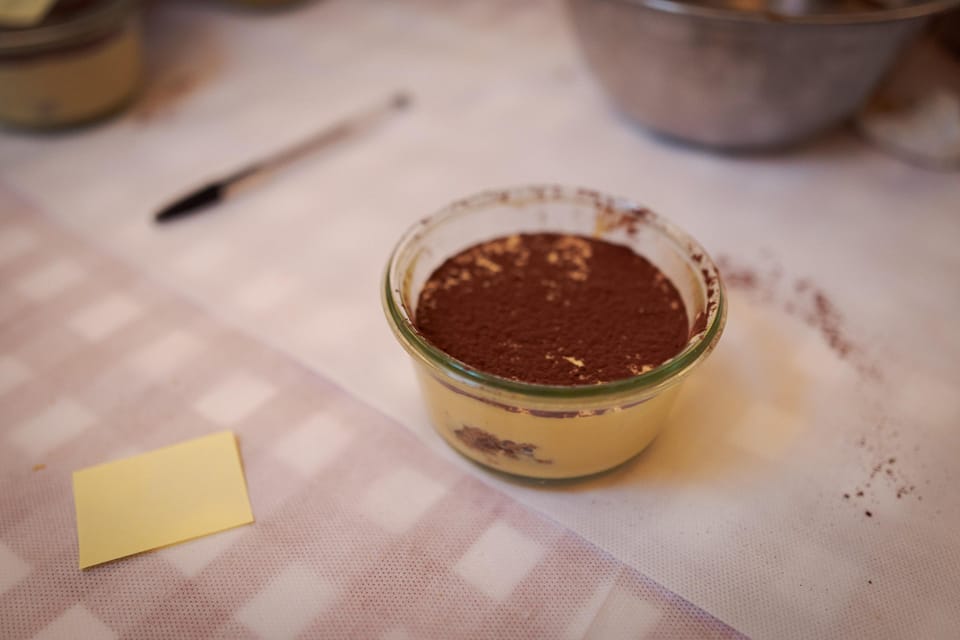
In this class, you prepare tiramisu from scratch while your pizza situation is being wrapped up. That means you’ll be working through the key steps yourself, not just assembling something pre-made.
Here’s what I think makes the tiramisu section so worth it:
- You learn the logic behind the layers, rather than copying an assembly line.
- You build confidence with a dessert that’s common in Italy but harder than it looks.
- You get immediate payoff. You make it, then you sit down and eat it.
One past participant gave a quick practical note that the tiramisu can be served in takeaway-style containers rather than a single plated dessert presentation. That’s not a dealbreaker, but it’s useful to know if you like a more formal dining look. Either way, the core experience stays the same: you’re creating it yourself.
The Instructor Factor: Luca, Bea, Simone, and More
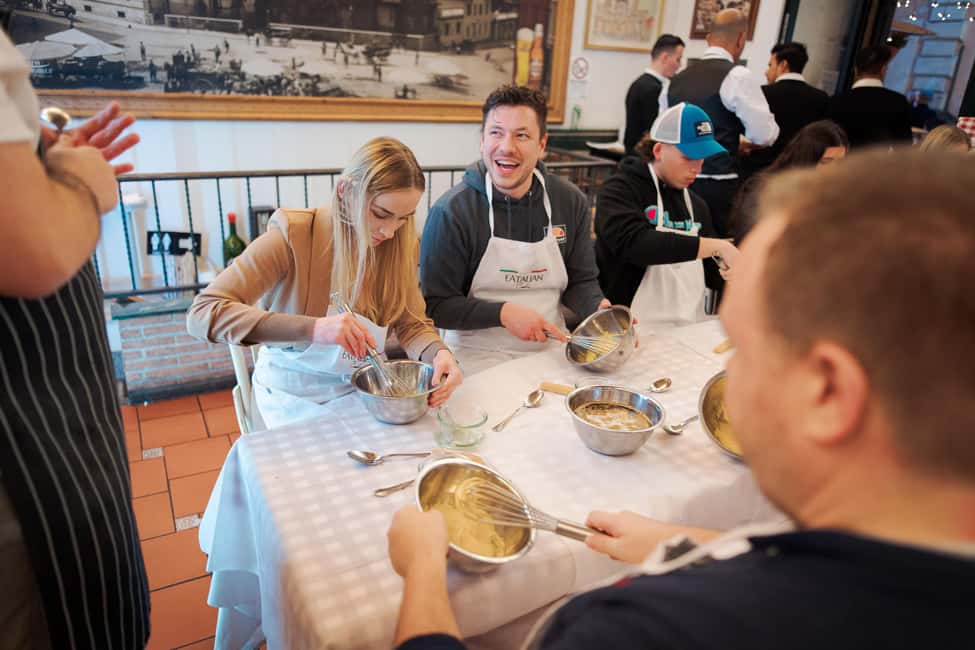
The class is led by an English instructor, and the energy can make a big difference for hands-on cooking. In the set of experiences from this activity, names you might see include Luca, Bea, Simone, Daniel, Mirko, Pea, and others.
Even when you don’t get the same instructor, the pattern is consistent: the teaching style aims to keep things understandable and playful. Many comments point to patient, funny, and supportive instruction—especially when people make mistakes. That matters because cooking classes often fail when they get tense. This one feels more like skill-building than performance.
Also, smaller group size helps the instructor notice what you’re doing. If your dough is sticking, if your rolling is uneven, or if your tiramisu needs a steadier hand, you’re more likely to get a quick fix instead of generic advice.
If you’re traveling with family or friends, this is a good “shared activity.” People bond fast when everyone’s mixing, rolling, and laughing at the same time—even if someone is clearly the worst pizza maker. You’ll still end up with food you can be proud of.



Drinks and Eating: Your Class Ends at the Table
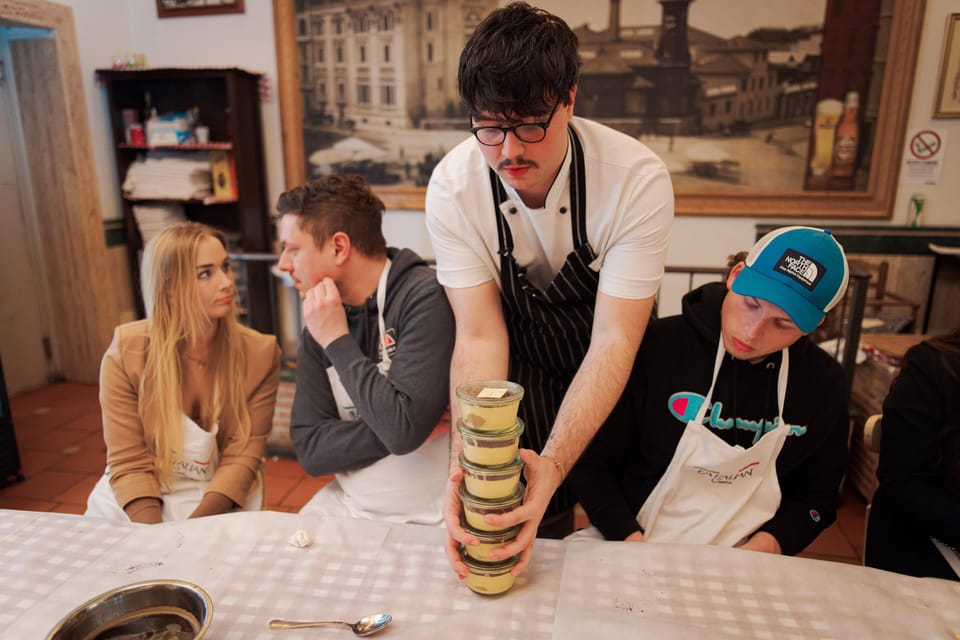
When you’re done cooking, you don’t rush out. You sit down in the restaurant and the waiters serve your creations. Your included drink—either a glass of wine or beer—pairs nicely with the whole rhythm of the meal.
This part matters more than it sounds. In some cooking experiences, the “meal” is basically a snack while you stand around. Here, you get a proper dining moment in a real Rome restaurant, close to Piazza Navona.
One practical tip: if you’re also planning a long evening walk afterward, don’t schedule another big meal immediately. Between pizza, tiramisu, and the drink, you’ll likely be full. This class can act like the anchor meal of the day.
Price and Value: Is $68.33 a Good Deal?
At $68.33 per person, you’re paying for three things at once:
1) a guided lesson in two Italian staples,
2) real hands-on time in the kitchen,
3) a sit-down meal plus a drink.
That’s a strong value equation, especially in the center of Rome where food experiences can get pricey fast. The small group limit (up to 10) also supports the value. You’re not paying “big-group pricing,” and you’re less likely to feel like you’re just passing through stations.
Is it cheaper? Probably, if you only want to eat pizza and tiramisu. But the point here isn’t just calories. You’re buying time with an instructor and a repeatable skill set. If you’ve never made pizza dough or tiramisu, the learning alone can be worth the price—then the taste becomes the bonus.
For me, the best value signal is that the class includes both dishes and a drink, with enough structure that you’re not left guessing. You finish with two finished products and a clear idea of what matters for taste and texture.
Who Should Book This (and Who Might Want to Skip It)
This class is a good fit if you want Rome that’s slower than museum-mode. It’s also great if you like interactive activities that feel grounded and real.
You’ll likely enjoy it if:
- you want a break from constant walking and want something you can do sitting at workstations
- you like cooking and want basic technique, not just tasting
- you’re comfortable following instructions in English
- you like small-group experiences
You should skip or think twice if:
- you need gluten-free or lactose-free options (none are available)
- you’re vegan (it’s not suitable for vegans)
- you have diabetes (it’s not suitable)
- you need accessibility accommodations (it’s not suitable for people with mobility impairments)
- you’re traveling with kids under 7 (not suitable for children under 7)
In other words, this isn’t the best choice for specialized diets. If you fall into that category, it’ll feel frustrating rather than relaxing.
Practical Tips for Planning Your Day Near Piazza Navona
Because the class is near Piazza Navona, you can blend it into your Rome rhythm without a lot of transport drama. That’s one of the big reasons I like this kind of activity in the center of the city.
A few practical planning ideas:
- Treat it like your “activity break,” not one more stop in a long list.
- Arrive a bit early so you can get oriented smoothly at Antica Trattoria Agonale.
- Wear shoes you can stand in comfortably. Even if the pace is manageable, you’ll be at stations.
- If it’s a hot day, plan for a warm back teaching area. You can often cool down in the dining front area.
- Give yourself time afterward for a lighter walk. You’re leaving fed.
Also, because it’s about 2.5 hours, check your start time based on your day’s schedule. Morning classes tend to feel calmer, while later sessions can be better if you want to pair it with an evening stroll in the historic center.
Should You Book This Rome Pizza and Tiramisu Class?
If you want an authentic-feeling Rome food experience that mixes learning and eating, I’d book this. The location near Piazza Navona is convenient, the class is small, and the format delivers two iconic dishes you make yourself.
My main reason to hesitate is the diet reality: there are no gluten-free or lactose-free options, it’s not vegan-friendly, and it’s not suitable for people with diabetes. If any of those apply, you’ll likely regret the choice.
If none of those limits affect you, this is a smart way to spend a couple of hours in central Rome. You’ll leave with pizza know-how, tiramisu confidence, and a meal you didn’t just buy—you earned it.
FAQ
How long is the pizza and tiramisu cooking class?
The class duration is 2.5 hours.
Where do I meet for the class?
You meet at Antica Trattoria Agonale. Ask the restaurant staff to guide you, and arrive 10 minutes early.
Is the class taught in English?
Yes. The instructor is English-speaking.
How big is the group?
It’s a small group, limited to 10 participants.
What drinks are included?
A glass of wine or beer is included with your meal.
Are gluten-free or lactose-free options available?
No. Gluten-free and lactose-free options are not available, and it’s also not suitable for people with gluten or lactose intolerance.
Is it refundable if I change my plans?
Yes. There is free cancellation up to 24 hours in advance for a full refund.