REVIEW · ROME
Rome: Private Golf Cart tour with a Local Guide
Book on GetYourGuide →Operated by RomanSafari · Bookable on GetYourGuide
Rome feels like a maze at street level. A private, 100% electric golf cart makes it manageable fast. You get the city’s big landmarks plus the small “wait, look at that” moments, all delivered by a local guide in a calm, low-stress way.
I love that the setup is door-to-door: hotel pickup and drop-off, so you spend less time herding yourself through Rome’s crowds and more time actually seeing the places you came for. I also like the cart itself. It’s described as a green, silent solution, which matters because it lets you glide through dense central Rome without the noise-and-panic factor that can come with buses or taxis.
One thing to consider: this is a short sightseeing format with quick photo stops and brief walks, so if you want slow museum-style exploring, you’ll need to pair it with separate ticketed visits.
In This Review
- Key Things You’ll Notice on This Private Golf Cart Tour
- Electric Golf Cart in Rome: Why It’s Such Good Value
- Hotel Pickup to Narrow Backstreets: The Practical Magic
- Roman Forum Stop: Orientation in 10 Minutes
- Rione Monti Photo Break: The Neighborhood Feeling
- Altar of the Fatherland: A Pass-By With Big-Photo Potential
- Colosseum With a 15-Minute Walk: Close Enough to Feel It
- Giardino degli Aranci: The View Stop That Makes the Day
- Trevi Fountain: Free Time for Photos and One Good Look
- Santa Maria Maggiore and the Art of Passing With Purpose
- Piazza Navona and Sant’Ignazio: The Roman “Stage” Sequence
- The Guides: Film and Music Energy, With Real Streetsense
- What to Expect From the Pace (and What You Should Pair It With)
- Small Rules and Real-World Comfort Details
- Should You Book This Rome Private Electric Golf Cart Tour?
- FAQ
- FAQ
- How long is the Rome private golf cart tour?
- Is this tour private or shared?
- What languages are the guides?
- Do you pick up and drop off at the hotel?
- Are entry tickets included for the monuments?
- Is the golf cart electric?
- Are strollers or wheelchairs allowed?
- Can I change plans and still get a refund?
Key Things You’ll Notice on This Private Golf Cart Tour
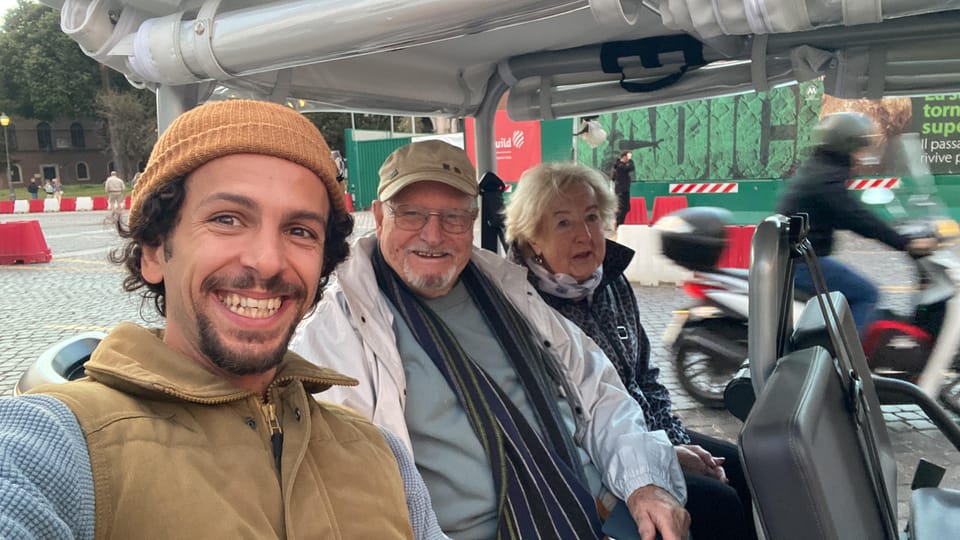
- 100% electric cart: green, silent rides through the center
- Hotel pickup and drop-off: easy start, less searching for meeting points
- Restricted-area access: you can reach places that avoid normal bottlenecks
- Frequent photo breaks: planned stops plus time to wander a little on foot
- English/Portuguese guides: including English native speakers
- Adjustable pace: guides are flexible when streets or your interests shift
Electric Golf Cart in Rome: Why It’s Such Good Value
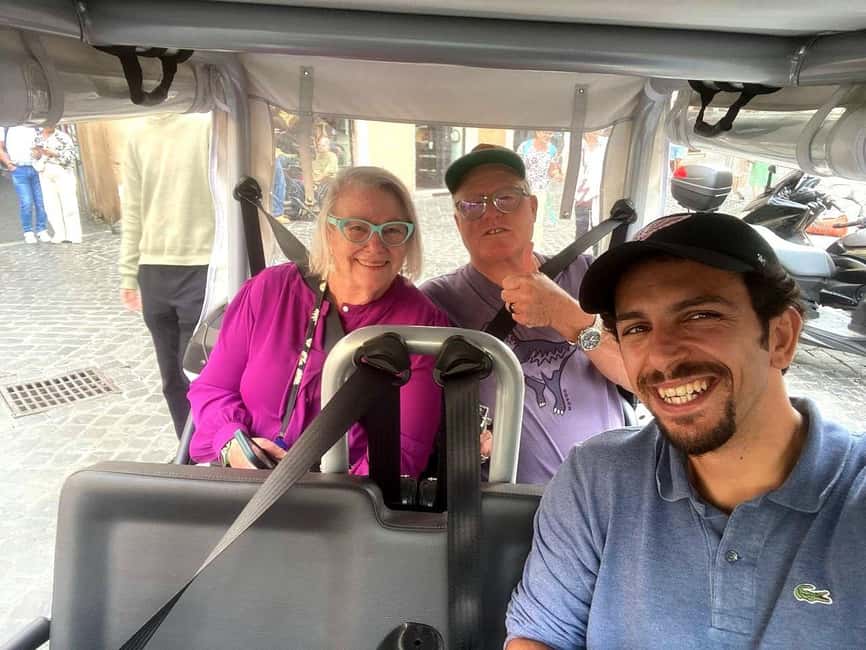
At $75 per person for 1.5 to 2.5 hours, the real value isn’t just “transport.” It’s time. Rome eats time with walking detours, traffic delays, and the constant need to find the right entrance. This tour is built to compress the experience: major sights first, with small windows for photos and short walks.
The private format also changes how you experience Rome. With a personal local driver/guide, you’re not stuck in a rigid group rhythm. That flexibility shows up in how stops feel: you’re given enough time to look, take photos, and ask questions, then you move on before Rome gets too frustrating.
And the cart being described as 100% electric is more than marketing. A quieter ride helps you hear your guide at the stops, and it makes the tour feel less chaotic. In a city where noise is part of the atmosphere, that calm can be a genuine relief.
You can also read our reviews of more tours and experiences in Rome.


Hotel Pickup to Narrow Backstreets: The Practical Magic
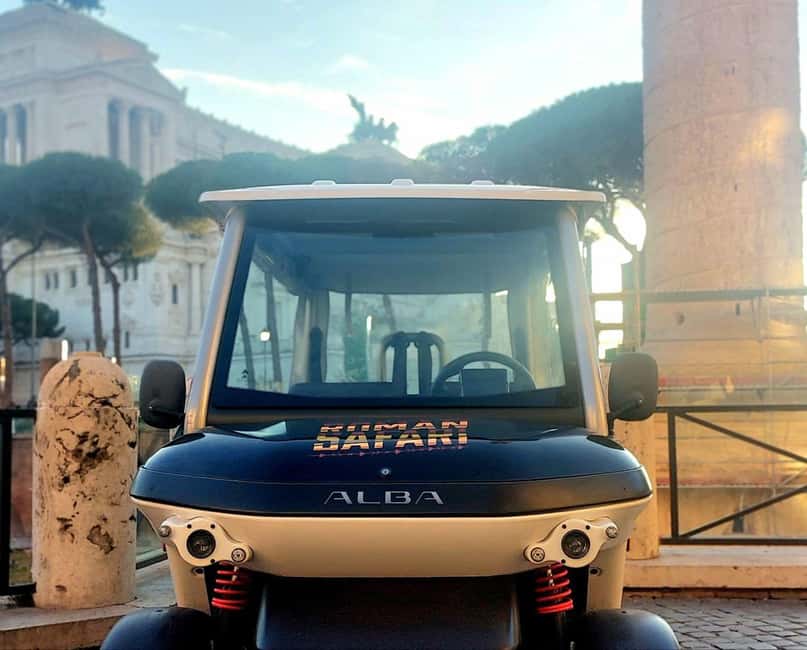
I like tours that solve a real problem, not just sell an idea. In central Rome, traffic can be intense, streets are narrow, and parking is a headache. This tour is designed around that reality: it includes hotel pickup and drop-off and it’s positioned to avoid traffic when possible by using narrow backstreets.
The highlight claims access to restricted areas. Whether that’s about short sections of otherwise tricky routing or getting you closer than typical vehicle drop-offs, the effect is the same: you spend less time stuck at the edge of a site and more time actually near it.
You’ll also notice how the route plan is built for motion. The itinerary alternates between passes, photo stops, and short walk segments. That pacing matters. If the day includes a Colosseum-length attraction plus fountains and plazas, you need transit that doesn’t feel like wasted time.
Roman Forum Stop: Orientation in 10 Minutes
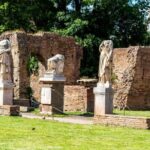
Roman Forum is one of those places where being there is impressive, even when you only have a short window. Here, you get a break time and a photo stop (about 10 minutes). That short stop is meant for orientation: figuring out where you are in the ancient-city grid and setting up a mental map for later days.
What works about a short Forum encounter is focus. Instead of trying to absorb everything at once, you get enough time to see key angles, take a few photos, and learn what to look for. Then you move on while the momentum stays good.
The drawback is simple: 10 minutes won’t replace a longer ticketed visit. If you want depth at the Roman Forum scale, treat this as your “get oriented and excited” stop, not your only visit.
Rione Monti Photo Break: The Neighborhood Feeling

Next comes Rione Monti, with a smaller photo stop (about 5 minutes). Monti is the kind of Roman neighborhood that feels different from the grand monuments. It’s where you can catch the texture of everyday Rome—streets, storefront rhythm, and that in-between feeling of city life near ancient sites.
In a golf cart format, Monti works as a pause that doesn’t completely slow you down. You get a quick chance to step out, take photos, and reset your brain before the next big landmark.
The consideration here is time. Five minutes is short. It’s enough for photos and a quick look, but not enough to wander in a meaningful way. If Monti is a priority, you’ll likely want to return later on your own.
Altar of the Fatherland: A Pass-By With Big-Photo Potential
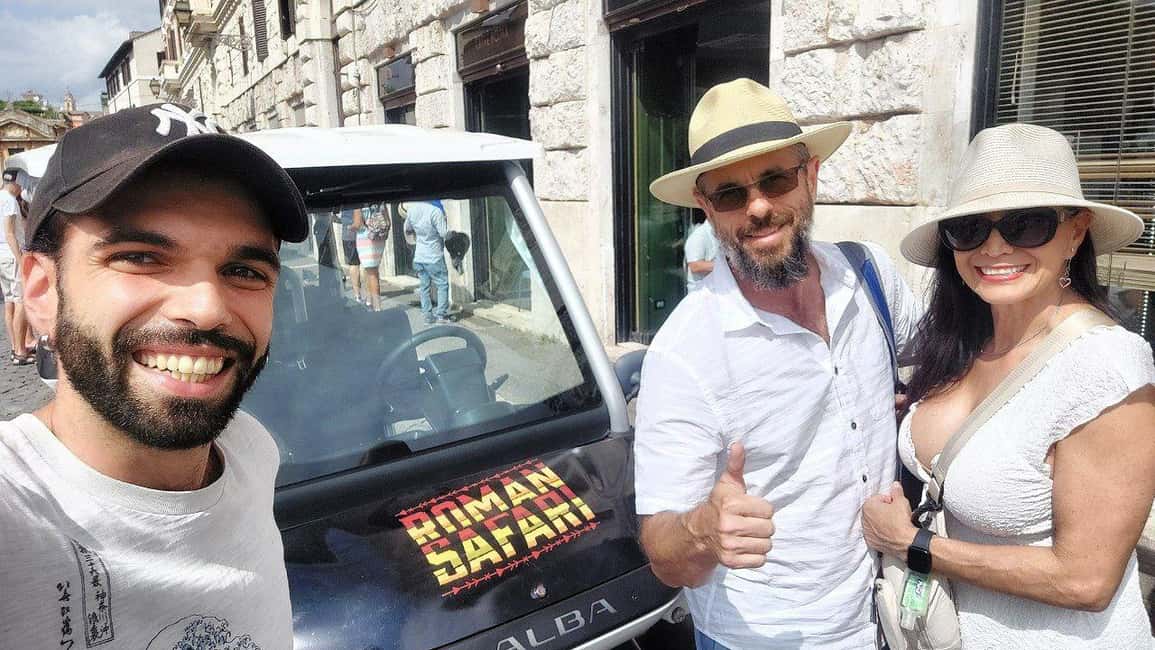
You’ll pass by the Altar of the Fatherland (about 5 minutes). This stop is mostly about sightlines. Even from a vehicle, the monument’s scale makes it a natural “photo then go” moment.
Why it’s valuable even as a pass-by: it gives context for Rome’s more modern national stories and helps you connect where you are geographically. The tour’s goal is to build that mental layout so your remaining days feel easier.
Because this is a pass-by, you’re not there long enough to treat it like an extended visit. If you care about detailed interior time or long viewing stands, you’ll need a separate plan.

Colosseum With a 15-Minute Walk: Close Enough to Feel It
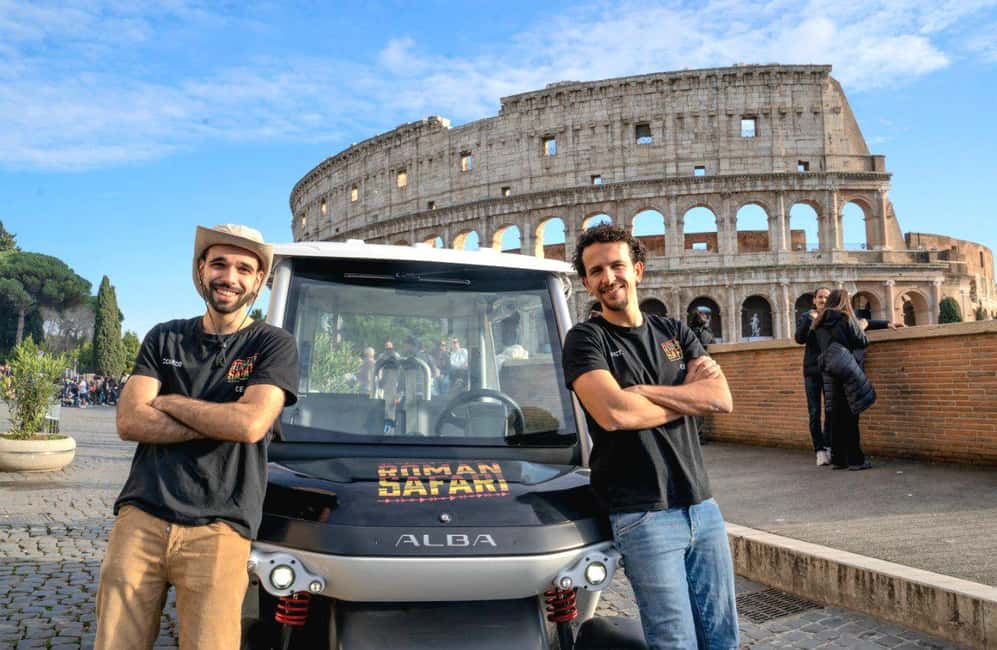
The Colosseum stop includes a photo stop and about a 15-minute walk segment. That mix is a smart use of time. You get the classic view moment, then you also get some movement on foot so you can feel the space instead of just photographing it from the street.
Here’s the practical value: the Colosseum area can be crowded and confusing, and driving restrictions can force vehicles to drop you farther away than you’d expect. This tour’s approach of getting you into the right rhythm helps you arrive without burning your entire time budget in lines and crossings.
One thing to plan for: entry tickets are not included. That means you’ll want to decide in advance if you’re doing a ticketed inside visit on another day, while using this stop for the exterior experience plus guided context.
Giardino degli Aranci: The View Stop That Makes the Day
Giardino degli Aranci appears next, with a break time and photo stop plus around 15 minutes for free time and walking. This is the kind of stop that turns a list of monuments into a lived-in memory.
Why it matters: this is a viewpoint-style break. A few of the best Rome moments are about looking out, not just looking at stone. The time here helps you slow down just enough to capture the city’s scale from above and around.
The trade-off is that you’re still on a timeline. Fifteen minutes can feel short if you want to linger in one perfect angle, but the format gives you enough freedom to grab photos and take in the view before moving on.
Trevi Fountain: Free Time for Photos and One Good Look
Trevi Fountain is one of the most requested stops, and here you get break time and free time (about 15 minutes) plus walking. The goal is simple: see it, photograph it, and get a guided sense of what you’re actually looking at.
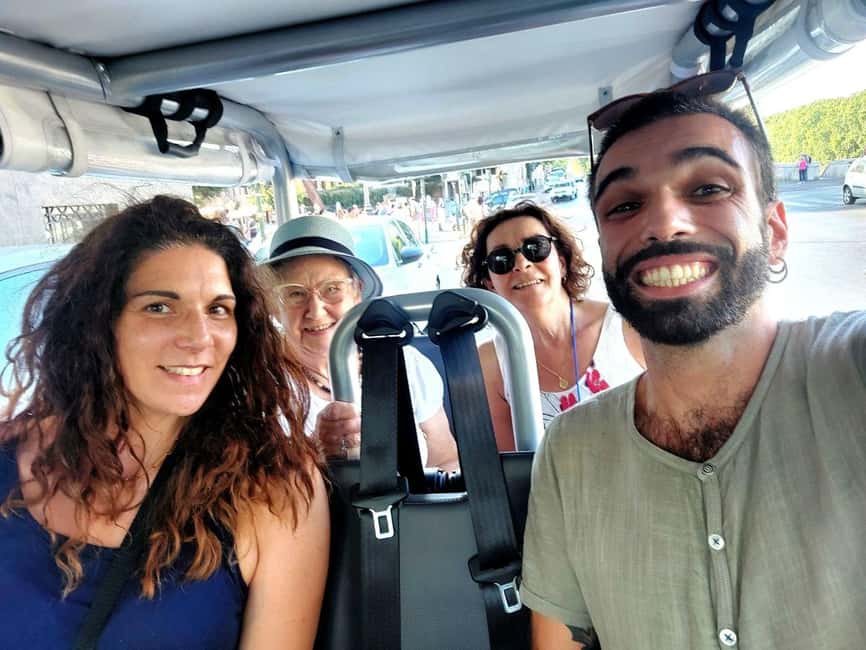
What makes this stop work in a cart tour: you’re not dealing with the stress of trying to coordinate transport while the crowds peak. You’re guided in, then you get time to do your thing—pictures, a quick stroll, and a moment of appreciation—before you exit with the rest of the itinerary still intact.
The drawback is crowds are real. Fifteen minutes is enough for a solid photo set and a look, but it’s not enough for total calm contemplation. If you’re the type who wants long, unbroken time at Trevi, plan a second, separate visit later.
Santa Maria Maggiore and the Art of Passing With Purpose
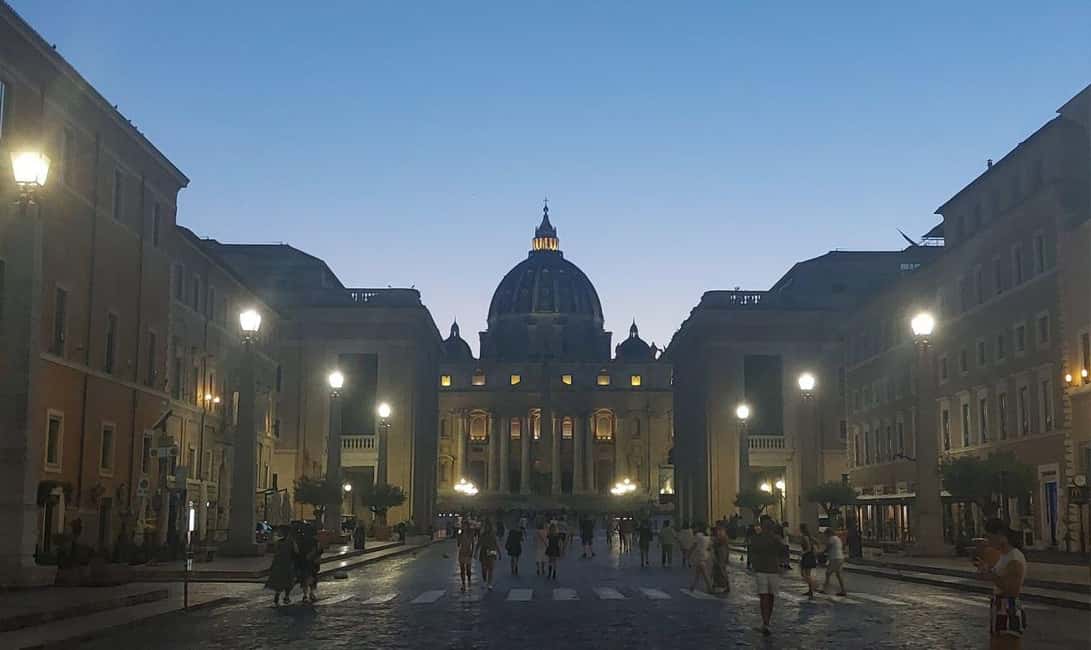
Basilica Papale di Santa Maria Maggiore is listed as a photo stop and pass-by (around 10 minutes). A pass-by can sound like a letdown, but in this kind of itinerary it often does two jobs: it gives you an anchor point and it breaks up the heavier monument blocks with something visually different.
Why I think it’s a good use of time: it keeps the pacing while still letting you see a major churchfront moment. And because the cart keeps you moving, you avoid turning one stop into a whole detour.
If church interiors matter most to you, this is the wrong place to expect deep time. Consider using your church visits later for entry-ticket experiences, and keep this stop for seeing the exterior and learning what to notice.
Piazza Navona and Sant’Ignazio: The Roman “Stage” Sequence
Piazza Navona is next, with a break time, a photo stop, and about a 10-minute visit. Then you head to the Church of Sant’Ignazio di Loyola for a photo stop and a visit (around 10 minutes).
This pair is powerful because it shifts you from ancient ruins to Baroque-era streetscapes and church art energy. Piazza Navona especially works as a contrast: it’s a lively plaza space where Rome feels social and theatrical, even if you only spend a short time there.
The Sant’Ignazio stop adds a different kind of reward. Instead of chasing outdoor landmarks, you get a brief moment for interior or focused viewing. In a short tour, those “change of texture” moments are what keep the day from feeling like nonstop stone.
The Guides: Film and Music Energy, With Real Streetsense
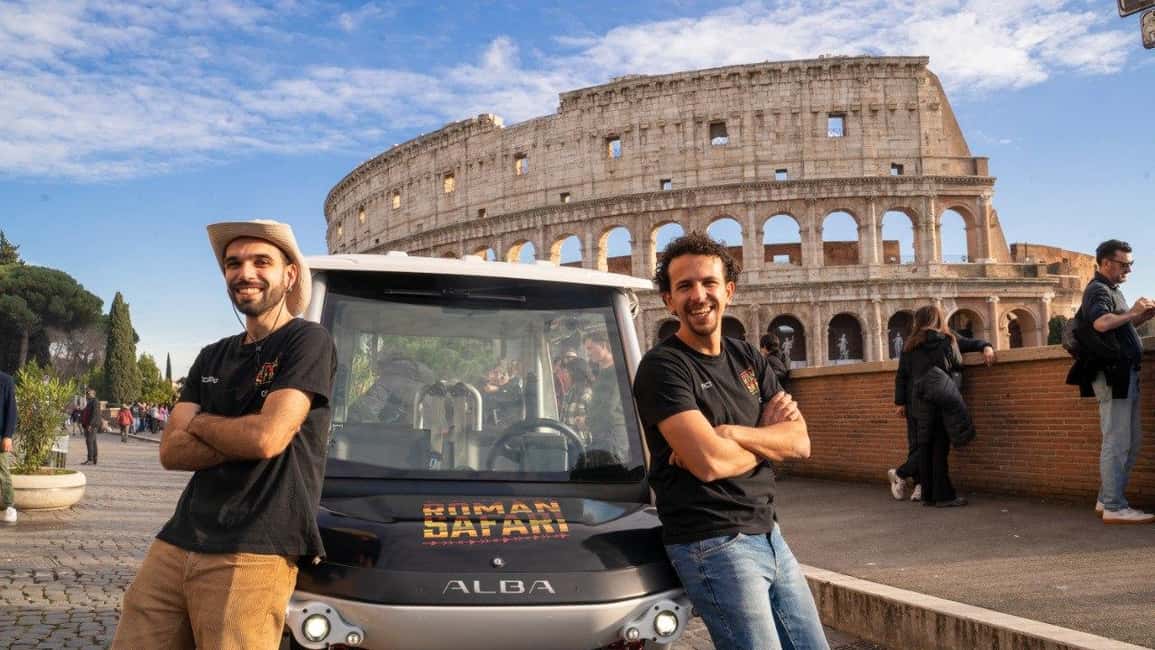
A big reason this tour gets strong scores is the way guides bring Rome to life. The operators describe a team of friends who’ve combined their love for Rome with creative backgrounds in film and music. That matters because your tour doesn’t have to feel like a lecture delivered from a parking spot.
Names that show up in the guide experience include Ricardo and Eduardo, plus guides like Victor and Viktor. Across these guide styles, a consistent pattern is easy communication, frequent stop timing for photos, and flexibility with interests. One person might want more viewpoint time, another might need route adjustments if streets are blocked.
I also like that English is clearly catered for, with English native speakers mentioned, plus Portuguese as an available language. That makes the tour feel smoother from the first moment you’re hearing the story.
What to Expect From the Pace (and What You Should Pair It With)
This is built around a sequence of: pass-by sections, photo stops, and short walk segments like the 15-minute Colosseum walk and the 15-minute Giardino and Trevi windows. That pacing is great for your first Rome trip day, or for a tight schedule.
If you only have one day or you’re trying to plan a longer trip, use this tour as your framework. You’ll come away with a rough map of where things are in relation to each other, plus a sense of what feels worth revisiting.
Because entry tickets aren’t included, you should plan your next steps. If the Colosseum, Roman Forum, or other major monuments are on your must-do list for inside access, keep those tickets for a later day and let this tour deliver the orientation and exterior experiences.
Small Rules and Real-World Comfort Details
A few practical points based on the tour conditions:
- Strollers are not allowed, including baby strollers.
- Non-folding wheelchairs and electric wheelchairs are not allowed.
- You’ll want to be reachable by phone or email the day of the tour for better organization.
- Water bottles are included, which helps on a sightseeing day with multiple stops.
If you’re traveling with kids, the short walk segments and frequent photo windows can work well. Still, be mindful that this is a touring route with timed breaks, not a slow wandering day with unlimited stops.
Should You Book This Rome Private Electric Golf Cart Tour?
If your priority is to see the highlights fast without fighting the chaos of streets, I’d book it. The door-to-door pickup, private guide, and electric cart format are a strong match for people who want a first-day orientation, a comfortable pace, or a stress-free way to hit top sights like the Colosseum, Trevi Fountain, and Roman Forum.
I’d think twice if you want long, ticket-based exploring at multiple monuments in one go. This tour gives short windows and quick photo-and-walk time, so it works best as a foundation day, not a full replacement for deeper site visits.
FAQ
FAQ
How long is the Rome private golf cart tour?
It runs for 1.5 to 2.5 hours, depending on the option you choose and availability.
Is this tour private or shared?
It’s a private group tour.
What languages are the guides?
The live guide is available in English and Portuguese, and English native speakers are mentioned.
Do you pick up and drop off at the hotel?
Yes. Hotel pickup and drop-off are included, and pickup can also be arranged in the city.
Are entry tickets included for the monuments?
No. Entry tickets are not included.
Is the golf cart electric?
Yes. The tour highlights a 100% electric golf cart described as green and silent.
Are strollers or wheelchairs allowed?
Baby strollers are not allowed. Non-folding wheelchairs and electric wheelchairs are not allowed.
Can I change plans and still get a refund?
You can reserve now and pay later, and you can cancel up to 24 hours in advance for a full refund.