REVIEW · ROME
Rome: Roman Master Chef Cooking Class with Wine
Book on GetYourGuide →Operated by The Roman Food Tour · Bookable on GetYourGuide
Roll dough, sip wine, learn Roman cooking. I love the hands-on rhythm of making handmade fettuccine step by step, and I love that the chef guides you through tiramisu so you can get clean layers. A small consideration: the class can run a bit later than you expect, so keep your schedule flexible.
This is a Roman restaurant cooking class taught in English, with lively instructors such as Sid and Eleonor (and often Eddie and Giacomo) who keep things clear and fun. You’ll finish by sitting down to enjoy what you made, usually indoors or on an outdoor terrace depending on the setup.
If you’re looking for a quick tasting only, you might find the hands-on cooking format less appealing—but if you want real skills, this one makes sense.
In This Review
- Key highlights at a glance
- A Roman restaurant kitchen where you cook, eat, and learn
- Timing, group size, and how the class keeps moving
- Getting set up: tools, ingredients, and English instruction
- Making Roman fettuccine from scratch (and why it’s not as scary as it sounds)
- Tiramisu workshop: coffee flavor, cocoa, and clean layers
- Drinks during class: wine, limoncello, and pacing your afternoon
- What happens after you finish cooking: sit down and enjoy
- Take-home recipes: the real value after the last bite
- Price in perspective: what $32 buys you
- Who should book this Rome pasta and tiramisu class?
- Final verdict: should you book it?
- FAQ
- How long is the Rome Roman Master Chef cooking class?
- Where does the class take place?
- What dishes will I learn to make?
- Is the class taught in English?
- What drinks are included?
- Are dietary options available?
- Do I get recipes to take home?
- What happens after we finish cooking?
- Is there free cancellation?
- Can I reserve now and pay later?
Key highlights at a glance
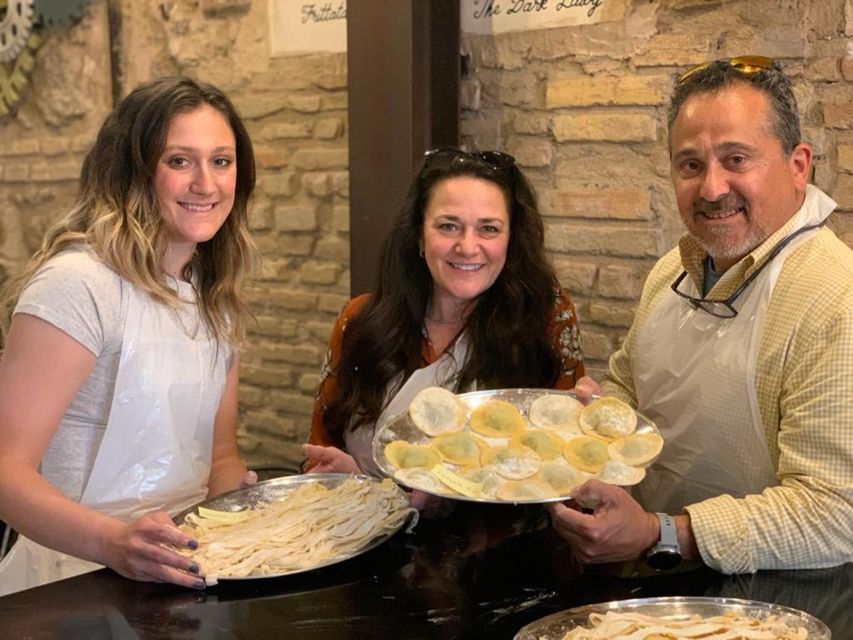
- Roman kitchen, not a demo-only show: you’ll actually make the meal.
- Fettuccine from scratch: dough, rolling, and shaping with guidance.
- Tiramisu layering taught clearly: coffee-flavored dessert with cocoa.
- Wine and limoncello included: plus coffee, soft drinks, and water.
- Eat on-site after cooking: indoors or out on the terrace.
- Take-home recipes: so you can repeat the meal at home.
A Roman restaurant kitchen where you cook, eat, and learn
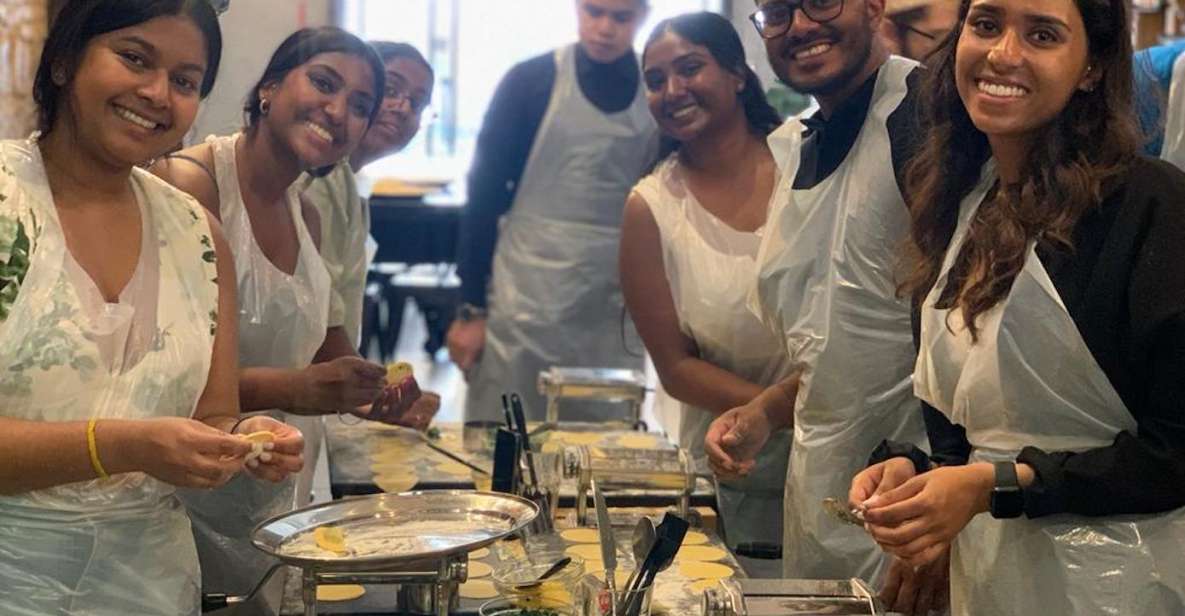
Rome has plenty of pasta classes that feel like a performance. This one feels more like a proper meal-building session. You start with ingredients and tools ready for you, then a local chef leads you through the steps for a homemade Roman-style pasta course and a classic Italian dessert.
The class is listed for about 2.5 to 3 hours, which is a sweet spot. Long enough to learn something real, not so long that you feel trapped in a kitchen. And because it happens inside a Roman restaurant, the pacing matches how people actually eat here: work comes first, then you sit down and enjoy.
Two things make the experience worth your time. First, you’re not just watching technique; you’re practicing it. Second, the “Roman” part is more than a theme—your meal centers on what you’d expect in this food culture: fresh pasta and tiramisu, plus the drinks that Italians casually pair with the moment.
You can also read our reviews of more tours and experiences in Rome.


Timing, group size, and how the class keeps moving
Even when you’re learning, you still want the day to feel smooth. The setup here is designed for that. One thing that comes through in the experience is how prepared the staff are: people are guided through each step without everyone waiting around.
The class size appears to be small-to-moderate. In one session, people mentioned a group of about 12. That matters. With a group like that, you can ask questions, get help with the parts that go wrong, and still keep the energy up.
In terms of timing, plan for the “real life” version of schedules. One person noted it started later than expected, but it still worked because they didn’t have plans immediately afterward. My practical advice: treat this like an active afternoon and don’t book a tight reservation right after.
Getting set up: tools, ingredients, and English instruction
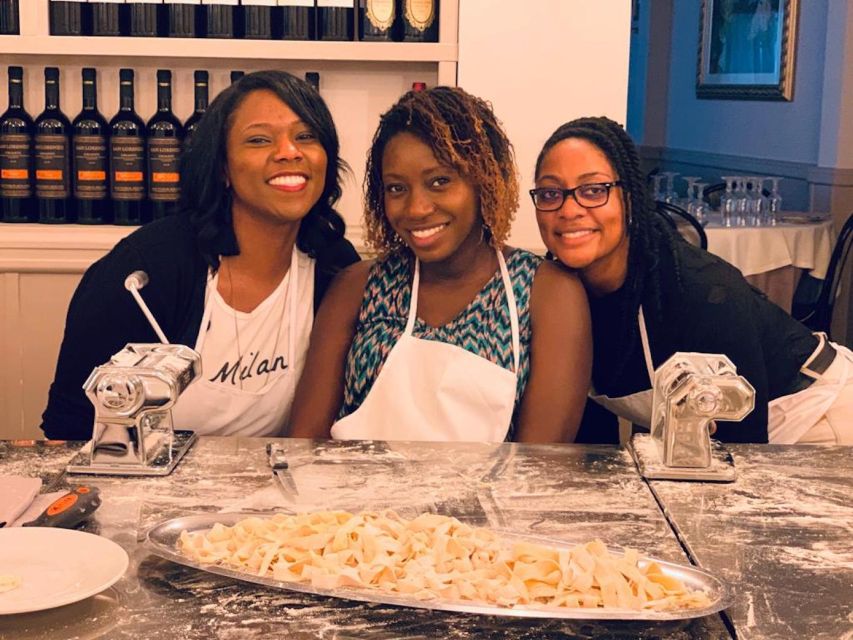
You’ll begin by gathering what you need to cook—tools and ingredients are provided as part of the class format. That’s a big deal in Rome, because some cooking classes make you hunt for basics or arrive to a messy, half-prepared station. Here, you’re supposed to get moving quickly.
Instruction is in English, and the chefs are used to translating technique into clear steps. One of the best signs is how often people mention the clarity of guidance. You’ll also see an emphasis on making sure everyone can participate, not just the confident cooks.
If you’re worried about dietary limits, pay attention: the class lists vegetarian, vegan, lactose intolerant, and other diets supported. You should still inform the provider when you book, because substitutions need planning for both the pasta and the tiramisu elements.
Making Roman fettuccine from scratch (and why it’s not as scary as it sounds)
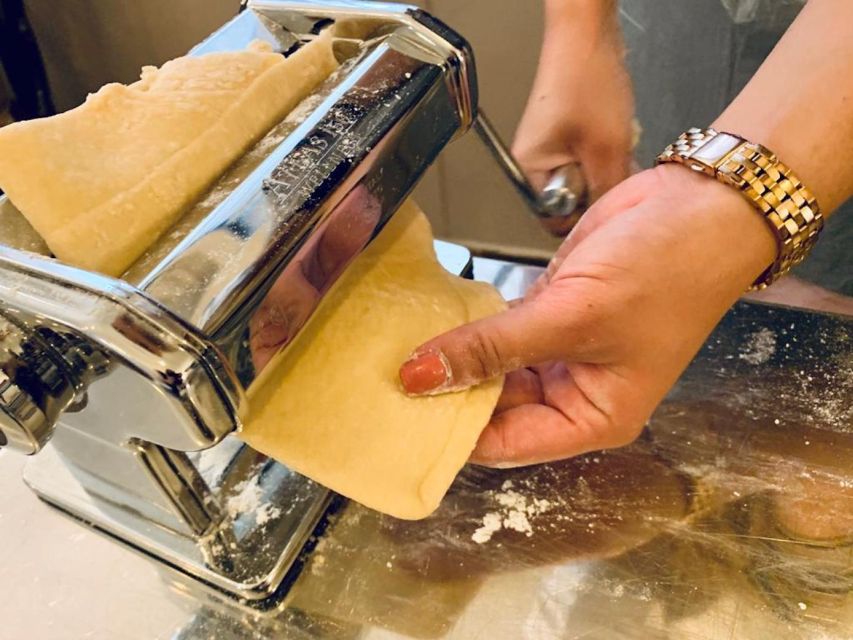
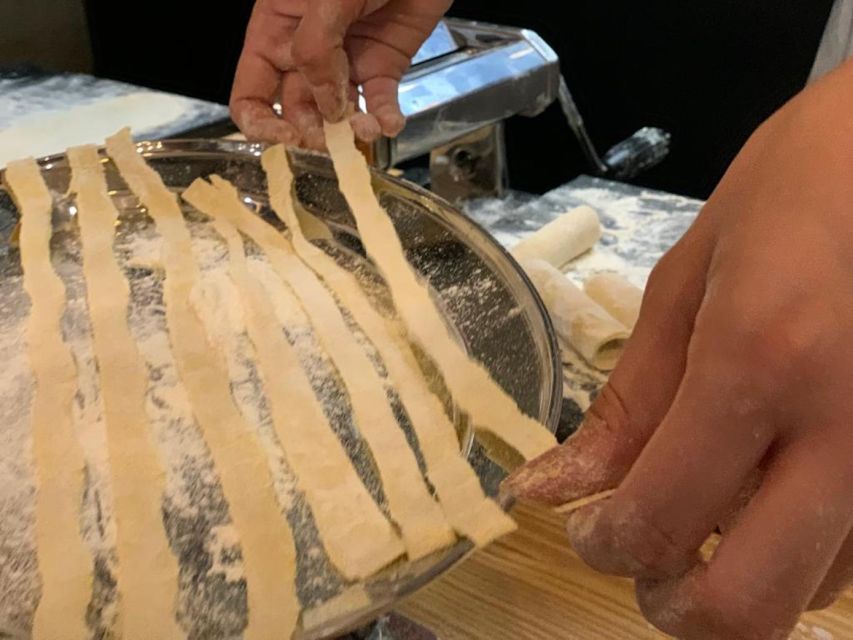
The main hands-on skill is homemade fettuccine—made from scratch, not from dried pasta and not from pre-made dough. That’s the part that turns this into a true experience, because you leave with a method, not just a plate of food.
Here’s what you’re really learning under the hood:
- How to bring dough together properly (so it rolls without turning brittle).
- How to roll and handle dough so it doesn’t stick or tear.
- How to shape pasta so it holds up when cooked.
You also learn in a way that fits a real kitchen workflow. The chef shows you the technique first, then you repeat it. And because you’re cooking in a restaurant environment, you’re not stuck with a classroom vibe.
One practical note: pasta-making needs a little patience, especially with timing and texture. If you’re the type who gets stressed when something is slow, give yourself grace. The pace here is coached, and it’s meant to lead to results you can actually be proud of.
Tiramisu workshop: coffee flavor, cocoa, and clean layers
The dessert is a big part of why this class works. Tiramisu isn’t just “mix and chill.” It’s a structure. Your class focuses on the classic style: layered coffee-flavored dessert with cocoa.
In a hands-on format like this, the learning is about sequencing. You can’t rush the balance of soaking and layering, and you can’t treat it like frosting either. When instructions are clear, the dessert stops feeling intimidating and starts feeling repeatable.
The key skills you’ll want to take home:
- How to assemble layers without breaking the texture.
- How to keep the coffee element tasting like tiramisu and not like watered-down sweetness.
- How to finish with cocoa so it looks right and tastes even better.
People also call out that the tiramisu here lands as a standout in Rome. That’s not just about taste; it usually means the class nails the technique that makes tiramisu hold together.




Drinks during class: wine, limoncello, and pacing your afternoon
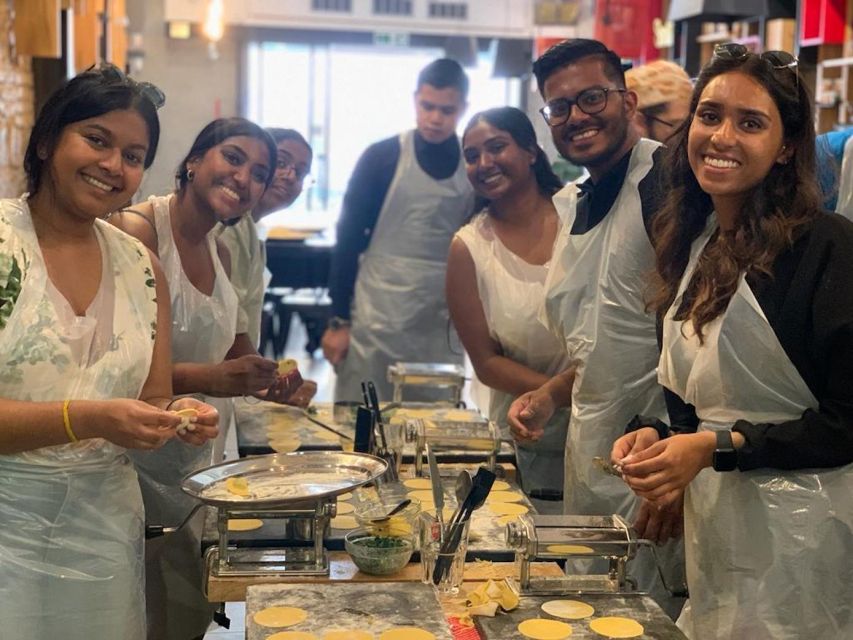
You’re not cooking dry. This experience includes fine wine and limoncello, along with coffee, soft drinks, and water. That matters for two reasons.
First, the drinks are part of the meal rhythm. You’re learning in a setting that feels Italian, not like a tasting room with forced sips.
Second, it affects your energy level. Pasta dough is physical work, and tiramisu assembly is precise work. Having drinks during the lesson can make the time feel lighter—just keep it sensible. If you want your hands to work well, keep one hand on the practical side: sip, don’t sprint.
In one session, people started with prosecco and then moved into the main course and dessert process. Even if your date varies slightly, the broader idea is the same: the drinks support the flow of the class, not distract from it.
What happens after you finish cooking: sit down and enjoy
When you’re done with your hands-on work, you don’t get kicked out with a takeaway bag. You sit down in the restaurant or on the outdoor terrace and enjoy the results of your labor.
That part is underrated. Cooking classes that end the moment the last dish goes in the fridge leave you with a memory of technique—but not of the full experience. Here, you get the full cycle: build it, learn it, and then eat it while it’s still at its best.
You’ll also get the chance to see how other dishes come together in a Roman restaurant setting. That helps you understand what to do differently at home, because you can judge texture, portion size, and overall flavor balance.
Take-home recipes: the real value after the last bite
The class includes recipes you can take home. This is where value shows up if you cook at home more than once or twice a year.
When you have recipes, you can recreate what you actually learned: how the chef taught the dough, the timing for cooking, and the basic tiramisu assembly logic. Even if you improvise later, having the baseline method keeps you from guessing.
My advice: after the class, set aside a short block of time to write down any adjustments you made. Maybe you liked your pasta slightly thicker, or maybe you adjusted the layering rhythm for your comfort. Those small notes turn a recipe card into your personal Roman standard.
Price in perspective: what $32 buys you
At $32 per person, the price is a strong deal for what’s included. You’re getting:
- a structured hands-on cooking class
- an English-speaking local chef guide
- homemade fettuccine and tiramisu preparation
- fine wine and limoncello
- coffee, soft drinks, and water
- time to eat the meal you made
- recipes to take home
If you price those separately—especially in Rome—you’ll see why this feels fair. Wine and limoncello alone can push you close to the cost of a simple meal out. Then you add the skill-building component and the “eat what you made” payoff. That combination is where the value lives.
The only trade-off is that this isn’t an all-day feast. You’re paying for depth in a focused menu and a manageable class length. If you want a multi-course food crawl with lots of different eateries, this might not replace that. But for learning and eating one real Roman-style meal, it’s a strong use of your time.
Who should book this Rome pasta and tiramisu class?
This class suits you if:
- you want a real cooking skill (pasta dough and tiramisu assembly)
- you enjoy learning while socializing with a small group
- you like wine-friendly pacing
- you want a hands-on activity that ends with a sit-down meal
It might be less ideal if:
- you only want to taste and don’t want to cook
- you have a strict schedule immediately after the session (since starting times can slip)
It also fits a range of travelers with dietary needs, because the class lists options including vegetarian, vegan, and lactose intolerant, as long as you communicate your needs when booking.
Final verdict: should you book it?
Yes, I’d book it if you want one of the most practical “Roman” experiences you can do in a half day: make the food, learn the technique, then eat it in the same setting. The consistent praise centers on the instructors’ clarity and energy—people repeatedly mention chefs like Sid and Eleonor, and also names such as Eddie and Giacomo, plus Mathilde in other sessions—along with an atmosphere that feels organized rather than chaotic.
Pick this class over a quick tasting if you care about leaving with the method. Skip it only if your priority is zero-kitchen time or you need perfect punctuality for what comes next.
If you’re in Rome and you want to come home with both a full stomach and a repeatable Italian dinner, this is a smart bet.
FAQ
How long is the Rome Roman Master Chef cooking class?
The class runs about 2.5 to 3 hours.
Where does the class take place?
You’ll cook inside a Roman restaurant, and after cooking you’ll sit down either in the restaurant or on an outdoor terrace. The exact meeting point can vary by the option you book.
What dishes will I learn to make?
The class focuses on making homemade fettuccine pasta from scratch and tiramisu.
Is the class taught in English?
Yes. The instructor is listed as English-speaking.
What drinks are included?
You’ll have fine Italian wine and limoncello, plus coffee, soft drinks, and water.
Are dietary options available?
Yes. Vegetarian, vegan, lactose intolerant, and other diets are supported. You should inform the provider about your needs when booking.
Do I get recipes to take home?
Yes. You’ll receive the recipes from the class so you can recreate what you learned at home.
What happens after we finish cooking?
Once the hands-on cooking lesson is finished, you’ll sit down to enjoy the meal you made.
Is there free cancellation?
Yes. You can cancel up to 24 hours in advance for a full refund.
Can I reserve now and pay later?
Yes. The booking option is listed as reserve now & pay later, meaning you can book without paying today.