REVIEW · ROME
Rome: Spritz & Spaghetti Cooking Class
Book on GetYourGuide →Operated by Carpe Diem Tours · Bookable on GetYourGuide
Pasta and spritz, in the same Roman kitchen. This 3-hour class mixes spritz culture with real, hands-on handmade fettuccine in a small group (up to 14) with a local chef in a proper Roman kitchen. You can book shared or go private, and the whole thing is designed to be social, not stuffy.
Two things I really like about it are the focus on making classic drinks and classic pasta, not just watching someone else do it. You’ll learn three spritzes (Aperol, Hugo, and a final Limoncello spritz), and you’ll actively make fresh pasta and the sauce to go with it. The energy can be a big part of the appeal too, with instructors you might meet like Chef Sunny, Marzia, Jem, Bart, or Laura, known for keeping the class fun and hands-on.
One consideration: the menu isn’t flexible for everyone. The class can’t accommodate coeliac disease, gluten intolerance, vegan diets, or lactose intolerance, since it uses gluten and dairy.
In This Review
- Key things to know before you go
- A Roman Kitchen That Actually Gets You Cooking
- Aperol Spritz Welcome: The Quick Start to Italian Table Talk
- What You Learn Before You Touch the Dough
- Handmade Fettuccine: Rolling, Cutting, and Cooking Your Own
- Carbonara or Cacio e Pepe Sauce: Learn the Two Sauce Templates
- The Second Spritz Moment: Hugo While You Cook
- Eating What You Make: Why This Class Feels Different
- Limoncello Spritz Finish: A Sweet Roman Ending
- Recipes to Take Home: What Actually Helps You Cook Later
- Price and Value in Rome: What You’re Really Paying For
- Group Size, Shared vs. Private, and Who This Fits Best
- Dietary Limits: Plan Around What the Menu Can Do
- Should You Book Rome: Spritz & Spaghetti?
- FAQ
- How long is the Rome Spritz & Spaghetti Cooking Class?
- What drinks are included in the class?
- What food do you make and eat during the class?
- Is the class private or shared?
- What’s the group size?
- Does the class offer gluten-free, vegan, or lactose-free options?
- Is the class taught in English?
- Is there free cancellation or pay later?
Key things to know before you go
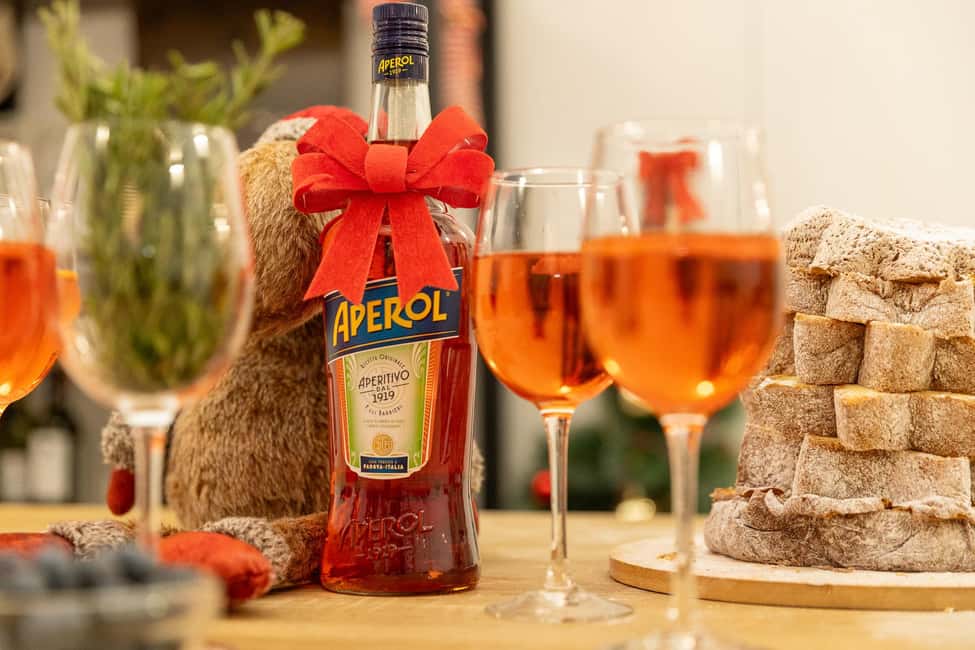
- Three spritzes included: Aperol to start, Hugo mid-class, Limoncello to finish
- Max group size of 14 keeps the kitchen experience personal
- You make the pasta, including rolling, cutting, and cooking your own fettuccine
- Carbonara and cacio e pepe focus: learn the sauces you’ll keep craving after the class
- Eat everything you cook and take recipes home for later
A Roman Kitchen That Actually Gets You Cooking
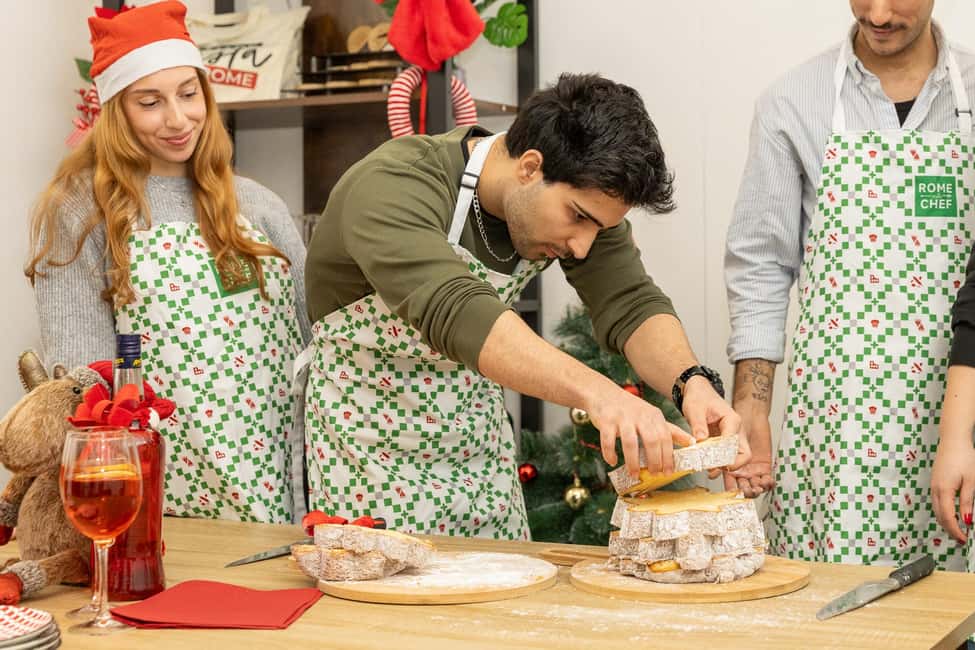
This class lives in the heart of Rome, where you’re not stuck with the usual tourist pattern of watch-then-leave. It’s structured like a proper workshop: you meet the chef first, then everyone starts prepping, rolling, cutting, and cooking together. The most important detail here is the pacing. In just three hours, you’ll get through a full pasta flow and still have time to enjoy the drinks and the meal you make.
And yes, it’s a tipsy cooking class. You’re not just learning Italian food as theory. The format is designed around the spritz rhythm: start with an Aperol spritz, keep the mood going with a Hugo spritz while you cook, and end with a Limoncello spritz. If you’re the type who gets more relaxed when there’s a drink in hand, this will feel like your kind of Rome night.
You can also read our reviews of more tours and experiences in Rome.


Aperol Spritz Welcome: The Quick Start to Italian Table Talk
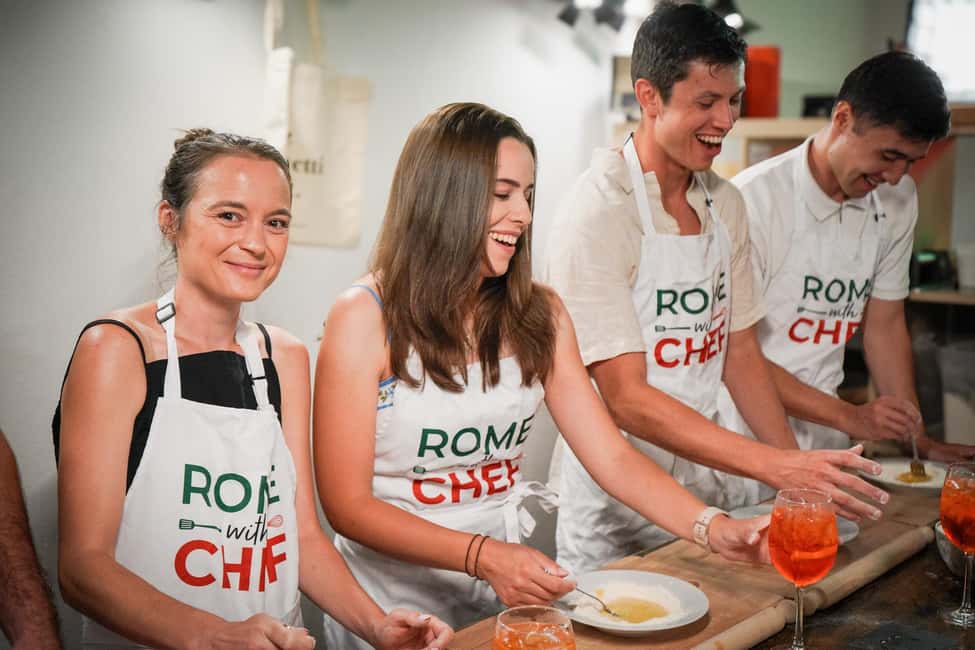
The session begins with an Aperol spritz. It’s not a random add-on. It’s your social warm-up and your setup for the chef-led portion that follows. You’ll meet your chef and your group, settle into the kitchen, and get a sense of what everyone’s about to make.
This first spritz also helps you understand the vibe: Italian cooking here isn’t presented like a test. It’s presented like a craft you can join in on. That matters because the class is hands-on throughout. You’re not going to just stand there holding a utensil for photos. You’ll be doing the steps.
In a city where a lot of food experiences are either formal or fast, I like that this one slows you down. You’re given time to talk, learn, and start cooking without feeling rushed.
What You Learn Before You Touch the Dough
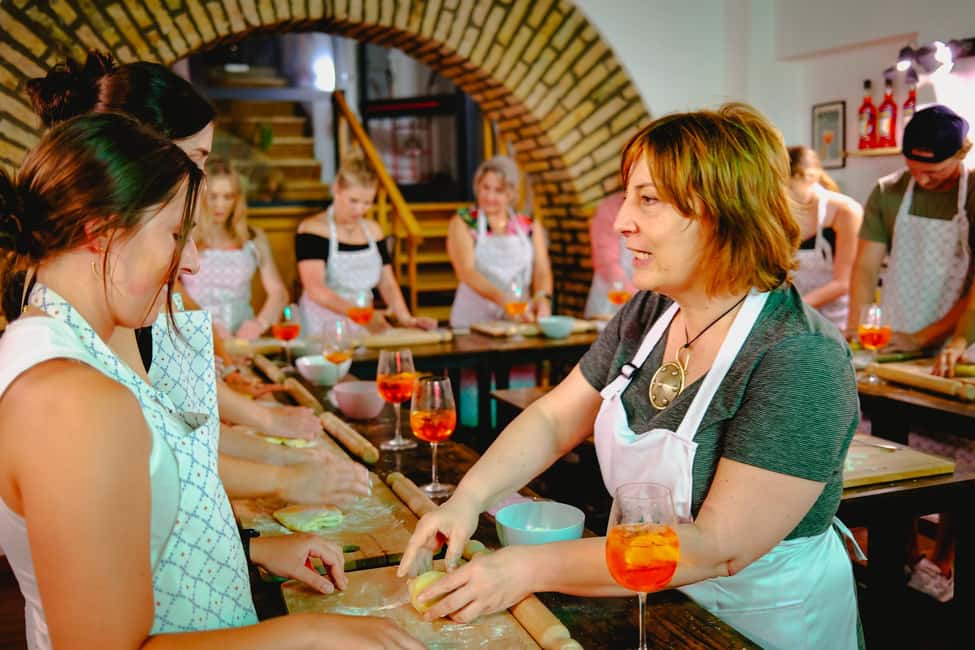
Once everyone’s ready, you shift from drinks and introductions to prep work and technique. The chef shares context about Italian cooking as you start getting ingredients and tools organized. You’ll hear about how pasta fits into Italian everyday eating and how sauces work as a balance to the pasta texture.
Then it’s straight into the practical stuff. Even if you’ve never made pasta before, the class is set up so you can follow along step by step. The prep stage is where you pick up the basics you’ll use the whole night: how to handle dough without overworking it, how to think about thickness when you roll, and how timing changes once the pasta goes into the pan.
Handmade Fettuccine: Rolling, Cutting, and Cooking Your Own
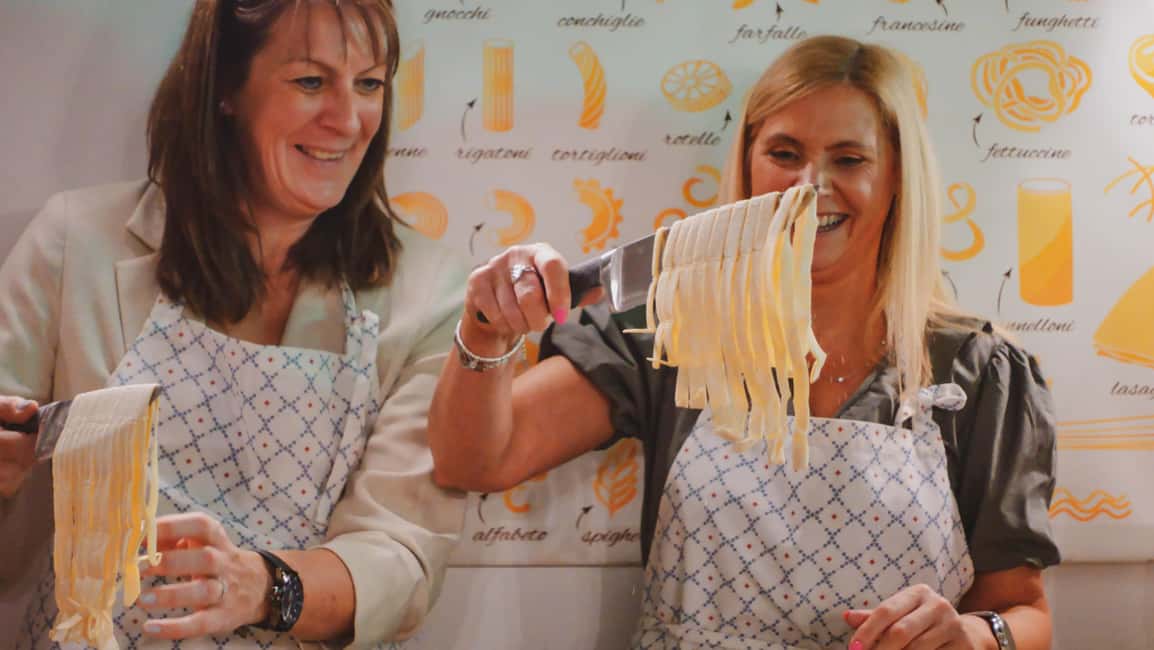
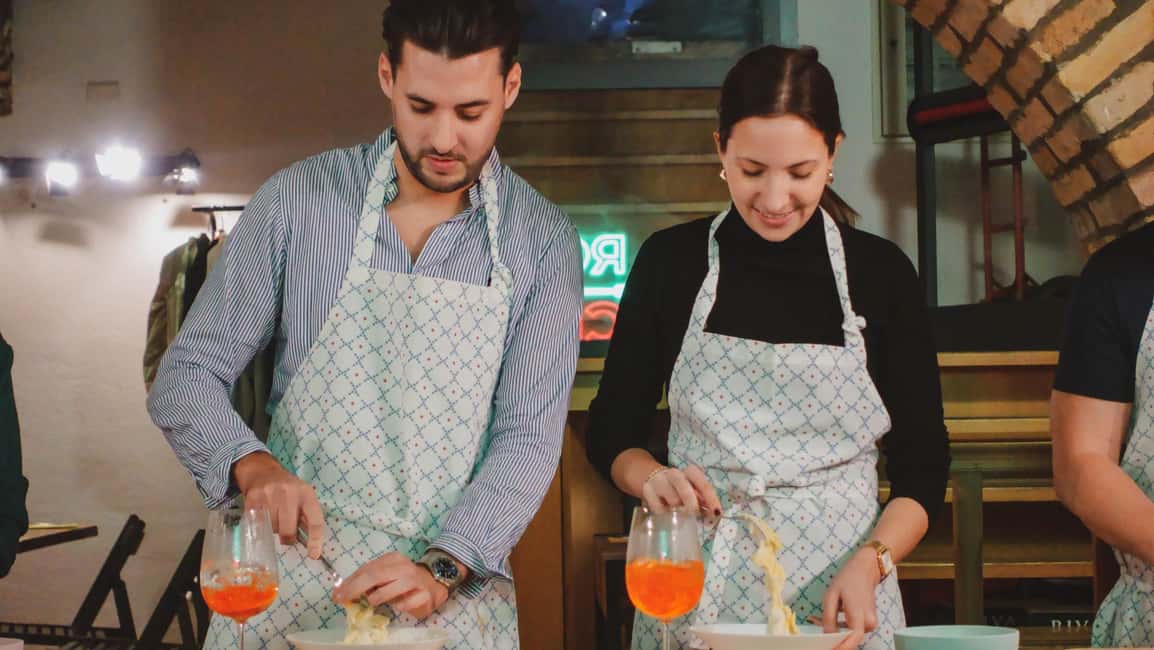
This is the big payoff. You’ll roll, cut, and cook your own fettuccine. Fresh pasta changes everything: the texture, the way sauce clings, and the overall bite. And because you’re the one making it, it’s easier to remember what matters. You learn what the dough should feel like, what thickness looks right, and how you can tell it’s cooked.
A lot of cooking classes stop at assembly. This one goes farther. You’re working as the sous chefs, which is why people describe it as hands-on even if they’re beginners. In short, you get enough practice to leave with confidence, not just a full plate.
Also, you’ll be using fresh, locally sourced ingredients. That matters here because it supports the two core goals: the pasta tastes good, and you can picture how you’d recreate it later.
Carbonara or Cacio e Pepe Sauce: Learn the Two Sauce Templates

You’ll make a traditional sauce to go with your pasta, focused on either carbonara or cacio e pepe. These two dishes are perfect teaching tools because they show sauce logic instead of just flavor lists.
Carbonara teaches you about richness and timing. The balance is all in technique: you don’t want the sauce to turn into scrambled eggs, and you want it to coat the pasta properly. Cacio e pepe teaches you how to build creamy texture from cheese and the right approach to heat and mixing. Either way, you learn the kind of fundamentals that show up in a lot of Italian cooking: how to manage temperature, how to season gradually, and how to make sauce work with pasta rather than sit on top of it.
If you love Roman comfort food, these are the sauces you’ll probably recognize from menus. Learning them here makes you less dependent on restaurant versions.
Vegetarian options are available, but the class is still built around dairy and gluten ingredients. If you fall outside the stated allowances, plan ahead.




The Second Spritz Moment: Hugo While You Cook
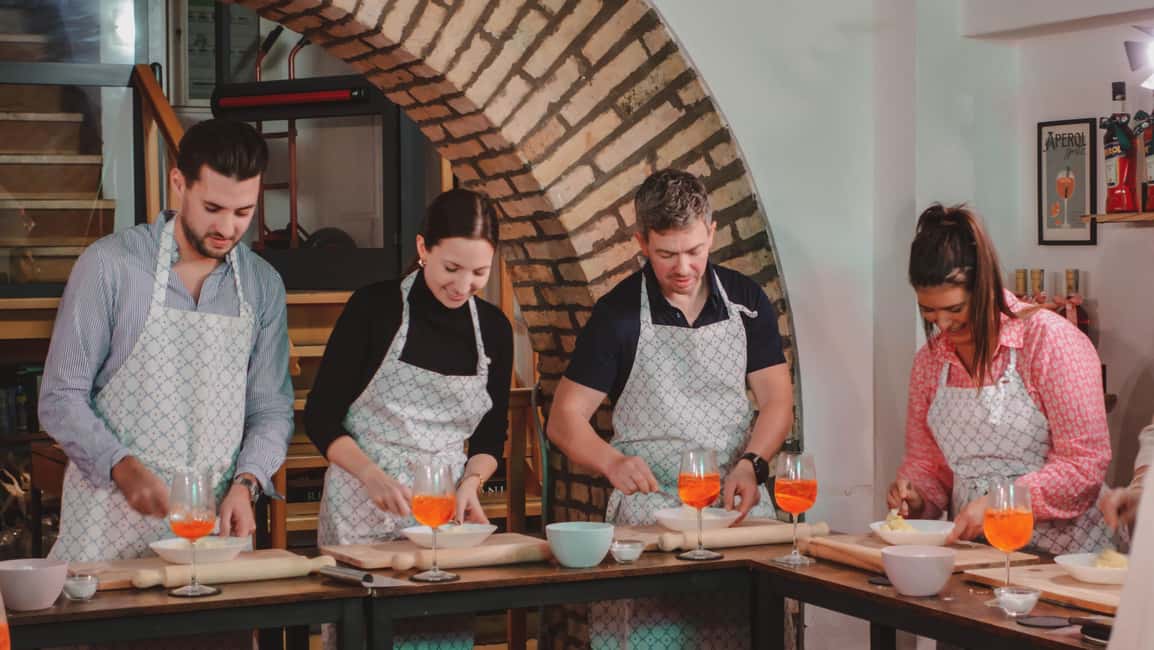
While the pasta is moving through the process, you’ll enjoy a Hugo spritz. This is a smart part of the flow. It keeps the energy up while you wait for components to come together, and it keeps the group relaxed during the trickier parts of cooking.
It also helps you feel like you’re living the Italian rhythm. Spritz culture in Rome is social by nature, and this class uses that idea to keep the kitchen atmosphere friendly.
I like the balance too. You aren’t drinking so much that it takes over the experience. The drinks fit around the cooking rather than replace it.
Eating What You Make: Why This Class Feels Different
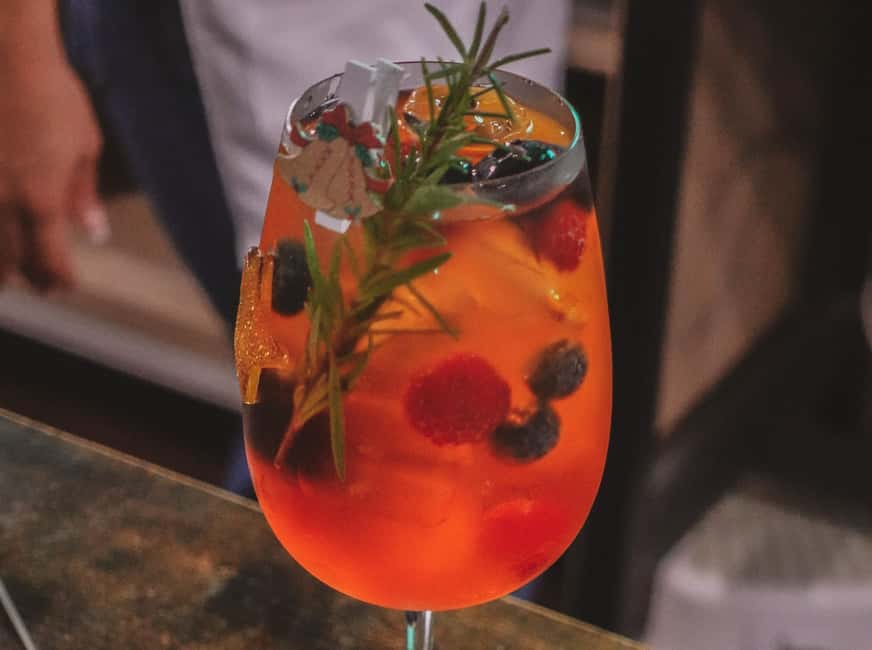
When everything’s ready, you eat your pasta with your sauce. And you eat everything you make. That’s not a small detail. It turns the class into a full meal experience instead of a snack-and-learn session.
In practice, this means you’ll spend more time with your group and your chef. You can taste what you made immediately, compare what you expected with what you got, and ask questions while the food is still fresh. It’s the easiest way to lock in learning.
And because you made the pasta yourself, the meal feels earned. You don’t have to imagine what the technique does. You can taste it.
Limoncello Spritz Finish: A Sweet Roman Ending
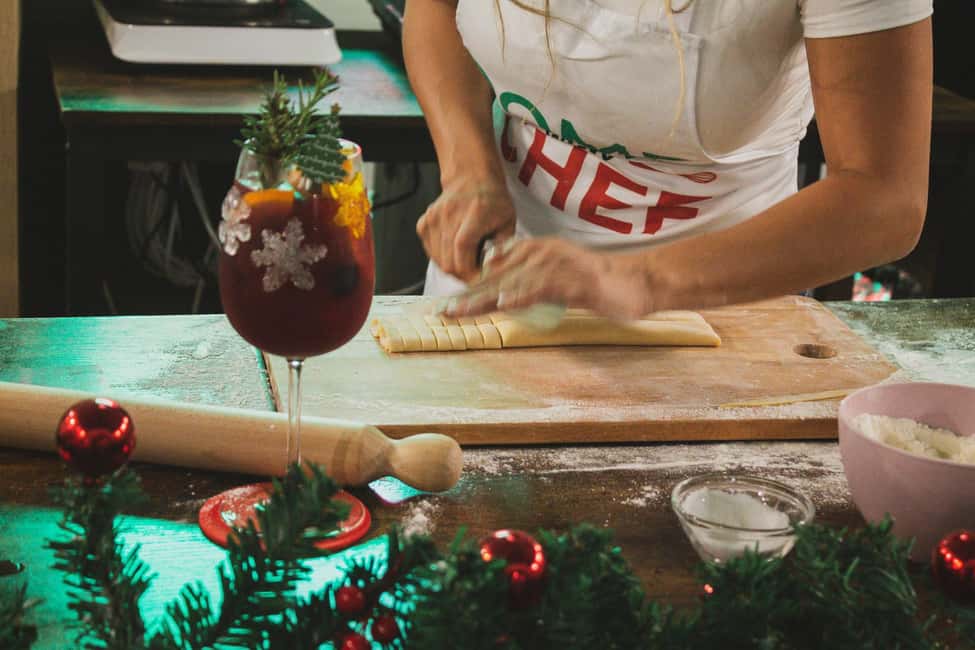
At the end, you cap the meal with a Limoncello spritz. Think of it as the punctuation mark that makes the whole evening feel complete. By this point you’ve already learned the core cooking skills, and the final drink shifts you into the role of diner again.
If you like the idea of leaving the kitchen with both a food win and a drink win, this ending fits the bill. It also reinforces that the class isn’t just “Italian food lesson.” It’s an Italian night.
Recipes to Take Home: What Actually Helps You Cook Later
The class includes take-home recipes. That’s valuable for two reasons.
First, it lets you recreate the dishes without relying on memory. When you’ve spent time learning technique, having the written steps helps you reproduce it with fewer mistakes.
Second, it turns the experience into a skill, not just a story. If you like hosting or you want to impress yourself one day, recipes give you the framework for doing it again.
I’d treat this as a pasta-confidence builder. Three hours is enough to learn the shape, timing, and sauce logic, then use the recipes to keep your version on track.
Price and Value in Rome: What You’re Really Paying For
At $112.15 per person, the price is not bargain-bin. But it’s also not overpriced for what you get. Here’s the value math that matters:
- A local chef-led, hands-on workshop (not a demonstration-only class)
- Small group size (max 14), which usually means more attention and less waiting
- Fresh local ingredients
- A full pasta-making session plus a Roman sauce focus
- Three included spritzes (Aperol, Hugo, and Limoncello)
- You eat everything you cook
- Recipes to take home
In Rome, you can easily spend similar money on a nice meal plus drinks where you don’t learn anything practical. Here, the cost buys skill, food, and a proper social night. For couples, solo travelers, and friends who want something more interactive than another dinner reservation, this is often a strong deal.
Group Size, Shared vs. Private, and Who This Fits Best
The class caps at 14 people max, and private group options are available. That matters because cooking classes live or die by interaction. In larger groups, people wait their turn and learning becomes passive. Here, the smaller size makes it easier to stay involved.
This experience is especially good for:
- People who want a fun Rome activity that’s not just sightseeing
- First-timers who want guided pasta technique without intimidation
- Food lovers who enjoy Roman staples like carbonara and cacio e pepe
- Groups who want to meet others while staying in a small setting
If you’re traveling solo, you’ll likely have an easier time chatting with the group since the kitchen work and dining naturally break the ice. If you’re with friends, it’s a memorable shared project, plus you get the same meal experience afterward.
If you’re the kind of person who loves cooking but hates being told you must follow a rigid script, this class tends to work well because you’re hands-on and guided.
Dietary Limits: Plan Around What the Menu Can Do
This class has clear boundaries. It can’t accommodate coeliac disease, gluten intolerance, and/or a vegan diet, and it also can’t accommodate lactose intolerance due to dairy use. If you need gluten-free or vegan, you’ll need a different type of class.
If you have any other restrictions, you should tell the provider in advance so they can figure out what’s possible. Vegetarian options exist, but the overall menu constraints are important to understand before you book.
My practical advice: check early. Waiting until the last minute is how you end up with a disappointing scramble in a city where you don’t always have perfect alternatives.
Should You Book Rome: Spritz & Spaghetti?
I think you should book it if you want a Roman night that mixes technique, eating, and social fun. This is the kind of experience where you leave with something tangible: pasta skills, sauce know-how, and recipes you can use later. The combination of handmade fettuccine and three spritzes makes it feel like both a cooking class and a proper evening out.
Don’t book it if your dietary needs fall into the stated restrictions (gluten intolerance/coeliac, vegan, lactose intolerance). Also, if you hate the idea of alcohol being part of the flow, know that spritzes are central to the format here.
If you’re on the fence, this one is a good “last-night in Rome” type of plan. It uses your time well, it’s interactive, and it lands you back with a full stomach and a practical takeaway.
FAQ
How long is the Rome Spritz & Spaghetti Cooking Class?
The class lasts 3 hours.
What drinks are included in the class?
You’ll get 1 Aperol spritz, 1 Hugo spritz, and 1 Limoncello spritz. Unlimited water and soft drinks are also included.
What food do you make and eat during the class?
You’ll make handmade pasta (fettuccine) and a traditional sauce, and you eat everything you make. Vegetarian options are available.
Is the class private or shared?
Both are available. You can choose a private group option or book a shared class.
What’s the group size?
The class is kept small, with a maximum of 14 people.
Does the class offer gluten-free, vegan, or lactose-free options?
No. The class cannot accommodate coeliac disease, gluten intolerance, a vegan diet, or lactose intolerance because it uses gluten and dairy.
Is the class taught in English?
Yes, the live guide is English-speaking.
Is there free cancellation or pay later?
Free cancellation is available up to 24 hours in advance for a full refund, and you can reserve now and pay later.