REVIEW · ROME
Rome: St. Paul’s Within the Walls Church Opera Arias Ticket
Book on GetYourGuide →Operated by Musica&Musica srl · Bookable on GetYourGuide
A church turns opera into close-up drama. This 90-minute concert brings famous Italian arias to the St. Paul Within the Walls setting, where the building does a lot of the heavy lifting for sound and mood.
I love the lineup of recognizable voices and classics, from La Traviata to Tosca and Carmen. I also like that you get a full chamber-orchestra feel from the Orchestra I Virtuosi dell’opera di Roma, not just singers on a bare stage.
My main caution is seat location: B category can be far from the staging area, and a church can mean warm air and firmer seating than you might expect.
In This Review
- Key highlights to know before you go
- St. Paul Within the Walls Church: the Setting That Makes Arias Work
- Seat Choice in Category A, B, and VIP: What You’re Really Paying For
- Getting There and Exchanging Your Voucher (Without Stress)
- Meet the Orchestra: I Virtuosi dell’opera di Roma and the Sound You Hear
- The Program, Act by Act: Verdi to Rossini, Mozart to Puccini
- Act 1: The crowd-pleasers start early
- Act 2: Bizet and Puccini bring the drama
- Why this sequencing works
- Opera or Concert? Expectations for Language, Stories, and Stage Action
- Costumes, Duets, and the Small-Moment Magic
- Value Check: Is $29 Good for Rome Opera Night?
- Who This Is Perfect For (and Who Should Skip It)
- Should You Book This St. Paul Within the Walls Opera Concert?
- FAQ
- Where do I exchange my voucher?
- How long is the concert?
- What seating options are available?
- Is transportation included?
- Is the church wheelchair accessible?
- Can I get a refund if I change my plans?
Key highlights to know before you go
- A 90-minute aria concert that strings together standout moments from major Italian opera composers
- Orchestra I Virtuosi dell’opera di Roma performed by conservatory-trained professors and mixed instrumental soloists
- Choosable seating (A, B, or VIP), with A generally feeling closer to the action
- Church acoustics in St. Paul Within the Walls, where voices carry and the space shapes the sound
- Stage storytelling with costumes and dramatization, which helps even if you’re not following every word closely
St. Paul Within the Walls Church: the Setting That Makes Arias Work
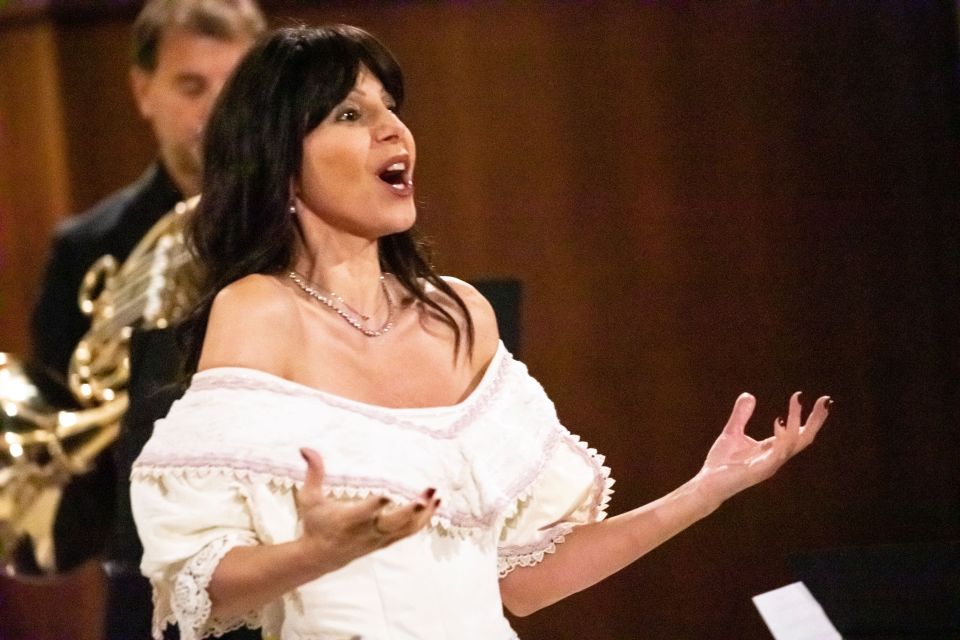
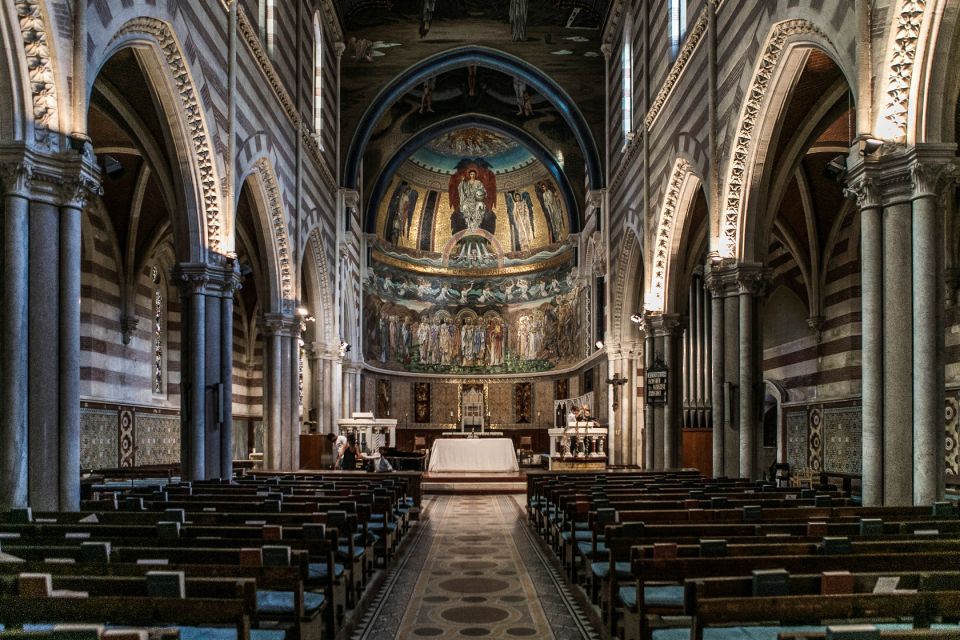
Rome has a way of turning culture into a physical experience. Here, the venue is St. Paul Within the Walls Church, and the concert uses the architecture to amplify what you came for: powerful voices, plus music that feels immediate rather than distant.
The best part is how the space supports opera. In reviews, people keep pointing to the way the church carries singing clearly, making those big, emotional melodies land right in your chest. If you’ve only heard opera in grand theaters, this feels different: smaller scale, closer presence, and a more human vibe.
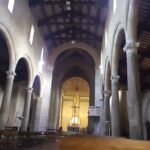
You should also know what kind of venue this is. It’s a church, not an opera hall, so expect a classic sacred room feel—beautiful, historic, and very much designed for reverberation. That’s great for arias, but it can also mean the temperature runs warm and seats can feel less comfy than modern theater chairs.
You can also read our reviews of more tours and experiences in Rome.

Seat Choice in Category A, B, and VIP: What You’re Really Paying For
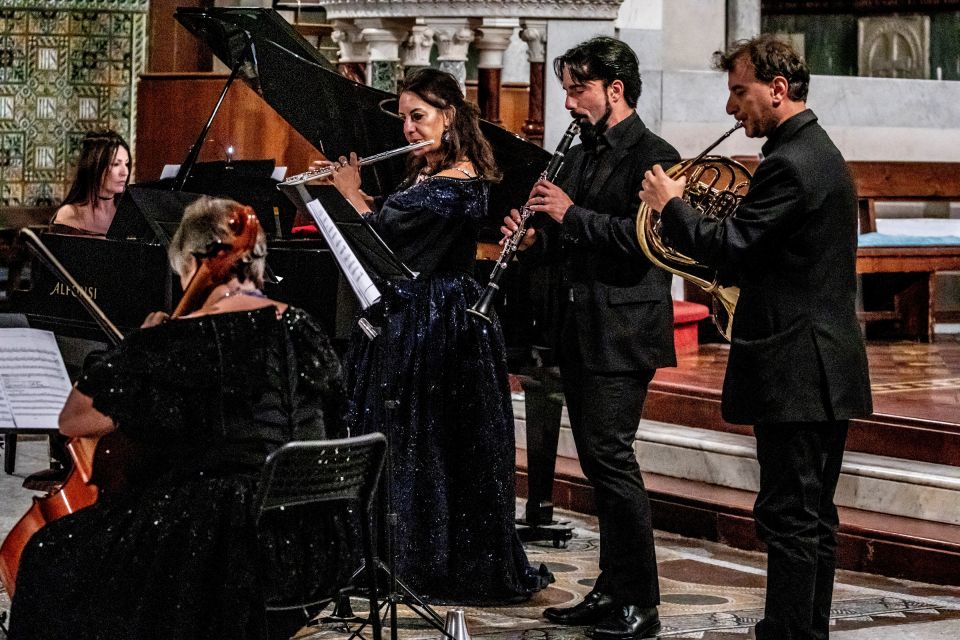
This ticket gives you options, and your choice affects what you’ll enjoy most.
You can pick Category A or B seating, and there’s also VIP seating with skip-the-line access. Based on real experience from prior attenders, Category A tends to put you nearer to where the performers’ action happens. Category B can mean you’re farther back from the staging area, so the singing may still be great but the on-stage visual details can be harder to catch.
One more practical point: some people report you can choose sections rather than exact seat numbers. That matters because two travelers with the same letter category may end up with slightly different sightlines depending on how the room fills.
If you’re the type who wants to see facial expressions and stage movement clearly, lean toward Category A or VIP. If you’re mainly there for the music and sound (and you don’t care about visual closeness), Category B can still work fine.
Getting There and Exchanging Your Voucher (Without Stress)
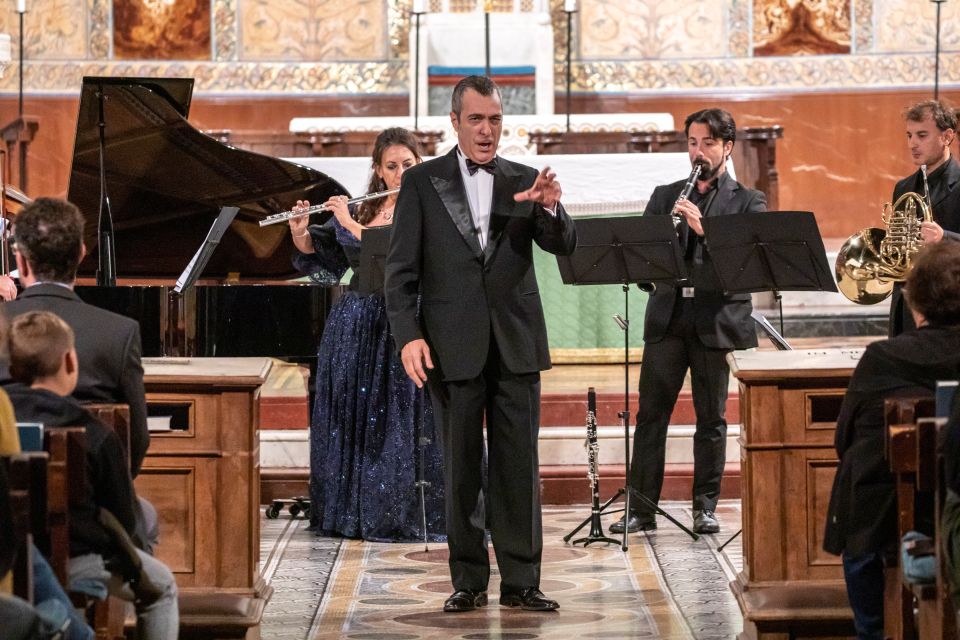
Plan this like a simple “show up, exchange, take your seat” evening. The key step is your voucher exchange: you need to exchange it at the St. Paul Within the Walls ticket counter before the tour begins.
The concert duration is 1.5 hours, so you don’t get much time to wander after you arrive. Build in extra minutes for finding the correct counter and settling in before the performance starts.
Transportation isn’t included. That’s a good thing for you if you like control over your evening plans—but it also means you’ll want to handle the commute yourself. Aim to arrive a little early, especially if you want the best chance at your preferred section.
Also note the basics: the host or greeter is Italian, and pets aren’t allowed. The program can change, so don’t treat the aria list like a promise you can screenshot.
Meet the Orchestra: I Virtuosi dell’opera di Roma and the Sound You Hear
What you’re really buying here is a coordinated concert of voices and instruments. The Orchestra I Virtuosi dell’opera di Roma is made up of performers associated with Italy’s major conservatories, and that shows in how tight the accompaniment sounds.
You’ll hear an ensemble with violin, cello, piano, flute, clarinet, and horn—plus soprano, tenor, and baritone voices. That combination creates a richer texture than you might expect from a church concert. You get color in the harmonies, and the winds and strings help you track melodies even when the story jumps from one aria to the next.
In reviews, the quality of both musicians and singers is a recurring theme. People describe goosebumps from the voices, and that usually points to two things: good vocal balance and good acoustics. In this kind of space, if the singers are well supported and the musicians can control dynamics, the whole room becomes part of the performance.
If you care about “how it sounds,” you’re in the right place. If you’re looking for a full staged production like a major opera house, you may have a different expectation, but the vocal artistry is the core.
The Program, Act by Act: Verdi to Rossini, Mozart to Puccini
This concert focuses on famous lyrical arias, so it feels like a greatest-hits set stitched together with orchestra moments. It’s still structured as acts, and the pacing stays energetic over the full 1.5 hours.


Act 1: The crowd-pleasers start early
Act 1 opens with G. Verdi – La Traviata: Preludio. Then the program moves quickly into major melodies people recognize on the first notes.
You’ll hear:
- Verdi – Nabucco: Va’ Pensiero
- Rossini – Il barbiere di Siviglia: Largo al factotum della città
- Leoncavallo – Mattinata
- Back to Rossini for Una voce poco fa
- Mozart – Don Giovanni: Là ci darem la mano
- A strong emotional peak with Puccini – Tosca: E lucean le stelle
Then comes Offenbach – I racconti di Hoffmann: Barcarola. Offenbach’s writing has a different flavor than straight Verdi or Puccini, and in a concert format it helps keep the ear awake.
Act 1 ends with another Verdi moment from La Traviata: Libiamo ne’ lieti calici. That’s a crowd-friendly choice, because it gives you a satisfying “warm” note before intermission energy.
Act 2: Bizet and Puccini bring the drama
Act 2 shifts into Bizet territory and then lands in Puccini, which is a classic pairing for an Italian-aria program.
You’ll hear:
- Bizet – Carmen: Entr’acte II / (Carmen moments in the set)
- Puccini – La Bohème: Quando me’n vo’
- Another Bizet – Carmen highlight with Toreador
Then comes Verdi – Rigoletto: La donna è mobile, one of the most recognized showpiece melodies in opera. Even if you don’t know the story, you’ll hear why people love it.
After Mascagni – Cavalleria rusticana: Intermezzo, the set pushes back toward Puccini again:
- Puccini – Tosca: Vissi d’arte
The final stretch includes Mozart with Le nozze di Figaro: Non più andrai, farfallone amoroso, then Rossini with Zitti, zitti, piano, piano.
Why this sequencing works
This program is built for impact. It alternates between:
- sweeping ensemble orchestral writing (great in a church for resonance),
- signature melodies that stay in your memory,
- and a few darker emotional turns (Va’ Pensiero, Vissi d’arte) before closing with bright, rhythmic payoff.
That matters because a 90-minute aria concert can feel like “lots of songs” unless the transitions keep momentum. Here, the program choices help the evening feel like a journey, not a shuffle.
Opera or Concert? Expectations for Language, Stories, and Stage Action
This is not a full staged opera with a complete plot from start to finish. It’s an aria-focused opera concert: overtures, famous arias, and duets performed in sequence.
That’s good news if you want the biggest moments of Italian opera without sitting through a longer multi-act production. It’s also helpful if you don’t speak the languages. One reason people come away happy is that staging, costumes, and dramatization help carry the emotion even when you’re not following every lyric line-by-line.
Still, set your expectation correctly:
- You’ll hear major names and major arias.
- You won’t get the complete theatrical story arc in the same way a full opera would provide.
- The “show” includes music plus performance choices, but it’s not the same as a fully scripted opera production.
On the language side, the event setup is described as Italian, and there’s an Italian host or greeter. Music itself is performed as part of the opera repertoire, but spoken guidance may be in Italian. If you’re worried about understanding announcements, don’t overthink it—focus on the music and the visual cues on stage.
Costumes, Duets, and the Small-Moment Magic
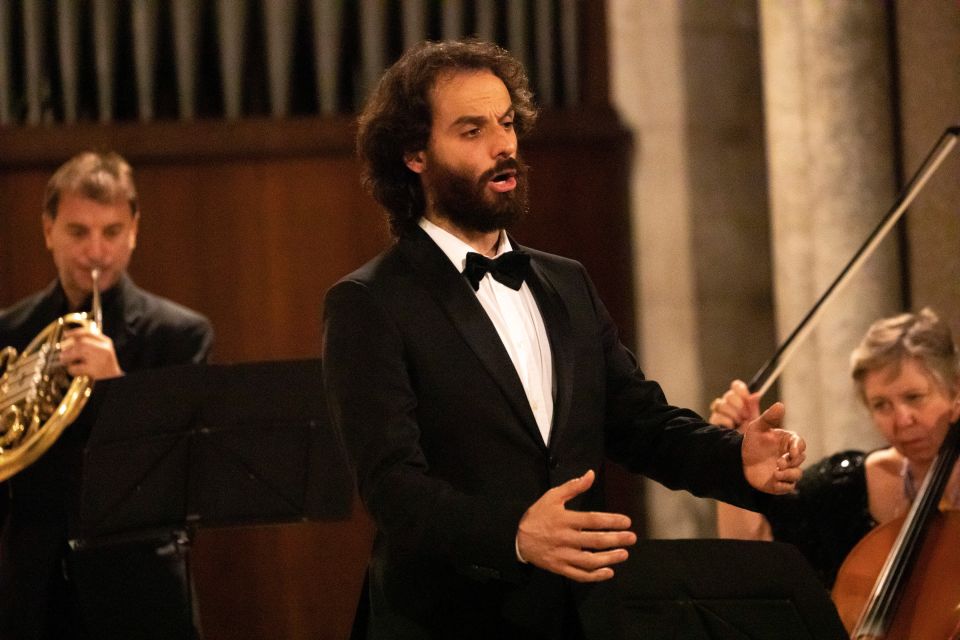
Even with an aria concert format, the best performances give you two things: vocal fireworks and human storytelling.
In reviews, people repeatedly mention costumes and the way performers dramatize the material. That’s not random. With well-known opera excerpts, a few expressive gestures can help connect a melody to meaning—especially in a church where the audience is close enough to see body language.
There’s also a social, “live concert” feeling in this venue. One person described a memorable audience interaction during an encore, including a waltz with the tenor. That doesn’t mean it’s guaranteed every night, but it does point to the fact that the performers can bring warmth and playfulness at the end.
If your travel style is more about feeling the culture than checking a landmark box, this kind of concert can be a perfect evening plan. You’ll leave with music stuck in your head, plus the satisfaction of experiencing opera in a setting that feels Roman and specific.
Value Check: Is $29 Good for Rome Opera Night?
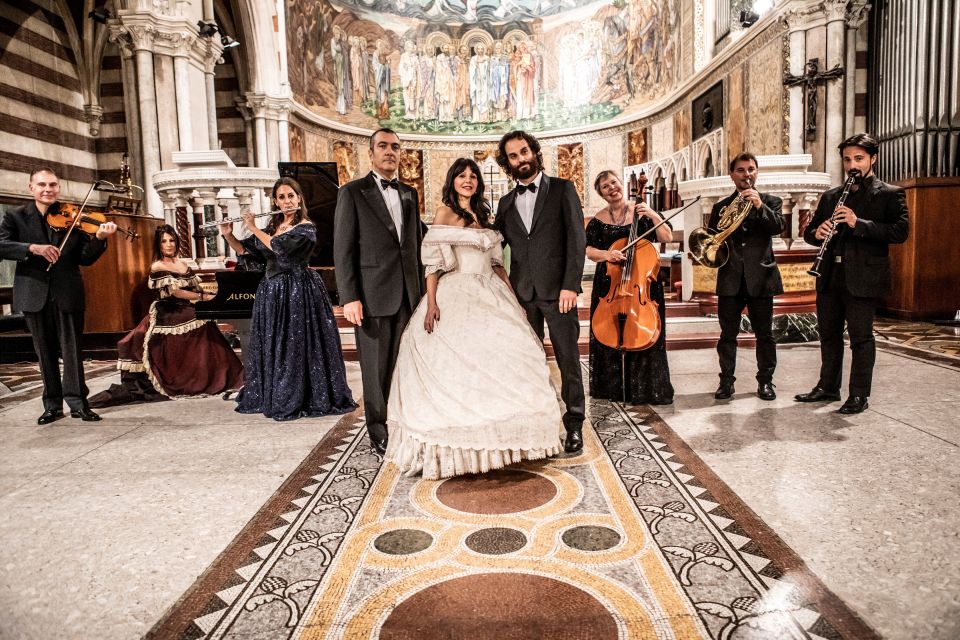
At $29 per person, you’re paying for a concentrated burst of Italian opera culture: multiple featured arias, a live orchestra, and three voice types (soprano, tenor, baritone), all in a major historic church.
Is it “cheap” relative to a full opera production? Yes, in the sense that you’re not paying for a full-length staged opera. But you are still getting real musicians and singers, and the church setting adds value that you can’t replicate in a generic concert hall.
Your best value choice depends on what you care about most:
- If you mainly want great singing and sound, Category B can still feel like a bargain.
- If you want to catch staging details clearly, Category A or VIP can be worth the extra cost because it directly improves your sightline.
The other value angle: the show is short—1.5 hours—so it fits easily into a Rome itinerary without stealing half your day. For many people, that alone is a deciding factor.
Who This Is Perfect For (and Who Should Skip It)
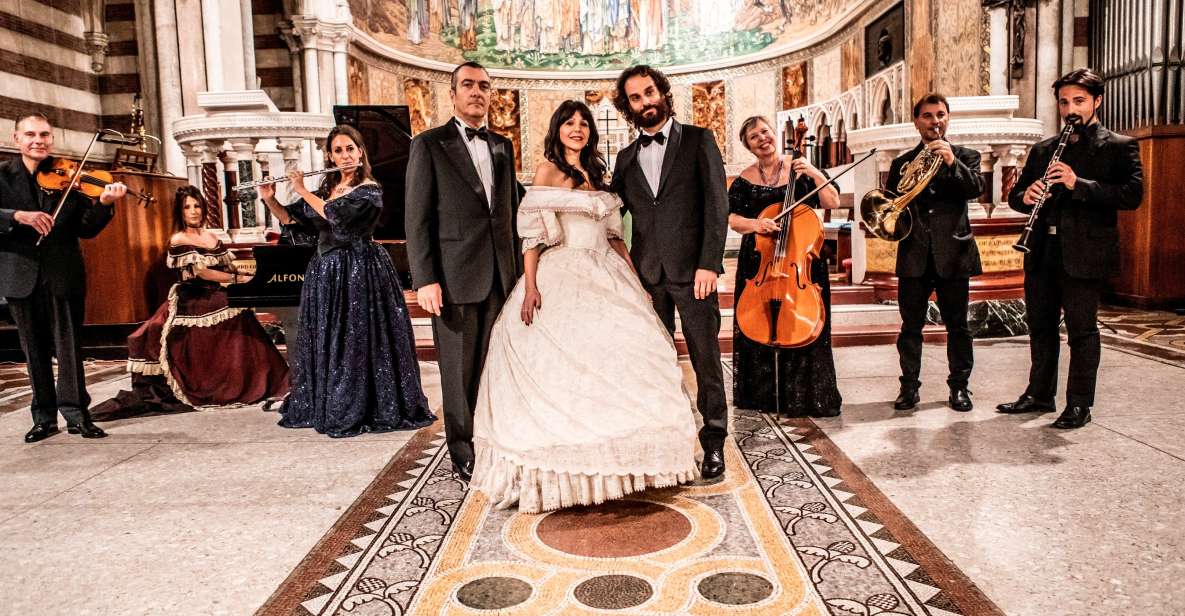
This concert is ideal if you want:
- classic Italian arias in a single evening,
- a high-quality orchestra plus trained singers,
- and a setting where acoustics do real work.
It’s especially suited to first-time opera fans. You get the big hits without having to commit to a full opera evening. It’s also a nice option for travelers who’ve spent the day walking and want an evening that’s elegant, not exhausting.
You might want to skip or adjust your expectations if:
- you’re specifically looking for a full opera production with complete plot and staging, not just famous arias,
- you’re sensitive to hot rooms and less padded seating, since reviews mention warmth and discomfort,
- or you’re picky about where you sit, because B category may put you farther from the staging area.
Should You Book This St. Paul Within the Walls Opera Concert?
If your goal is a genuine Rome night with real opera voices, this is a strong pick. For $29 you’re getting multiple star-worthy arias, a professional chamber-orchestra setup, and the church’s acoustics working in your favor.
My rule of thumb: book it if you want the music-first highlights of Italian opera in a beautiful venue, and choose Category A if you care about being closer to the action. Consider VIP if you want the extra comfort and the skip-the-line advantage.
If you want a full-length opera story, or if you’re likely to be uncomfortable in warmer, firmer seating, adjust your seat choice carefully or look for a different kind of opera ticket.
FAQ
Where do I exchange my voucher?
You must exchange your voucher at the St. Paul’s Within the Walls ticket counter before the tour begins.
How long is the concert?
The duration is about 1.5 hours.
What seating options are available?
You can choose Category A or Category B seating, or upgrade to VIP seats (with skip-the-line access).
Is transportation included?
No. Transportation is not included.
Is the church wheelchair accessible?
Yes, the activity is wheelchair accessible.
Can I get a refund if I change my plans?
Free cancellation is available up to 24 hours in advance for a full refund.