REVIEW · ROME
Rome: Tour of St. Clement’s Basilica Underground Temples
Book on GetYourGuide →Operated by Touriks · Bookable on GetYourGuide
One building, four time periods, and a very literal step down. This St. Clement’s Basilica underground tour takes you past a 12th-century golden mosaic and then far below ground to see early Christianity layered over ancient Rome. Two things I like a lot are the golden mosaic symbolism up top and the Mithraic temple you reach after descending 14 meters.
You also get a rare mix of art and atmosphere: 4th-century frescoes tied to martyrs and persecution, plus a mysterious underground setting that includes an underground river. The possible drawback is that the underground portions are tight and can feel claustrophobic, so it’s not for everyone.
If you handle that part, this is one of those Rome experiences where a live guide really changes everything, especially if you’re the type who likes religion, symbolism, and how cities rebuild on top of themselves.
In This Review
- Key things to know before you go
- St. Clement’s underground Rome is time travel you can walk through
- The 12th-century apse mosaic: start with the symbols, then go down
- 4th-century layers beneath: early Christian frescoes and martyr stories
- Mithraic temple and an underground river: pagan rituals under Christian ground
- The atmosphere is part of the archaeology
- Optional extension: Santo Stefano Rotondo and its martyrdom frescoes
- What to expect on the ground: timing, guidance, and how it flows
- Price and value: is $70 worth it?
- Practical tips that actually help inside churches and underground spaces
- Who should book this St. Clement’s underground tour, and who should skip it
- Should you book this Rome underground St. Clement’s tour?
- FAQ
- Where is the meeting point for this tour?
- How long is the St. Clement’s underground tour?
- Is Santo Stefano Rotondo included?
- Is photography or video allowed inside?
- Is this tour wheelchair accessible?
- What languages are the guides available in?
Key things to know before you go
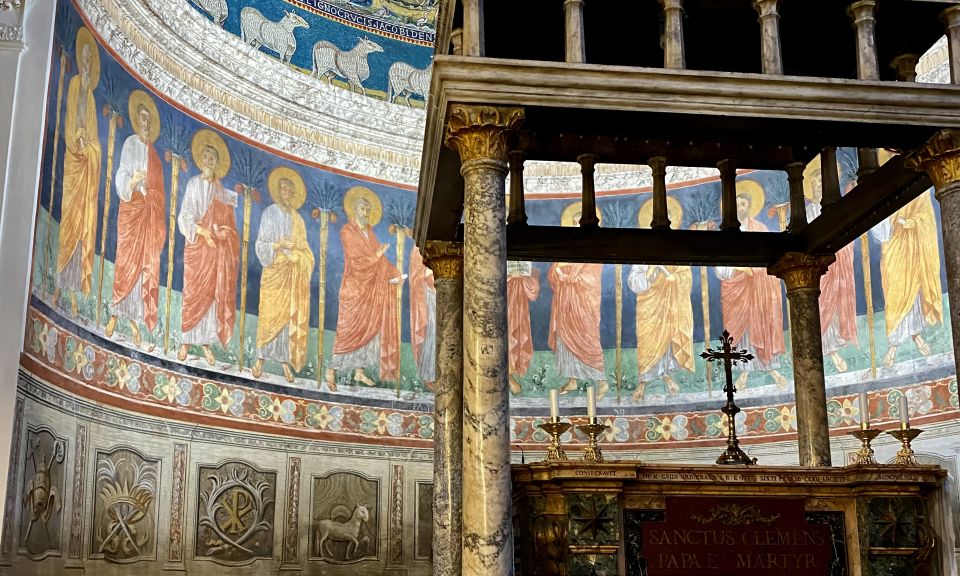
- 14 meters underground: you’ll be walking in and around historic spaces beneath the basilica
- Mithraic temple details: one of Rome’s best-preserved Mithraic temples, plus an underground river setting
- 4th-century Christian frescoes: some of the earliest images tied to martyrs and early church stories
- Golden mosaic first: you start in the 12th-century church with the apse before descending
- Optional Santo Stefano Rotondo: adds 45 minutes and shifts the tone with more martyrdom frescoes
- No photo/video inside: plan on experiencing with your eyes, not your camera
St. Clement’s underground Rome is time travel you can walk through
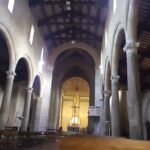
St. Clement’s Basilica in Rome is famous because it’s not just one church. It’s a stack of different eras, layered like a history lesson you can physically move through, starting in a 12th-century setting and going down into earlier Christian spaces and even pagan cult remnants.
What makes this tour work is the pacing. You’re not thrown into darkness and chaos right away. First you get context in the church above, then you move downward step by step, so the symbols and stories start to make sense before you’re surrounded by them.
It helps that the tour is only 1 hour for the main experience (with an optional extension). That’s ideal if you want a focused underground hit without sacrificing the rest of your day in Rome.
You can also read our reviews of more tours and experiences in Rome.
The 12th-century apse mosaic: start with the symbols, then go down
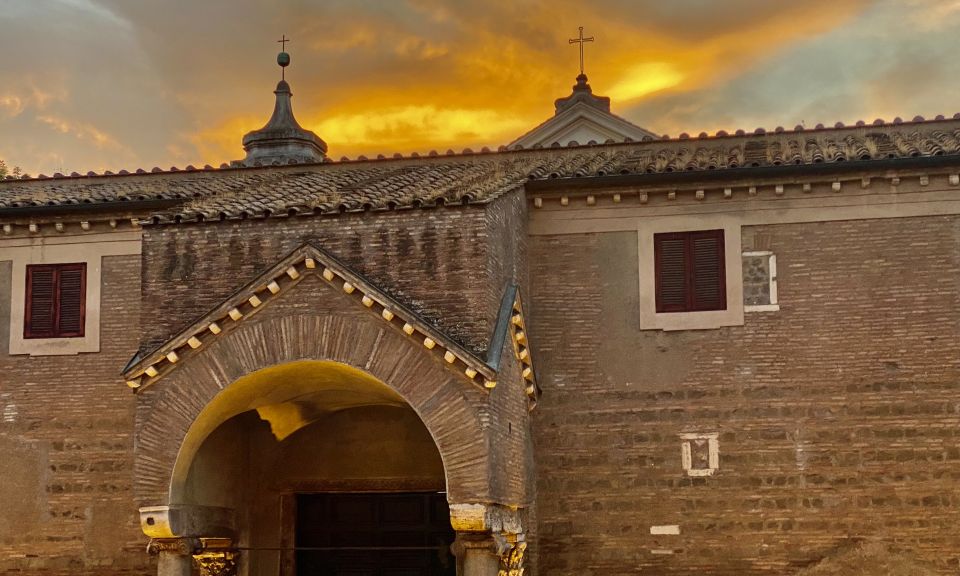
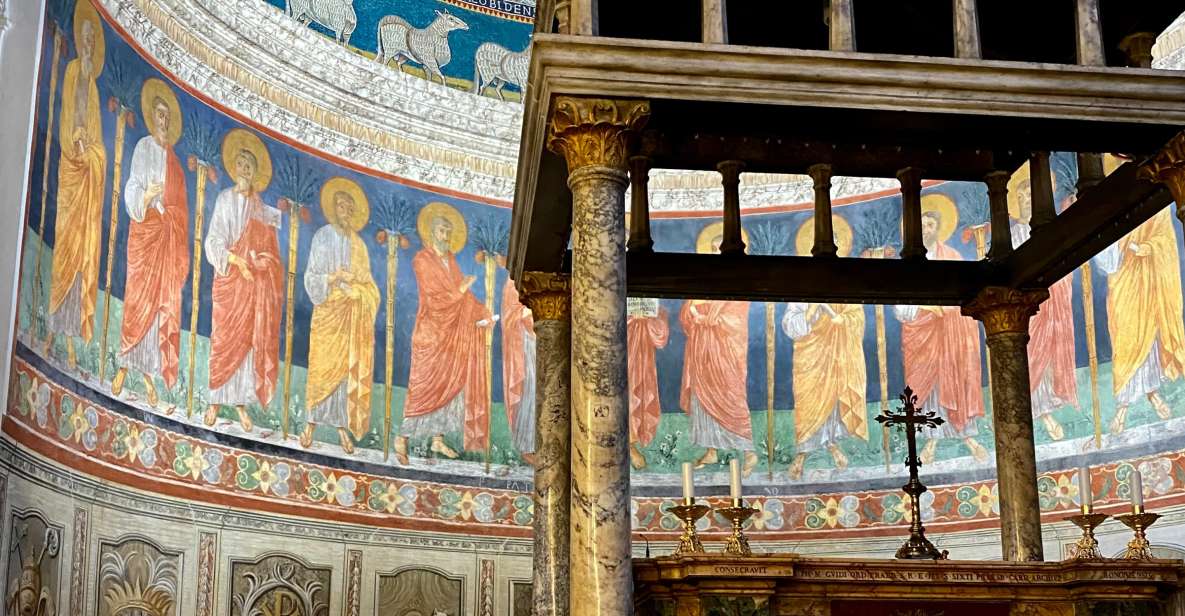
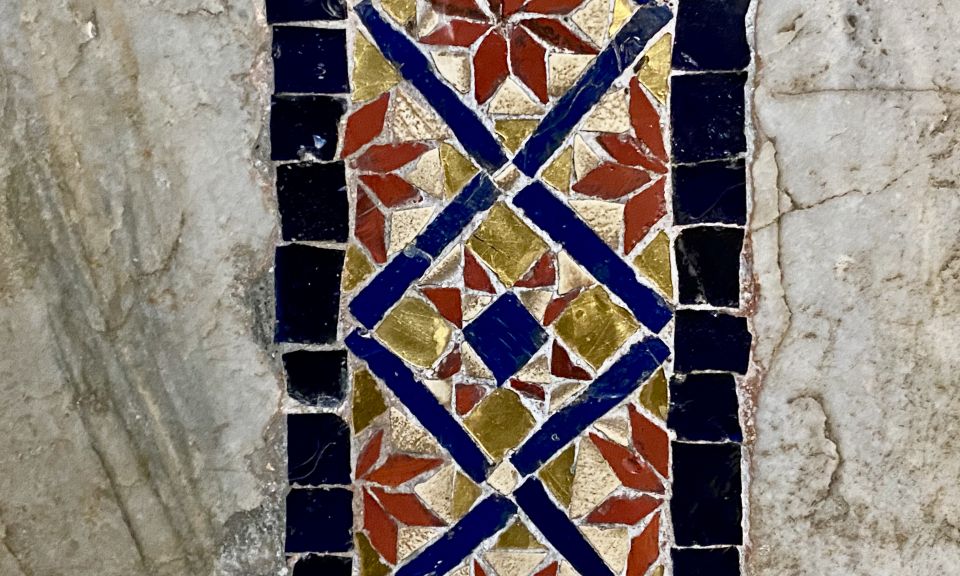
Before the descent, the tour starts in the 12th-century basilica with the golden mosaic in the apse. Your guide explains the mosaic’s spiritual significance and also points out symbolism you might miss if you’re walking in on your own.
Even if you’re not a mosaic superfan, I think this step is smart. It gives you a visual anchor. When you later see frescoes underground, you’ll have a clearer sense of what early Christians were doing with images, messages, and meaning.
This is also where the guide’s tone matters. Many guides on this tour are praised for making ancient Rome feel clear and easy to follow, including Francesca and Lorenzo, and even archaeology-professor types like Paul mentioned in past tour feedback.
4th-century layers beneath: early Christian frescoes and martyr stories
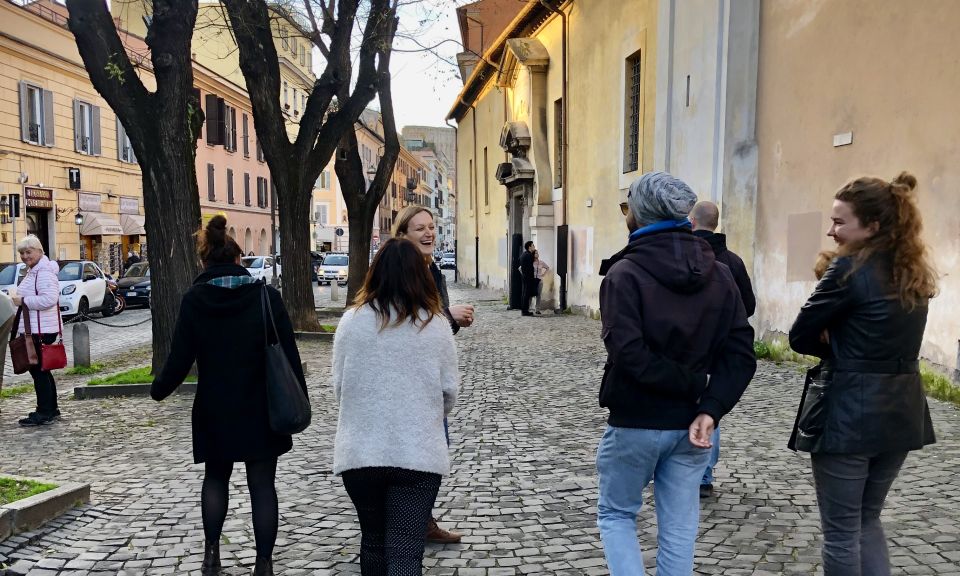
Next comes the descent to the underground church built over the home associated with St. Clement. The tour goes down about 14 meters, and once you’re there you’re in a very different mood—older stone, older walls, and frescoes that feel startlingly close to the people they depict.
You’ll see early Christian frescoes connected to martyrs and the persecution Christians faced in the Roman world. The tour’s structure matters here too: it doesn’t just point at art. The guide ties what you’re seeing to why the images mattered to early believers.
A practical note: the underground spaces are part of the draw, but they can also feel physically tight. If you’re sensitive to enclosed areas, treat this as a serious consideration rather than an afterthought.
Mithraic temple and an underground river: pagan rituals under Christian ground
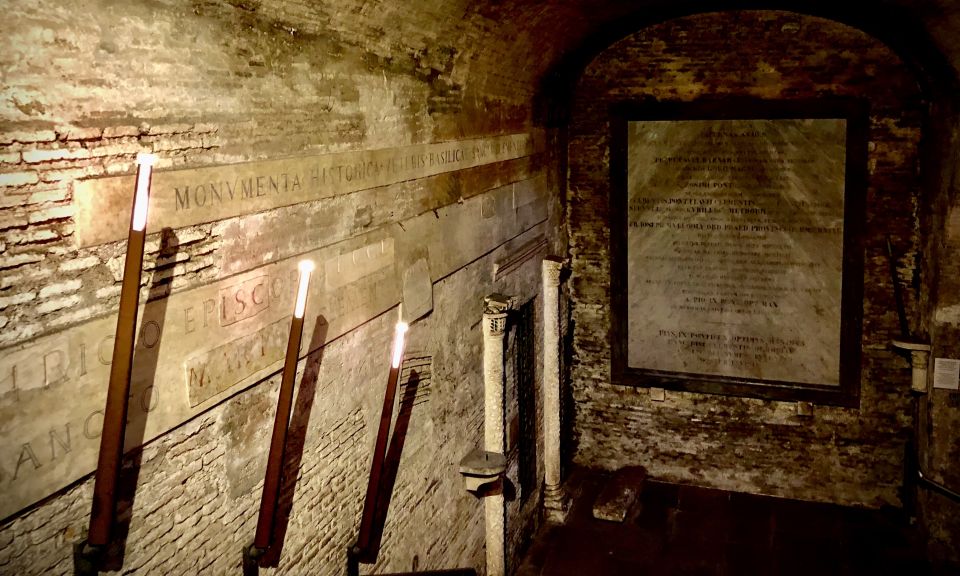
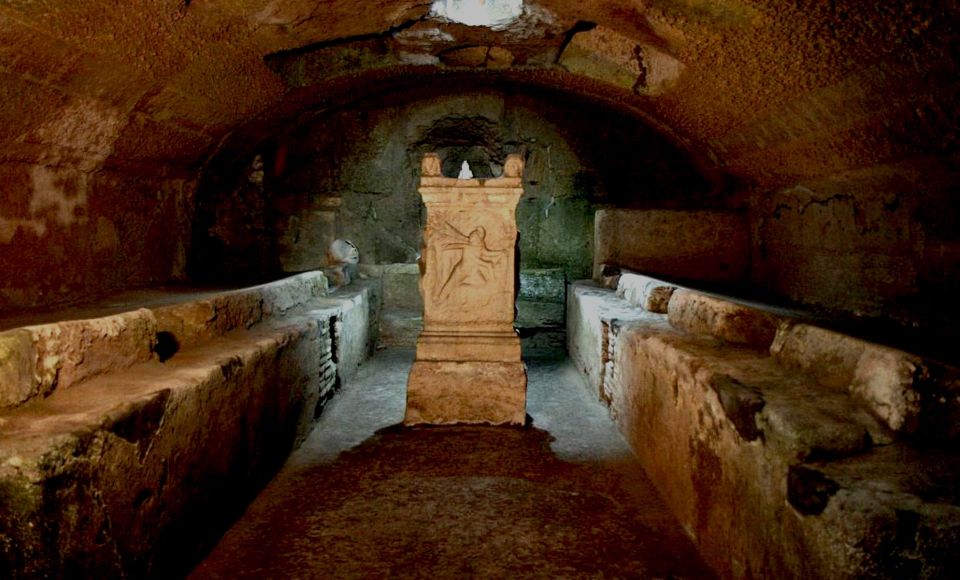
One reason people book this tour is the switch from Christianity to pagan Rome, all while staying underground. You’ll visit one of Rome’s best-preserved Mithraic temples, a relic of the cult of Mithras that flourished before Christianity took the lead.
Mithraic spaces can feel mysterious on purpose, and this site adds another layer with an underground river. Seeing that setting helps you understand why secretive worship practices could survive in Rome’s crowded, busy city. You’re not just reading about it—you’re standing in the kind of environment those communities might have used.
Your guide will explain beliefs and rituals of this enigmatic sect. Guides like Francesca, Anestis, and Tom are specifically praised for explaining ancient Roman religion in a way that’s easy to understand and engaging enough that you’ll actually keep your attention during the tougher sections.
The atmosphere is part of the archaeology
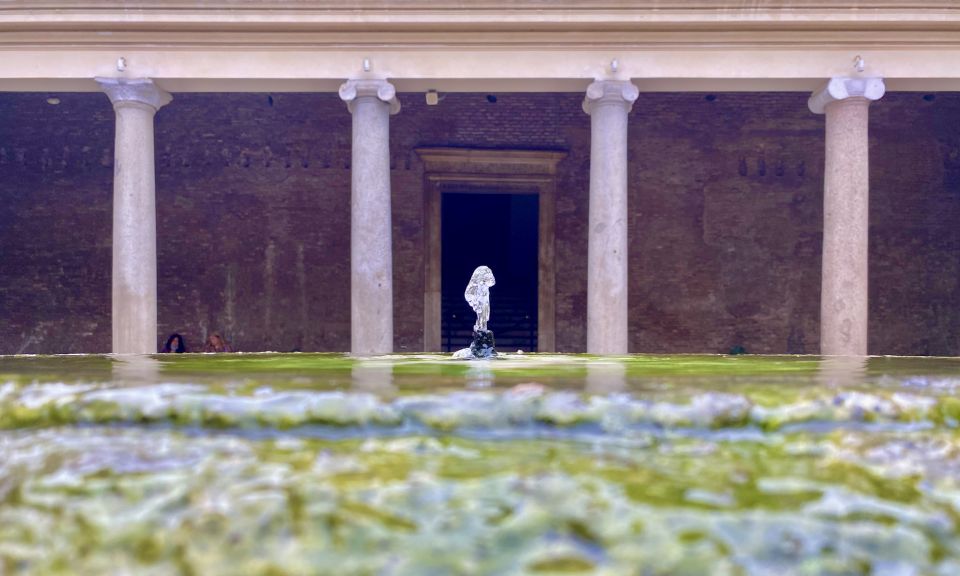
This is not a “quick look and move on” kind of stop. The underground layout encourages slow attention, because you need a moment to adjust to light, stone, and scale.
The tour also tends to create a calm flow: you move from mosaic context, to early Christian frescoes, and then to Mithraic areas. That order helps your brain connect themes—how religions used space, imagery, and meaning to communicate with insiders.
If you like places with a strong sense of place, you’ll probably appreciate the eerie atmosphere described for the underground sections. If you need wide-open space and easy breathing, it may feel like too much.

Optional extension: Santo Stefano Rotondo and its martyrdom frescoes
If you choose the extension, you add about 45 minutes at Santo Stefano Rotondo. This visit is a continuation of the themes you’ve been seeing below St. Clement’s: early Christian stories, martyrdom, and the way faith shaped visual culture.
Santo Stefano Rotondo’s architecture is a key part of the experience, with a distinct circular design that you can feel in the way the space guides your gaze. Then come the frescoes, which depict martyrdom scenes in a way that’s described as graphic.
So this extension is a good idea if you want the story to keep going. It’s not ideal for kids who are sensitive to violent imagery, and it may not suit anyone who prefers lighter, less intense visuals.
One more helpful heads-up: the extension can be unavailable sometimes due to special events or liturgical celebrations, and the order of visits may swap depending on the schedule.
What to expect on the ground: timing, guidance, and how it flows
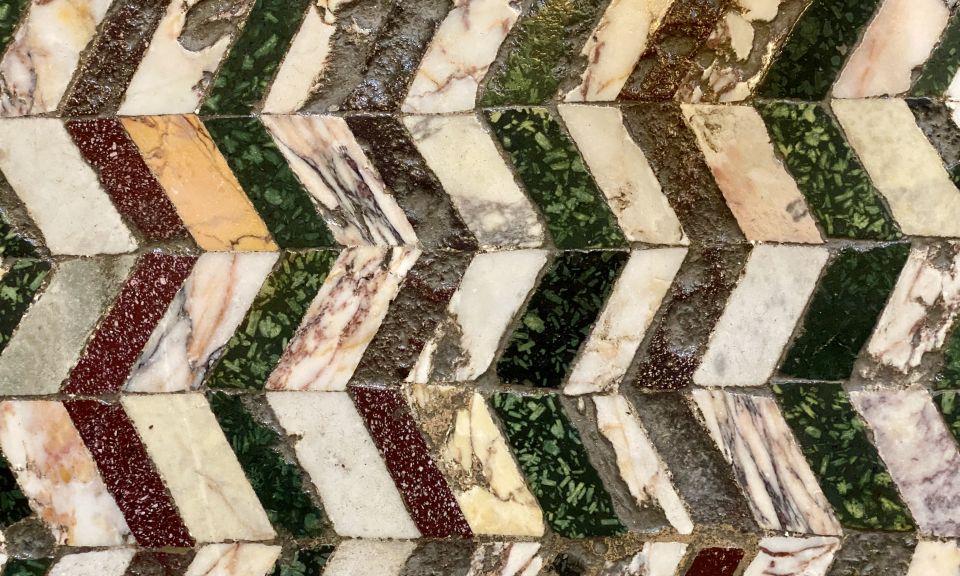
The main tour is about 1 hour, and the extended version brings the total closer to 1–2 hours depending on how the schedule lines up. You’ll have time on foot between the two sites, so you’re not stuck on a bus or stuck waiting around.
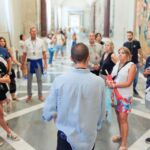
You’ll also get headsets so you can hear the guide clearly. In a place where sound can bounce off stone, that matters more than you’d think.
As for guide style, there’s a clear pattern in the feedback: many guides are praised for strong English, good pacing, and the ability to answer questions. People have mentioned guides like Daniel, Sam, and Mario for clarity and friendliness, while others highlight more academic expertise with Paul.
That’s not just nice customer service. It’s practical. Here, you’re seeing symbols, layered architecture, and religious references that become confusing without explanation. The live guide is what turns the visit from sightseeing into understanding.
Price and value: is $70 worth it?
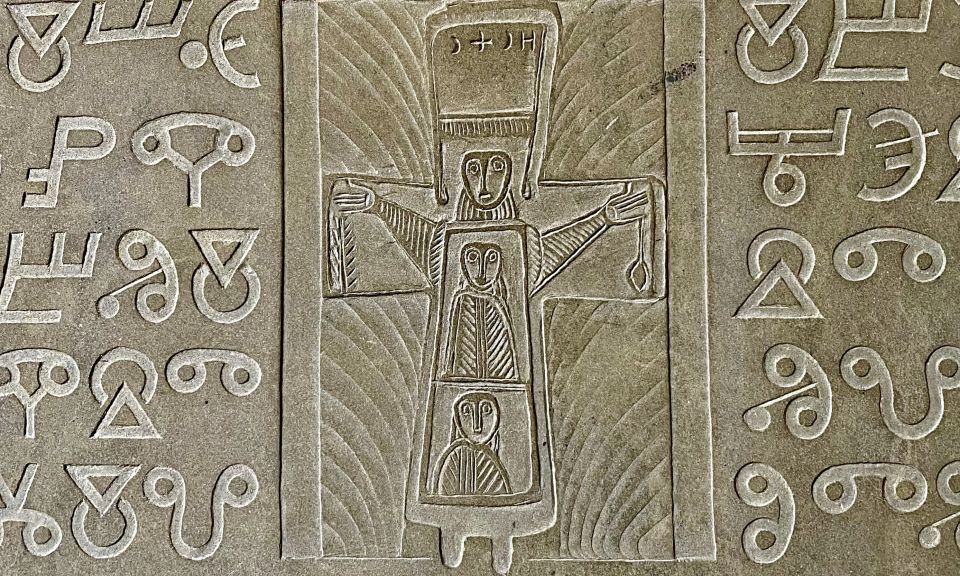
At $70 per person, you’re paying for three things that usually cost money and time in Rome: a trained live guide, entrance fees, and the special access/interpretation that makes the underground layers readable.
The best value angle is that you’re not just paying to enter. You’re paying to connect layers: the golden mosaic above ground, the early Christian frescoes below, and the Mithraic temple elements that most casual visitors never find.
You also get optional add-on value at Santo Stefano Rotondo. If your interests lean toward early Christianity and martyr stories, that extension can turn a one-site visit into a stronger two-site narrative.
If you’re traveling with someone who just wants the highlights and moves fast, this might feel like too much information per minute. But if you enjoy learning, asking questions, and looking for symbolism, the price starts to make sense quickly.
Practical tips that actually help inside churches and underground spaces
Start with clothing and comfort. Wear comfortable shoes because you’ll be walking and moving through historic areas with changing surfaces. Dress in a way that matches church expectations too: shorts, short skirts, sleeveless shirts aren’t allowed, and there are also restrictions like no food or drinks and no alcohol on site.
You should also know what you can’t do. Video recording and photography inside aren’t permitted, so plan on leaving your phone put away and using your eyes.
Because part of the experience happens underground and in tight historic areas, use the claustrophobia note seriously. If you’re likely to panic in enclosed spaces, pick a different Rome activity.
Finally, consider the content. The Santo Stefano Rotondo frescoes are described as depicting graphic martyrdom scenes, so choose the extension only if that subject matter works for your group.
Who should book this St. Clement’s underground tour, and who should skip it
This tour fits you if:
- you like religion and symbolism in art, not just pretty walls
- you enjoy seeing how civilizations reuse and rebuild spaces
- you want a guided explanation that makes early Christianity and pre-Christian Rome feel coherent
- you’re open to an underground experience that can feel atmospheric
You should skip (or choose another option) if:
- you have claustrophobia, since the underground spaces may not be suitable
- you use a wheelchair, because the tour isn’t accessible for wheelchair users
- you’re traveling with kids who are sensitive to graphic martyrdom imagery, especially if you add Santo Stefano Rotondo
If you’re somewhere in the middle, the main St. Clement’s portion may still be a lot. But the fact that you can choose whether to extend gives you a level of control.
Should you book this Rome underground St. Clement’s tour?
I’d book it if your Rome trip has room for one focused, guided experience that connects pagan Rome and early Christianity in the same physical setting. The combination of Mithraic temple remains, early Christian frescoes, and the 12th-century golden mosaic context is exactly the kind of “how did they build this” story that Rome does better than almost anywhere else.
If you’re claustrophobic, this is a hard no. And if your group can’t handle graphic martyr scenes, keep the extension off your plan.
One last decision tip: if you’re choosing between a fast stop and a guided explanation, pick the guide. This site is designed to reward understanding, and the tour is built around that.
FAQ
Where is the meeting point for this tour?
Meeting point can vary depending on the option booked. The options listed include Piazza di San Clemente, Basilica di San Clemente al Laterano, and the tour can end with drop-offs including Piazza di San Clemente and Basilica di Santo Stefano Rotondo al Celio.
How long is the St. Clement’s underground tour?
The guided portion for St. Clement’s Basilica is listed as 1 hour, and the total duration is 1 to 2 hours depending on whether you add the Santo Stefano Rotondo extension.
Is Santo Stefano Rotondo included?
Santo Stefano Rotondo is included only if you select the extension option. The guided visit there is listed as 45 minutes.
Is photography or video allowed inside?
No. Video recording and photography inside are not allowed.
Is this tour wheelchair accessible?
No. The tour unfortunately is not accessible to wheelchair users due to the architectural structures inside and under the Basilica of San Clemente.
What languages are the guides available in?
The live guide languages listed are Spanish, French, German, English, Italian, and Portuguese.