REVIEW · ROME
Rome: Trastevere and Jewish Ghetto Street Food Walking Tour
Book on GetYourGuide →Operated by Rosy Smart City Tours · Bookable on GetYourGuide
Street food, history, and two Roman neighborhoods. This 2.5-hour walk mixes Trastevere flavor with Jewish Ghetto stories, and the best part is how the guide connects what you eat to where you are. I especially like the lineup of classic bites like supplì and fried artichokes, and the way the tour ends with sweet payoff (often gelato) so you feel Rome in your mouth, not just in photos. One drawback: the tastings are only five portions, so you may still want a proper dinner afterward, especially if you’re a big eater.
You’ll get a clear mix of guided walking and short stops where you actually taste, ask questions, and keep moving. The guides listed for this experience often bring humor and local detail, with names like Chris, Stefano, Christian, Daniele, and Serena showing up again and again in the feedback. It’s a great fit if you like your Rome compact and tasty, but it’s less ideal if you need lots of flexibility for food allergies or you hate walking.
In This Review
- Quick hits before you go
- Where Trastevere and the Jewish Ghetto Fit on a Rome Map
- Timing, pace, and what 2.5 hours feels like in real life
- Meeting point near Piazza Benedetto Cairoli and how to avoid stress
- The first bites: supplì and fried artichokes set the tone
- Jewish Ghetto walking: stories you can’t easily read on a plaque
- Tiber Island and Ponte Sisto: short guided moments with big atmosphere
- Pizza taglio and Roman pastries: the mid-tour reset
- Via dei Pettinari and the last savor: where sweet often wins
- How the guide changes the whole experience (and why names matter)
- Value for $65: what you’re really paying for
- Dietary needs: what can be accommodated, and what to plan for
- Rain or shine, walking shoes on: the practical side
- Who should book this tour
- Should you book this Rome street food walk?
Quick hits before you go
- Two neighborhoods, one story: Trastevere plus the Jewish Ghetto, linked by food traditions and local legends
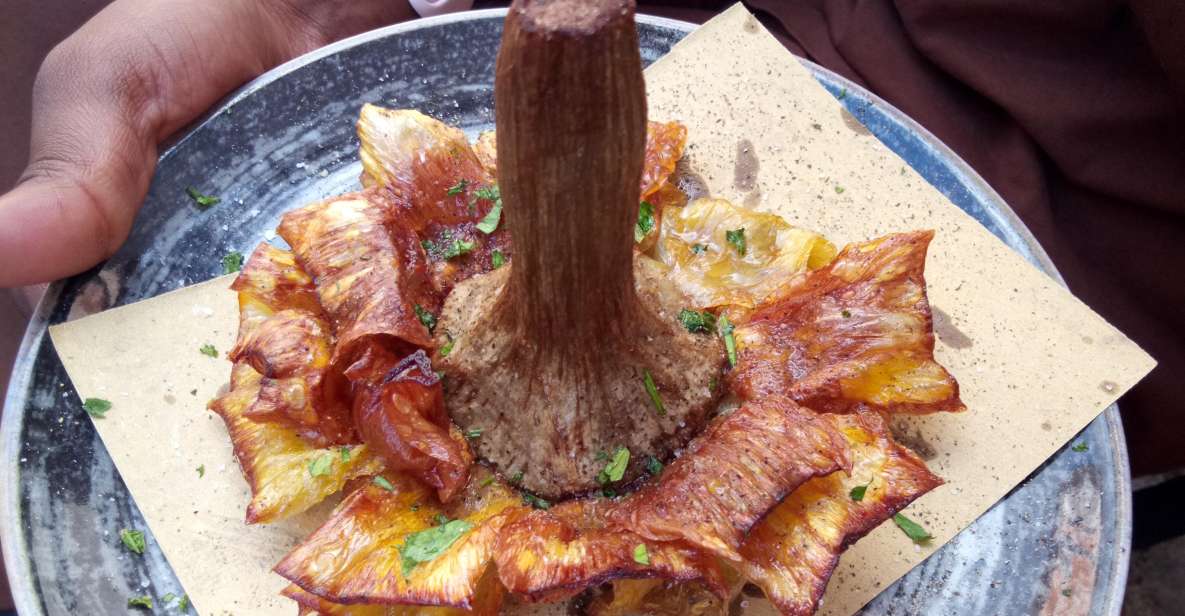
- 5 planned tastings: including savory staples like supplì and carciofi (fried artichokes), plus sweet favorites
- Stops with rhythm: short guided moments between tastings, so you’re never just standing in line
- Guides people remember: Chris, Stefano, Christian, and Daniele are names that come up often
- Choose your group size: small group (max 12) or private, so you control how social it feels
- Bring water and comfy shoes: you’ll be on foot for the full 2.5 hours in rain or shine
Where Trastevere and the Jewish Ghetto Fit on a Rome Map
Trastevere and the Jewish Ghetto sit close enough to link together in one walk, but they feel like different eras of Rome. Trastevere gives you the livelier, street-facing side of the city: narrow lanes, food energy, and a neighborhood rhythm you can feel even before you taste anything. The Jewish Ghetto area brings a sharper historical edge, where food isn’t just comfort it’s a trace of community, memory, and adaptation over time.
What makes this tour a smart use of time is that you don’t just hop between landmarks. You move through actual streets and squares and then tie it back to specific foods you’re tasting. When the guide explains how a dish became part of Roman daily life, it clicks faster than reading about it later.
You can also read our reviews of more tours and experiences in Rome.



Timing, pace, and what 2.5 hours feels like in real life
This is a 2.5-hour walking experience. That duration is long enough to get into the neighborhoods and eat five times, but short enough to keep your evening plan intact.
You’ll typically get a tasting first, then guided history moments, then more short tastings, followed by final snacks and a finish point in the Trastevere area (near Via dei Pettinari). The rhythm matters: if you’ve ever done a “food tour” where you spend half your time waiting, this format is meant to keep you moving. At the same time, do plan for slow-and-steady walking, not a power stroll.
Meeting point near Piazza Benedetto Cairoli and how to avoid stress
Your meeting location is listed as varying by option booked, but it’s tied to the Piazza Benedetto Cairoli area (including an address at Piazza Benedetto Cairoli, 118). This is usually an easy-to-find zone, but Rome can still confuse you if you arrive slightly early, or if the group is meeting under a building awning.
A practical move: when you’re within a few minutes of arrival, keep your phone handy and be ready to contact the guide if you don’t spot the group immediately. One person’s note about getting help quickly is a good reminder that the fastest fix is reaching out, not wandering for 20 minutes.
The first bites: supplì and fried artichokes set the tone
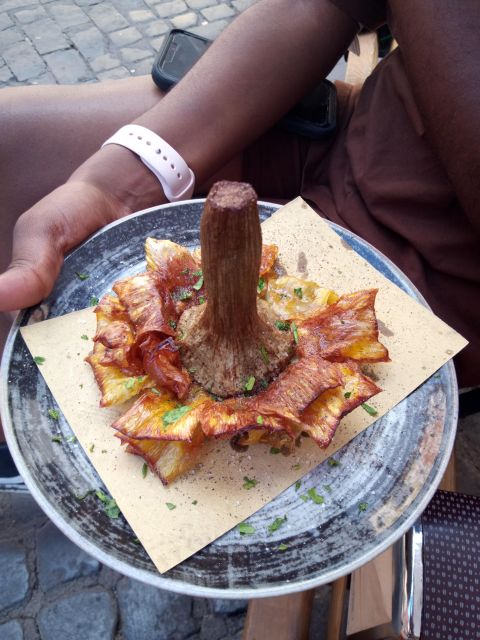
Expect to start with a savory hit. Supplì is often first in this tour style: crispy on the outside, hot and comforting inside, and unmistakably Roman. Right after that, fried artichokes (carciofi) show up as a second crunch-and-salt moment.
Why I like this opening: it wakes up your taste buds before the tour turns into history-and-streets mode. It also gives you a baseline for everything that follows. If you’re new to Roman street food, these are the kind of dishes that make you understand the city’s obsession with textures: crisp, hot, fried, and snack-sized.
Portion reality check: this is a tasting tour, not an all-you-can-eat banquet. Five tastings sounds like a meal until you realize each stop is intentionally small so you can keep walking. If you want to eat like a Roman that night, treat this as a guided sampler that leads you toward a dinner plan.
Jewish Ghetto walking: stories you can’t easily read on a plaque

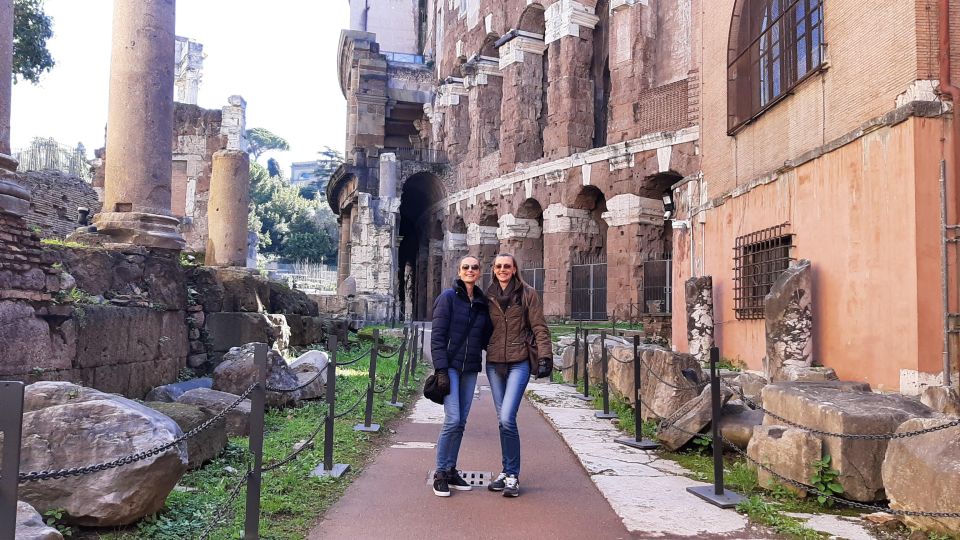
The tour spends a meaningful block of time in the Jewish Ghetto area with guided storytelling. You’ll hear local legends and anecdotes, and you’ll connect what you see to how the area developed and how communities survived and adapted.
This part is valuable because the ghetto streets can look confusing from the outside if you only know big Rome names like the Colosseum. A good guide gives you handles: why certain places mattered, how daily life shaped food traditions, and how history shows up in everyday choices. The tour is clearly built to make that connection feel natural instead of like a lecture.
One practical note: if you’re hoping for a long, sit-down deep history session, this won’t be that. It’s a walking tour with a set time window, so the guide focuses on what supports the food theme and what you can actually absorb while you’re moving.





Tiber Island and Ponte Sisto: short guided moments with big atmosphere
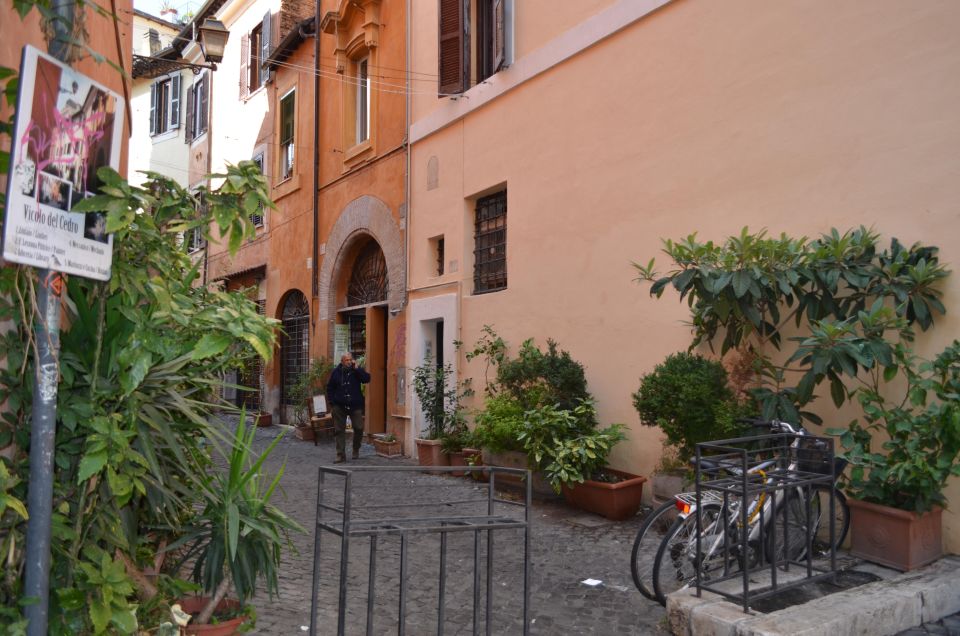
After the ghetto portion, the route includes quick guided stops around some of the key “in-between” points people often overlook. You pass through the area near Tiber Island, and you also get brief guided time at points such as Ponte Sisto and Piazza Trilussa.
These stops are short, but they do two useful jobs:
- They break up the snack schedule so you’re not just eating every few minutes.
- They give you a better sense of how different Rome neighborhoods overlap across the river.
If you’re the type who likes taking photos but also wants context for them, these short segments are a good compromise.
Pizza taglio and Roman pastries: the mid-tour reset
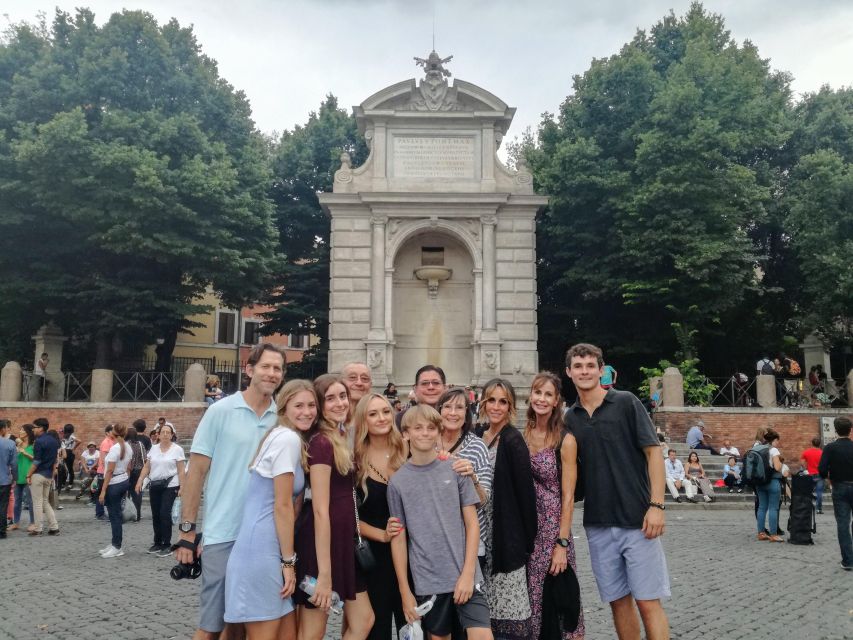
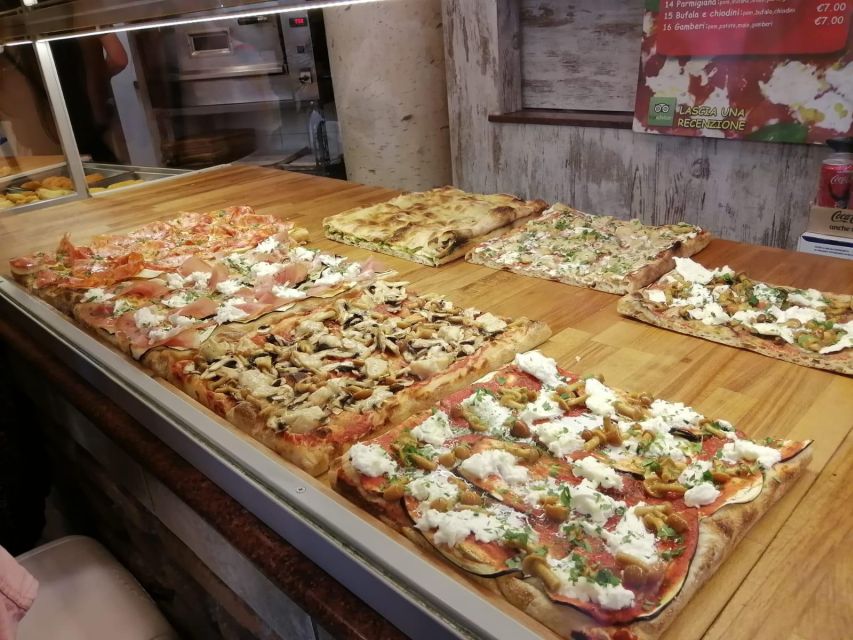
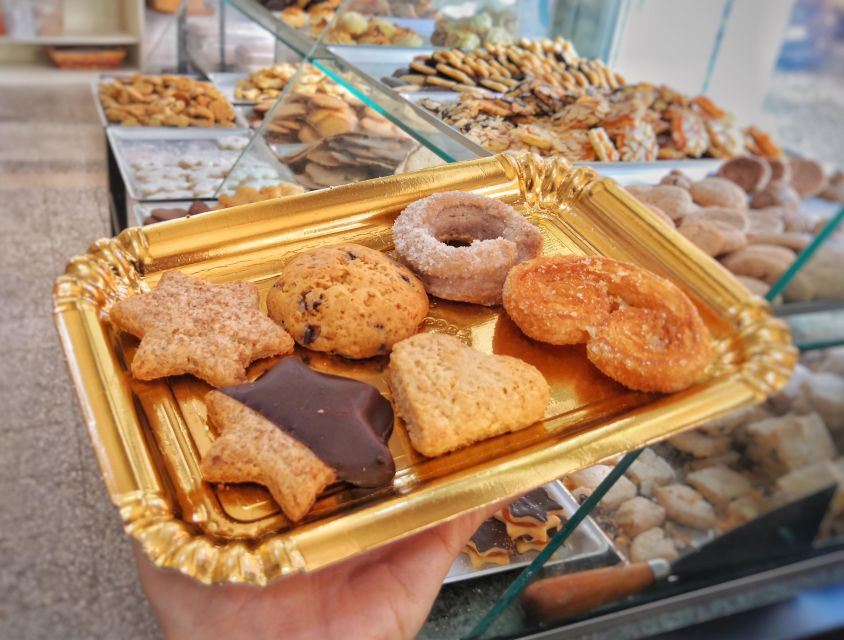
When you hit Trastevere’s food portion, the tastings shift from fried snacks to bakery-style favorites. Expect options like pizza taglio (pizza by the slice) and cookies or pastries.
I like this middle stage because it changes the texture and flavor profile. After crispy savory starts, this is where you get bread, chew, and that classic Roman snack-sweet combo. It’s also a moment where you can slow down just enough to appreciate what you’re eating without falling behind the group.
If you’re sensitive to timing, this is where you should pay attention. You’ll likely be walking in between stops, so take a moment to eat promptly when your tasting lands. Rome street food is best enjoyed when it’s fresh, not when it’s been “held” in your memory.
Via dei Pettinari and the last savor: where sweet often wins
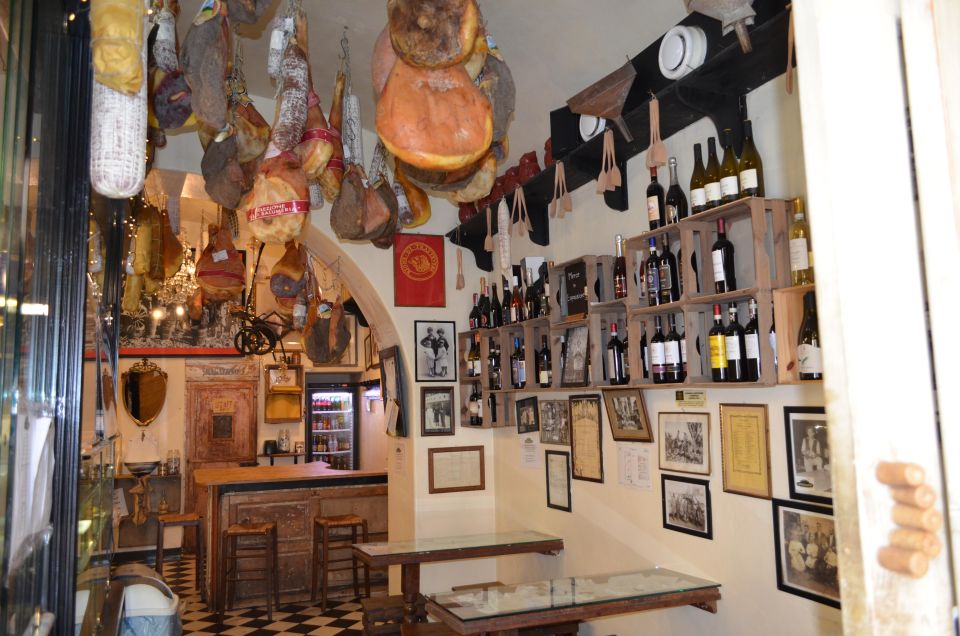
Your route finishes near Via dei Pettinari, and this is often where the tour’s sweet side makes its final entrance. Gelato is one of the repeatedly praised elements, with guides steering people toward standout ice cream choices in the neighborhood.
Why the last stop matters: gelato is a clean way to end a savory-heavy walking tour. It helps you reset your palate and gives you something to remember that isn’t just fried. Also, after you taste it with the guide, you’ll have an easier time picking a gelato spot later because you’ll understand what to look for.
One small tip: bring a plan for your walk after the tour. If you still feel hungry, don’t ignore that signal. The tastings are designed to keep you comfortably satisfied, not completely full.
How the guide changes the whole experience (and why names matter)
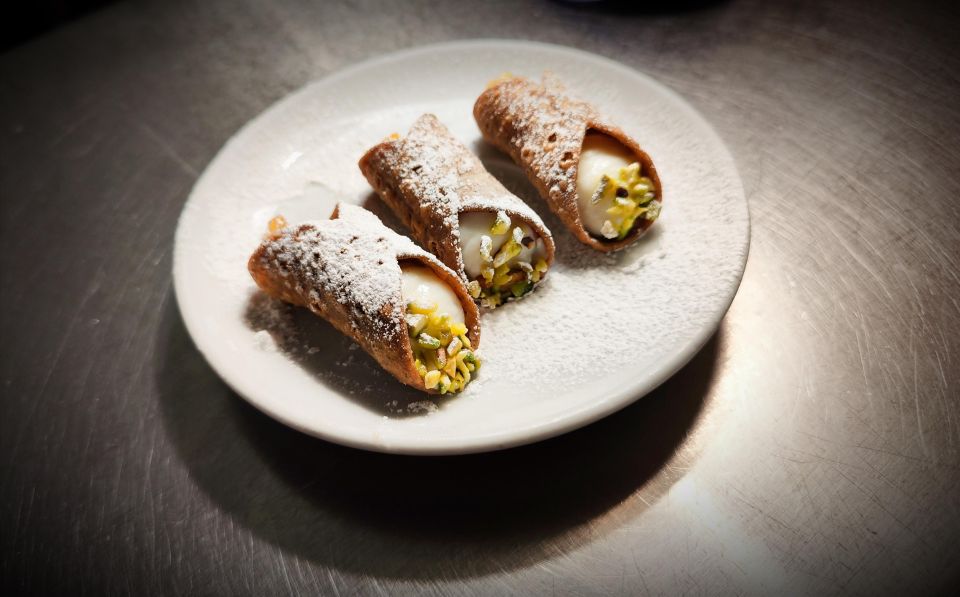
In Rome, guide quality can make or break a food walk. Here, it’s not just about getting you from one counter to another. It’s about connecting food to place, and connecting the neighborhood streets to stories.
Guides like Chris and Stefano are singled out for a mix of humor and detail, with specific food pathways such as starting with supplì and fried artichokes, then moving through pastries, pizza taglio, and gelato. Christian and Daniele are also highlighted for personality and for weaving history and local insight together without turning it into a dry history class.
You’ll also notice a pattern in the way the tours are described: guides don’t just hand you food and keep walking. They point out what to notice as you pass landmarks, and they give you context so the streets make sense.
Value for $65: what you’re really paying for
At $65 per person for about 2.5 hours and five tastings, the question isn’t whether you get “enough food.” You don’t. The real value is the pairing: food plus guided context plus a route that covers two different neighborhoods without you having to plan it all.
Think of it this way:
- You’re paying for speed to the right places.
- You’re paying for history and anecdotes in the moment.
- You’re paying for someone to translate what you see into what it means.
If you’d otherwise spend an evening bouncing randomly between spots, this tour can feel like a shortcut to better choices. If you already know the neighborhoods well and you’re mostly looking to eat, you might feel the cost more sharply. But for most first-time visitors, this is a clean way to “learn with your stomach.”
Dietary needs: what can be accommodated, and what to plan for
This tour is designed around street food tastings, which means substitutions are sometimes possible but not guaranteed at every single stop.
The guidance says vegan, gluten, or lactose intolerance can be accommodated but not guaranteed for all tastings, and you have to advise at booking. At the same time, the tour is also listed as not suitable for vegans and not suitable for people with food allergies. So if your needs are strict, don’t guess. Message the operator during booking and ask what can be done for each tasting.
If you have gluten concerns, the best move is to disclose it clearly during booking and then confirm again before you go. One person’s experience with celiac satisfaction suggests they may take care here when you communicate early.
Also, the tour is not suitable for hearing-impaired people, which usually means the guide format isn’t built for that kind of accessibility need.
Rain or shine, walking shoes on: the practical side
The tour runs in rain or shine. That matters because the experience is built on walking short distances between stops. Bring comfortable shoes you trust on uneven streets, and pack a water bottle. A sun hat is also helpful because Rome can still feel hot even when you don’t expect it.
If you’re traveling in the cooler months, a light layer helps because you’ll be outside the whole time. If you’re traveling in rainy season, plan for damp cobblestones and take extra care where you step.
Who should book this tour
This tour fits best if you want:
- A food-first introduction to Trastevere plus a meaningful look at the Jewish Ghetto
- A guided route that saves you planning time
- A mix of street food and stories rather than a list of restaurants
- A small group experience (max 12) or a more personal private tour
It’s also a strong choice for groups with mixed ages, since the pace is more about walking and tasting than speed.
Should you book this Rome street food walk?
I’d book it if you like your Rome practical and specific: neighborhoods on foot, five classic bites, and a guide who turns streets into stories you remember. At $65, the value comes from getting to the right stalls and understanding why those foods belong in these neighborhoods, not just from the food alone.
I’d think twice if you have food allergies or if you’re a strict vegan, because the tour’s own guidelines point to limits there. And if you’re a huge eater, plan dinner afterward since the tastings are small by design.
If you want a solid “first-night plan” that covers two of Rome’s most interesting areas, this is a good bet. Just tell them your needs up front, wear comfortable shoes, and go in hungry enough to enjoy the journey, not hungry enough to feel robbed at the end.