REVIEW · ROME
Rome Trastevere Pasta Making Class with Eating Europe
Book on Viator →Operated by Eating Europe Food Tours Rome · Bookable on Viator
Trastevere feeds you before you ever roll dough. This 3-hour evening mixes a neighborhood food tour with a hands-on pasta workshop in a restaurant setting, plus wine and an end-stop gelato lesson. It is a very Roman way to spend time: you learn why ingredients matter, then you eat what you make.
I especially love the max 12-person group size. You get enough attention to actually shape fettuccine and ravioli without feeling rushed. I also like that the class starts with real procurement, from eggs and cheeses to porchetta, so the pasta lesson feels grounded in how Romans eat day to day.
One thing to consider: the pasta-making part takes time. If you mainly want nonstop tastings and wandering, you may feel the workshop reduces how much extra sampling you can pack in beyond the included stops.
In This Review
- Key things to know before you go
- Why Trastevere Pasta Starts With the Market Beat
- La Norcineria di Iacozzilli: Porchetta First, Then the Eggs and Cheese Story
- Rione XIII Ristorante: Learning Fresh Pasta by Making It (Not Just Watching)
- The Wine and Timing That Keep the Class Moving
- Fatamorgana Gelato Stop: A Fun Finale That Teaches You to Taste
- What You Actually Learn You Can Use Again
- Price and Value: What $100.37 Really Buys You
- Who This 12-Person Class Is Best For
- Practical Tips for a Smooth Trastevere Evening
- Should You Book This Trastevere Pasta Class?
- FAQ
- How long is the Rome Trastevere pasta making class?
- What is the group size limit?
- Is the tour offered in English?
- What food and drinks are included?
- Can the class accommodate dietary needs?
- What about children under 4?
- Can I cancel and get a full refund?
Key things to know before you go
- 12 people max keeps the pace friendly and hands-on
- Food tour + pasta class in one means you taste, then cook, then eat together
- Start at a traditional Roman delicatessen with porchetta-filled pizza bianca and wine
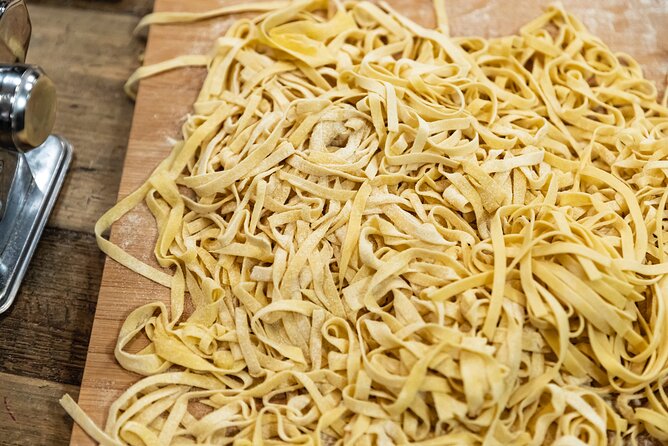
- Make fresh pasta and ravioli, then sit down for pasta chitarra and sauced ravioli
- End with organic gelato and a quick lesson on spotting real vs fake
- You might be taught by a local English-speaking chef or guide such as Valentina, Valter, Lauriana, Dario, Domenico, or Arianna, depending on the day
Why Trastevere Pasta Starts With the Market Beat
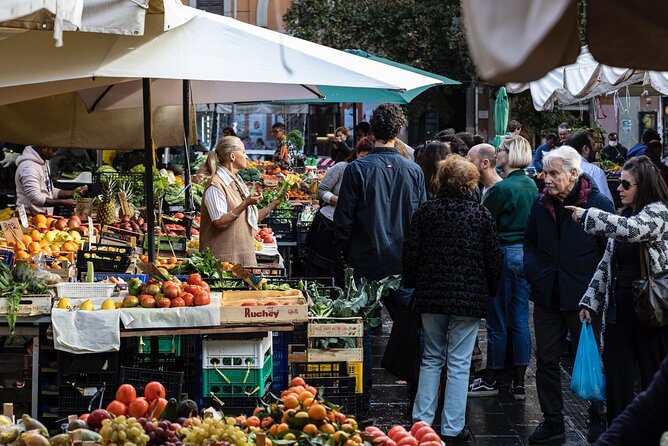
I like how this experience treats pasta as a food culture, not a party trick. You do not just show up, mix ingredients, and leave with a recipe you will forget. You start in Trastevere, where food is a daily habit, not a museum.
The format matters because it keeps your brain engaged. You see ingredients first, then you handle them. By the time you are rolling dough, you already understand what high-quality eggs, Parmigiano, and sheep ricotta add to the final taste. That sequencing is a big reason this class tends to earn high marks for being fun and informative.
Timing-wise, you should plan on about 3 hours from start to finish. It is evening-sized, not an all-day project. Also, with an average booking window of 47 days in advance, I suggest you lock it in early if your dates are tight.
And yes, wine is part of the experience. The pace is set so the tasting and cooking feel like one flow, not random interruptions.
You can also read our reviews of more tours and experiences in Rome.


La Norcineria di Iacozzilli: Porchetta First, Then the Eggs and Cheese Story
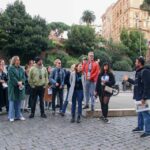
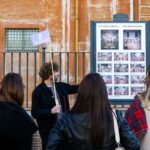
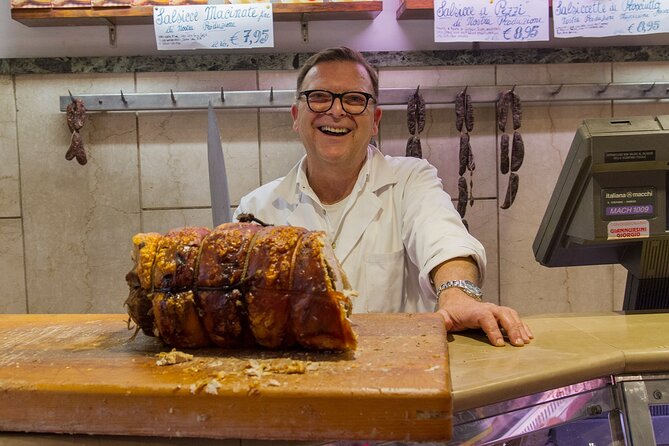
Your evening begins at a traditional Roman delicatessen in Trastevere: La Norcineria di Iacozzilli. This is where you get oriented fast—food counter culture, local faces, and a quick lesson in what Romans consider normal.
You will start with pizza bianca filled with porchetta, plus a glass of wine. That matters because it primes your palate for what comes next. Porchetta is not a generic pork taste; it is herbs, fat, and salt working together, and it gives you a “Roman comfort” reference point.
Then the shop also functions as your ingredient pre-game. You will see the guide selecting items for the workshop ahead—fresh eggs, grated Parmigiano, and fresh sheep ricotta. Even if you never cook pasta at home, you learn why those ingredients show up again and again in Roman dishes. You are connecting the dots between the market and the finished plate.
A practical note: the stop is short (about 15 minutes). It is meant to get you started with flavor and context, not to turn it into a long lecture.
Rione XIII Ristorante: Learning Fresh Pasta by Making It (Not Just Watching)
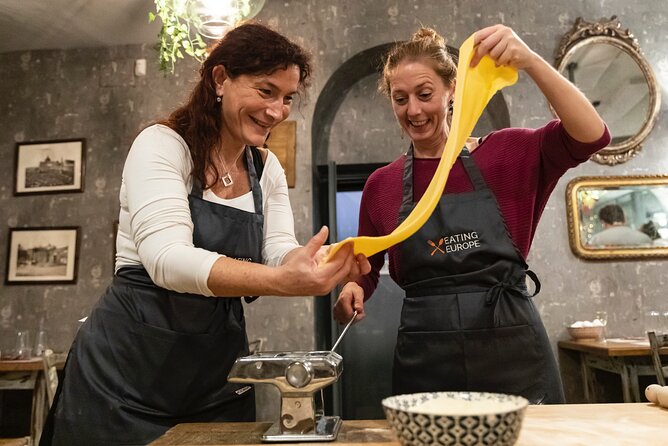
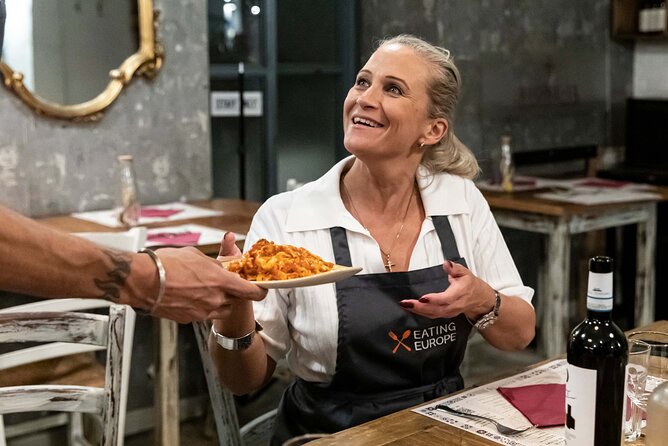
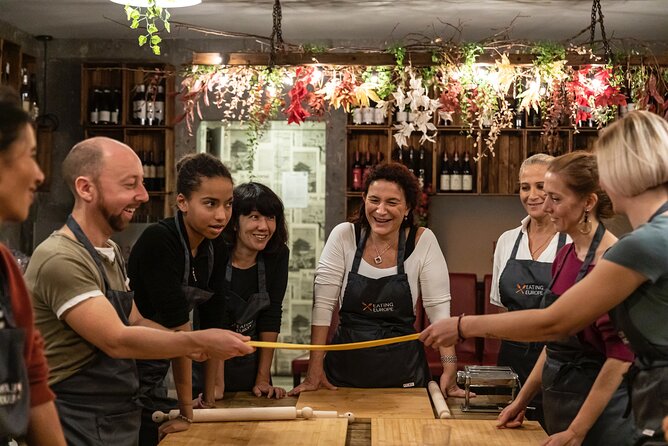
The core of the class happens at Rione 13 Ristorante, an old-school Roman trattoria vibe. This is where the “small group” point becomes real. With a workshop capped around 12 people, your instructor can check your dough, adjust your technique, and help you shape fettuccine and ravioli without you feeling lost.
The lesson focuses on turning basic dough into pasta you can actually finish. You will learn the steps needed to roll and shape, and you will get time to make your own portions alongside the rest of the class. People often mention how much better this feels than watching someone else do the work.
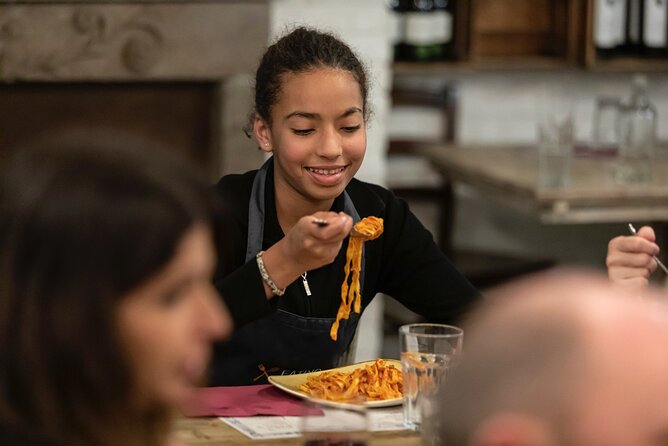
Then you sit down to eat what you made—plus classic Roman plates. Your meal includes pasta chitarra with amatriciana sauce and ravioli filled with sheep ricotta and lemon zest, served with butter and sage sauce.
That combination is a smart way to teach. Amatriciana anchors you in a familiar Roman sauce. The ricotta-and-lemon ravioli shows how flavors can stay light without losing the richness you expect from fresh pasta. You taste the contrast, then you remember it later when you try to cook at home.
And the wine continues, since it is part of the class flow. If you prefer to keep it alcohol-free, there are alternative beverage options available for kids and non-drinkers.
The Wine and Timing That Keep the Class Moving
A pasta class can go one of two ways: calm and smooth, or chaotic and slow. This one tends to stay on track because every segment has a job.
- Early tastings give you a palate baseline.
- Ingredient selection connects the tastings to your meal.
- The pasta lesson is scheduled enough to let you practice, not just assemble.
The wine is included in the spirit of Italian dining, not as a separate party. Still, it is a reminder to pace yourself. If you are not used to drinking with meals, consider starting with small sips during the workshop so you stay focused when you are rolling and shaping dough.
Also, because the group is small, your instructor can keep an eye on timing. That is one of the biggest hidden benefits of 12-person max: you get less “waiting around,” and you end up with better pasta.
Fatamorgana Gelato Stop: A Fun Finale That Teaches You to Taste
You finish with Fatamorgana, a gelateria stop built into the experience. You are not just grabbing gelato and moving on. You also get a quick lesson on how to spot the differences between real and fake gelato.
For me, that is the kind of information that turns into real-world use. You do not need a food degree to do it. You learn what to pay attention to—texture, flavor cues, and how it should taste when it is made properly. Then you get to test the lesson immediately.
Since the gelato is described as organic, this end-stop feels like a clean wrap after the heavier Roman flavors earlier in the evening. It also gives you something sweet to balance the salt and richness from porchetta and cheese.


What You Actually Learn You Can Use Again
This is a hands-on class, so the learning is practical. You are not just hearing why pasta tastes better when it is fresh. You are physically experiencing the dough—what feels right, what needs adjusting, and how the shape affects how sauce sticks.
Here are the skills this experience is set up to build:
- Working with fresh dough so it is pliable and easy to roll
- Shaping pasta like fettuccine and ravioli, not just making dough balls
- Understanding ingredient impact, especially sheep ricotta, Parmigiano, and eggs
- Eating your results with Roman sauces so you taste the outcome of your technique
I also appreciate how the experience tends to include context around Roman food culture and dining habits. Several guide names show up in feedback—people note guides such as Dario, Domenico, Valentina, Valter, Lauriana, Leo/Leonardo, and Arianna—and the common thread is that the teaching is both technical and personable. That blend matters because it keeps you from feeling like you are in a rigid cooking studio.
If you want to bring something home besides a good story, this is one of the more repeatable formats. Fresh pasta is not hard once you understand the basics, and you will have done the motions yourself.
Price and Value: What $100.37 Really Buys You
At $100.37 per person, this is not a budget activity. But the value comes from what is bundled into those 3 hours.
You are paying for:
- A food tour element tied to shop stops
- Ingredient sourcing at a meat-focused shop
- A hands-on pasta and ravioli workshop
- A sit-down meal featuring Roman classics
- Wine as part of the dining flow
- A gelato finale with a tasting lesson
A lot of pasta classes only cover the cooking, and you still end up paying for tastings separately. Here, the class is paired with food stops that help you understand what you are making and why it tastes the way it does.
Also, the group cap helps justify the cost. With fewer people, you get more guidance per person. That is hard to measure until you are standing at a counter trying to roll dough while someone else’s hand keeps blocking your view.
If you think of the meal you eat at the end as part of your payment, the price becomes easier to accept. You are not buying just instruction. You are buying the full experience: taste, cook, eat, learn.
Who This 12-Person Class Is Best For
This works especially well for:
- Couples or small groups who want an evening plan that feels local
- Food lovers who like learning the why behind the what
- Anyone who has tried pasta classes before and wants a tighter group setting
It is also a good pick if you want Trastevere without spending the whole evening wandering alone. You get the neighborhood energy, but you also get a structure that keeps you fed and oriented.
Families can fit too, since the experience mentions alternative beverages for kids and non-drinkers. Just remember: children under 4 can join for free, but food is not included for that age group. Paid tickets with food included are for ages 4 and up.
If you have severe or life-threatening food allergies, the experience notes it is not suitable. If you have other dietary needs, you should email in advance or add a note during booking so the team can do their best (vegetarian and gluten-free are specifically mentioned as possible accommodations).
Practical Tips for a Smooth Trastevere Evening
Come hungry. That sounds obvious, but it is the kind of obvious that saves your comfort later. Between the porchetta tasting, the pasta you make, the sit-down meal, and then gelato, you can easily end up eating like you skipped lunch.
A few other tips that make the night smoother:
- Plan for a 3-hour window and keep it free of heavy obligations before or after.
- Wear something you can comfortably move in, since you will work at the pasta station.
- If you want to taste wine, pace yourself so you stay present during the pasta shaping.
- If you have dietary restrictions, communicate them early. The experience says accommodations are done when possible, but they need notice.
- For timing and directions, the meeting point is Via Natale del Grande, 46, 00153 Roma RM, and the experience ends at Via Roma Libera, 11, 00153 Roma RM.
One more thought: the workshop is near public transportation. If you are pairing this with other Trastevere stops, you can keep your day flexible and avoid over-planning walking routes.
Should You Book This Trastevere Pasta Class?
I would book it if you want an evening that mixes Trastevere food culture with real, hands-on cooking. The combination of a butcher and market-style start, a small 12-person workshop, and a finish that teaches you how to judge gelato makes it feel like more than a single cooking session.
I would hesitate only if your priority is maximum quantity of tastings and zero cooking. Since the pasta part is the centerpiece, it naturally takes focus away from extra detours.
If you like practical lessons, good Roman food, and a group size that lets your instructor actually help you shape pasta, this is a strong match. The consistently high rating and the emphasis on guide skill and group size are signals that the experience is designed to work, not just to entertain.
FAQ
How long is the Rome Trastevere pasta making class?
It runs about 3 hours.
What is the group size limit?
The experience has a maximum of 12 travelers.
Is the tour offered in English?
Yes, it is offered in English.
What food and drinks are included?
You’ll enjoy tastings (including porchetta and other items), make fresh pasta and ravioli, eat your creations with wine, and end with gelato. Alternative beverages are available for kids and non-drinkers. Extra drinks are not included.
Can the class accommodate dietary needs?
They say they can do their best for vegetarians, gluten-free guests, or other dietary needs if you email or add a note at booking. It is not suitable for severe or life-threatening food allergies.
What about children under 4?
Children under 4 do not need a ticket and can join for free, but food is not included. Paid tickets with food included are available for ages 4 and up.
Can I cancel and get a full refund?
Yes. You can cancel up to 24 hours in advance for a full refund. If you cancel less than 24 hours before the start time, it is not refunded.