REVIEW · ROME
Rome: Trastevere Ultimate Food Tour by Do Eat Better
Book on Viator →Operated by Do Eat Better Experience · Bookable on Viator
Trastevere tastes like a local secret here. This 3-hour small-group walk pairs neighborhood wandering with classic Roman comfort food—from crunchy fried supplì to silky carbonara—while your guide points out what to notice beyond the menu. I really like that you get a true food-and-place combo, and the tour keeps moving at a pace that doesn’t feel rushed.
One thing to consider: at $70.17 it’s not a budget snack crawl, and the tastings are meant to be just enough per stop—perfect if you enjoy variety, less perfect if you want big portions and lots of sit-down time.
In This Review
- Key highlights that make this tour worth your time
- Trastevere in Three Hours: what the pace is really like
- Meeting at Via di Ponte Quattro Capi and the biscotti warm-up
- Via di Ponte Quattro Capi to Il Portico di Ottavia: cheese, wine, and place context
- Piazza Mastai for supplì and Roman pizza: the street-food moment
- Piazza di San Calisto carbonara: what makes it Roman
- Piazza San Cosimato gelato: finishing strong (and cold)
- Price and value: what $70.17 buys you in real terms
- Who should book this Trastevere food tour (and who should think twice)
- Should you book this Do Eat Better Trastevere Ultimate Food Tour?
- FAQ
- How long is the Rome Trastevere food tour?
- How many people are in the group?
- What languages are offered?
- Is alcohol included?
- Where do I meet the guide and where does the tour end?
- Is the tour suitable for people with severe food allergies?
Key highlights that make this tour worth your time
- Small-group size (max 12) means you’re not lost in a crowd.
- A full-meal feel across multiple tastings rather than a couple of bites and done.
- Trastevere plus Lazio specialties, so you’re not stuck with only one type of food.
- Stop-by-stop focus: biscuits, cheeses (with wine), Roman pizza, supplì, carbonara, gelato.
- Guides with real neighborhood knowledge, with names you may meet like Barbara, Martina, Mauro, Roberta, and Marcina.
- Alcohol included for 18+ plus bottled water to keep you comfortable while walking.
Trastevere in Three Hours: what the pace is really like
This is a 3-hour walking tour designed for you to eat through the neighborhood while learning what you’re looking at. With a maximum of 12 travelers, you’ll usually get personal attention when you ask questions about ingredients, what to order, or why a dish is made a certain way.
The best part is how the food choices map to Roman everyday life. You’re not just collecting photos; you’re tasting things that show up in working-class shops and neighborhood counters. And since it’s offered in English (with guides who may also speak Italian), you can follow the story without it turning into a blur.
Comfort note: the tour is active. You’ll be moving between squares and streets, and you’ll want to wear shoes that can handle cobblestones. Also, if you have severe or life-threatening food allergies, this one isn’t available for you—so plan around that early.
You can also read our reviews of more tours and experiences in Rome.


Meeting at Via di Ponte Quattro Capi and the biscotti warm-up
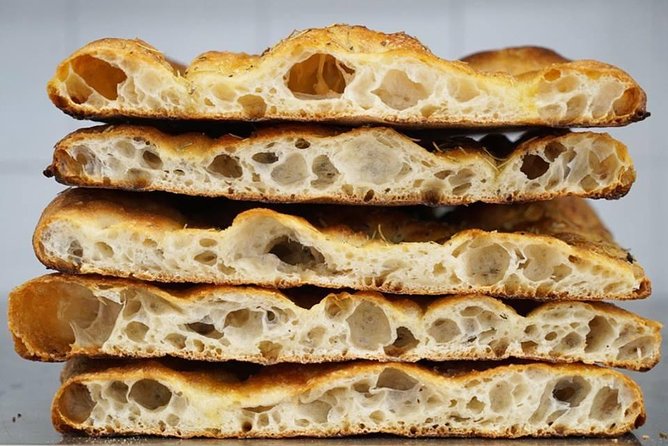
You start at V. di Ponte Quattro Capi, 16, near Sora Lella. The opening sets the tone: you step off into Trastevere and your first tastes come fast, before you even settle into the walking rhythm.
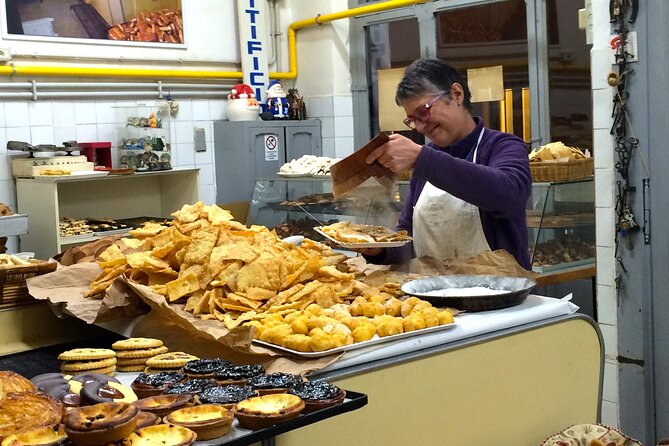
The initial stop is centered on handmade biscuits. Expect something crispy, made from simple ingredients, and built around old recipes. The setting is described like a family-style biscotti workshop experience, including the smell of butter and toasted nuts—exactly the kind of sensory detail that makes food tours worth doing instead of just googling menus.
You’ll likely notice how the tour wants you to think about texture first. That matters because the rest of the route keeps switching gears: crunchy fried bites later, then creamy or silky dishes, then cold gelato at the end. This first stop is your warm-up, and it also helps you build a mental checklist of what you’re tasting.
Timing-wise, this is about 30 minutes, which is a good chunk for a first stop without dragging.
Via di Ponte Quattro Capi to Il Portico di Ottavia: cheese, wine, and place context
Next comes Il Portico di Ottavia, a major historical marker in Rome’s Jewish Ghetto area. The point here isn’t to turn your day into a classroom; it’s to show how food and neighborhood identity overlap. You’ll be surrounded by narrow lanes, lively market energy, and historic sites like the nearby synagogues.
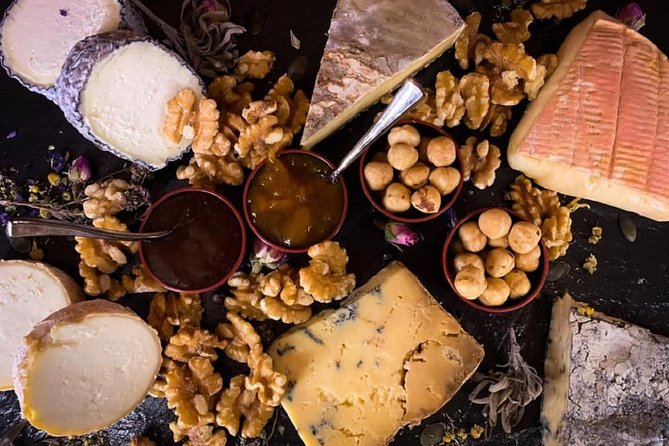
Your tasting focuses on Roman cheeses, with examples like canestrato, ricotta laziale, and pecorino. You’re not just sampling one “safe” option; you get a range, including different textures and ages, which makes it easier to tell the difference when you’re eating later in the city.
There’s also a board of cheeses and cured meats paired with wine as part of the overall tasting menu. That pairing is useful for you because it teaches you how Romans balance salt-forward flavors (cheese and salumi) with something that cuts the richness (wine). If you like tasting foods you can later recreate at a shop or market, this is a smart stop.
The time on this section is about 45 minutes. Expect a slower, more explanatory feel here, since cheese shops and tasting moments typically need room for questions.
Piazza Mastai for supplì and Roman pizza: the street-food moment
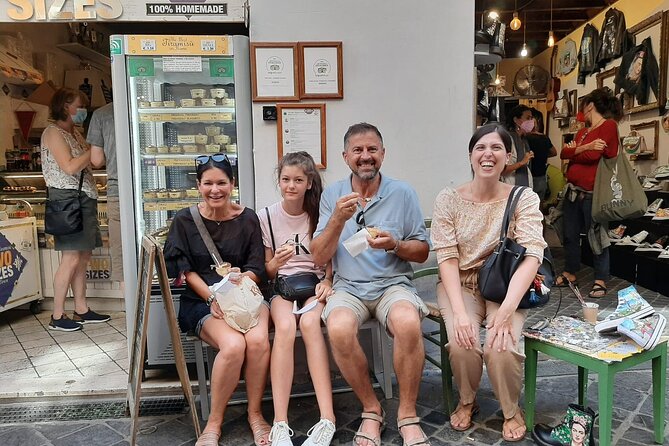
When you reach Piazza Mastai, the tour leans hard into Roman street snacks—especially supplì and pizza. This is where your appetite usually spikes, because these are foods people associate with Rome’s quick bites, not fancy dining.
First, you’ll taste supplì, the crispy fried rice croquette often filled with ragù, cheese, or black pepper. The key is the contrast: crunchy shell, gooey inside. That inside texture is half the magic, and it’s hard to replicate once you’re back home.
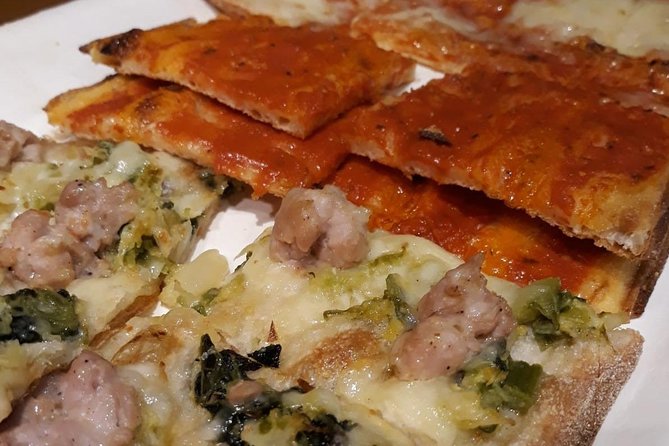
Then comes Roman pizza, described as a capital-only street-food style with that signature scrocchiarella crispness. You may see classic topping ideas like alla marinara (tomato and garlic), along with other seasonal combinations depending on what’s being used. Either way, the goal is to show you how “pizza” in Rome can be different from the thicker, dough-forward versions you might know.
This stop is about 45 minutes, which is a good balance of eating time plus a bit of wandering around the square and nearby streets. If you’re the type who loves asking where locals actually eat, this part of the walk is where your questions feel most relevant.
Piazza di San Calisto carbonara: what makes it Roman

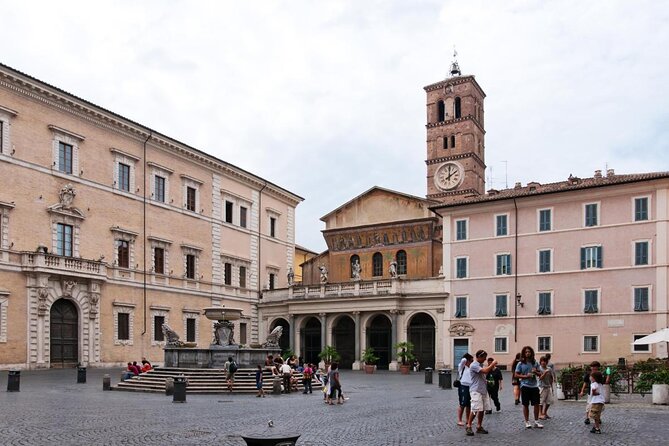
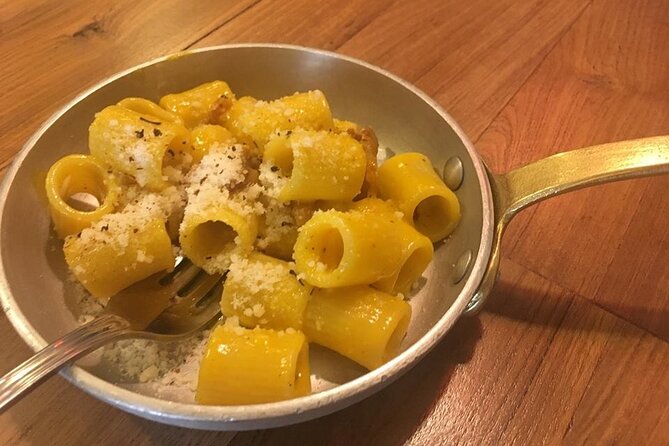
Piazza di San Calisto brings you to a quieter-feeling square, known for local cafés and night-life energy. Here, the tour serves pasta alla carbonara—the one Roman dish that many people order, but few people truly understand until they taste it.
You’ll focus on the essentials: egg sauce texture (silky, not watery), crispy guanciale, pecorino cheese, and black pepper. The tastings are meant to show you the balance between creamy and sharp flavors. Carbonara is one of those dishes where the ratio matters, and this stop helps you notice what the dish is supposed to taste like.
This is about 30 minutes, so it’s not a long sit-down meal. Instead, it feels like you’re eating while the day keeps moving, like a local would between errands and social plans.
If you tend to skip carbonara because you think you’ve tried it already, do not skip this stop. The ingredients listed here are exactly what you should look for when you order it again later.

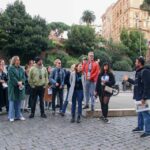



Piazza San Cosimato gelato: finishing strong (and cold)
The last food stop is at Piazza San Cosimato, a lively area with local shops and cafés, plus a nearby market vibe. This is a smart choice for an ending because it’s a palate reset after hot, hearty items.
You’ll taste artisanal gelato, described as made with natural ingredients and served with creative flavors. This isn’t just about sweetness; it’s about how gelato should taste when it’s churned fresh and flavored with real fruit, nuts, and chocolate options.
This stop runs about 30 minutes. That timing gives you enough room to enjoy the gelato without rushing, and it also helps you digest a bit before the tour ends.
Then you finish near Via della Lungaretta. For practical planning: if you want to keep eating after, you’re in an easy position to walk for dessert or head toward dinner, depending on where you’re staying.
Price and value: what $70.17 buys you in real terms
At $70.17 per person for about 3 hours, you’re paying for more than food. You’re paying for a guide who knows where to go, what to taste, and how to connect dishes to the streets you’re walking. You also get bottled water, plus alcohol for guests 18+.
The best value angle is the “full meal equivalent” design. The tour isn’t just a few samples; it’s structured so that by the end you’ve eaten the equivalent of a full meal across at least four stops. With items like pizza, supplì, carbonara, and gelato, you’re not leaving hungry in the way you sometimes do with lighter tasting tours.
Still, here’s the balanced take: the portions are meant for tasting and variety, not for giant plates. One visitor noted the pizza sample felt small. If you know you prefer big bites and long food breaks, this tour may feel a bit lean for the price.
My advice: treat it as a route plan for later. You’ll learn what you actually like—then you can return for a proper restaurant meal or order from a shop you visited.
Who should book this Trastevere food tour (and who should think twice)
This tour fits you well if you want a first-to-second day activity in Rome that helps you get your bearings fast through a neighborhood you’ll likely revisit. Trastevere has a strong local vibe, and the tour gives you a guided reason to care about the streets, not just the food.
It also works for you if you enjoy a mix of classic Roman comfort foods and small-shop experiences. You’ll cover baked sweets, cheeses, fried street food, a proper pasta dish, and gelato—so even if you get tired of one style, another stop resets the mood.
You might want to think twice if you’re coming with one clear goal like I need a full sit-down lunch or I want large portions. This is a walking tasting experience, not a restaurant tasting menu with extra courses at the table.
For dietary needs: the data says it’s not available for guests with severe or life-threatening food allergies. There’s no other allergy detail provided, so if your needs are complex, contact the operator before you book.
Should you book this Do Eat Better Trastevere Ultimate Food Tour?
If you like tasting a variety of Roman staples in one go, I’d say yes. You get an English-speaking local guide, a small group up to 12, and a schedule that feeds you through the neighborhood with classic dishes: biscuits, cheeses and cured meats with wine, Roman pizza, supplì, carbonara, and gelato.
Book this when your priorities are:
- getting local food context as you walk
- sampling multiple Roman favorites without planning each stop yourself
- ending with a sweet finish in a central neighborhood square
Skip it (or switch to something else) if your top priority is large portions and long guided storytelling time. The format is food-first, and while you do get history and neighborhood context at key points like Il Portico di Ottavia, it isn’t designed to replace a dedicated historical tour.
FAQ
How long is the Rome Trastevere food tour?
It runs for about 3 hours.
How many people are in the group?
The tour has a maximum of 12 travelers.
What languages are offered?
It’s offered in English, and the guide may speak both English and Italian during the tour.
Is alcohol included?
Yes. At least one alcoholic drink is included for guests over 18.
Where do I meet the guide and where does the tour end?
You meet at Via di Ponte Quattro Capi, 16, 00186 Roma RM, Italy, and the tour ends at Via della Lungaretta, 00153 Roma RM, Italy.
Is the tour suitable for people with severe food allergies?
No. Guests with severe or life-threatening food allergies cannot participate in this experience.