REVIEW · ROME
Skip-The-Line Vatican Museum, Sistine Chapel & Basilica Tour
Book on GetYourGuide →Operated by The Tour Guy · Bookable on GetYourGuide
Three miracles, one efficient route. This skip-the-line Vatican tour strings together the Vatican Museums, the Sistine Chapel, and St. Peter’s Basilica so you spend less time stuck in queues and more time seeing the art. Small group pacing plus a guide helps you move smart through a site that can feel impossible on your own.
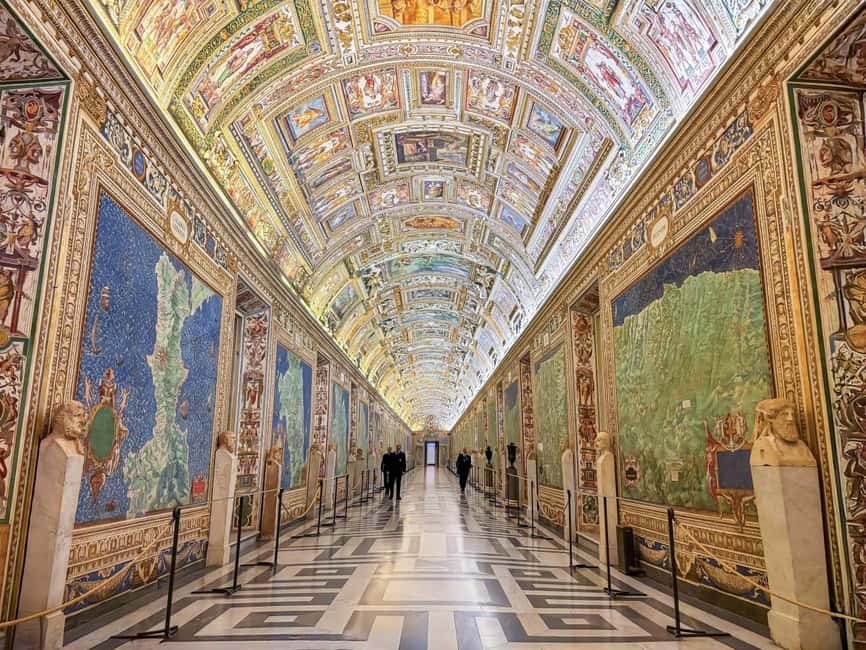
I especially love how the route focuses on the Vatican Museums’ most talked-about rooms, without turning your day into an endless wandering contest. Gallery of Maps (with Ignazio Danti’s painted topographical views) and Raphael’s School of Athens give you a clear “why this matters” path through Renaissance thinking.
The main thing to consider is that timing and rules are strict: you’ll need proper dress code coverage, you go through airport-style security, and the Sistine Chapel visit can be shortened if access gets changed for religious or political events.
In This Review
- Key things that make this tour worth it
- Skip-the-line only works if the tour route is smart
- Meeting at Viale Vaticano and getting through security fast
- Vatican Museums: the route that makes the galleries make sense
- Pio Clementino and the classics: seeing bodies, power, and politics
- Raphael Rooms: when art turns into philosophy and history
- Sistine Chapel: 15 minutes, silence, and Michelangelo’s ceiling
- St. Peter’s Basilica and Scala Regia: skipping the usual entry misery
- The pace, small group size, and what guides like Lisa and Marco do well
- What to bring (and what to wear) so you don’t get turned away
- Value and price: why $48.68 can make sense here
- Who this tour is best for
- FAQ
- FAQ
- How long is the Vatican Museums, Sistine Chapel, and St. Peter’s Basilica tour?
- Where do I meet the guide?
- What do I get besides museum entry?
- What are the dress requirements?
- Is this tour wheelchair accessible?
- What happens on Wednesdays?
- Should you book this tour?
Key things that make this tour worth it
- Skip-the-line entry into the Vatican Museums so you start seeing art sooner
- Guided museum route through big-name stops like Pio Clementino and the Gallery of Candelabra
- Raphael Rooms highlight classical and Renaissance storytelling, including The School of Athens
- Sistine Chapel timing built in, with a short visit window designed for the no-talking rules
- St. Peter’s Basilica via Scala Regia (reserved entrance) to cut the usual entry crush
- Small group feel with headsets when 6+ participants are included
Skip-the-line only works if the tour route is smart
The Vatican is one of those places where “just buy tickets” often turns into “just stand in lines.” This tour solves the biggest problem: it bundles skip-the-line museum access and a reserved entrance path for St. Peter’s Basilica. The result is a tighter schedule where you actually get to enjoy the art instead of spending your Rome time waiting.
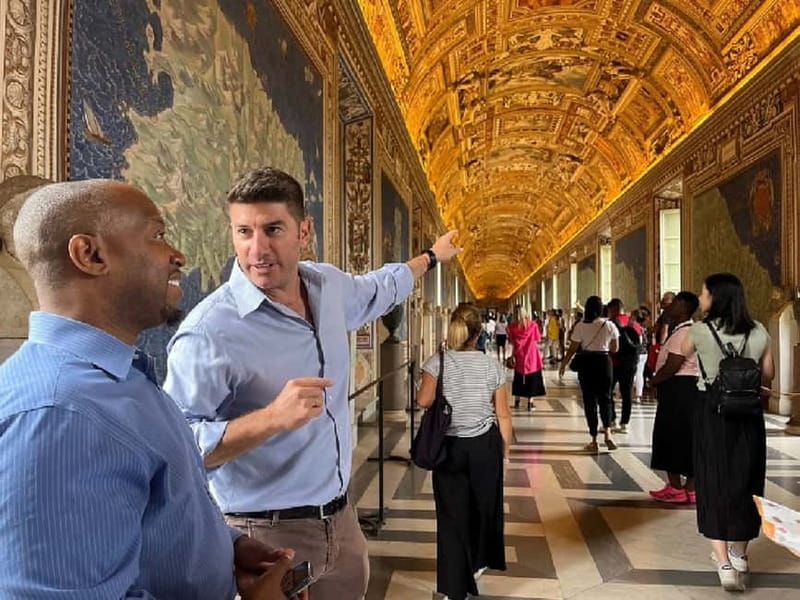
The other win is the guide’s job: they help you navigate the Vatican’s maze of corridors and keep your group moving at a pace that fits the buildings and the crowds. I like that the plan doesn’t pretend you’ll see everything—rather, it picks priority rooms so you leave with the key images and themes most visitors come for.
You can also read our reviews of more tours and experiences in Rome.
Meeting at Viale Vaticano and getting through security fast
Your starting point is Viale Vaticano, 100, at the top of the big staircase between Tmark Hotel Vaticano and Caffé Vaticano. Arrive 15 minutes early so you can find the meeting spot and get oriented before security pulls you into the first bottleneck.
Here’s the practical reality: all visitors must pass airport-style security, and at busy times the wait can be up to 30 minutes. Want a small edge? Choose an earlier starting slot if you can. On many departures, starting in the morning can mean a shorter security pause, which matters because your Sistine Chapel time is fixed and you don’t want to gamble with it.
Also note what you cannot bring: no oversize luggage or large bags, and you’ll need to dress for worship sites (more on that below). The tour isn’t wheelchair or stroller friendly, so plan around stairs and crowd flow.
Vatican Museums: the route that makes the galleries make sense
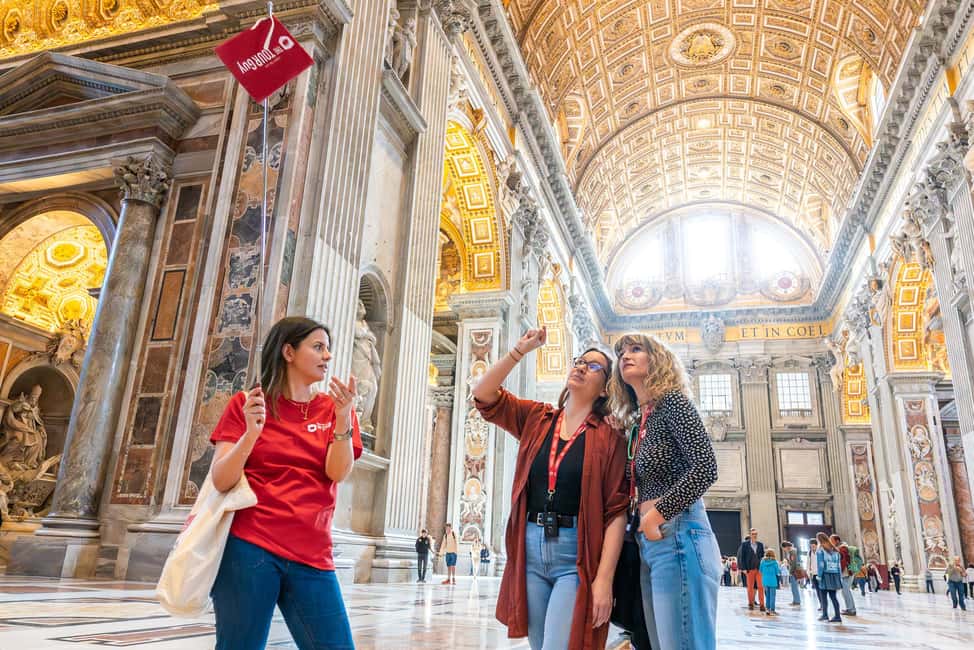
This is where the tour really earns its keep. The Vatican Museums aren’t one museum—they’re a series of connected worlds, and without context it’s easy to see impressive rooms but miss the thread that connects them.
You’ll start with a guided tour through the main museum galleries, with stops that include Cortile del Belvedere and Museo Pio Clementino. Then the tour hits some of the most visually recognizable spaces:
- Gallery of the Candelabra: dramatic classical sculpture atmosphere
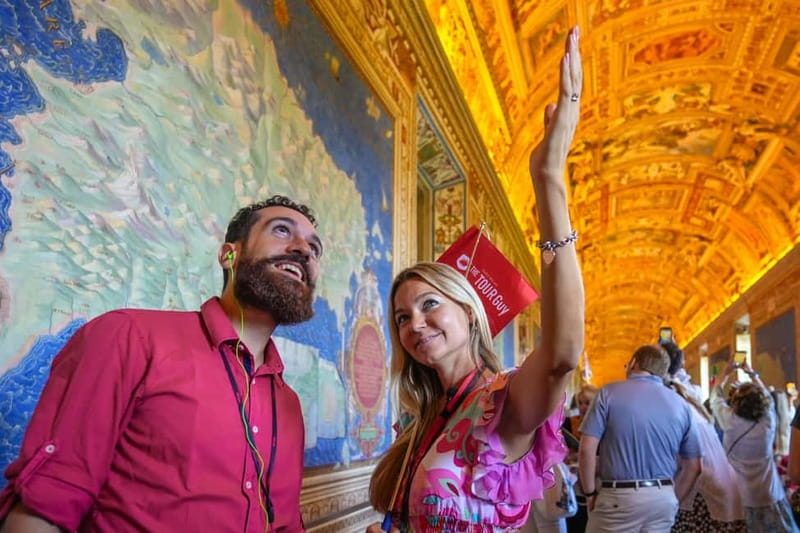
- Gallery of Maps: painted topographical Italy by Dominican friar Ignazio Danti, a reminder that Renaissance people were mapping their worldview, not just geography
- Gallery of Tapestries: a visual lesson in how art, skill, and storytelling worked together
Why this approach matters for you: it gives you a backbone. When you move room to room, you’re not just collecting facts—you’re seeing how the Vatican built a “message” across sculpture, painting, and decorative arts.
In the small-group format, the guide can also point out what’s worth slowing down for. People often underestimate how quickly you’ll get separated from your own attention in the Vatican. A guide keeps the group from drifting into the crowd noise and helps you hit the rooms that deliver the biggest payoff.
Pio Clementino and the classics: seeing bodies, power, and politics
Museo Pio Clementino is one of those areas where the objects are famous, but the meaning isn’t automatic. With a guide, you can connect the dots between classical sculpture and what the Vatican was trying to communicate when it collected and displayed these works.
The practical benefit: you spend less time scanning for something interesting and more time actually looking. Even if you’re not a big “marble person,” this is where a guided route helps you understand why those figures, poses, and materials were used to project authority.
And yes, the place gets crowded. The tour format helps you move through it without constantly checking your map or worrying you’ll miss the entrance to the next room.
Raphael Rooms: when art turns into philosophy and history
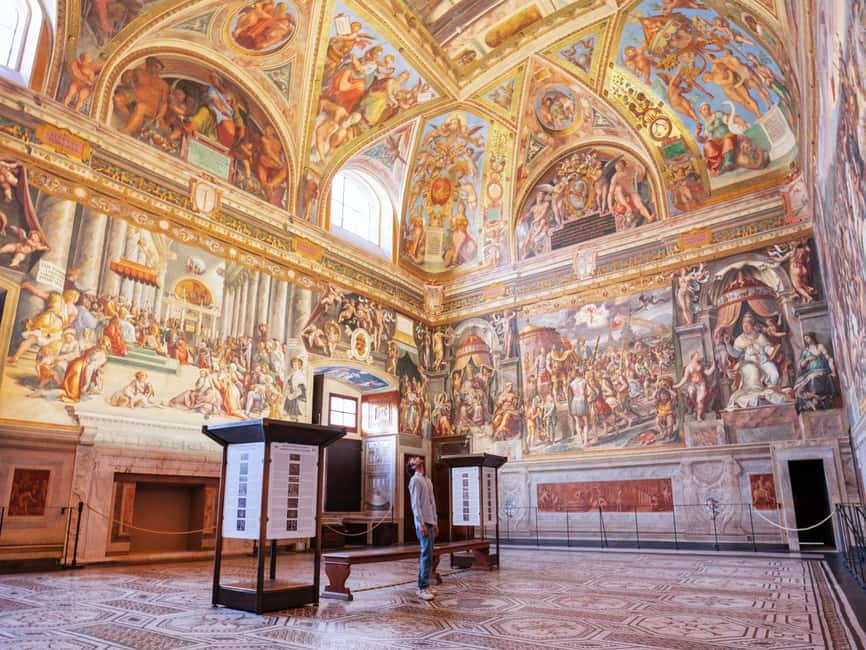
After the museum highlights, the tour moves into the Raphael Rooms. These are not just beautiful frescoes; they’re built around themes that connect classical ideals to Renaissance thought.
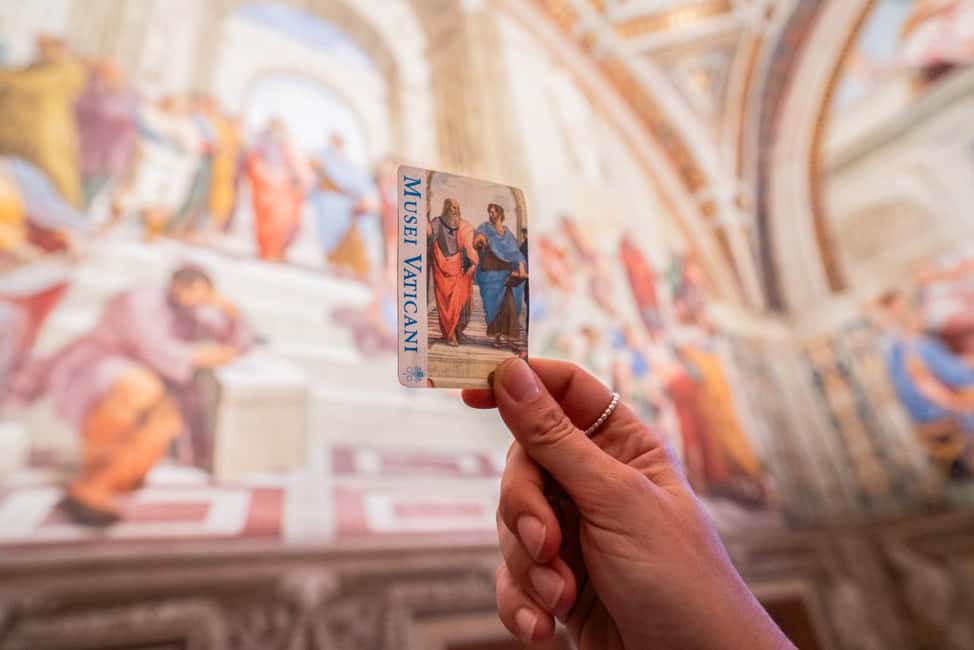
You’ll get a guided visit where the standout described in this tour includes Raphael’s The School of Athens. The point of this room is that it shows how Renaissance artists borrowed ancient ideas and turned them into a visual argument. If you’ve ever wondered why people obsess over Renaissance painting, this is a big answer: the art is also a way of thinking.
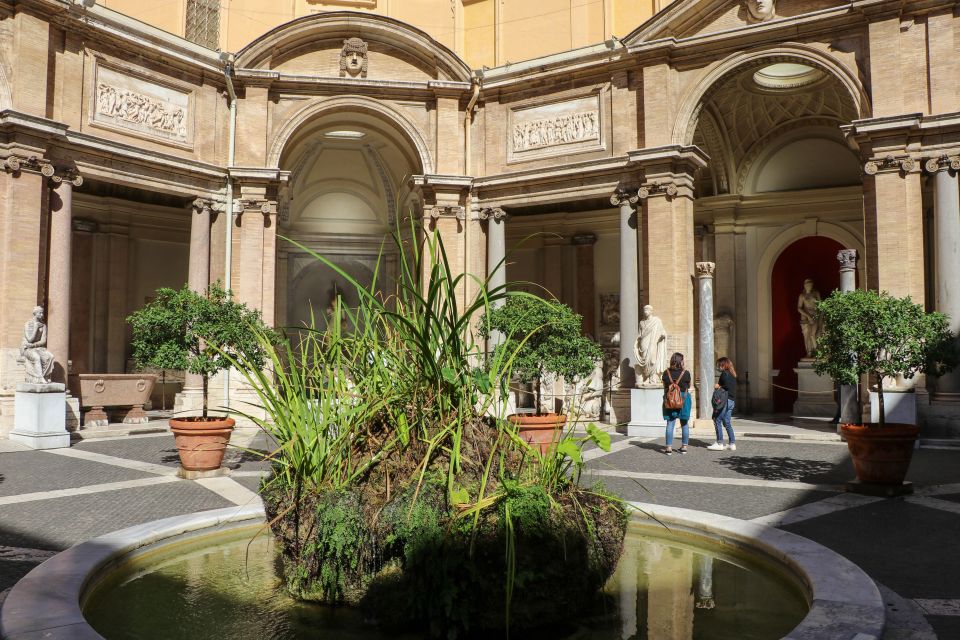
You’ll also spend time in the Pinecone Courtyard as part of the visit set-up. That bit of open space gives you a breath before the Sistine Chapel.
If your group includes art lovers, this is often the moment everyone starts to slow down, because the stories land quickly when you have an explanation tied to what you’re looking at.

Sistine Chapel: 15 minutes, silence, and Michelangelo’s ceiling
The Sistine Chapel is the one you save your energy for. The tour sets aside a short visit window—about 15 minutes—so you can enjoy the space without the tour trying to cram in a “do-it-all” experience.
You’ll enter the chapel as part of the flow and you’ll be reminded that the Chapel visit is a silent space. That matters. In a place where you can normally talk your way through museums, here the rules force you into looking mode.
Michelangelo’s frescoes are the headline, and you’ll specifically be guided through the significance of the iconic scenes, including the Last Judgement. The quiet is part of the impact. Once you’re inside, it’s easier to focus on composition and scale rather than juggling crowd chatter.
One consideration: the Sistine Chapel can face unforeseen closure for religious or political events. If that happens on your day, your best “value move” is to treat the tour as flexible and trust the guide to shift the emphasis where possible.
St. Peter’s Basilica and Scala Regia: skipping the usual entry misery
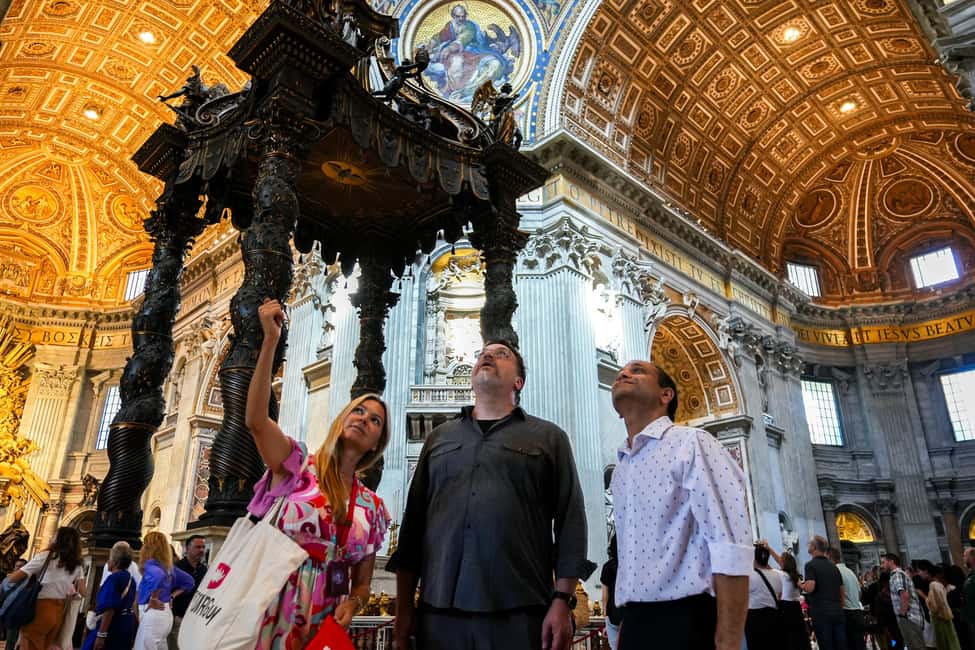
The finale is St. Peter’s Basilica, entered through Scala Regia, the reserved entrance path often called the Royal Staircase. This is a big deal because St. Peter’s can create massive lines at the entrances, and the tour’s reserved access helps you get in without burning half the afternoon in a bottleneck.
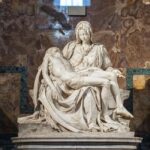
Inside, you’ll see major works highlighted on this route, including Michelangelo’s La Pietà and Bernini’s Il Baldacchino altarpiece. These aren’t small “look for it if you’re lucky” sights. They’re central pieces that shape your impression of the whole basilica—your sense of scale, drama, and craft.
There’s one schedule caveat to know: on Wednesdays, the tour can’t visit St. Peter’s Church due to mass. The guide is supposed to make up for that by visiting more sites inside the Vatican Museums instead. If you’re going on a Wednesday, it helps to mentally prepare for a more museum-heavy ending.
And like any major religious site, access can shift for special events. One example from real-world experience is that St. Peter’s Basilica access can be affected during events such as an Easter vigil, so the length or flow may change on certain dates.
The pace, small group size, and what guides like Lisa and Marco do well
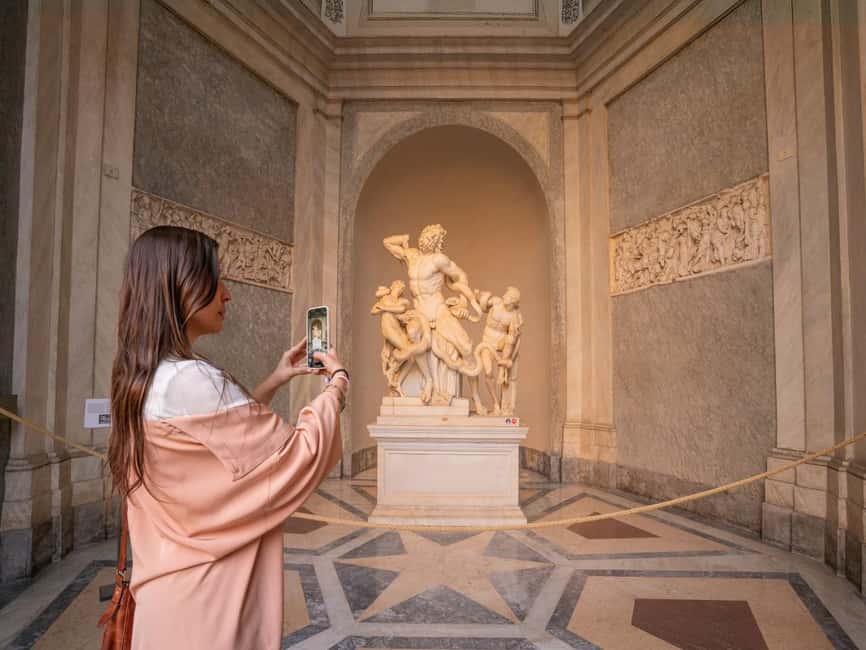
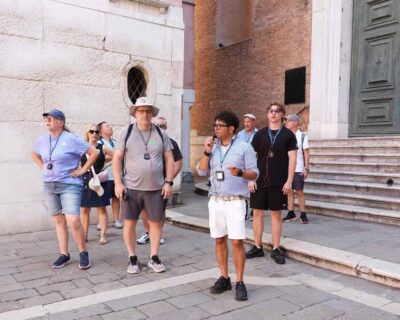
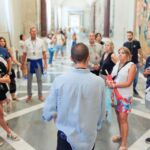
The tour is designed as a small group experience. If you’re traveling with friends or family, that’s a real comfort—less waiting, fewer people to herd, and it’s easier to ask a question when you actually have a moment.
You’ll also have headsets from 6+ participants, which makes a difference in the big museum rooms where voices don’t carry well. That means you can focus on what the guide is explaining without constantly craning your neck or trying to hear over other groups.
The guide quality can make or break a short tour. In this format, I’ve seen guides like Lisa, Fabrizio, Marco, Laura, Raffa, and Simona praised for keeping groups moving and pointing out key pieces rather than turning the visit into a slow parade. In practice, that’s the difference between seeing art and understanding it.
You also get the advantage that you’re less likely to get separated. The Vatican is complicated, and a good guide helps you get your bearings fast.
What to bring (and what to wear) so you don’t get turned away
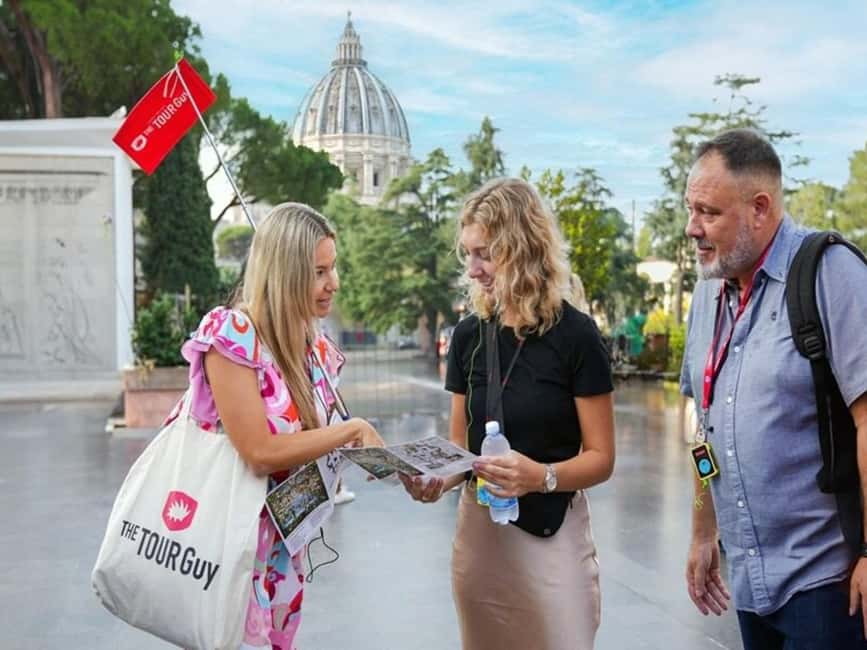
The tour requires the right clothing because you’re visiting places of worship and selected museum areas. Plan for covered knees and covered shoulders for both men and women.
Also don’t show up in:
- Shorts
- Short skirts
- Sleeveless shirts
- Oversize luggage or large bags
Bring:
- A passport or ID card
- If you qualify, a student card
This stuff sounds basic, but with the Vatican, it matters. Dress rules are enforced, and a wrong outfit can turn your day into a scramble. If you pack with the rules in mind, you’ll keep things smooth.
Value and price: why $48.68 can make sense here
At $48.68 per person, this tour isn’t the cheapest way to see the Vatican. But Vatican pricing often hides in time. Here, your biggest costs are not just money—they’re hours you could lose to queues at the museums and at the basilica entrance.
This is what you’re paying for:
- Skip-the-line tickets to the Vatican Museums
- A guided walkthrough that focuses on major rooms rather than letting you guess
- Reserved entrance via Scala Regia to reduce the basilica entry bottleneck
- A structured route that keeps a limited 2–3 hour window useful
For me, that math works best when you have limited time in Rome, you don’t want to spend your day inside a security line and queue system, or you prefer a curated priority list from someone who knows how to keep people on track.
If you’re traveling as a large group or you don’t care about hearing context, you might consider ticket-only. But remember: the ticket-only option covers admission fees only and does not include the guide or the Scala Regia basilica entry.
Who this tour is best for
This tour shines if you:
- Want a high-impact Vatican day without spending hours in lines
- Prefer a guided art narrative, especially for the Raphael Rooms and Sistine Chapel
- Like small group pacing rather than big coach herding
- Appreciate practical routes through complex sites
It’s a poor fit if you:
- Need wheelchair or stroller access (this is not accessible for them)
- Hate strict dress rules
- Want plenty of free roaming time
FAQ
FAQ
How long is the Vatican Museums, Sistine Chapel, and St. Peter’s Basilica tour?
The duration is listed as 2 to 3 hours, depending on the time slot available.
Where do I meet the guide?
Meet at Viale Vaticano, 100, at the top of the big staircase between Tmark Hotel Vaticano and Caffé Vaticano. The representative holds a sign with The Tour Guy on it.
What do I get besides museum entry?
You get guided museum visits (if selected), access to the Raphael Rooms, entry to the Sistine Chapel, and skip-the-line entry into St. Peter’s Basilica through Scala Regia.
What are the dress requirements?
You need knees and shoulders covered to enter places of worship and selected museums. Shorts, short skirts, and sleeveless shirts are not allowed.
Is this tour wheelchair accessible?
No. This tour is not accessible for wheelchairs, strollers, or baby carriages.
What happens on Wednesdays?
On Wednesdays, the tour is unable to visit St. Peter’s Church due to mass. The guide makes up for it by visiting more sites inside the Vatican Museums.
Should you book this tour?
If your goal is to see the Vatican Museums’ top rooms, then make it to the Sistine Chapel and St. Peter’s Basilica without wasting your day in lines, I’d book this. The skip-the-line setup plus Scala Regia access is where the value really shows.
If you’re flexible on time, love long unstructured museum wandering, and don’t mind queue surprises, then a self-guided option could work. But for most first-timers, this is the kind of route that turns a crowded city landmark into a focused, memorable art day.