REVIEW · PALERMO
Tour Cappella Palatina e palazzo Reale: patrimonio Unesco
Book on GetYourGuide →Operated by Palermo a Piedi - Walking Tour · Bookable on GetYourGuide
Golden mosaics in Palermo hit fast. This visit links the Palazzo dei Normanni to the Palatine Chapel, where Byzantine, Islamic, and Romanesque art meet in one spellbinding room. I love how up-close the gold mosaics feel—less like decoration, more like storytelling you can read with your eyes. I also like that you get the big power moves behind Frederick II and the curious Chinese-style queen chamber, not just a quick church stop. One consideration: the tour is Italian-only and you’ll need to buy the palace and chapel entrance ticket separately.
You’re in good hands with a professional guide, and the experience moves at a pace that helps you connect dates to details. You’ll start near the chiosco at the meeting point in front of the ticket office—then head straight into one of Palermo’s most important historical complexes, the one that rulers kept upgrading for centuries.
Also plan around comfort. There are limited spots to sit during parts of the visit, so if you don’t love standing, bring patience (and comfy shoes).
Palazzo dei Normanni + Palatine Chapel: UNESCO combo you feel
- 2,700 years of royal power in one continuous site, from early fortifications to later Norman expansions
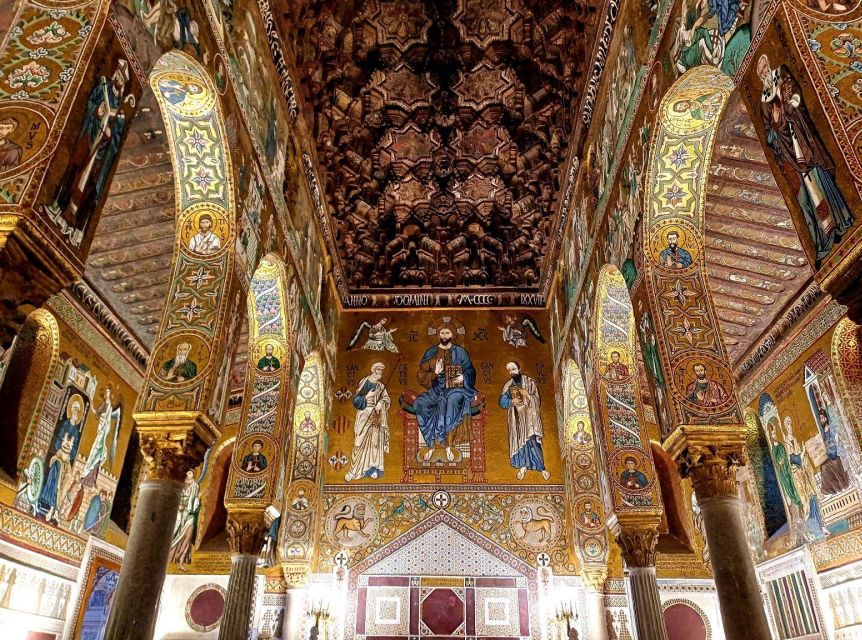
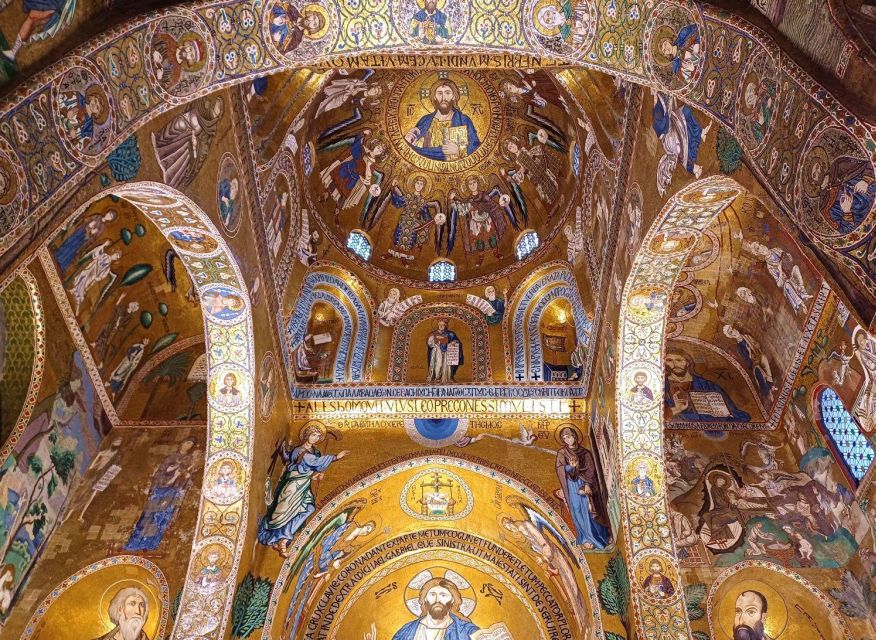
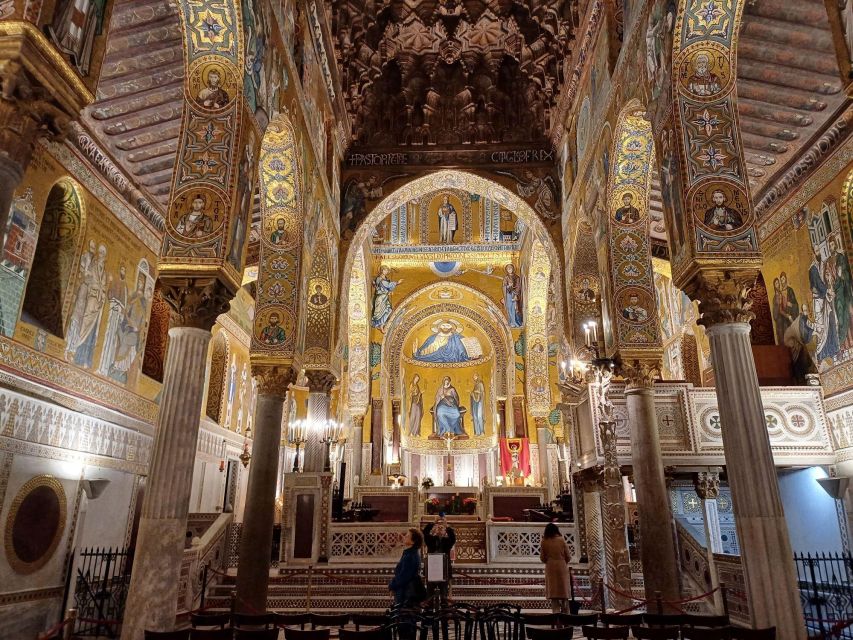
- Golden mosaics in the Palatine Chapel that mix styles: Byzantine walls, Islamic muqarnas ceiling, and Romanesque marble-inlay floor
- Frederick II connection, including the palace’s role as the home of the Sicilian Poetic School
- A courtly detour to the Chinese-style queen chamber, which adds personality to the palace story
- Italian guide experience, which is part of the value—clarity, not just wandering with audio
In This Review
- Royal Palace of Palermo: the site with layers you can actually see
- Meeting at the ticket booth kiosk: how to avoid the first stress
- The Royal Palace visit: from Norman court to Frederick II
- The Palatine Chapel: golden mosaics and the art of mixing worlds
- The Chinese-style queen chamber: a surprising court detail
- Tickets and timing: getting the most value from a $14 guided tour
- Dress code and behavior rules that can affect your entry
- Getting the guide right: Fabrizio and Claudio as a clue
- Who should book this tour (and who might want a different plan)
- Should you book the Cappella Palatina and Royal Palace tour?
- FAQ
- Are entrance tickets included in the guided tour?
- What language is the tour guide service?
- Where do we meet the guide?
- How long is the tour?
- Is there a dress code for entering?
- Is it suitable for wheelchair users?
- How much is the tour?
- Can I cancel and get a refund?
- Does the tour include a tour guide?
Royal Palace of Palermo: the site with layers you can actually see
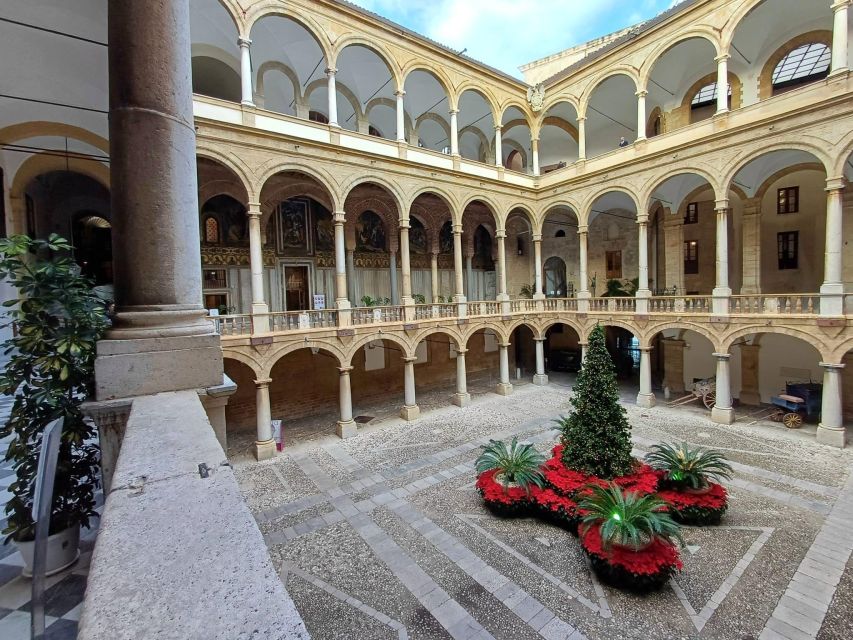
If you want one place in Palermo where history stacks on top of history, start with the Royal Palace complex. This isn’t just an impressive building. It’s a working timeline. The Royal Palace of Palermo—also called Palazzo dei Normanni—is one of Europe’s oldest royal residences, with roots going back roughly 2,700 years.
What makes it exciting is how the same walls keep getting reworked by different rulers. At the beginning, it was fortified. Later, when Palermo was developing as a major political center, the Norman kings transformed and expanded it into their main base: court, treasury, and royal workshops.
That’s the theme the guide brings to life: you’re not studying history on paper. You’re walking through a place that changed as ambition changed. One room says one thing; the next says something else. You start to understand why the palace mattered so much to the people in charge.
Meeting at the ticket booth kiosk: how to avoid the first stress
This tour has a simple meeting point: right in front of the biglietteria (ticket office), in a chiosco located about 100 meters from the entrance to the palace. That small detail matters because the palace area can feel busy, with people flowing in and out.
Show up early enough to orient yourself. You’ll likely need a moment to connect the meeting spot to the palace entrance, especially if you’re arriving on foot from the center of Palermo.
Also remember the key rule for planning your day: entrance tickets are not included in the guided portion. So before the tour starts—depending on your time slot—you may want to decide whether you’re buying tickets ahead of time online or at the ticket office.
You can also read our reviews of more tours and experiences in Palermo.
The Royal Palace visit: from Norman court to Frederick II
Once inside, the Royal Palace is more than architecture. It’s court culture in stone—spaces that were used for power, policy, and performance.
The Norman kings took a fortified foundation and turned it into a main residence. You can feel that intention when you look at how the palace is organized as a hub: it wasn’t built for one event. It was built for daily court life, administration, and important state functions.
Then Frederick II enters the story in a big way. Under his influence, the palace hosted the Sicilian Poetic School. This is one of those details that could sound like trivia—until you realize what it means. Poetry and language don’t grow in a vacuum. They grow when a court values culture and creates an environment where ideas can circulate.
And yes, the palace story includes darker chapters too. For a period, it served as a seat connected to the Inquisition, and later it functioned as the residence of the Viceroy and as a place tied to the Sicilian Parliament. That mix of art, administration, and ideology is exactly why this palace feels so complete.
Practical note: the tour is short—about a day—so the guide’s job is to select the most meaningful rooms. You’ll get the big ideas without having to guess what’s worth your time.
The Palatine Chapel: golden mosaics and the art of mixing worlds
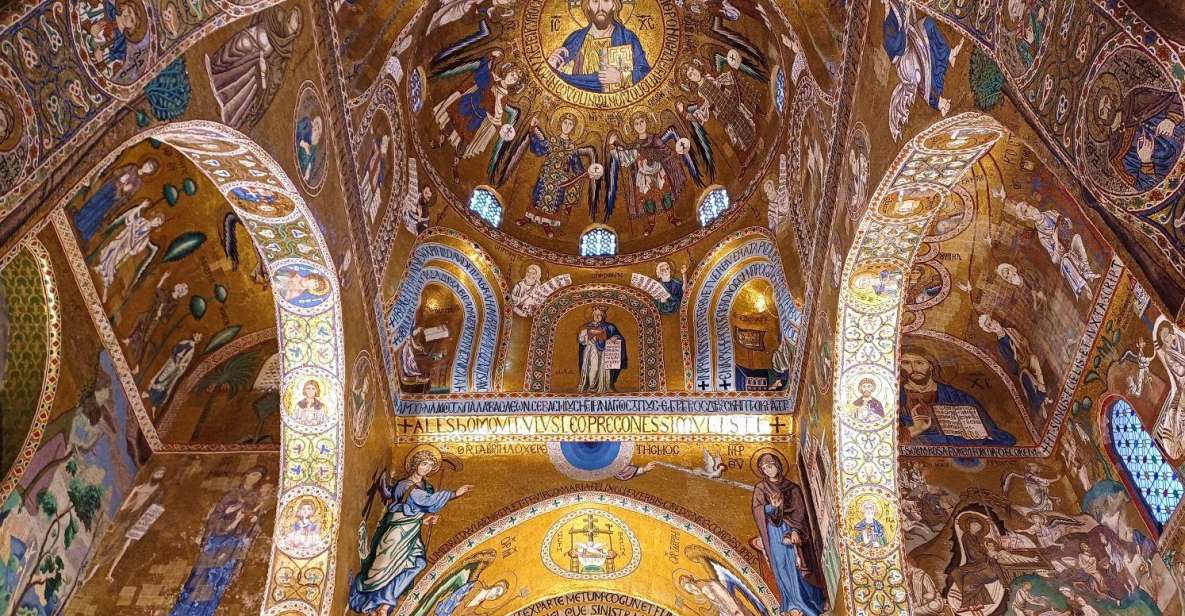
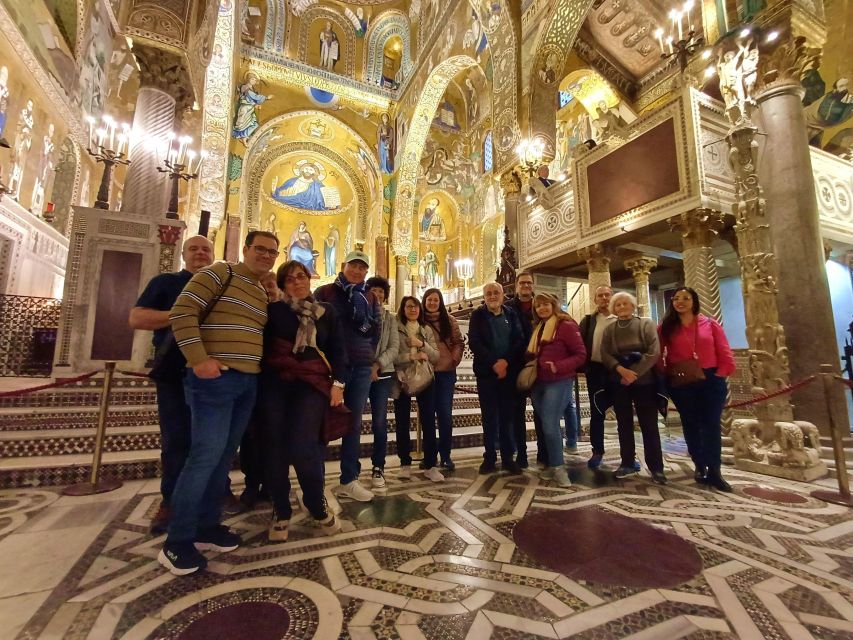
The heart of the experience is the Palatine Chapel, a UNESCO treasure that people talk about for a reason. Guy de Maupassant famously called it the most beautiful church in the world. In this tour, you’ll hear that framing in Italian, which helps it land like a real moment instead of a translated slogan.
Built in 1140 by Roger of Hauteville, the chapel was meant to signal power—his power, and the new identity of the Norman kings in Sicily. What you experience isn’t a single style. It’s a deliberate blend.
Here’s what to focus on while you’re there:
- Byzantine mosaics on the walls: bright, structured, and narrative, like painted theology made permanent
- Islamic muqarnas in the ceiling: a sculpted, honeycomb-like effect that turns geometry into light
- Marble floor with inlays of Romanesque tradition: the floor becomes part of the design, not just a base layer
The magic is how these elements coexist. You don’t feel like you’re looking at separate cultures arranged side by side. You feel like the chapel is built from their interaction—history stitched into one interior space.
If you’re the type who loves visuals, this is where you’ll spend most of your attention. Slow down, look up, and then look back down. A lot of people rush this room. Don’t. Let the guide’s explanation connect the images to the political and spiritual goals behind them.
The Chinese-style queen chamber: a surprising court detail
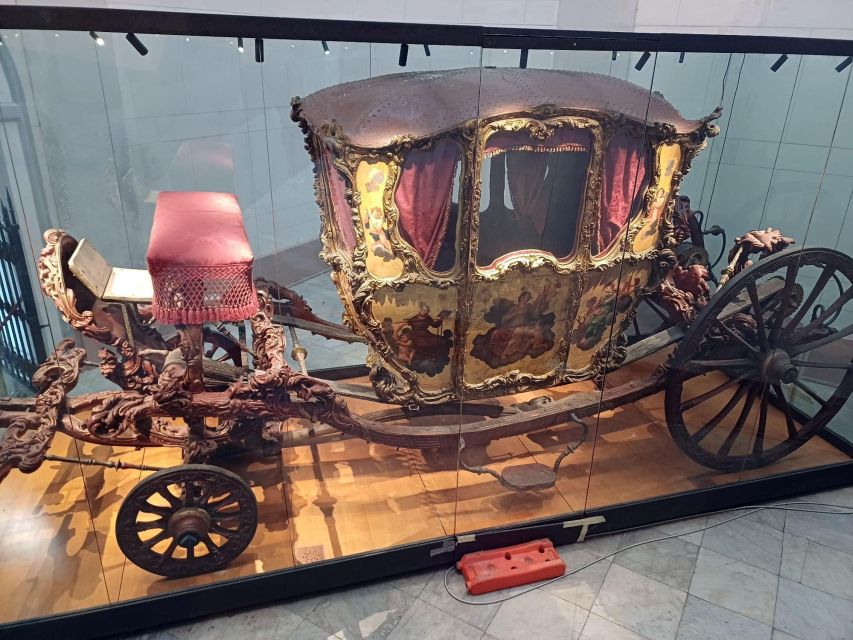
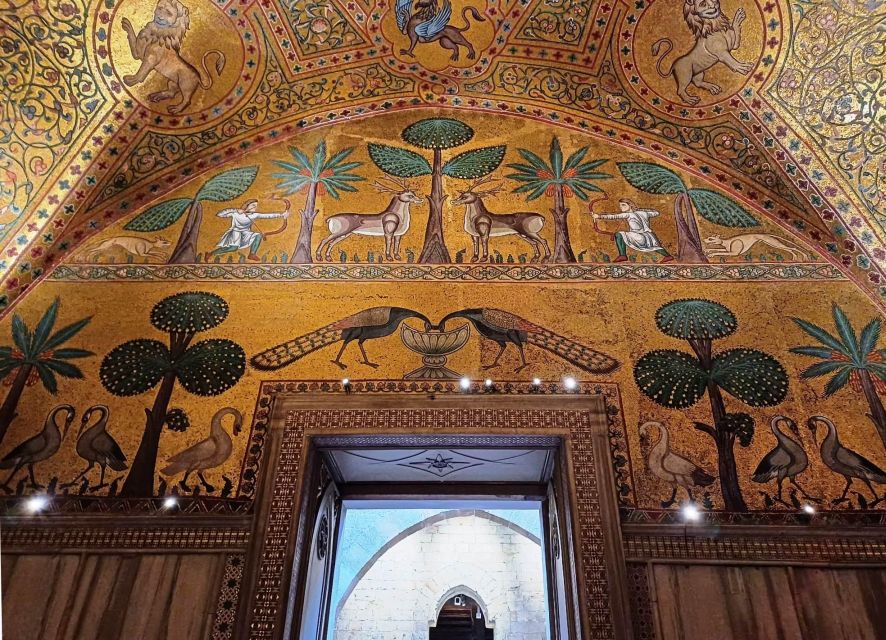
One of the standout highlights is the Chinese-style queen chamber. That alone is enough to make people curious, and it’s also useful because it gives the palace story more texture.
Why does this matter? Because it reminds you that Palermo’s royal court wasn’t stuck in one cultural lane. Even if the design details feel unusual, the takeaway is simple: rulers borrowed, mixed, and adapted. They wanted their court to look worldly, educated, and in control of fashion, symbolism, and power.
During the visit, this stop helps you move beyond the chapel’s religious spectacle. You return to palace life: rooms made for people with titles, people who hosted, ruled, and performed authority.
So if you ever worry that a palace tour will feel like the same room type repeated, this is the moment that breaks the pattern.
Tickets and timing: getting the most value from a $14 guided tour
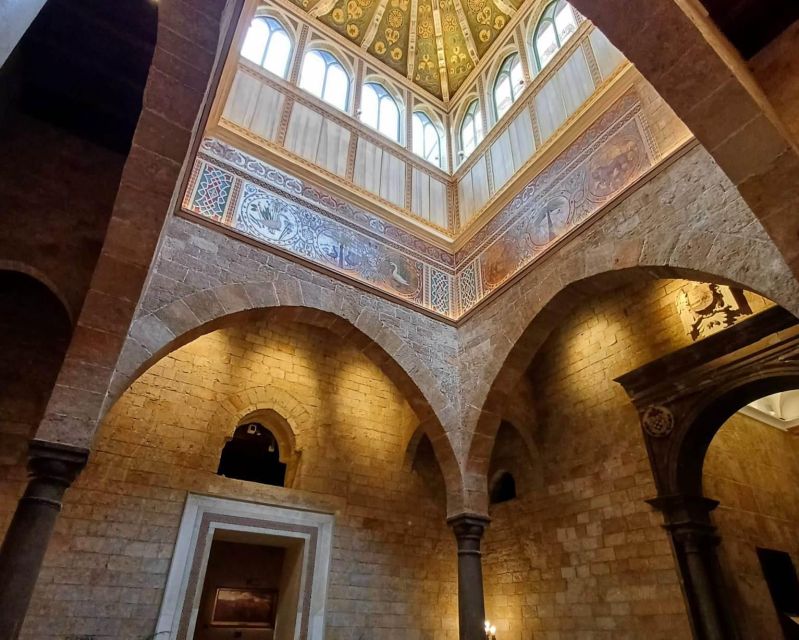
At $14 per person, the headline price is honestly hard to beat. But don’t let that number trick you into forgetting the real cost of the day: entrance tickets to the Palace and the Palatine Chapel are not included.
Here’s the value equation as I see it:
- You’re paying for a professional guide and the structure that makes the buildings meaningful
- You’re not paying for the palace entry itself
- If you’re visiting anyway, the guide fee becomes the smart part—especially in a place where context is everything
Because the tour is only in Italian, the guide’s role matters even more. If you understand Italian, you’ll get explanations that connect the mosaics, ceilings, floors, and rooms to the rulers behind them. If you don’t, you might still follow visually, but the full payoff depends on language.
Plan your schedule so you’re not rushed at the ticket desk. The meeting point is close to the palace area, but you’ll still want a calm start—no last-minute scramble.
Dress code and behavior rules that can affect your entry
This is one of those “don’t ignore it” situations. The palace has rules on what you wear:
- Shorts are not allowed
- Short skirts are not allowed
- Sleeveless shirts are not allowed
If you’re traveling in warm weather, this can catch people off guard. Bring a light layer that still feels comfortable and follow the rule so you don’t risk delays.
Also, keep your pace realistic. A chapel and palace visit tends to involve standing and moving through multiple rooms. Since there are limited places to sit during parts of the experience, comfortable shoes are a must.
Getting the guide right: Fabrizio and Claudio as a clue
The quality of the guiding makes a big difference here because the palace is visually stunning, but it’s also layered and political. When guides are strong, you don’t just see gold—you understand why it was made that way.
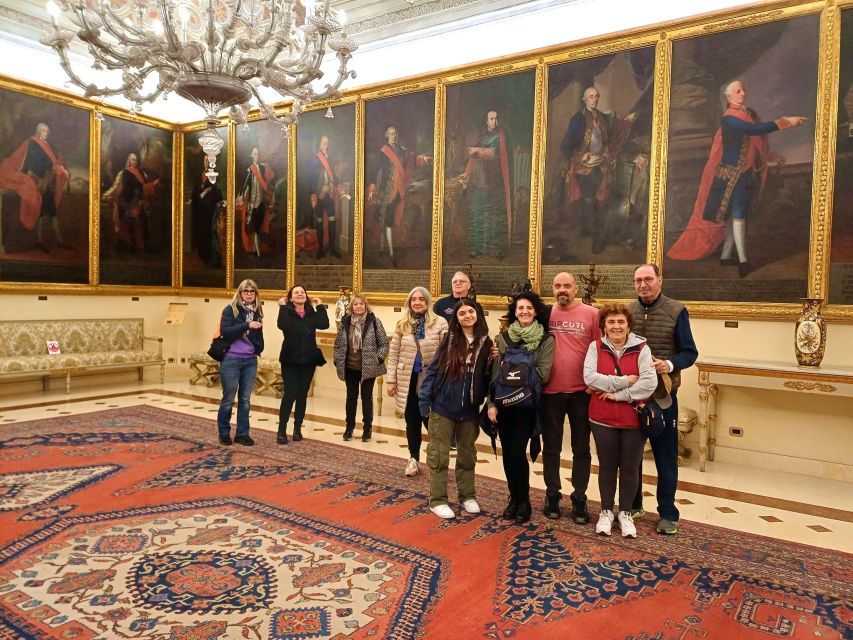
In the highest ratings tied to this provider, names like Fabrizio and Claudio show up. They’re described as prepared, engaging, and focused on explaining the history, the narrative cycles in the mosaics, and the real rooms tied to royal life.
You can’t guarantee a specific guide on a specific day from the information here. But those repeated names are a good sign: the organization seems to invest in guides who can connect art to story.
Who should book this tour (and who might want a different plan)
This is a great fit if you:
- Want a one-day structured visit with an expert guide in Italian
- Love places where art and politics intertwine
- Want the UNESCO highlight without spending your trip piecing together context
You might think twice if:
- You need a tour in a language other than Italian
- You’re not comfortable with limited seating and more standing time
- You’re likely to show up with clothing that doesn’t meet the palace entry dress code
There’s also one tricky detail about mobility info. The activity is listed as wheelchair accessible, but it’s also marked not suitable for wheelchair users. Since those two statements conflict, treat it as a reason to check directly with the provider before you book if mobility is a concern.
Should you book the Cappella Palatina and Royal Palace tour?
Book it if you want the Palermo must-see that people remember for the right reasons: the Palatine Chapel’s golden mosaics and the palace setting that explains where that art came from. The price is modest because the entry tickets are extra, so you get good value by paying for the guide’s context rather than trying to read the story alone.
Skip it or choose carefully if you’re set on touring in a language other than Italian, or if you know you’ll struggle with standing and limited seating. Also factor in the dress code up front so your day stays smooth.
If you’re ready to spend your one-day plan in the middle of Sicily’s royal drama—mosaics, ceilings, and courts included—this is a smart way to do it.
FAQ
Are entrance tickets included in the guided tour?
No. The entrance ticket for the Royal Palace and the Palatine Chapel is not included, and you need to buy it separately at the ticket office or online.
What language is the tour guide service?
The tour takes place only in Italian.
Where do we meet the guide?
You meet in front of the biglietteria (ticket office kiosk), about 100 meters from the entrance to the Palazzo.
How long is the tour?
The experience is listed as valid for 1 day.
Is there a dress code for entering?
Yes. Shorts, short skirts, and sleeveless shirts are not allowed.
Is it suitable for wheelchair users?
It’s listed as wheelchair accessible, but it’s also marked as not suitable for wheelchair users. If you need wheelchair access, check with the provider before booking.
How much is the tour?
The price is listed as $14 per person.
Can I cancel and get a refund?
Yes. You can cancel up to 24 hours in advance for a full refund.
Does the tour include a tour guide?
Yes. The included service is a tourist guide service in Italian with a professional tour guide.