REVIEW · ROME
Trevi Fountain, Pantheon, and Campo Dei Fiori Market Food and Wine Tour
Book on Viator →Operated by Raphael Tours & Events · Bookable on Viator
Trevi and Pantheon in one food-focused walk? You get a great mix of big monuments and real-eating stops, all linked by guide storytelling you can’t pick up from a guidebook. I especially like how the day starts in the Campo de’ Fiori market and keeps feeding you through landmark after landmark. One thing to consider: you’ll admire the Pantheon from outside, since entry into the building isn’t included.
This tour runs about 4 hours at a relaxed walking pace with a small group capped at 15. It’s also practical: you’ll get wine, beer, and soft drinks with tastings, plus a lunch that easily replaces what you’d normally order for midday. Dress matters because you’ll step into a church stop: plan smart casual with shoulders and knees covered.
The route focuses on the Trevi district classics—Trevi Fountain, Piazza Navona, and major ancient sights nearby—then ends in Trevi so you can keep wandering. Come hungry; the tastings are meant to be your meal. And if you’re doing this on a Sunday, know that only some market stands are open, so the Campo de’ Fiori variety can feel a bit smaller.
In This Review
- Key highlights to look forward to
- How the Trevi-to-Campo de’ Fiori route actually feels
- Campo de’ Fiori: balsamic, truffles, olive oil, limoncello, and Norcia salumi
- Piazza Navona: pizza crunch, tiramisù, and three fountains energy
- Basilica di Sant’Eustachio: a quick outside look and the espresso tradition
- Pantheon moments: gelato first, then a preserved icon you can’t miss
- Trevi Fountain finale: coin ritual, facts, and a smoother crowd strategy
- What you’ll taste (and why it’s built this way)
- Price and value: is $107.68 a fair deal?
- Group size, guide style, and what makes the experience feel personal
- Who this tour suits best (and who should skip it)
- Should you book this Trevi, Pantheon, and Campo de’ Fiori food and wine tour?
- FAQ
- How long is the Trevi Fountain, Pantheon, and Campo de’ Fiori food and wine tour?
- Where do I meet, and where does the tour end?
- What time does the tour start?
- Is entry into the Pantheon included?
- What food and drinks are included?
- Can vegetarians eat on this tour?
- Does the tour accommodate gluten-free, dairy-free, or vegan diets?
- Are there any dress code rules?
- What about allergies, especially nuts?
- Is the Campo de’ Fiori market fully open on Sundays?
Key highlights to look forward to
- Campo de’ Fiori market tastings: balsamic vinegar, truffles, olive oils, limoncello, plus salumi, cheese, and Norcia prosciutto.
- Classic Roman snack lineup: pizza, tiramisù, espresso, gelato, cheeses, and wines.
- Landmarks plus context: you’ll see key sights like the Pantheon and Piazza Navona, with history tied directly to food culture.
- Small group size: capped at 15, which usually means easier pacing and more time to ask questions.
- Drinks included: wine and beer are part of the tasting mix, plus soft drinks.
- Church dress code: shoulders and knees covered, so pack accordingly.
How the Trevi-to-Campo de’ Fiori route actually feels
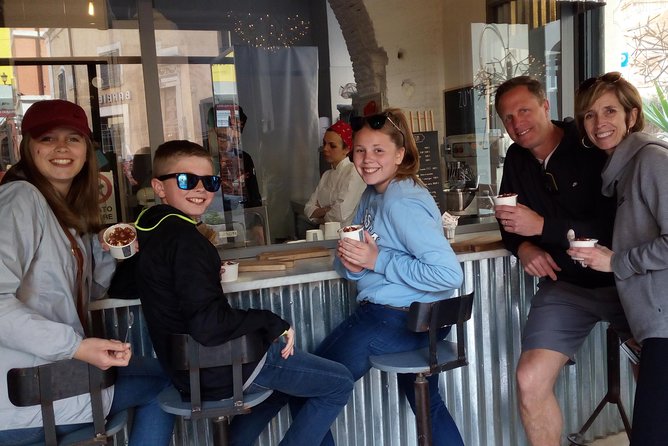
This is a walking food tour that treats Rome like a series of neighborhoods you sample as you go. It starts in central Rome at 10:45 am (meeting point listed as Piazza Farnese) and then moves you into the Campo de’ Fiori area to begin with the market. Expect about 4 hours total, with multiple short stops rather than one long sit-down meal.
If you like to “learn by eating,” this works. You’re not stuck listening for long stretches; tastings break up the route and make the history easier to remember. You’ll also pass by big sight markers around the area, including Pompey Theatre and the Marcus Aurelius Column en route, plus Piazza Navona in a more open, photo-friendly setting.
One caution: it’s designed around food volume. Even if you’re not a heavy eater, plan for the tastings to add up quickly—people who skip breakfast usually have an easier time.
You can also read our reviews of more tours and experiences in Rome.
Campo de’ Fiori: balsamic, truffles, olive oil, limoncello, and Norcia salumi
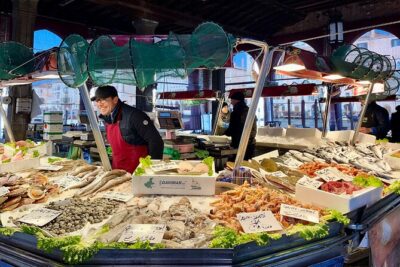
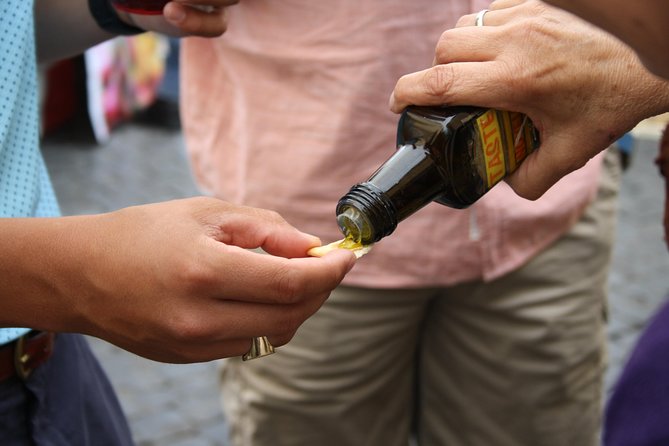
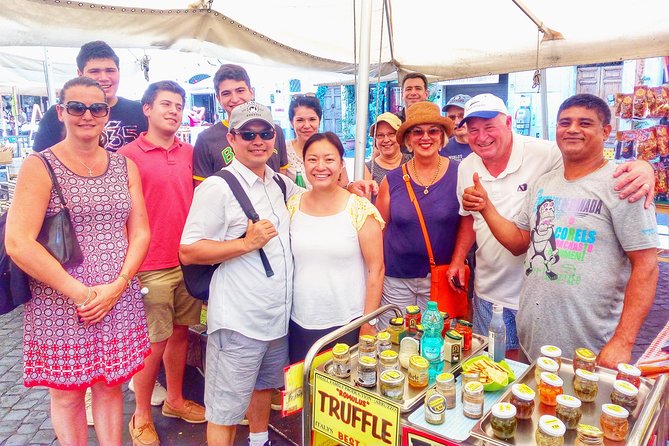
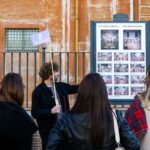
Your first major stop is the Campo de’ Fiori market square, where the guide frames the place as a historic center of Rome. From the food side, this is where the tour starts to feel very Rome: you’ll sample standout local products like balsamic vinegar, truffles, olive oils, and limoncello.
Then comes a real highlight for many people: a platter tasting that pairs cured meats and cheeses, including salumi, prosciutto from Norcia, and cheese. The Norcia prosciutto detail is great for context, because Norcia is known for cured meat culture, not tourist-only packaging. The shop involved is described as a family business dating back to 1890, which gives the tasting a sense of craft rather than just a random bite.
The market part can be location-dependent on timing. On Sundays, only a few stands are open, so your selection may feel slightly reduced. Still, you’ll get your planned tastings as part of the tour experience.
Piazza Navona: pizza crunch, tiramisù, and three fountains energy
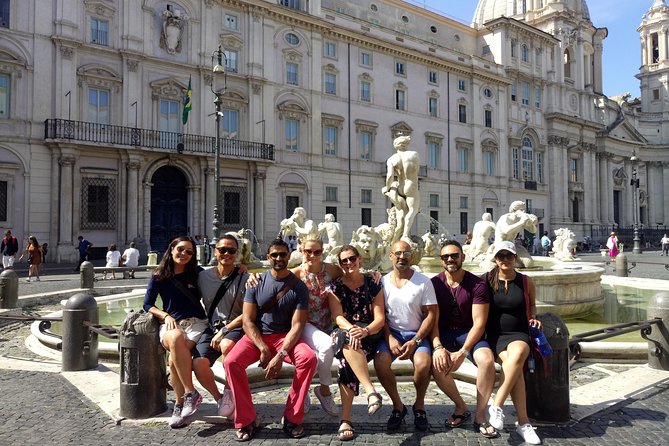
From the market, you head toward Piazza Navona—one of the easiest squares in Rome to enjoy because it’s open, historic, and alive with people. Here, the tour shifts from “product tasting” to “comfort food you can feel,” starting with pizza from a bakery that dates back to 1824.
Then it’s dessert time: you’ll try tiramisù, which is basically Rome’s unofficial signature sweet. Piazza Navona also gives the guide an easy win for storytelling: you’ll hear about the square’s Baroque style and the fountains (the tour specifically calls out the three fountains), with the surrounding ancient context tied to what you’re eating.
If you’re picky about dessert variety, note that tiramisù is the target. This stop is shorter than the market block, but it’s often the one where the group mood lifts—pizza first, then sweet.
Basilica di Sant’Eustachio: a quick outside look and the espresso tradition
This stop is shorter by design, built around a classic Italian coffee pause. You’ll admire Basilica di Sant’Eustachio from the outside, then taste Italian espresso from a coffee shop that has served coffee since 1938 and focuses on organic coffee.
Why it matters: coffee in Rome isn’t just caffeine; it’s part of daily rhythm. Even if you don’t consider yourself a coffee person, this tasting is a good reset before the heavier monument stops. And because it’s only about 30 minutes, it doesn’t derail the rest of your day.
If you prefer tea or can’t do caffeine, the tour details here don’t mention alternatives—so check with the operator ahead of time if you have a strong preference.
Pantheon moments: gelato first, then a preserved icon you can’t miss
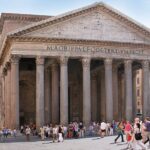
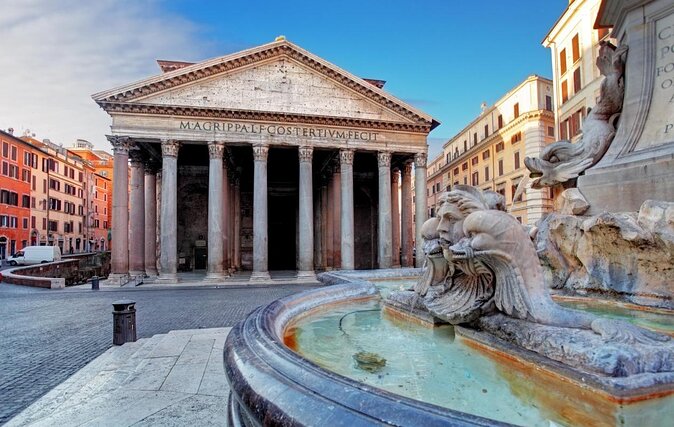
At this stage you’ll reach the Pantheon area, one of the top “walk-up and stare” buildings in Rome. The tour plan includes artisanal gelato from a local gelateria using 100% natural ingredients, followed by time to admire the Pantheon and learn what makes it so influential.
Important practical note: Pantheon entry is not included, so you won’t go inside during the tour. You’ll get viewing time and explanation, but if you specifically want to be inside the oculus and feel the space, you’ll need to add that separately on your own.
Even from outside, the Pantheon hits hard. It’s also a good contrast point in a food tour: one stop is all about ice cream, then you shift to architecture and ancient Roman design logic—how Romans built for crowds, for rituals, for permanence.

Trevi Fountain finale: coin ritual, facts, and a smoother crowd strategy
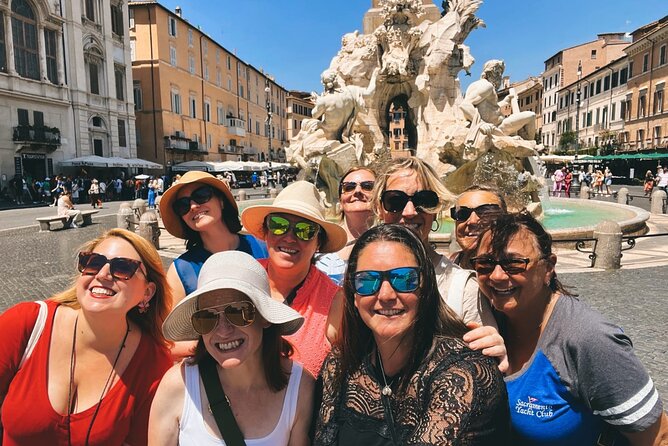
The day ends where many people start: Trevi Fountain. You’ll get time to see it up close and hear the story behind the tradition—throwing a coin over the shoulder to ensure your return to Rome. The tour also calls out the wish legend specifically, which is useful because it’s easy to see the fountain but hard to know what the ritual means.
This stop is about 30 minutes, which is enough for a couple of good photos if you’re not trying to get the perfect postcard shot. If you’ve ever fought a crowd in Rome, you know the trick: move with the group, watch your footing, and don’t plan a long solo wander here unless you’re willing to wait.
The bigger value of finishing in Trevi is what comes after. Once the tour wraps at Piazza di Trevi, you can keep walking through the streets, grab a proper dinner, or just do the simplest thing: stay out and observe how Rome’s nightlife plays around the monuments.
What you’ll taste (and why it’s built this way)
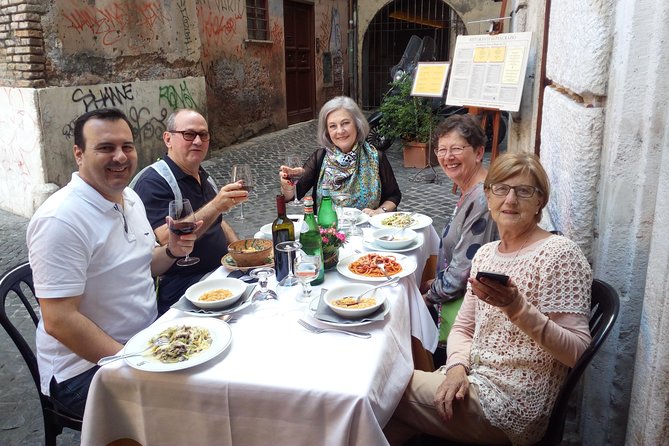
This tour is not a “one bite at each stop” situation. It’s designed so the tastings and lunch together can genuinely replace lunch, which is why the pacing matters. Included tastings span prosciutto, cheeses, gelato, pizza, and wines, plus additional local specialties depending on the exact tour.
You’ll also have wine, beer, and soft drinks included. That’s a big value point, because Rome can be expensive when you start adding drinks to normal restaurant pricing. It also explains why the tour asks you to come hungry; you’re not just sampling, you’re building a meal out of multiple stops.
One practical consideration: the tour notes that it does not accommodate gluten-free, dairy-free, or vegan participants. Vegetarian options can be accommodated if you advise in advance, but you need to flag it when you book. Also, if you have nut allergies, be aware of possible cross contamination.
Price and value: is $107.68 a fair deal?
At $107.68 per person for about 4 hours, the value mostly comes from the combination of included food, included drinks, and guide time. You’re getting multiple tastings plus a rich lunch, not just a light snack tour. If you were to buy a market tasting platter, gelato, espresso, pizza, dessert, and drinks on your own, it would add up fast—especially in central Rome.
The one clear “not included” that matters is Pantheon entry. You’ll still see it from outside, but you don’t get the ticketed interior experience as part of the package. If you know you want an inside visit, plan to add it before or after your tour.
Also note: hotel pickup and drop-off aren’t included, and the tour ends in Trevi. That means you should factor in getting to the meeting point (public transport is nearby) and then returning to your hotel afterward.
Group size, guide style, and what makes the experience feel personal
A capped group of 15 travelers is more than a marketing number. Smaller groups usually mean you can hear instructions clearly at crowded points, and you can ask follow-up questions without feeling rushed. In the reviews connected to this tour, guides like Maria, Fabrizia, Andrea, Matteo, Greta, and Barbara are repeatedly praised for being friendly, organized, and focused on safety in busy areas.
Some specific guide touches show up again and again in the details you’re given: helping you stay aware of cars in the street, pointing out where to stand in crowded spots, and using tools like an iPad to show what ancient scenes might have looked like. A guide also can help you make smarter choices for your free time—extra sights nearby, where to get what you like, and how to plan your next meal.
Even with small-group perks, remember this is still Rome. You’ll walk, you’ll weave through people, and you’ll spend some time in areas where cars can cross or roll through streets.
Who this tour suits best (and who should skip it)
This is a strong fit if you want a Rome day that’s equal parts food tasting and landmark seeing, without the pressure of planning every stop yourself. It’s also ideal if you like small doses of history tied to daily life: market products, coffee culture, cured meats, and how sweets fit into Roman routines.
It’s less ideal if you strongly need specific dietary needs like gluten-free, dairy-free, or vegan options, since the tour does not accommodate those. If you’re a “Pantheon must go inside” person, the outside-only format may feel limiting—you’ll need a separate stop for the interior.
Physical demands are described as moderate fitness and includes walking. If you have mobility limits or get tired quickly, you might feel the pace, even if it’s broken into short segments.
Should you book this Trevi, Pantheon, and Campo de’ Fiori food and wine tour?
Book it if you want a single, well-structured afternoon that mixes Rome’s biggest sights with the kind of eating that feels local. The best reason is simple: you’re not choosing between history and food—you’re getting both, with drinks and tastings that can replace a lunch plan.
I’d book it especially if you’re traveling for the first time or you don’t want to spend your time researching which market shop sells what. Starting in Campo de’ Fiori and ending at Trevi gives you two anchor points for the rest of your day.
I would hesitate if:
- you need Pantheon interior entry as part of your must-do list,
- you need gluten-free, dairy-free, or vegan support,
- or you dislike tours where food is the main event.
If you’re on the fence, you do have free cancellation up to 24 hours before the start time for a full refund, so you can hold the spot while you sanity-check your schedule.
FAQ
How long is the Trevi Fountain, Pantheon, and Campo de’ Fiori food and wine tour?
The tour lasts about 4 hours.
Where do I meet, and where does the tour end?
You start at Piazza Farnese, 00186 Roma RM, Italy and end at Trevi Fountain, Piazza di Trevi, 00187 Roma RM, Italy.
What time does the tour start?
The start time listed is 10:45 am.
Is entry into the Pantheon included?
No. The tour includes seeing the Pantheon, but Pantheon entry is not included.
What food and drinks are included?
The tour includes several tastings, a rich lunch, and wine, beer, and soft drinks. Tastings may include items like prosciutto, cheeses, gelato, pizza, and wines.
Can vegetarians eat on this tour?
Vegetarian options can be accommodated if you advise in advance and note it in the special requirements field when booking.
Does the tour accommodate gluten-free, dairy-free, or vegan diets?
No. This tour does not accommodate gluten-free, dairy-free, or vegan participants.
Are there any dress code rules?
Yes. Since you’ll be entering into a church, you need smart casual clothing and shoulders and knees covered.
What about allergies, especially nuts?
If you have nut allergies, be aware there is always the possibility of cross contamination.
Is the Campo de’ Fiori market fully open on Sundays?
On Sundays, only a few market stands are open.