REVIEW · ROME
Twilight Treasures: An Evening Tour Through Rome’s Rich History
Book on Viator →Operated by Airotour Ltd - Freetourrome · Bookable on Viator
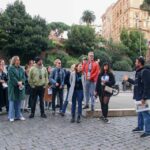
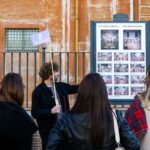
Sunset makes Rome feel human-sized. This small-group evening walk is built around Rome’s most famous fountains and the landmarks nearby, so the city feels quieter and easier to read. I especially like the way the guides (I’ve seen names like Ainara, Anna, Maria, and Yousef pop up) turn what you see into story: art, architecture, politics, and even biblical references get tied to the streets in front of you. One thing to consider: the meeting area around Piazza della Repubblica can be busy, and some guests have reported waiting or confusion when they arrived late or couldn’t get instant help through chat.
The pacing works because the tour is short—about 1 hour 30 minutes to 2 hours—and you’re not stuck doing marathon sightseeing after dark. You also get a mobile ticket and an English-led guide, with a max group size of 30, so it doesn’t turn into a crowd-control exercise.
The tour runs in all weather, so you’ll want to dress for damp sidewalks and uneven footpaths. It’s also a walking route that starts near public transport and ends in central Rome, which is convenient if you want dinner plans right after.
In This Review
- Key things to know before you go
- Why Rome after dark is the smart time for this walk
- Start at Piazza della Repubblica, end at Piazza Venezia
- Trevi Fountain after dark: the story behind the splash
- Piazza San Bernardo and the Moses Fountain: quick stop, big meaning
- The middle stretch: covering several fountains without running in circles
- Piazza Venezia and the ending push: where the walk clicks into place
- Palazzo del Quirinale: the presidents home from the outside
- How the guides shape the experience: names you may hear
- Pacing, walking comfort, and who this suits best
- Price and value: $4.59 per person is the hook
- What to bring for a smooth evening
- Should you book Twilight Treasures?
- FAQ
- What time does the Twilight Treasures tour start, and how long is it?
- Where is the meeting point and where does the tour end?
- What is included in the tour price?
- What is not included during the tour?
- Do I need to pay admission fees for the stops?
- What languages and group size should I expect?
- Does the tour operate in all weather, and what should I do?
- How does free cancellation work?
Key things to know before you go
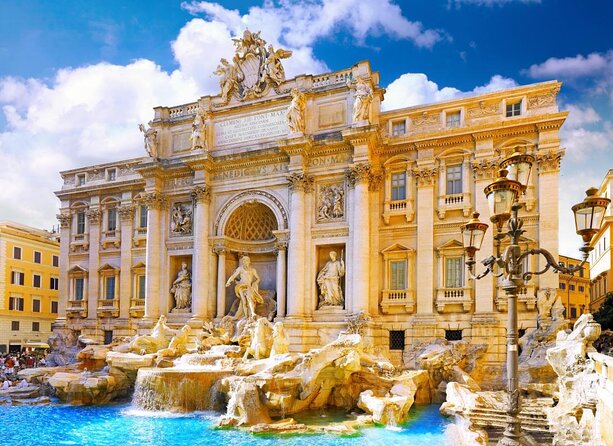
- Trevi Fountain at night: a photo stop with a little breathing room compared with peak daytime crowds
- Piazza San Bernardo and the Moses Fountain: short, focused time that still packs in meaning
- A guided connection across multiple fountains: the stop structure is designed to explain the why, not just the where
- Palazzo del Quirinale area: you’ll see the presidents home from the outside, with time to look and listen
- End point in Piazza Venezia: easy jump-off point for the rest of your evening
- Small group limit (30): more chances to ask questions and keep the pace human
Why Rome after dark is the smart time for this walk
Rome is gorgeous at night, but that’s not the only reason this tour works. The route is built for easier strolling: fewer daytime crowds, softer light, and a walk that feels manageable even if you’ve already seen Rome’s big-name sights earlier.
The real win is what the guide does with the gaps between monuments. Instead of treating fountains as stand-alone postcards, the tour frames them as part of Rome’s message-making: water, power, religion, and public art all show up in the same places you’d otherwise rush past.
And yes, you’ll still see iconic spots. Trevi Fountain is the headline. But the tour’s value is in the smaller stops that explain the “why” behind the visuals—especially around the fountain theme.
You can also read our reviews of more tours and experiences in Rome.

Start at Piazza della Repubblica, end at Piazza Venezia
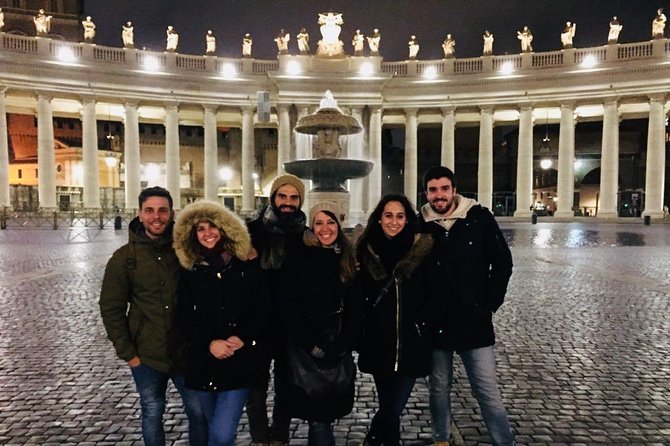
The tour begins at 5:00 pm at Piazza della Repubblica (P.za della Repubblica, 00185 Roma RM, Italy). It ends at Piazza Venezia, Roma RM, Italy. That matters because it shapes your evening plans: you can treat this as your sightseeing spine, then connect to dinner or a later walk afterward.
Time-wise, you’re looking at about 1.5 to 2 hours total. That’s long enough to move through several major points, but short enough that you won’t feel wrecked if you have the rest of the night in mind.
One practical note from the real world: the meeting area can get hectic. If you’re coming by public transport, give yourself extra time to find the exact gathering spot and position yourself before your guide does the roll call.
Trevi Fountain after dark: the story behind the splash
Trevi Fountain is the first stop, with around 15 minutes on site. It’s the biggest fountain of Rome, and the tour uses that time well: you’re not just snapping photos—you’re learning what you’re looking at and why it matters.
What I like about a fountain-focused visit at night is the feel. During the day, Trevi can feel like a conveyor belt. In the evening, it’s still popular, but you have a better rhythm for listening while you look. You’re also better able to notice details that daytime crowds often drown out.
Your guide typically connects the fountain to broader themes—art and architecture, plus how Rome communicates power through public spaces. Some guides have also brought in biblical references and Roman storytelling threads, which turns the stop from pretty to purposeful.
Possible drawback: 15 minutes sounds short, and it is. If you want a long, unhurried photo session, you may feel a little time pressure. Still, that’s the tradeoff for hitting multiple landmarks in one night.
Piazza San Bernardo and the Moses Fountain: quick stop, big meaning
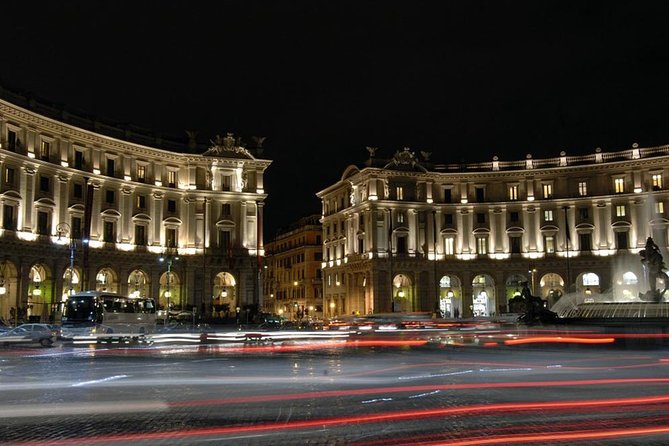
Next comes Piazza San Bernardo, a short 5-minute stop centered on the Moses fountain. This is the kind of location you’d likely walk by without a second glance—unless someone points out what’s going on and how the symbolism connects to the setting.
This is where the guided format really pays off. Instead of treating every fountain like the same photo stop, the tour spotlights distinct moments in Rome’s visual language. A short stop can work well if the guide uses that time to give you context fast, so you leave understanding what you saw.
Even if the time here is brief, it’s worth it because it adds contrast. Trevi is massive and famous. Moses Fountain is quieter and less expected—so once you understand the themes across different fountains, Rome starts to feel like one connected story rather than a list of attractions.
The middle stretch: covering several fountains without running in circles
Between Piazza San Bernardo and the next major stop, the tour includes a section that focuses on multiple fountains in Rome. The structure is designed for you to move from point to point while your guide keeps the “thread” tight.
Here’s what that means for you in practical terms: you’re not walking aimlessly. You’ll know which corner you’re at, what element matters, and what to watch for visually. That’s a lot easier than trying to research fountain symbolism on your phone while you’re standing under streetlights.
This fountain-focused middle section also helps you absorb Rome’s symbolism pattern. Water features weren’t just decoration. They acted like public messaging—about authority, faith, and Rome’s self-image.
Possible drawback: because the route keeps moving, you’ll need comfortable shoes and patience for stop-and-start traffic near busy squares. If you want a slow, sit-down tour with long rests, this format may feel a bit brisk.



Piazza Venezia and the ending push: where the walk clicks into place
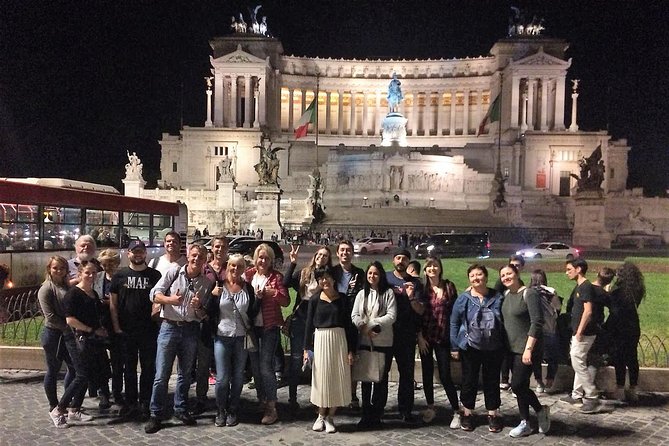
Piazza Venezia is your end point, with about 15 minutes there. This stop gives your tour a satisfying finish because it’s a central Rome hub—easy to orient yourself from and convenient to transition into whatever you planned next.
Ending at Piazza Venezia also means your last moments are still scenic. You’re finishing in a place that gives you a clear sense of where you are in the city, so you’re not scrambling to figure out your next move after the tour is done.
Even if you don’t linger long, 15 minutes is enough time to take in the big surroundings and let the tour’s theme settle in: after a night of fountains and landmark connections, Piazza Venezia feels like the logical “closing scene.”
Palazzo del Quirinale: the presidents home from the outside
Palazzo del Quirinale is included as another 15-minute stop. It’s described as the presidents home, and the tour’s time there is all about looking, listening, and connecting the building to Rome’s modern role.
A fun detail you might catch depending on the day: some guides’ routes have included chances to see the changing of the guard near the palace area. It’s not something I’d count on as guaranteed every night, but the fact that it shows up in real tours tells you it can happen during your time window.
This stop also breaks up the evening nicely. After fountains and squares, a palace exterior gives you a different visual scale, and it helps explain how Rome blends ceremony and street-level life.
Possible drawback: you’re time-boxed here. If the palace area is a top priority for you, plan to add extra time after the tour ends so you can slow down.
How the guides shape the experience: names you may hear
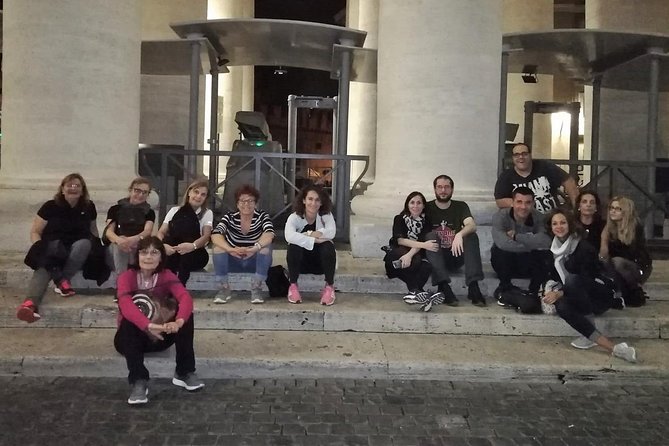
The guides are a big reason this tour scores high. Across the guide names that show up in the tour feedback, there’s a consistent pattern: they don’t just point at sights—they explain connections.
I’ve seen praise tied to guides such as Ainara, Anna, Maria, Carmella, Yousef, Mak, Cameel, Cecelia, Camila, Marie, Marco, Mac, and Michael. The common theme is clear: they bring energy, answer questions, and connect the architecture and symbolism to bigger Rome topics like politics and religion.
That means if you like learning on your feet, this tour is built for you. If you prefer silence and only want photos, you can still enjoy it—but you’ll get the best value by treating the guide as your live audio guide.
Pacing, walking comfort, and who this suits best
This is a walking tour with multiple stops clustered around central Rome. The total time is about 1 hour 30 minutes to 2 hours, and it runs in all weather. That means you should expect uneven pavement, night air, and the occasional puddle.
You’ll be happiest here if you:
- Want major sights but at an easier pace than daytime sightseeing
- Enjoy explanations while walking, especially about symbolism and art details
- Like fountains as a theme and want the stories behind them
You might skip it (or pair it with something else) if you:
- Have very limited mobility and need lots of long sit-down breaks
- Want a long, deep photography session at a single monument
Group size helps. With a maximum of 30, it usually stays comfortable enough for questions, and it’s not the same experience as a huge bus tour.
Price and value: $4.59 per person is the hook
The price listed is $4.59 per person, and that’s the kind of number that makes you take a second look. Even if you don’t expect luxury at that cost, you should expect planning to be tight and time to be used efficiently—because the whole tour concept is built around seeing more by packing knowledge into a short walking window.
What you do get is a local guide and a professional guide, plus free stop access at the listed sights. You also get a mobile ticket, which cuts down on paper fuss.
What you don’t get is food and drinks. Tips are not included either, so if you think you’ll be happy with your guide, have a plan for that at the end.
The best way to judge value is simple: would you pay for a guided explanation of Trevi Fountain and related landmarks, plus a theme-based route that keeps you from wandering? If yes, the cost is likely a bargain.
What to bring for a smooth evening
Because it runs in all weather, treat this like a real evening walk, not a casual stroll. Wear shoes that handle uneven sidewalks, and bring a light layer. If rain is possible, pack something small for your head or shoulders so you’re not miserable through the whole session.
Also, since food and drinks are not included, plan a snack strategy. Either eat before the tour or plan a quick post-tour meal.
If your phone is your lifeline, keep the mobile ticket available and accessible. You’ll also want your patience with central Rome foot traffic.
Should you book Twilight Treasures?
I’d book it if you want a friendly, theme-led night walk that hits Trevi Fountain and adds meaning to several other stops in a short time window. It’s especially good if you’re the kind of traveler who likes asking questions and letting a guide connect art and symbolism to what’s right in front of you.
I wouldn’t rush into it if you’re the type who needs lots of quiet time at one landmark, or if you’re worried about meeting points and tight timing. In that case, choose something with a slower pace or plan extra margin before 5:00 pm.
If you do book, go early to the meeting point, wear good shoes, and lean into the fountain theme. This tour works best when you treat it like a guided evening story—one you walk through step by step.
FAQ
What time does the Twilight Treasures tour start, and how long is it?
It starts at 5:00 pm and runs for about 1 hour 30 minutes to 2 hours.
Where is the meeting point and where does the tour end?
You meet at Piazza della Repubblica (P.za della Repubblica, 00185 Roma RM, Italy) and the tour ends at Piazza Venezia, Roma RM, Italy.
What is included in the tour price?
The tour includes a local guide and a professional guide.
What is not included during the tour?
Food and drinks are not included, and tips are not included.
Do I need to pay admission fees for the stops?
The listed stops show free admission tickets, including Trevi Fountain and the other included viewpoints.
What languages and group size should I expect?
The tour is offered in English and has a maximum of 30 travelers.
Does the tour operate in all weather, and what should I do?
It operates in all weather conditions, so dress appropriately for the conditions.
How does free cancellation work?
You can cancel for a full refund up to 24 hours in advance of the experience start time. If you cancel less than 24 hours before, the amount paid isn’t refunded.