REVIEW · SICILY
Walking Tour and street food Tour Palermo / History and Food
Book on Viator →Operated by Walking Tour Palermo · Bookable on Viator
Palermo tastes better with a local guide. This old-town walk blends standout architecture with hands-on eating at the Ballarò market, so you get two kinds of discovery in one outing. You’re not stuck doing homework with a map while hungry.
I especially like that the experience is led by Domenico Aronica, a licensed tour guide and professional photographer who runs Walking Tour Palermo and focuses on pairing history, culture, monuments, and street food. I also like the street-food tastings included in the price, with items such as arancini, local pizza, fresh juice, and cannoli.
One caution: the tour includes plenty of monuments and church time, so if you want a food-only crawl, you may find this leans more historic than you expect.
In This Review
- Key things to know before you go
- Why Quattro Canti is the smartest starting point
- Centro Storico: the old heart of Palermo, on foot
- Quattro Canti and Fontana della Vergogna: street art for the eyes
- Ballarò Market: street food tasting in the thick of it
- Chiesa Santa Maria dell’Ammiraglio (Martorana): where the art stops you
- What the 3 hours are really worth (and what you might still want)
- Pace and practical details that affect comfort
- Who should book this Palermo history and food walk
- Should you book this Palermo walking tour and street food experience?
Key things to know before you go
- Domenico Aronica leads the walk, blending photo-friendly details with storytelling you can actually use.
- Small group (max 15) keeps the pace human and makes it easier to ask questions.
- Ballarò Market tastings are built in, including arancini and cannoli, not just “see and maybe later.”
- Church entrance fees are included for some stops, so you’re not constantly hunting tickets.
- The start point is Quattro Canti, right in the old-town center, which helps you orient fast.
Why Quattro Canti is the smartest starting point
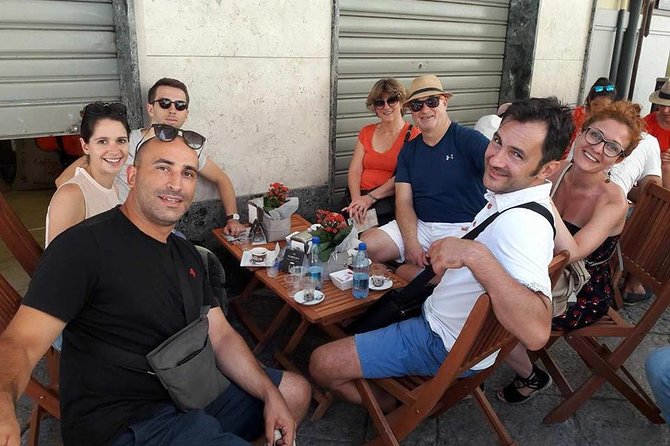
I like starting in Quattro Canti because it’s the city’s old-town crossroads in plain sight. You find it at Piazza Vigliena (near the meeting point), and it’s an easy anchor for the rest of the walk. If it’s your first time in Palermo, this helps you build a mental map quickly.
The timing also matters: the tour starts at 9:30 am and runs about 3 hours. That puts you in the historic center while the day is still workable for walking and before the market gets too intense. It also means you’ll likely still have energy to roam on your own after.
You’re also not wandering alone with a guidebook. The whole structure is designed so you follow one path, hit key sights, and then turn that walk into food.
You can also read our reviews of more tours and experiences in Sicily.


Centro Storico: the old heart of Palermo, on foot
The tour’s first big block is the Centro Storico walking portion, roughly an hour of moving through Palermo’s historic core. This is where you’ll see the kind of palaces, squares, and churches that make people stop mid-street and stare upward. I like this approach because it doesn’t treat the city like a checklist.
This portion is also explicitly about context. Domenico’s style focuses on why these places exist and what they mean in Palermo’s story, not just what date they were built. You’ll learn how the city’s layers show up in what you’re seeing in front of you.
A practical note: since you’re touring on foot, wear shoes that handle uneven old-stone streets. And if the weather is hot or rainy, plan accordingly—this experience depends on good weather.
Quattro Canti and Fontana della Vergogna: street art for the eyes
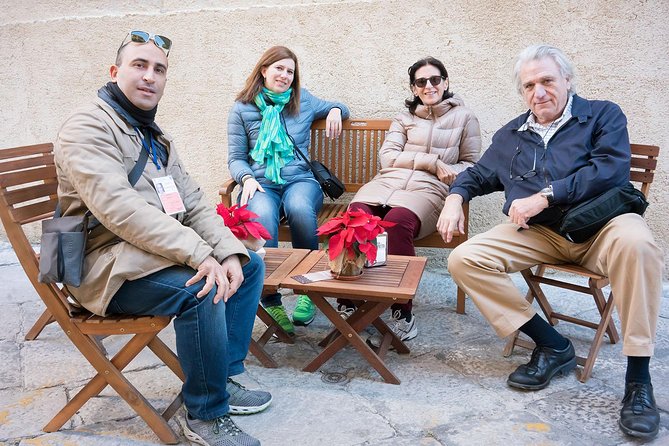
After the general old-town orientation, you hit two quick, high-impact sights that many visitors miss if they’re rushing.
Quattro Canti is a famous crossroads in the historic center, and the whole point of the stop is to understand why it’s important. It’s not just a photo spot; it’s a visual hub where Palermo’s geometry and grandeur show up in a tight space.
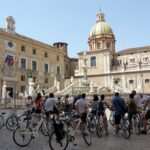
Then you’ll step into Fontana della Vergogna (often known as the Pretoria Fountain). It’s a big Renaissance-style fountain moment—more dramatic than you’d expect for something you might have passed without stopping. I like how these short stops keep the walk from feeling like only churches and doors.
The trade-off is time: these are brief viewpoints, not long museum sessions. If you love to linger, you’ll have to choose your pace between listening and taking your own photos.
Ballarò Market: street food tasting in the thick of it
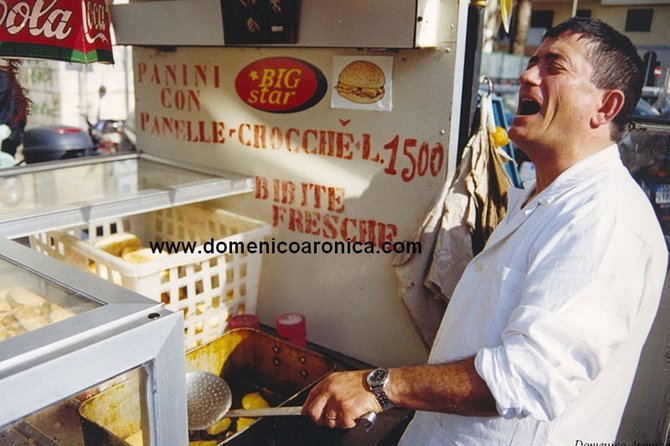
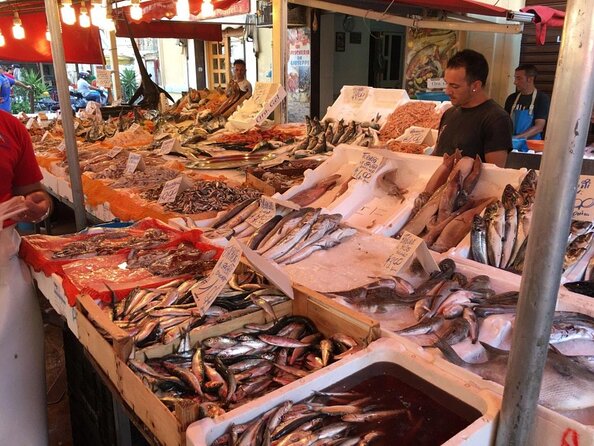
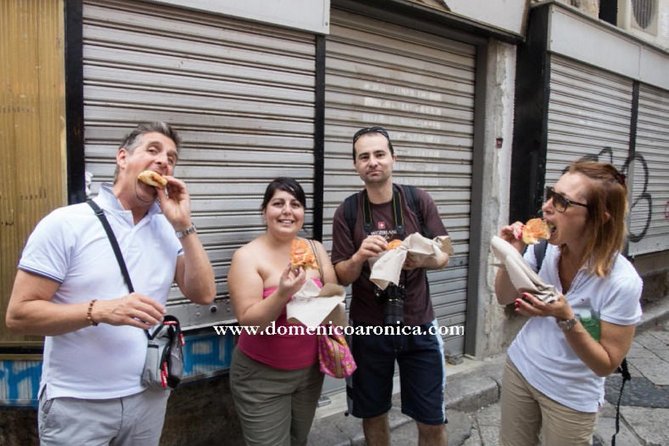
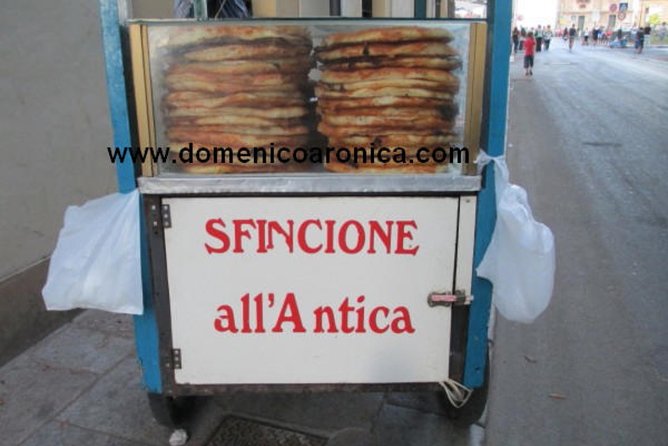
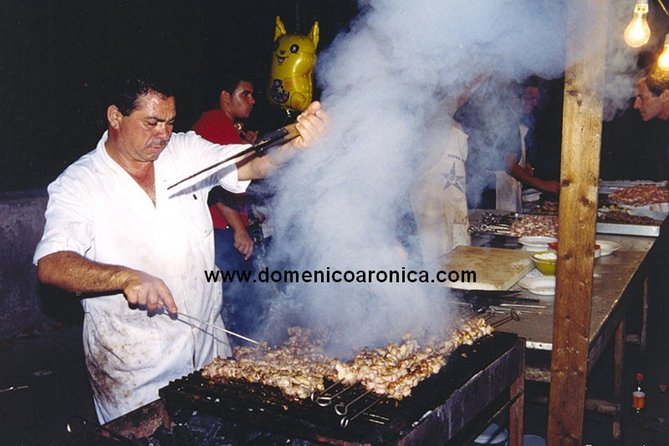
This is the center of gravity for the food part of the tour. You’ll head to Mercato di Ballaro, a major open-air market in Palermo, and you’ll have about 50 minutes there for tastings. The market is where Palermo feels most alive—busy lanes, lots of sounds, and vendors doing what they do best.
What I like about the way this is handled is simple: you don’t have to translate a menu while hungry. The tastings are planned for you, and the guide’s job is to help you navigate how to eat there without turning it into an overwhelming maze.
The included tasting list covers major hits, including:
- arancini
- local pizza
- fresh juice
- cannoli
Also, the tour includes lunch-style street food tasting as part of the market stop, so it’s not only small bites. One more useful detail: the tour doesn’t promise fish or coffee, so if those are your must-haves, you’ll want to plan to find them outside the tour.
Crowd-wise, a guided walk helps a lot. Markets can feel like sensory overload if you’re on your own, and having someone direct you means you spend time eating, not just figuring out where to stand.
Chiesa Santa Maria dell’Ammiraglio (Martorana): where the art stops you
The final sight is Chiesa Santa Maria dell’Ammiraglio, also called the Chiesa della Martorana. This is one of those Palermo churches where you’ll want to lower your voice and slow your steps, because the interior details demand attention.
What makes this stop valuable is the combination: you’re coming straight from the market’s street-life energy into a place built for artistic focus. That contrast is part of what makes the tour feel cohesive, not random.
Entrance fees are included for some churches on this tour, and this one is part of that experience. I like that you don’t need to juggle tickets at the exact moment you’re trying to take photos and follow explanations.

What the 3 hours are really worth (and what you might still want)
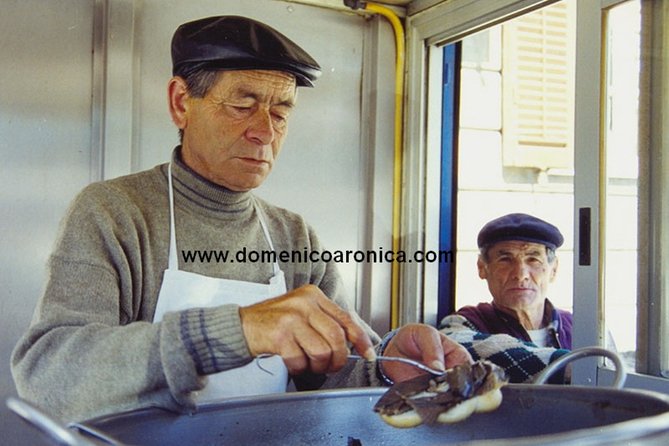
The price is $55.61 per person, and for that you get guided walking time plus lunch-style street-food tasting at the market. You’re also getting entrance fees in some churches, and that can quietly add up if you’re paying separately while planning other stops in Palermo.
To judge value, think about what you would likely do on your own:
- You’d still pay for tastings, one by one.
- You’d still want a guide to explain what you’re looking at in the Centro Storico.
- You’d still pay entry fees for at least some of the churches you’re likely to target.
Here, the structure bundles those parts together. You’re paying for time, context, and food, not just a walk.
That said, this isn’t an all-day food binge. You get a curated sample, and it’s more practical than competitive. If your goal is to eat nonstop from stall to stall for hours, you may want to follow up after the tour with another self-guided stop or two.
Pace and practical details that affect comfort
This is a small-group experience with a maximum of 15 travelers, which matters. In crowded areas like Ballarò, smaller groups are simply easier to manage. You won’t feel like you’re part of a moving crowd of strangers at every turn.
You’ll also move at a steady walking pace across the historic center. The stops vary in length—some are short, like the crossroads and fountain moments, and the market stop is longer. Plan around that: bring a light layer and expect to walk.
A few items to keep in mind:
- No hotel pickup is provided, so you’ll need to get to the start yourself.
- Bottled water isn’t included, and the tour lists no water, so bring your own.
- If you want coffee, plan on getting it outside the tour plan.
If you’re sensitive to heat, the morning start can help. But hot or rainy days can still shift how comfortable walking feels, and the tour requires good weather.
Who should book this Palermo history and food walk
This tour is a great fit if you want to see Palermo in a way that’s more than just photos. I’d point you to this option if you like architecture and you also want real street food that’s specific to Palermo.
You’ll also enjoy it if:
- you’re visiting for the first time and want a fast orientation to the old town
- you like asking questions and getting explanations on the spot
- you want a guided market experience without getting lost or overthinking ordering
It may be less ideal if you’re a hardcore food-only traveler who expects most of the time to be eating. One common theme is that the balance includes substantial history and church time, so the food is a big highlight, not the whole show.
It’s also not for the very young: the tour states no children younger than 9 years old.
Should you book this Palermo walking tour and street food experience?
Book it if you want a smart first pass through Palermo that combines key old-town sights with planned tastings at Ballarò Market. The main selling point for me is the balance: you get explanation where it matters, and you get food that’s actually included rather than left to chance.
Skip it (or consider a different style of tour) if you mainly want a long, free-form street-food crawl, or if you’re hoping the tour plan is built around fish and coffee. And if you hate walking or you know you’ll struggle in crowds, you might feel more comfortable with a less market-focused option.
If you can handle a steady morning walk and you’re excited by both churches and street food, this one is a strong bet for your Palermo day.