Rome has a second story, and this walk tells it. This Rome city-center walking tour mixes famous sights with lesser-seen access, powered by guide storytelling about the families, popes, emperors, artists, and power games that shaped what you’re looking at today. I also like the Pay-What-You-Want setup that makes the experience feel personal, since guides earn through your tips.
You’ll pass major stops like Trevi Fountain, the Pantheon, and Piazza Navona, but the focus is on what those places meant and who used art and architecture to sell power. You’ll also get drawn into darker sides of the city—scandals, corruption, crime, war, and betrayal—plus the guide’s humor (including jokes that can be politically incorrect).
One consideration: if you prefer strictly clean, “only-the-facts” history, the tour’s dark humor may not be your style. Also, it’s a walking tour at a steady pace, so comfortable shoes matter.
In This Review
- Key things to know before you go
- A Rome walking tour that reads like power, not postcards
- Where you meet: Trajan’s Column area, not a random plaza
- Trajan’s Column to Piazza Venezia: the “why” behind the monuments
- The secret stop: short visit, big payoff
- Monastery time and papal private gardens admission
- Trevi Fountain: the crowd magnet, plus the propaganda lesson
- Chiesa di Sant’Ignazio di Loyola: the ceiling that tells on Rome
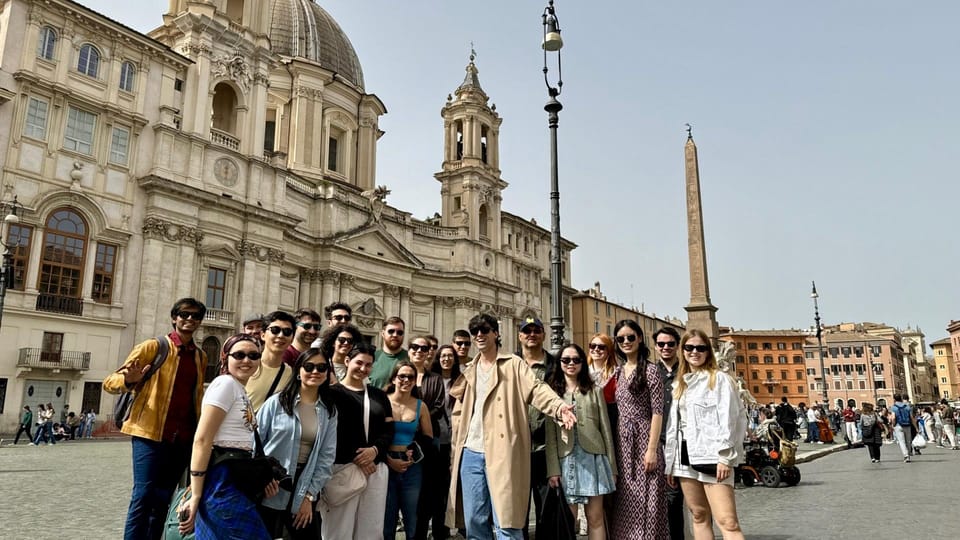
- Pantheon to Piazza Navona: from engineering genius to Baroque theater
- Price and tip budgeting: what $3.77 really buys you
- Guide style: humor, conversation, and story-led history
- Who should book this Rome walk, and who should skip it
- Should you book this alternative Rome center walk?
- FAQ
- How long is the walking tour?
- Where do I meet the guide?
- What languages are offered?
- Is the tour really tip-based?
- What major landmarks are included?
- What’s included besides a guide?
- Can I cancel and get a refund?
Key things to know before you go
- Starting at Trajan Forum territory: you meet right by Chiesa del Santissimo Nome di Maria al Foro Traiano, near Trajan’s Column.
- Families-in-power approach: you’ll learn how dynasties and institutions shaped monuments, churches, and public spaces.
- Off-limits style stops: there’s a secret stop plus monastery access that you’re unlikely to find on your own.
- Fountains and propaganda explained: Trevi-type spectacle gets framed as political messaging, not just baroque beauty.
- Papal private gardens admission included: the tour includes admission as part of the experience.
- Tip-based by design: guides work for tips alone; typical tips run about 10€ to 50$.
A Rome walking tour that reads like power, not postcards
This tour works because it keeps asking a simple question: who benefited from what you’re seeing? That’s why you’ll hear stories about powerful families, shifting alliances, and propaganda—then look at a monument and suddenly understand why it was built in that specific way.
I like that it’s not only “ancient Rome, then done.” You connect ruins to Renaissance basilicas, Baroque fountains, and even the surprise of Egyptian obelisks showing up in the city’s visual language. You’ll leave with a stronger sense of how Rome kept reinventing itself while staying obsessed with authority.
You can also read our reviews of more tours and experiences in Rome.

Where you meet: Trajan’s Column area, not a random plaza
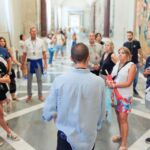
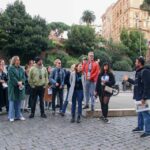
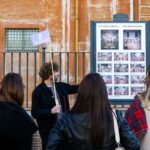
Meet at the steps of Chiesa del Santissimo Nome di Maria al Foro Traiano, right by Trajan’s Column and Trajan Forum. The guide holds a tour sign with the tour name, so it’s straightforward to spot the group.
This matters because that neighborhood sets the tone immediately: you’re starting in a part of Rome that’s about imperial ambition and public spectacle. If you arrive early, use the time to look around the forum area calmly before the group moves into the busiest streets.
Trajan’s Column to Piazza Venezia: the “why” behind the monuments
The walk begins with a stop around Trajan’s Column, including a photo moment and a guided look. From there, you shift toward Piazza Venezia with a short photo break and sightseeing time.
What makes these segments useful is the way the guide links architecture to power. Instead of treating the sights like isolated trophies, you’ll hear how Rome’s rulers used visual storytelling to shape public memory—so you don’t just memorize names, you understand the strategy.
If you’re the type who gets lost in dates, this is a good approach. You’ll get the narrative thread of political rise-and-fall, and your brain tends to hold onto that better than a timeline.
The secret stop: short visit, big payoff
Halfway early on, the tour includes a secret stop with a brief photo moment and guided visit. Even though the exact location isn’t advertised in a way you can map at home, the point is clear: you’ll see a slice of the city that’s easier to miss and harder to reconstruct later.
This kind of stop is especially valuable if you’ve already done the “Rome greatest hits.” You still get the core landmarks later, but you start building an internal map of Rome’s lesser-known corners and the layers of meaning behind them.
Practical note: because it’s short, bring your curiosity and listen closely when the guide is explaining what you’re actually looking at. The best part is usually the interpretive detail, not the photo angle.
Monastery time and papal private gardens admission
Next comes a longer monastery stop, with a photo opportunity and guided sightseeing that lasts about 25 minutes. This is also where the tour’s papal-related access matters: papal private gardens admission is included with the experience.
You won’t just sprint past. You’ll slow down long enough to see how religious institutions shaped Rome’s streets, patronage, and artistic priorities. And if you enjoy moments that feel calmer than the main tourist flow, this stop tends to break up the energy of the center streets.
One realistic consideration: monastery and garden-style access can mean you’ll be around rules and quiet zones. Dress reasonably and keep your voice low—Rome rewards respectful visitors.

Trevi Fountain: the crowd magnet, plus the propaganda lesson
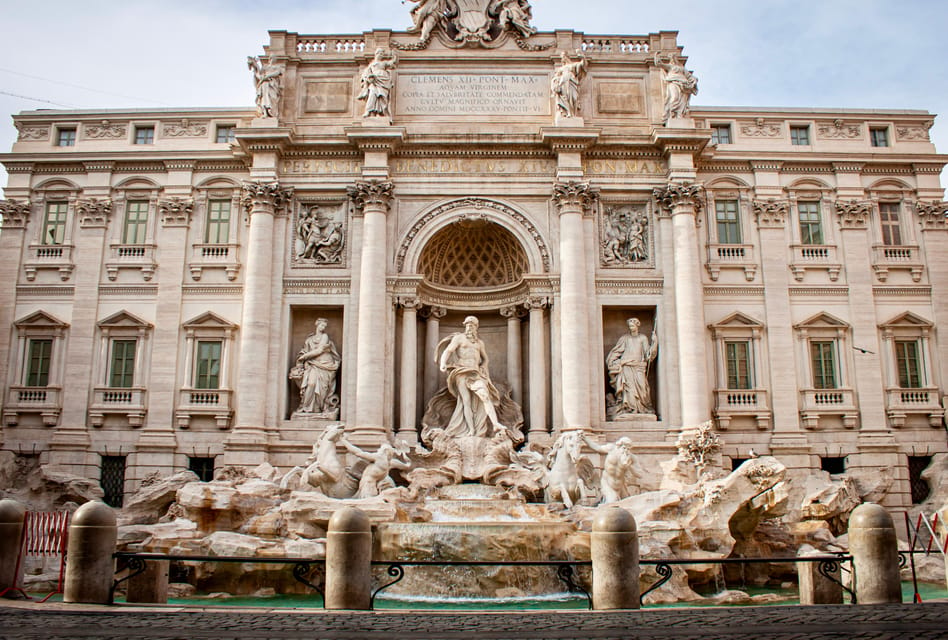
Trevi Fountain gets a classic Rome time slot, with a break, photo stop, guided tour, free time, and sightseeing. In other words, you get the full experience of seeing it in person without pretending the area is calm.
What makes this stop more than a postcard is the way the guide talks about fountains as symbols of power and public messaging. You’ll connect the spectacle to why elites wanted the city to look a certain way—and why public art still carries political weight long after the original rulers are gone.
If you’re trying to avoid feeling rushed, use the free time to pause and watch how people behave. Rome’s fountain crowd isn’t random; it’s part ritual, part performance, part tradition. You’ll start seeing it as culture, not just congestion.
Chiesa di Sant’Ignazio di Loyola: the ceiling that tells on Rome
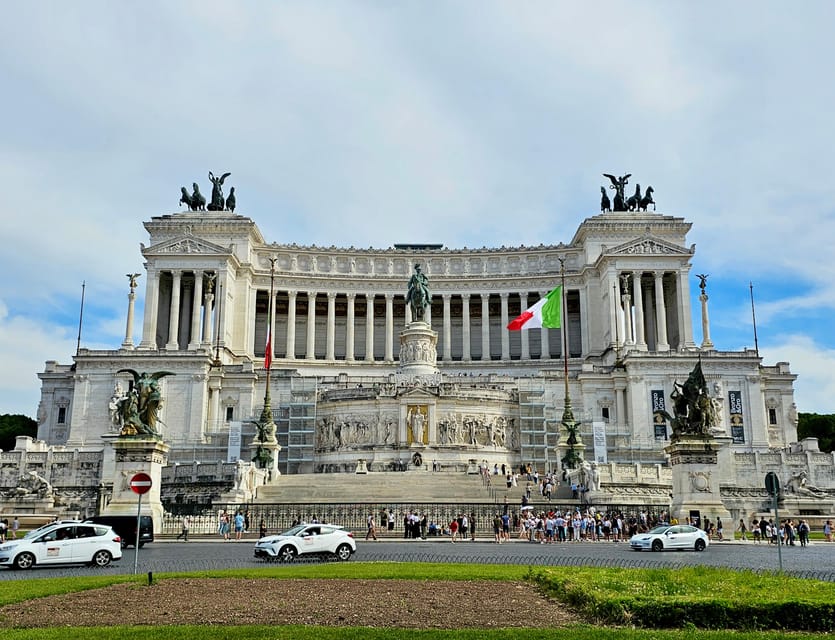
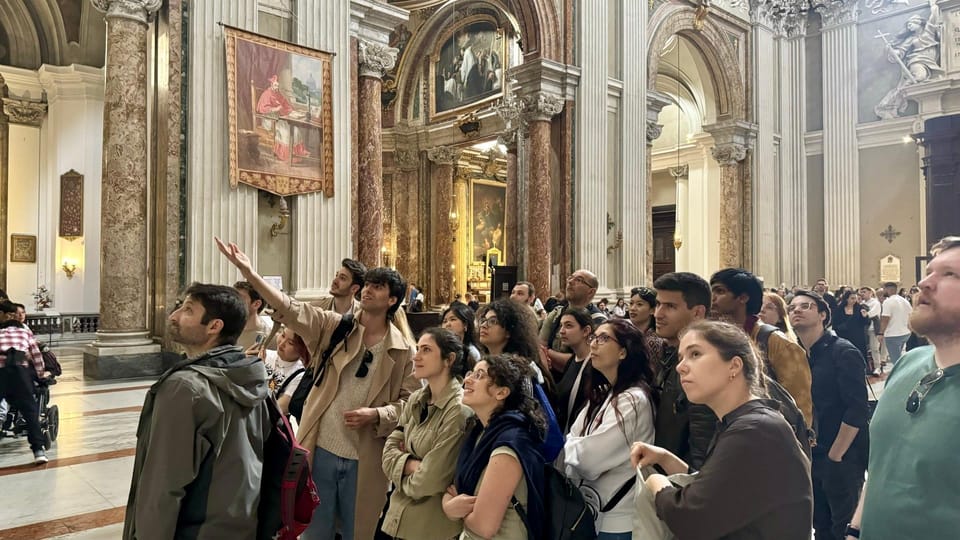
You’ll stop at Church of Sant’Ignazio di Loyola with a photo moment, guided visit, and sightseeing time. This is the kind of place where Rome shows off its ability to turn architecture into persuasion.
One guide strength that comes through in the experience is attention to the art itself. For example, the church is known for its striking ceiling frescoes, and you’ll understand why that ceiling is more than decoration. It’s a visual argument—light, perspective, and religious storytelling working together.
If you like churches as cultural documents, not just religious buildings, this is a highlight. It also helps break the “outdoors only” rhythm of a walking tour.
Pantheon to Piazza Navona: from engineering genius to Baroque theater
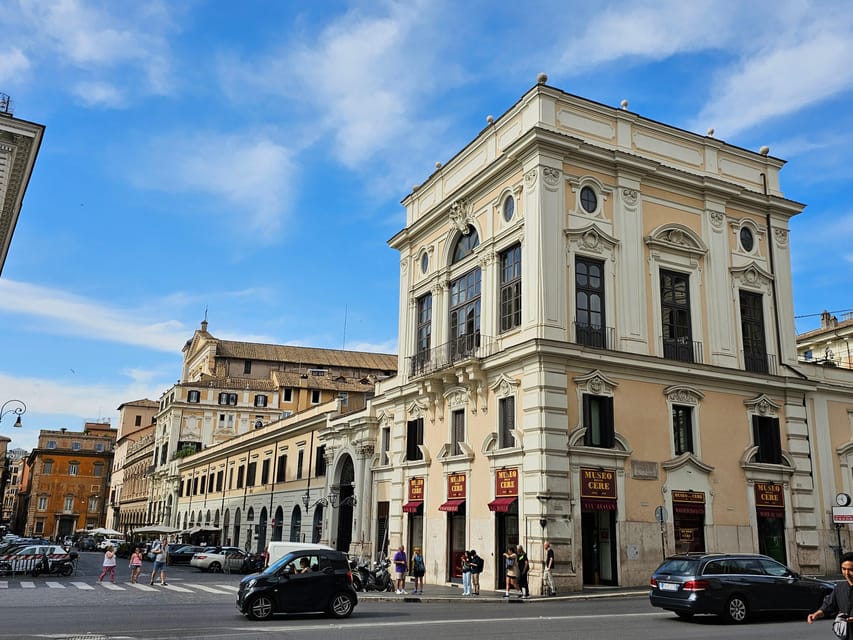
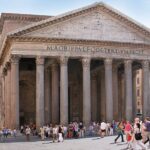
Next up is the Pantheon, with a short photo stop, guided tour, and a quick walk-through. Then you finish at Piazza Navona, with sightseeing and a guided look that lasts about 15 minutes.
Here’s the value: the guide keeps bridging eras so you see Rome’s continuity. The Pantheon can feel like a technical marvel in your head, but the stories help you see it as a symbol—an emperor’s statement turned into a long-lasting cultural reference point.
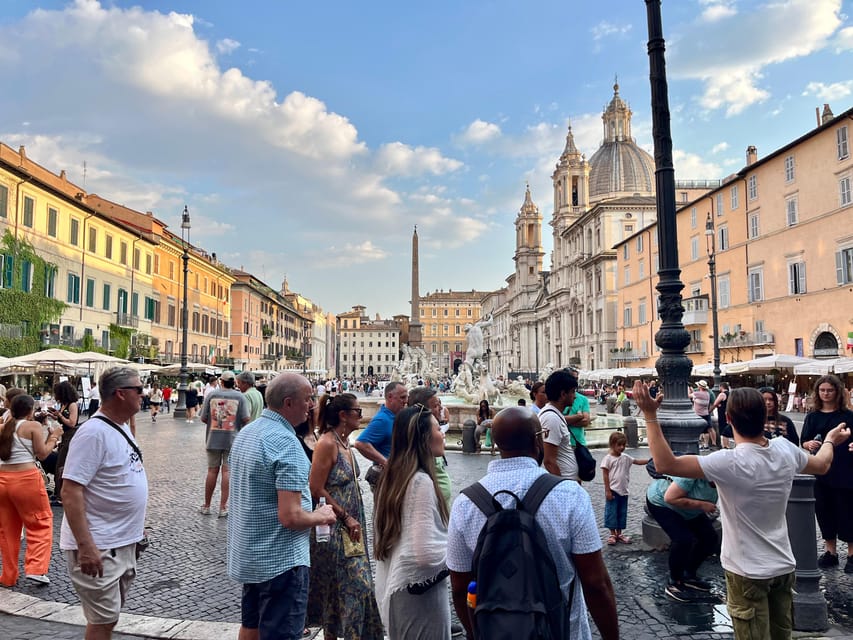
At Piazza Navona, the focus shifts to the street-level theater of Rome—public space as stage. You’ll get the sense that the city’s “open air rooms” weren’t accidental. They were designed for visibility, gathering, and social meaning.
If you’re doing Rome for the first time, you’ll get the essentials with context. If you’ve already seen these sites, you’ll still get a different lens, especially through the families-and-power framing.
Price and tip budgeting: what $3.77 really buys you
The listed price is extremely low (about $3.77 per person), which is a big part of why this tour can feel like great value. But the most important financial detail is the model: it’s tip-based, and guides work for tips alone.
That means your real “cost” is the tip you choose at the end. Typical tips run about 10€ to 50$, depending on your experience and how much you feel the guide delivered. If you’ve ever wondered whether pay-what-you-want tours are fair, this one gives you a clear answer: you reward quality directly.
My practical advice for budgeting:
- If you book on a tight schedule, don’t assume the low price covers everything. Plan a tip amount in advance.
- Bring some cash if you can, since that’s often easiest for end-of-tour tipping (the tour indicates cash or card is possible for tips, but cash can still be smoother).
- If the guide answers lots of questions, handles crowd navigation well, and makes the art “click,” tip at the higher end rather than treating it like a token.
Also, at roughly 2.5 hours, you’re getting a guided narrative that’s hard to replicate with a solo audio app. When the guide is strong, that storytelling time is the real product.
Guide style: humor, conversation, and story-led history
A recurring theme in the experience is how guide personality affects the whole walk. Guides like Iris, Jacopo, and Simone show up as standout names, with people praising energetic storytelling and a sense of humor that helps tough topics land.
You should expect the tour to include controversial material—scandals and corruption, crime and murder, war and betrayal—plus dark humor and jokes that may be politically incorrect. If that sounds fun, you’ll probably love the pace and tone, because it makes history feel like a lived drama rather than a textbook.
One more practical plus: you’ll likely get face-to-face interpretation rather than a fully detached headset experience. People also mention the guides being approachable and open to questions, which is a big deal on a walk through crowded streets.
Who should book this Rome walk, and who should skip it
This tour is a good fit if you:
- Want Rome context fast, especially your first day in the center
- Like history framed through people, families, and power
- Prefer off-the-beaten-path access rather than only sweeping through the same main streets
- Enjoy guides who explain art and symbolism, not just dates
It might be a weaker fit if you:
- Want strictly neutral, sanitized commentary
- Dislike politically incorrect jokes or dark humor
- Don’t like walking for about 2.5 hours, even at a comfortable pace
Should you book this alternative Rome center walk?
Yes, if you want a Rome tour that gives you more than the usual “stand, look, move on” routine. The biggest value is the way the guide connects famous monuments to the forces behind them—families, institutions, art as messaging, and the city’s habit of rebranding itself.
Book it with one realistic expectation: it’s a tip-based experience where your guide’s energy and storytelling shape the whole result. If you’re the kind of traveler who enjoys asking questions and staying engaged, this will feel like money well spent even with a low listed price.
If humor and darker stories are your thing, you’ll probably come away with a sharper, more personal sense of why Rome keeps grabbing attention long after you leave Piazza Navona.
FAQ
How long is the walking tour?
The duration is about 2.5 hours.
Where do I meet the guide?
Meet on the steps of Chiesa del Santissimo Nome di Maria al Foro Traiano, near Trajan Column and Trajan Forum. The guide holds a tour sign.
What languages are offered?
The live tour guide offers Spanish and English.
Is the tour really tip-based?
Yes. It works on a pay-what-you-want model, where guides work for tips alone. Typical tips are around 10€ to 50$.
What major landmarks are included?
You’ll see Trevi Fountain, the Pantheon, and Piazza Navona, plus other key stops in Rome’s center.
What’s included besides a guide?
In addition to the walking tour and city highlights, it includes hidden-portion stops and papal private gardens admission.
Can I cancel and get a refund?
Yes. There’s free cancellation up to 24 hours in advance for a full refund.