REVIEW · ROME
Cooking Class 2 Hour Spanish Steps – Fettucine and Tiramisù
Book on Viator →Operated by cheforaday · Bookable on Viator
Fresh pasta, in the heart of Rome. This 2-hour class teaches you the hands-on basics of making fettucine and building a classic tiramisù in a real Roman restaurant setting, with professional instruction in English. You’ll also get a nearby add-on moment with the Spanish Steps right after the class, so it fits neatly into a sightseeing day.
I especially like the small-group vibe (up to 20 people) and the way the class is built around repetition—mixing, shaping, and learning what the dough should feel like. Another strong point is the full “you did it” reward: you cook, then sit down to eat what you made, with wine plus limoncello at the end.
The one thing to consider is pace and expectation. It’s a tight, fast 2 hours, and the eating time is not built in the same way you’d expect from a long, slow dinner—so come hungry, but don’t plan on lingering.
In This Review
- Key things to know before you go
- What you’re really doing: pasta basics plus Roman dessert magic
- The 2-hour schedule: tight timing, real results
- Time to eat isn’t built in the same way
- Step-by-step fettucine: where beginners gain confidence fast
- Choosing your sauce: included, but keep it simple
- Tiramisù in a Roman restaurant: the dessert part you’ll remember
- Wine, limoncello, and coffee/espresso: the meal’s flavor layer
- The Spanish Steps follow-up: how to plan the rest of your afternoon
- Where it happens: finding the entrance and getting settled quickly
- Pricing and value: is $113.72 worth it?
- Who this class is best for (and who might want something else)
- Tips to get the most out of your cooking class
- Should you book this Rome pasta and tiramisù class?
- FAQ
- How long is the cooking class?
- Where is the meeting point in Rome?
- What will I learn to make?
- Is the tour offered in English?
- How much is the class?
- What’s included with the meal?
- Are there any items not included?
- Will I go to the Spanish Steps?
- What’s the maximum group size?
- What is the cancellation policy?
Key things to know before you go
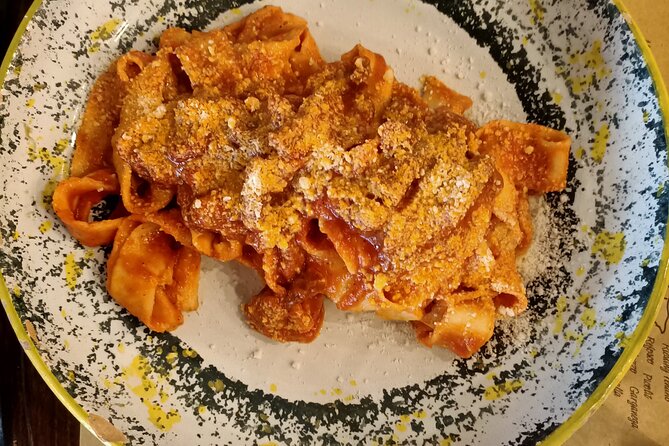
- Fresh fettucine + tiramisù hands-on, hands-on, hands-on.
- Up to 20 people, so the room doesn’t feel like a cafeteria line.
- Wine or soft drink included, plus a limoncello finish and optional espresso/coffee.
- You’ll cook in a real Roman restaurant, then eat there with your group.
- Spanish Steps are a practical follow-up stop right after the class.
What you’re really doing: pasta basics plus Roman dessert magic
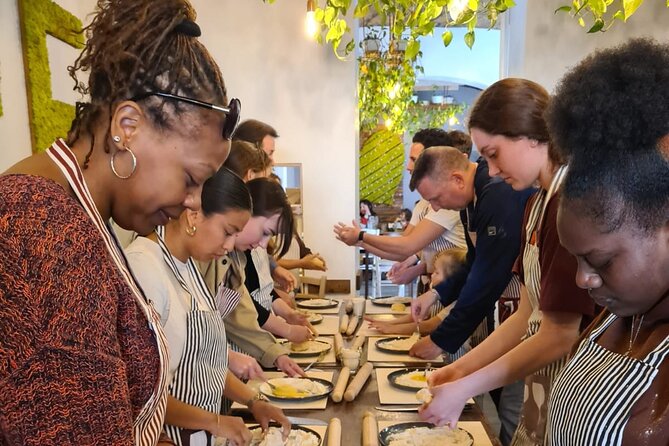
This isn’t a “watch the chef” demo. The point is to turn flour and eggs into something you can actually make again at home—simple technique, taught step by step. You’ll learn the fundamentals of fresh pasta using your hands, then apply those skills to fettucine. That matters in Rome because you’re not just collecting a souvenir. You’re taking home a real skill, even if you’re a total beginner.
And then there’s tiramisù. This class treats dessert like a proper part of the meal, not a last-minute add-on. The tiramisù gets prepared together in the group, so you’re not left hoping everything will set perfectly while you wander for dessert. You’ll also learn enough that you can repeat the steps later, even if you’re not recreating the exact same rhythm.
The instruction style is friendly and structured. In past classes, instructors like Lucas, Luca, Paola, Irina, Lillo, and Gaby/Ricardo have been credited for being patient and entertaining—so even when the cooking gets hands-on, you’re not stuck figuring it out solo. Expect stories, encouragement, and coaching on the moments that trip people up (especially dough texture).
You can also read our reviews of more tours and experiences in Rome.


The 2-hour schedule: tight timing, real results
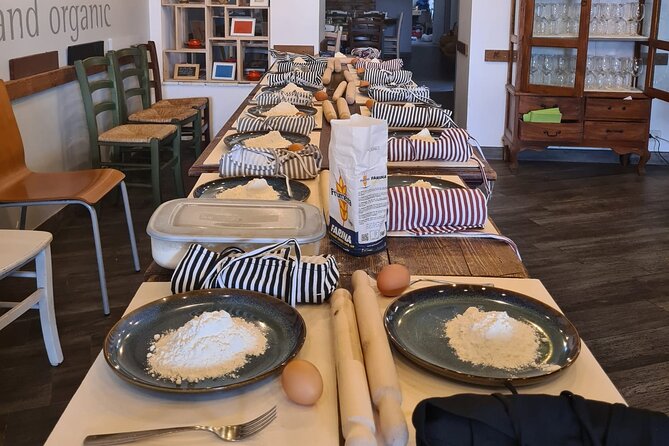
Plan for an experience that runs about 2 hours total. That’s long enough to learn the core steps and make a meal you’ll eat, but short enough that you shouldn’t expect slow, kitchen-lesson pacing. In other words: you’ll move.
Here’s how it typically feels, based on how the class is set up:
- You start with pasta technique and hands-on dough work.
- You and the group prepare the pasta together, then cooking happens for the portions.
- While the pasta situation is handled, you also work through the tiramisù preparation in a group flow.
- When it’s time, you sit down and eat the meal you made.
One practical tip from the experience: if you like the wine-and-cooking combo, don’t be shy about asking at the right time. The class includes one glass of wine (or a soft drink alternative), but if you want extra drinks beyond what’s included, you should expect additional cost.
Time to eat isn’t built in the same way
The class notes that time to eat is not included. That doesn’t mean you won’t eat. It means the 2 hours are about making and the meal portion follows as part of the experience flow, not as a separate long sit-down window. If you’re trying to hit another appointment right after, give yourself a buffer.
Step-by-step fettucine: where beginners gain confidence fast
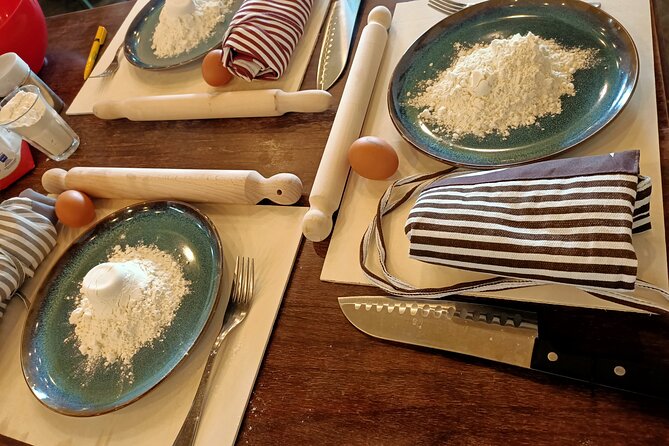
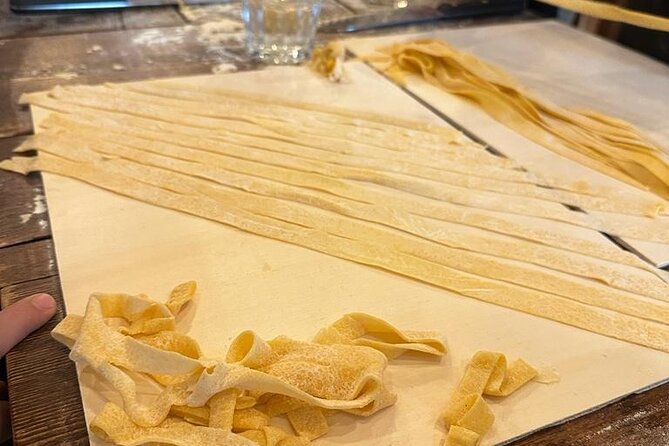
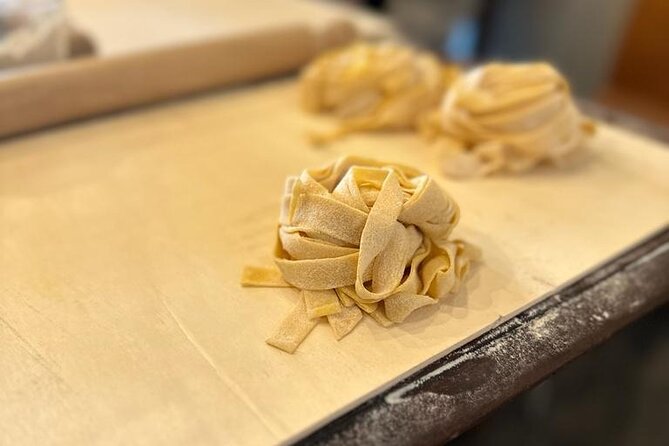
The pasta portion is the heart of the class. They teach you how to turn ingredients into dough you can shape into fettucine, using techniques you can repeat. This is where you’ll feel the value quickly: you’re not just eating fresh pasta—you’re learning the “how” behind it.
What I like most for beginners is that the class focuses on the points where success is physical and immediate:
- Dough should feel right before rolling and cutting.
- Technique is taught in a way that keeps you moving forward.
One of the most helpful takeaways people cite from these classes is learning the dough consistency before you roll it out—because that consistency tells you whether you’ll get pasta that behaves well when shaped. That’s the kind of information you can’t really get from a recipe video.
Also, the group workflow matters. Pastas get cooked together, then divided by sauce. That means you spend your energy on making the pasta, not on every tiny sauce-cooking step—helpful when you’re learning from scratch.
Choosing your sauce: included, but keep it simple

You choose a sauce for your pasta as part of what’s included. The class handles the pasta cooking in a group setting, then you get portions aligned with sauce choices.
What that means for you:
- You can focus on mastering the pasta steps without turning the class into a 4-hour sauce seminar.
- Your sauce choice still feels personal, not generic.
One small consideration: you shouldn’t come expecting you’ll invent a brand-new sauce from scratch or build every component yourself. This is a class centered on pasta technique and the dessert, not a full Italian home-cooking masterclass where you do every element step-by-step.
If you love sauces and want to make everything from scratch later, this class is still a great foundation. You’ll leave knowing how to handle dough, which is half the battle.




Tiramisù in a Roman restaurant: the dessert part you’ll remember
If you only want one reason to book this class, make it tiramisù. It’s a dessert people think they know, but it’s easy to mess up the structure—texture, timing, and assembly.
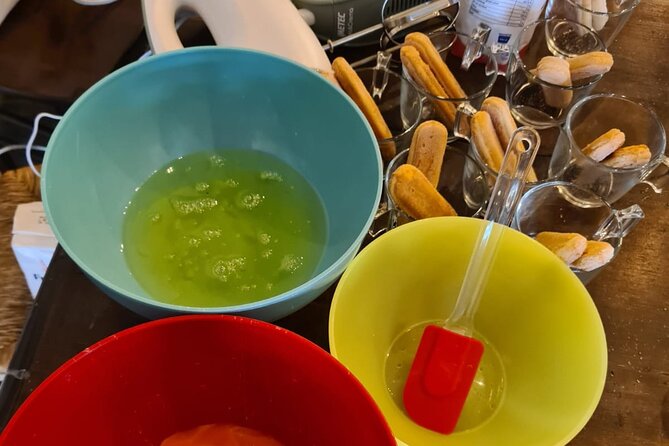
Here you’ll learn in a group setting. The tiramisù gets cooked together, so it doesn’t depend on the luck of your own timing. You’ll also get instruction on how to assemble it so you get the classic layers people expect.
And because it’s being made right there, you don’t just learn technique in theory. You see how it comes together under coaching. That makes the result feel less mysterious—and much more repeatable at home.
Wine, limoncello, and coffee/espresso: the meal’s flavor layer
Food classes in Rome can vary a lot in what’s included with the meal. This one is set up so you don’t feel like you’re paying for cooking alone.
Included with what you eat:
- 1 glass of wine (white or red) or a soft drink alternative
- Limoncello at the end of the meal
- Bottled water
- Coffee and/or tea at the end, with choices that can include limoncello or espresso depending on what’s offered at that moment
There’s also a note that staff won’t serve alcoholic beverages to anyone under 18, which is exactly what you’d want for peace of mind if you’re traveling with teens.
If you enjoy pairing wine with cooking, this class gives you that chance. Just remember: the included drink is one glass. If you want more, you’ll need to treat it like an extra at the restaurant level.
The Spanish Steps follow-up: how to plan the rest of your afternoon
The class is positioned so you can go to the Spanish Steps nearby after your cooking. That’s a smart pairing: you get out of the tourist-heat cycle with something indoor and hands-on, then you head back out to do iconic photo stops.
Because the class duration is about 2 hours and time to eat isn’t counted in that same block, I’d plan your Spanish Steps visit as a “walk over, take photos, and enjoy the views at a relaxed pace,” not a “must be there exactly at 4:15” mission.
Practical tip: Rome steps and sidewalks can feel slick or crowded depending on the day and time. If you’re doing the steps right after pasta, give yourself a few minutes to settle—your legs will thank you.
Where it happens: finding the entrance and getting settled quickly
Meeting point is V. della Croce 34, 00187 Roma RM. The class ends back at the meeting point area.
One practical thing that helps: the cooking class entrance is essentially inside a restaurant setup. When you arrive, ask a staff member or a waiter for directions so you get pointed to the right room and timing. You’ll save time and stress.
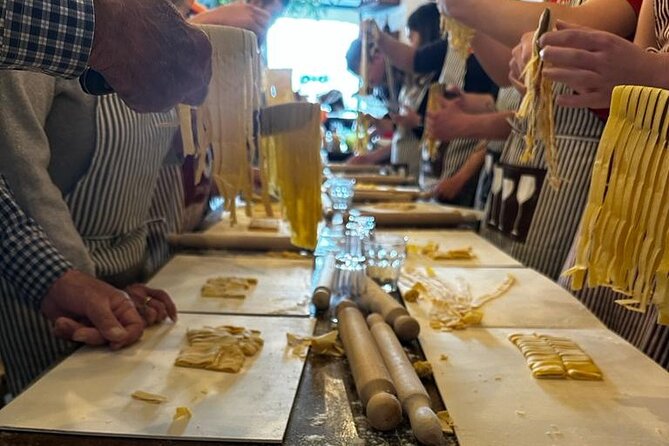
Also, because the experience can involve a range of group sizes (up to 20), getting there a few minutes early helps you get a seat setup and jump into the first instruction without feeling rushed.
Pricing and value: is $113.72 worth it?
At about $113.72 per person for roughly 2 hours, the math only works if you care about the “do it yourself” part. If you’re looking for a simple attraction with a snack, you’ll probably feel like it’s expensive. If you want a skill plus a real meal, it’s a fair deal.
Here’s why it feels good value:
- You’re making fresh pasta and tiramisù, not just tasting.
- You get equipment, instruction, and a certificate, which adds a nice keepsake.
- The meal includes wine (or soft drink), limoncello, and water, plus coffee/tea options.
- A small group keeps the experience from feeling anonymous.
The main “value risk” isn’t the price—it’s your expectations about portions and pacing. If you want a long, slow, full-course restaurant experience, this class isn’t built that way. It’s built to be active, guided, and finished within a short window.
Who this class is best for (and who might want something else)
This is a great fit if you’re:
- A beginner who wants structure and patience
- Traveling as a couple, family, or small group and wants a shared activity
- Trying to add something different beyond museums and churches
- Wanting a hands-on memory from Rome that you can recreate later
It can also work well for rainy days or hot afternoons because it’s largely indoor and scheduled.
Consider another option if you:
- Want to spend more time eating than cooking
- Expect to make absolutely every sauce component from scratch
- Prefer a long-form, deep-pro cooking program rather than a fast-paced learning format
Tips to get the most out of your cooking class
These aren’t fancy. They’re practical.
- Ask questions early about dough texture. That’s the moment your future success depends on.
- If you care about pairing drinks with the cooking session, check in at the appropriate moment about the included glass and whether extra drinks are available.
- Pace yourself at the meal. You’ll be eating after hands-on work, and pasta plus dessert is not a light snack.
- Take the certificate seriously. It’s a real souvenir that feels more personal than another postcard.
Should you book this Rome pasta and tiramisù class?
Yes, if you want a hands-on Rome experience that gives you both a skill and a meal. The combination of fresh fettucine, classic tiramisù, and included drinks like wine and limoncello makes it feel like more than a cooking demo. The small-group setup and patient instruction style (often associated with chefs like Lucas, Paola, Irina, and others) adds confidence, especially if you’re not a kitchen person.
Book it with the right mindset: come for technique and fun, not for an all-day culinary retreat. If that fits you, this is one of the better ways to spend a few hours in Rome that doesn’t require reservations for a museum ticket or a chase for the next iconic stop.
FAQ
How long is the cooking class?
The class runs about 2 hours.
Where is the meeting point in Rome?
The meeting point is V. della Croce 34, 00187 Roma RM, Italy.
What will I learn to make?
You’ll make fresh fettucine and tiramisù.
Is the tour offered in English?
Yes, the experience is offered in English.
How much is the class?
The price listed is $113.72 per person.
What’s included with the meal?
You get the cooking class, necessary equipment, water, a glass of wine (or soft drink), limoncello at the end, and coffee/tea at the end (with choices depending on what’s offered).
Are there any items not included?
The experience notes extras are not included.
Will I go to the Spanish Steps?
The experience highlights heading to the nearby Spanish Steps after your class.
What’s the maximum group size?
The class has a maximum of 20 travelers.
What is the cancellation policy?
Free cancellation is available up to 24 hours in advance for a full refund. If you cancel less than 24 hours before the start time, the amount paid is not refunded.