REVIEW · VERONA
Verona: Vineyard and Winery Tour with Wine Tasting
Book on GetYourGuide →Operated by Tenuta Santa Maria Valverde s.a. · Bookable on GetYourGuide
Wine country can feel rehearsed. This Valpolicella visit feels lived-in, from the Appassimento grape-drying room to a terrace where the scenery does most of the talking. I especially love the way you get context, not just sips: you’ll learn how grapes turn into wines like Ripasso and Amarone.
There’s also the people factor. Hosts like Raquel, Claudia, and Ginevra keep the pace warm and human, and guides like Jacopo make the drive feel like part of the story. One consideration: it’s a short, focused 2-hour experience, so if you’re hoping for a long sit-down meal or a bigger tasting flight, you may find the schedule tight.
In This Review
- What you’ll do (and how it feels)
- Key highlights I’d plan around
- Valpolicella outside Verona: why this winery tour makes sense
- Getting to Tenuta Santa Maria Valverde without stress
- The vineyard stroll: where flavor starts
- Appassimento and the Amarone drying room: the coolest technical stop
- The 17th-century cellar and rural house: history you can walk through
- Wine tasting on the terrace: what to expect and what to notice
- Antipasti pairing: more than an afterthought
- The guide experience: small group, big attention
- Timing, pacing, and how to fit it into your Verona days
- Value check: is $82 worth it?
- Who should book this tour
- Should you book the Verona vineyard and winery wine tasting?
- FAQ
- How long is the Verona vineyard and winery tour?
- What wines are included in the tasting?
- Is food included?
- Where do I meet the tour?
- What languages is the tour guide available in?
- Is it suitable for children?
What you’ll do (and how it feels)
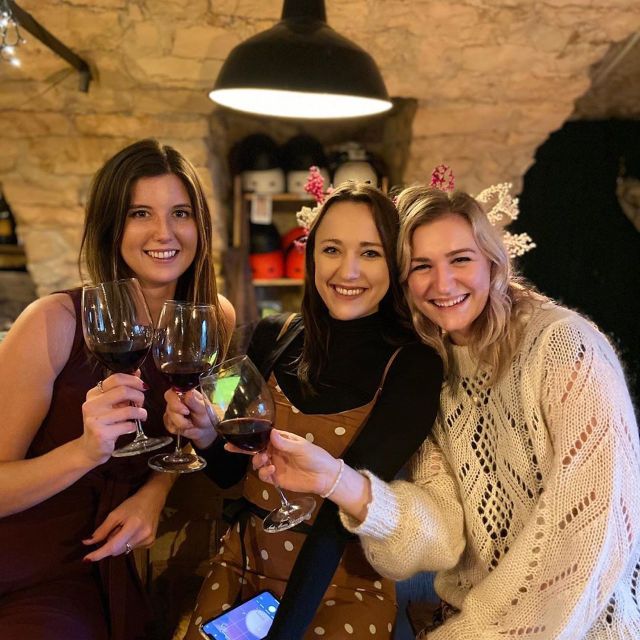
Expect a gentle countryside rhythm: walk the vineyards, tour working cellars and old spaces, then taste wine paired with local bites on the terrace. If you’re visiting Verona and want something authentic without turning your day into a full production, this format is a good match. Just plan your timing loosely afterward; the experience can run a bit longer than you might expect at first.
Key highlights I’d plan around
- A five-generation, family-run estate that actually explains its methods
- Appassimento for Amarone: learn how grapes dry to concentrate flavor
- A 17th-century cellar and older winemaking spaces for real atmosphere
- Tasting built on your senses: sight, smell, then taste guidance
- Antipasti pairing with local cheeses, salami, bread, olive oil, and more
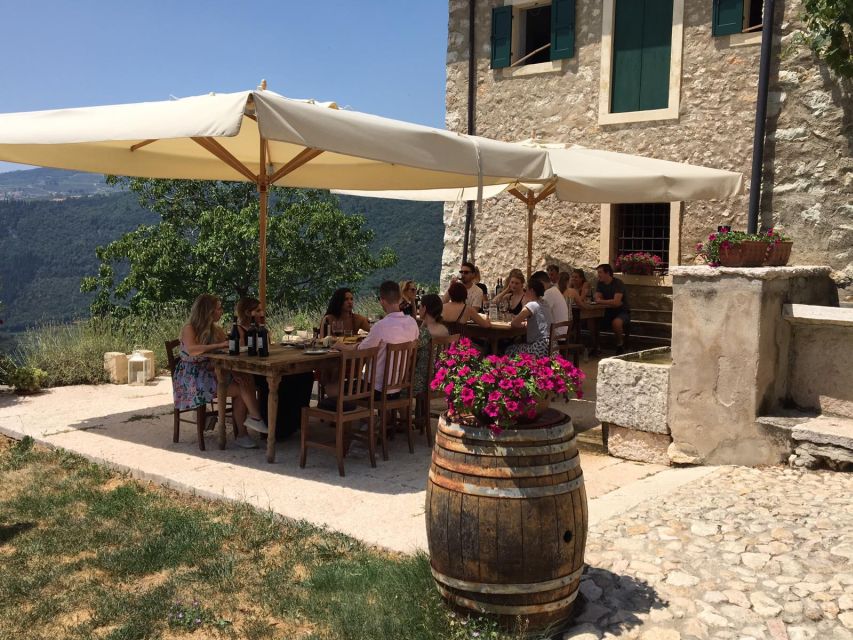
- Panoramic terrace views across the Valpolicella hills
You can also read our reviews of more tours and experiences in Verona.


Valpolicella outside Verona: why this winery tour makes sense
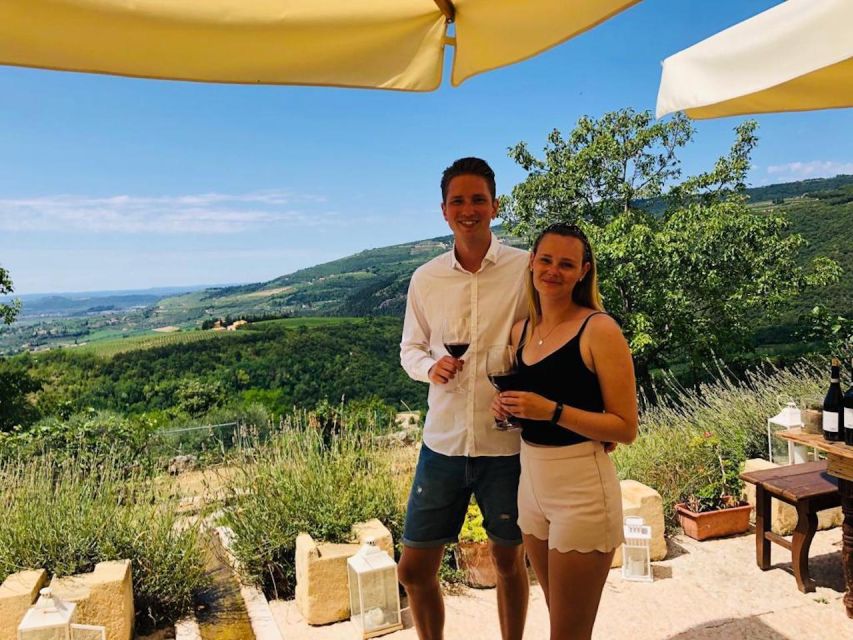
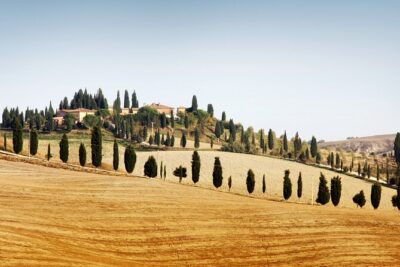
This tour is set in the wine countryside of Veneto, near Verona, in the Valpolicella area—one of Italy’s classic zones for red wine culture. The big draw is not only the tasting. It’s that you see how the estate thinks about wine: vineyard work, traditional rooms, and a tasting that connects flavor to process.
I like that this isn’t a “stand in a gift-shop line and taste three pours” setup. You’re guided through spaces that have purpose, including older rooms used for winemaking since the 1600s. That gives the tour a sense of continuity—like you’re stepping into a place where this is a daily craft, not a one-time performance.
Price-wise, $82 per person for a 2-hour experience is fair if you care about learning. You’re not only tasting Valpolicella, Ripasso, and Amarone. You’re also getting light food paired with the wines plus a guided walk and explanations. In other words, you pay for guided time and a real pairing, not just alcohol.
Getting to Tenuta Santa Maria Valverde without stress
Your meeting point is Tenuta Santa Maria Valverde, Località Gazzo, 4, 37020 Marano di Valpolicella VR. If you’re in Verona, you’ll want to think of this as a short countryside outing rather than a quick stop you can wing on foot.
The tour includes a guide in Italian and English, so you can follow what’s happening even if your Italian is limited. If you’re using public transport, help is offered for arranging a transfer, and it’s worth contacting the winery if your plan is more complicated than a simple taxi ride. Some visitors have reported owner pickup from a bus stop when timing went sideways, which tells you the team is willing to solve problems—just don’t count on it happening for every schedule.
Tip: give yourself a little buffer. Rural routes can be slower than you expect, and parking or walking from pickup points can add a few minutes. When you arrive on time, you’ll start with the vineyard walk while the grounds are at their most peaceful.
The vineyard stroll: where flavor starts
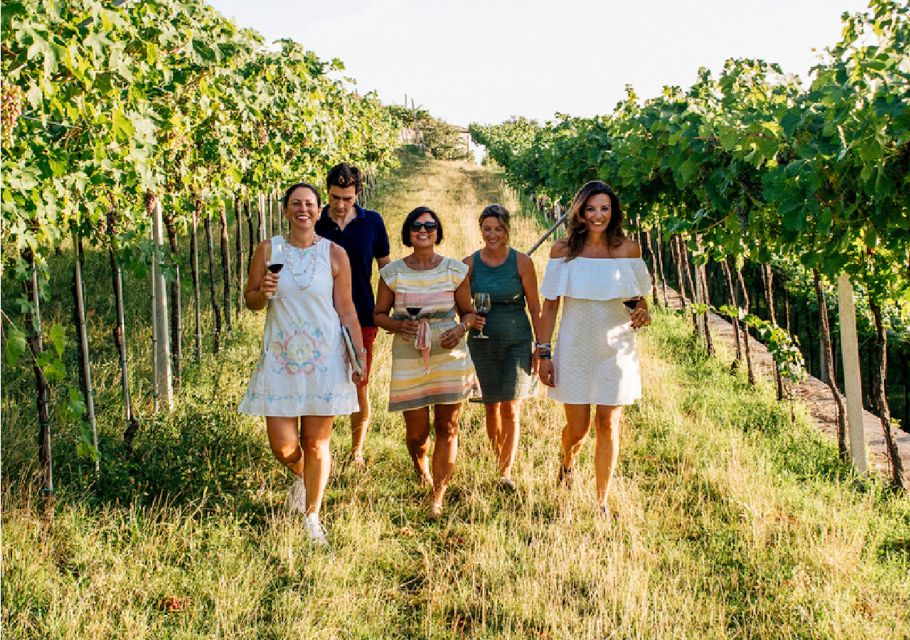
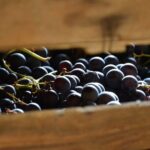
Right after arrival, you’ll begin with a calm walk around the vineyard. This part matters more than it sounds, because it sets the “why” behind everything else. You’re not just hearing that grapes become wine. You’re seeing the actual environment where grapes are grown and how the estate frames its own land.
The pace here is relaxed. Think of it as a scenic orientation plus a story about the winery’s history and its estates. This is a good moment to ask basic questions too—like how the local hills influence grape character—because later you’ll be tasting with those ideas in your head.
If you’re the type who usually skips over “intro walks,” don’t this time. The terrace tasting is much more satisfying when you connect the view to the glass.
Appassimento and the Amarone drying room: the coolest technical stop
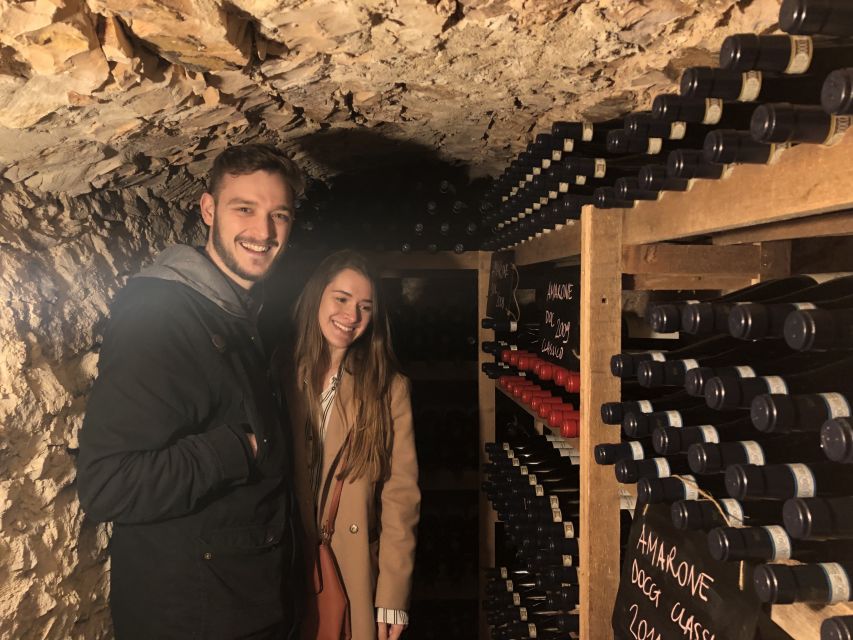
Then you’ll head to the traditional drying room where Amarone grapes are dried using Appassimento. This is one of those Italian wine processes that sounds like a footnote until you understand the point: drying concentrates sugars and flavors, and it changes the way the wine expresses itself.
On the tour, the winemaker explains how wine is made “from grape to glass,” and you learn that different grapes produce different flavors. That’s the moment when the tasting stops being random. You start to anticipate what you might notice—more depth, different balance, and a distinct style tied to the process rather than marketing language.
Two things I like here:
- You see the room where change happens, not just a diagram.
- You’re guided to connect technique to taste, which makes the next stage easier.
Practical note: drying-room air can feel cooler or different from the sunlit terrace. If you run cold, bring a light layer.

The 17th-century cellar and rural house: history you can walk through
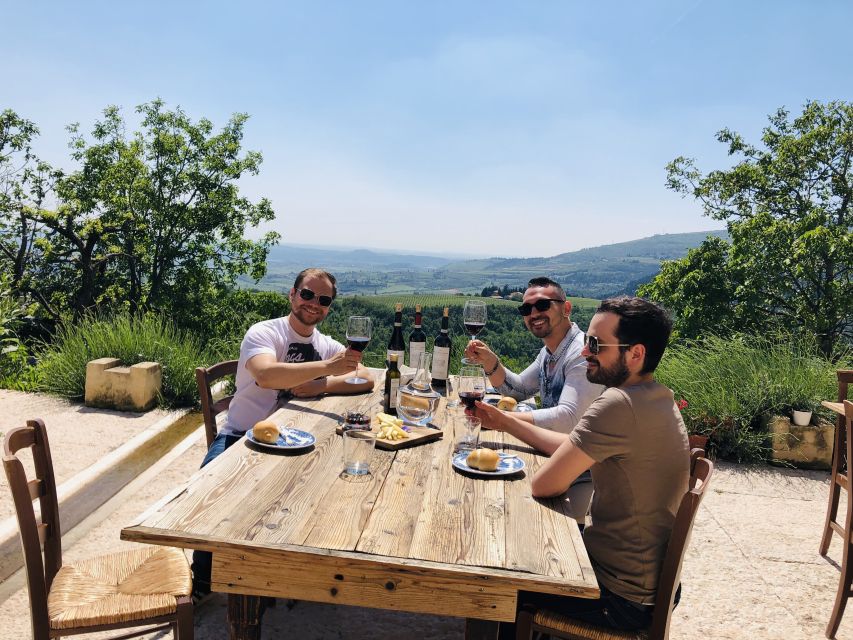
Next comes the cellar and a rural house used for winemaking since the 17th century. This is where the experience becomes atmospheric. Old stone rooms hold steady temperatures and create a working environment that feels built for patience.
The tour moves from the older winemaking spaces into a tasting setting, so your brain shifts from “learning” to “noticing.” You’ll also get guidance on how to evaluate wine using your senses—sight, smell, and taste—so you aren’t just letting your palate get dragged around by the strongest flavors.
This is a great stop if you’re new to wine. It’s also satisfying if you’re more experienced, because it gives you a structure to compare the three styles you’re tasting.
Wine tasting on the terrace: what to expect and what to notice
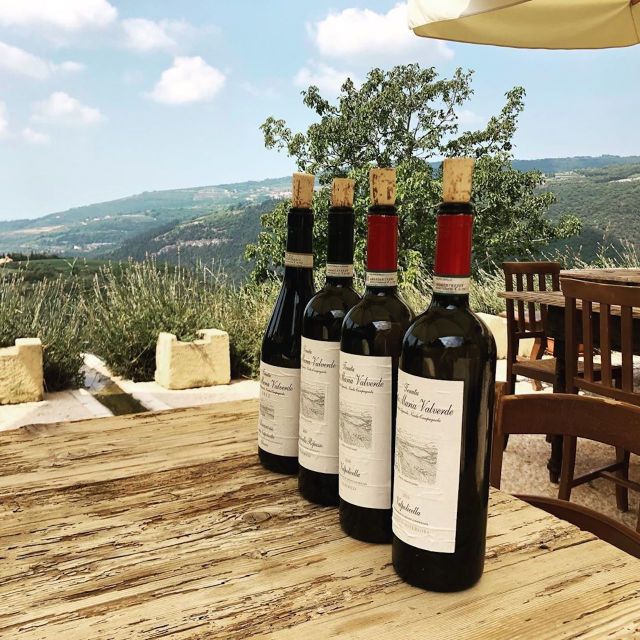
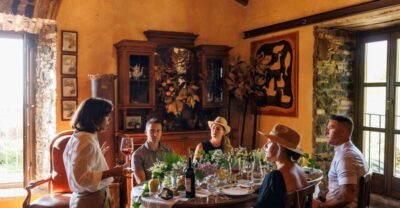
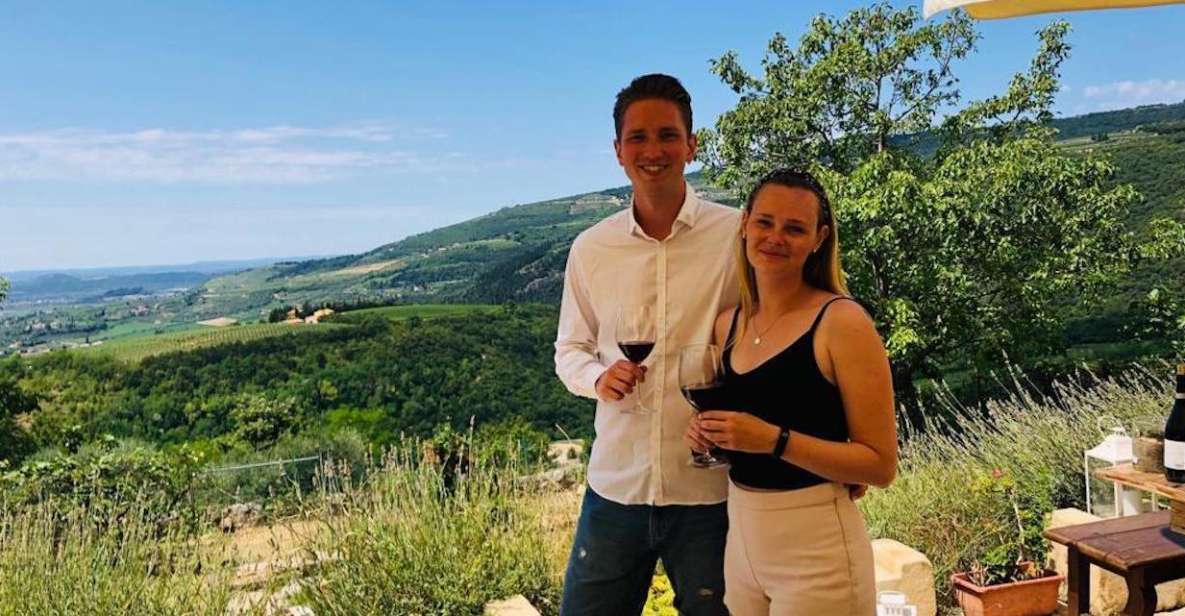
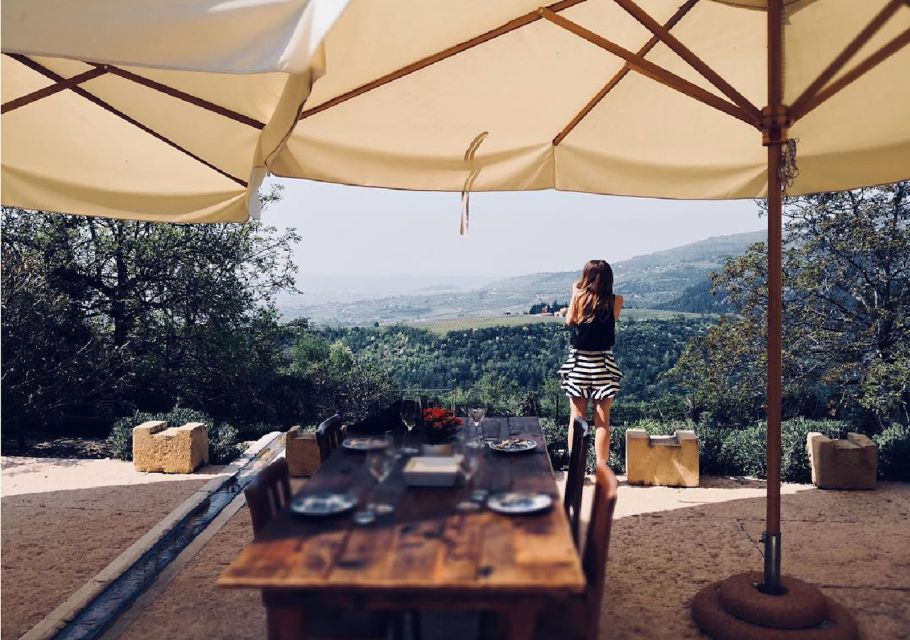
The tasting portion is paired with food and served with stunning views across the Valpolicella hills. The terrace setting changes the whole mood. Even if you’re not a “views person,” you’ll likely notice how the open air makes the tasting feel slower and more thoughtful.
You’ll taste a selection including Valpolicella, Ripasso, and Amarone. If you don’t know the difference yet, that’s not a problem. The format is designed to teach you while you taste.
Here’s how to make the most of it:
- Look at color first. It helps you calibrate what you’re about to smell.
- Smell deliberately. Don’t rush; give yourself a moment before deciding on fruit vs. spice impressions.
- Taste with a pause. You’ll get the most value if you try to connect what you notice back to the earlier Appassimento explanation.
This is also where the guides’ personalities matter. People have mentioned hosts like Raquel and Claudia for their welcoming energy, while others have highlighted Ginevra and Jacopo for storytelling and practical explanations. Either way, the goal is the same: you leave knowing what you drank and why.
Antipasti pairing: more than an afterthought
Wine is only half the fun here. The tasting is paired with antipasti: local cheeses, salami, bread, and extra virgin olive oil, plus other local items like chutney. One standout detail: homemade-style cherry chutney gets a lot of praise, and olive oil is repeatedly singled out for being excellent.
What you should look for in the pairing:
- Cheese tends to soften tannins and make reds feel rounder.
- Salami and cured meats bring savory salt and fat, which can make the wine’s structure easier to enjoy.
- Olive oil plus bread gives a neutral base so the flavors of the wine stay readable.
- Sweet-spice accents from chutney can show how fruit notes shift from one wine to another.
And yes, you get a light lunch feel here. It’s not a heavy restaurant meal, but it’s enough to settle your appetite so you can focus on tasting rather than thinking about food logistics.
The guide experience: small group, big attention
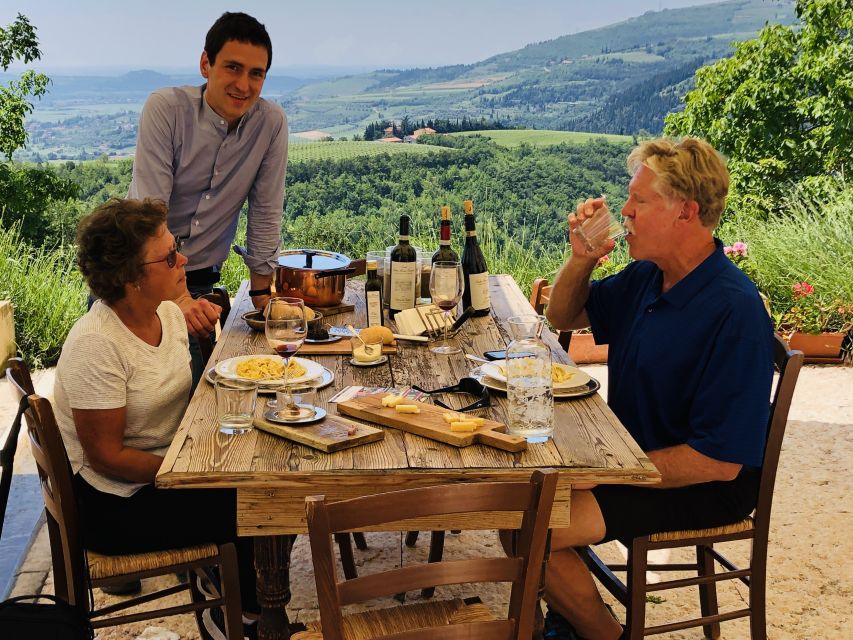
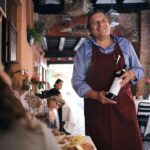
One reason this tour earns strong ratings is how personal it feels. The estate is family-run, and the guides seem invested in sharing what they do, not just delivering facts. That shows in the small moments: taking time with questions, explaining regional differences, and making the tasting approachable.
If you meet Raquel or Claudia, you can expect a friendly welcome and clear storytelling about the winery and the Valpolicella region. Ginevra is noted for sharing lots of vineyard-and-wine knowledge during the walk and cellar stages. Jacopo shows up in some accounts with extra context during driving, which is a nice bonus if you’re coming from Verona without a car.
The dog factor also comes up in the best way—yes, there can be dogs on-site and during parts of the visit. It’s not staged, and it adds to the feeling that you’re visiting real people, not a theme park.
Timing, pacing, and how to fit it into your Verona days
This experience is 2 hours, with wine tasting and light food. In practice, it’s a short window where you get a lot of “done right” content: vineyard walk, drying room explanation, older cellar visit, and a guided tasting with pairing.
That’s perfect if you want:
- a half-day reset away from city crowds
- an introduction to Valpolicella wines without the pressure of a full-day tour
- a learning-focused activity that still feels relaxed
It may not fit if your schedule is ultra tight and you can’t tolerate a slightly flexible end time. Some visitors have noted it can run longer than the headline duration, so I’d avoid booking a critical train departure right after.
Wear comfortable shoes. You’re walking outdoors and inside old spaces. If you’re sensitive to sun, you’ll still be in open areas before the terrace seating, so bring sunglasses and a hat if you travel in summer.
Value check: is $82 worth it?
For $82 per person, you’re buying a bundle:
- guided winery tour at Tenuta Santa Maria Valverde
- visit to vineyard and winemaking rooms (including the Amarone drying room)
- tasting of Valpolicella, Ripasso, and Amarone
- paired local snacks and light lunch-style food
- explanation of process and how to assess wine
In Italy, wine experiences range from quick tastings with little context to long, structured courses. This one lands in the practical middle: short enough to be easy from Verona, detailed enough to teach you something that makes your tasting meaningful.
If you love wine already, you’ll like the structured comparisons. If you don’t know much yet, you’ll appreciate the “what to look for” guidance and the sensory approach.
Who should book this tour
Book it if you want a small, human winery experience with:
- real winemaking context, including Appassimento
- a terrace tasting with food pairing
- enough structure to learn without feeling lectured
- an estate that feels like a working family business
Skip it if you need a long, multi-hour meal experience or you’re looking for a very large tasting flight. This tour is designed to be focused and efficient—exactly right for people who hate wasting vacation time in lines and explanations that go nowhere.
Should you book the Verona vineyard and winery wine tasting?
Yes—if your goal is to understand Valpolicella by seeing the process and tasting the wines in a setting that actually feels rural and real. The combination of vineyard walk, Amarone Appassimento education, and the terrace tasting with local antipasti is a smart use of time, especially when you’re basing yourself in Verona.
Before you go, do one simple thing: decide what you want out of the glass. If you want that, this tour will meet you there.
If you tell me your travel month and whether you’ll arrive by train or car, I can suggest a practical timing plan for pairing this with the rest of your Verona day.
FAQ
How long is the Verona vineyard and winery tour?
The duration is 2 hours.
What wines are included in the tasting?
The tasting includes Valpolicella, Ripasso, and Amarone, with guidance on evaluating wine using sight, smell, and taste.
Is food included?
Yes. You’ll have light lunch-style snacks paired with the wine, including local cheeses, chutney, salami, bread, and extra virgin olive oil.
Where do I meet the tour?
The meeting point is Tenuta Santa Maria Valverde, Località Gazzo, 4, 37020 Marano di Valpolicella VR.
What languages is the tour guide available in?
The tour guide is available in Italian and English.
Is it suitable for children?
No. The tour is not suitable for children under 18 years old because it includes wine tasting.