REVIEW · SYRACUSE
Full-Day Mount Etna Experience from Siracusa
Book on Viator →Operated by Sicily Unearthed · Bookable on Viator
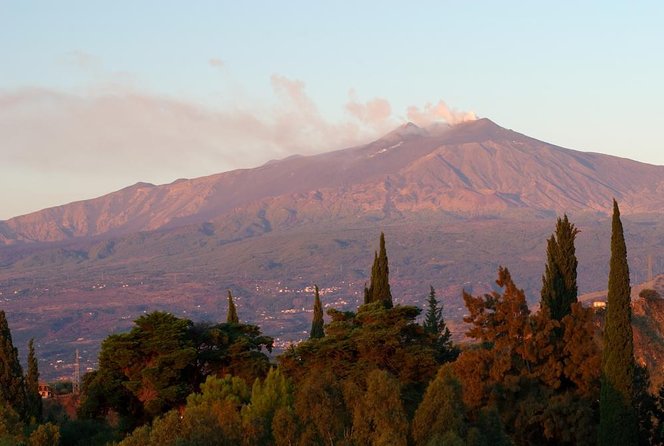
Mount Etna feels like another planet. This full-day private walking hike from Syracuse takes you to the volcano’s south side, with views over craters and lava country while your guide explains the science in plain language. It’s a small-group day, so you’re not stuck marching with strangers or worrying about keeping pace.
I especially like two things: first, the comfort of hotel pickup and drop-off so the long day stays easy from the start. Second, I like the way the walk is adapted for your ability, with stops that make the geology and plant life easier to notice instead of rushing past it.
One possible drawback: Etna’s best viewpoints depend on weather. If cloud or mist rolls in, the higher crater outlook can be less clear, even though the walk itself still works.
In This Review
- Key Highlights Worth Knowing
- A Private Etna Day from Syracuse: What You’re Really Buying
- The Morning Drive: Pickup, Timing, and Why It Matters
- South Side Etna Hiking: What the Donkey’s Back-Style Route Feels Like
- The 2,000 m Crater Rim Walk and the Lunch Break Near the Craters
- If the Conditions Fit: Reaching Higher Craters Around 3,000 m
- The Guide Experience: Giuseppe’s Role in Making It Worth Paying For
- What to Pack: Footwear, Layers, and Weather Reality Checks
- Time on the Clock: 7 to 8 Hours Without Feeling Rushed
- Price and Value: Is $164.47 a Good Deal?
- Who Should Book This Etna Hike (and Who Might Prefer Something Else)
- Should You Book This Mt. Etna Tour from Syracuse?
- FAQ
- What time does the Mt. Etna tour depart from Syracuse?
- How long is the tour?
- Is hotel pickup and drop-off included?
- How many people are in the group?
- What language is the tour offered in?
- What should I bring for food and drinks?
- What fitness level is required?
- What happens if weather is bad?
Key Highlights Worth Knowing
- Hotel pickup and drop-off from your Syracuse address keeps the day low-stress.
- South-side Etna hiking focuses on dramatic volcanic terrain without a big crowd feel.
- Crater-rim walking around 2,000 m gives you the close-up, walk-the-edge feeling.
- Optional higher craters around 3,000 m can happen if conditions and your comfort match.
- A guide focused on lava formations plus plants and animals turns the hike into real understanding.
- Small group size (max 4 people) helps the route stay matched to your pace.
A Private Etna Day from Syracuse: What You’re Really Buying
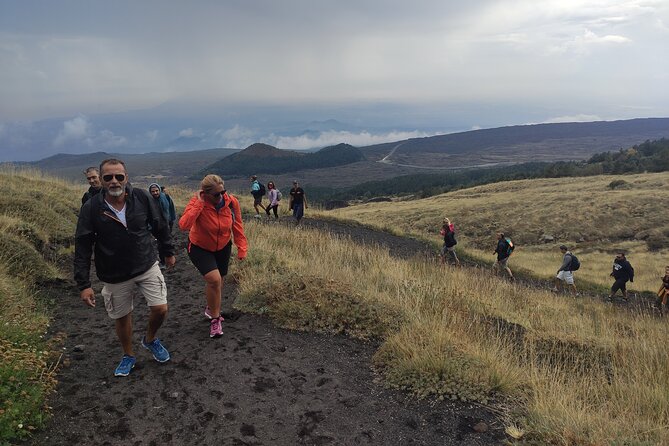
This isn’t a bus-and-dome sort of Etna trip. You’re getting a private walking experience that centers on what Etna looks like when you’re standing on it, not just viewing it from far away. The value is in the pacing and the guide’s attention—there’s room for questions, photo stops, and rest breaks.
The day also has a smart rhythm. You’re not only “going up.” You’re walking across volcanic ground, then pausing near craters where you can actually see how the mountain has changed over time. That’s why the experience tends to feel memorable rather than just scenic.
If you want a tough, technical climbing outing, this isn’t marketed that way. The terrain can be rocky and uneven in spots, but the route is designed to be manageable for people with moderate fitness, with trail choices adjusted to your group.
You can also read our reviews of more tours and experiences in Syracuse.
The Morning Drive: Pickup, Timing, and Why It Matters
You start at 8:30 am, with pickup from your Syracuse hotel. The plan is to meet you around 8:30 and drive you to Mt. Etna in an air-conditioned vehicle. For a day this long, that matters more than people think. It means you’re not spending your morning negotiating transit, hauling luggage, or timing multiple connections.
Once you leave Syracuse, you’ll have time to get oriented with your guide. In the car, Giuseppe (a name you’ll hear often in the guide context) is described as friendly and clear, with good English and lots of conversation. You’ll likely pick up useful background before you even reach the trails, which makes the walking part feel more meaningful.
The tour also follows a steady schedule. Most of your “doing” happens on Etna itself, and then you’re returned to your hotel shortly after lunch. That keeps the day from dragging.
South Side Etna Hiking: What the Donkey’s Back-Style Route Feels Like
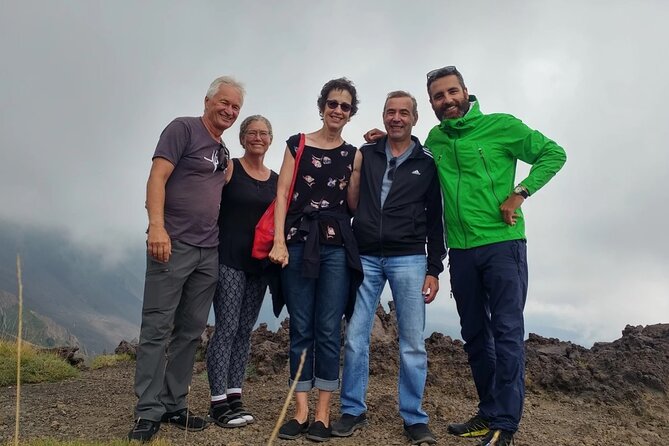
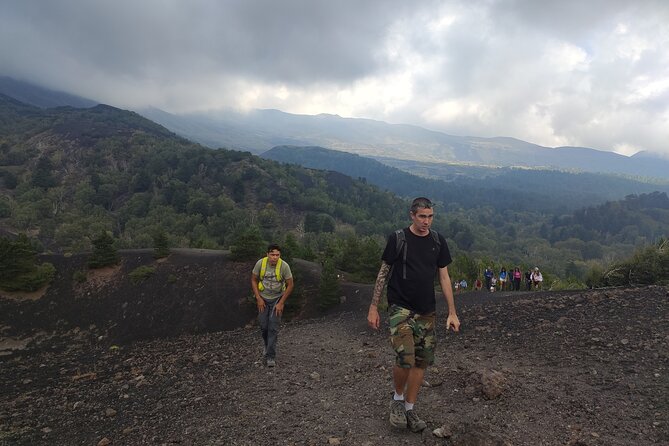
Your main focus is the south side of Mt. Etna. That’s where the terrain can look intensely alive—layers of volcanic rock, old paths, and big crater structures that keep expanding your sense of scale the closer you get.
Many people highlight a trail described as the Donkey’s Back trail. In plain terms: expect a vigorous walk with breathtaking views that can stretch from craters to valleys with visible lava flow patterns. Reviews also mention routes that feel non-technical, which is great if you want to experience Etna up close without needing climbing gear or advanced skills.
Even when the hike is not described as technical, the ground is still mountain ground. You’ll want good hiking shoes or boots, and you should be ready for uneven rock and wind exposure at higher points. If you pack like it’s a stroll, the mountain will correct you fast.
The upside is that you’re not just trekking. Your guide points out details: how lava cooled, how different formations look, and what to watch for as you move. That turns the hike into a living science lesson.
The 2,000 m Crater Rim Walk and the Lunch Break Near the Craters
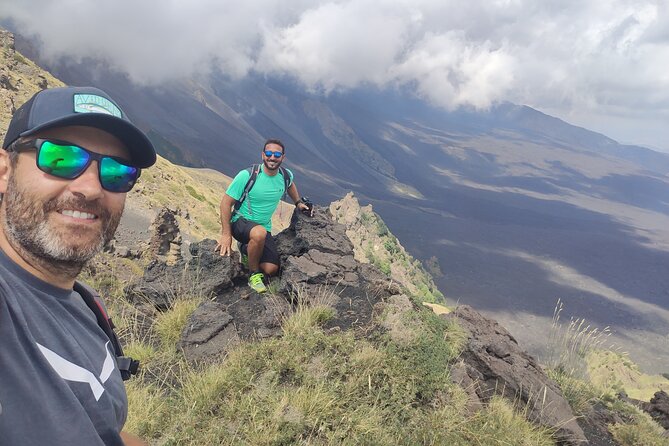
A major highlight is the time spent near craters around 2,000 meters. This is where you get the “walk the rim” feeling—standing close to older crater structures and looking outward into the volcanic basin. It’s a different kind of view than a far-off panorama. Up close, Etna looks carved and rewritten, like the mountain’s doing construction in slow motion.
You also get a picnic lunch stop near the crater area. Here’s the practical detail: the tour data lists snacks, bottled water, and lunch as not included. So assume you’ll need to plan for what you’ll eat and drink. In practice, that means bringing your own items (or confirming what’s provided), and packing like you’ll be outside in cool air at elevation.
This crater stop is also when the guide’s explanations can really land. When you can see the rim and the surrounding rock structure, it becomes easier to understand why volcanic geology matters. You’re not just hearing facts—you’re using your eyes.
If the Conditions Fit: Reaching Higher Craters Around 3,000 m
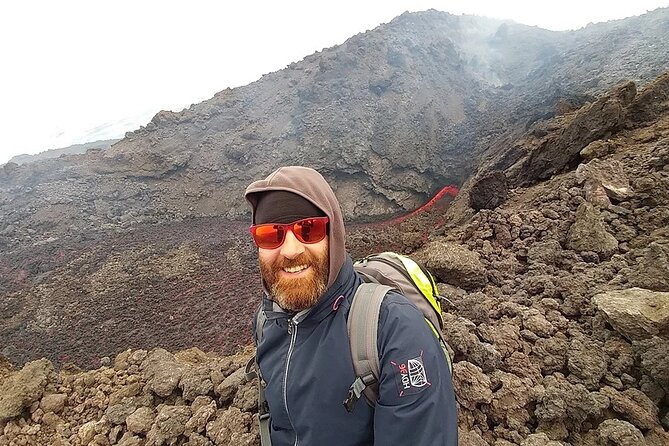
The plan includes the possibility of going to the top craters around 3,000 meters, if the day and your comfort level allow it. That “if” is important. At altitude, wind, cloud, and mist can change what’s visible.
If you do go higher, expect a more exposed feeling. The hike can still be manageable, but the weather can make it feel tougher. People also note that cloud cover can hide the summit viewpoint. So don’t book this expecting the highest crater view every time, treat it as a bonus if conditions cooperate.
When visibility is good, higher crater access can feel like the day’s climax: big scale, dramatic scenery, and a strong sense of proximity to active volcanic terrain. When visibility is poor, you’ll still have the walk, the geology lessons, and plenty of crater interest at lower elevations.



The Guide Experience: Giuseppe’s Role in Making It Worth Paying For
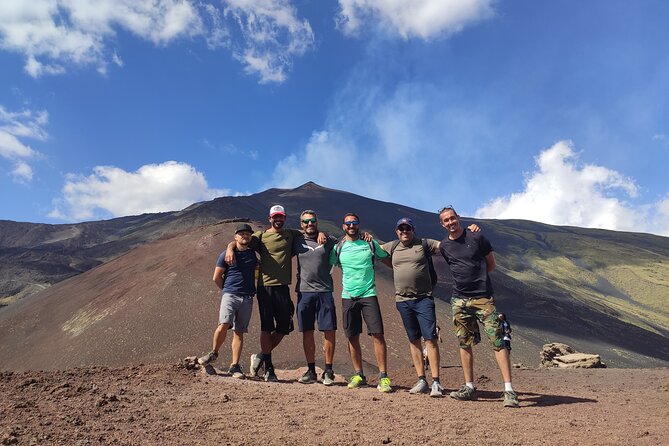
The guide is a huge part of why this Mt. Etna trip gets such strong ratings. Giuseppe is described as friendly, professional, and tuned into the group’s needs—especially with pacing and rest breaks. One recurring theme: the route isn’t forced. The guide is aware of different abilities and adapts stops accordingly.
That matters because Etna is not flat. A good guide makes a rugged day feel organized. You’ll also hear detailed commentary on volcanic history and what you’re seeing at each stage. People mention explanations reaching back hundreds of thousands of years, plus practical talk about different types of volcanic rock.
Another standout element is attention to life on the mountain. Guides on Etna can sometimes focus only on rock. Here, the focus includes plants and animals, and people highlight the way natural features are pointed out along the walk. That’s a big deal for value. You’re learning why Etna looks the way it does—not just admiring it.
If you like leaving with something tangible, some people mention that the guide shares photos from the walk. That’s not something you can fully count on from every operator, but it’s a pattern worth hoping for, since it keeps your memories from turning into blurry screenshots.
What to Pack: Footwear, Layers, and Weather Reality Checks
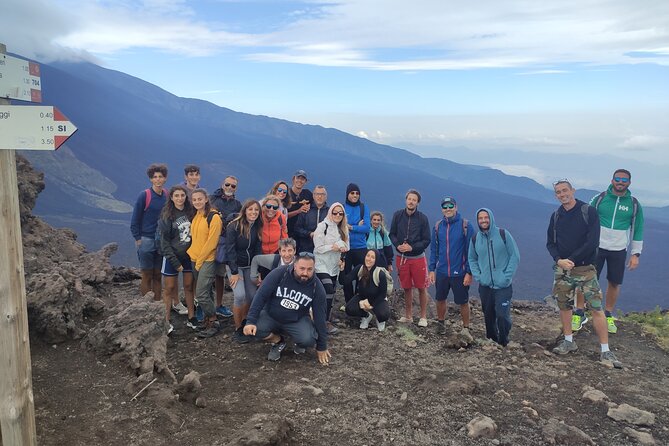
This tour works best when you dress for changing conditions. Etna weather can shift fast—wind, mist, and even rain can pop in and out. That’s why you should pack layers and plan for a rocky trail.
A few practical musts:
- Hiking shoes or boots (not soft sneakers)
- A light waterproof layer or rain shell
- Warm layers (even if Syracuse feels warm in the morning)
- Your own snacks and water, since these aren’t listed as included
- A small daypack so your hands can stay free for photos and walking
If the summit is in clouds, you may not see everything you hoped for. That’s why you should mentally treat the day as two wins: walking the crater area and learning what makes Etna tick. Even with limited visibility, the crater terrain and geology are still there.
Time on the Clock: 7 to 8 Hours Without Feeling Rushed
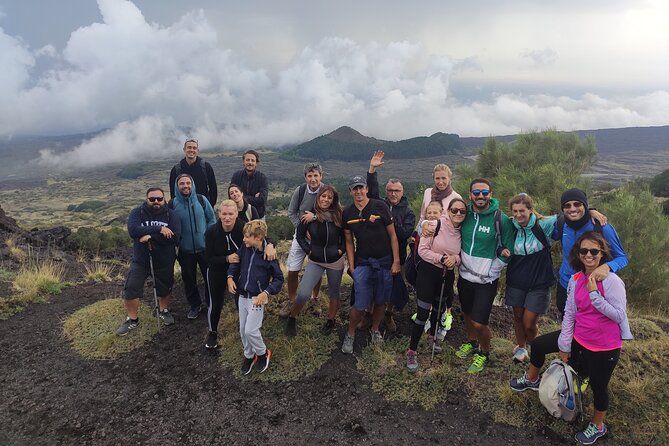
You’re looking at roughly 7 to 8 hours total. That includes hotel pickup, the drive, your hike time, and the return. Most of the hiking focus sits around a main segment that’s listed at about 5 hours, which lines up with how people describe the day: a full half-day of moving, then a calm lunch and return.
Because it’s private and capped at a small group size, the day can feel more controlled. The guide can slow down if the terrain or weather demands it, and you won’t get squeezed by a big schedule of many groups turning over the same viewpoint.
For your planning, treat it as a major activity day. Don’t stack it with a long dinner reservation across town unless you’re close to your hotel. You’ll be back after lunch, but it’s still a full outing.
Price and Value: Is $164.47 a Good Deal?
The price is listed at $164.47 per person for a full-day private walking experience with hotel pickup and drop-off. On paper, that’s not cheap. In practice, the value comes from three things you don’t always get together:
1) Privacy and small group size (max 4)
You pay for personal attention—pacing, route choices, and guidance that’s not competing with a big group.
2) Transport included
Air-conditioned vehicle pickup and return is part of the cost, and that saves your day from transit hassle.
3) Etna access fees covered
The data notes an admission ticket is free, and all fees and taxes are included. That helps keep the “surprise costs” down.
Where value can dip is when the weather makes higher crater views unclear. But even then, you’re still on Etna’s dramatic south-side trails and learning with a guide who adjusts to your pace. To me, the $164.47 looks fair if you care about walking, geology, and a guide-led experience rather than a quick look-and-go stop.
Who Should Book This Etna Hike (and Who Might Prefer Something Else)
This tour is a strong fit if:
- You want a moderate physical outing (not a couch tour)
- You like walking and want a guide’s explanations for lava, plants, and animals
- You prefer a small group so the day feels flexible
- You want hotel pickup and drop-off so the logistics don’t eat your time
It may not be the best fit if:
- You need totally flat, smooth surfaces. The terrain can be rocky and uneven.
- You’re only interested in seeing the very top crater in perfect clarity. Cloud cover can reduce visibility, especially higher up.
- You’re sensitive to weather changes. The day depends on good conditions to maximize what you see.
If you’re a solo traveler who hates sharing a tour with a large crowd, this small-group format is especially attractive. If you’re traveling as a couple or with a couple of friends, you’ll likely enjoy the shared pace and the chance to ask questions without feeling rushed.
Should You Book This Mt. Etna Tour from Syracuse?
I’d book it if you want Etna in a hands-on way: walking near craters around 2,000 m, learning from a guide who notices both rock and living things, and having the comfort of pickup and a small group. The day is built around understanding what you’re seeing, not just checking a box.
I’d think twice if your priority is a guaranteed clear view from the highest point. With mist or clouds, the summit experience may be less visible than you expect. Also, plan your food and water, because lunch/snacks aren’t listed as included.
If you’re ready for a real hike day and you dress for mountain weather, this is the kind of Etna trip that turns into a story you’ll still be talking about later.
FAQ
What time does the Mt. Etna tour depart from Syracuse?
The start time is 8:30 am, and pickup from your hotel is scheduled around 8:30 am.
How long is the tour?
It runs about 7 to 8 hours total.
Is hotel pickup and drop-off included?
Yes. The tour offers front-door pickup and drop-off from your Syracuse hotel.
How many people are in the group?
The maximum group size is 4 travelers.
What language is the tour offered in?
The tour is offered in English.
What should I bring for food and drinks?
Snacks, bottled water, and lunch are not included. Plan to bring what you need for your day on the mountain.
What fitness level is required?
The tour recommends a moderate physical fitness level.
What happens if weather is bad?
This experience requires good weather. If it’s canceled due to poor weather, you’ll be offered a different date or a full refund. Free cancellation is available up to 24 hours in advance for a full refund.