REVIEW · SYRACUSE
Syracuse: Highlights of Ortigia Guided Walking Tour
Book on GetYourGuide →Operated by Empeeria · Bookable on GetYourGuide
One good tour in Syracuse beats a day of guesswork. Ortigia’s mix of Greek temples, baroque churches, and legend-driven fountains makes this walk a fun, fast way to orient yourself. I especially liked the stop at the Temple of Apollo and how the guide ties each place to the story behind the stones. The only real catch is the pace can feel slower if the tour is split in Italian and English at the same time.
You’ll move through the island’s tight historic center and come out with a much clearer picture of how Syracuse was built, rebuilt, and mythologized over centuries. I also like that the tour doesn’t just point—your guide explains what you’re looking at and why it mattered, from marble details to the freshwater spring that sparked a love story. Still, dress code rules and paying for the cathedral ticket on site mean you should budget a little extra time and a couple extra steps.
For $29 for roughly two hours, this is strong value if you want structure. You’ll see the headline sights without spending your whole day mapping side streets and trying to figure out which church requires what. I’d just plan for sun and a bit of waiting if the group has late arrivals.
In This Review
- Key Highlights That Make This Walk Worth It
- Ortigia in Two Hours: A Smart Primer on Syracuse by Foot
- Starting at Largo XXV Luglio and the Temple of Apollo
- Piazza Archimede and the Fountain of Diana Myth Moment
- Piazza Duomo: Marble Details and the Cathedral Visit
- Arethusa Spring: The Freshwater Story That Tethers the City to the Sea
- Price and Value: Is $29 a Good Deal Here?
- Logistics That Can Make or Break Your Experience
- Who This Tour Suits Best (and Who Might Skip It)
- Should You Book the Syracuse Ortigia Highlights Walking Tour?
- FAQ
- FAQ
- Where does the Ortigia guided walking tour meet?
- How long is the tour?
- What is included in the price?
- Which languages are offered?
- Where does the tour start in the itinerary?
- Is the Syracuse Cathedral ticket included?
- Do I need headphones during the tour?
- Is there a dress code?
- Do I need to arrive early?
- What if monuments are closed or holiday hours change?
Key Highlights That Make This Walk Worth It
- Start at the Temple of Apollo and get your bearings fast with the oldest Greek temple in the Western world as your first anchor
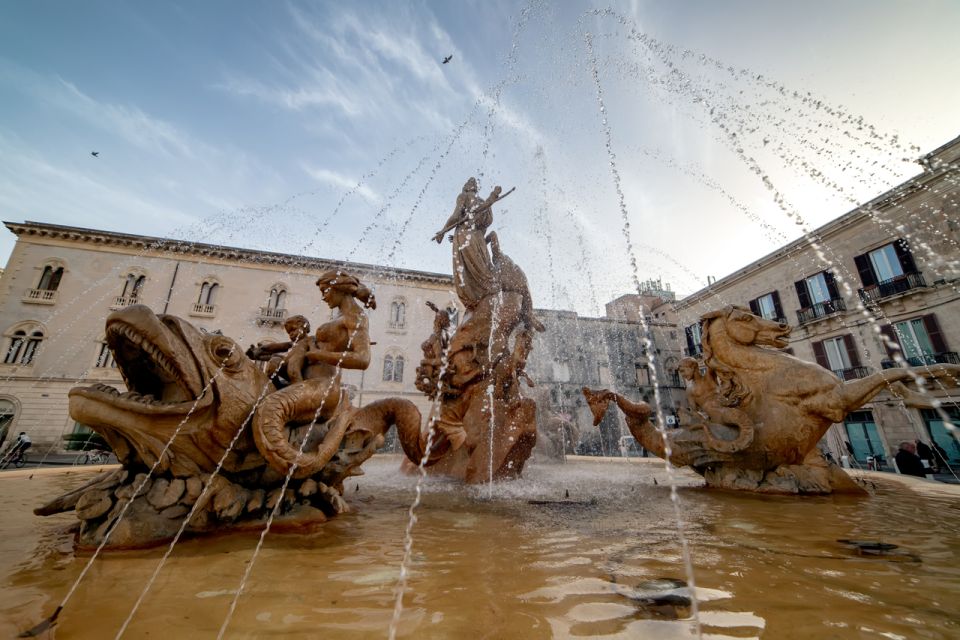
- Fountain of Diana in Piazza Archimede with the myth of Arethusa and Artemis explained where it happened in legend
- Piazza Duomo’s marble work plus a chance to visit the cathedral (ticket not included)
- Arethusa Spring near the sea and a classic love story tied directly to the water source
- Local guiding styles that can get very detailed, like guides such as Michael, Letizia, Vincenzo, and Giuseppe who focused on history and local lore
- A practical headset option on site if you want clearer audio while you walk
Ortigia in Two Hours: A Smart Primer on Syracuse by Foot
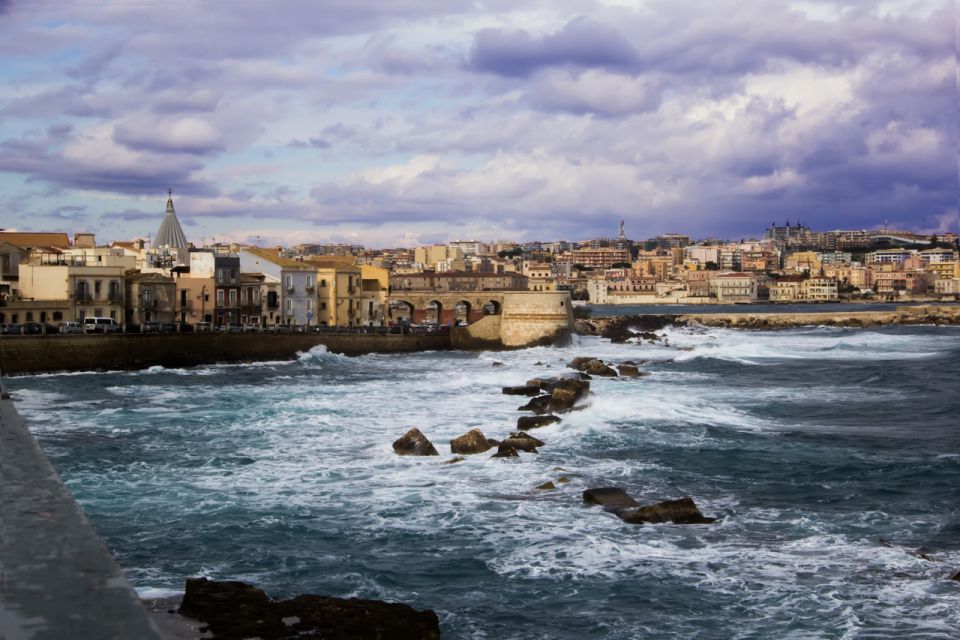
Ortigia is Syracuse’s island core, and it rewards slow wandering. This tour does the opposite in a good way: it gives you a guided route that hits the places you’d otherwise either miss or misunderstand. You’re looking at layered time—Greek foundations, later city power, and myth stitched into architecture—so having a guide matters more than you might think.
The format is simple. The walk lasts about 2 hours, and it’s built around four big moments: Temple of Apollo, the area around Piazza Archimede, Piazza Duomo (including the cathedral), and then the Fountain of Arethusa near the sea. Because it’s walking, you get the feel of Ortigia’s streets instead of only photographing landmarks from a bus window.
Value check: at $29, you’re paying for a local guide and a route. The one added cost to plan for is the cathedral entry ticket, since it isn’t included. Also, if you show up in the heat, bring water and sun protection—Ortigia can feel intense, and one guide (Michael) was praised for keeping the group in shade during a 96-degree heatwave, which tells you how much the local rhythm and timing matter.
You can also read our reviews of more tours and experiences in Syracuse.

Starting at Largo XXV Luglio and the Temple of Apollo
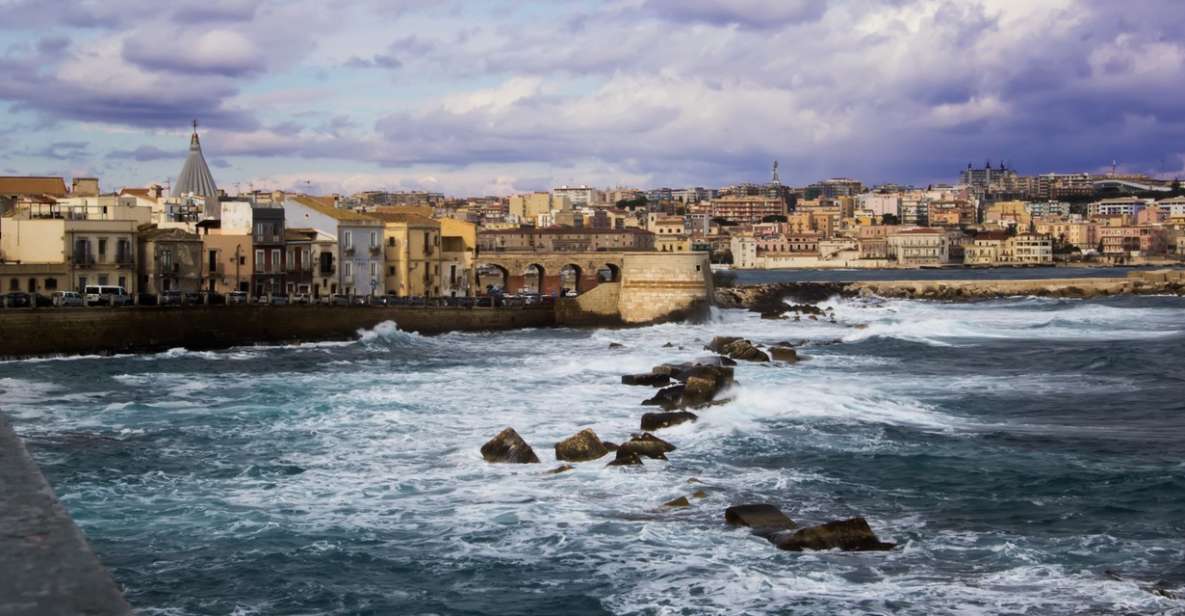
Your tour starts at the Temple of Apollo area—look for the guide with a badge under the pomegranate tree near the roundabout where Corso Matteotti starts. The stated meeting point is Largo XXV Luglio, 7, so if you’re arriving by foot, aim for that area and then scan for the badge.
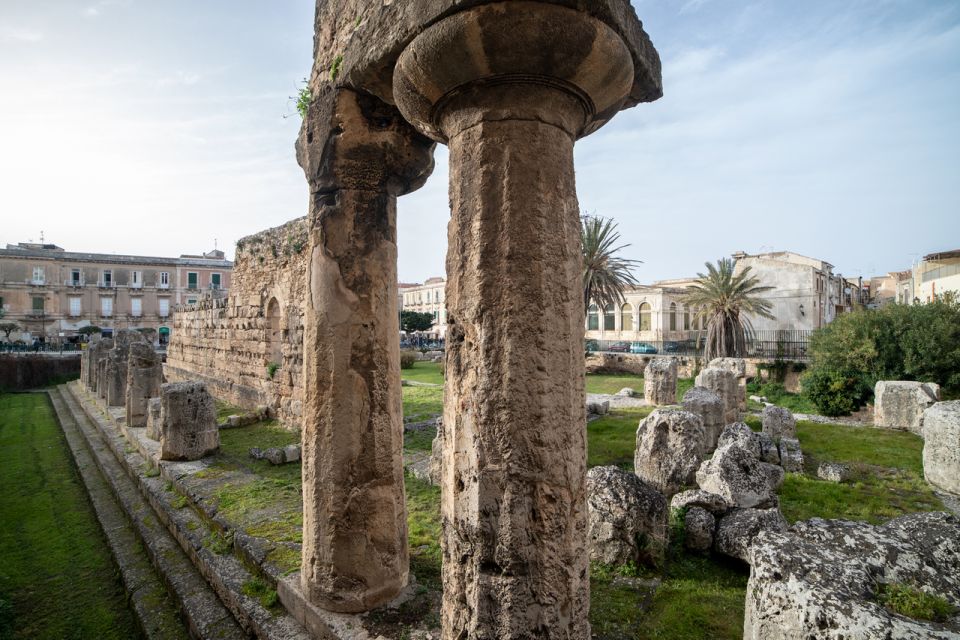
The Temple of Apollo is the perfect opener because it sets the frame. The tour begins there after you meet your guide, and you’ll spend about 30 minutes exploring it. You’re not just seeing a famous ruin; you’re getting context for the city’s earliest Greek roots, which makes every later stop click.
If you’re the type who likes facts and stories, this is where the tour often delivers. Guides have been praised for knowing the subject well and answering questions thoroughly. In past groups, guides like Giuseppe and Michael stood out for clarity and for explaining the evolution of Ortigia, not just listing dates and names. That difference can turn a “pretty building” moment into a real understanding moment.
One practical note: religious sites are involved later, and a dress code applies. It’s easier if you dress modestly from the start instead of scrambling at the last minute.
Piazza Archimede and the Fountain of Diana Myth Moment
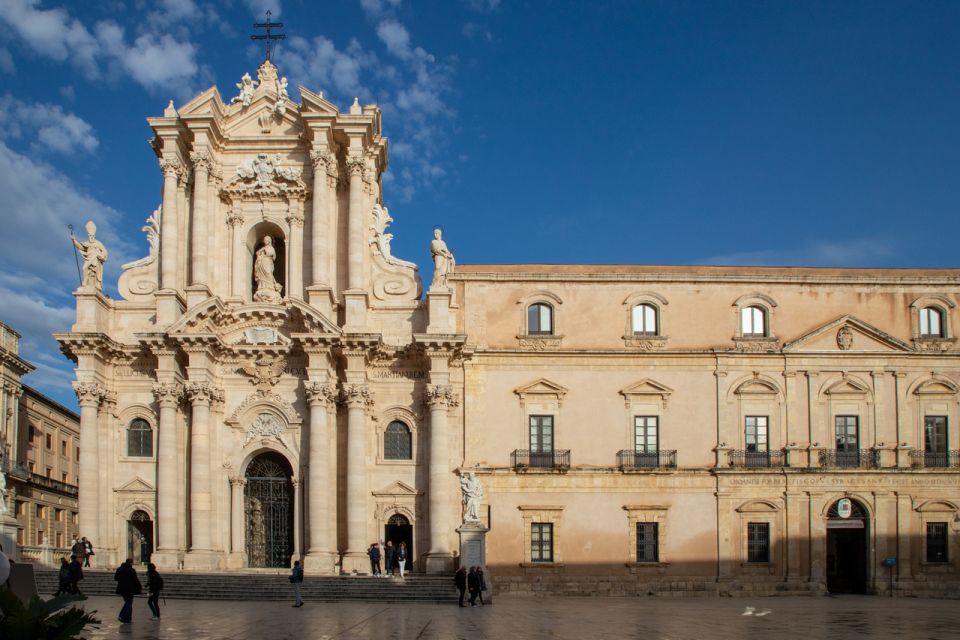
From the Temple of Apollo you head in the direction of Piazza Archimede, with about 20 minutes in this stretch. This stop matters because it’s not only about architecture—it’s about how mythology gets used as city identity.
You’ll see the Fountain of Diana, linked to the nymph Arethusa. The guide connects the fountain to the myth of Arethusa being transformed into a fountain at the key moment involving Artemis. That means you’ll look at the artwork with a new question in your head: what story is being staged here, and why would a city center want that kind of legend on display?
This is also a great place to slow your pace for pictures, because the fountain area is part of Ortigia’s visual rhythm. Even if you’re not usually into myth, the guide’s explanation often helps you read the carvings and layout in a more meaningful way.
Potential drawback: the tour can be conducted simultaneously in Italian and English. If you’re listening in English while the guide also covers Italian, it can make the pace feel slightly slower because key points may get repeated. It’s not a dealbreaker, but it’s worth knowing if you prefer a very crisp, single-language flow.
Piazza Duomo: Marble Details and the Cathedral Visit
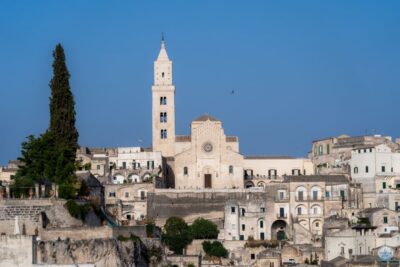
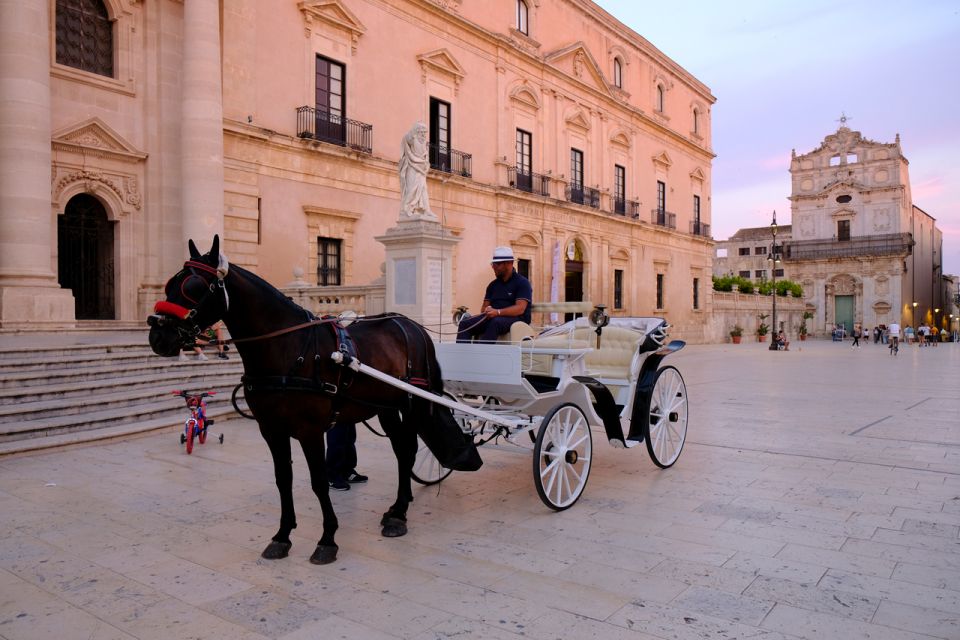
Next comes Piazza Duomo, one of the most beautiful squares in Italy, and also a historical anchor for Syracuse. The guide frames it as a place where founders from Corinth settled, which helps you connect the Greek origins to the later political and religious center of the city.
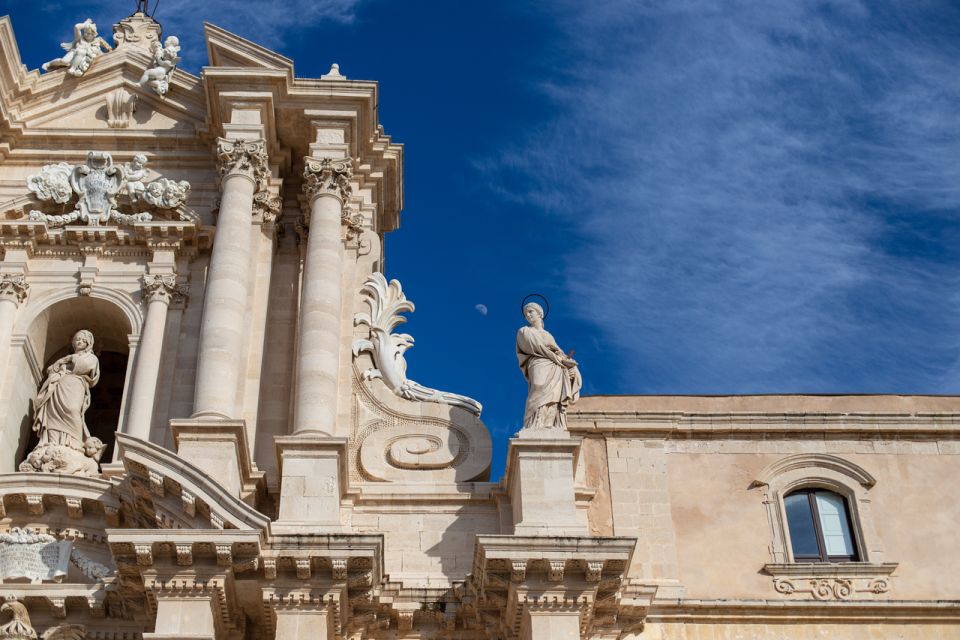
You’ll spend about 45 minutes here, with time to visit the cathedral. The tour highlights the marble work in and around Piazza Duomo and emphasizes the cathedral’s splendor. This is the stop where the tour can feel like a proper “wow” zone—less ruins, more grandeur.
Two practical points to keep you comfortable:
- Cathedral entry isn’t included, so you’ll need to pay for the ticket on site.
- You’ll need to respect the dress code to access places of worship. If you’re traveling light, consider having a thin layer or scarf packed.
One thing I appreciate about structuring the cathedral visit into the tour is that it prevents decision fatigue. Left on your own, you might wander past details and only realize later you missed a key viewpoint or interior moment. Here, the guide keeps you moving while still giving you time to actually look.
Some people have found that time at the cathedral can vary slightly depending on pace and conditions, including cases where less time was spent than expected. The best way to protect your schedule is arriving on time—this tour asks you to arrive 10 minutes early to keep the route on track.
Arethusa Spring: The Freshwater Story That Tethers the City to the Sea
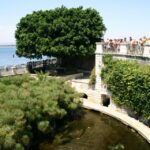
The walk ends at the Fountain of Arethusa, a freshwater spring located a few meters from the sea. You’ll have about 40 minutes here. This final stop is where Ortigia’s identity comes full circle: it’s a physical water source, but also a legend-based symbol.
The guide links Arethusa’s name to the love story between Arethusa and Alphaeus. That’s not just a fun myth to hear once; it changes how you see the location. Instead of treating it like a decorative fountain, you look at it like a landmark that must have mattered to the city—water close to the sea is the kind of detail that turns into local lore quickly.
This is also where the tour tends to be easiest to enjoy at the end. By this point you’ve collected enough context that the story feels earned, not random. If you prefer a tour that ends with atmosphere rather than another building photo, this stop is a strong finale.
On the timing side, some guides have led evening versions where the city light made everything feel softer and more scenic. If you have the option of a later start time, you might find the mood more photogenic, especially around the fountain.




Price and Value: Is $29 a Good Deal Here?
At $29 per person for around two hours, the value is mostly about what you’re buying: a guided route through tight streets plus a guide who explains the connections between the Greek past, the later city center, and the myths attached to each place.
Your main extra cost is the cathedral ticket, since entry is not included. The tour is still a good deal if:
- you want a local guide instead of trying to piece together history from signs,
- you plan to visit the cathedral anyway,
- you like walking with a structured itinerary.
The “heads up” on value is that some of the time is spent listening, and if you’re expecting a silent, free-for-all self-guided route, you might feel like you could do it cheaper. But if you actually want to understand what you’re seeing, the guide cost tends to pay off fast on Ortigia.
One nice practical detail: the tour offers a headset option. You can use your own, or purchase a disposable one on site for €1 if you want audio clarity while you walk.
Logistics That Can Make or Break Your Experience
This tour is designed to be straightforward, but a few practical items matter:
- Arrive 10 minutes early so the route stays on track.
- Dress for worship spaces. You’ll be entering places of worship, and the tour notes a dress code is required.
- Plan for changes. Visits to monuments may shift due to holidays or opening hours. That means you should keep expectations flexible if you’re visiting during a busy period.
- Language flow may affect pace. The tour can run simultaneously in Italian and English, and that can slow things down.
Heat is another reality in Sicily. You won’t control the weather, but you can control your comfort. Bring water, wear breathable shoes, and consider a hat or sunglasses. Guides have been praised for making shade choices, which suggests good operators pay attention to these details rather than dragging everyone across the sun without thought.
Finally, be ready for the group rhythm. One experience mentioned waiting for late participants, which can eat into your time. The fix is simple: show up when you’re supposed to.
Who This Tour Suits Best (and Who Might Skip It)
This is a great fit if you:
- want a guided orientation to Ortigia in a short time,
- enjoy myth tied to real places (Arethusa and the Fountain of Diana),
- care about understanding rather than just snapping photos,
- like walking routes that move efficiently between major points.
It might be less ideal if you:
- prefer complete independence with no repeated explanation or language mix,
- hate paying extra for specific sites (like the cathedral ticket),
- are extremely sensitive to pace changes due to group logistics.
If you’re visiting Syracuse for the first time and you want to stop your “where do we go next?” stress, this tour does that job well.
Should You Book the Syracuse Ortigia Highlights Walking Tour?
Book it if you want a compact, story-driven walk that connects Greek-era Syracuse to the myths etched into Ortigia’s streets. For $29, you’re paying for guidance and interpretation, and that’s exactly what makes places like the Temple of Apollo, Piazza Duomo, and Arethusa Spring feel less like random stops and more like a coherent route.
Skip it if your plan is mostly photo-based and you already feel confident navigating the sites on your own. Also skip if you’re not willing to match a modest dress code or you don’t want to handle on-site ticketing for the cathedral.
FAQ
FAQ
Where does the Ortigia guided walking tour meet?
You meet at the Temple of Apollo area, under the pomegranate tree, in front of the Temple of Apollo at the roundabout where Corso Matteotti starts. The meeting point is listed as Largo XXV Luglio, 7.
How long is the tour?
The tour lasts about 2 hours.
What is included in the price?
The included items are the walking tour and a guide.
Which languages are offered?
The tour is offered in English and Italian. It may also run simultaneously in both languages.
Where does the tour start in the itinerary?
The tour starts at the Temple of Apollo.
Is the Syracuse Cathedral ticket included?
No. The cathedral entry ticket is not included, and tickets must be paid on site.
Do I need headphones during the tour?
You can use your own headset, or you can purchase a disposable headset on site for €1.
Is there a dress code?
Yes. A dress code is required to access places of worship.
Do I need to arrive early?
Yes. To keep the tour on schedule, participants are asked to arrive 10 minutes early.
What if monuments are closed or holiday hours change?
Visits to monuments may change based on holidays and/or opening hours.