REVIEW · SYRACUSE
Syracuse: Ortigia Private Walking Tour
Book on GetYourGuide →Operated by Hermes Sicily Tours · Bookable on GetYourGuide
Ortigia packs a lot into a short walk. This Syracuse private walking tour strings together key sights in the old town—Apollo Temple, the famous cathedral area, and the sea-side Aretusa Fountain—without rushing you through it.
I especially like how the route links eras you’d normally separate in your mind: Greek beginnings, then baroque-era drama, then back to the working streets near the market. I also like the relaxed pacing that comes with having a licensed guide who can adjust as you go, plus the option to keep it just your group.
One consideration: you’ll need to follow a strict dress code for churches (no shorts or sleeveless tops; shoulders covered), and the optional cathedral interior visit isn’t included—so plan for possible extra admission. Also, if you want the market stop, remember it’s only open in the morning and on working days.
In This Review
- Key highlights at a glance
- Ortigia is the real Syracuse (and it walks well)
- The Apollo Temple meeting point: start with a strong anchor
- Cathedral Square: where pagan temple remains meet baroque grandeur
- Optional cathedral interior visit (and what to plan)
- Stroll through Ortigia’s key streets: Jewish Quarter and Via Maestranza
- Aretusa Fountain: myth, papyrus, and the sea-side pause
- Viewpoints and sea panoramas: what you’re really paying for
- Archimedes Square and the Fountain of Diana
- Ending at Piazza Archimede or the fish and fruit market
- Private guide quality: when the guide makes the whole thing
- Price and value: $220.91 per group up to 9
- What to do with your timing (and your camera)
- Who this tour suits best
- Should you book this Ortigia private walking tour?
- FAQ
- How long is the Syracuse: Ortigia Private Walking Tour?
- Where do I meet the guide?
- Is this tour private or shared?
- What languages are available?
- Are admission fees included for the cathedral interior?
- What should I know about clothing and the market?
Key highlights at a glance
- Apollo Temple start: meet by the ancient site for a clean historical kickoff
- Cathedral Square contrast: bright limestone buildings next to layered ancient remains
- Optional cathedral interior: see what’s still in use today, with extra admission
- Aretusa Fountain by the sea: myth meets fresh water and papyrus
- Jewish Quarter + Via Maestranza: history on streets, not just in photos
- Flexible ending: finish at Piazza Archimede or ask for the fish and fruit market
Ortigia is the real Syracuse (and it walks well)
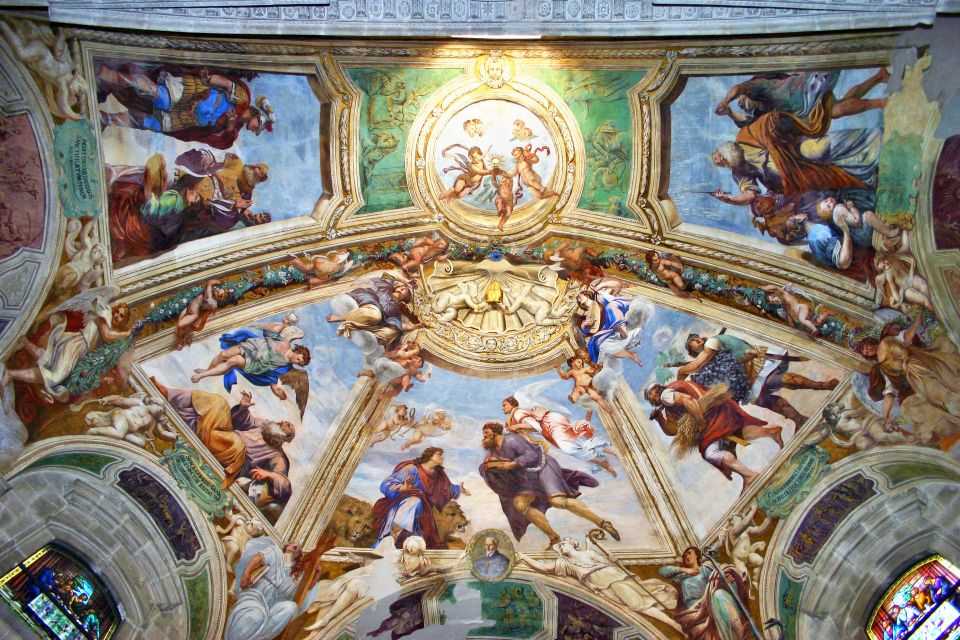
If you only know Syracuse from the big headlines about Greek antiquity, Ortigia is the correction. It’s the old core of the city, built over earlier layers of power and belief. On foot, you feel the changes: stone changes style, streets change mood, and suddenly the city makes sense as a timeline you can actually walk.
What makes this tour work is the focus. You’re not trying to cover every corner of the island. You’re guided through the most legible story points: starting with the Greek Apollo Temple area, moving into the cathedral zone, then heading toward water and viewpoints where the sea air makes the whole place feel more “Sicily” than “museum.”
You can also read our reviews of more tours and experiences in Syracuse.
The Apollo Temple meeting point: start with a strong anchor
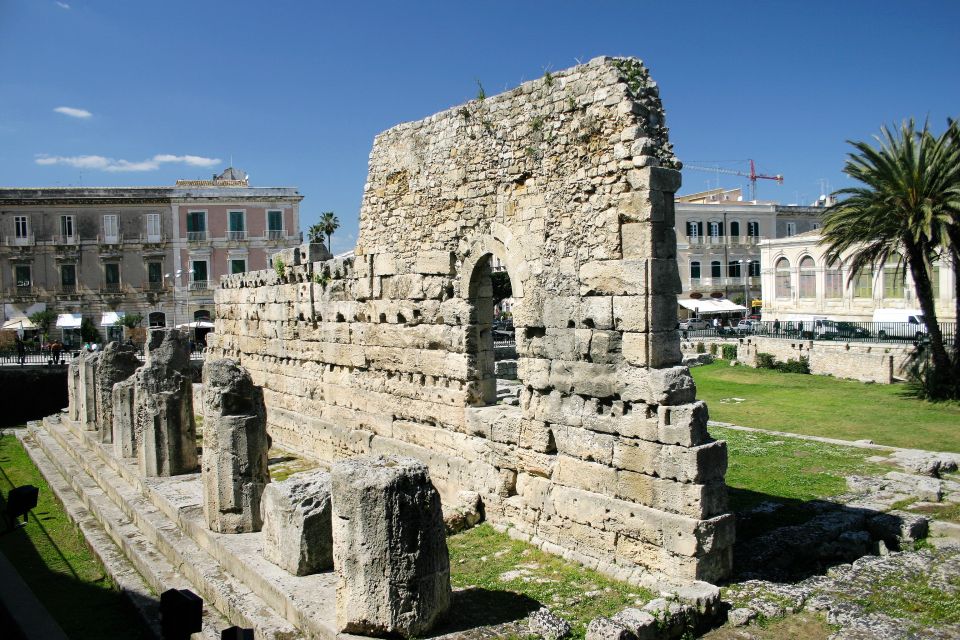
You meet at Largo XXV Luglio, at the entrance area by the Temple of Apollo. Look for the Hermes Sicily Tours sign or logo, and the guide waits in the stretch between the small fountain on the right and the benches in front of the temple (weather can shift exactly where they stand).
This start matters. The guide begins with a short history that sets the frame for what you’ll see next. Instead of just “cool ruins,” you start learning why the ruins are where they are and what that location meant for earlier rulers. It’s one of those small touches that improves every later stop, because you recognize patterns as you move.
Cathedral Square: where pagan temple remains meet baroque grandeur
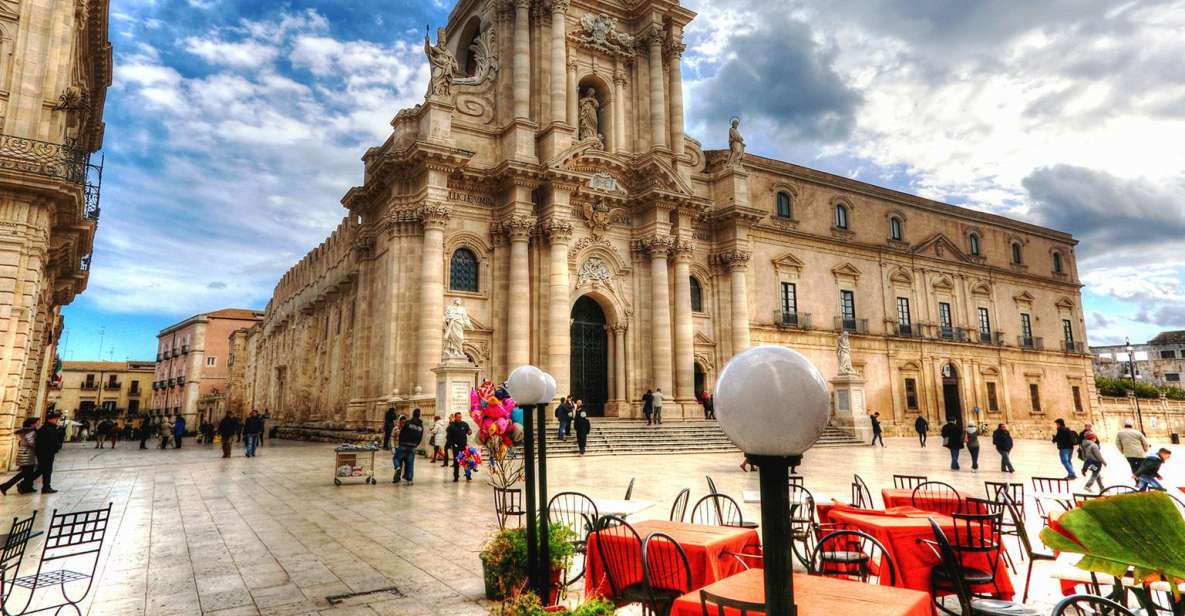
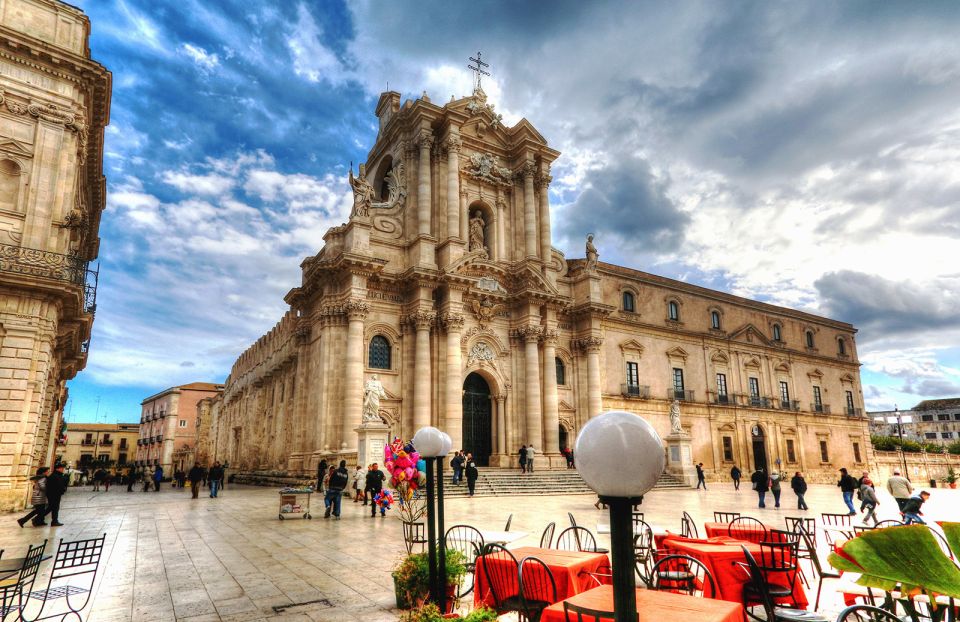
After a short walk, you arrive at Cathedral Square, and the scene hits you fast: bright limestone buildings packed together, with major civic and religious sites around the square. Expect to see the town hall, the Palazzo Beneventano, the bishop’s palace, and St. Lucy’s Church in the mix, but the main focus is the cathedral itself.
Here’s the key idea that makes the cathedral zone special: it’s the only church still in use today that was originally a pagan temple. That means you’re looking at a religious building that absorbed an earlier sacred space, not replacing it. You’ll also get guidance on what you’re seeing while you’re there—so details don’t just blur together.
Optional cathedral interior visit (and what to plan)
The interior visit is optional, and that’s important for your planning. Admission fees aren’t included, so if you want to go inside, you should expect to pay extra on the spot. If you’re traveling with limited time or prefer mostly exterior sights, you can choose to focus on the exterior architecture and still get a lot from the stop.
Also, dress code is enforced for church visits: no shorts, no sleeveless tops, and shoulders must be covered for both men and women. If you’re traveling in warm weather, bring a light layer you can throw over your shoulders quickly.
Stroll through Ortigia’s key streets: Jewish Quarter and Via Maestranza
The tour keeps moving through neighborhood texture, not just monuments. You pass through the Jewish Quarter, then onto Via Maestranza, a street known for the grand homes the nobility built—pompous houses, shaped by social status.
This is one of my favorite parts of an Ortigia walk, because streets like these are where history becomes physical. You don’t just learn what happened; you see how people lived and how wealth expressed itself in architecture and location. It’s the difference between “knowing dates” and understanding the city’s logic.
If you like photography, this stretch also gives you good angles. The street scale and the layering of facades tend to look better as you slow down rather than rush past.


Aretusa Fountain: myth, papyrus, and the sea-side pause
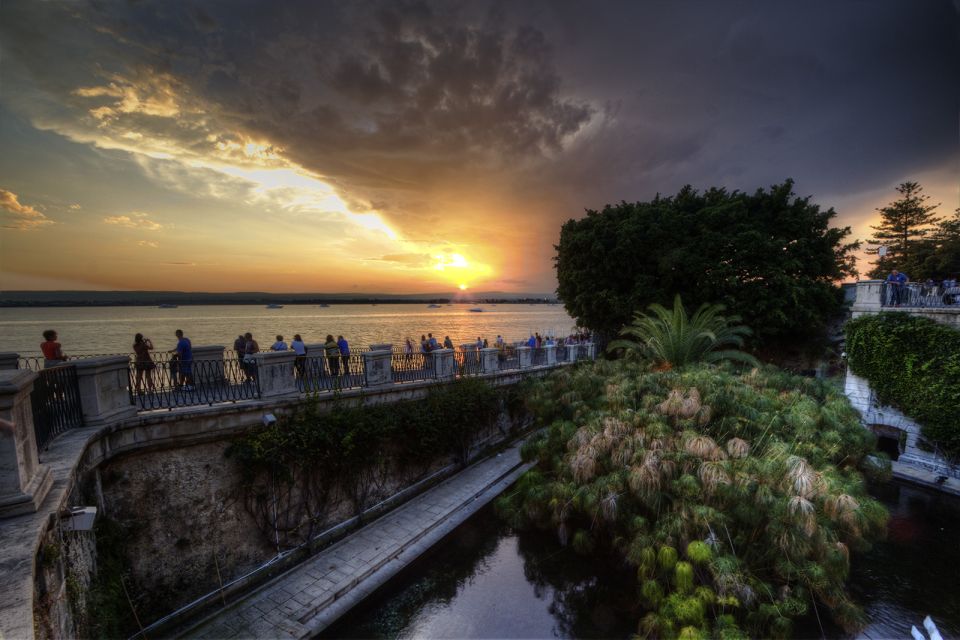
Next comes Aretusa Spring (Aretusa Fountain) near the sea. The tour connects the place to myth: the story of Aretusa was told by Ovid, and the water here is clear and fresh enough that papyrus grows. There’s also a link to a historical figure: papyrus may have been brought here when Archimedes lived in town.
Even if you’re not a mythology person, you’ll still appreciate the stop because it’s a natural reset. The sound of water and the proximity to the sea make the earlier stone-and-stairs atmosphere relax for a few minutes. It’s a good moment to ask questions, especially if your guide has a knack for explaining why certain sites were chosen in the first place.
And you’ll likely catch a bit of “real Ortigia” energy here—boats, seagulls, and people doing everyday things. That’s what keeps the tour from feeling like a checklist.
Viewpoints and sea panoramas: what you’re really paying for
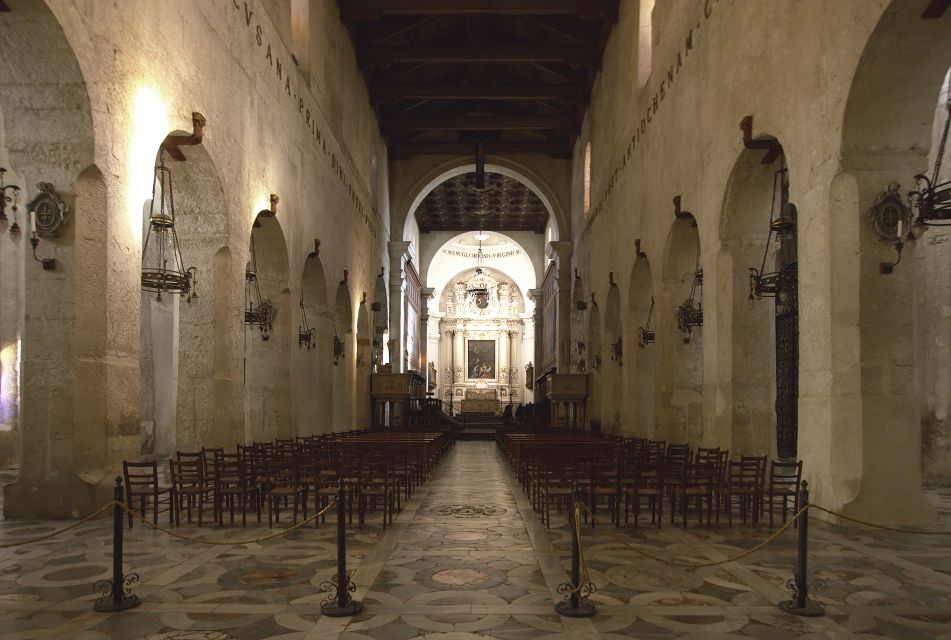
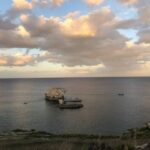
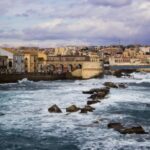
The itinerary includes a viewpoint stop. This is where Ortigia’s layout clicks. From an elevated spot, you can see how the island center meets the coast and why so many key sights cluster where they do.
This matters because it gives context for what you’ve already walked. You’ll stop guessing about distances and start understanding the shape of the island. If you’re the type who hates tours that only point at things, this part is the antidote.
Also, if weather is tricky, ask your guide what will be best to prioritize. The route is private, so they can adapt the walking rhythm and timing more easily than a big fixed-group tour.
Archimedes Square and the Fountain of Diana
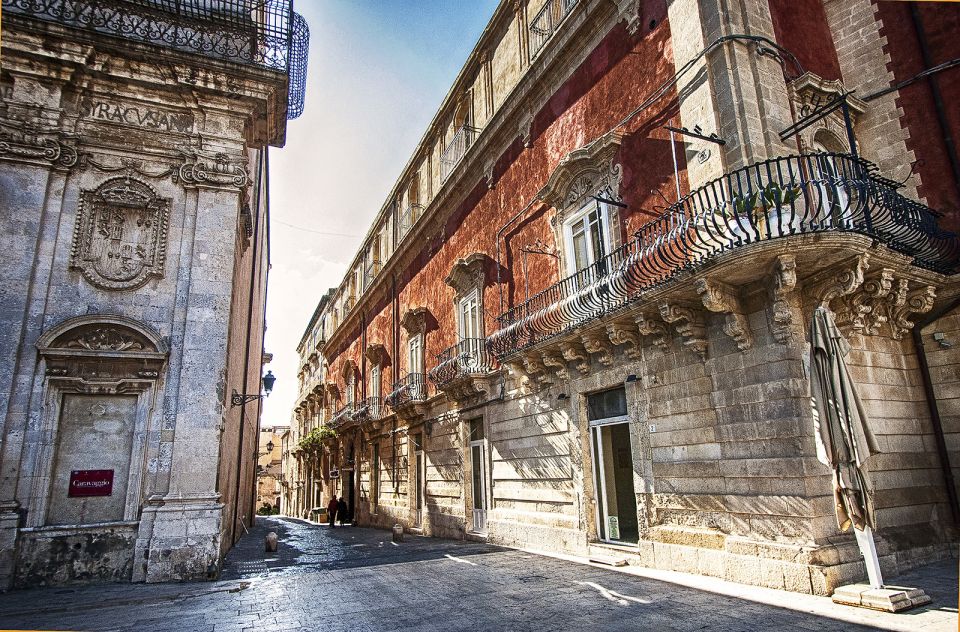
As you head back through Ortigia, you reach Archimedes Square, where you’ll see the neoclassical Fountain of Diana. It’s another reminder of Syracuse’s long, sometimes glorified, past—an echo of earlier ideals about power, learning, and civic pride.
From a traveler’s point of view, this is a nice finishing beat before you land back at the center. It keeps the pacing moving but doesn’t feel like a final sprint.
Ending at Piazza Archimede or the fish and fruit market
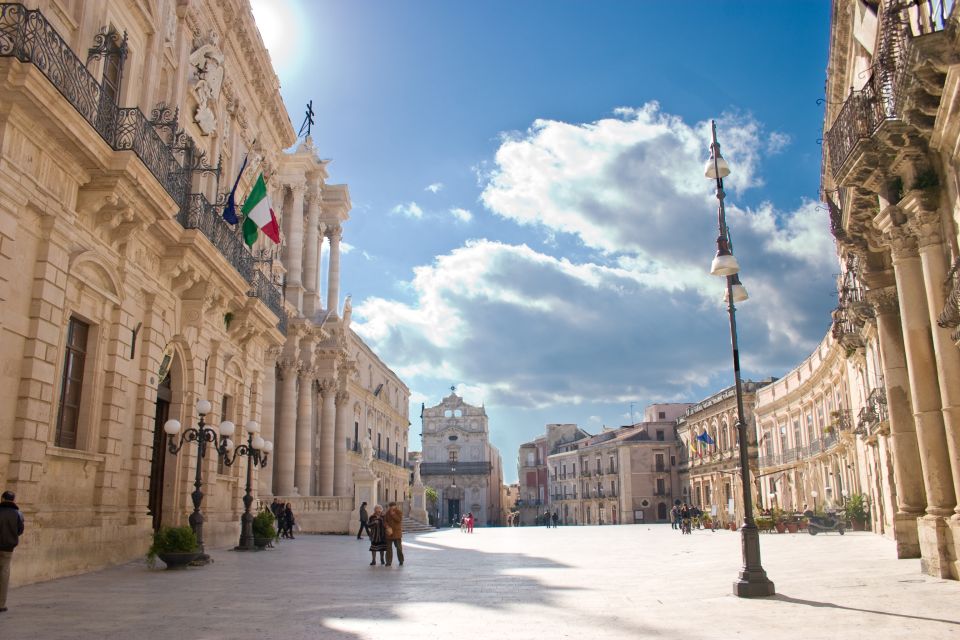
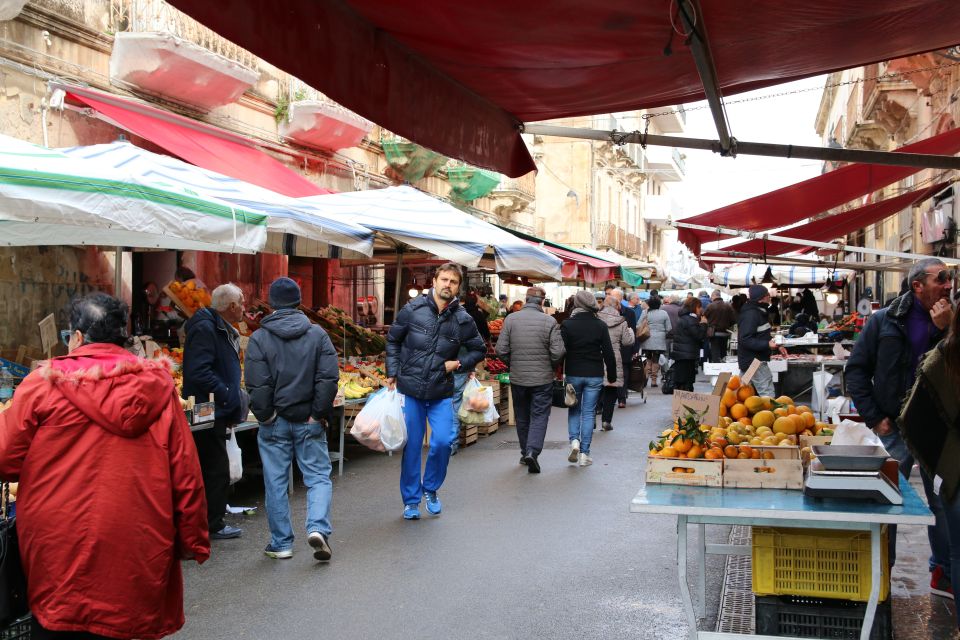
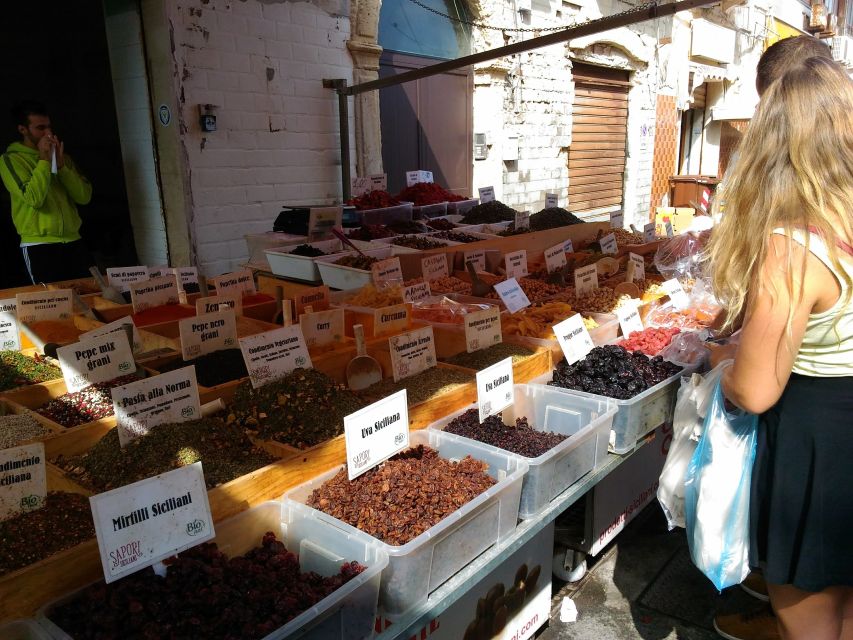
The tour ends back at Piazza Archimede, in the heart of Ortigia. But you can also ask your guide to end at the local fish and fruit market, which is a great way to turn a historical walk into a real food-and-street experience.
Just be smart about timing. The market is open only in the morning and on working days. If you’re booking for later in the day, you might want to skip the market expectation and stick to Piazza Archimede instead.
Private guide quality: when the guide makes the whole thing
The tour is private with a licensed guide, and that shows in how people describe the experience. Names that came up include Galina and Eva—both praised for clear explanations and for connecting architecture to what came before it. Eva also received strong notes for flexibility, even during unusual circumstances when access around Ortigia was affected by a high-profile visit.
That flexibility is not just nice. It’s practical. In an old city, things change—crowds, events, and temporary access rules. A strong guide who can adjust keeps your tour feeling smooth rather than blocked.
And it’s a good match if you like asking questions. You’re not stuck listening to a script while everyone else moves on.
Price and value: $220.91 per group up to 9
The price is listed as $220.91 per group for up to 9 people, with a 2-hour duration. On paper, that can look high if you’re used to paying per person for a big bus tour.
But here’s how I’d think about value:
- If you’re traveling as a family or small group, the cost per person can become quite reasonable fast.
- You’re paying for a private licensed guide plus a focused route through the most important Ortigia nodes, including the cathedral zone and the sea-side spring.
- You’re also getting time saved. Instead of self-guiding and guessing what matters, you get a narrative route that explains why each stop exists.
If you’re solo and prefer private guiding, the price may feel steep compared to a shared group option. The shared option is available at certain times and is only in English or Italian, so it may be worth checking if you want to reduce cost.
What to do with your timing (and your camera)
Because this is about 2 hours, treat it as a high-quality “core introduction” to Ortigia. You can follow it with your own exploring afterward, especially around the cathedral area and toward the sea. The viewpoint and Aretusa stop give you enough orientation that you’ll know where to wander next.
For the best experience:
- Bring something you can wear to meet the church dress code without stress.
- If you want the market ending, aim for a time when it’s actually open (morning, working days).
- If you care about cathedral interiors, budget time for it and expect extra admission.
Who this tour suits best
This tour is a great fit if you want:
- A private, flexible walk with a guide who can explain what you’re seeing in plain language.
- A mix of Greek roots, church architecture, and sea-side setting—without trying to do everything.
- A manageable length that doesn’t eat your whole day.
If you’re a serious history scholar who wants deeper museum-level detail, you might add additional reading or separate stops. But for most visitors, this hits the sweet spot: the big turning points, explained well, in a walk you can actually enjoy.
Should you book this Ortigia private walking tour?
I’d book it if you’re visiting Syracuse mainly to understand the old heart of the city. The cathedral zone plus Aretusa Fountain plus the street-level story of Ortigia is a strong combo in just two hours, and the private licensed guiding makes the difference between seeing buildings and understanding them.
I’d skip or adjust expectations if you can’t meet the church dress code, or if your schedule won’t work for an extra stop at the cathedral interior or the morning market ending. Otherwise, it’s a smart way to get grounded fast in Ortigia—so your later wandering feels intentional, not random.
FAQ
How long is the Syracuse: Ortigia Private Walking Tour?
It lasts about 2 hours. Starting times depend on availability.
Where do I meet the guide?
Meet at the Apollo Temple entrance in Largo XXV Luglio. The guide will have the Hermes Sicily Tours sign or logo and waits in the area between the small fountain on the right and the benches in front of the temple.
Is this tour private or shared?
This can be booked as a private walking tour. A shared group option may be available during some periods of the year.
What languages are available?
The live guide is available in Italian, English, or German. Shared group tours are available in English or Italian.
Are admission fees included for the cathedral interior?
Admission fees are not included. The cathedral interior visit is optional, and you’d pay admission separately if you choose to go in.
What should I know about clothing and the market?
You need to dress appropriately for places of worship: no shorts or sleeveless tops, and shoulders must be covered. The fish and fruit market is open only in the morning and on working days.