REVIEW · SYRACUSE
Syracuse: Ortigia and Neapolis Guided Walking Tour
Book on GetYourGuide →Operated by MySicilyGuide · Bookable on GetYourGuide
Syracuse’s ruins have a soundtrack. This 3-hour Ortigia + Neapolis tour strings together Greek, Roman, and early-Christian stories using what you can actually see in the stones.
I especially like the way the guide connects the Temple of Athena to the Cathedral of Syracuse, so the architecture stops being trivia and starts making sense. I also love the jump from town streets to the Archaeological Park, where you get the Greek Theater views and stops like the Ear of Dionysos.
One thing to plan for: entrance fees aren’t included, so your final budget will be higher once you account for the park monuments.
In This Review
- Key things that make this tour worth your time
- Why Syracuse’s Greek-and-Roman story works better on foot
- Meeting at Neapolis: get your bearings fast
- Temple of Athena in Ortigia: the photo stop that turns into a real lesson
- What you’ll notice during the guided walk
- The Cathedral of Syracuse: architecture with a built-in explanation
- Ortigia’s ancient streets: getting the labyrinth without losing the plot
- Neapolis Archaeological Park: Greek Theater and the Roman Amphitheater vibe
- A note on timing and how to enjoy lingering
- Paradise Latomia and the Ear of Dionysos: the stops with the best stories
- Price and logistics: what $317.20 per group really means
- Your guide makes the city feel alive (Marcelo, Anna, Giuseppe, Laura)
- Pacing, comfort, and who this tour is perfect for
- Practical tips for a smooth Ortigia + Neapolis day
- Should you book this Syracuse Ortigia and Neapolis walking tour?
- FAQ
- How long is the Syracuse: Ortigia and Neapolis guided walking tour?
- Where does the tour start?
- What sights are included on the route?
- Are entrance fees to monuments included in the price?
- Is this tour private and small-group?
- What languages are available for the live guide?
Key things that make this tour worth your time
- Skip the ticket line for a smoother start at Neapolis
- Temple of Athena + Cathedral connection explained in plain language
- Small-group pacing with time for photos and questions
- Neapolis theater views over the Ionian Sea from the right spot
- Paradise Latomia + Ear of Dionysos for the surreal, story-rich side of Syracuse
- Headsets included, so you hear the guide even in busy areas
Why Syracuse’s Greek-and-Roman story works better on foot
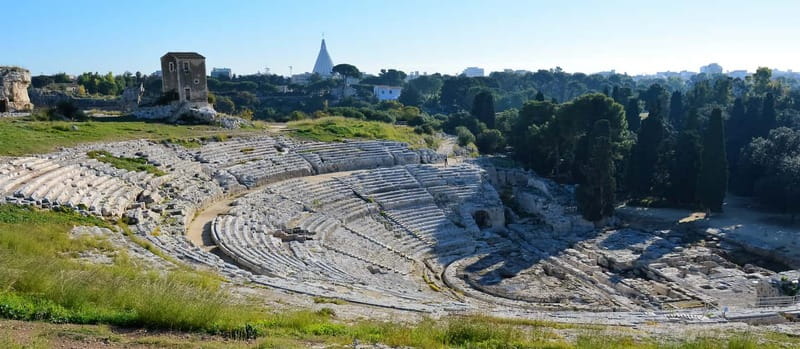
Syracuse is one of those places where history isn’t locked behind museum glass. It’s in the walls you walk past, the way buildings were reused, and the way power moved across the Mediterranean. In just 3 hours, this tour gives you a clear thread: how early Greek worship and civic life shaped the city, then how later eras kept building on the same ground.
You’re not just collecting stops. You’re learning how Syracuse became a Mediterranean capital and why religion and architecture were basically the same tool for different rulers.
You can also read our reviews of more tours and experiences in Syracuse.


Meeting at Neapolis: get your bearings fast
You start at Biglietteria Parco Archeologico Neapolis, on Via Luigi Bernabò Brea in Siracusa. The guide meets you at the ticket office with a sign for the local partner, which helps when you’re arriving without a local map in your head.
This matters because Neapolis is where the “big stones” live: theaters, cave-like quarry areas, and viewpoints that explain why ancient Syracuse placed key structures here. With a headset included, you can focus on the guide’s narration instead of constantly turning to catch the next explanation.
Practical tip: wear comfortable shoes. Even with a guide managing the route, you’ll still be walking on uneven surfaces.
Temple of Athena in Ortigia: the photo stop that turns into a real lesson
The tour’s first major sighting is the Temple of Athena. You’ll do a photo stop, then a guided visit and tour segment lasting about 30 minutes.
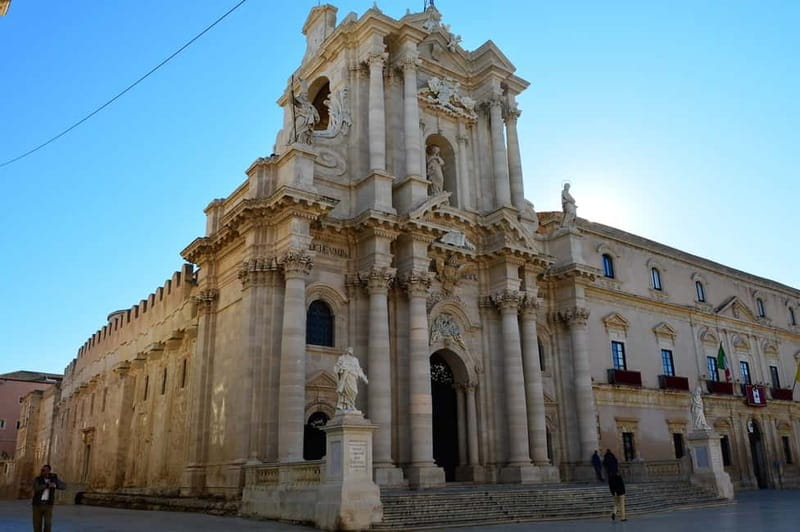
This is the part I’d prioritize if you only had limited time in Syracuse, because it shows you one of the city’s biggest themes: older sacred spaces didn’t disappear. They were reused. The Cathedral of Syracuse famously incorporates elements from the ancient pagan temple site, and the guide helps you see what changed, what stayed, and why that shift mattered.
If you like when a city’s religious history is explained through architecture (not just dates), this stop is made for you.
What you’ll notice during the guided walk
You’ll likely spend time looking at details and how different layers of construction reflect changing beliefs and rulers. Even when you’re just standing still, the guide’s descriptions help you “read” the building instead of treating it like a backdrop.
The Cathedral of Syracuse: architecture with a built-in explanation
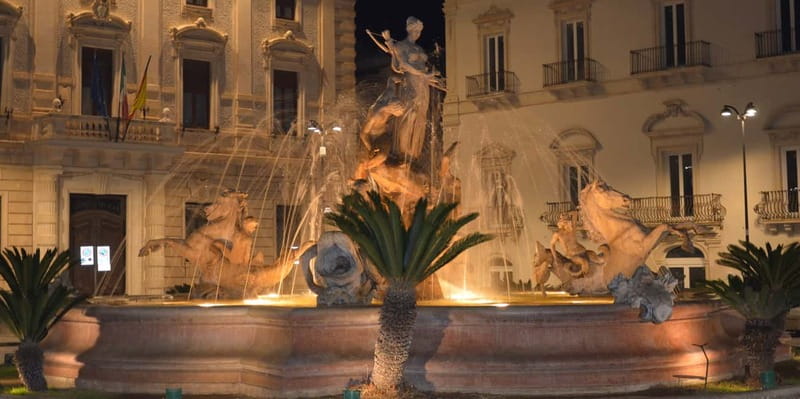
Right after the Temple of Athena connection, the tour shifts into a walk that highlights the Cathedral of Syracuse. You’ll get a guided explanation of the Cathedral’s multiple architectural styles, which is a fast way to understand why this site feels like a crossroads rather than a single era frozen in time.
If you’ve ever stood in front of an old church thinking, I should probably understand what I’m looking at—this is that answer. The guide connects the dots between Greek religious practices, later Mediterranean influences, and how the Cathedral became a visible symbol of authority.
This is also where the headset shines. The spaces can make casual conversation hard, and you’ll want to hear the guide’s explanations clearly.





Ortigia’s ancient streets: getting the labyrinth without losing the plot
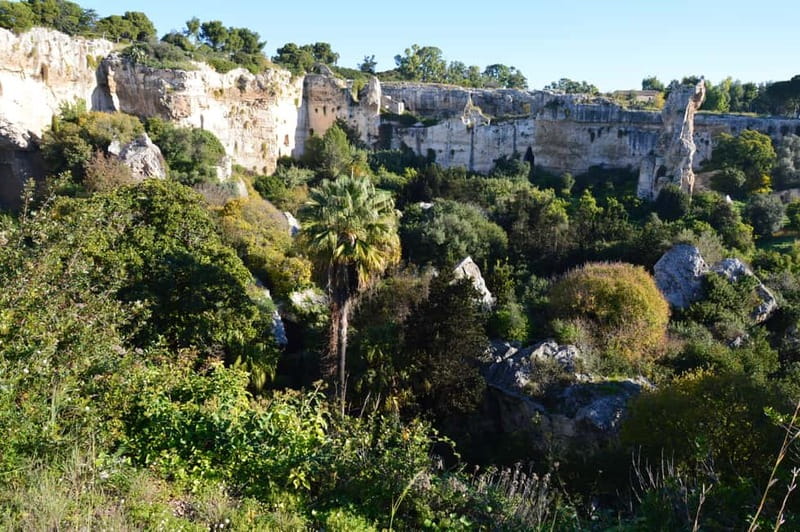
One of the tour’s best promises is a guided walk through the labyrinth of ancient streets. Ortigia can feel like a maze at first—pretty, lively, and full of wrong turns if you’re solo and winging it.
Here, the guide acts like a translator. You’ll understand what you’re walking through and why it mattered when Syracuse was at its peak. This is also where legends and local stories show up naturally, especially in guides with strong storytelling energy.
From the reviews, guides like Giuseppe and Anna stand out for keeping questions flowing and answering them on the move. That’s a big difference from tours where you’re marched from point to point with no room to think.
Neapolis Archaeological Park: Greek Theater and the Roman Amphitheater vibe

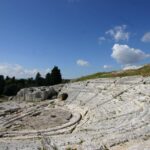
After Ortigia, you head to the Archaeological Park at Neapolis. This is where Syracuse turns dramatic. The tour focuses on major monuments, including the two ancient theaters: the Greek Theater and the Roman Amphitheater.
What I like about doing this with a guide is that theaters aren’t just ruins you look at—they’re tools designed for sound, spectacle, and civic life. When you’re told where to stand and what the space was built to do, it clicks instantly.
You also get views over the Ionian Sea from the Greek Theater area. Even if you’re not a “view person,” this viewpoint helps you understand why the city chose these spots. The landscape isn’t just pretty—it’s part of the original design logic.
A note on timing and how to enjoy lingering
The tour is about 3 hours total, so you won’t roam like you’re on your own. But the guides often allow time for pictures and short pauses, which is the sweet spot if you want both learning and breathing room.
Paradise Latomia and the Ear of Dionysos: the stops with the best stories
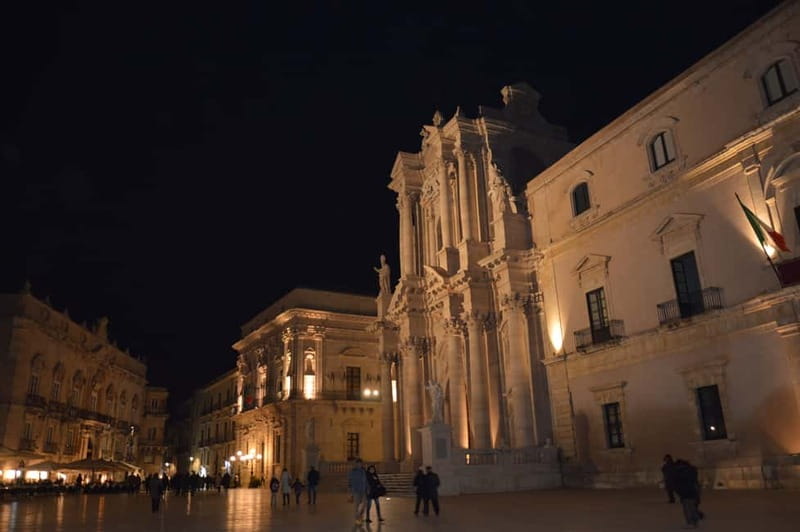
The itinerary’s highlight list doesn’t just throw names at you. It leads you into some of Syracuse’s most memorable spots in the Neapolis area:
- Paradise Latomia
- Ear of Dionysos
Latomia areas can feel unreal—quarrying caves, strange shapes, and echoing spaces where you can almost imagine the past speaking back. The guide’s role here is key: you’ll hear why these spaces were important and how the stories became part of Syracuse’s identity over time.
The Ear of Dionysos is especially worth paying attention to. Even if you already know the name, having it explained in context makes it feel less like a quirky stop and more like a piece of city lore tied to the way Syracuse told stories through place.
If you like your archaeology with character, this is where the tour earns its keep.
Price and logistics: what $317.20 per group really means

This tour costs $317.20 per group, up to 5 people, for about 3 hours. If you’re splitting with a full group, it can work out to a pretty reasonable per-person rate compared to booking separate individual experiences.
You get a few value boosters included:
- a licensed guide
- a headset so you hear the narration clearly
- skip the ticket line
What’s not included:
- entrance fees to monuments
- pick-up and drop-off
- food and drinks
One very practical budgeting point: the Archaeological Park admission is extra. A review I saw mentioned an admission figure of 13 euros per person for the park, and it’s consistent with how these sites are commonly handled. Because entrance fees aren’t included, your final total depends on how many of you are in the group and which areas require paid entry on the day you go.
Bottom line: I think this tour is best value when you show up with a small crew (family or friends). The guide time is the product, and the smaller the group, the better that investment usually feels.
Your guide makes the city feel alive (Marcelo, Anna, Giuseppe, Laura)
The strongest pattern from the tour experience is simple: the best parts are the guide’s storytelling and the ease of asking questions.
Several guides are repeatedly mentioned by name:
- Marcelo was praised for covering Greek origins and Syracuse’s later clashes and occupations, with real energy for archaeology.
- Anna stood out for being passionate and personable, with strong architecture and local history explanations.
- Giuseppe got lots of love for making history feel like a story you can walk through, with high energy and even interactive moments for teenagers.
- Laura was described as super knowledgeable and friendly, with lots of room for questions.
- Rosanna was highlighted for explaining the long, continuing Greek identity of the city.
You’ll also appreciate that guides seem to adjust when conditions change. One review noted a sudden rain storm in Ortigia, and the guide handled it without letting the tour fall apart. That kind of flexibility matters more than people think when you’re booking outdoor walking time.
Pacing, comfort, and who this tour is perfect for
This is a private group tour, which means you’re not trapped in a huge crowd. That helps a lot in old city areas where tight streets can get slow and stressful.
It’s also wheelchair accessible, which is a major plus if your group has mobility needs. And the tour can accommodate children of all ages, with the guide involving parents and kids as part of the experience.
Who I’d recommend it to:
- couples who want a guided history thread without a long day
- families who need a pace that works for mixed ages
- history buffs who want architecture explained in a practical way
- teens who might otherwise tune out, but respond to interactive storytelling
Who might want something different:
- if you want to spend hours inside each monument with no schedule, 3 hours may feel short
- if you hate walking on uneven surfaces, you’ll still need sturdy shoes and patience
Practical tips for a smooth Ortigia + Neapolis day
A few small choices can make this tour feel effortless instead of rushed:
- Bring a hat and bottle of water. You’ll be out walking, and heat can change fast in Sicily.
- Wear comfortable shoes with good grip. Old streets and park surfaces can be uneven.
- If you’re camera-heavy, plan to take photos during the scheduled photo stops. Guides tend to time them so you don’t feel blocked.
- Expect some weather variability. Sicily can shift quickly, so pack with that reality in mind.
Also, because entrance fees aren’t included, check your group count before you budget. If you’re going in a smaller group (like 2 people), the guide cost per person is higher, so it helps to make sure you’re comfortable paying extra for monument entries.
Should you book this Syracuse Ortigia and Neapolis walking tour?
Yes, I’d book it if you want the city’s layers explained in a way you can actually follow while walking. This tour is strong at two things that matter most: connecting major monuments (Temple of Athena to the Cathedral) and showing you the Neapolis sites (the theaters plus Paradise Latomia and the Ear of Dionysos) with enough context that your pictures won’t feel random.
I’d also lean toward booking if you like asking questions. The repeated praise for guides like Giuseppe and Anna isn’t about speeches—it’s about conversation and clear answers on the move.
Skip it only if your plan doesn’t mesh with walking time and timed structure, or if you’d rather handle ticketing and interpretation completely on your own.
FAQ
How long is the Syracuse: Ortigia and Neapolis guided walking tour?
The tour lasts about 3 hours.
Where does the tour start?
You meet at Biglietteria Parco Archeologico Neapolis, Via Luigi Bernabò Brea, 96100 Siracusa. The guide meets you at the ticket office with a sign for the local partner.
What sights are included on the route?
You’ll see the Temple of Athena, the Cathedral of Syracuse, and key monuments in the Archaeological Park, including the two ancient theaters. The tour also includes stops in the Neapolis area such as Paradise Latomia and the Ear of Dionysos.
Are entrance fees to monuments included in the price?
No. Entrance fees to the monuments are not included, so you’ll need to budget for those separately.
Is this tour private and small-group?
Yes. It’s a private group and priced per group up to 5 people.
What languages are available for the live guide?
The live guide is available in English, French, Italian, Russian, Spanish, and German. Headsets are also included so you can hear the guide more easily.