REVIEW · SYRACUSE
Syracuse: Neapolis Archaeological Park Small Group Tour
Book on GetYourGuide →Operated by Hermes Sicily Tours · Bookable on GetYourGuide
Syracuse turns into a real-life time machine. The Neapolis Archaeological Park walk connects Greek and Roman power to the strange beauty of rock-cut spaces, from the theater’s sea-view to the echo inside the Ear of Dionysius. In about 1.5 hours, you cover a compact stretch that’s packed with big-name sights, with the option to go shared or private.
I especially like two things. First, the views from the Greek Theatre give context fast, because you can see how the town’s bay and coastline fit into how people lived and watched events. Second, the Ear of Dionysius is the kind of stop you can’t get from a plaque, since the guide explains how the grotto’s shape and acoustics earned its legend, and how it was used in the story of Syracuse.
One drawback to keep in mind: the tour is Italian, so your enjoyment will depend on how comfortable you are with the language. In rare cases of very small shared groups, the explanation may switch to two languages, but most of the time you should expect Italian narration.
In This Review
- Quick hits on the Neapolis tour
- Neapolis in 90 minutes: how this tour tells Syracuse’s story
- Where you meet and how the walking flow works
- Latomie del Paradiso: the quarry that changes how you see the park
- Grotta dei Cordari: where the rock story gets even stranger
- Ear of Dionysius: the echo legend, explained in a way you can use
- The Greek Theatre: your best chance to understand power and space
- Neapolis Archaeological Park photo stop: a short reset with big payoff
- Altar of Hieron II and the Roman Amphitheater: the final chapters
- Shared vs private: which group choice fits your style
- Price and value: what you’re paying for in the real world
- Practical tips for a smoother 1.5 hours
- Should you book the Syracuse Neapolis Archaeological Park tour?
- FAQ
- How long is the Neapolis Archaeological Park small group tour?
- Where does the tour meet and where do you get dropped off?
- Is the tour shared or private?
- What language is the tour guide?
- What stops are included during the tour?
- Are entry tickets included?
- Do you need to bring anything?
- Are radio receivers provided?
- Is the tour wheelchair accessible?
- What’s the cancellation policy?
Quick hits on the Neapolis tour
- Ear of Dionysius: a guided experience of the echoing grotto, not just a photo stop
- Greek Theatre viewpoint: you’ll understand the place faster once you take in the bay views
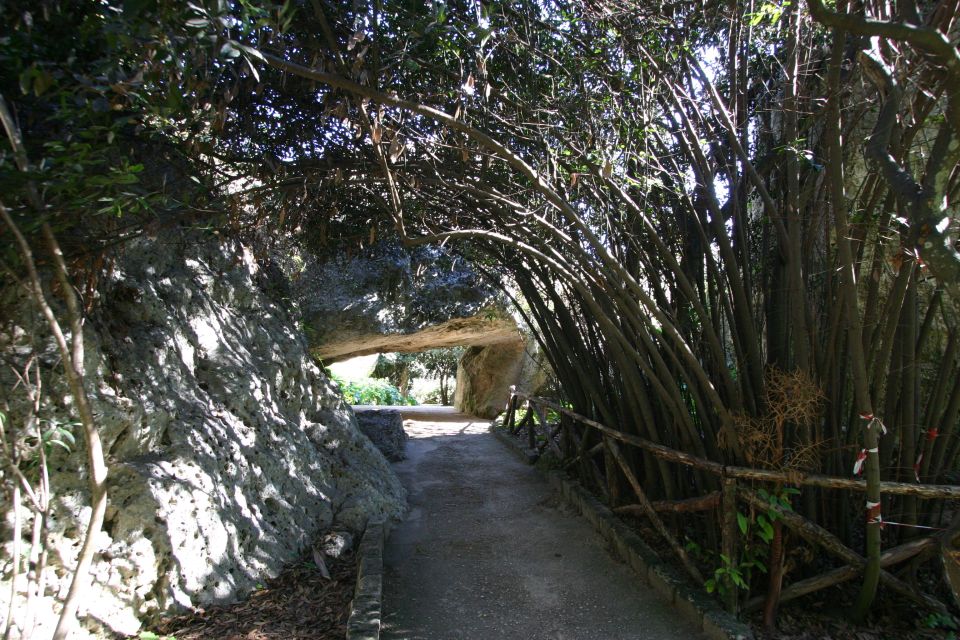
- Latomie del Paradiso + Grotta dei Cordari: rock-cut quarries with plants, atmosphere, and stories
- Altar of Hieron II and Roman Amphitheater: Greek and Roman chapters in one walk
- Choose shared or private: private is ideal for families and slower pacing, shared is good value
Neapolis in 90 minutes: how this tour tells Syracuse’s story
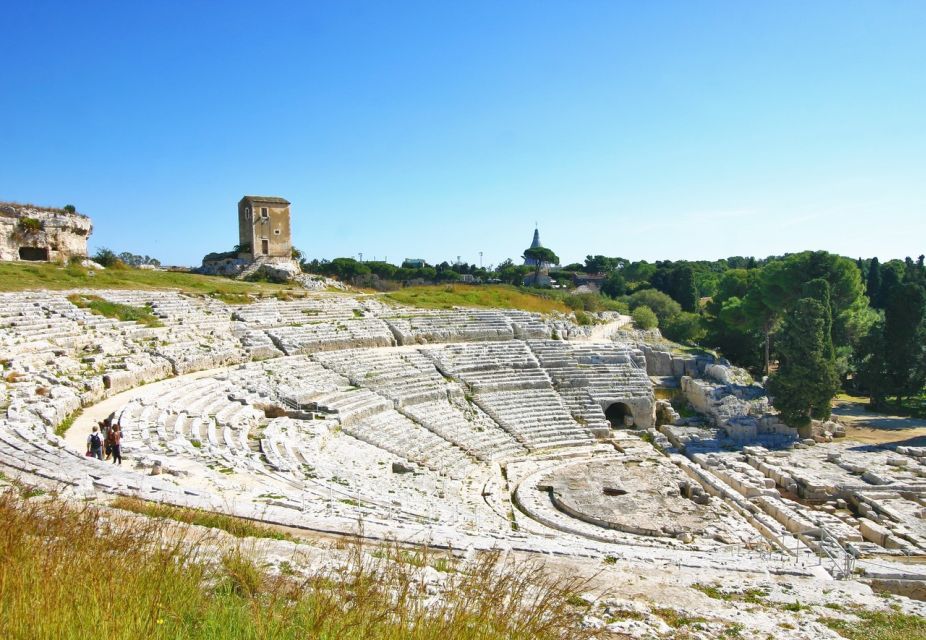
Neapolis Archaeological Park is the kind of site where ruins can feel scattered—unless someone gives them a thread. This tour does that with a steady sequence: theater first, then the stone quarries, then the famous “ear,” and finally the key monuments that show how Greek and Roman Syracuse worked.
What makes it practical is the timing. You’re not wandering for half a day with no structure. In 1.5 hours you hit the major landmarks, with short guided stops that keep the pace moving while still giving you enough time to look around and take photos.
Another value point is the format. You get a licensed guide and (in the larger shared-group setup) radio receivers so you can hear clearly. Even when you choose the shared option, the tour is built for listening, which matters in a place where wind and echoes can swallow voices.
You can also read our reviews of more tours and experiences in Syracuse.

Where you meet and how the walking flow works
You’ll meet your guide at the entrance gate area of Neapolis Archaeological Park, and the exact spot can vary by option. One of the listed starting and drop-off references is Largo Anfiteatro, 2, but the key idea is simple: show up at the stated entrance meeting point so you don’t lose time crossing the site.
The walking route is compact but real. You’ll move between rock-cut areas and open monuments, with guided segments ranging from about 10 to 30 minutes at the main sites. That means comfortable shoes matter more than you think, especially if you visit in warmer months or after rain.
The tour also includes built-in pauses, like a short photo stop at the Neapolis Archaeological Park area. That’s helpful because it breaks up the walk and lets you reset your eyes, rather than rushing from one landmark to the next with no breathing room.
Latomie del Paradiso: the quarry that changes how you see the park
Latomie del Paradiso is one of those stops where the setting does half the storytelling. You’re walking through an ancient quarry cut into the rock, and your guide uses that physical space to explain what Syracuse carved from the earth and what that landscape became over time.
You get about 15 minutes of guided time here, which is the right length for a “place plus meaning” stop. Too short and it’s just scenery. Too long and it turns into an indoor lecture. This duration helps you notice details as you walk: local flora in and around the stone, the texture of the cut rock, and the way the area feels cooler and quieter than the open theater zones.
A practical tip: because you’ll be in rock-cut terrain, slow down. Look at walls and levels as your guide talks. It’s the kind of site where the explanation clicks only when you’re actually watching the stonework.
Grotta dei Cordari: where the rock story gets even stranger
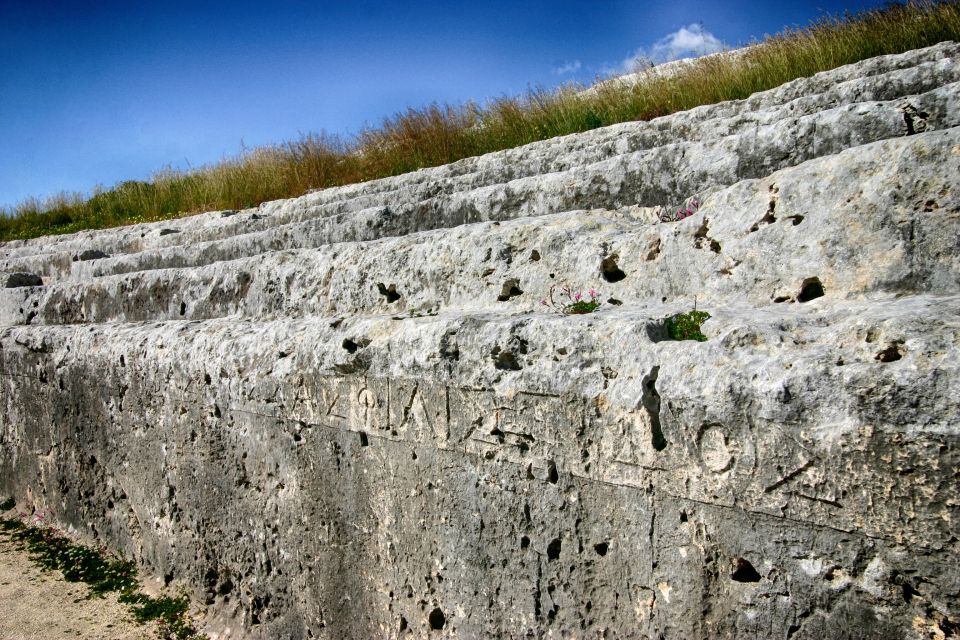
Next comes Grotta dei Cordari, again with around 15 minutes of guided focus. This part of the tour keeps you inside the logic of the quarries: Syracuse’s relationship to stone wasn’t just construction. It became atmosphere, sound, and function.
Why this stop matters is that it builds anticipation for what comes right after. You’ll understand more of the “why” behind the famous grotto (the Ear of Dionysius), because the guide connects the setting, the architecture of the space, and the way sounds can travel in rock-cut environments.
Even if you’re not chasing every historical detail, this stop is good for your senses. The quarries make you feel the scale differently than the open monuments do. You start to see Syracuse as a place shaped by extraction and engineering, not just temples and theaters.
Ear of Dionysius: the echo legend, explained in a way you can use
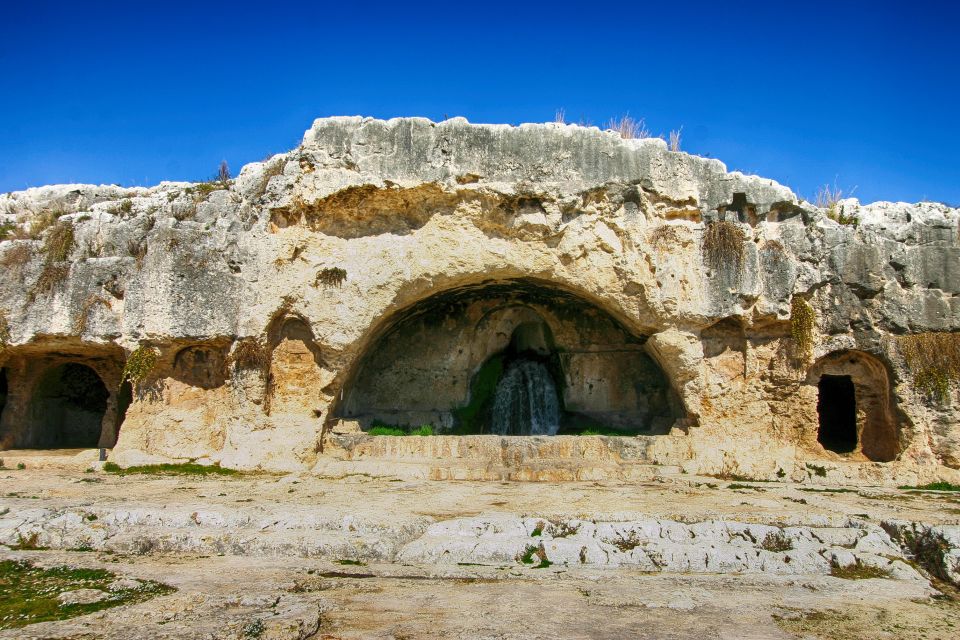
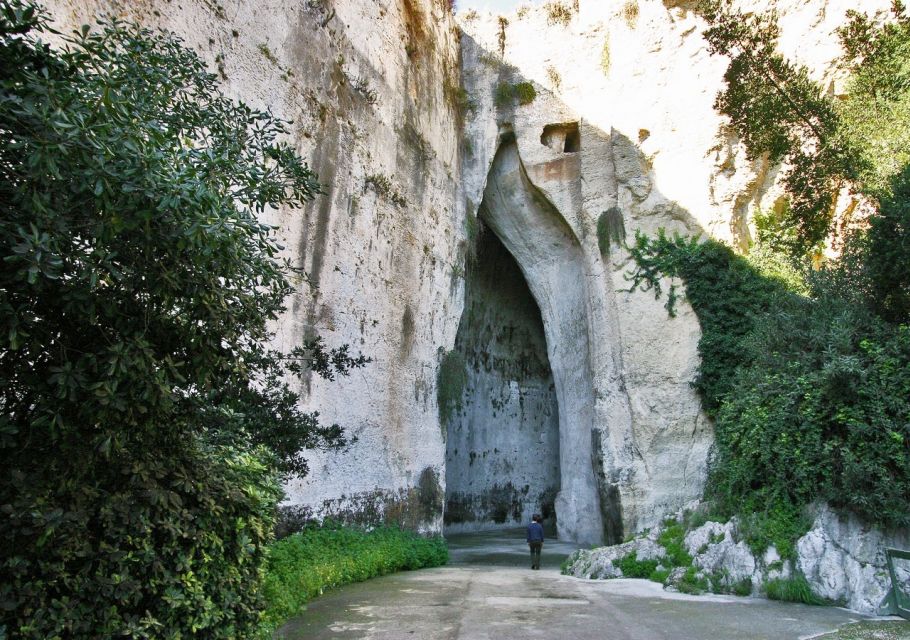
If you only cared about one moment, make it the Ear of Dionysius. It’s inside the quarries, and the tour includes about 15 minutes there. This is where the guide’s storytelling style really matters, and the guide names you may hear on this route are often praised for making the explanation clear and memorable, with a knack for answering questions as you go.
The Ear’s reputation comes from its shape and acoustics, and the guide ties the legend to the physical reality you’re standing in. You’re not just hearing a story—you’re being shown why the stone “works” the way people say it does.
How to get the most out of it: slow your pace and actually position yourself where your guide tells you to look or listen. This isn’t a place where a random angle gives you the full experience. Pay attention to your guide’s cues about the room’s geometry and how sound behaves in a grotto.





The Greek Theatre: your best chance to understand power and space
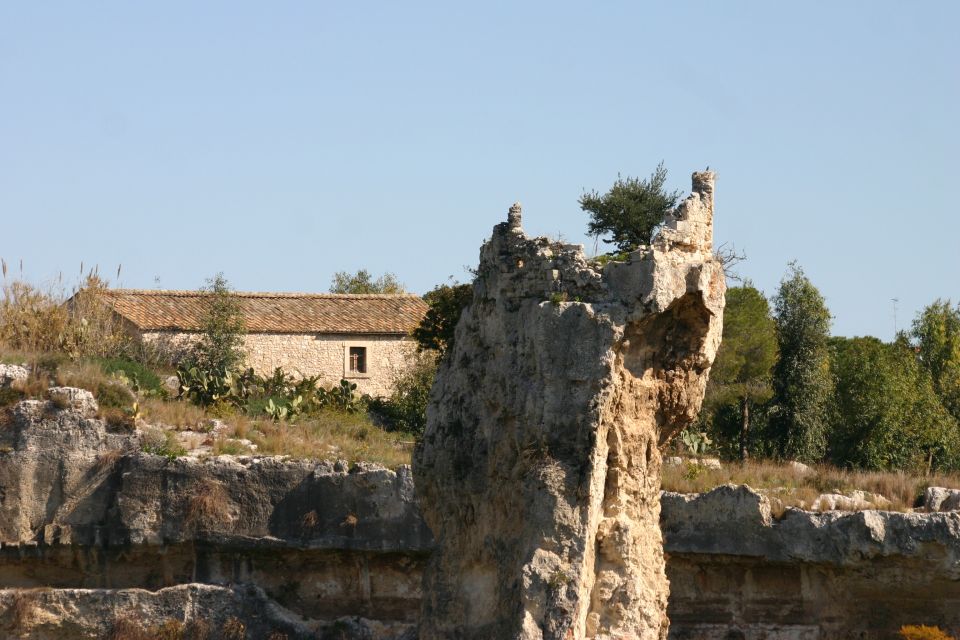
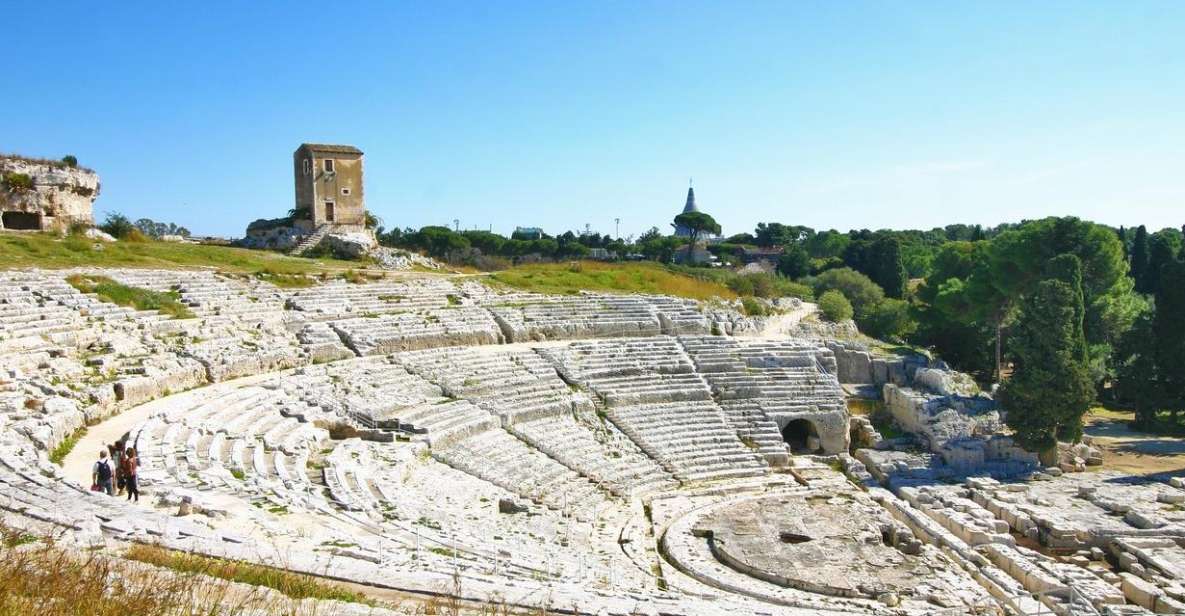
Then you step into the Greek Theatre for about 30 minutes of guided time. This is the emotional center of the tour for many people because it combines spectacle, architecture, and the feeling of standing where decisions were made.
The big win here is the viewpoint. One reason this stop is so strongly valued is that you get views of the town’s bay from the theater area. That changes everything. You see how geography supports visibility, gatherings, and public life. Ruins stop being “objects” and start being infrastructure.
Your guide will also connect the theater to the wider story of Syracuse, including how Greek urban planning expressed power. Even if you’ve visited Roman sites elsewhere in Italy, the theater’s layout and setting make you read the ancient city differently.
If you’re visiting on a hot day, use your time wisely. Sit where you can, shade your head when possible, and let the explanation land before you start roaming for photos. The theatre is where you’ll feel the most “history in action” without anyone asking you to pretend.
Neapolis Archaeological Park photo stop: a short reset with big payoff
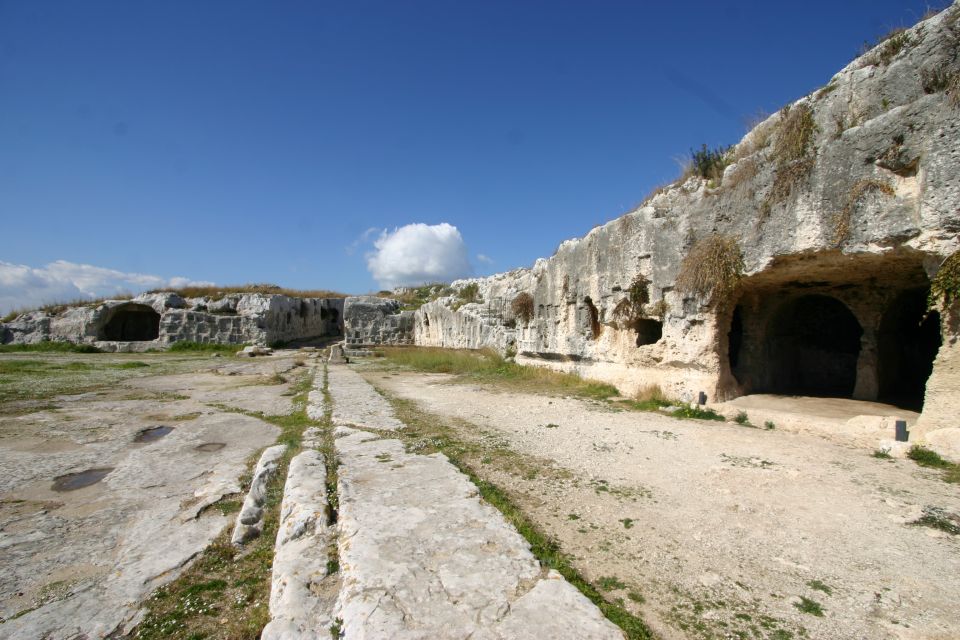
After the Greek Theatre, there’s a photo stop at the Neapolis Archaeological Park area (about 5 minutes). It sounds small, but it’s a smart pacing tool. You’ll already have seen major structures, so the photo pause helps you capture the broader view and remember what belongs with what.
Use those five minutes to do a quick visual check: where are the quarries relative to the theater, and how do the monuments line up along the hill area? This is the moment when the “map in your head” starts forming.
If you’re with a camera-happy crew, keep the line moving here. The guided stops after this are shorter, and the last part of the tour is worth staying focused for.
Altar of Hieron II and the Roman Amphitheater: the final chapters
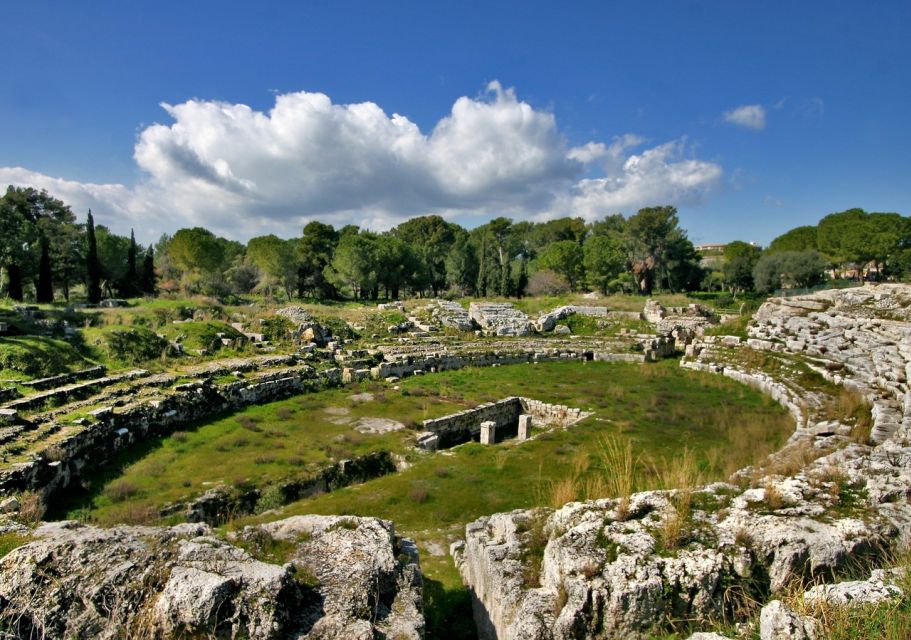
The tour ends with a sequence that’s designed to show transition, not just add more stones. First you visit the Altar of Hieron II with about 10 minutes guided, then you move to the Syracuse Roman Amphitheater for about 15 minutes guided time.
The altar stop matters because it anchors the religious and civic side of power. It helps you see Syracuse not just as entertainment venues and defenses, but also as ritual space tied to community identity and authority.
Then the Roman Amphitheater brings the story forward. The guide uses the space to show how Roman Syracuse adapted existing city patterns and reinterpreted public life. It’s a good ending because it feels like closure: you’ve gone from Greek performance spaces and quarry landscapes to a Roman structure that reads as a continuation of civic ambition.
This pair of stops also makes the walking feel worthwhile. Even if you’re tired from the earlier quarries, you get a clear final payoff: Greek-to-Roman continuity you can point at.
Shared vs private: which group choice fits your style
You can book either a shared group or a private tour. Shared generally works best when you want good value and don’t mind that the pace may be set for mixed interests.
If you want fewer distractions, private is hard to beat. It’s also a solid choice if you’re traveling with kids or you simply like stopping to ask questions without worrying about group timing.
Either way, guides on this route have a reputation for explaining clearly and staying friendly with questions. Names that show up repeatedly include Eva, Federica, Frederica, and Galina, and people also mention that guides can adapt in real-time for the group—like adjusting pacing for younger visitors or making sure everyone can hear.
Price and value: what you’re paying for in the real world
At about $26 per person for a 1.5-hour tour, the value is less about “time” and more about access to understanding. If you’re paying for entry tickets in the selected option, you’re also covering the cost of getting in, depending on what you choose at booking.
For many first-time visitors, the biggest cost is not money—it’s confusion. At a site like Neapolis, you can walk around independently and still miss the connections. This tour is built to give you the links: why the quarry matters, why the theater location matters, and why the Roman monument changes the whole city narrative.
That’s also why so many people strongly recommend doing the site with a guide. The guide helps you read the site like a text, not like a pile of stones.
Practical tips for a smoother 1.5 hours
Bring your passport or ID card. You’ll want it on you, and it’s the one “pre-trip” item this kind of park visit can’t be guessed at.
Wear grippy shoes. Expect walking on paths within a park setting that includes rock-cut areas. Even if the terrain is manageable, comfortable footwear keeps the experience relaxed rather than stressful.
If you’re sensitive to heat, plan for it. One traveler mentioned going at a time when it was incredibly warm, and that’s your cue to bring water and take shade whenever you can, especially in open areas like the theater.
Weather can change quickly. Rain can make the walk feel more slippery and the soundscape more chaotic, so consider a light rain layer and a small towel or cloth for wiping gear.
And if you’re bringing kids, private can help. The tour format is short enough for attention spans, and guides can adjust pacing when needed.
Should you book the Syracuse Neapolis Archaeological Park tour?
Book this tour if you want Syracuse in a bite-sized format with a clear thread from Greek to Roman. The highlights are strong: the Ear of Dionysius, the Greek Theatre bay views, and the final Roman chapter at the amphitheater. You’ll get the meaning you’d otherwise have to work to piece together.
Don’t book it if you prefer to wander slowly on your own and you don’t need explanations. Also think twice if Italian narration is a barrier. While there are rare two-language cases in very small shared groups, the tour is primarily Italian, so your enjoyment will depend on whether you can follow comfortably.
If you like a guided walk with short, well-paced stops and you want to leave with a real understanding of what you saw, this one is an easy yes.
FAQ
How long is the Neapolis Archaeological Park small group tour?
The tour duration is about 1.5 hours.
Where does the tour meet and where do you get dropped off?
The meeting point can vary depending on the option booked. One listed reference point is Largo Anfiteatro, 2, and the drop-off location is the same reference.
Is the tour shared or private?
You can choose between a shared group tour or a private tour.
What language is the tour guide?
The live tour guide speaks Italian.
What stops are included during the tour?
You’ll visit the Latomie del Paradiso, Grotta dei Cordari, the Ear of Dionysius, the Greek Theatre, a photo stop in the park, the Altar of Hieron II, and the Syracuse Roman Amphitheater.
Are entry tickets included?
Entry tickets are included if the option you select includes them.
Do you need to bring anything?
Bring your passport or ID card.
Are radio receivers provided?
Radio receivers are available only for the large shared group tour option.
Is the tour wheelchair accessible?
Yes, the tour is wheelchair accessible.
What’s the cancellation policy?
You can cancel up to 24 hours in advance for a full refund.