REVIEW · GENOA
Genoa: 2-Hour Guided Walking Tour of the Historical Center
Book on GetYourGuide →Operated by Genova Tourism Board · Bookable on GetYourGuide
Genoa’s alley maze tells stories fast. In just 2 hours, you get a guided loop through the Old Town’s narrow lanes (the caruggi), with stops that connect the city’s power, art, and religion. I particularly like how the walk sets up what you’ll see later along Via Garibaldi/Strada Nuova, a UNESCO-listed museum-and-palace zone. One possible drawback: because the tour runs in English and Italian, you may occasionally pause while the guide translates.
I also like the payoff at the end: you’re not rushed straight out. After the walk, you get museum access for an independent visit to the Strada Nuova Museums and Sant’Agostino Museum the same day, which is a smart way to pace your own interests. If you’re the kind of person who gets tired standing in churches and then wants museum time to be optional, this structure may feel perfect—or if you only want one kind of sightseeing, you might wish the tour stayed longer in the streets.
In This Review
- Key Things I’d Prioritize on This Tour
- Why Genoa’s Old Town Walk Feels Like a Shortcut
- Start at Via Garibaldi: Find the Tourist Info Office
- The Two-Hour Route: Narrow Streets, Solid Pace, Smart Stops
- Bilingual reality check (the only snag to plan for)
- Palazzi dei Rolli and the UNESCO Via Garibaldi Context
- San Matteo Square: When Genoa’s Big Family Takes the Stage
- San Lorenzo Cathedral: Gothic Art and the City’s Religious Center
- The Streets You’ll Notice After: Hidden Squares and City Gates
- Strada Nuova Museums and Sant’Agostino: How to Use Your Independent Time
- What you’re really buying with the museum access
- Strada Nuova: art through the 15th to 19th centuries
- Sant’Agostino: medieval Genoa in a gothic setting
- Simple planning tip
- Price and Value: $16 for a Short Walk Plus Museum Entry
- Who Should Book This Tour (and Who Might Feel Limited)
- Small Details That Make It Easier to Enjoy
- Should You Book This Genoa Historical Center Tour?
- FAQ
- Where does the tour meet?
- How long is the tour?
- How much does it cost?
- What languages are available?
- What is included in the price?
- Do I visit the museums during the guided portion?
- Should I visit both museums on the same day?
- What are the main highlights you’ll see?
- Is there free cancellation?
- Is reserve now pay later available?
Key Things I’d Prioritize on This Tour
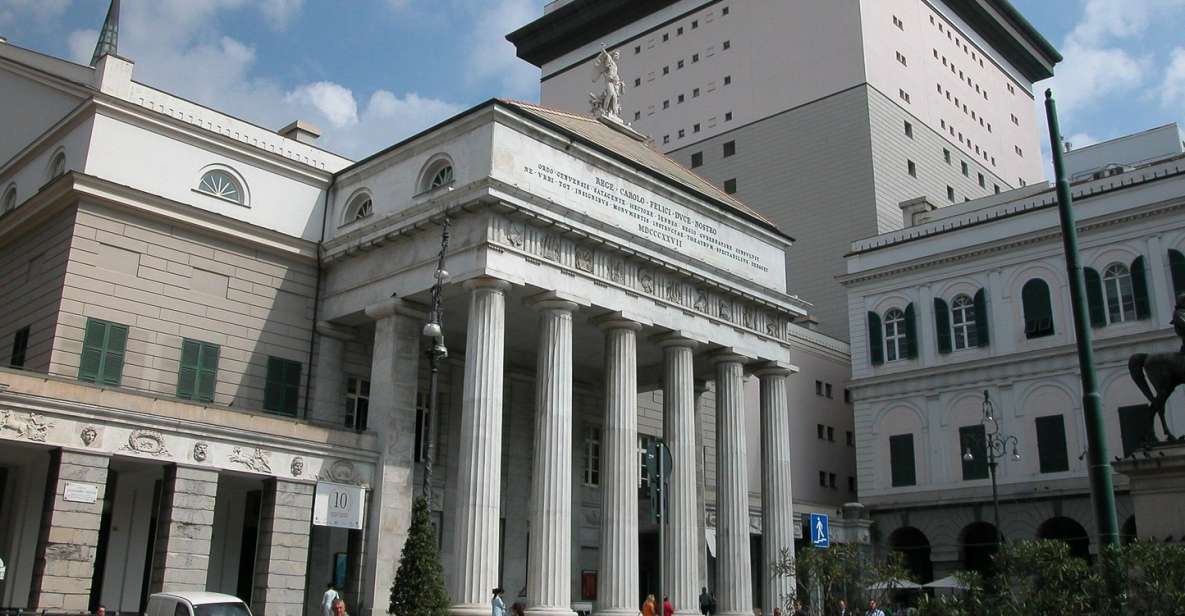
- Rolli palaces in the real street setting: you learn what the UNESCO Palazzi dei Rolli were for, then see their faces in the city fabric.
- A guided path through Genoa’s caruggi: narrow alleys, small squares, and viewpoints you’d miss if you just wander.
- Cathedral stop that explains why it matters: San Lorenzo Cathedral, with religious objects and stories tied to Genoa’s past.
- San Matteo Square and the Doria story: you’ll see where one of Genoa’s most important families left its mark.
- Museum tickets at the end: you can use the Strada Nuova and Sant’Agostino time in your own rhythm.
- Bilingual guide without losing the group: many guides are praised for switching languages smoothly and keeping the same tempo.
Why Genoa’s Old Town Walk Feels Like a Shortcut
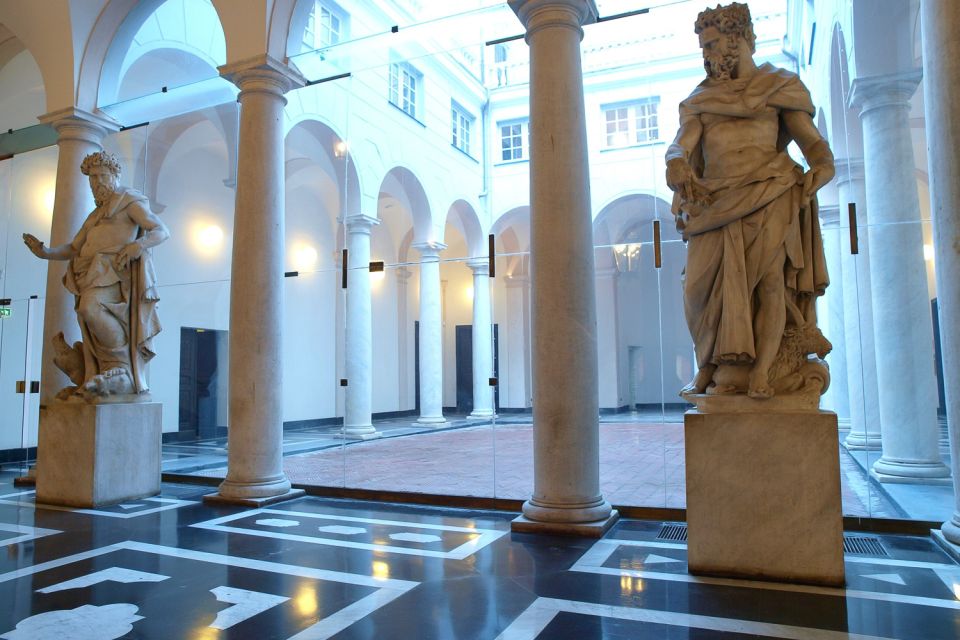
Genoa’s Old Town isn’t laid out like a postcard city. It’s built like a puzzle—steep, twisty, full of surprise corners—and that’s exactly why a guided walk helps. In two hours, you get the map in your head: where the big families showed up, where the city’s spiritual center sits, and where the art world concentrates.
I like the way this tour ties themes together instead of doing a random list of sights. One moment you’re learning what the palaces were meant to represent; the next you’re standing in front of a religious monument and hearing why it’s tied to Genoa’s identity. Then you finish with museum access so the art story isn’t just “look and move on.”
You can also read our reviews of more tours and experiences in Genoa.

Start at Via Garibaldi: Find the Tourist Info Office
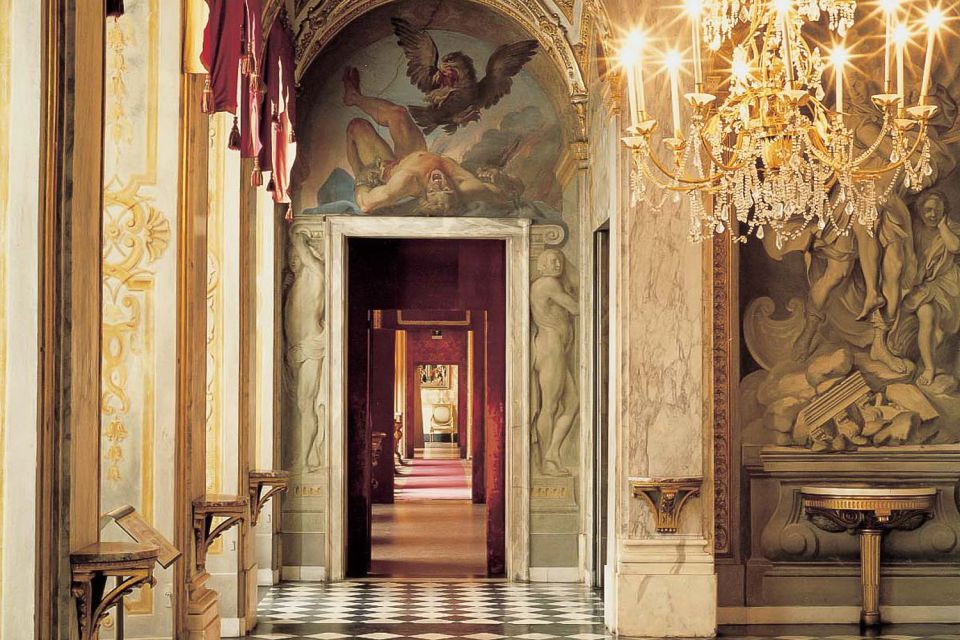
The meeting point is straightforward: the Tourist Information Center on via Garibaldi 12red. Since it’s in the same area as the UNESCO Via Garibaldi palaces, you’re already positioned for the tour’s big theme—aristocratic Genoa right where it still stands.
If you’re arriving by foot from the harbor area, plan a little extra time so you don’t feel rushed at check-in. On one trip described in the past, a ship delay meant someone had to catch up and the team helped them rejoin quickly—proof that being on time matters, but help is possible if you’re running late.
The Two-Hour Route: Narrow Streets, Solid Pace, Smart Stops
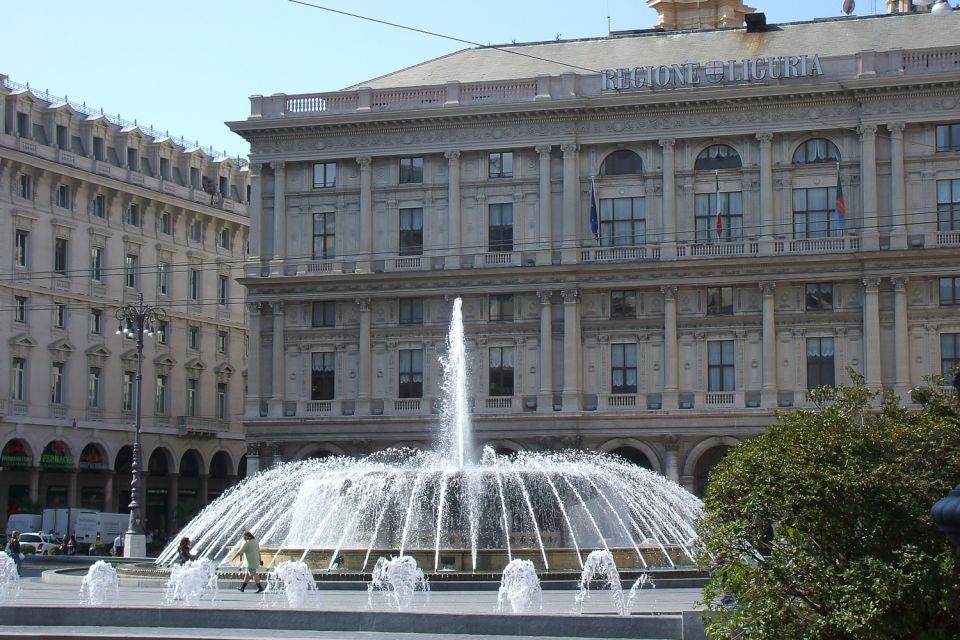
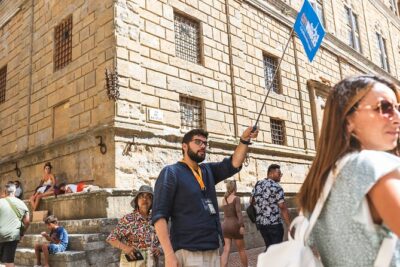
This is a walking tour, but it’s not the kind where you’re sprinting between buildings. Many guides are praised for pacing that works for the group size, and for explaining clearly enough that you can actually hear what you’re looking at. I’d treat it as a “get your bearings fast” experience, not a marathon.
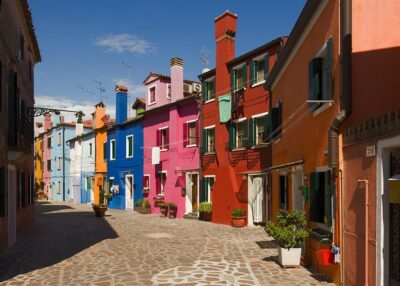
Also, be ready for the rhythm of the caruggi—the narrow alleys that shape Genoa. The streets can feel tight, so the guide’s job is part walking, part teaching. The upside is that you’ll see how the city hides and reveals things: a façade you’d miss, a small square that suddenly makes sense, or a palace frontage that tells you who lived behind those walls.
Bilingual reality check (the only snag to plan for)
The tour is offered in English and Italian with a bilingual guide. This can be a plus if you speak both (or want a language practice chance), but it can also mean you wait while the guide turns the explanation for the other language group. If you prefer uninterrupted commentary, you might find that momentary waiting a minor nuisance—but guides described in past feedback tended to keep it organized.
Palazzi dei Rolli and the UNESCO Via Garibaldi Context
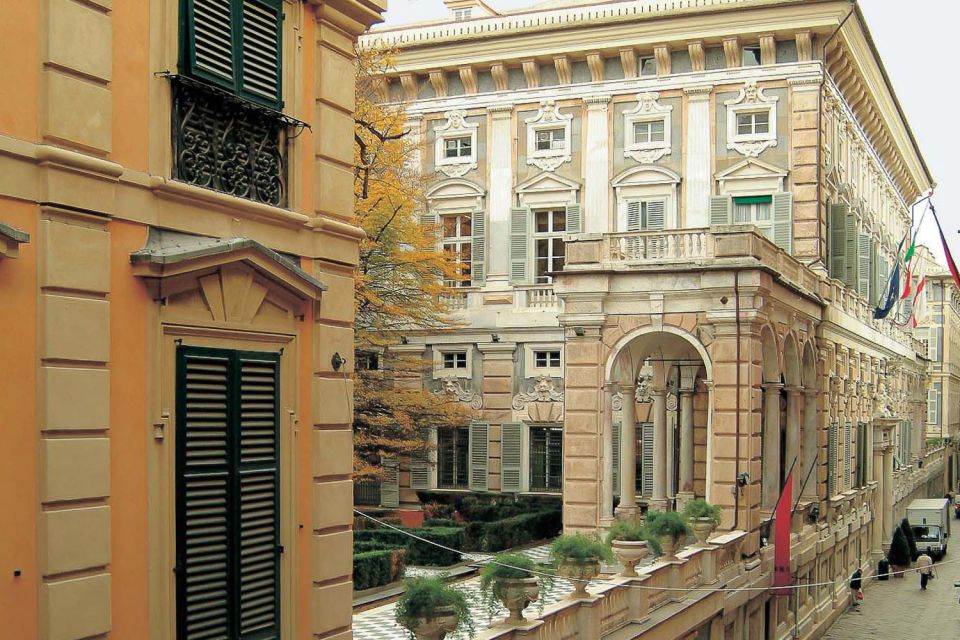
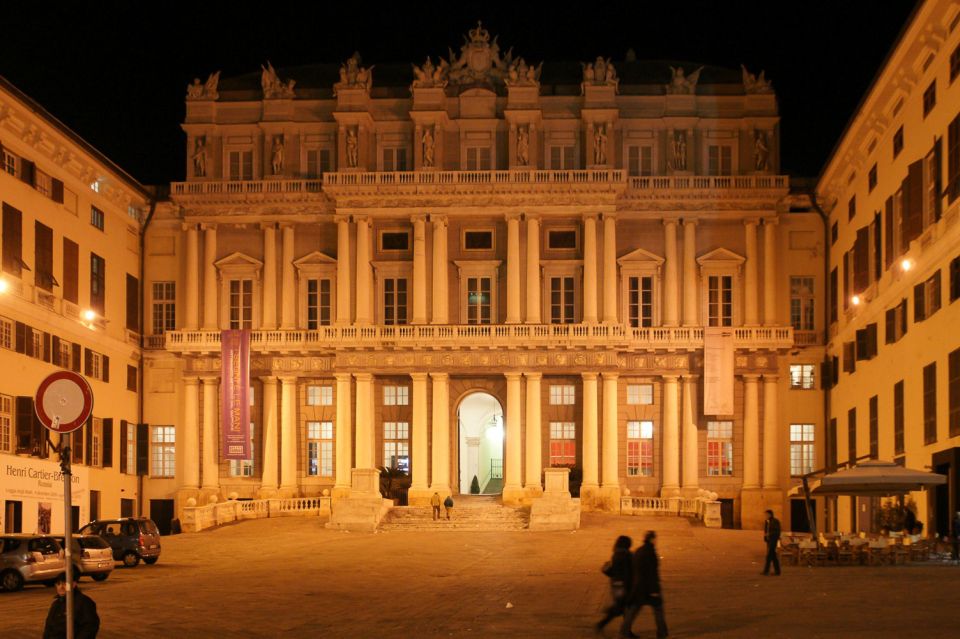
The star theme here is Genoa’s Palazzi dei Rolli, the grand residences tied to Genoa’s aristocracy. What makes this stop valuable is not just the architecture—it’s the function. You’re learning how these homes were used to host important visitors, so when you see the palaces along Via Garibaldi, the buildings stop being random ornate façades and start acting like historical “status statements.”
One reason this matters: Genoa’s power didn’t always broadcast itself through monuments you can spot from far away. It spread through influence—through who hosted whom, where wealth displayed itself, and how the city arranged prestige in stone. This tour helps you connect those dots while you’re walking, rather than forcing you to figure it out later.
Past feedback also points out the tour’s local storytelling style. Guides such as Irene, Roberta, and Daniel have been cited for detailed explanations that make places feel connected. Even if you don’t know Genoa yet, those stories give you anchors you can use while you explore on your own later.



San Matteo Square: When Genoa’s Big Family Takes the Stage
At San Matteo Square, you’ll get a visit tied to Genoa’s most important Doria family power. This is the kind of square stop that works well on a short itinerary because it’s both a location and a narrative marker. You stand somewhere that feels central to the city’s social hierarchy, and the guide connects that feeling to what the Doria family represented.
In practical terms, this stop also breaks the walk up. After alleyways, it’s helpful to reach a more open point where you can reset your bearings and absorb what you’ve heard. It’s also a good moment to take photos, since square-level viewing is easier than trying to shoot upward between buildings.
San Lorenzo Cathedral: Gothic Art and the City’s Religious Center
Next comes San Lorenzo Cathedral, a gothic church that houses many religious objects. This matters because the cathedral isn’t just a pretty building on your route—it’s a focal point for Genoa’s long-running cultural story.
From past guide explanations, you might hear details that connect the cathedral to wider historical events—like the role of crusades in moving relics (including stories tied to St John the Baptist). You might also hear about Genoa’s famous international links, including Columbus references and the way Genoa’s mercantile world intersected with European history.
Even if none of those exact details land with you, the core value remains: the guide gives context for what you’re seeing inside or around the cathedral. It changes the stop from look-only to understand-why.
The Streets You’ll Notice After: Hidden Squares and City Gates
This tour doesn’t only cover the big names. It also moves through the kinds of spaces Genoa loves to hide in plain sight—small squares, side streets, and the “in-between” corners that become your best memories later.
I like that the tour gives you a sense of where the medieval city shows through the modern surface. Once you’ve walked this route, the next time you stroll the Old Town, you’ll recognize patterns: where a sightline opens up, where a square feels like a civic moment, and where a palace frontage signals past wealth.
Some past visitors called out how useful the tour is for learning the city’s development over time—especially Genoa as a Roman port and trading center, then later through the Middle Ages. That kind of background doesn’t feel academic once you’re looking at the streets.
Strada Nuova Museums and Sant’Agostino: How to Use Your Independent Time
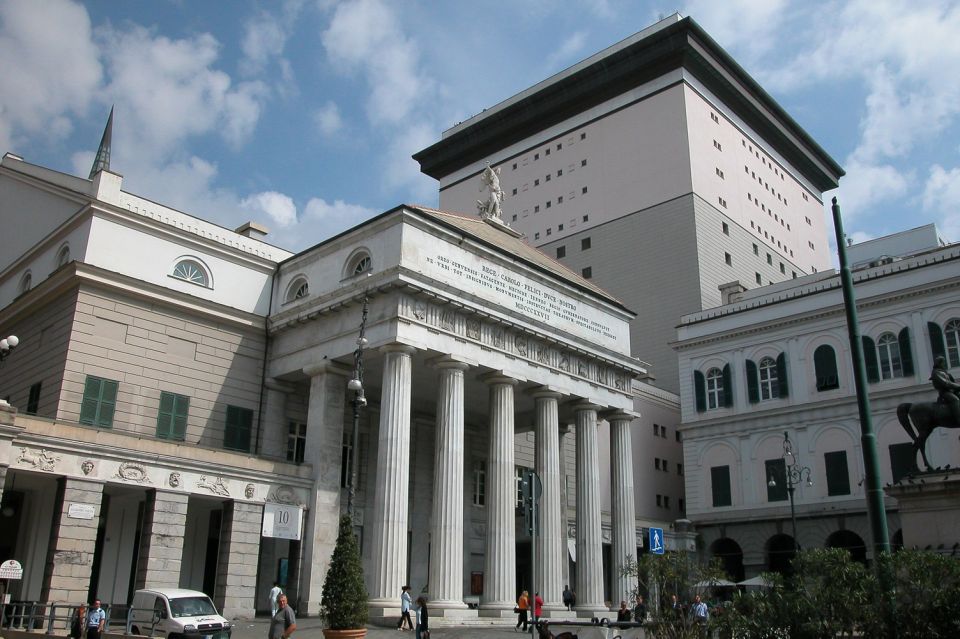
The tour includes access to the Strada Nuova Museums and the Sant’Agostino Museum, and the key detail is when you get to use that access. At the end of the walking portion, the guide introduces the museum options, and then you proceed alone. The important practical note: you should plan to do both museum visits on the same day.
What you’re really buying with the museum access
Museum time is where this tour turns from a “walk and learn” into a “walk, then verify with art.” If you’re someone who likes to connect description to evidence, independent museum time is a gift. You can linger where your eyes keep returning, and skip the parts you don’t care about.
Strada Nuova: art through the 15th to 19th centuries
The Strada Nuova museum center focuses on artworks by Italian and foreign artists from the 15th to the 19th centuries. You’ll also find a notable representation of Genoese and Flemish schools. In plain terms: this is the kind of collection that helps you understand Genoa’s cultural reach beyond its streets.
Sant’Agostino: medieval Genoa in a gothic setting
Sant’Agostino is tied to medieval Genoa and features significant medieval art pieces in the triangular cloister and the largest preserved Gothic church. If you want your sightseeing to feel atmospheric—stone, scale, and medieval framing—this is a strong pairing after a street-focused walk.
Simple planning tip
Because you’re doing museums on your own at the end, I’d pick one clear goal before you enter: one artist/style focus at Strada Nuova, then one “must-see” work or theme at Sant’Agostino. That turns independent time into a satisfying mission rather than a vague wandering.
Price and Value: $16 for a Short Walk Plus Museum Entry
At $16 per person for a 2-hour guided experience, the headline value is the combination: you pay for the guide on the streets, then you get museum access that extends the experience. For cities like Genoa, where the Old Town is all about context, that guide time prevents you from missing the meanings behind what you see.
And it’s not just the museums as a separate line item. The tour is built so the street lessons set up the museum viewing. You’ll understand what you’re looking at more quickly because you’ve already heard the stories tied to the city’s aristocracy and religious center.
If you’re comparing to “see-it-all” bus tours that leave you without real context, this is the better deal for anyone who likes slower, more intentional sightseeing.
Who Should Book This Tour (and Who Might Feel Limited)
This is a smart fit for you if:
- you want a short introduction to Genoa’s Old Town without spending hours planning a route,
- you enjoy architecture and art but don’t want to commit to a full-day museum program first,
- you like bilingual commentary or don’t mind translation pacing.
It may be less ideal if:
- you only want one style of sightseeing (pure churches, pure museums, or pure street scenes),
- you get irritated when bilingual explanations create short waiting gaps.
One more practical note from past feedback: group sizes can be small enough that you can hear the guide well, but exact size can vary by departure. If you dislike crowded walks, it’s worth aiming for a time slot that tends to be less busy.
Small Details That Make It Easier to Enjoy
Here are a few practical things that will make this experience smoother:
- Wear shoes you trust for uneven Old Town streets. Genoa’s sidewalks and paving can be tricky, even when the pace is comfortable.
- Bring a camera, but also take moments to look up and around. The palaces and gothic façades often make more sense after you pause and absorb the angles.
- If you care about food tips, ask your guide during the walk. Some guides in past departures offered local suggestions along the way, including where to find treats like chocolate or ice cream, and even friendly invitations to sample something local.
Guides cited across past feedback include Barbara (noted for humour and careful translation), Marina (stories that bring buildings to life), Anna (strong bilingual explanations), Paola and Paula (warm, detailed guidance), and Vittoria Albi (shared local secrets and helpful addresses). Any of those styles are exactly what you want for a first-time walk.
Should You Book This Genoa Historical Center Tour?
Yes, if your goal is to get oriented quickly and then see art with context. This is one of those Genoa experiences where the walking part matters, but the payoff comes from the museum time at the end—especially with Strada Nuova and Sant’Agostino on the same day.
I’d especially recommend it if you’re a first timer who wants a guided thread through the city: Rolli palaces, Doria influence at San Matteo Square, a meaningful stop at San Lorenzo Cathedral, then museum access to back it up.
If bilingual pacing could annoy you, treat that as your main decision factor. If it won’t bother you, you’ll likely find the value hard to beat for what you get in two hours.
FAQ
Where does the tour meet?
The meeting point is the Tourist Information Center on via Garibaldi 12red.
How long is the tour?
The walking tour lasts 2 hours.
How much does it cost?
The price is $16 per person.
What languages are available?
The guide offers the tour in English and Italian.
What is included in the price?
The tour includes access to the Strada Nuova Museums, access to Sant’Agostino Museum, and the guide.
Do I visit the museums during the guided portion?
No. At the end of the walking route, the guide introduces the museums, and you then go in on your own.
Should I visit both museums on the same day?
Yes. The Strada Nuova Museums and Sant’Agostino Museum should be visited on the same day as the tour.
What are the main highlights you’ll see?
You’ll see the Palazzi dei Rolli, walk through Genoa’s narrow alleys (caruggi), visit San Matteo Square, and visit San Lorenzo Cathedral.
Is there free cancellation?
Yes, free cancellation is available up to 24 hours in advance for a full refund.
Is reserve now pay later available?
Yes. You can reserve your spot and pay later.