REVIEW · GENOA
Guided Tour of Rolli Palaces UNESCO Site, Genoa
Book on GetYourGuide →Operated by Genova Tourism Board · Bookable on GetYourGuide
Genoa’s nobles opened their doors.
On this guided walk through the Rolli Palaces UNESCO site, you see how 16th- and 17th-century aristocratic families used these homes as public hospitality, not just private mansions. It’s a smart mix of art, architecture, and city storytelling, led in both English and Italian.
What I like most is the access to real interiors—not just a quick glance from the street. You also get clear, organized commentary on the “Golden Century,” including the famous hospitality system tied to the Senate of the Republic of Genoa in 1576.
One watch-out: because the tour runs in two languages, it can feel a bit slower than a single-language tour, so you’ll want patience if you’re only here for English or only for Italian.
In This Review
- Key things to know before you go
- Rolli Palaces: Why Genoa’s 16th-Century Homes Matter
- Starting Point on Via Garibaldi: Easy to Find, Easy to Join
- 2.5 Hours, Four Palaces: The Flow of the Visit
- Palazzo Rosso: Strada Nuova Museum Rooms You Can Actually Enter
- Palazzo Tobia Pallavicino and the Golden Room
- Palazzo Lomellino: A Hidden Fresco in a Real Interior
- Palazzo Imperiale: Stairs That Change Your Perspective
- The Guides: Bilingual Storytelling (and What to Expect)
- Price and Value: Is $16 a Good Deal?
- Who This Tour Fits Best (and Who Might Want a Different Plan)
- Tips That Make the Palaces Easier to Enjoy
- Should You Book This Rolli Palaces Tour?
- FAQ
- Where does the guided Rolli Palaces tour start?
- How long is the tour?
- What languages is the tour offered in?
- How much does the tour cost?
- Which palaces are included in the tour?
- Are any entrances included?
- Is the group size small?
- Can I get a refund if I cancel?
- Is there an option to reserve now and pay later?
- Is this related to UNESCO?
Key things to know before you go
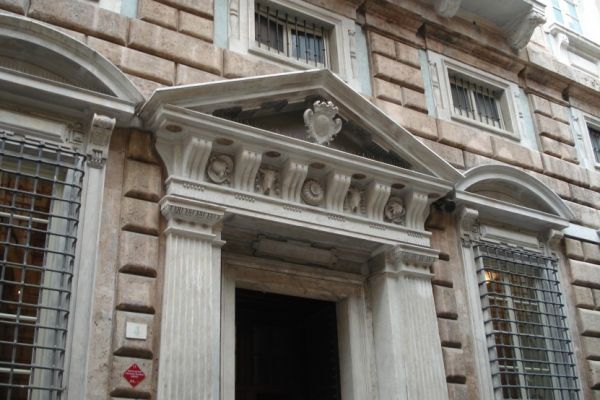
- Four palaces, 2.5 hours: Palazzo Rosso, Palazzo Tobia Pallavicino, Palazzo Lomellino, and Palazzo Imperiale
- Bilingual guide format: English and Italian are both covered, so pacing may stretch
- Top art moments: the Golden Room at Palazzo Tobia Pallavicino and a hidden fresco in Palazzo Lomellino
- Staircase focus: Palazzo Imperiale’s magnificent stairs are part of the experience
- Strada Nuova access: you enter Palazzo Rosso, one of the Strada Nuova Museum sites
- Value at $16: multiple entrances and guided time for a short, efficient visit
Rolli Palaces: Why Genoa’s 16th-Century Homes Matter
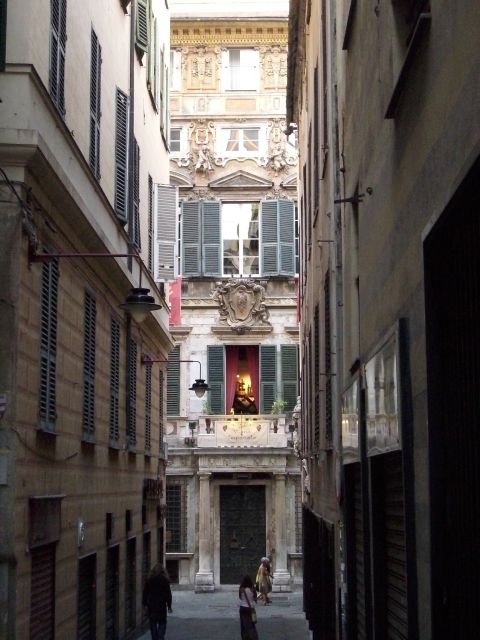
The Rolli Palaces are one of those UNESCO stories that makes you change how you look at a city. In Genoa, power wasn’t just displayed through wealth. It was organized—like a civic system—using aristocratic homes to host visiting dignitaries.
Here’s the basic idea you’ll hear on the tour: the Senate of the Republic of Genoa decreed in 1576 that the city’s best residences should act as public hospitality houses during state visits. The palaces were recorded on parchment rolls (the “Rolli”), then sorted into three balloting lists called “bussoli.” Lots were drawn to decide who got the honor—and the duty—of hosting.
That’s why you’re not just admiring decorative rooms. You’re learning how Genoa operated. And once you know that, the architecture starts to “make sense”: courtyards, open staircases, loggias, and terraces weren’t only for beauty. They helped stage an event, impress visitors, and manage movement through the home.
You can also read our reviews of more tours and experiences in Genoa.

Starting Point on Via Garibaldi: Easy to Find, Easy to Join
The tour begins at the Tourist Information Centre on Via Garibaldi, 12red, in Genoa. This matters more than it sounds. Via Garibaldi is part of the historic heart of the city, so you’ll be positioned close to the Strada Nuova / Rolli zone rather than crossing the entire city first.
Plan on arriving a few minutes early so you can get oriented before the group heads into palaces. The tour time is listed as 2.5 hours, which means the pace is deliberate: you’ll be walking between sites, then spending your time where it counts—inside.
Also, keep in mind the guide format is bilingual (English and Italian). If you’re sensitive to slow pacing, you’ll still enjoy it, but you’ll want a calm mindset and a comfortable pair of shoes.
2.5 Hours, Four Palaces: The Flow of the Visit
This isn’t a “one palace, long line, then done” kind of tour. The itinerary is built around seeing multiple residences while the story stays coherent. In roughly 2.5 hours, you’ll move through four palaces tied to the Rolli network, with guided visits in each.
That structure is the real strength for most first-timers. You get a variety of spaces—grand rooms, staircases, quieter corners—without losing the bigger picture of how these homes worked.
You’ll also notice something practical: the palaces sit at different levels, so the route involves changes in elevation. The tour includes a walk plus interior time, so it’s not only about looking. It’s also about moving through the spaces like a guest would.
Palazzo Rosso: Strada Nuova Museum Rooms You Can Actually Enter
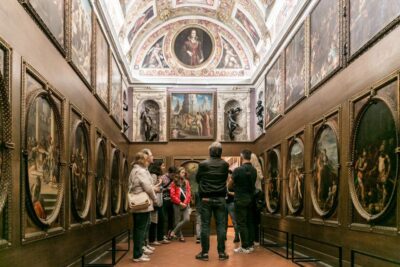
Palazzo Rosso is one of the star stops, and you’ll enter the building (not just see it from outside). It’s also part of the Strada Nuova Museum sites, so the rooms are designed for visitor viewing while still feeling like authentic noble residence spaces.
What I like about this stop is the balance. You’re shown art and decoration, but the guide ties it back to the larger Rolli idea: these were showpieces meant to impress, hosted as part of state hospitality. That makes Palazzo Rosso feel more purposeful than a standard museum visit.
As you move through the rooms, watch for details that repeat across Genoese palaces: the way light lands on painted surfaces, the grand scale of certain spaces, and the sense that movement through the home was choreographed. In other words, the palaces weren’t just furniture boxes—they were social machines.
Palazzo Tobia Pallavicino and the Golden Room
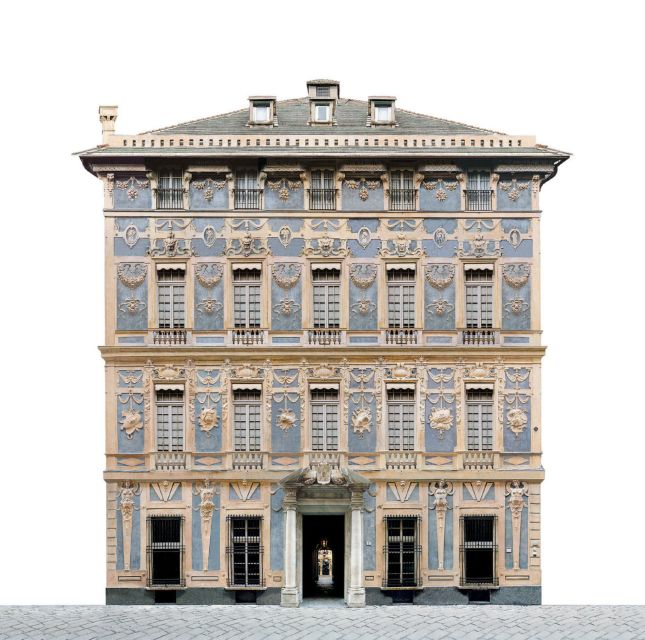
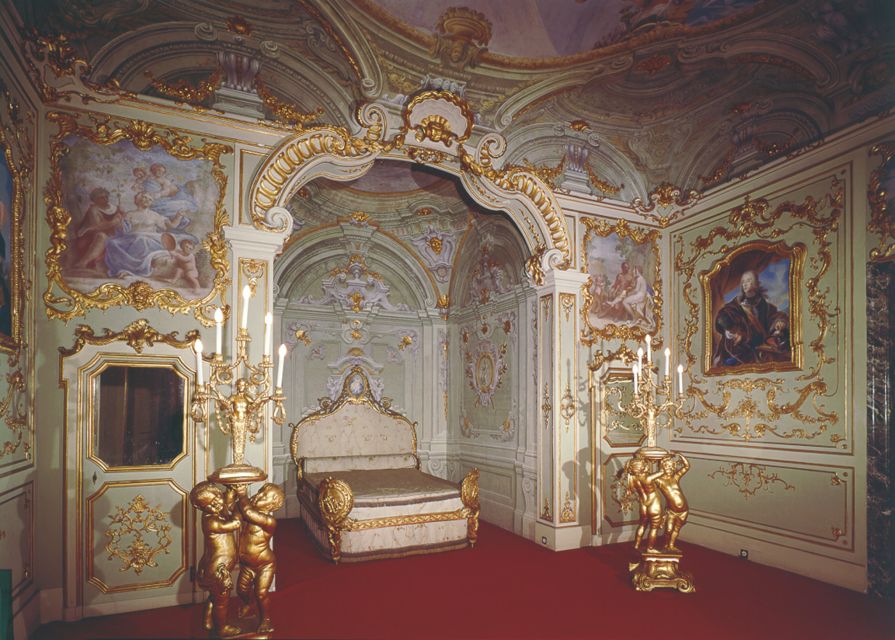
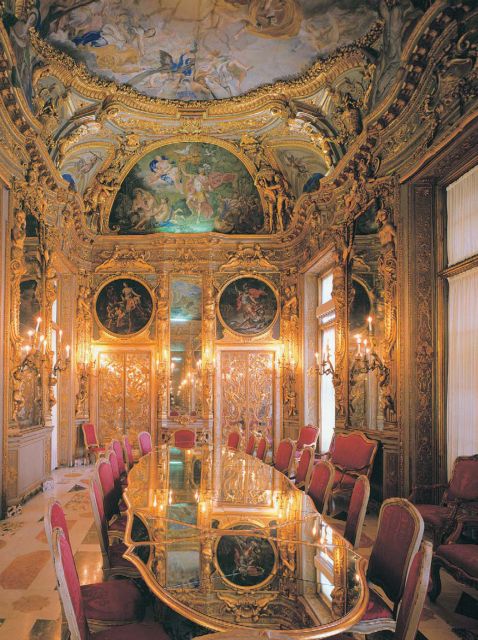
If you want one “wow” moment early in the tour, Palazzo Tobia Pallavicino delivers with the Golden Room. Even if you’ve seen photos, you’ll probably feel the difference in person because the room is meant to be experienced, not photographed.
The Golden Room is exactly the kind of space that helps you understand why the Rolli system mattered. When a state dignitary arrived, the host palace had to communicate wealth, status, and taste—quickly and clearly.
I also think this stop is a great payoff point for first-time visitors. The guide’s job here is to connect what you’re seeing (the opulence) with why it exists (hosting, ranking, and prestige in Genoa’s political theater).



Palazzo Lomellino: A Hidden Fresco in a Real Interior
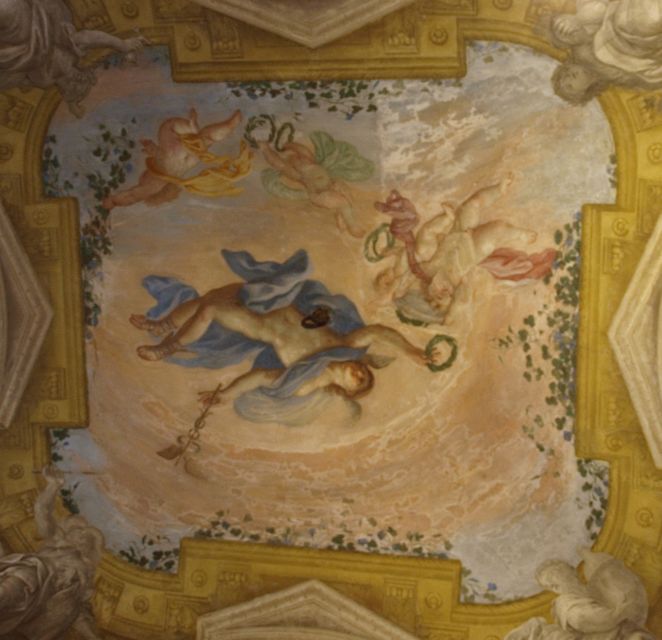
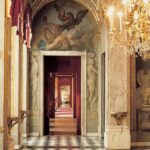
The tour also includes Palazzo Lomellino, where you’ll discover a hidden fresco. This kind of detail is a big reason to book a guided experience instead of just walking the streets on your own.
A hidden fresco teaches you to slow down. It’s often not the first thing you notice when you step into a room, especially if you’re scanning for the obvious grand elements. With a guide pointing you to it, you learn how artists and decorators hid artistry in plain sight—like an Easter egg designed for the people who lived there and received visitors.
This stop is also useful for understanding the everyday side of palaces. These weren’t just perfect picture sets. They had layered decoration meant for repeated viewing, conversation, and status display over time.
Palazzo Imperiale: Stairs That Change Your Perspective
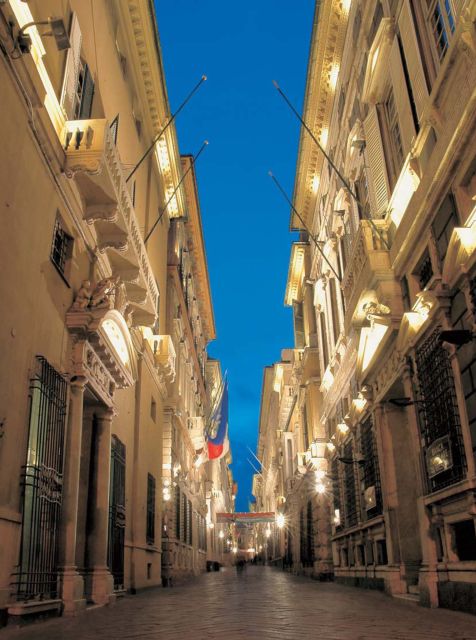
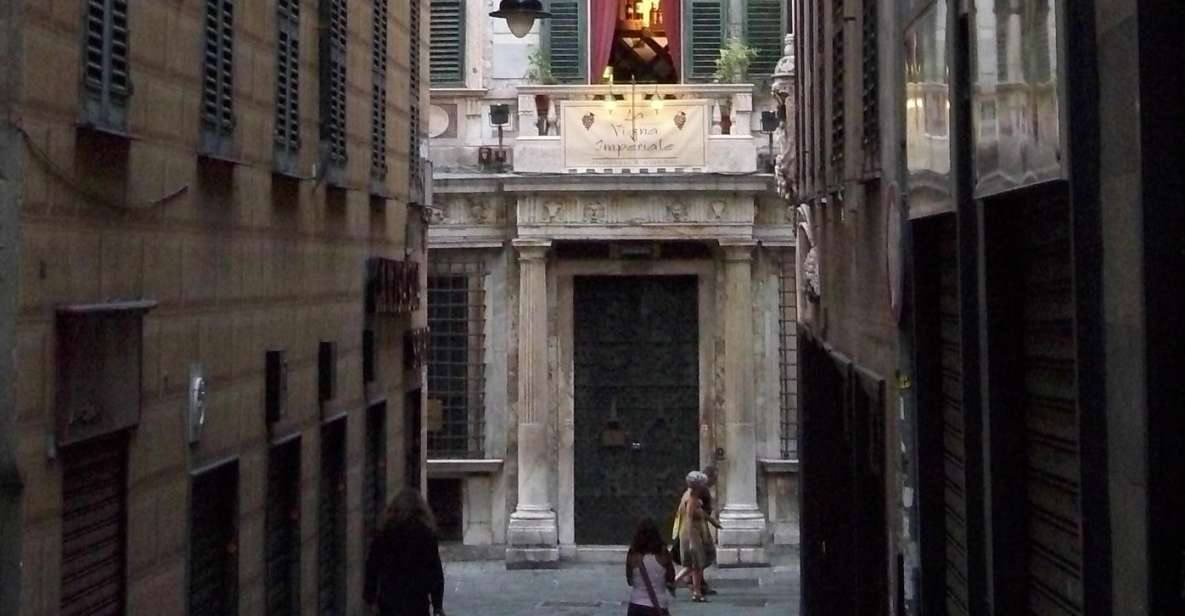
One of the tour highlights is walking up on the magnificent stairs at Palazzo Imperiale. Stairs sound simple, but in palaces like this, they shape everything: where people stand, how rooms connect, and how views open up as you rise.
When you climb, you start to feel the building as a sequence of experiences rather than separate rooms. The staircase becomes a kind of timeline—lower spaces for arrival and gathering, then higher points for showing what the host wants dignitaries to see.
If you’re the type who enjoys architecture as storytelling, you’ll likely enjoy this part the most. It’s also a reminder to wear comfortable shoes. The tour is short, but palace stairs add up.
The Guides: Bilingual Storytelling (and What to Expect)
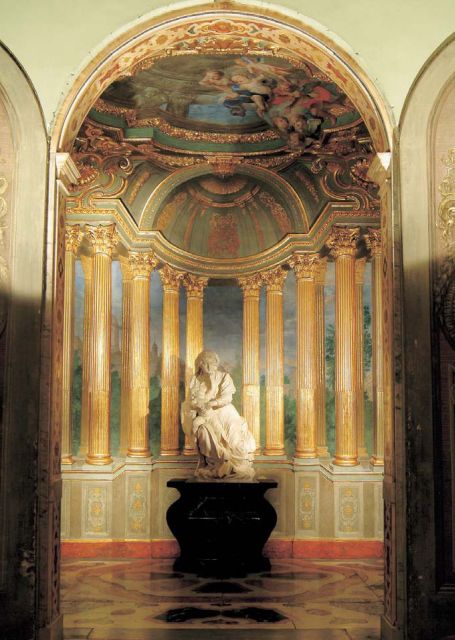
A lot of the tour quality comes down to the guide. You may hear names like Marina, Ana, Andrea, Manuela, Fausta, or Barbara—experienced local guides who know how to connect art details to Genoese civic life.
The bilingual format works best when the guide keeps both languages moving with the same rhythm. When they do, you get a clear narrative without feeling lost. When you need both languages, it can also mean some sections feel repeated, and the group can take longer to get through.
Here’s the practical advice I’d give you: if you speak one language fluently and the other only a little, don’t treat the second language as extra effort. Treat it as a chance to catch the main ideas twice in different words, then keep your eyes on the rooms as the anchor.
Price and Value: Is $16 a Good Deal?
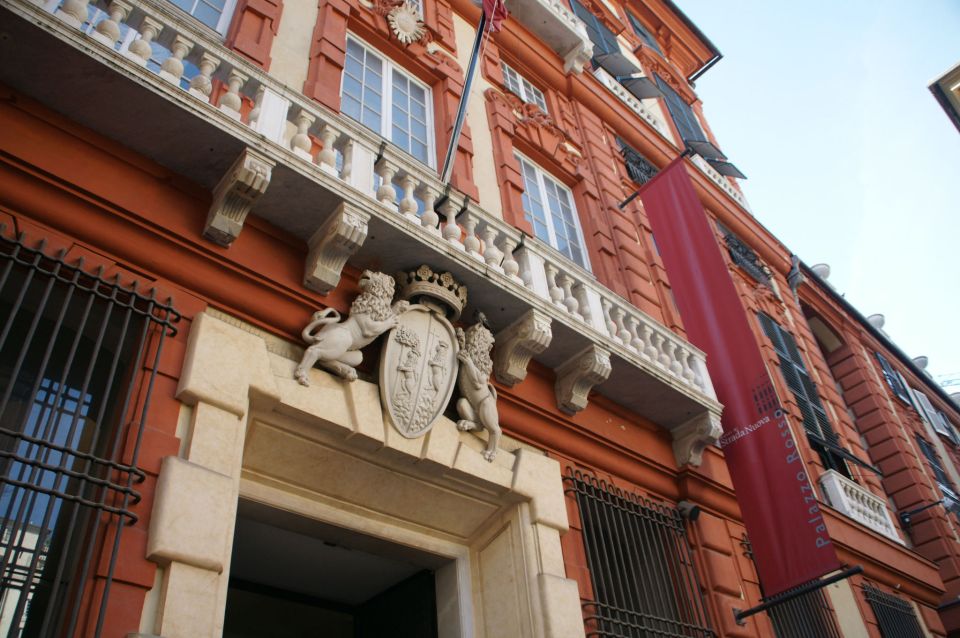
At $16 per person for a 2.5-hour experience, this tour looks like a strong value on paper—and in practice, it’s because you’re paying for access plus interpretation.
You’re not only walking by monuments. You get guided time and entrances to major spaces, including Palazzo Imperiale and Palazzo Rosso (a Strada Nuova Museum site), plus visits to Palazzo Lomellino and Palazzo Tobia Pallavicino. That combination of multiple palaces, interior entry, and a guide to connect it all is what makes the price feel reasonable for a short visit.
The real “value” trade-off is time. Because it’s bilingual, you may cover slightly less material in absolute minutes than a single-language tour would. Still, the payoff is the overall structure: enough stops to understand the Rolli system and enough art highlights to remember the experience.
Who This Tour Fits Best (and Who Might Want a Different Plan)
This is a great match if you:
- Want to understand the Rolli system (hospitality, hierarchy, and hosting) rather than just sightseeing
- Like art + architecture taught in a practical, guided way
- Want a short, efficient Genoa experience that doesn’t eat your whole day
It’s less ideal if you:
- Hate bilingual pacing and would rather have a single-language tour
- Prefer super slow visits where you can take your time without any group movement
If your goal is to get your bearings fast in Genoa’s historic core, this tour is one of the most direct ways to do it.
Tips That Make the Palaces Easier to Enjoy
A few practical moves will help you enjoy the tour more:
- Wear shoes you don’t mind on palace stairs and uneven surfaces between sites.
- Keep your camera ready, but let the guide finish the key points before you start snapping—then you’ll know what you’re looking at.
- If you’re particularly interested in one palace highlight (Golden Room, hidden fresco, or the staircase), pick one main focus and use the rest as context.
Also, remember that these palaces are not staged movie sets. You’re moving through real historic residences with period details and visitor-access areas, so you’ll get the best experience if you treat the tour like a guided conversation with architecture.
Should You Book This Rolli Palaces Tour?
I’d book it if you want a compact, high-impact Genoa experience built around the UNESCO meaning of the Rolli Palaces—not just pretty buildings. The combination of four palaces, entry to major sites, and standout moments like the Golden Room and the hidden fresco makes it easy to feel you got your money’s worth.
If you’re picky about pace or you can’t stand bilingual tours, consider that the English/Italian format can stretch timing. Even then, if you can stay flexible for 2.5 hours, you’ll likely come away with a clearer understanding of how Genoa’s “Golden Century” used art, architecture, and social hierarchy together.
FAQ
Where does the guided Rolli Palaces tour start?
The tour starts from the Tourist Information Centre on Via Garibaldi, 12red, 16124 Genova GE, Italy.
How long is the tour?
The tour duration is 2.5 hours.
What languages is the tour offered in?
The tour is guided in English and Italian with a bilingual guide.
How much does the tour cost?
The price is $16 per person.
Which palaces are included in the tour?
You’ll visit Palazzo Rosso, Palazzo Tobia Pallavicino, Palazzo Lomellino, and enter Palazzo Imperiale.
Are any entrances included?
Yes. Entrance to Palazzo Imperiale and entrance to Palazzo Rosso (one of the Strada Nuova Museum sites) are included.
Is the group size small?
Yes, there is a small group available.
Can I get a refund if I cancel?
Free cancellation is available up to 24 hours in advance for a full refund.
Is there an option to reserve now and pay later?
Yes. The option is reserve now & pay later.
Is this related to UNESCO?
Yes. The Rolli Palaces were declared a UNESCO World Heritage Site in 2006, and this tour is based on that UNESCO site.