Rome looks different from a moving open cart. This golf cart tour gives you wraparound views, keeps you close to the action, and swaps long walks for quick, story-filled stops at Rome’s top sights like the Colosseum, Trevi Fountain, and the Spanish Steps. I especially like how the tour is capped at 7 travelers, so you get a cozier feel and more personal attention than big group buses. The ride is also built for photos—bring your camera reel—but there’s one tradeoff: most stops are exterior moments with short photo breaks (so you won’t have time for a full inside visit).
For me, the best part is timing. With departure times that let you fit the tour into your day, you can get a fast orientation of Rome and decide what deserves more time later. I also like that bottled water is included, and the pace feels designed for comfort first, learning second. The only possible drawback to watch for is that a few photo moments depend on traffic, especially around Trevi.
In This Review
- Why this Rome golf cart tour feels different
- A small-group golf cart ride for Rome’s big hits
- How the tour flows: 2.5 hours, clear photo breaks, no long site marathons
- Stop 1: Colosseum perspectives and gladiator stories from the first minutes
- Past Rome’s earliest days: panoramic driving, emperors, and quick city clues
- Circo Massimo: chariot-racing vibes and a fun, photo-first stop
- The Roman theater stop: architecture questions answered in minutes
- Pantheon from the outside: oculus photos and a short no-rain theory video
- Trevi Fountain: wish-toss tradition plus guide-led photo timing
- Spanish Steps and Piazza Navona: people-watching, Hollywood lore, and lunch planning
- The panoramic garden finish: a calmer ending above the city
- Who this golf cart tour suits best (and who should think twice)
- Value check: is $163.33 per person a fair deal?
- Final verdict: should you book this Rome golf cart tour?
- FAQ
- FAQ
- How long is the golf cart tour?
- Where does the tour start and end?
- What’s included in the price?
- Are entrance tickets included?
- Is the tour offered in English?
- How big is the group?
- Is a mobile ticket used?
- Can I cancel for a refund?
- Are service animals allowed?
Why this Rome golf cart tour feels different
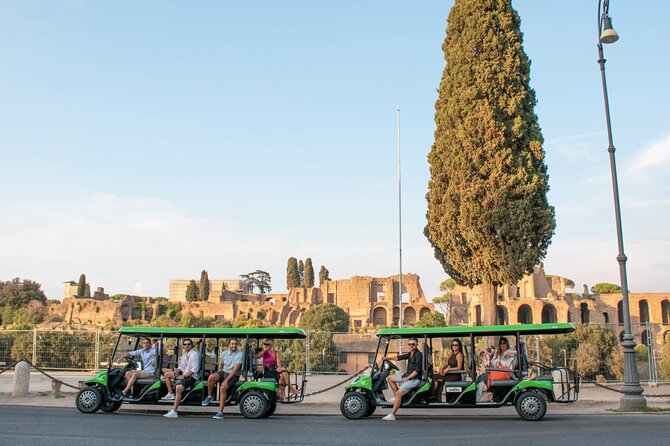
- Max 7 people keeps the vibe relaxed and helps the guide adapt on the fly
- Wraparound views make even quick stops feel cinematic and photo-friendly
- Guides with Colosseum roots bring gladiator-era context right where it matters
- Short, efficient stops help you see more without burning your day on walking
- Trevi photography timing depends on traffic, so you’ll want a little flexibility
A small-group golf cart ride for Rome’s big hits
If you’re trying to see a lot without feeling like you’re speed-running Rome, this style of tour makes sense. You ride in an open golf cart, so you’re not stuck with your eyes glued to the back of a bus window. The cart position also helps you spot details from the road that you might miss if you’re weaving through crowds on foot.
The group size matters here. When the tour caps at seven, it stays conversational instead of lecture-only. That lines up with what you’ll notice in the guide-led experience—stops are timed, questions get answered, and you get nudged toward the best angles for photos.
You also get an end-to-end route feel. The tour starts at Largo Gaetana Agnesi and finishes near Piazza Campo de’ Fiori. That makes it easier to plan your next move—dinner, wandering, or just decompressing after a focused introduction to the city.
You can also read our reviews of more tours and experiences in Rome.


How the tour flows: 2.5 hours, clear photo breaks, no long site marathons
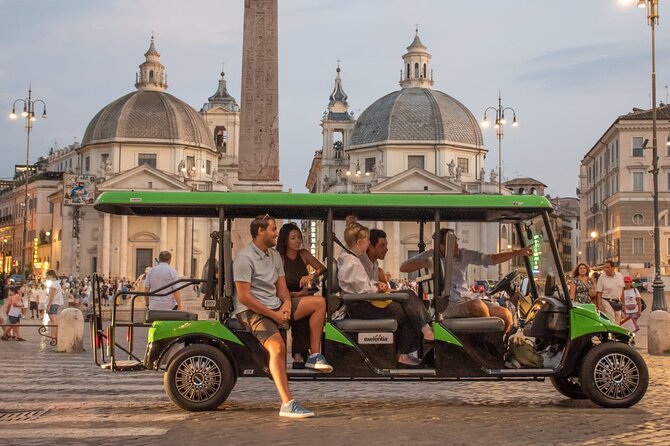
This is an about-2 hours 30 minutes outing, offered in English, with a mobile ticket. It’s designed around quick external viewing: you spend time looking, hearing a short story, snapping photos, then rolling on. That means you should expect a “see it, learn the basics, move on” rhythm rather than an all-day museum-style schedule.
You’ll also notice the tour is built to keep your legs fresh. Rome is great, but it’s also relentless with hills, crowds, and uneven sidewalks. By the time you finish this tour, you’ll have a strong map-in-your-head sense of where key landmarks sit relative to each other.
One practical tip: decide upfront what you want most—wide views, close-up architecture, or classic “I was there” photos. The guide can tailor how you use your stop time, and you’ll get more value if you’re ready to aim your camera before you arrive.
Stop 1: Colosseum perspectives and gladiator stories from the first minutes
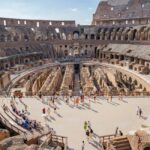
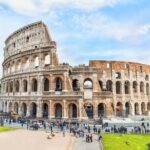
The tour kicks off with the Colosseum, and it’s a smart opener. You get that immediate visual hit, but more importantly you get context that turns the sight into something you can picture. Gladiators, crowds, the arena’s role in Roman spectacle—those ideas land faster when you’re seeing the building from a practical vantage point.
What makes the Colosseum stop feel special is the guide connection. The guides are trained from the start with Colosseum storytelling, so you’ll hear insights that go beyond surface-level facts. In the reviews, names like Vladimir and Vitaliy pop up with the kind of hosting style that keeps your attention: friendly, quick to answer questions, and happy to add little backstories that you can carry into the rest of your trip.
The stop is short, and you won’t be turning this into a long photo session. But even in those minutes, the cart ride helps—your angle stays open, and you can frame the Colosseum without fighting shoulder-to-shoulder crowd pressure.
Past Rome’s earliest days: panoramic driving, emperors, and quick city clues
After the big iconic start, you move into a drive-by portion that’s perfect for orientation. You’re not stuck staring at one monument; you’re absorbing how the city’s layers sit on top of each other. This is where the tour earns its “first day” reputation—because Rome isn’t just about one stop, it’s about relationships between neighborhoods and landmarks.
This section is timed for brief viewing and photos. You pause long enough to capture the panoramic sense of the city, then the guide connects it to early Rome and later power. You’ll hear fun anecdotes about emperors’ palaces and Rome’s earliest days—small stories that help you remember the place later when you’re walking on your own.
If you’re the type who likes to connect the dots, this part will feel useful. It gives you landmarks as anchors, then helps you understand why different areas matter.
Circo Massimo: chariot-racing vibes and a fun, photo-first stop
Circo Massimo is one of those sites you often see from the outside with limited context. Here, you get the “what this was for” explanation while you’re driving along the chariot racing track. It’s easy to picture the scale and the energy once you have the guide’s description.
The tour also keeps it practical. You’ll get a fun photo stop, with guidance that feels made for getting a good shot without spending your whole break wrestling with logistics. There’s even a playful moment where the guide talks about fountains and how to use one like a true Roman—lighthearted, but it makes the stop memorable.
This is also a good segment if you’re traveling with mixed ages. The cart keeps the energy up without forcing everyone into a long walk, and the short storytelling blocks keep attention from wandering.

The Roman theater stop: architecture questions answered in minutes
Next comes a historic theater stop where you’ll get close enough to notice architecture details. You’re not trying to decode everything yourself—your guide does some of that work. You’ll hear about its design and the kind of performances it hosted, and you’ll have a photo break in front of the impressive arches.
One of the more charming details is the windows question. You’ll learn why this ancient building has windows—something you’d probably skip if you were just sightseeing on your own. That kind of quick explanation is exactly what makes a short guided stop valuable.
One thing to keep in mind: because this is an external viewing with a brief stop, you’re not going to “study” the theater. You’re meant to get the essentials, take a couple of photos, then keep moving.
Pantheon from the outside: oculus photos and a short no-rain theory video
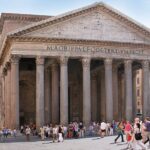
The Pantheon is one of the best-preserved ancient buildings in Rome, and this tour treats it with respect. You get time to admire it up close from the street, spot the famous oculus, and take the classic photos that make people stop mid-walk.
You also won’t go inside on this tour. The tradeoff is that your guide shares a short private video that explains a cool phenomenon: how it can avoid rain inside thanks to what Romans mastered with airflow effects—often described as a fireplace effect.
Is it fully the same as being under the dome in person? No. But for a 2.5-hour tour, it’s a clever way to give you the “why it works” story without turning the day into a long ticket line and slow pacing.
Trevi Fountain: wish-toss tradition plus guide-led photo timing
Trevi Fountain is one of Rome’s most photographed landmarks, and this stop leans into that reality. You’ll make a wish by tossing a coin in, then get time for photos. Tradition is easy here: throw, look, remember, move on.
The special sauce is photography support. The guide’s eye is described as quick and sharp—so they help you get better angles for unique shots at Trevi. You might find this especially useful because the fountain area can get crowded and chaotic, and it’s easy to miss the best lines of sight.
One practical consideration: the tour notes that Trevi photo timing depends on traffic. That doesn’t mean the stop won’t happen—it means your best shot window may depend on how quickly you can get into position. If you’re the type who hates uncertainty, keep your expectations flexible and aim to enjoy the moment more than chasing the perfect frame.
Spanish Steps and Piazza Navona: people-watching, Hollywood lore, and lunch planning
The Spanish Steps stop gives you a choice: climb a few steps or simply pause and take in the square. It’s a classic Rome scene, and this is where the tour feels like a friendly guided stroll—short, but with enough context to make the place stick in your brain.
You’ll also hear fun history tied to films and local life. The guide points out photo spots that help you avoid awkward crowd blocking and lets you focus on framing instead of walking.
Then you move to Piazza Navona, a favorite square for many guides on this route. Here you’ll admire Bernini’s fountains and the energy around street performers. It’s lively in a human way, not just postcard-lively, and you’ll get the kind of commentary that helps you see why the square has such staying power.
And yes, there’s a practical payoff: the guide can recommend where to eat lunch or dinner right in the heart of Piazza Navona. That’s a real value add because Rome has a lot of tourist traps, and “eat near where you are” often beats planning on empty stomachs.
The panoramic garden finish: a calmer ending above the city
Ending with a quiet panoramic garden is a smart move. Rome’s big sights can start to feel like a blur if you cram too much. This final stop gives you breathing room and a chance to absorb the city from above.
You’ll get a few final photos and a moment to settle before you head to Piazza Campo de’ Fiori, a lively area that’s great for food, wandering, and winding down.
This finish also works well if you want to keep exploring afterward. You’ll have that “I know where I am” feeling, which makes it easier to move on without feeling lost.
Who this golf cart tour suits best (and who should think twice)
This tour is best for you if:
- You’re short on time but want a strong Rome overview
- You care about photos and want help picking good stop angles
- You want to save your legs for later walking and neighborhoods you choose
- You like guided storytelling that connects landmarks to bigger ideas
It’s less ideal if:
- You’re looking for long inside visits at each major monument
- You hate traffic-related timing changes (especially around Trevi)
- You’d rather spend half a day deeply touring one site
If you’re traveling as a group and want comfort, the max of seven people keeps things workable. That also shows up in reviews mentioning family groups of seven where the cart stayed comfortable and the guide maintained attention across everyone.
Value check: is $163.33 per person a fair deal?
At $163.33 per person for about 2.5 hours, you’re paying for three things: a guided route, transportation that reduces walking stress, and frequent photo-friendly stop timing.
Here’s why that can be good value. The tour includes:
- an expert guide
- bottled water
- stops at major landmarks (external viewing)
- time at the Colosseum, Circo Massimo, Pantheon area, Trevi Fountain, Spanish Steps, Piazza Navona, plus a final panoramic garden
Because the focus is exterior viewing, you’re not spending your budget on entry fees for every quick moment. Also, the cart changes the math: you see more without getting exhausted early, which is often the real reason people end up doing less on the rest of their trip.
When value feels right, it’s usually because you use the tour as a planning tool. After this, you’ll know where you want to return for longer time—so your later days become more efficient.
Final verdict: should you book this Rome golf cart tour?
Yes, you should book this tour if you want a smooth, efficient Rome introduction with great storytelling and photo stops that don’t require marathon walking. I like the small-group setup, the cart views, and the way the guide ties each stop to something you can remember—like Colosseum gladiator context, Pantheon’s no-rain mechanics explained via video, and Trevi photo help when traffic allows.
Book it especially if it’s your first day and you want to come away with a mental map plus a short list of what to do next. If your ideal Rome day is long inside visits at fewer sites, then you might prefer a slower, monument-heavy plan. But for an energetic overview that keeps your legs fresh, this is a smart use of time.
FAQ
FAQ
How long is the golf cart tour?
It runs for about 2 hours 30 minutes.
Where does the tour start and end?
It starts at Largo Gaetana Agnesi and ends at Piazza Campo de’ Fiori.
What’s included in the price?
The tour includes the golf cart tour, an expert guide, external visits to major landmarks (including the Colosseum, Spanish Steps, and Trevi Fountain), and bottled water.
Are entrance tickets included?
The stops listed for major landmarks are marked as admission ticket free, and the experience is described as visiting major landmarks externally.
Is the tour offered in English?
Yes, it’s offered in English.
How big is the group?
The maximum group size is 7 travelers.
Is a mobile ticket used?
Yes, you’ll receive a mobile ticket.
Can I cancel for a refund?
Yes. Free cancellation is available up to 24 hours before the experience start time for a full refund.
Are service animals allowed?
Yes, service animals are allowed.