REVIEW · ROME
Guided Tour of the Colosseum Palatine Hill and Roman Forum
Book on GetYourGuide →Operated by MDA Tours · Bookable on GetYourGuide
Rome’s history hits fast. This guided tour bundles the Colosseum, Roman Forum, and Palatine Hill into one tight visit, with an expert guide telling the story as you walk. I especially love how the route turns ruins into a living timeline, and I like the built-in headset/radio setup that keeps you from straining to hear. One thing to consider: you’ll still face security checks, and in high season that can add time even with the skip-the-ticket-line benefit.
I also like that the tour is designed for pacing. You get time in each major zone (about an hour at the Colosseum, then shorter stops on Palatine Hill and the Forum), plus the order can shift based on how things run inside. Heat is real in July and August too—your total time can drop to about 2 hours—so plan your sunscreen and water habits accordingly.
Before you book, know who it’s for and who it isn’t. This experience is not suitable for wheelchair users or people with mobility impairments, and it asks you to bring only what you can carry comfortably through security (no large bags).
In This Review
- Key things to know before you go
- Why this Colosseum–Forum–Palatine combo works
- Meeting points and timing: plan for 2.5 to 3 hours (sometimes less)
- Entering the Colosseum: skip the ticket line, then face security
- The Colosseum tour experience: arena energy and guided context
- Roman Forum: where power and daily life collide
- Palatine Hill: panoramas plus the birthplace-of-Rome vibe
- What you’re paying for: value beyond the headline price
- The guide factor: clear audio, strong storytelling, and real focus
- What to bring (and what to leave behind)
- Who should book this tour—and who might skip it
- Should you book this Colosseum tour?
- FAQ
- How long is the guided tour?
- Does the tour include skip-the-ticket-line access?
- What parts of the sites are included?
- Are headsets or radios included?
- Is Arena access included?
- What languages are the guides available in?
- Do I need ID to enter?
- Is the tour suitable for wheelchair users?
Key things to know before you go
- Skip the ticket line: you still do security, but you avoid the longest ticket queues.
- Headsets/radios included: clear audio matters when you’re craning your neck in crowds.
- Arena access is optional: if you want to stand where gladiators staged their fights, choose that upgrade.
- Short, focused stops: about 1 hour at the Colosseum, then ~45 minutes each for Palatine Hill and the Roman Forum.
- Order can change: internal Colosseum arrangements may shuffle the sequence.
- Guides with strong presentation: you may hear from guides like Maximillio or Elena, and some have been praised for serious archaeology depth and crisp mic clarity.
Why this Colosseum–Forum–Palatine combo works
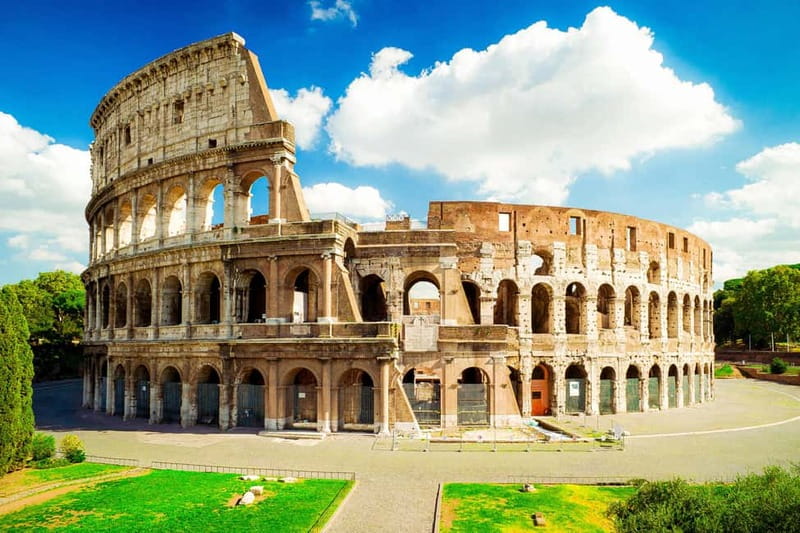
If you’ve only got half a day, this is the most efficient way to grasp what made ancient Rome feel like Rome. The Colosseum shows the spectacle of power—crowds, emperors, and the whole gladiator machine. The Roman Forum is where politics, commerce, and daily political drama meet. Then Palatine Hill gives you the high-ground perspective, including views that help you understand why rulers wanted to live there in the first place.
I like that you’re not just looking at stones. The guide’s job is to translate what you’re seeing into cause-and-effect: who held authority, how public life worked, and why specific ruins matter. That turns the visit from sightseeing into understanding, without making it a 10-hour lecture.
You can also read our reviews of more tours and experiences in Rome.
Meeting points and timing: plan for 2.5 to 3 hours (sometimes less)
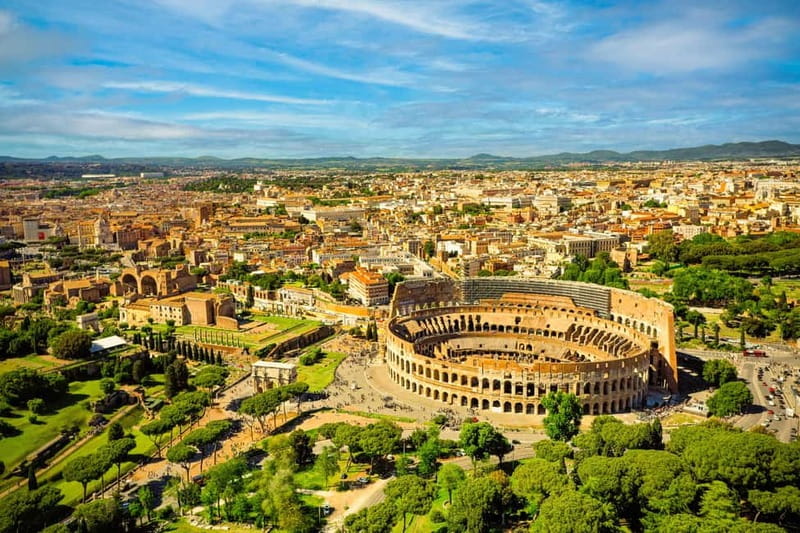
The tour runs about 2.5 to 3 hours, but start times vary, so always check the schedule before you lock anything else in. The meeting point can vary depending on what you book, with two listed options: Largo Gaetana Agnesi and Via della Polveriera, 8. The activity ends back at the meeting point, which helps when you’re trying to connect to another plan later.
One timing detail that matters: in the hottest months (July and August), the duration is slightly shorter—about 2 hours—to keep things manageable. That means you’ll have less margin for linger-time photos, so if you’re a photographer, prioritize your must-shots early and keep moving.
Also, the order of visits can vary due to internal arrangements at the Colosseum. Don’t treat that as a problem—it’s usually a sign they’re adapting to crowd flow inside the complex.
Entering the Colosseum: skip the ticket line, then face security
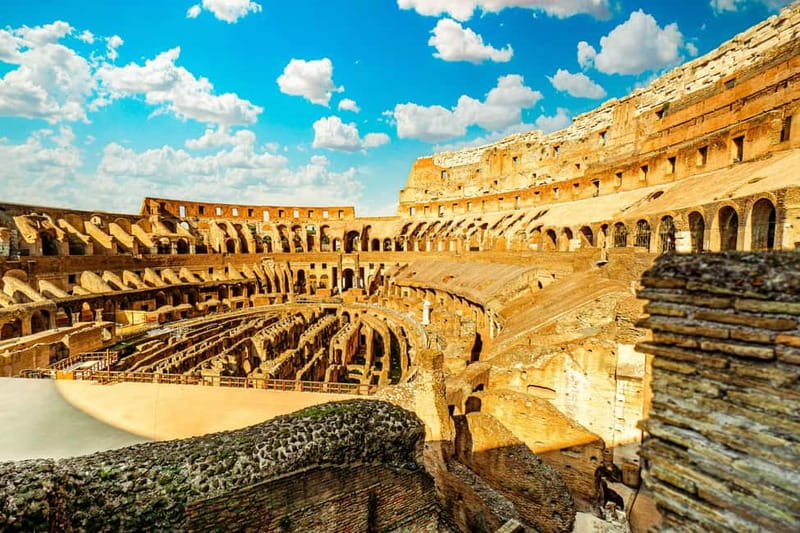
You start at the Colosseum, and you should feel the benefit right away: skip the ticket line. In practice, that means you spend less time stuck at the front end of a queue and more time actually inside the site.
Then comes the part you can’t dodge: security checks. The tour includes access through the sites, but every visitor has to go through security first. In peak season, that can mean waiting longer than usual. My advice is simple: arrive at your meeting point with a little breathing room, wear comfortable shoes, and treat the security line as part of the day, not a surprise.
You’ll also want to bring valid passport or photo ID. For Colosseum bookings, names must match the reservation, so double-check names at checkout. If something’s off, it’s the kind of hassle you don’t want on your first day in Rome.
The Colosseum tour experience: arena energy and guided context
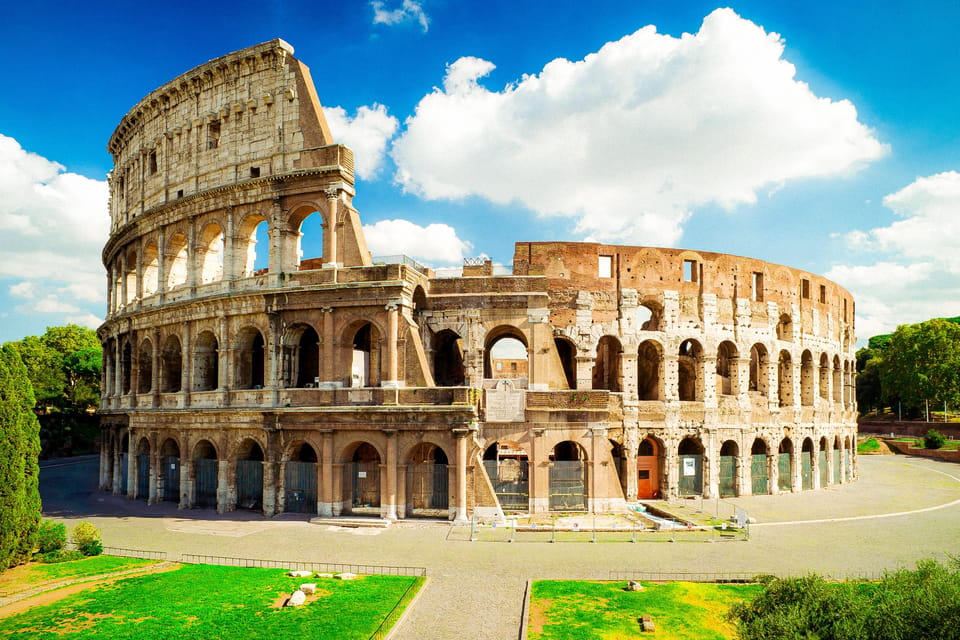
The Colosseum stop is about 1 hour with a guided visit, which is a good length for this site. Too short and you feel rushed. Too long and you start tuning out. Here, the structure supports real attention while you’re surrounded by scale—this place is massive even when you’re not trying.
The tour focuses on the story of gladiator battles and public spectacle, with guide storytelling that explains what you’re standing in and around. The big value is the translation between what looks like “ruins” and what functioned as machinery of entertainment.
If you upgrade for Arena access, you add an extra layer of wow: you’ll be able to walk in the very spot where gladiators fought. That upgrade is best if you’re the type who wants to feel the location with your own feet, not just see it from the surrounding walkways.
Practical tip: this is a place where photos tempt you to stop dead. The tour format is designed to keep you moving at the right times, and multiple guide write-ups praise pacing and helpful photo positioning—things you’ll really appreciate when crowds surge.
Roman Forum: where power and daily life collide
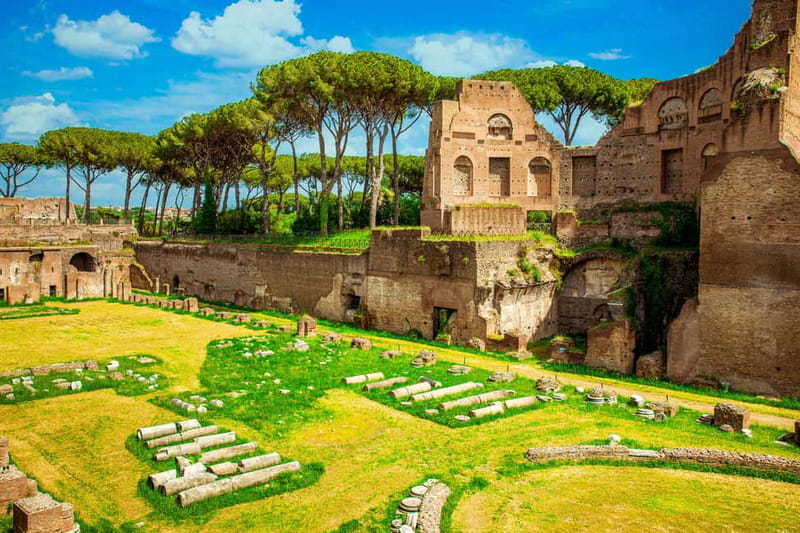
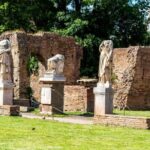
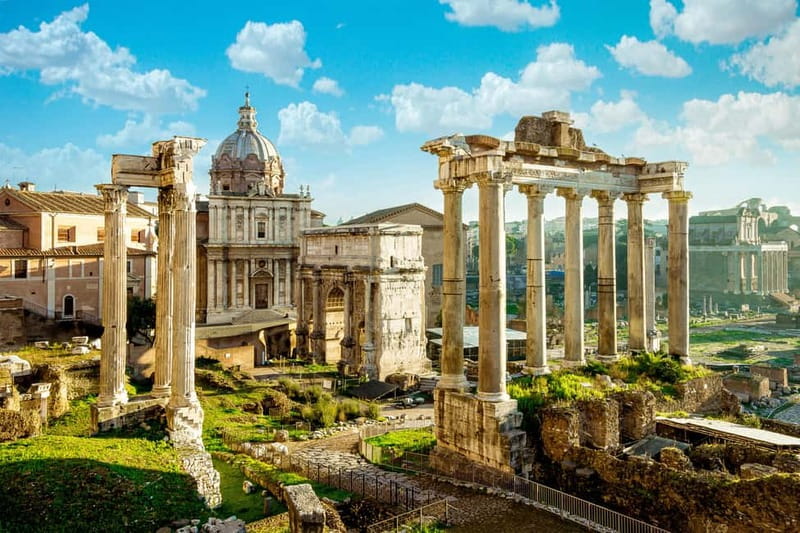
Next comes the Roman Forum, guided for about 45 minutes. This stop has a different mood than the Colosseum. Instead of spectacle, you get the feel of governing and living—speeches, decisions, commerce, and the constant public presence of politics.
The Forum can be confusing if you’re reading alone, because everything is close together and the meanings aren’t obvious. With a guide, you start spotting patterns: how one area relates to another, and how the political system shaped real everyday life. It’s less about memorizing dates and more about understanding what these spaces were for.
The time is intentionally tight, so you’ll want to focus on big-picture landmarks and let your guide’s narrative connect the dots. If your brain likes structure, you’ll probably enjoy this part because you get a clear through-line instead of random wandering.

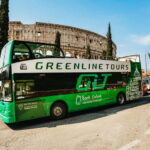
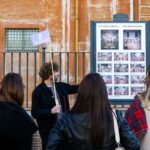
Palatine Hill: panoramas plus the birthplace-of-Rome vibe
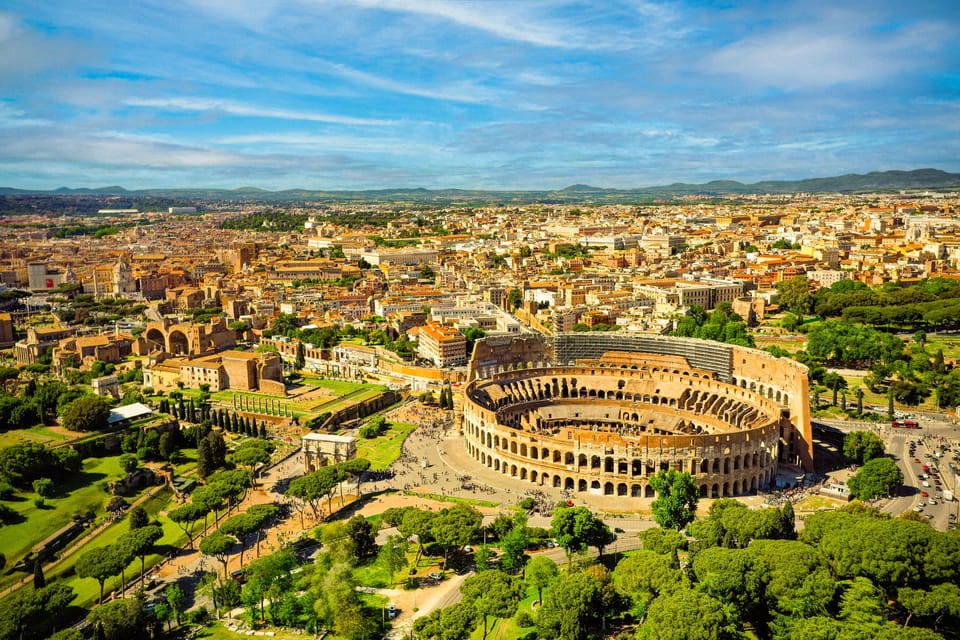
The Palatine Hill visit is also about 45 minutes with a guided tour. This is where the tour shifts from “what happened here” into “how the setting shaped who ruled.” Palatine is often described as the birthplace of Rome, and the walk helps you feel why people associated this hill with status and myth.
One of the best practical benefits here is the panoramic view of Rome. Even if you don’t call yourself a view person, it helps your brain map the city. When you can look out over the landscape, the ruins make more sense because you understand the geography.
You’ll also hear about the luxurious lives of emperors who ruled from these heights. That contrast—between high status and the busy public spaces in the Forum—helps you see the system of power from multiple angles.
What you’re paying for: value beyond the headline price
The price listed is $51.24 per person, and you should think of it as paying for three things at once:
- Guided interpretation across multiple major sites (Colosseum, Forum, Palatine Hill).
- Skip-the-ticket-line access that cuts down one of the most painful parts of touring Rome’s big attractions.
- Radios/headsets included, which is not a small detail when you’re in a loud outdoor space.
You’re also getting optional upsells that can be worth it depending on your style. Small group access can make it easier to ask questions and move at a pace that feels human. Arena access is the upgrade for people who want the most direct connection to the gladiator story.
Is it “cheap”? No, it’s a premium Rome classic. But it’s also a smarter spend than doing three sites back-to-back without guidance, because the guide time is what prevents the day from becoming a blur of impressive walls.
The guide factor: clear audio, strong storytelling, and real focus
A guided tour stands or falls on the guide. Here, the tour design helps: you get headset/radios, so you’re not forced to guess what’s being said when you’re facing the wrong direction.
In the guide feedback you provided, the most praised theme is passion and delivery—guides described as attentive, good story-tellers, and even archaeologist-linked for added depth. You even have names showing up, like Maximillio and Elena, which suggests the tour consistently attracts strong personalities and specialists.
One practical reason that matters: the Colosseum and Forum draw crowds. The best guides time movements so you don’t spend your best moments stuck behind someone’s selfie. That’s why the audio and pacing notes show up again and again—they’re not “nice extras,” they change your experience.
What to bring (and what to leave behind)
To keep the day smooth, bring:
- Passport or ID card
- Comfortable shoes
You’ll be walking on uneven ancient surfaces, and you’ll want a shoe you trust. Add a layer if you get cold inside shaded parts, and plan for sun because you’re outdoors for most of it.
And leave these at home:
- Large bags and oversize luggage
- Pets
- Weapons or sharp objects
- Alcohol and drugs
- Sprays or aerosols
- Glass objects
- Smoking
- Unaccompanied minors
- Electric wheelchairs
Basically: travel light. If you can carry it without fighting the security process, you’ll enjoy the tour more.
Who should book this tour—and who might skip it
This tour is a great fit if you:
- want one organized route through the Colosseum, Roman Forum, and Palatine Hill
- like expert storytelling that explains what you’re seeing
- value headsets and clear audio
- care about spending your time efficiently (about 2.5 to 3 hours)
You should consider skipping or choosing another format if you:
- have mobility impairments or need wheelchair-friendly access (this one isn’t suitable)
- hate crowds and security lines so much that you’d rather visit earlier with self-guided planning
- don’t want to travel with a light bag due to the strict rules at entry
If you’re traveling with kids, note that unaccompanied minors aren’t allowed. If you’re bringing a baby pram, you’ll likely find staff help can happen—there’s at least one mention of assistance with a baby pram—just keep your expectations flexible.
Should you book this Colosseum tour?
If you want the smartest use of limited time in Rome, I’d book it. The core reason is simple: these sites are too big and too layered to truly understand without a guide, and the included radios/headsets make the experience easier than the typical “listen harder” tour.
I’d lean toward the Arena access upgrade if you like immersive experiences and want the strongest connection to the gladiator story. I’d lean toward the small group option if you prefer easier movement, quicker questions, and a less chaotic feeling in key spots.
If you’re prone to long waits ruining your mood, remember that security checks still happen. Show up early, wear comfy shoes, and treat it as part of the ritual of visiting the most famous ruins on earth.
In short: this tour is value when you want meaning, not just photos. Book it when you can give it your full attention—and plan your day around the realities of crowds and security.
FAQ
How long is the guided tour?
The duration is listed as 2.5 to 3 hours. During July and August, it can be shorter (about 2 hours) to help with comfort in the heat.
Does the tour include skip-the-ticket-line access?
Yes. The tour includes skip the ticket line for the sites.
What parts of the sites are included?
It includes guided visits to the Colosseum, the Palatine Hill, and the Roman Forum. The Colosseum stop is about 1 hour, and Palatine Hill and Roman Forum are about 45 minutes each.
Are headsets or radios included?
Yes. Headsets and radios are included so you can hear the guide clearly.
Is Arena access included?
Arena access is included only if you select the option that includes Colosseum Arena entry.
What languages are the guides available in?
Guides are available in Italian, English, German, Spanish, and French.
Do I need ID to enter?
Yes. You need a valid passport or photo ID. Names required for Colosseum bookings should match your reservation, so double-check them at checkout.
Is the tour suitable for wheelchair users?
No. It is not suitable for wheelchair users or people with mobility impairments.