REVIEW · ROME
Guided tour of Vatican Museums and Sistine Chapel
Book on Viator →Operated by Saints Tours · Bookable on Viator
You can feel the Vatican crowd pressure fast. This guided visit is designed to get you past the worst waiting and into the Vatican Museums early, with earphones so you don’t miss the story while you’re moving. I like that it’s built around a smart highlight path, not wandering and guessing.
I especially like the way this tour hits major visual moments in a tight window: the Gallery of Maps and the Museo Pio Clementino stop where the Laocoon comes into play. You’ll also walk away with a clearer sense of how the Vatican collection connects art, math, and power across centuries.
One drawback to consider is the pace: it’s a condensed tour, and the group keeps moving. In hot months, and if you’re slower on your feet, the walk between meeting spot and entrance plus the “keep up” rhythm can feel like a sprint.
In This Review
- Key things to know before you go
- Why this Vatican skip-the-line tour is worth your money
- Meeting point, timing, and why pace matters
- The courtyard pinecone: a strangely useful opener
- Gallery of Maps: Pope Gregory’s big, smart flex
- Museo Pio Clementino and the Laocoon payoff
- Sistine Chapel: getting there early changes everything
- What you do and don’t get: the St. Peter’s Basilica question
- Guides, group size, and real-world pace (the good and the rough)
- Practical value: how $225 turns into “less pain per minute”
- Tips to make the tour feel easier (not just faster)
- Who this tour is best for
- Should you book this Vatican Museums and Sistine Chapel tour?
- FAQ
- How long is the Vatican Museums and Sistine Chapel guided tour?
- Where does the tour start and end?
- What’s included in the tour price?
- Does this tour include St. Peter’s Basilica?
- What stops are included during the visit?
- How big is the group?
- Is there free cancellation?
Key things to know before you go
- Priority entrance helps you dodge hours-long lines and get in when it’s still manageable
- Earphones included so you can hear your guide over museum noise and crowd levels
- Curated highlight stops mean you see the best-known rooms without needing to plan the whole day
- Small group size (max 20) keeps the experience tighter and easier to follow
- Free Wi‑Fi at the meeting point helps you confirm details before you head to the gates
- St. Peter’s Basilica isn’t included as a guided visit (so plan it separately if that’s your goal)
Why this Vatican skip-the-line tour is worth your money
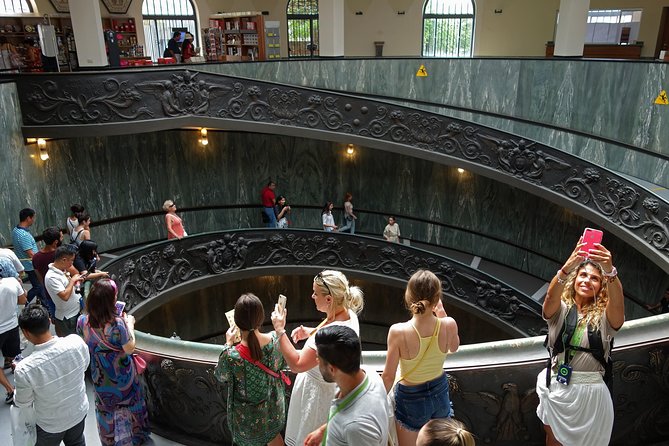
The Vatican can turn your day into a waiting game. This tour is set up to cut that time, with priority entrance so you’re not stuck watching the line creep forward for hours. You’re paying for speed plus a guide who can make sense of what you’re seeing while you’re actually in the rooms.
At $225.14 per person for a 2 to 3 hour experience, it’s not a cheap add-on. But the value is the combination: fast entry, included earphones, and a guided route that targets the big “yes, this is why people come” stops. If you’re short on time, or you want your day to start strong rather than end in exhaustion, the math often works out.
You can also read our reviews of more tours and experiences in Rome.
Meeting point, timing, and why pace matters
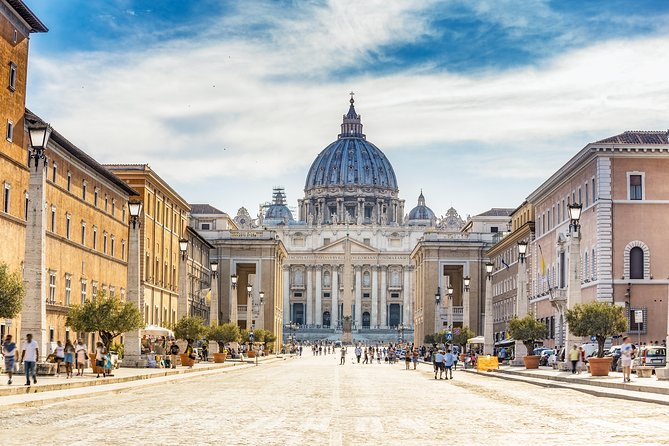
The tour starts at Piazza Papa Pio XII, 5, 00193 Roma, and finishes outside the Vatican Museums at Viale Vaticano. There’s also free Wi‑Fi at the meeting point, plus toilets available at the end back at the meeting area, which matters more than you’d think in a museum circuit.
The group is capped at 20 people, which helps. Still, the tempo is brisk because the goal is highlights—so don’t expect long “stand here and stare” moments in every room. One review noted the guide moved fast in July heat, which is exactly what you should plan for: hydration, sunscreen, and a flexible mindset.
If you’re traveling with older people or anyone who needs extra time between stops, this pace can be tricky. The walking from the meeting area to the museum entrance is described as moderate, but even moderate becomes tough when you’re trying to keep the group together.
The courtyard pinecone: a strangely useful opener
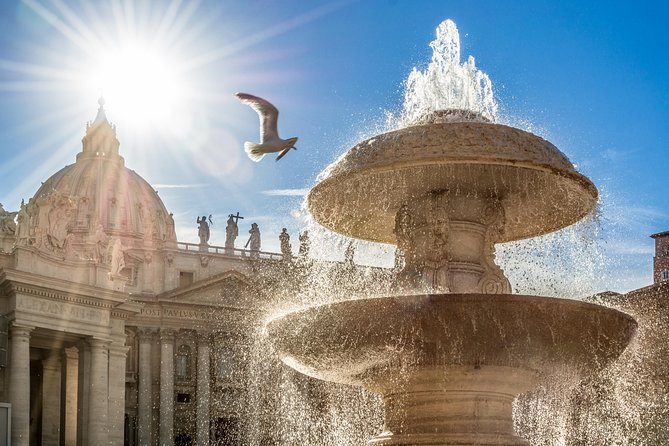
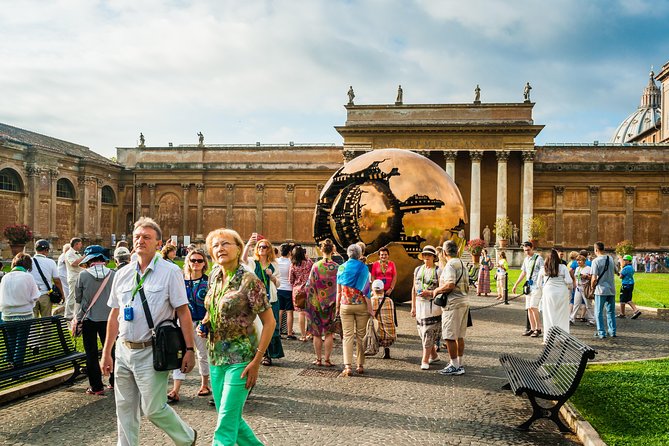
Before you even hit the main collections, you start with the bronze pinecone in the courtyard. It’s four meters tall—hard to miss—and it dates back to the 2nd century. The symbol is tied to themes of immortality and rebirth, which is a good primer for how the Vatican uses imagery to communicate ideas.
This stop isn’t just a photo moment. It’s a way to get you thinking in symbols and meanings, not just art appreciation in isolation. If you like context—why something exists and what it’s meant to signal—this opener helps your brain switch on for the rest of the day.
Gallery of Maps: Pope Gregory’s big, smart flex
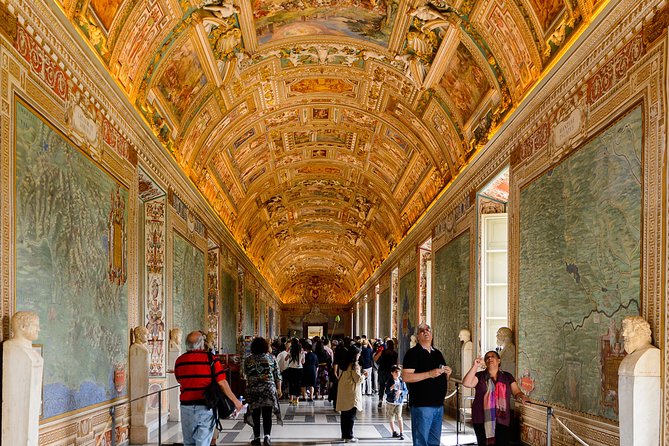
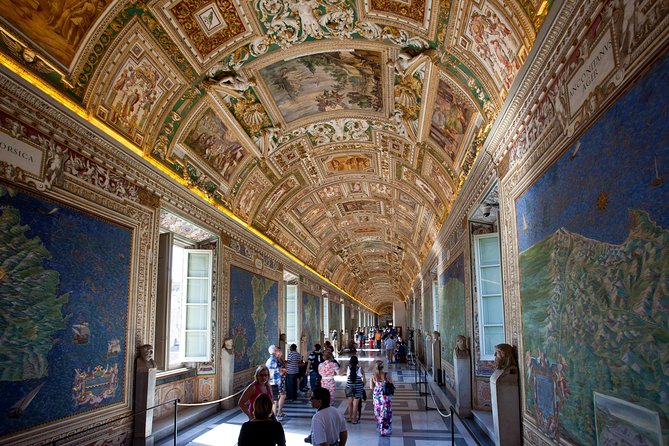
Next comes the Gallery of Maps, commissioned by Pope Gregory XIII. The main frescoes were realized between 1580 and 1585, and the work involved Italian and Flemish artists under the direction of Ignazio Danti, a mathematician, astronomer, and cosmographer.
This stop is one reason I like choosing a guided format here. The maps are visually impressive, but a guide helps you notice what you might otherwise miss—like how the Vatican connected geography, science, and world understanding to religious authority. It’s also a stop where your attention can actually latch onto details because the subject matter is easier to follow than some purely symbolic rooms.
The time here is about 15 minutes, so you’ll get an overview rather than a deep read of every corner. That’s fine for this kind of tour; it’s designed to keep the day moving toward the big-ticket rooms.
Museo Pio Clementino and the Laocoon payoff
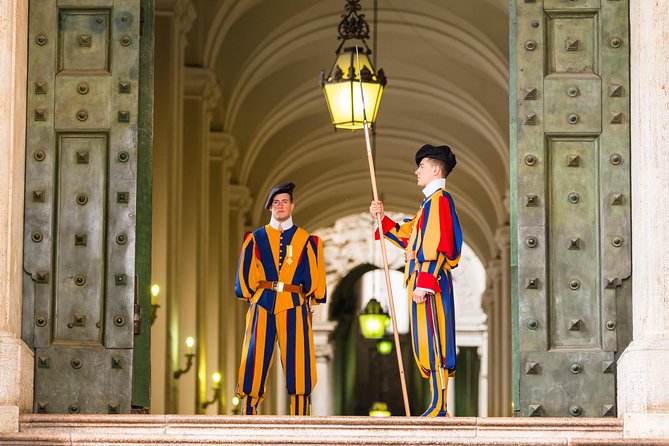
Then you move into the Museo Pio Clementino, founded by Clement XIV in 1771. This is where the art-history fan in you gets rewarded with the famous Laocoon group—an important Roman copy (from the 1st century A.D.) of a Greek bronze original from the 2nd century B.C.
The point isn’t just that the sculpture is famous. It’s what it represents: the long cultural thread of copying, preserving, and reinterpreting classical art. Your guide’s job is to help you understand what you’re looking at—especially the drama in the figures and why this work mattered enough to become a headline piece in the Vatican’s museum world.
Plan about 20 minutes here. You won’t circle the whole room slowly like you would on your own, but you’ll likely come away with the “I get why this is a big deal” feeling instead of just “I saw a sculpture.”

Sistine Chapel: getting there early changes everything
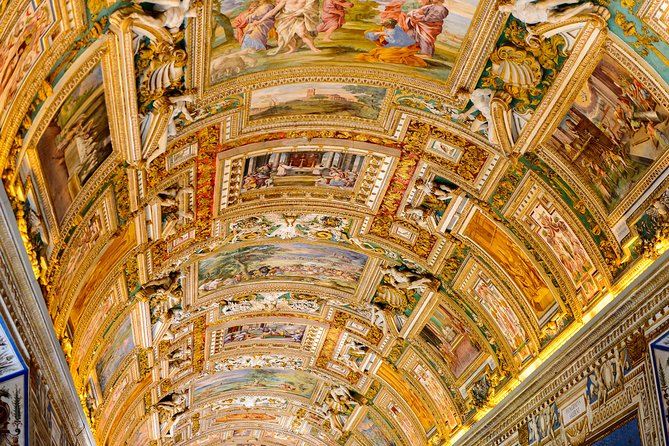
You end with the Sistine Chapel, including the vault frescoes and the back wall with the Last Judgement. Michelangelo’s work is the star, and this portion is structured as about 30 minutes of guided viewing inside the chapel.
This is also where the earphones help most. The Chapel isn’t silent like a library, and crowds move in clusters—so having a guide who can point out what to look at, while you hear clearly through the earpieces, makes the experience smoother.
One practical note: the Sistine Chapel experience depends heavily on how your guide manages the crowd flow. Some groups reported different experiences with pacing and communication (fast movement, and in one case, separation from the group), so you’ll do yourself a favor by staying close to your guide and your group in the final stretch.
What you do and don’t get: the St. Peter’s Basilica question
A big expectation check: St. Peter’s Basilica access and guided tour aren’t included. That means you shouldn’t count on a guided walkthrough in the Basilica as part of this ticket.
Your tour covers the Vatican Museums and the Sistine Chapel focus. If St. Peter’s Basilica is on your must-see list, plan it separately—either with another guided visit or on your own after this tour ends.
I like knowing what’s in and what’s out. It helps you avoid the classic Rome-day disappointment where you’re mentally “here for everything” but the ticket only covers one part.
Guides, group size, and real-world pace (the good and the rough)
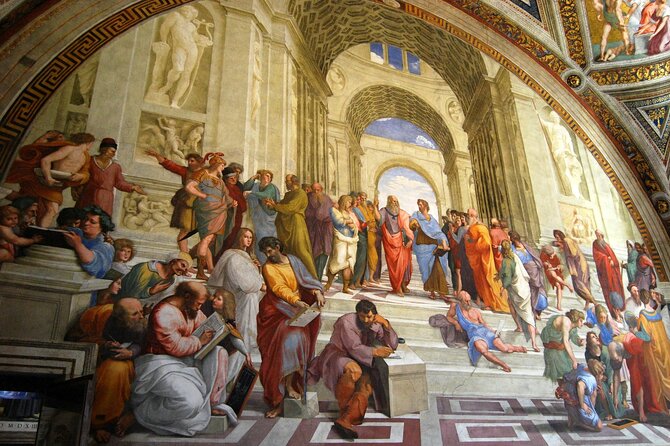
The guide experience can make or break a condensed Vatican tour. In the positive feedback, guides like Vincenzo, Viktor, and Rudy were praised for keeping the group moving while still describing what you’re seeing. People also liked that the tour starts early enough to beat the heavy crowds and that the guide shepherds you through without turning it into chaos.
On the tougher side, a few issues came up that are worth treating as warning flags, not just noise. Some people felt the guide moved too fast, which can make it hard for anyone who needs more time to navigate crowded rooms. Others mentioned communication problems in English, which matters when your tour relies on you hearing specific explanations through the earphones.
There were also complaints about meeting point confusion and delays in getting audio devices in at least one case. The lesson here is simple: arrive early, bring a charged phone, and don’t assume you’ll have a smooth connection to the meeting staff if you show up at the last second.
Practical value: how $225 turns into “less pain per minute”
When you pay for skip-the-line, you’re not just buying convenience—you’re buying time. The Vatican lines can be brutally long, especially when heat and impatience build up. By using priority entrance, you’re turning that waiting time into actual museum time, which is the most valuable currency you have on a short trip.
This tour is also structured to reduce planning stress. You’re guided through a route that hits major rooms rather than forcing you to decide which galleries matter most. If you’re the kind of person who reads up before a trip, great—you’ll enjoy the added structure. If you’re not, the guide does that work for you in real time.
The included earphones, plus the free Wi‑Fi at the meeting point, are also small value boosts that make a difference. And because it’s only 2 to 3 hours, you aren’t trying to cram the Vatican into an entire day with zero breaks.
Tips to make the tour feel easier (not just faster)
Here’s how to set yourself up for a calmer Vatican morning:
- Wear shoes you can handle for a few good miles of walking overall. Even if each stop is short, museum distances add up fast.
- Bring water and something for small energy needs. Snacks and drinks aren’t included, so plan for your own breaks outside the structured tour time.
- If you’re sensitive to sound or hearing audio devices, try to get the earphones fitted right at the start. If anything feels off, adjust immediately rather than later.
- Stay close to your group during the final transition into the Sistine Chapel area. Condensed tours mean fewer chances to regroup if you fall behind.
- If you’re visiting in summer, treat it like an outdoor day before you even enter the museums: sunscreen, hat, and a realistic expectation that it will feel hot and crowded.
Who this tour is best for
This works especially well if you want the Vatican’s greatest hits without spending a full day planning the exact route. It’s a good match for first-time Rome visitors who want a guided “big picture” experience: the Maps Gallery, Museo Pio Clementino highlights, and then the Sistine Chapel finale.
It also fits travelers who don’t want to fight logistics. Priority entrance and earphones reduce the mental load. If you’re the type who gets overwhelmed by huge spaces, a highlight-driven route can actually make you enjoy more, not less.
If you need slow, quiet time in each room, you may feel boxed in by the short stop durations. In that case, you might prefer a longer guided visit or a self-paced day with fewer stops.
Should you book this Vatican Museums and Sistine Chapel tour?
I think you should book if you’re short on time, want priority entrance, and like having a guide connect the dots between major masterpieces. The price hurts a bit on paper, but in practice it often buys back the part of the day that usually gets stolen by lines and confusion.
Skip this tour if you strongly prefer slow pacing, long viewing time, and lots of independent wandering. Also, if you’re worried about keeping up in heat, consider whether your group needs a more flexible schedule.
If your goal is to see the headline rooms, understand what you’re looking at, and keep the day moving without line stress, this is a solid plan.
FAQ
How long is the Vatican Museums and Sistine Chapel guided tour?
The tour runs about 2 to 3 hours.
Where does the tour start and end?
It starts at Piazza Papa Pio XII, 5, 00193 Roma, and ends at Viale Vaticano, outside the Vatican Museums.
What’s included in the tour price?
Included are the tour guide, earphones, Vatican Museums skip-the-line tickets, free Wi‑Fi at the meeting point, and toilets available at the end of the tour at the meeting point.
Does this tour include St. Peter’s Basilica?
No. St. Peter’s Basilica access and a guided tour are not included.
What stops are included during the visit?
The route includes the bronze pinecone courtyard stop, the Gallery of Maps, Museo Pio Clementino (including the Laocoon group), and then the Sistine Chapel.
How big is the group?
The maximum group size is 20 travelers.
Is there free cancellation?
Yes. You can cancel up to 24 hours in advance for a full refund.