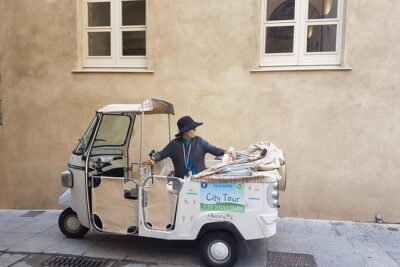
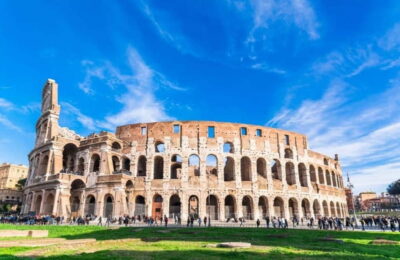
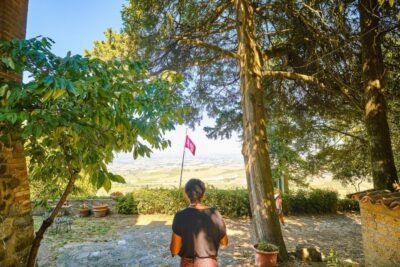
Rome has a secret city under your feet. This half-day golf-cart tour strings together places most visitors never plan, starting with the underground Catacombs of Saint Callixtus. You’ll also get quick stops on the Appian Way, the Aventine keyhole view, the Aurelian Walls, and the Pyramid of Caius Cestius—served with a local guide who explains what you’re actually looking at.
I especially liked the small-group feel (max 7) for the driving and viewpoints. And I love that the route is designed for Rome’s spread-out sights, so you don’t lose your morning fighting the city on your own.
One thing to consider: the catacomb segment has its own system. You join the catacomb’s guides in a bigger group, and you’ll need to pay the catacombs admission (€10 per person) separately. Also, don’t expect bones—some niches and remains are no longer displayed due to past thefts.
In This Review
- Key Things I’d Prioritize on This Tour
- How a Golf Cart Route Changes Your Rome Morning
- Saint Callixtus Catacombs: Eerie Tunnels and the Reality of the Display
- Appian Way (Via Appia Antica): Short Stop, Big Stories
- The Aventine Keyhole: One View That Feels Like a Private Joke
- Aurelian Walls: A Quick Drive Around Third-Century Defense
- Piramide Cestia: Rome’s Pyramid That Many People Miss
- Small-Group Size: Why Max 7 Matters in a City Like This
- Price and Value: What You’re Really Paying For
- The Timing Reality: Why Some Stops Feel Like a Drive-By
- Who This Tour Fits Best (and Who Should Skip It)
- Should You Book This Rome Catacomb Golf Cart Tour?
- FAQ
- How long is the Hidden Gems & Rome Catacomb semi-private tour?
- What’s the group size limit?
- Where does the tour start and end?
- What language is the tour offered in?
- Is admission to the Catacombs of Saint Callixtus included?
- Who leads the catacombs portion?
- What’s included in the price besides the tour?
- What is the cancellation policy?
Key Things I’d Prioritize on This Tour
- Golf-cart transport cuts down on transit time between major “Rome sights” that are far apart
- Local driver-guide context makes Appian Way, walls, and viewpoints easier to understand on the spot
- Catacombs of Saint Callixtus are the main event, but you’ll follow the catacomb guides for that portion
- Short, timed photo stops: you’ll see a lot, but you’ll move on quickly
- Guide names you might meet include Andrea, Mauro, Mido/Hido, Assem, and John
- Potential timing around daily 2pm cannon fire at the right hill viewpoint, if your schedule aligns
How a Golf Cart Route Changes Your Rome Morning
Rome’s “top sights” are famous for a reason, but they’re also clustered in ways that can burn time—lines, bus delays, and long transfers. This tour uses a golf-cart style vehicle to keep the pacing under control. You start at Piazza della Suburra and end at Piazzale Ostiense near the Piramide subway (Line B), so you’re not stuck backtracking across the city.
The big value here isn’t only comfort. It’s the logic of grouping distant stops into one smooth half-day. You get to spend your energy on what’s different: underground Christian cemeteries, the oldest Roman road, a famous keyhole view, and Roman defensive walls—without stitching together multiple taxis.
You can also read our reviews of more tours and experiences in Rome.


Saint Callixtus Catacombs: Eerie Tunnels and the Reality of the Display

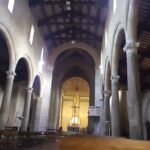
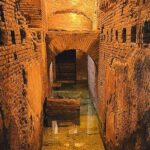
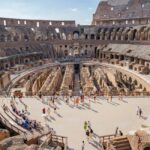
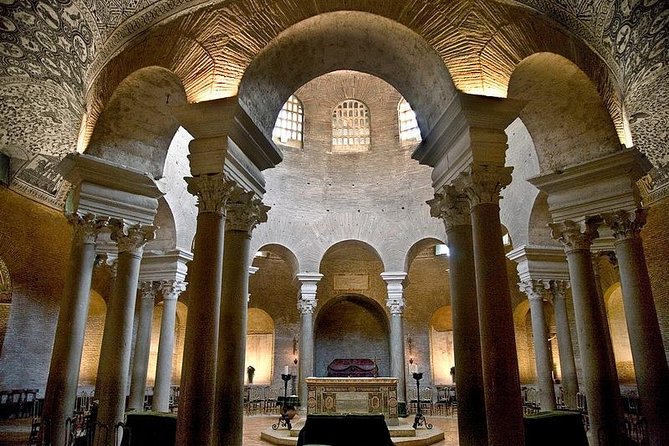
The Catacombs of Saint Callixtus are the centerpiece, about a 45-minute visit, and yes, they’re creepy in the best way. This is a maze of underground Christian cemeteries that dates back to the early centuries, with empty tomb niches and painted frescoes you can actually spot once the lighting and crowd flow settle.
Here’s the practical part: during the catacomb portion, you don’t stay with your driver-guide. You join the catacombs’ own guides, and that part can involve a larger group than the rest of the tour. For me, that’s not a deal-breaker—it often means you get a specialist narration in the space itself.
The other must-know: admission to the catacombs is not included. You should budget an extra €10 per person. And based on what you might encounter underground, don’t plan on seeing bones. Some remains have been removed from public display because of past thefts.
If you’re the type who likes atmosphere plus storytelling, this stop is where the tour earns its keep. If you’re expecting a long, unbroken, one-on-one visit led only by your driver-guide, you’ll want to adjust your expectations.
Appian Way (Via Appia Antica): Short Stop, Big Stories
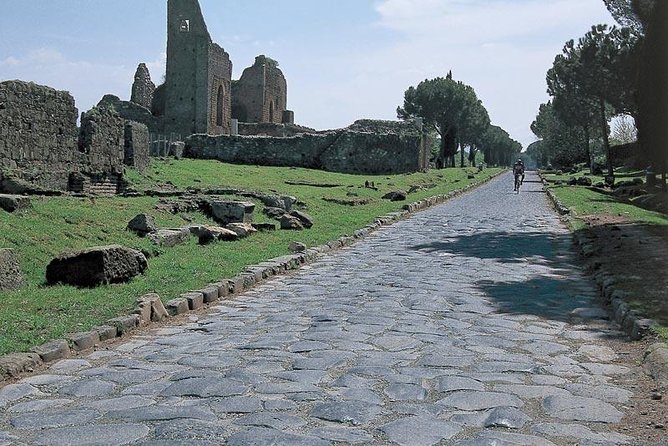
After the underground world, you surface into one of Rome’s most dramatic layers of time: the Appian Way. Even though the stop is brief (around 20 minutes), the place matters because it’s not just a road. It’s a surviving piece of Roman infrastructure and a stage for events people still talk about.
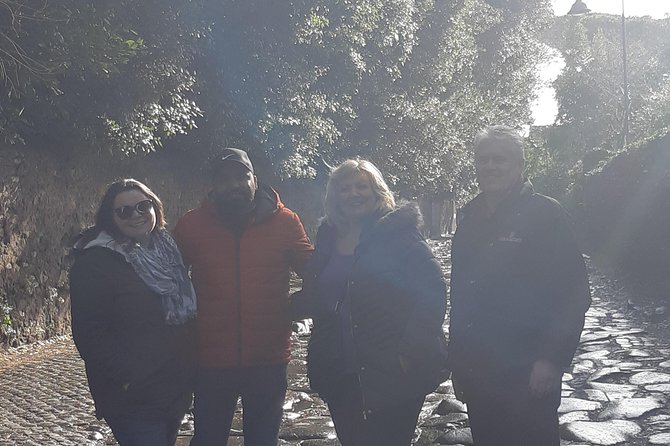
Your guide will connect the setting to famous history—stories tied to Spartacus’s rebellion and the moment St. Peter’s vision is linked to his departure from Rome. The physical clue you can spot is the paving stones: parts of the road retain original stonework, so it feels less like a reenactment and more like a real artifact under your feet (or at least right next to your bus window).
A key note for planning: this is not a long walk tour of the Appian Way. It’s designed as a look-and-learn stop with quick context, then movement onward. If your dream day includes a deep, slow stroll along the road, you might want to pair this with a dedicated Appian Way walking experience later in your trip.
The Aventine Keyhole: One View That Feels Like a Private Joke
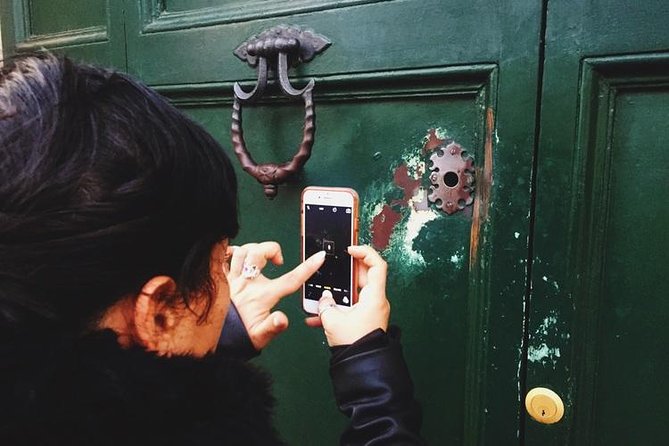
Then comes a very Roman kind of treasure hunt: the keyhole on the Aventine Hill. You don’t spend a long time here—around 20 minutes—but the payoff is mental. You line up your head, find the right angle, and suddenly Rome becomes a framed composition rather than a jumble of rooftops.
Why it’s worth it: the Aventine keyhole is famous for a reason. It trains your attention. You’re not just looking; you’re aiming. And when you catch the view, it feels oddly personal for something thousands of people can technically do.
Also, this is one of the moments where scheduling can add extra fun. In some cases, the timing works with the daily 2pm cannon shot, which can turn a standard viewpoint stop into a memorable little scene. If you’re traveling with kids or teens, this is the stop that tends to keep interest up because it’s interactive, quick, and different from the usual photo-spam.
Aurelian Walls: A Quick Drive Around Third-Century Defense
The Aurelian Walls stop is short (around 15 minutes), and that’s exactly how it should be approached: think orientation and exterior viewing, not a deep walk along the walls.
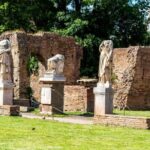
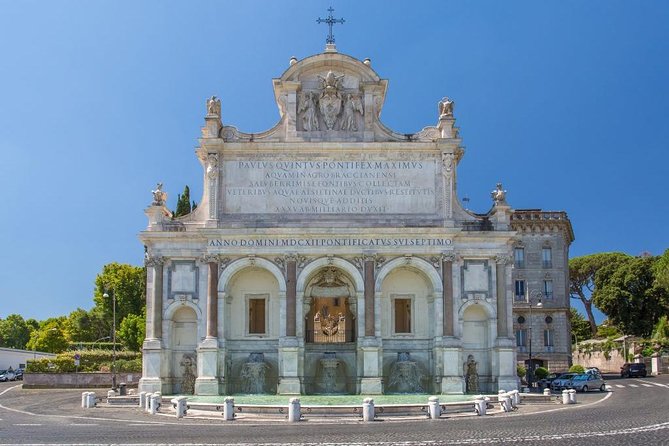
These defensive walls date to the third century AD, and large portions still exist. From the vehicle, you’ll get a sense of where Rome held its perimeter and how the city structured security. You’ll also see ancient gates from the outside—enough to appreciate scale without turning your morning into a long hike.
If your main goal is “collect the major Rome stories,” this is a helpful add-on. If you’re craving wall-walking and detailed architecture study, you’d still want a separate day that includes entry points and longer routes.




Piramide Cestia: Rome’s Pyramid That Many People Miss
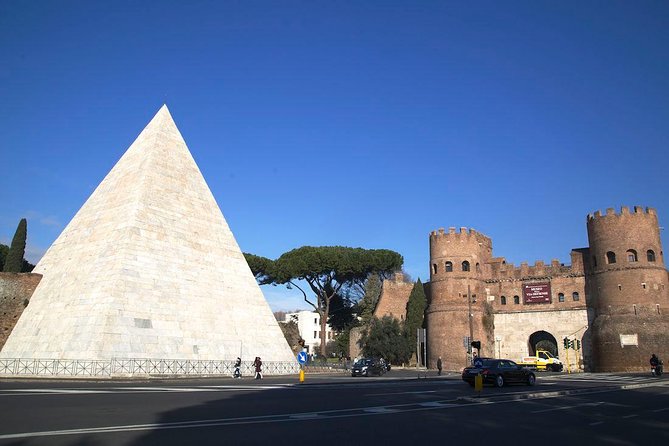
Most people coming to Rome don’t think “pyramid.” But the Pyramid of Caius Cestius is right there, and it’s a perfect example of how this tour avoids the obvious.
This stop is also brief (about 15 minutes), which means you’ll want to be ready with your camera position early. You’re looking at a standalone Roman monument that feels slightly mysterious compared to the more familiar classical ruins in and around the center.
The value isn’t only the object itself—it’s the point of the pacing. By keeping this stop quick and accessible, you still have energy for the catacombs and the big viewpoint moment on the Aventine Hill.
Small-Group Size: Why Max 7 Matters in a City Like This
The tour is capped at 7 travelers, and that small number shows up in how the morning feels. With fewer people, your guide can spend real time clarifying what you’re seeing—especially at stops where Rome changes shape between streets.
You’ll also notice that on some days it can be even smaller. In multiple encounters, people ended up in a very tight group and described the guide as going above and beyond—sometimes adding extra time for photos or thoughtful moments like a warm drink while waiting at a viewpoint.
Guide quality is a real part of the experience here. Names you might encounter include Andrea, Mauro, Mido (also written as Hido), Assem, and John. What they tend to share is a willingness to explain the “why” behind the setting, not just the “what.”
Price and Value: What You’re Really Paying For
At $108.84 per person for about 2 hours 30 minutes, this isn’t the cheapest way to move around Rome—but it can be good value if you care about time and context.
Here’s the value equation I’d use:
- You’re paying for transport across multiple far-apart stops.
- You’re paying for a professional driver-guide who connects the dots between monuments.
- You’re getting a compact itinerary that avoids the “Rome chaos tax” of figuring out everything alone.
The one cost you must factor in is catacombs admission. The €10 per person isn’t included, and it’s the largest additional expense you’ll face. Still, even with that, you’re usually getting more guided benefit than a DIY sprint with taxis and missing context.
The Timing Reality: Why Some Stops Feel Like a Drive-By
This tour works best if you like momentum. Many stops are deliberately timed, so you’ll see a lot without lingering too long anywhere.
That suits first-timers who want a strong overview and a few off-the-beaten-track moments. It may frustrate people who want slow travel, long museum time, or extended walking at every site.
The Appian Way is a good example. You can learn and take in the key features, but you should not plan on a long on-foot stretch. And if you’re photographing, be ready to move quickly between stops.
Who This Tour Fits Best (and Who Should Skip It)
I’d point this tour toward:
- First-time Rome visitors who want more than the usual center-city routine
- People who like guided context at multiple stops but don’t want to spend half a day commuting
- Travelers who enjoy a mix of underground and above-ground Rome
- Families who want short “challenge-style” moments (the keyhole is a classic)
I’d think twice if:
- You want a deep, long Appian Way walking experience
- You expect every minute to be guided inside the catacombs by the same person who drives you
- You dislike short stops and quick photo windows
Should You Book This Rome Catacomb Golf Cart Tour?
Yes, if your goal is a fast, intelligent Rome taste that hits the underground catacombs and a handful of famous-but-often-missed viewpoints. The catacombs are the anchor, and the Aventine keyhole plus Aurelian Walls and the Cestius Pyramid make the day feel like Rome beyond postcards.
Book it with clear expectations: the catacombs add a separate admission and you’ll join the catacombs’ own guiding team. If you’re comfortable with timed stops and quick orientation, you’ll likely leave with a morning that feels efficient and different in all the right ways.
FAQ
How long is the Hidden Gems & Rome Catacomb semi-private tour?
It runs for about 2 hours 30 minutes.
What’s the group size limit?
The tour has a maximum of 7 travelers.
Where does the tour start and end?
It starts at Piazza della Suburra and ends at Piazzale Ostiense, near the Piramide subway station (Line B).
What language is the tour offered in?
The tour is offered in English.
Is admission to the Catacombs of Saint Callixtus included?
No. Catacombs admission is not included and costs €10.00 per person.
Who leads the catacombs portion?
The catacombs visit is guided by the catacomb guides themselves, and you join a bigger group for that part.
What’s included in the price besides the tour?
You get a professional expert driver/guide and private transportation.
What is the cancellation policy?
You can cancel for a full refund up to 24 hours in advance of the experience start time.